Largemouth Bass

Largemouth Bass are one of the most popular sportfish in Kansas, ranking as the most favored species among resident and lifetime anglers.
These top predators are native to many streams in eastern Kansas and have been extensively stocked throughout the state in reservoirs, lakes, and ponds.
Scientific Name: Micropterus salmoides
- Distinguished from other black bass by their large mouth that extends beyond the eye in adults.
- The Kansas record is 11 pounds, 12 ounces.
Fishing in Kansas
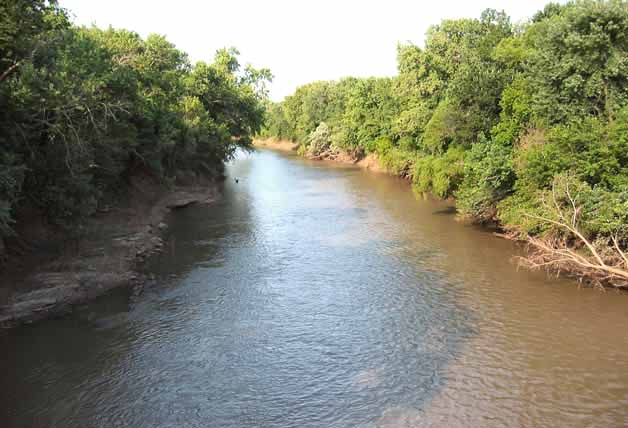
Neosho River
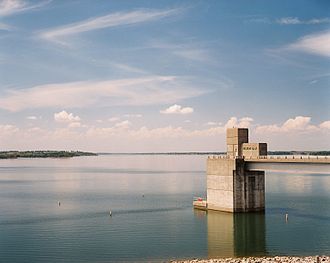
Melvern Lake
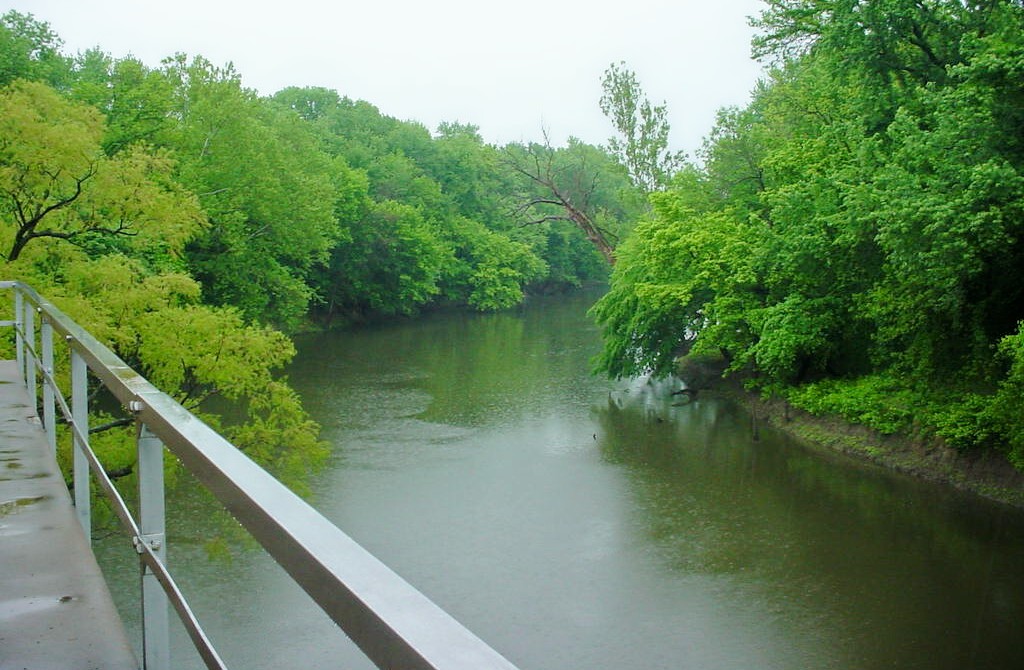
Verdigris River
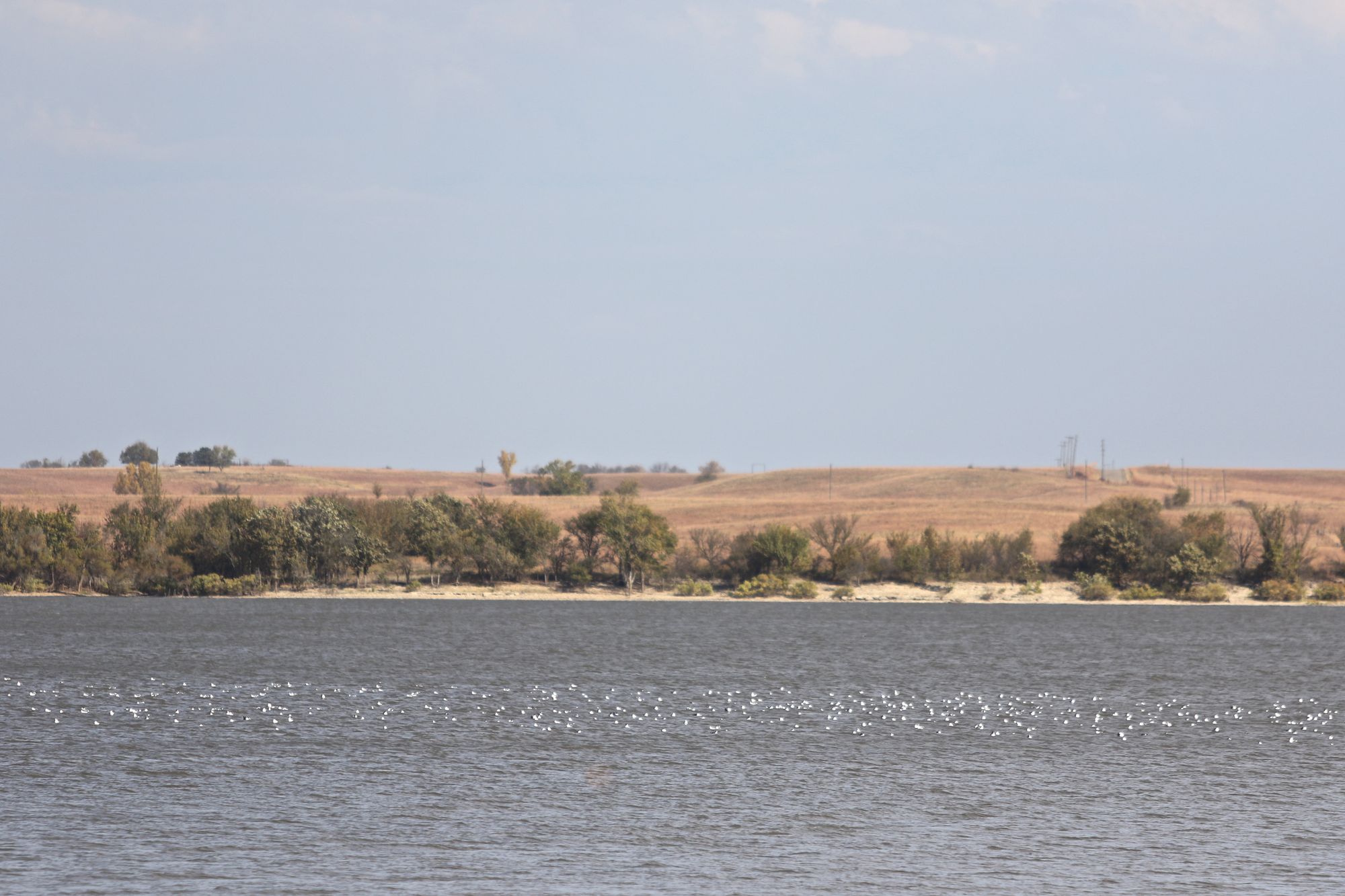
Council Grove Lake
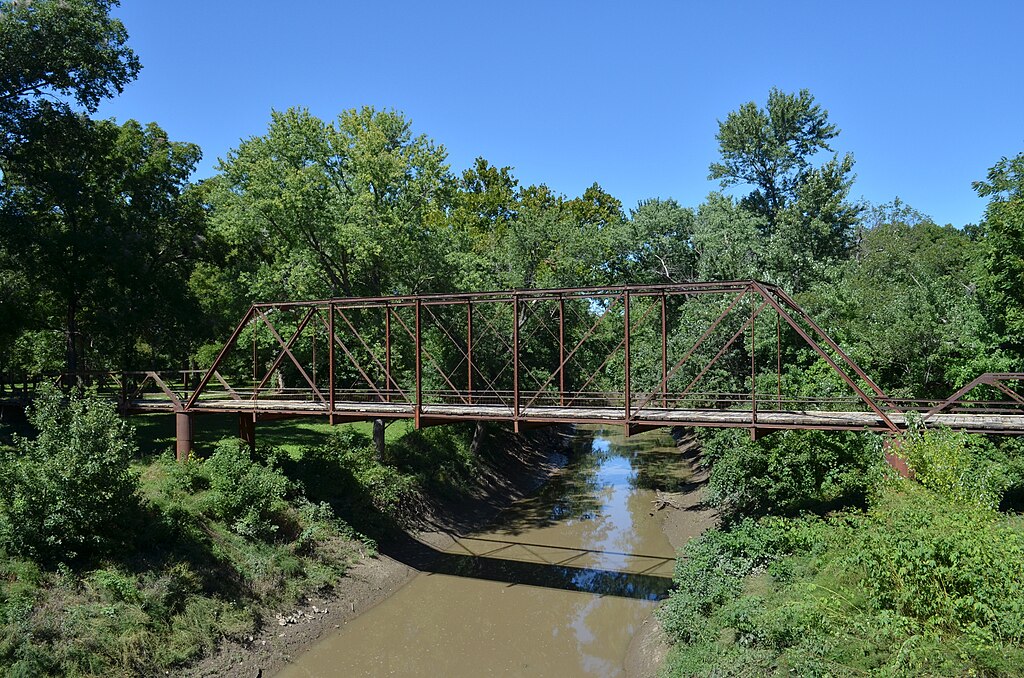
Marais des Cygnes River
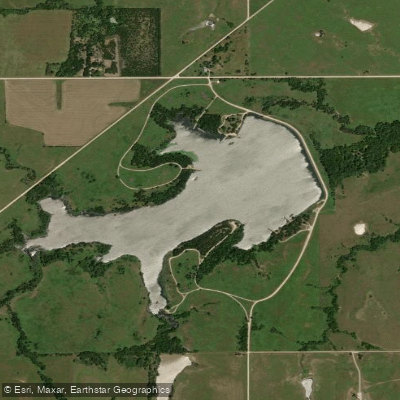
Lyon County State Lake

John Redmond Reservoir
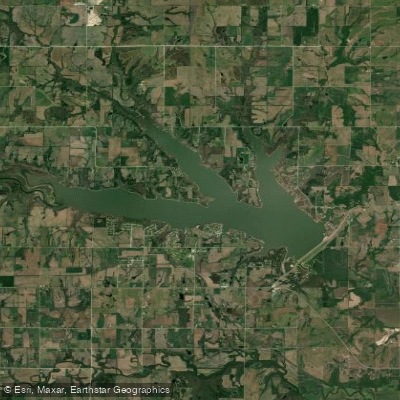
Pomona Lake
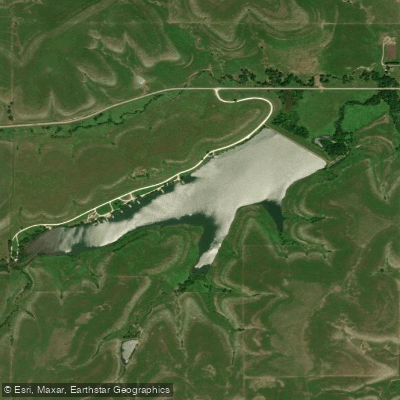
Chase County State Lake
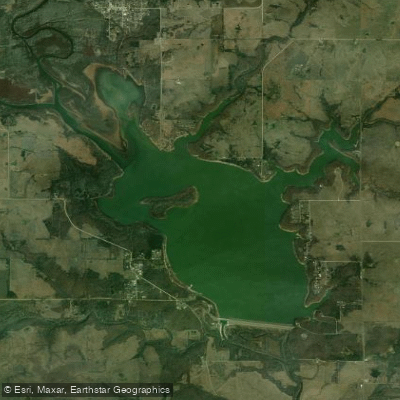
Toronto Lake
What to know
Habitat Distribution
- Native to many streams in eastern Kansas and have been extensively stocked throughout the state in reservoirs, lakes, and ponds.
- They prefer shallow, murky water.
Key Locations
- La Cygne Reservoir (recognized by Bassmasters as a top Midwest bass lake), Wilson Reservoir, Sebelius Reservoir, and numerous state fishing lakes like Wilson SFL, McPherson SFL, and Butler SFL.
Specific Spots
- Associate with structure such as weeds, submerged timber, docks, and fallen trees.
- Target structure such as weed lines, fallen trees, docks, rocky points, and drop-offs near spawning areas.
- Fish shallow areas (1-6 feet) during spring and fall, moving to deeper water (6-20 feet) during summer heat.
Largemouth Bass FAQ
Answers from onWater's species guide.
What are the best lures and bait for Largemouth Bass in Kansas?
Spinnerbaits, jig-and-pig combinations, plastic worms, crankbaits, topwater plugs, and soft plastics. Square-bill crankbaits in natural bream or river minnow colors. Live bait options include bluegill, minnows, and nightcrawlers. Lipless crankbaits and jerkbaits.
What flies work for Largemouth Bass in Kansas?
Deer hair poppers (especially bumblebee, white, yellow, and black patterns), Clouser Minnows, Woolly Buggers with rubber legs, and baitfish streamers. Size 6 flies are most versatile.
When is the best time to fish for Largemouth Bass in Kansas?
Most productive during spring (April-May) and fall when water temperatures are 60-75°F. Most active during warm water months (March-November) when their metabolism peaks, becoming less active in winter when water temperatures drop below 55°F. Winter fishing requires slow presentations.
How do you catch Largemouth Bass in Kansas?
Fish topwater presentations during low-light conditions and use reaction baits during temperature changes. Winter fishing requires slow presentations with jigs and deep-diving lures. Square-bill crankbaits in natural bream or river minnow colors are particularly effective when bumped off wood or rock cover.
What do Largemouth Bass eat?
Opportunistic predators with a diverse diet including smaller fish (shad, minnows, bluegill), crayfish, frogs, insects, worms, and occasionally snakes, birds, mice, and even other bass up to 50% of their body length.
Fish smarter with real-time insights
Whether you're en route and conditions shift or you're looking for the best spot based on current flows, we enable you to make informed decisions on the fly.




See it in the app
Most maps show you water.
onWater shows you Largemouth Bass.



- 01 · Species map filter
Map every Largemouth Bass water
Pick Largemouth Bass and the map zeroes in on the waters they call home. No more guessing which lake holds them.
- 02 · Waterbody species
Tap any water. See what lives there.
Species, behavior and seasonal patterns for every lake, river and pond, before you leave the driveway.
- 03 · Angler Intelligence
Ask how to catch Largemouth Bass
Tactics, gear and timing from onWater's AI fishing guide, tuned to the species and the water you're on.
Stop guessing where Largemouth Bass are.
Open the map, filter by Largemouth Bass, and head to water that holds them. Download onWater and plan your next trip in minutes.
- Species map filter
- Angler Intelligence
- Fishing journal
Explore other species
Trout, bass, salmon, panfish and everything in between. Each guide unpacks the behavior, seasons, and tactics that put fish in the net.
No species information available.
Kansas licenses and regulations
Explore nearby waters
Explore Kansas waters
Top fishing waters
Popular Cities
Loading popular cities...

Smarter Fishing Starts in the App.
onWater Fish gives you everything you need to plan smarter, fish better, and own every trip from first cast to last.