Bighead Carp

Bighead Carp are large, invasive filter-feeding fish established in Kansas waters since 1987.
Scientific Name: Hypophthalmichthys nobilis
- Deep-bodied fish with distinctive large heads with toothless mouths, protruding lower jaws, and eyes positioned far forward and low on the head.
- Display dark gray coloration fading to white underneath with dark irregular blotches on the sides, and possess a smooth belly keel extending from the vent to the base of pelvic fins.
- Kansas specimens commonly reach 40+ pounds, with some exceeding 100 pounds and growing over 4 feet in length.
- The largest documented Kansas River specimen weighed 72 pounds.
Fishing in Kansas
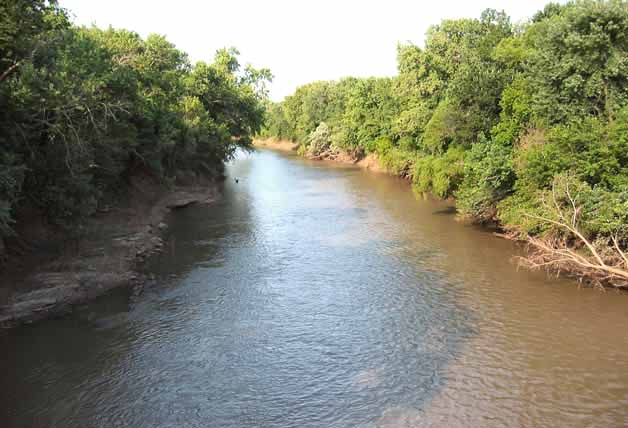
Neosho River
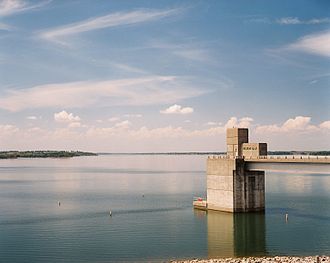
Melvern Lake
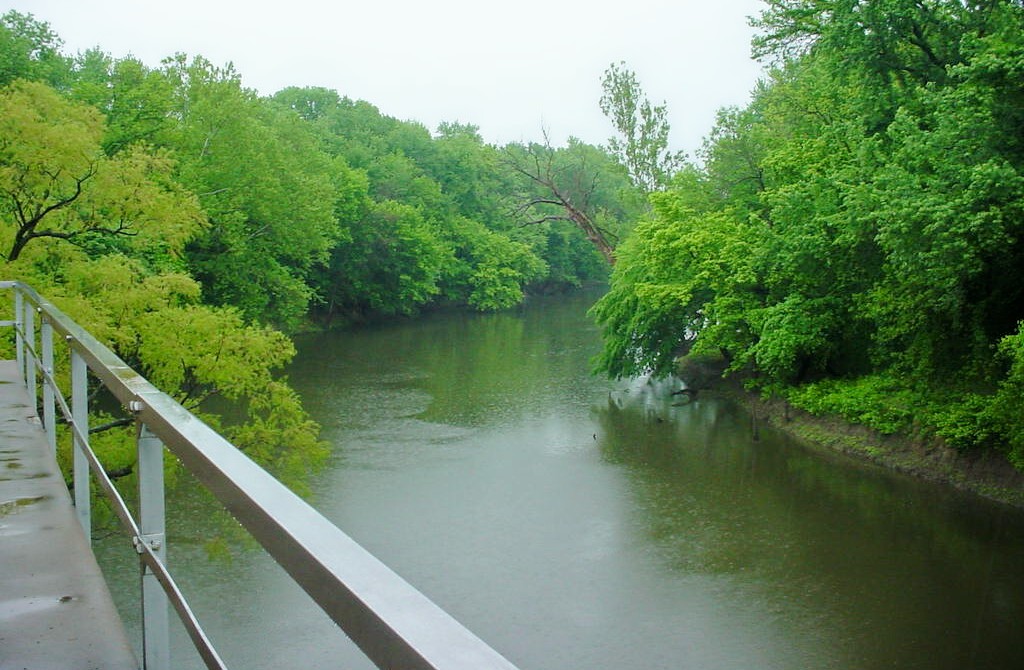
Verdigris River
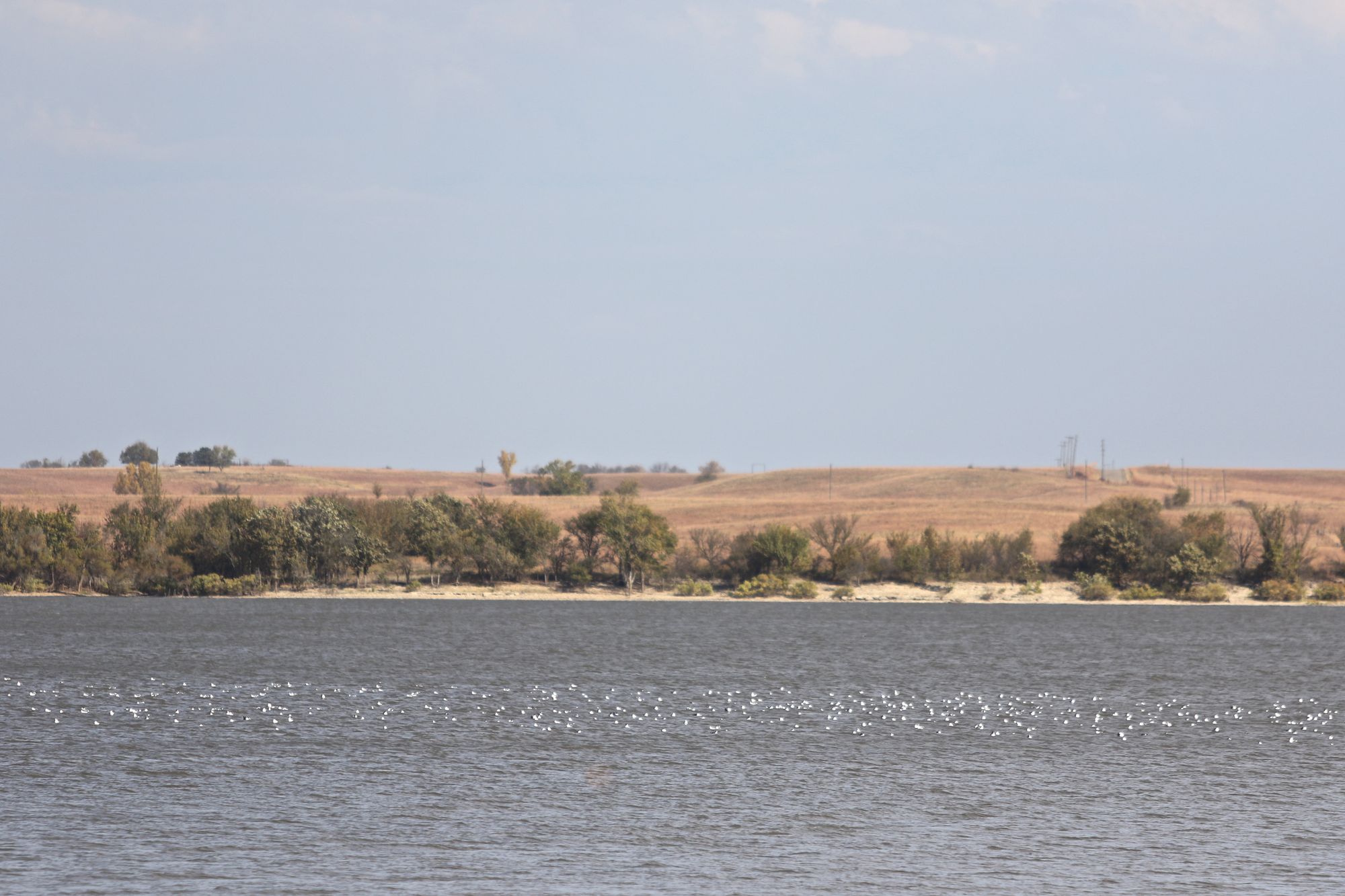
Council Grove Lake
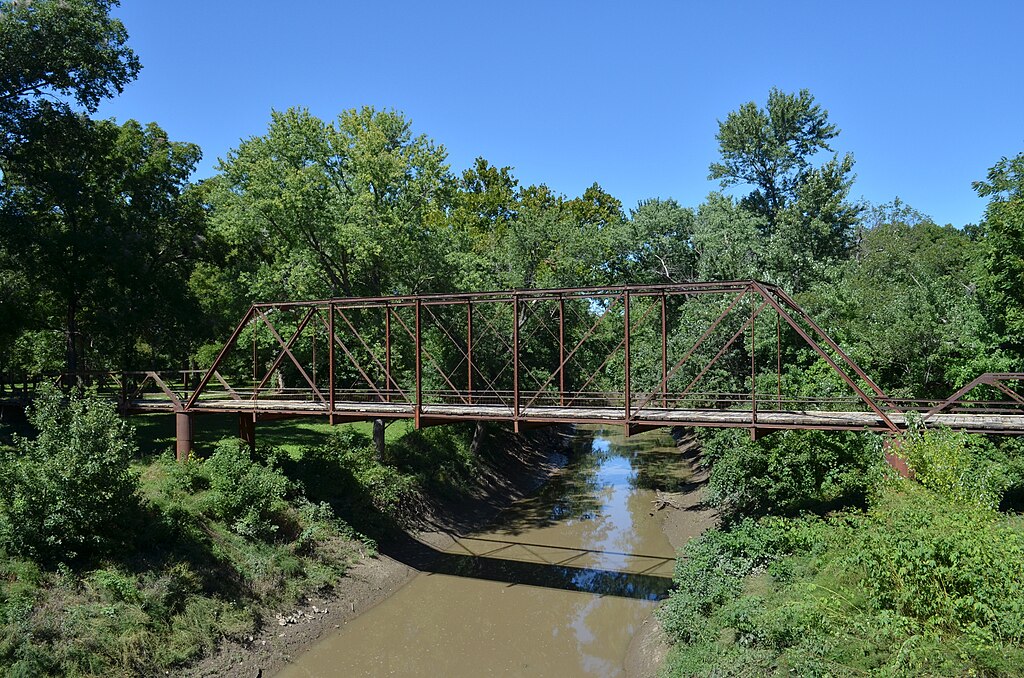
Marais des Cygnes River
Lyon County State Lake
John Redmond Reservoir
Pomona Lake
Chase County State Lake
Toronto Lake
What to know
Habitat Distribution
- Inhabit the lower Kansas River from the Missouri confluence upstream to Bowersock Dam at Lawrence, plus the Missouri River, Neosho River-Grand Lake system, and various tributaries including the Delaware, Arkansas, and Wakarusa rivers.
Key Locations
- Lower Kansas River from the Missouri confluence upstream to Bowersock Dam at Lawrence, Missouri River, Neosho River-Grand Lake system, Delaware, Arkansas, and Wakarusa rivers.
- The lower Kansas River below Bowersock Dam offers the best opportunities, especially around the WaterOne low-head dam area.
Specific Spots
- Prefer slow-moving waters with abundant natural food sources, staying in the upper water column.
- Focus efforts in areas where fish finder shows dense schools, typically in deeper holes and along channel structure.
Bighead Carp FAQ
Answers from onWater's species guide.
What are the best lures and bait for Bighead Carp in Kansas?
Particle baits include mashed potatoes, breadcrumbs, powdered milk, instant grits, cream of wheat, and commercial Japanese bighead carp baits mixed with sweet potato fiber as a binder. Casting spoons (½-1 oz).
When is the best time to fish for Bighead Carp in Kansas?
Summer months when water temperatures are 77°F+ provide optimal conditions. Avoid fishing during spawning periods when water temperatures reach 77°F during spring floods.
How do you catch Bighead Carp in Kansas?
Fish rigs 15-20 feet deep using pole floats to target schools located with fish finders. Casting spoons can occasionally catch Bighead Carp, particularly when they hit on the drop or are snagged.
What do Bighead Carp eat?
Powerful filter feeders consuming mainly zooplankton and lacking true stomachs, requiring them to feed almost continuously at water temperatures above 35°F. They can consume 20-120% of their body weight daily, primarily targeting plankton.
Where do Bighead Carp live in Kansas?
Inhabit the lower Kansas River from the Missouri confluence upstream to Bowersock Dam at Lawrence, plus the Missouri River, Neosho River-Grand Lake system, and various tributaries including the Delaware, Arkansas, and Wakarusa rivers.
Fish smarter with real-time insights
Whether you're en route and conditions shift or you're looking for the best spot based on current flows, we enable you to make informed decisions on the fly.







See it in the app
Most maps show you water.
onWater shows you Bighead Carp.



- 01 · Species map filter
Map every Bighead Carp water
Pick Bighead Carp and the map zeroes in on the waters they call home. No more guessing which lake holds them.
- 02 · Waterbody species
Tap any water. See what lives there.
Species, behavior and seasonal patterns for every lake, river and pond, before you leave the driveway.
- 03 · Angler Intelligence
Ask how to catch Bighead Carp
Tactics, gear and timing from onWater's AI fishing guide, tuned to the species and the water you're on.
Stop guessing where Bighead Carp are.
Open the map, filter by Bighead Carp, and head to water that holds them. Download onWater and plan your next trip in minutes.
- Species map filter
- Angler Intelligence
- Fishing journal
Explore other species
Trout, bass, salmon, panfish and everything in between. Each guide unpacks the behavior, seasons, and tactics that put fish in the net.

Find which waters have the species you want to catch

Largemouth Bass
Micropterus salmoides

Smallmouth Bass

Rainbow Trout
Oncorhynchus mykiss

Brown Trout

Brook Trout
Salvelinus fontinalis

Northern Pike

Walleye

Black Crappie
Pomoxis nigromaculatus

American Eel
Anguilla rostrata

Bigmouth Buffalo
Ictiobus cyprinellus

Black Buffalo
Ictiobus niger

Black Bullhead
Ameiurus melas

Blue Catfish

Blue Sucker
Cycleptus elongatus

Brown Bullhead
Ameiurus nebulosus

Channel Catfish
Ictalurus punctatus

Common Carp
Cyprinus carpio

Creek Chub
Semotilus atromaculatus

Flathead Catfish
Pylodictis olivaris

Freshwater Drum
Aplodinotus grunniens

Gizzard Shad
Dorosoma cepedianum

Grass Carp
Ctenopharyngodon idella

Green Sunfish
Lepomis cyanellus

Lake Sturgeon
Acipenser fulvescens

Longear Sunfish

Longnose Gar
Lepisosteus osseus

Northern Hogsucker
Hypentelium nigricans
Orangespotted Sunfish
Lepomis humilis

Pumpkinseed
Lepomis gibbosus
Quillback
Carpiodes cyprinus
Redear Sunfish

Rock Bass
Ambloplites rupestris
Sauger
Sander canadensis
Saugeye
Shortnose Gar
Lepisosteus platostomus
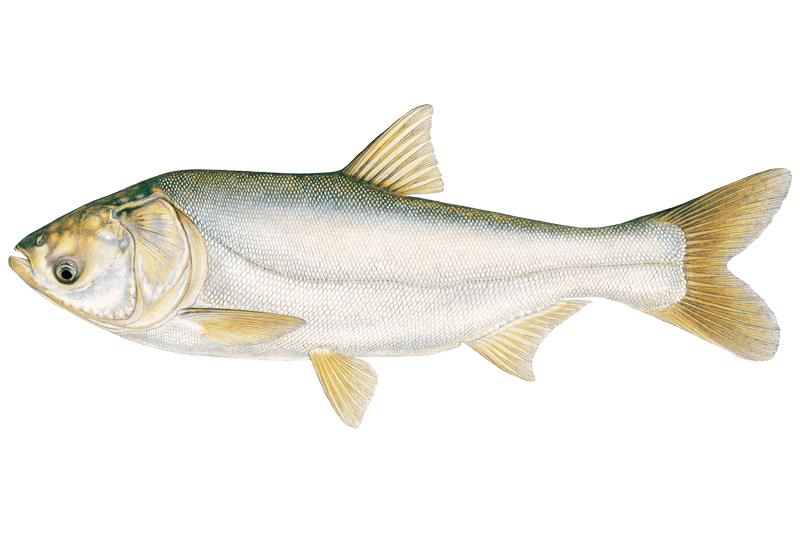
Silver Carp
Hypophthalmichthys molitrix
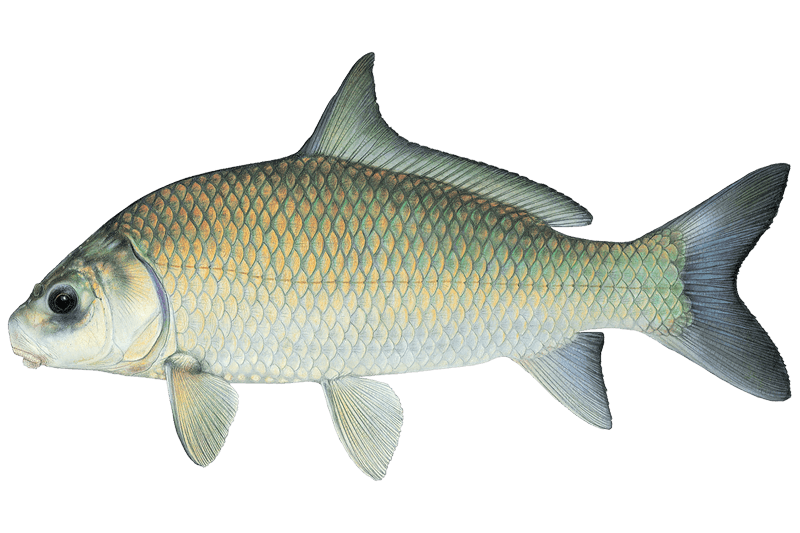
Smallmouth Buffalo
Ictiobus bubalus
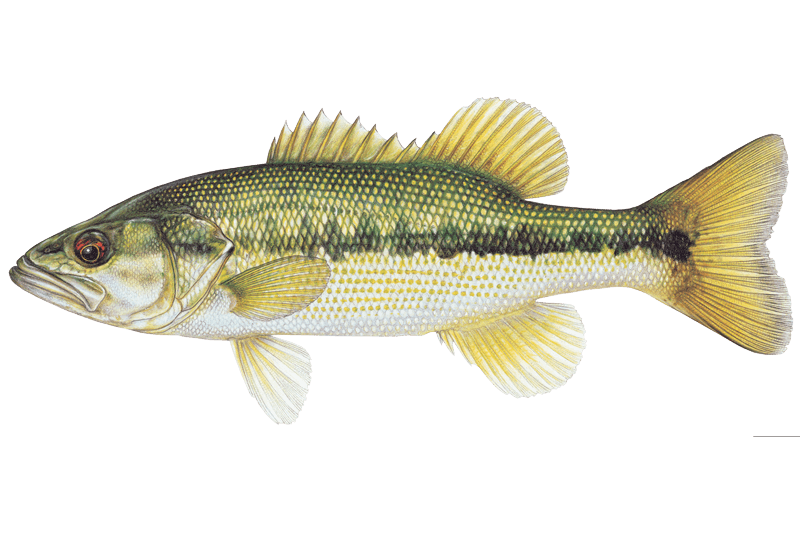
Spotted Bass
Micropterus punctulatus
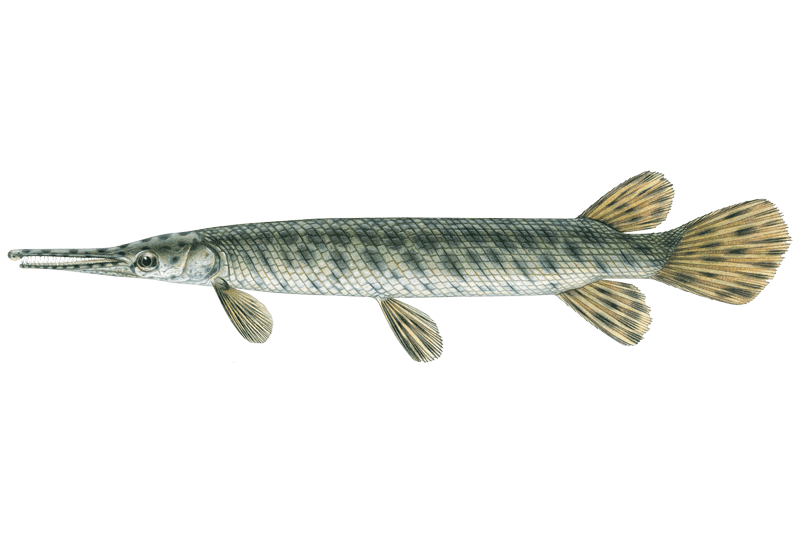
Spotted Gar
Lepisosteus oculatus
Striped Bass
Kansas licenses and regulations

Kansas Boating Regulations
When using any type of watercraft to access a body of water, it is important to follow all federal, state, and local rules and regulations. These rules and regulations include boat permitting and licensing, invasive species inspections and stamps, life jacket and PFD rules, motor size and horsepower restrictions, noise limitations, restrictions on personal watercraft, and many more. Visit the web link below for the most current rules and regulations for this body of water.

Kansas Fishing License
Anglers age 16 through 74, who have been bona fide residents of the state for 60 days immediately prior to buying a license, must have a resident license in possession while fishing in Kansas. All nonresidents 16 and older must have a valid nonresident license to fish in Kansas (unless fishing on a private pond not leased for public fishing). All licenses expire 365 days from the date of purchase, except for multi-year, five-day, lifetime, and one-day fishing licenses.

Kansas Fishing Regulations
This river has a variety of species and regulations, including potential floating and/or watercraft restrictions. Because this river is specially managed for species, seasons, angling methods, and watercraft, it is strongly encouraged you check all federal, state, and local regulations before fishing. Visit any of the links below, inquire locally, or contact a local fly shop to learn current regulations and restrictions.

Kansas Stream Access Laws
Most streams and rivers in Kansas are privately owned. The public rivers are the Kansas, Arkansas and Missouri. They are open to the public between the ordinary high water marks on each bank. This is the line that can be seen where high water has left debris, sand, and gravel during its ordinary annual cycle. When these rivers flow through private land, permission is needed from adjacent landowners to access the rivers as well as when picnicking, camping, portaging or engaging in any other activity on the adjacent private lands. Except where they pass through the legal limits of a government entity, the rest of our streams and rivers are privately owned, and permission is needed from the landowners to access and use the streams and adjacent lands for any purpose.
Explore nearby waters
Explore Kansas waters
Top fishing waters
Popular Cities
Loading popular cities...
Smarter Fishing Starts in the App.
onWater Fish gives you everything you need to plan smarter, fish better, and own every trip from first cast to last.