Blue Sucker

The Blue Sucker is a native Kansas species and one of the state's rarest catches, representing a true trophy for anglers who encounter one.
The species is listed as threatened in Kansas due to habitat fragmentation from dams, channelization, and water quality issues, making any encounter with these 'living fossils' particularly special.
Scientific Name: Cycleptus elongatus
- These streamlined fish have elongated, slightly compressed bodies with small heads tapering to fleshy snouts and inferior mouths perfectly adapted for bottom feeding.
- Their coloration varies dramatically from light steel-gray to almost jet black, with some specimens displaying striking blue hues that give the species its name.
- Adults commonly reach 76cm (30 inches) and can exceed 10 pounds, with the largest specimens potentially reaching over 40 inches.
Fishing in Kansas
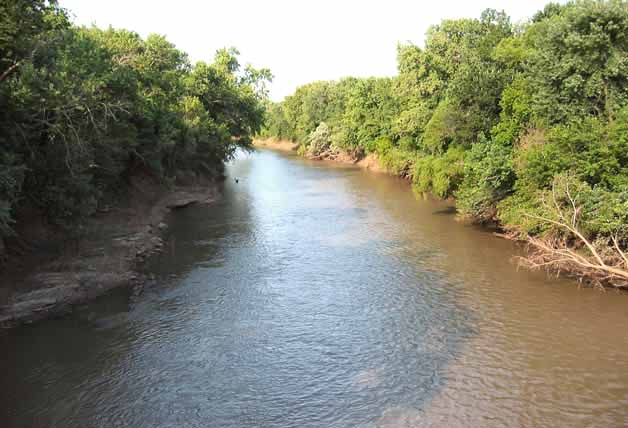
Neosho River
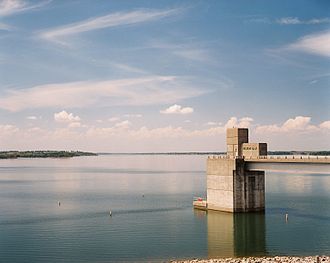
Melvern Lake
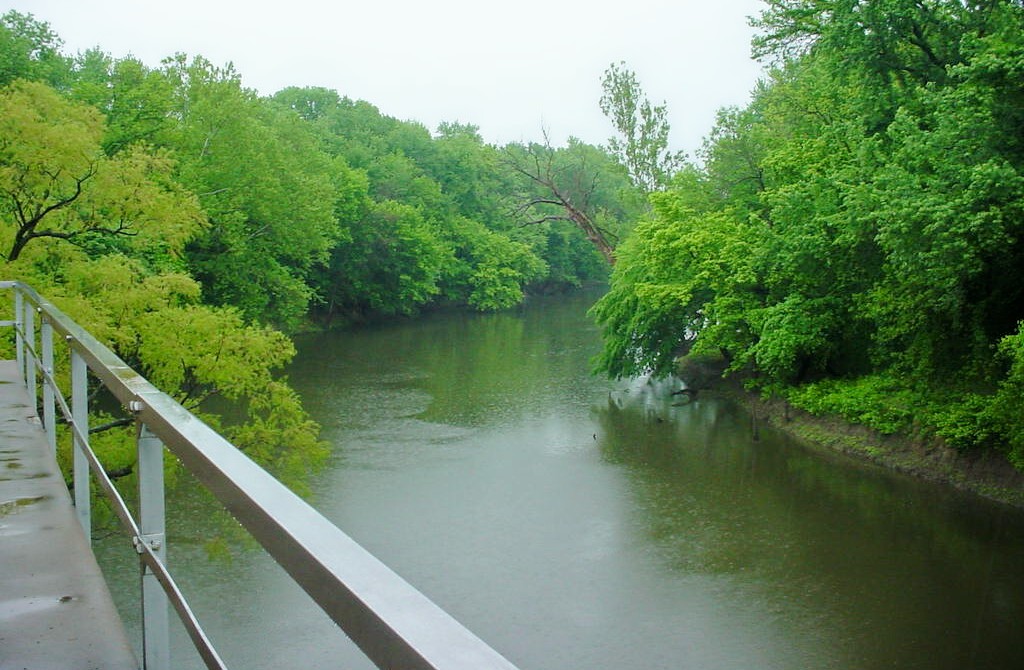
Verdigris River
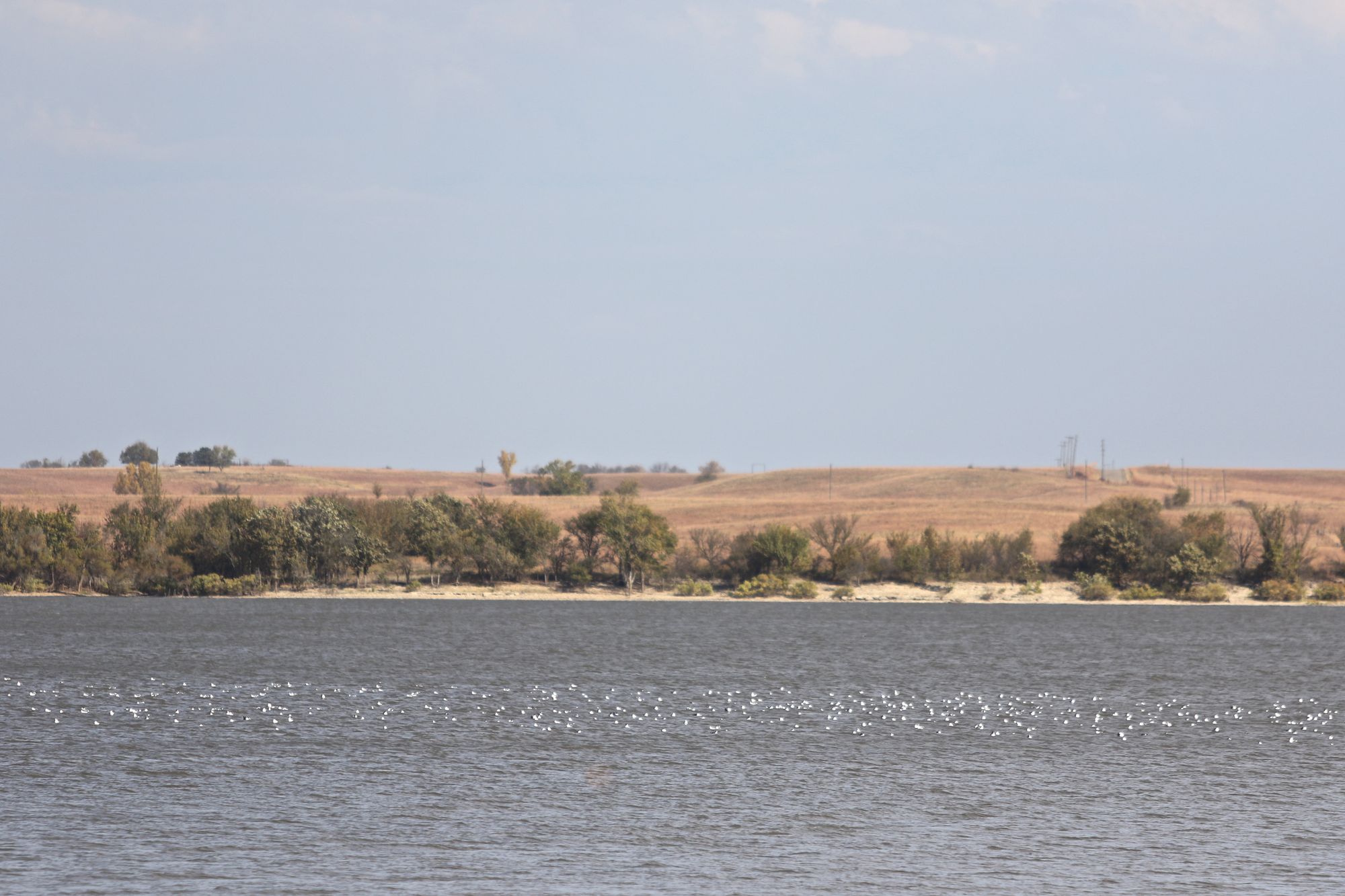
Council Grove Lake
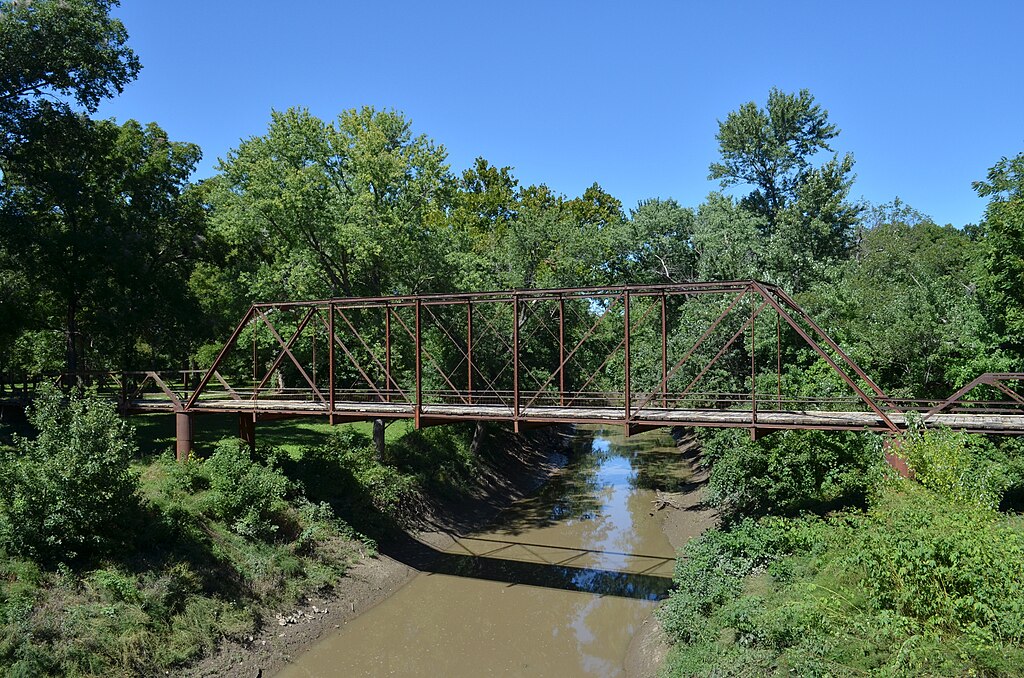
Marais des Cygnes River
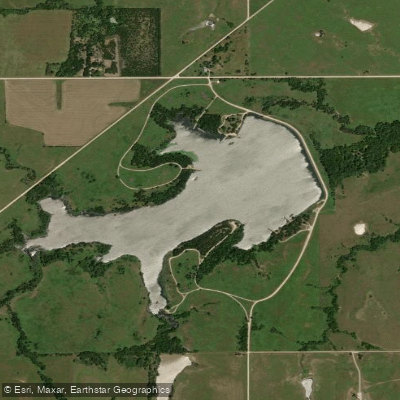
Lyon County State Lake

John Redmond Reservoir
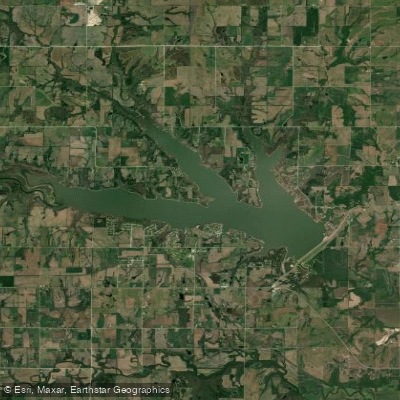
Pomona Lake
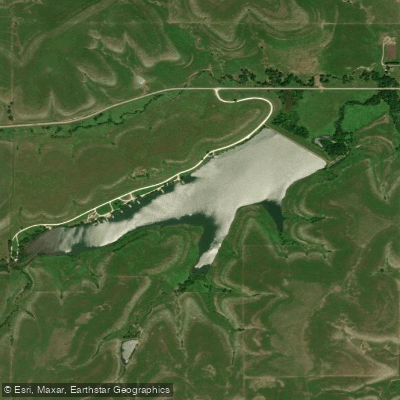
Chase County State Lake
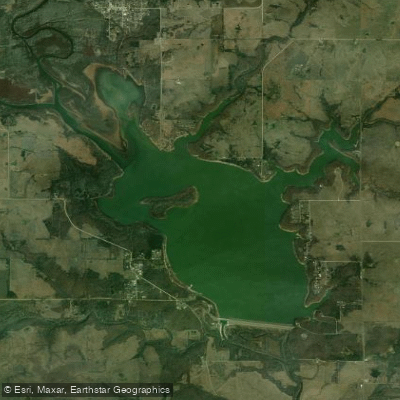
Toronto Lake
What to know
Habitat Distribution
- In Kansas, Blue Suckers are found primarily in the Missouri, Kansas, and Neosho rivers, occupying swift currents in main channels.
Key Locations
- Kansas River, Missouri River, and Neosho River.
- The stilling basin below John Redmond Reservoir in Coffey County has proven productive.
Specific Spots
- Deep, rocky 'chutes' or rapids with gravel, cobble, and bedrock substrates completely free of silt.
- Focus efforts on areas with turbulent riffles, chutes, and rocky rapids.
- Look for the main channels of major rivers, particularly around riffles, rapids, and areas below dams where water discharge creates swift current over rocky bottoms.
Blue Sucker FAQ
Answers from onWater's species guide.
What are the best lures and bait for Blue Sucker in Kansas?
Natural baits, particularly worms, which work well for the related shovelnose sturgeon found in similar habitats.
When is the best time to fish for Blue Sucker in Kansas?
Target during late summer through early fall when they're actively feeding. Avoid fishing during spring spawning season (March-June when water temperatures are 50-62°F).
How do you catch Blue Sucker in Kansas?
The most effective approach is bottom fishing with natural baits. Since Blue Suckers are bottom feeders with inferior mouths designed for vacuuming food from substrates, present baits directly on or near the bottom in the current.
What do Blue Sucker eat?
These bottom feeders consume aquatic insect larvae, crustaceans, plant material, and algae scraped from stones.
Where do Blue Sucker live in Kansas?
In Kansas, Blue Suckers are found primarily in the Missouri, Kansas, and Neosho rivers, occupying swift currents in main channels.
Fish smarter with real-time insights
Whether you're en route and conditions shift or you're looking for the best spot based on current flows, we enable you to make informed decisions on the fly.




See it in the app
Most maps show you water.
onWater shows you Blue Sucker.



- 01 · Species map filter
Map every Blue Sucker water
Pick Blue Sucker and the map zeroes in on the waters they call home. No more guessing which lake holds them.
- 02 · Waterbody species
Tap any water. See what lives there.
Species, behavior and seasonal patterns for every lake, river and pond, before you leave the driveway.
- 03 · Angler Intelligence
Ask how to catch Blue Sucker
Tactics, gear and timing from onWater's AI fishing guide, tuned to the species and the water you're on.
Stop guessing where Blue Sucker are.
Open the map, filter by Blue Sucker, and head to water that holds them. Download onWater and plan your next trip in minutes.
- Species map filter
- Angler Intelligence
- Fishing journal
Explore other species
Trout, bass, salmon, panfish and everything in between. Each guide unpacks the behavior, seasons, and tactics that put fish in the net.
No species information available.
Kansas licenses and regulations
Explore nearby waters
Explore Kansas waters
Top fishing waters
Popular Cities
Loading popular cities...

Smarter Fishing Starts in the App.
onWater Fish gives you everything you need to plan smarter, fish better, and own every trip from first cast to last.