Quillback
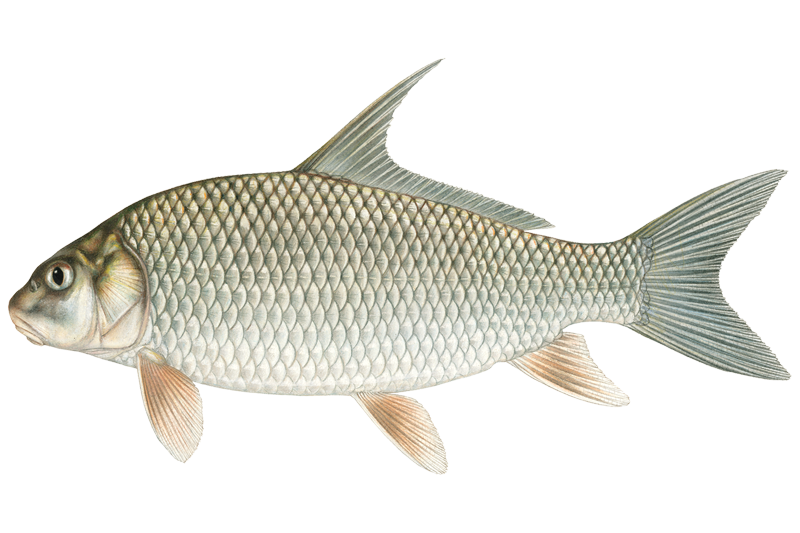
The Quillback (Carpiodes cyprinus), also known as the quillback carpsucker, is a native sucker family fish found throughout Kansas waters.
Scientific Name: Carpiodes cyprinus
Also known as quillback carpsucker
- Distinguished by its deep, laterally compressed body that appears flattened from the side, gets its name from the long quill formed by the first several rays of its dorsal fin.
- Silver-scaled fish typically measure 15-20 inches and weigh 1-4 pounds, though they can reach up to 26 inches and 10 pounds.
Fishing in Kansas
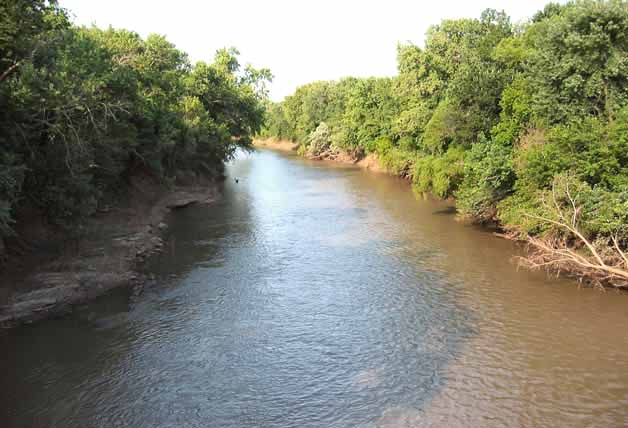
Neosho River
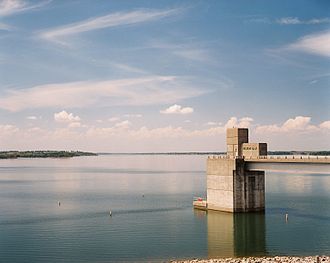
Melvern Lake
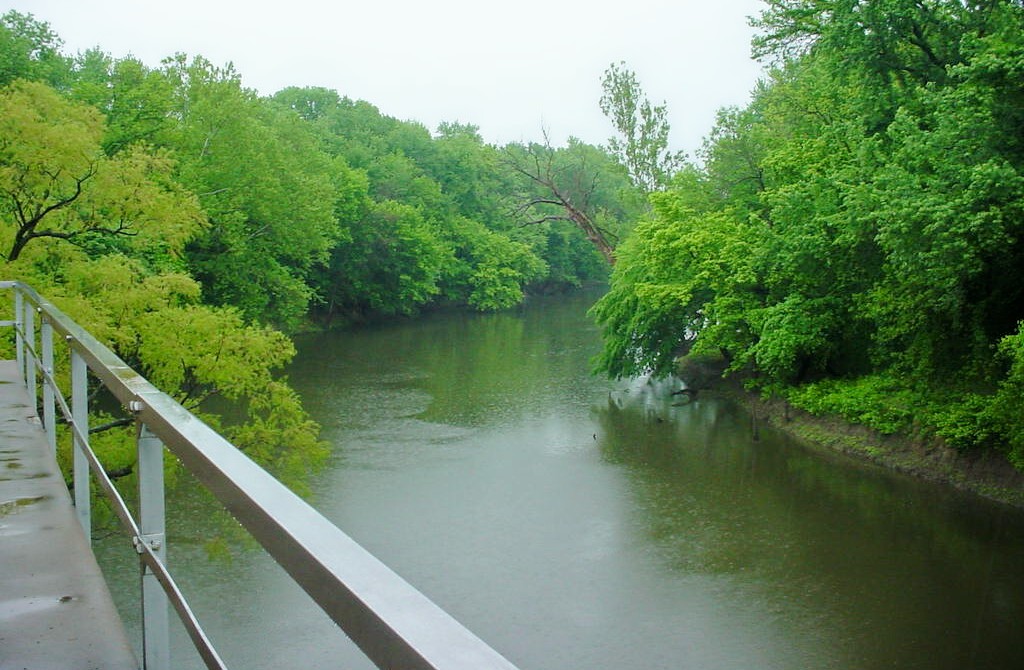
Verdigris River
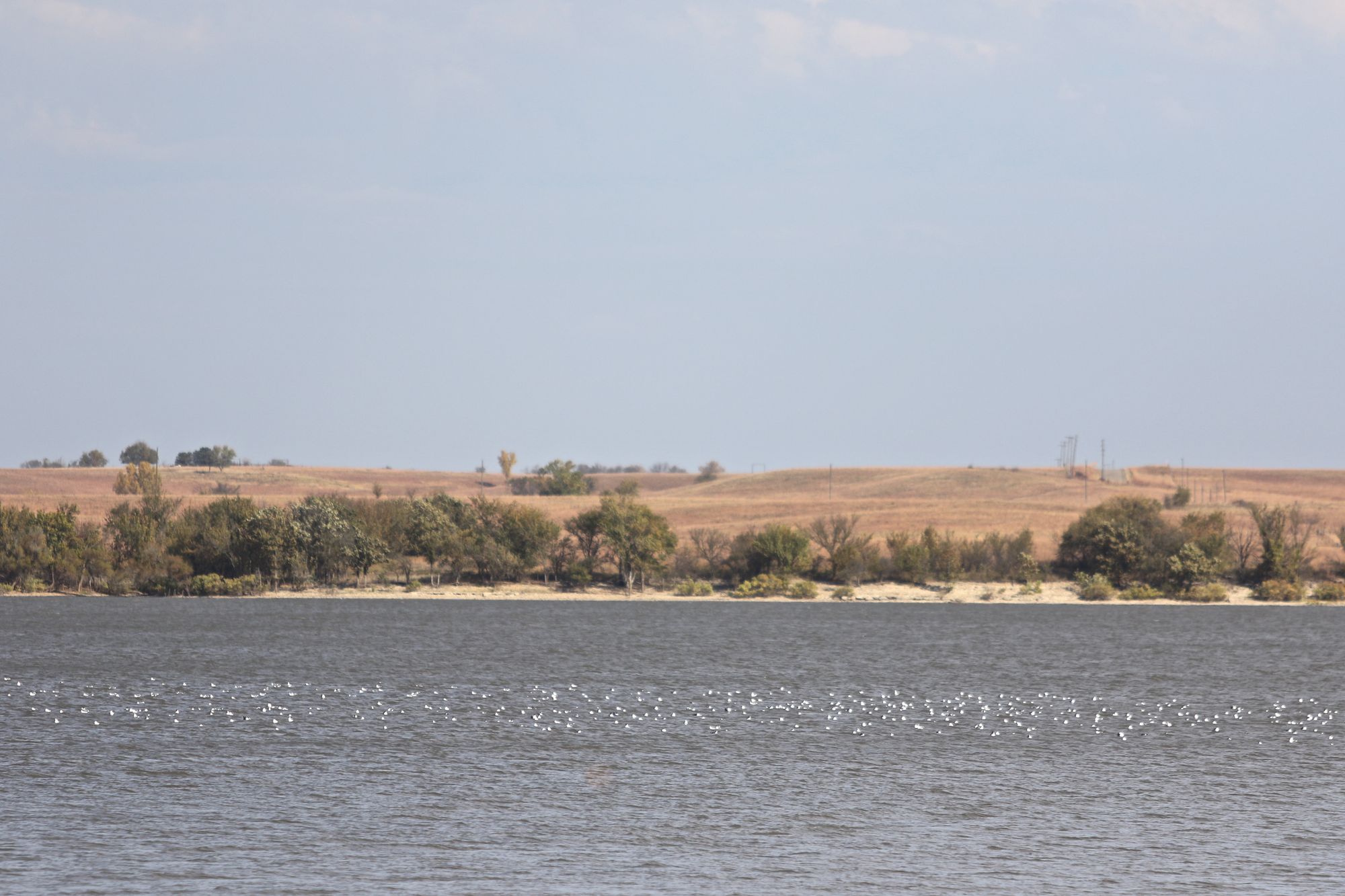
Council Grove Lake
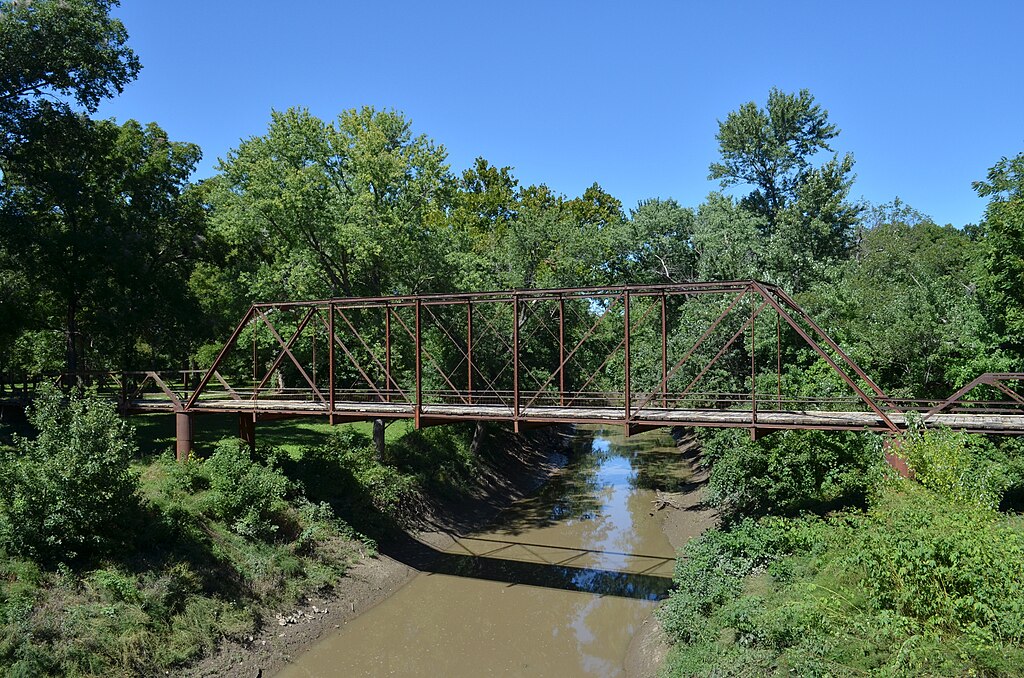
Marais des Cygnes River
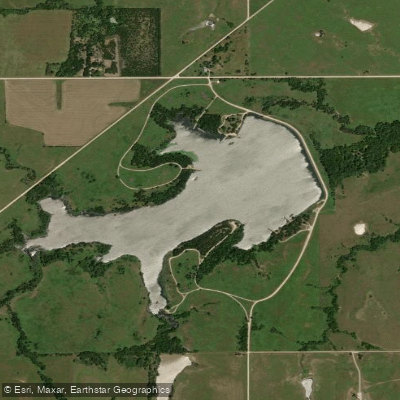
Lyon County State Lake
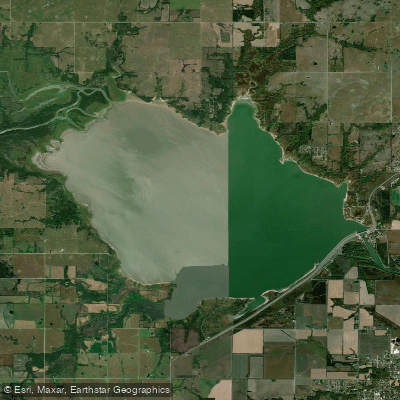
John Redmond Reservoir
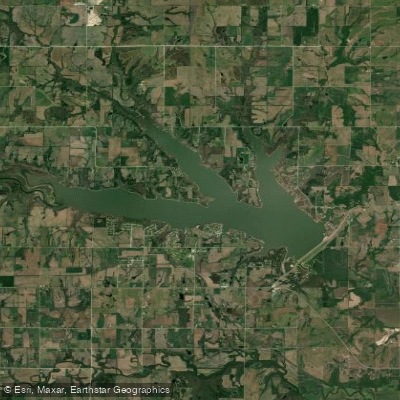
Pomona Lake
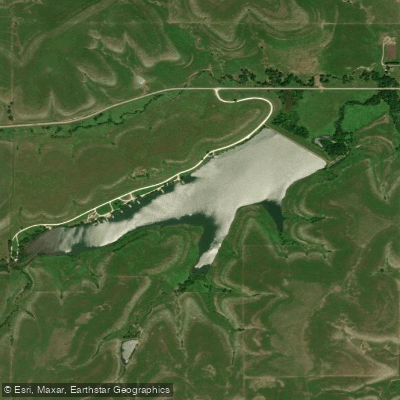
Chase County State Lake
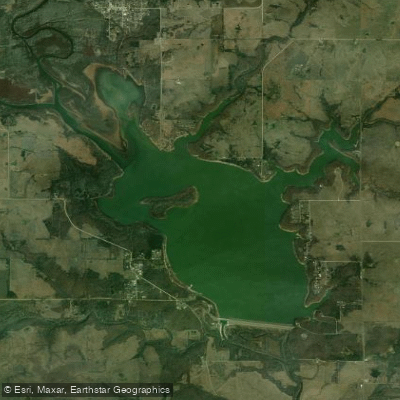
Toronto Lake
What to know
Habitat Distribution
- found throughout Kansas waters, prefer clear, slow-moving, moderately deep waters and are found in highly productive streams, lakes, and reservoirs throughout Kansas.
Key Locations
- Kansas lakes, reservoirs, and clear streams.
Specific Spots
- moderately deep areas with sand or gravel bottoms, move slowly over sand or gravel bottoms.
Quillback FAQ
Answers from onWater's species guide.
When is the best time to fish for Quillback in Kansas?
Best opportunities occur outside of their late spring/early summer spawning period.
How do you catch Quillback in Kansas?
Traditional angling (though notoriously difficult), snagging, bowfishing, and spearfishing/gigging. Small baits presented on or near the bottom in areas where they school would offer the best chance for conventional angling.
What do Quillback eat?
omnivorous bottom feeders that feed on aquatic insect larvae, mollusks, fingernail clams, aquatic vegetation, and algae.
Where do Quillback live in Kansas?
found throughout Kansas waters, prefer clear, slow-moving, moderately deep waters and are found in highly productive streams, lakes, and reservoirs throughout Kansas.
Fish smarter with real-time insights
Whether you're en route and conditions shift or you're looking for the best spot based on current flows, we enable you to make informed decisions on the fly.







See it in the app
Most maps show you water.
onWater shows you Quillback.



- 01 · Species map filter
Map every Quillback water
Pick Quillback and the map zeroes in on the waters they call home. No more guessing which lake holds them.
- 02 · Waterbody species
Tap any water. See what lives there.
Species, behavior and seasonal patterns for every lake, river and pond, before you leave the driveway.
- 03 · Angler Intelligence
Ask how to catch Quillback
Tactics, gear and timing from onWater's AI fishing guide, tuned to the species and the water you're on.
Stop guessing where Quillback are.
Open the map, filter by Quillback, and head to water that holds them. Download onWater and plan your next trip in minutes.
- Species map filter
- Angler Intelligence
- Fishing journal
Explore other species
Trout, bass, salmon, panfish and everything in between. Each guide unpacks the behavior, seasons, and tactics that put fish in the net.

Find which waters have the species you want to catch

Largemouth Bass
Micropterus salmoides

Smallmouth Bass

Rainbow Trout
Oncorhynchus mykiss

Brown Trout

Brook Trout
Salvelinus fontinalis

Northern Pike

Walleye

Black Crappie
Pomoxis nigromaculatus

American Eel
Anguilla rostrata

Bighead Carp
Hypophthalmichthys nobilis

Bigmouth Buffalo
Ictiobus cyprinellus

Black Buffalo
Ictiobus niger

Black Bullhead
Ameiurus melas

Blue Catfish

Blue Sucker
Cycleptus elongatus

Brown Bullhead
Ameiurus nebulosus

Channel Catfish
Ictalurus punctatus

Common Carp
Cyprinus carpio

Creek Chub
Semotilus atromaculatus

Flathead Catfish
Pylodictis olivaris

Freshwater Drum
Aplodinotus grunniens

Gizzard Shad
Dorosoma cepedianum

Grass Carp
Ctenopharyngodon idella

Green Sunfish
Lepomis cyanellus

Lake Sturgeon
Acipenser fulvescens

Longear Sunfish

Longnose Gar
Lepisosteus osseus

Northern Hogsucker
Hypentelium nigricans
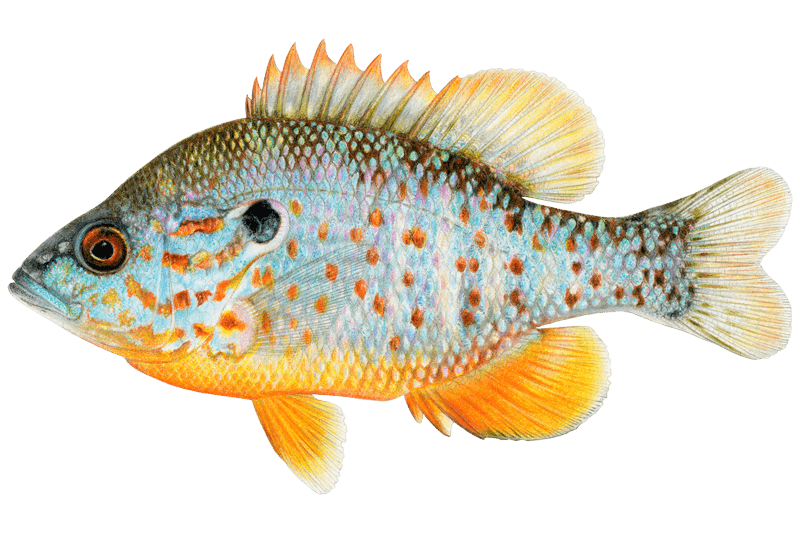
Orangespotted Sunfish
Lepomis humilis

Pumpkinseed
Lepomis gibbosus

Redear Sunfish

Rock Bass
Ambloplites rupestris
Sauger
Sander canadensis
Saugeye
Shortnose Gar
Lepisosteus platostomus
Silver Carp
Hypophthalmichthys molitrix
Smallmouth Buffalo
Ictiobus bubalus
Spotted Bass
Micropterus punctulatus
Spotted Gar
Lepisosteus oculatus
Striped Bass
Kansas licenses and regulations

Kansas Boating Regulations
When using any type of watercraft to access a body of water, it is important to follow all federal, state, and local rules and regulations. These rules and regulations include boat permitting and licensing, invasive species inspections and stamps, life jacket and PFD rules, motor size and horsepower restrictions, noise limitations, restrictions on personal watercraft, and many more. Visit the web link below for the most current rules and regulations for this body of water.

Kansas Fishing License
Anglers age 16 through 74, who have been bona fide residents of the state for 60 days immediately prior to buying a license, must have a resident license in possession while fishing in Kansas. All nonresidents 16 and older must have a valid nonresident license to fish in Kansas (unless fishing on a private pond not leased for public fishing). All licenses expire 365 days from the date of purchase, except for multi-year, five-day, lifetime, and one-day fishing licenses.

Kansas Fishing Regulations
This river has a variety of species and regulations, including potential floating and/or watercraft restrictions. Because this river is specially managed for species, seasons, angling methods, and watercraft, it is strongly encouraged you check all federal, state, and local regulations before fishing. Visit any of the links below, inquire locally, or contact a local fly shop to learn current regulations and restrictions.

Kansas Stream Access Laws
Most streams and rivers in Kansas are privately owned. The public rivers are the Kansas, Arkansas and Missouri. They are open to the public between the ordinary high water marks on each bank. This is the line that can be seen where high water has left debris, sand, and gravel during its ordinary annual cycle. When these rivers flow through private land, permission is needed from adjacent landowners to access the rivers as well as when picnicking, camping, portaging or engaging in any other activity on the adjacent private lands. Except where they pass through the legal limits of a government entity, the rest of our streams and rivers are privately owned, and permission is needed from the landowners to access and use the streams and adjacent lands for any purpose.
Explore nearby waters
Explore Kansas waters
Top fishing waters
Popular Cities
Loading popular cities...
Smarter Fishing Starts in the App.
onWater Fish gives you everything you need to plan smarter, fish better, and own every trip from first cast to last.