Common Carp

Common Carp are non-native fish that were introduced to Kansas waters in June 1878, originally stocked as food and game fish.
While some Kansas anglers consider them naturalized after 150+ years, they're officially classified as invasive by Kansas Department of Wildlife and Parks.
Scientific Name: Cyprinus carpio
- These robust, deep-bodied fish are light gold to dark brown with reddish fins, scales covering their entire body, and distinctive barbels (whiskers) on their mouth corners.
- They lack a true dorsal spine and have a triangular head with blunt snout.
- They have downward-facing vacuum-shaped mouths.
- Can grow quite large - up to 122cm in length and weights exceeding 40 pounds.
Fishing in Kansas
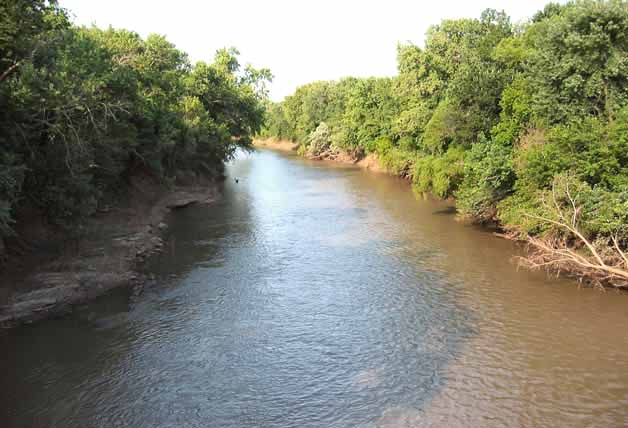
Neosho River
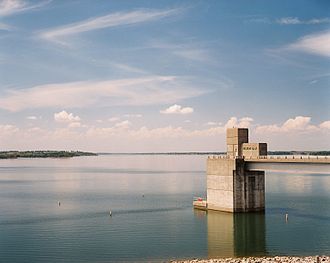
Melvern Lake
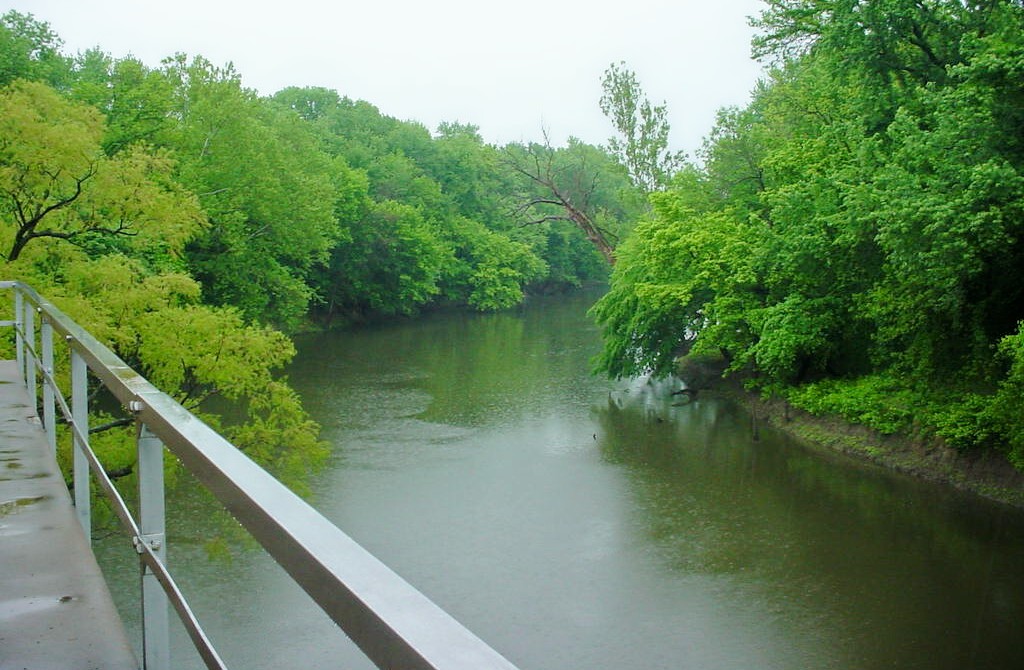
Verdigris River
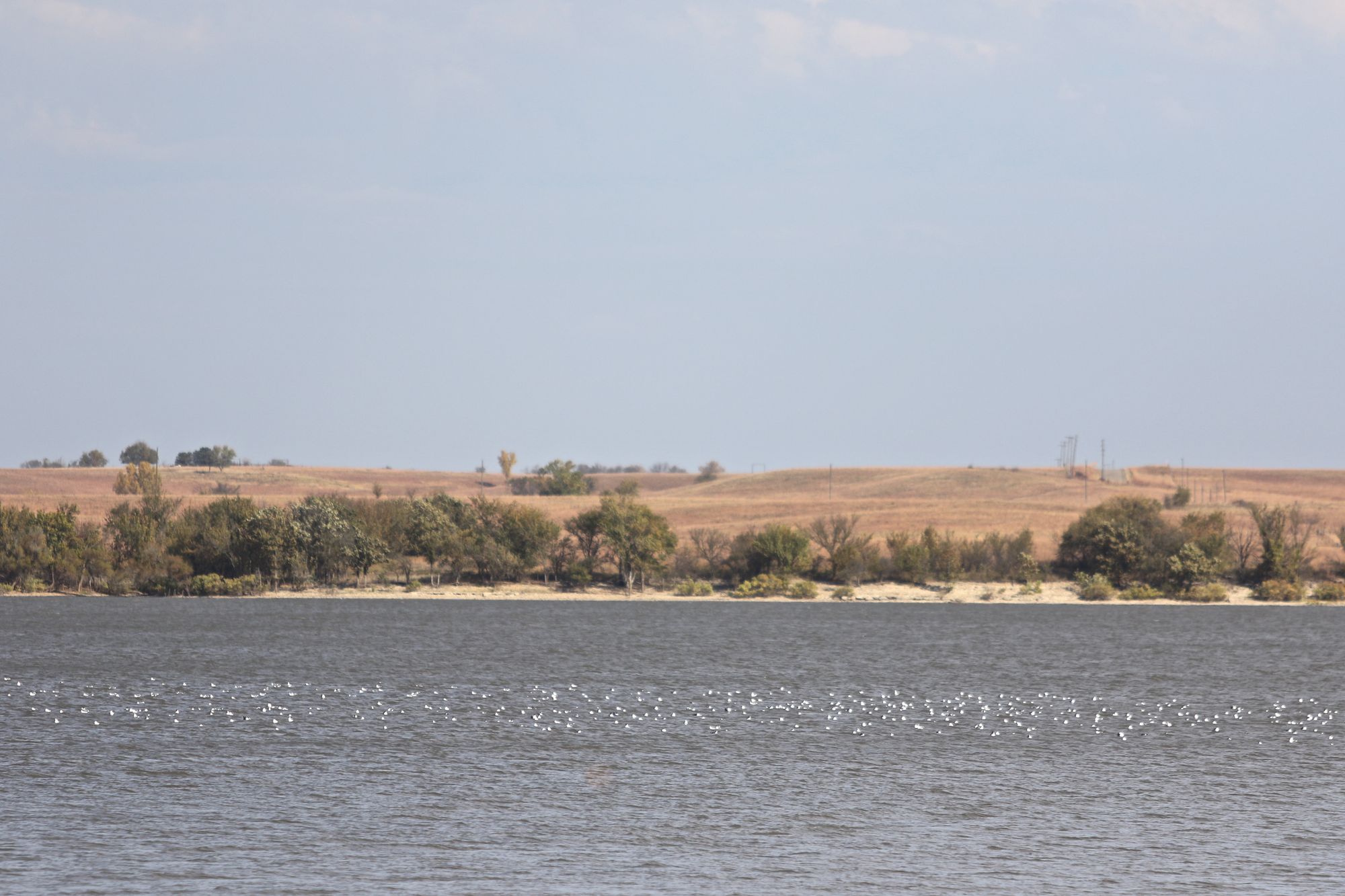
Council Grove Lake
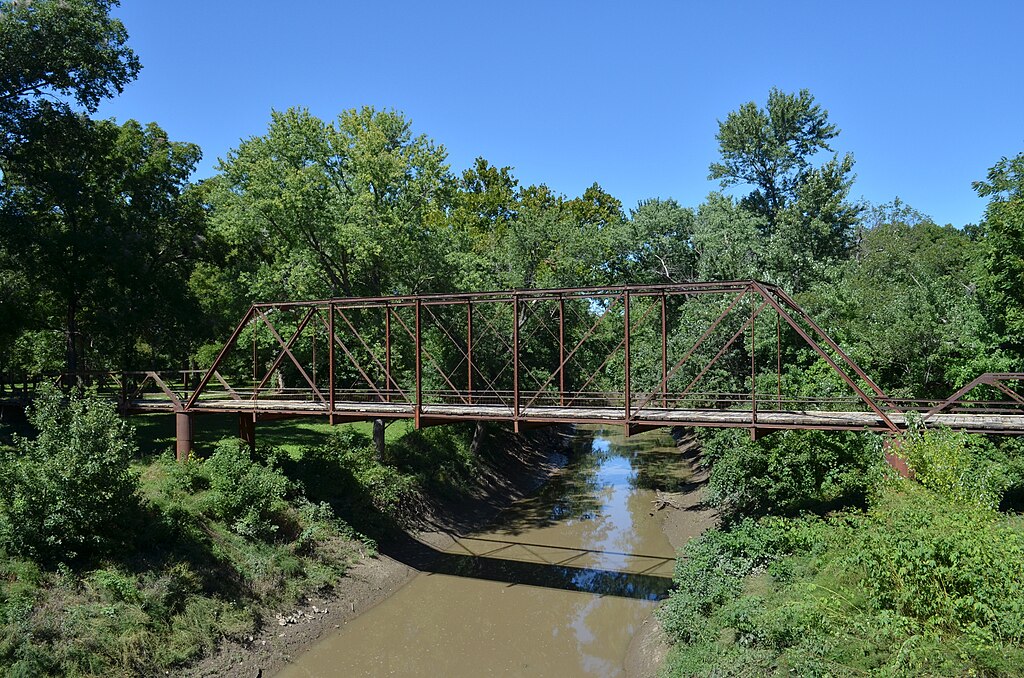
Marais des Cygnes River
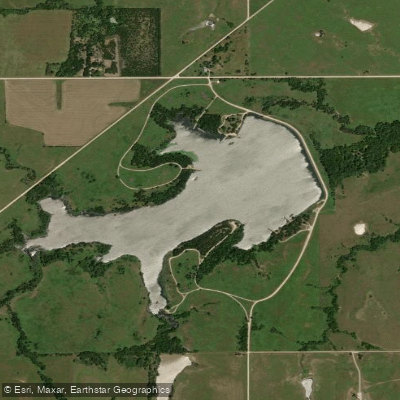
Lyon County State Lake

John Redmond Reservoir
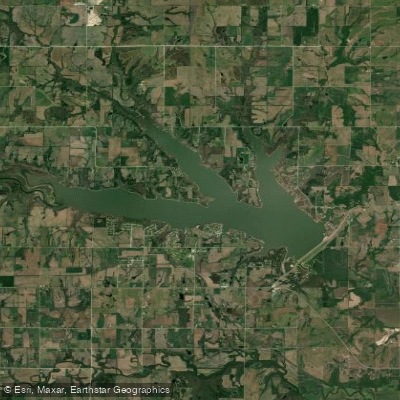
Pomona Lake
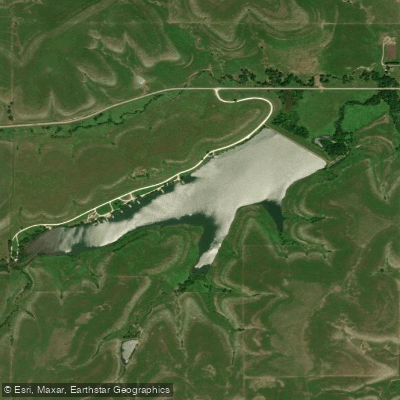
Chase County State Lake
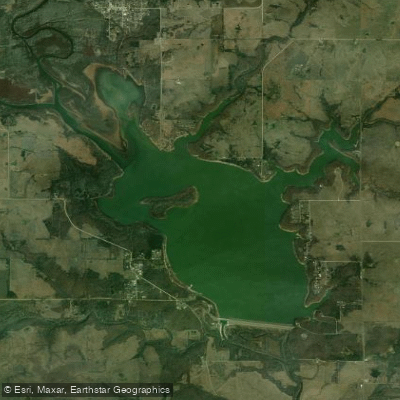
Toronto Lake
What to know
Habitat Distribution
- Widely distributed in rivers, lakes, reservoirs, and ponds throughout the state, particularly abundant in the Kansas River system.
Key Locations
- Kansas River system, particularly the lower river below Bowersock Dam at Lawrence where populations are most established.
Specific Spots
- Target shallow weedy bays, areas with vegetation, and spots where you observe surface activity.
- They prefer shallow weedy areas.
- During hot weather, fish deeper waters during midday heat.
Common Carp FAQ
Answers from onWater's species guide.
What are the best lures and bait for Common Carp in Kansas?
Corn (boiled feed corn is especially effective at about 20 cents per pound), bread, dough balls made with bread crumbs, strawberry jello, flour, e.g.gs, sweet corn and honey for flavor, worms, and boilies. Natural baits like sweet corn and worms work well across seasons, while flavored boilies are effective in winter.
When is the best time to fish for Common Carp in Kansas?
Spring through fall are best, with peak activity when water temperatures are between 18-25°C (64-77°F). Winter fishing is possible but challenging.
How do you catch Common Carp in Kansas?
Look for feeding signs like mud clouds, bubbles, and surface rolling. Hair rigs are recommended for wary fish. Fly fishing is possible using techniques like 'the claw' (modified dapping), drag-drop-lay presentations, and using weighted flies to get into their feeding zone.
What do Common Carp eat?
Common carp are omnivorous bottom feeders, consuming aquatic insects, crustaceans, mollusks, algae, aquatic worms, vegetation debris, and seeds of aquatic plants.
Where do Common Carp live in Kansas?
Widely distributed in rivers, lakes, reservoirs, and ponds throughout the state, particularly abundant in the Kansas River system.
Fish smarter with real-time insights
Whether you're en route and conditions shift or you're looking for the best spot based on current flows, we enable you to make informed decisions on the fly.




See it in the app
Most maps show you water.
onWater shows you Common Carp.



- 01 · Species map filter
Map every Common Carp water
Pick Common Carp and the map zeroes in on the waters they call home. No more guessing which lake holds them.
- 02 · Waterbody species
Tap any water. See what lives there.
Species, behavior and seasonal patterns for every lake, river and pond, before you leave the driveway.
- 03 · Angler Intelligence
Ask how to catch Common Carp
Tactics, gear and timing from onWater's AI fishing guide, tuned to the species and the water you're on.
Stop guessing where Common Carp are.
Open the map, filter by Common Carp, and head to water that holds them. Download onWater and plan your next trip in minutes.
- Species map filter
- Angler Intelligence
- Fishing journal
Explore other species
Trout, bass, salmon, panfish and everything in between. Each guide unpacks the behavior, seasons, and tactics that put fish in the net.
No species information available.
Kansas licenses and regulations
Explore nearby waters
Explore Kansas waters
Top fishing waters
Popular Cities
Loading popular cities...

Smarter Fishing Starts in the App.
onWater Fish gives you everything you need to plan smarter, fish better, and own every trip from first cast to last.