Pumpkinseed
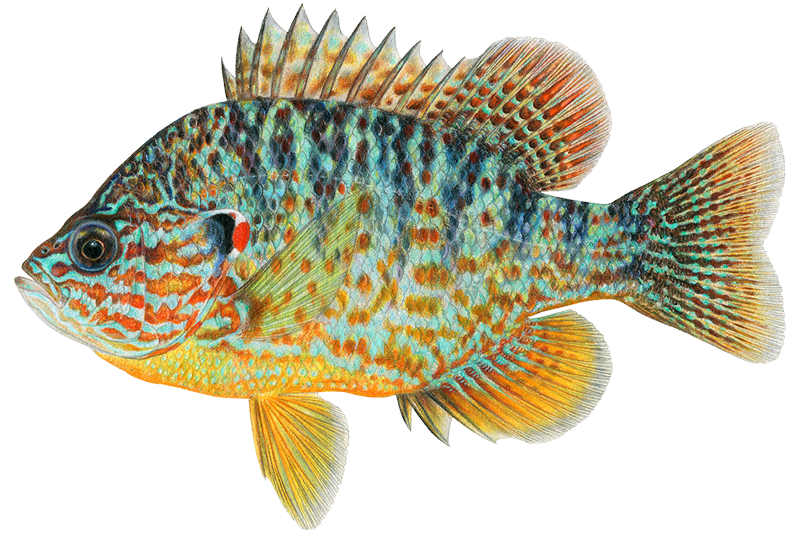
Pumpkinseed sunfish are vibrant panfish with bodies shaped like pumpkin seeds, featuring orange, blue, green, and yellow coloration with distinctive wavy blue lines on their cheeks and a bright red-orange spot on the black gill flap.
Scientific Name: Lepomis gibbosus
- Adults typically reach 4-6 inches, with maximum sizes around 8-10 inches.
Fishing in Kansas
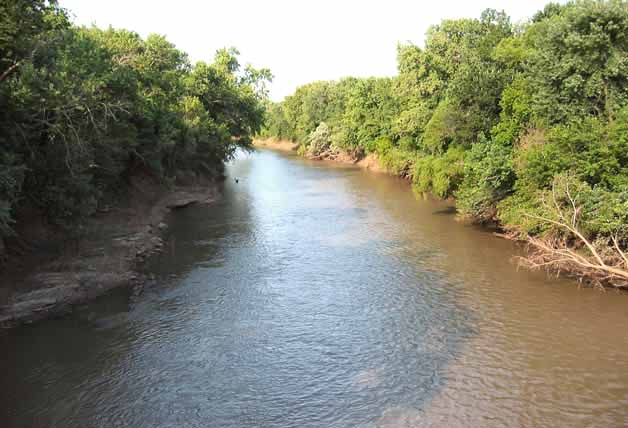
Neosho River
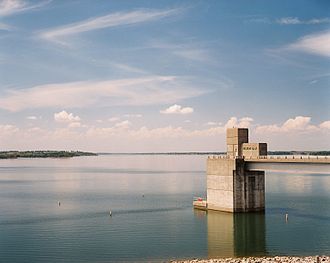
Melvern Lake
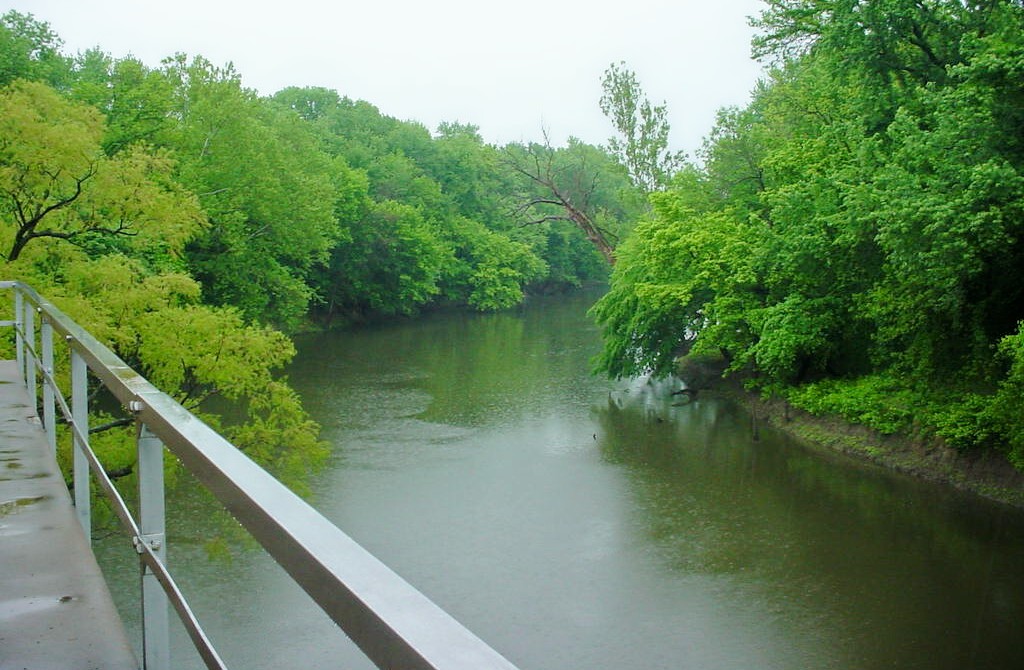
Verdigris River
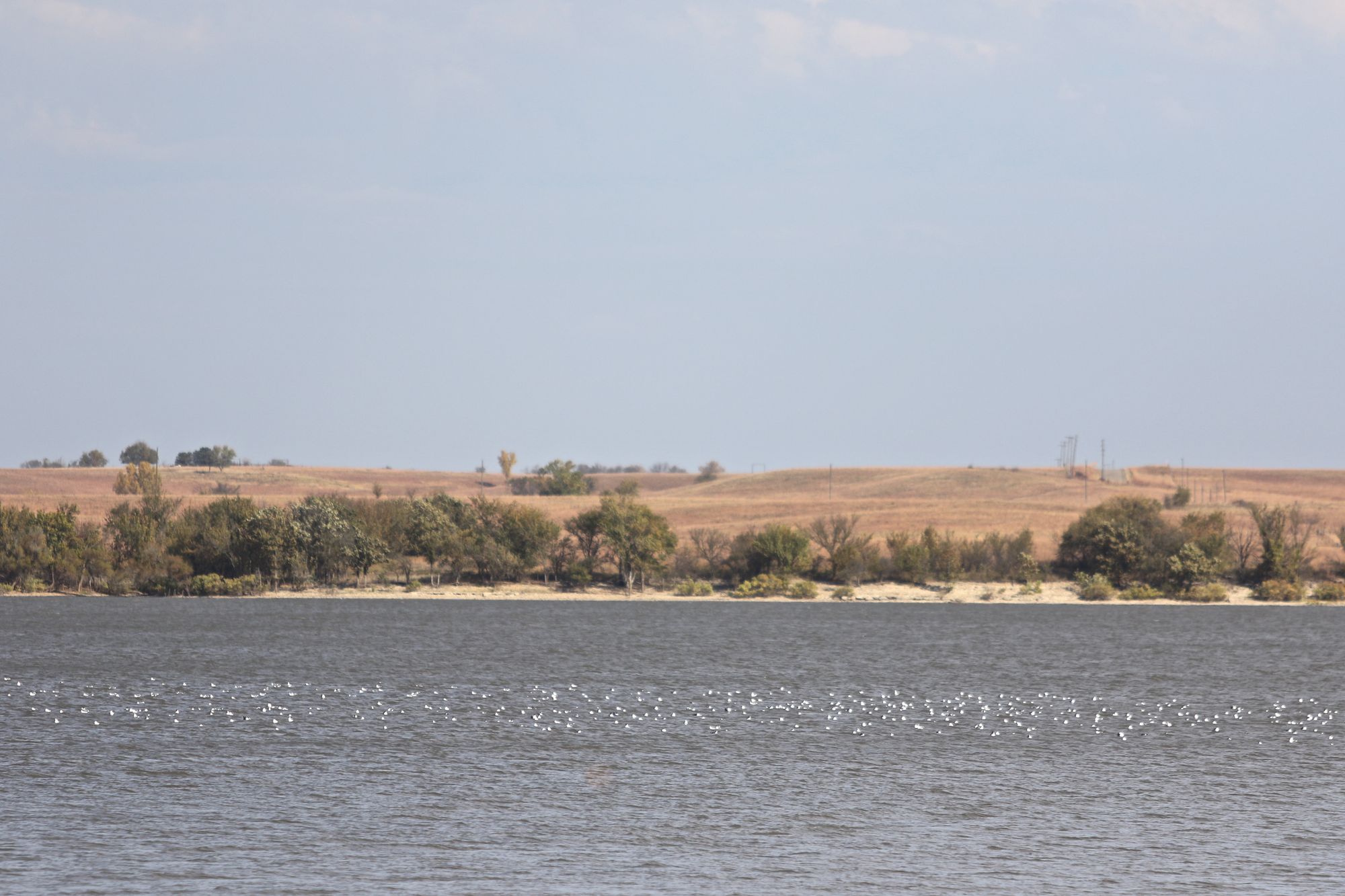
Council Grove Lake
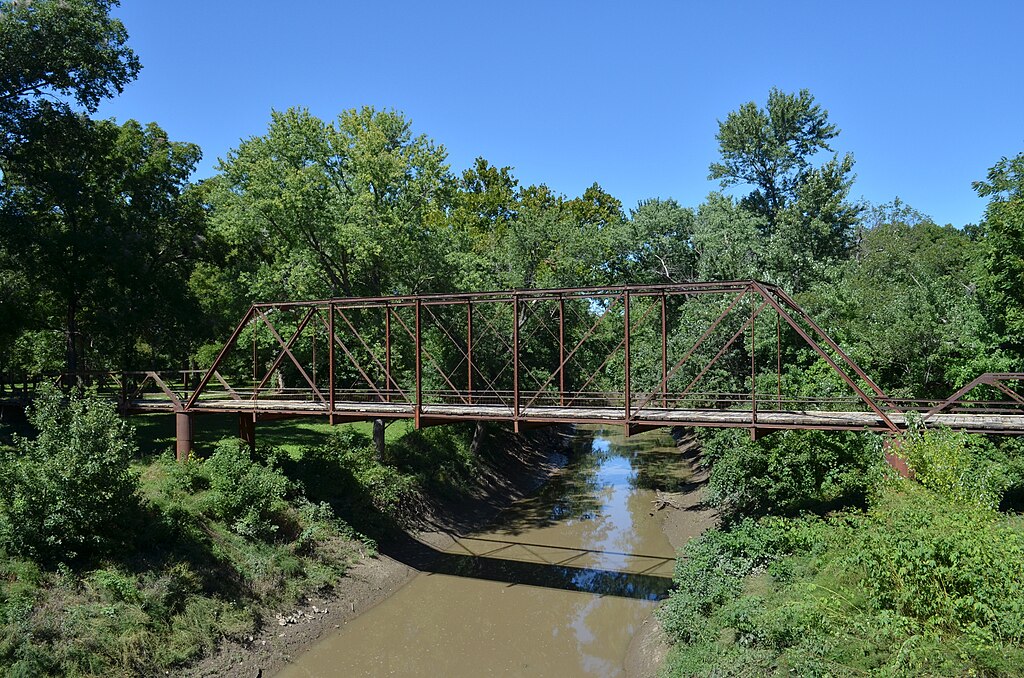
Marais des Cygnes River
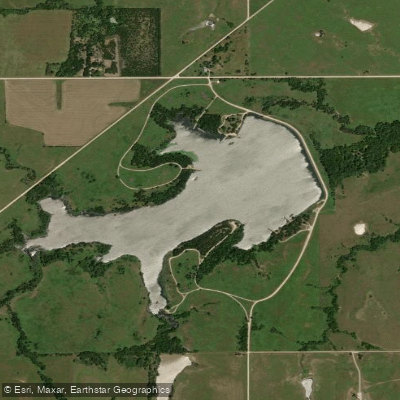
Lyon County State Lake

John Redmond Reservoir
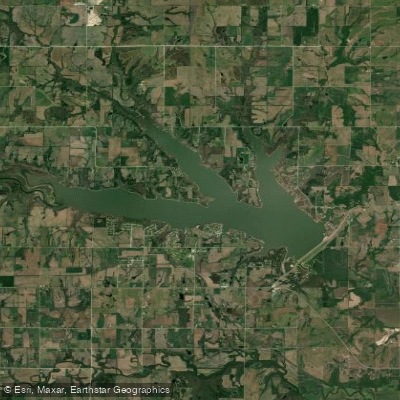
Pomona Lake
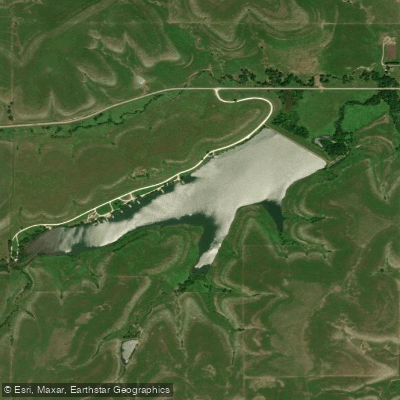
Chase County State Lake
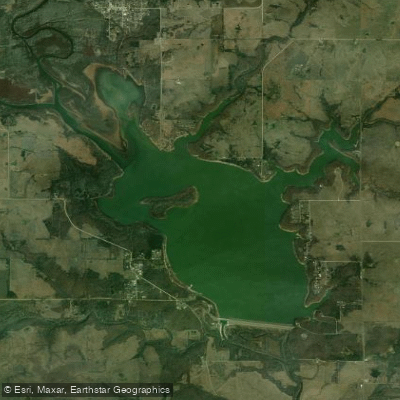
Toronto Lake
What to know
Habitat Distribution
- They are not native to Kansas and represent introduced populations.
- Pumpkinseed prefer warm, calm waters with abundant vegetation - typically small lakes, ponds, weedy bays, and slow-moving creek pools with clear water and sandy, gravel, or muddy bottoms.
Key Locations
- In Kansas, pumpkinseed have limited distribution, with documented occurrences only in the Lower Kansas River basin (HUC 10270104) from 1965-1969 according to official records.
Specific Spots
- Fish around aquatic vegetation, submerged brush, fallen trees, lily pads, and shallow protected areas near shorelines.
- Look for weedy bays in lakes and ponds, or quiet pools in creeks and small rivers.
- They school in shallow, protected areas near shorelines and often associate with bluegills and other sunfish.
Pumpkinseed FAQ
Answers from onWater's species guide.
What are the best lures and bait for Pumpkinseed in Kansas?
The most effective bait is earthworms, completely covering the hook since they nibble carefully. Other productive baits include live red worms, night crawlers, crickets, mealworms, small minnows, and insect larvae. For artificial lures, use small jigs (1/64 to 1/16 ounce), tiny spinners, and small poppers.
What flies work for Pumpkinseed in Kansas?
Small flies including red and white or yellow and black popping bugs, black or brown rubber spiders, small nymph flies (especially black or brown patterns), and size 12 or smaller panfish-specific patterns.
When is the best time to fish for Pumpkinseed in Kansas?
Late spring through summer months (May-August) when they're most active in shallow water. During hot summer months when fish move deeper (10-15 feet), use longer casts and still fishing techniques.
How do you catch Pumpkinseed in Kansas?
Still fishing techniques, 'pop-and-drop' technique with a small popper and dropper fly can be particularly effective when pumpkinseed are schooling in shallow water.
What do Pumpkinseed eat?
Pumpkinseed are omnivorous feeders with a diverse diet including insects (particularly dipteran larvae), small mollusks, snails, crustaceans like crawfish, worms, small fish fry, tadpoles, and occasionally aquatic vegetation.
Fish smarter with real-time insights
Whether you're en route and conditions shift or you're looking for the best spot based on current flows, we enable you to make informed decisions on the fly.




See it in the app
Most maps show you water.
onWater shows you Pumpkinseed.



- 01 · Species map filter
Map every Pumpkinseed water
Pick Pumpkinseed and the map zeroes in on the waters they call home. No more guessing which lake holds them.
- 02 · Waterbody species
Tap any water. See what lives there.
Species, behavior and seasonal patterns for every lake, river and pond, before you leave the driveway.
- 03 · Angler Intelligence
Ask how to catch Pumpkinseed
Tactics, gear and timing from onWater's AI fishing guide, tuned to the species and the water you're on.
Stop guessing where Pumpkinseed are.
Open the map, filter by Pumpkinseed, and head to water that holds them. Download onWater and plan your next trip in minutes.
- Species map filter
- Angler Intelligence
- Fishing journal
Explore other species
Trout, bass, salmon, panfish and everything in between. Each guide unpacks the behavior, seasons, and tactics that put fish in the net.
No species information available.
Kansas licenses and regulations
Explore nearby waters
Explore Kansas waters
Top fishing waters
Popular Cities
Loading popular cities...

Smarter Fishing Starts in the App.
onWater Fish gives you everything you need to plan smarter, fish better, and own every trip from first cast to last.