White Perch

White Perch are not native to Tennessee waters and are considered an invasive species that poses significant ecological threats. These fish are highly prolific, with females capable of producing 20,000-300,000 eggs annually.
While not currently established in large numbers in Tennessee, White Perch have been documented in some Tennessee waters through the USGS Nonindigenous Aquatic Species database, and their presence threatens native fish populations through competition and predation.
Scientific Name: Morone americana
- These silvery, deep-bodied fish are closely related to striped bass but lack the distinct horizontal stripes.
- They typically reach 7-12 inches in length and rarely exceed 2-3 pounds.
Fishing in Tennessee
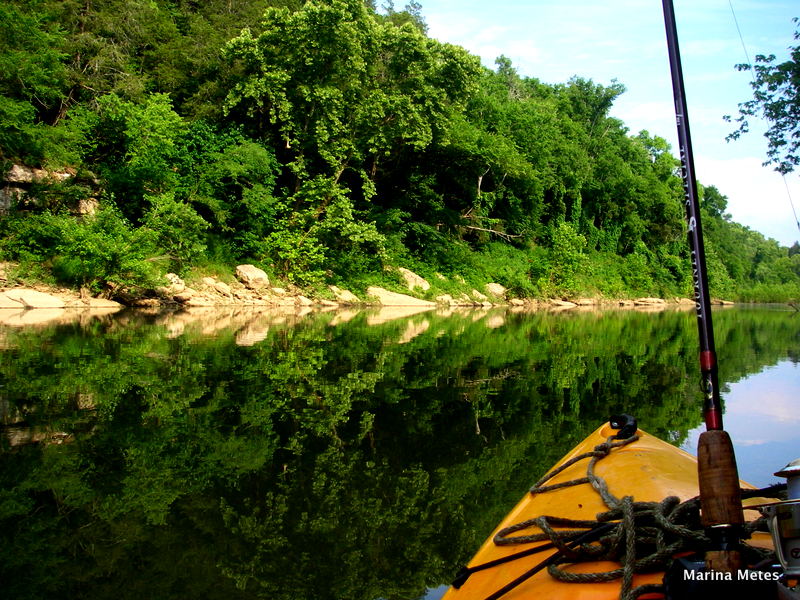
Duck River
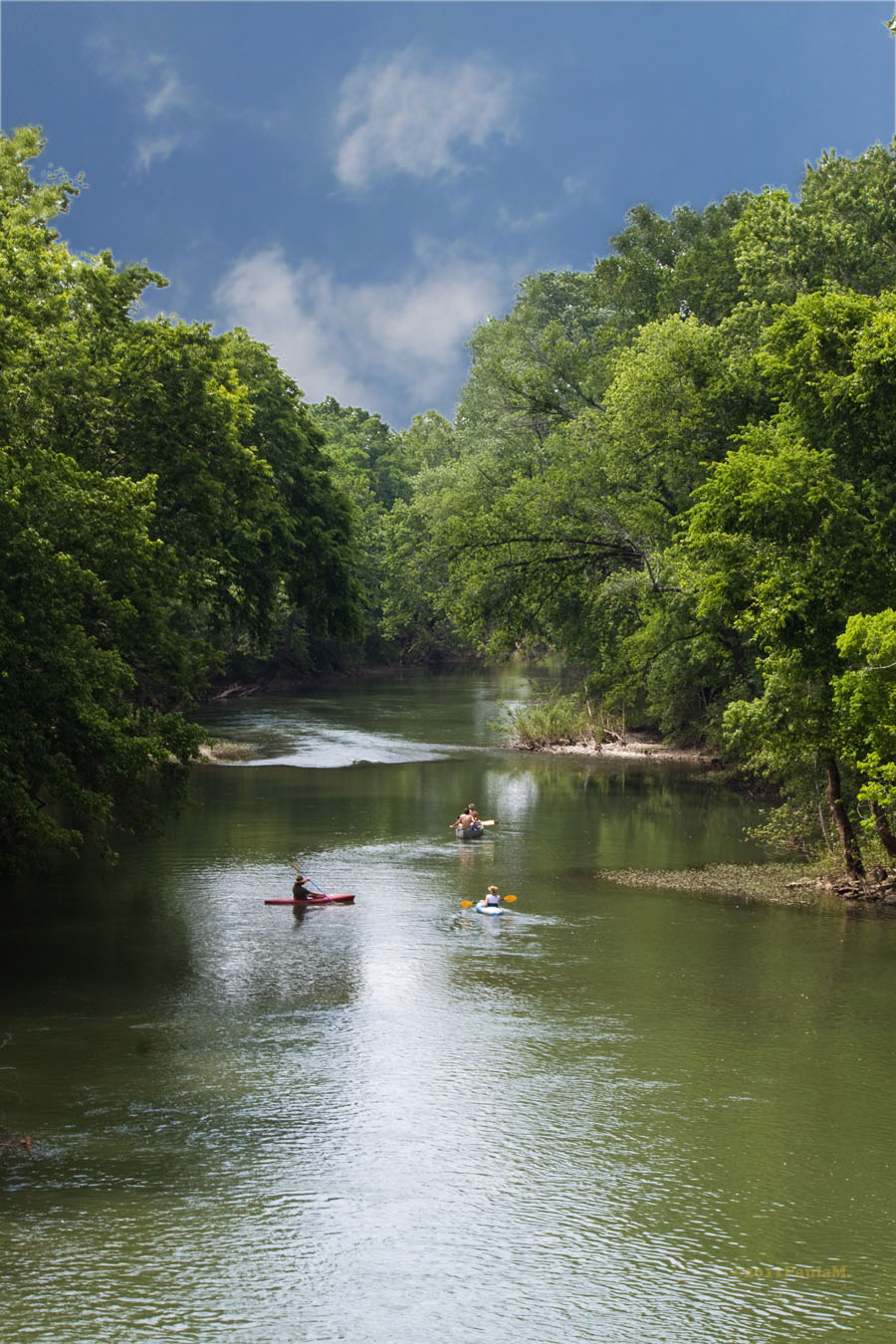
Harpeth River
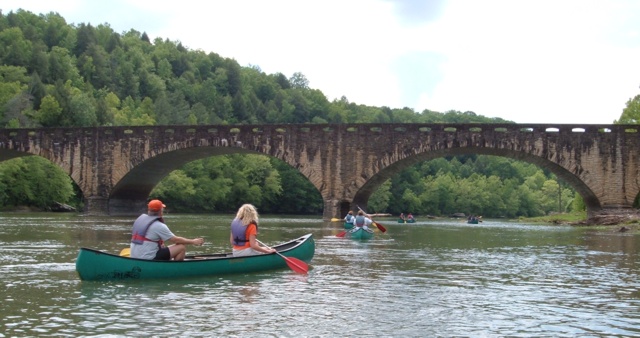
Cumberland River
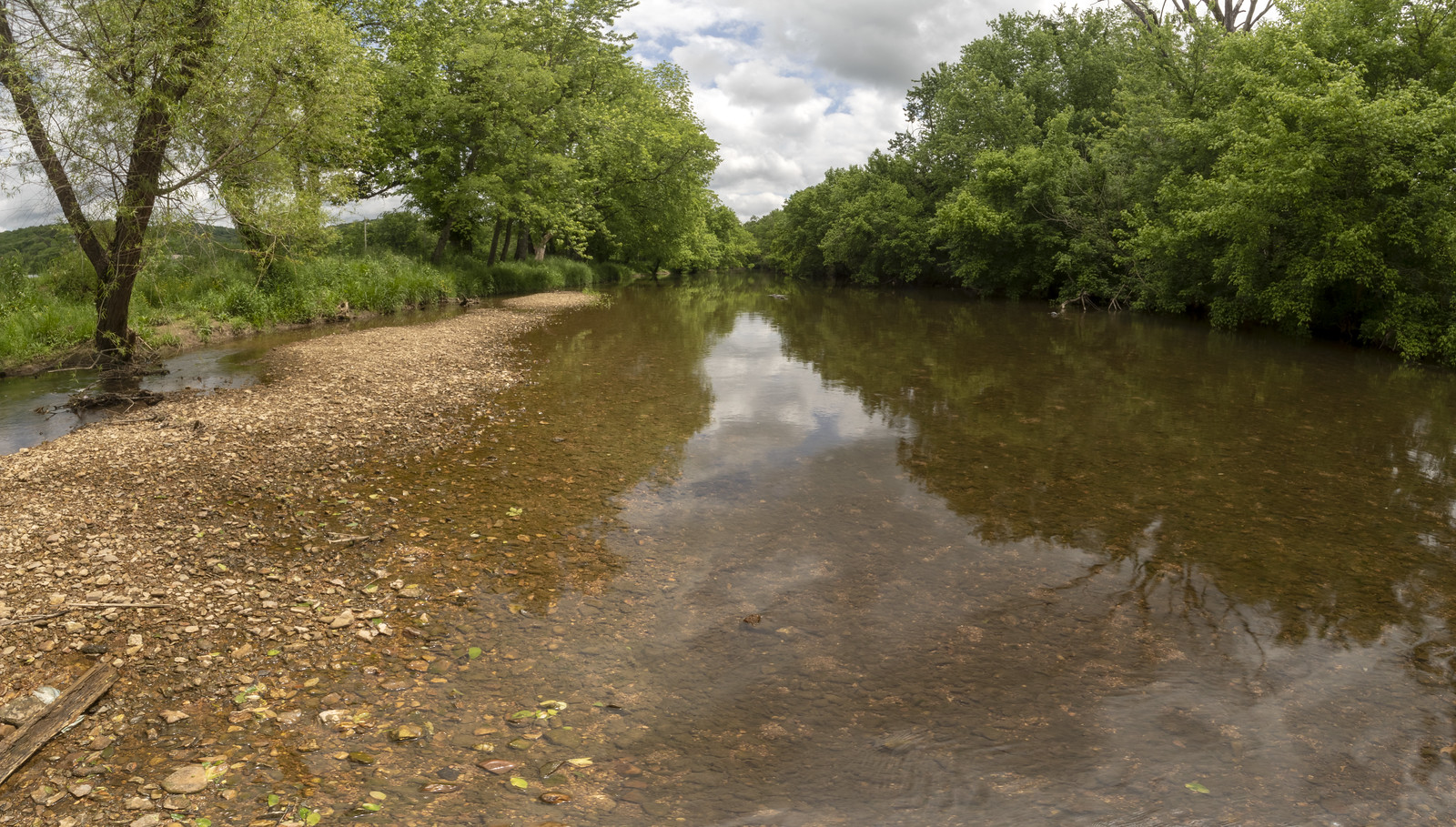
Stones River
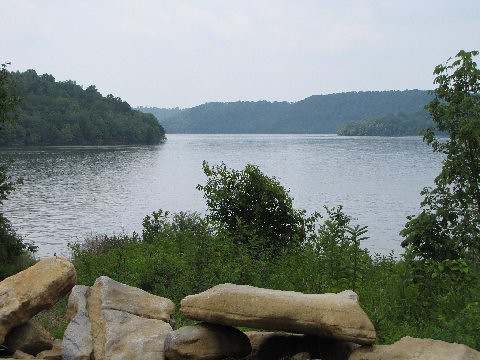
Tims Ford Lake
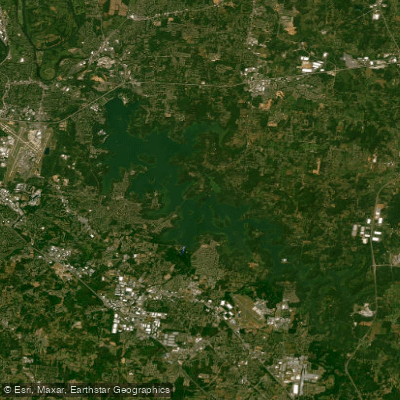
J Percy Priest Reservoir
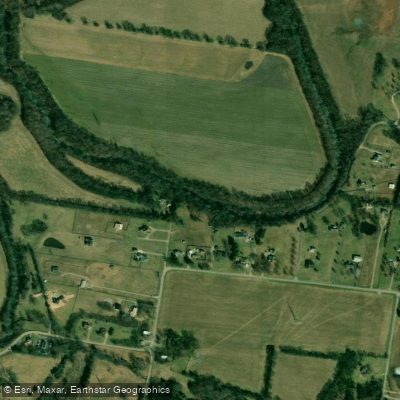
Rutherford Creek
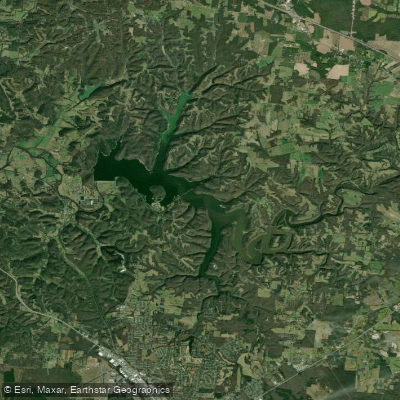
Normandy Lake
West Harpeth River
Lake Woodhaven
What to know
Habitat Distribution
- White Perch prefer brackish to freshwater environments and can adapt to various habitat types from shallow vegetated areas to deeper main lake structures.
Specific Spots
- Structure areas, drop-offs, points, and areas with current flow.
- Around baitfish concentrations.
White Perch FAQ
Answers from onWater's species guide.
What are the best lures and bait for White Perch in Tennessee?
Live minnows, nightcrawlers (broken into quarter pieces), grass shrimp, and bloodworms. Effective artificial lures include small jigs (1/32 to 1/4 ounce), twister tail grubs, small soft plastics like 1-2 inch Fin-S plastics and Bass Assassins, Beetle Spins with #1 or #2 blades, small spoons like Kastmasters or...
When is the best time to fish for White Perch in Tennessee?
Best fishing occurs in spring and fall when they move to shallower areas, while summer finds them in deeper water following baitfish. They spawn in spring when water temperatures reach 50-60°F (typically April-May), during which time they should not be targeted.
How do you catch White Perch in Tennessee?
Fish structure areas, drop-offs, points, and areas with current flow. Use electronics to locate schools around baitfish concentrations.
What do White Perch eat?
White Perch are opportunistic predators with a diverse diet including small fish (particularly minnows like mudminnows and fathead minnows), fish e.g.gs, crayfish, aquatic insects, zooplankton, and various invertebrates. They're known to consume the e.g.gs of native species like walleye and other important gamefish.
Where do White Perch live in Tennessee?
White Perch prefer brackish to freshwater environments and can adapt to various habitat types from shallow vegetated areas to deeper main lake structures.
Fish smarter with real-time insights
Whether you're en route and conditions shift or you're looking for the best spot based on current flows, we enable you to make informed decisions on the fly.




See it in the app
Most maps show you water.
onWater shows you White Perch.
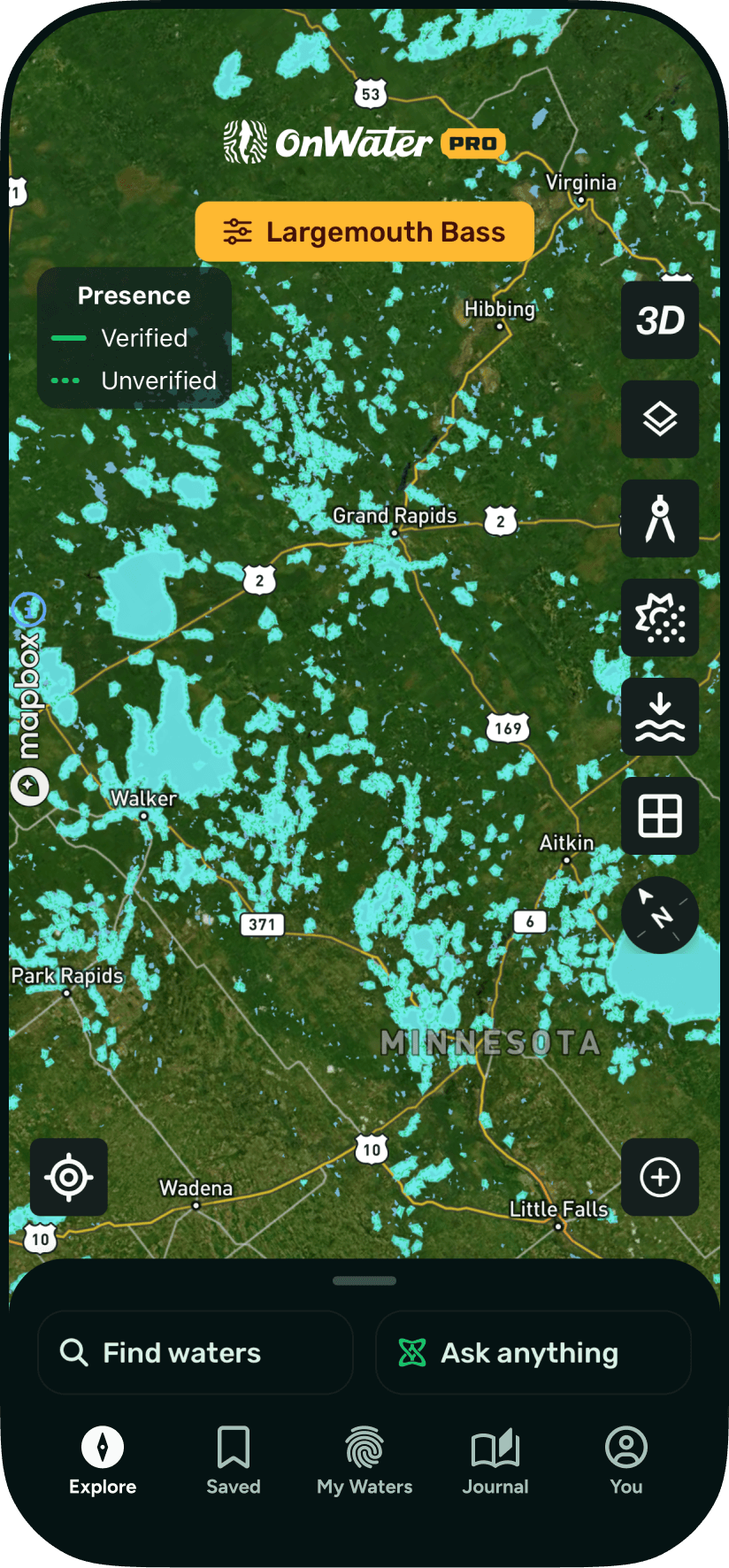
- 01 · Species map filter
Map every White Perch water
Pick White Perch and the map zeroes in on the waters they call home. No more guessing which lake holds them.
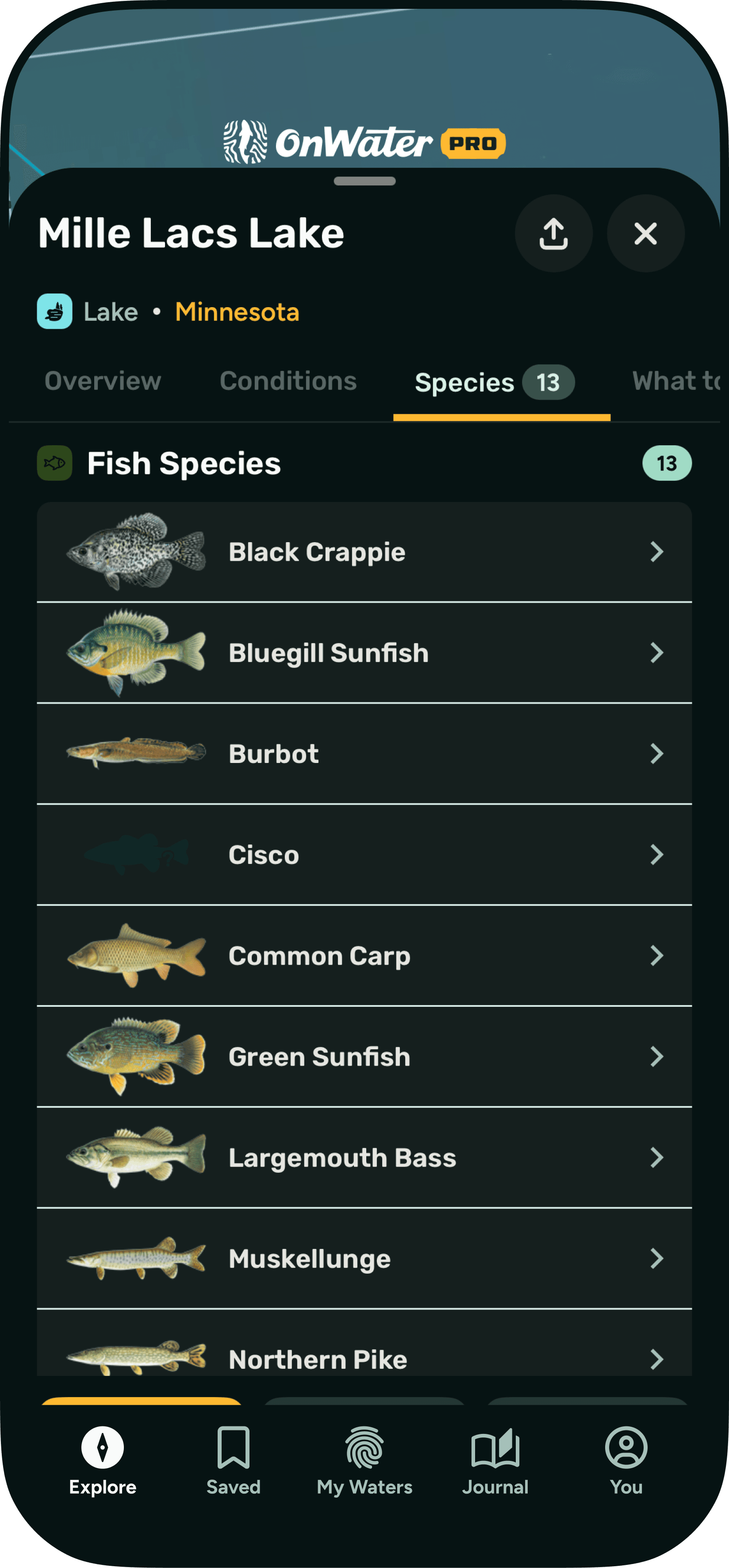
- 02 · Waterbody species
Tap any water. See what lives there.
Species, behavior and seasonal patterns for every lake, river and pond, before you leave the driveway.
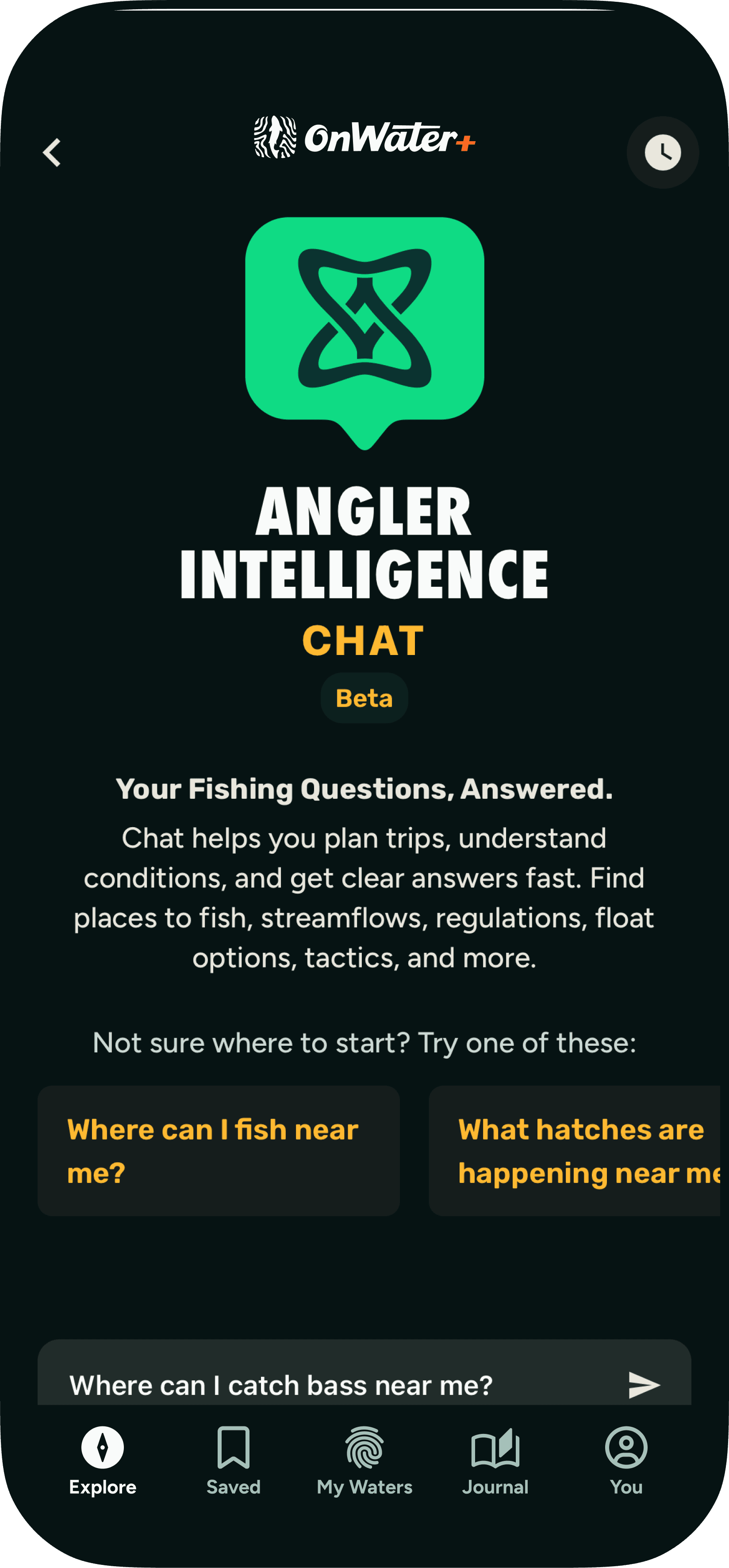
- 03 · Angler Intelligence
Ask how to catch White Perch
Tactics, gear and timing from onWater's AI fishing guide, tuned to the species and the water you're on.
Stop guessing where White Perch are.
Open the map, filter by White Perch, and head to water that holds them. Download onWater and plan your next trip in minutes.
- Species map filter
- Angler Intelligence
- Fishing journal
Explore other species
Trout, bass, salmon, panfish and everything in between. Each guide unpacks the behavior, seasons, and tactics that put fish in the net.
Find which waters have the species you want to catch
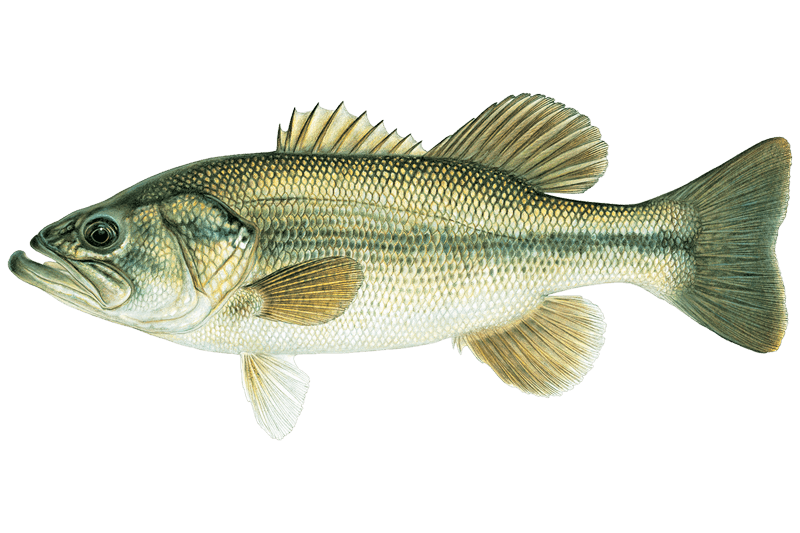
Largemouth Bass
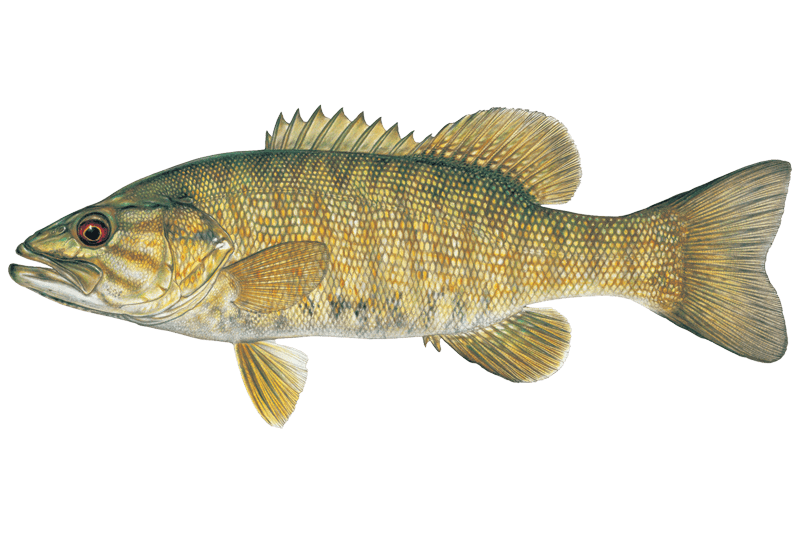
Smallmouth Bass
Micropterus dolomieu
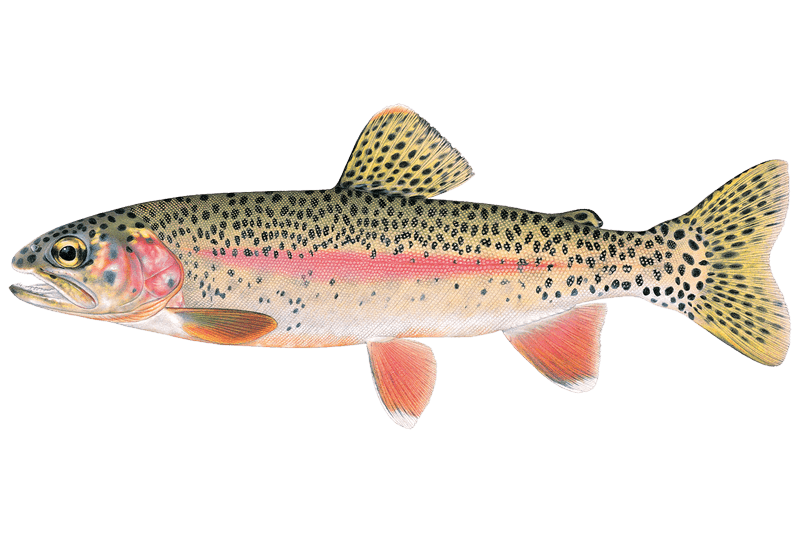
Rainbow Trout
Oncorhynchus mykiss
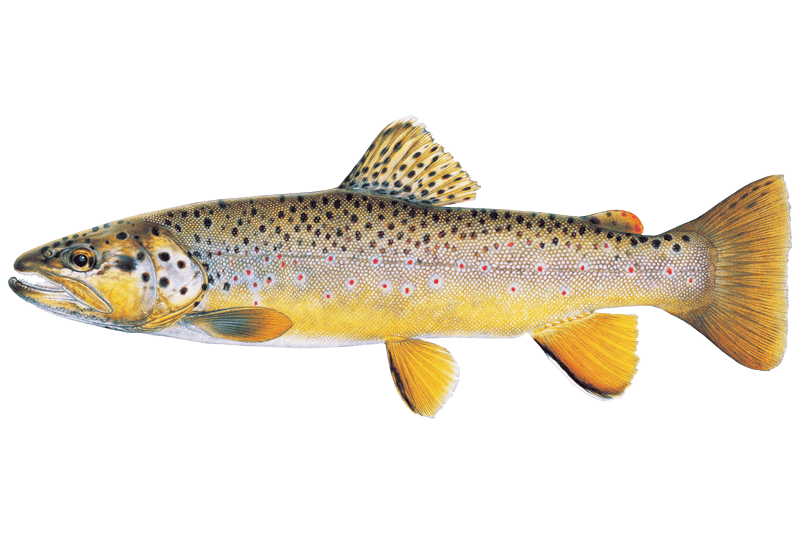
Brown Trout
Salmo trutta
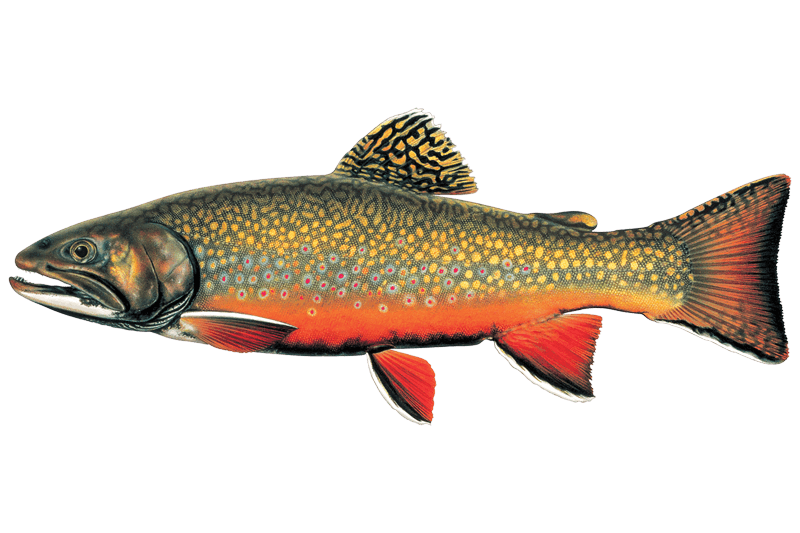
Brook Trout
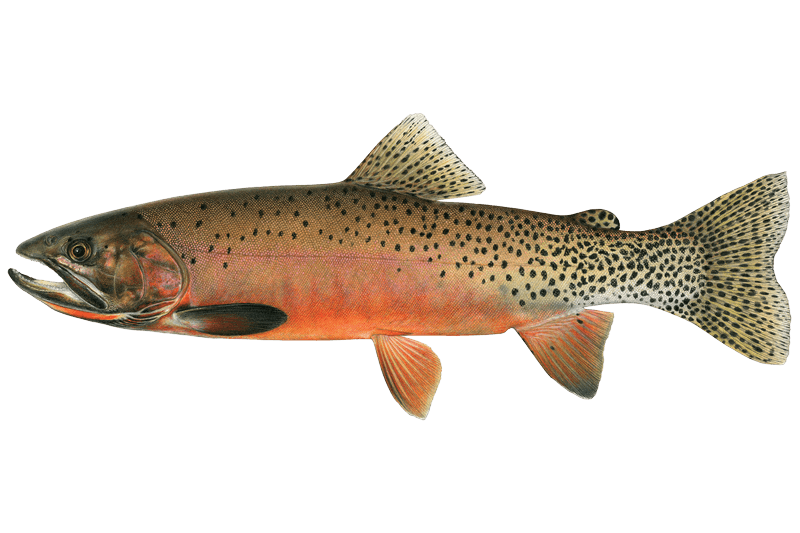
Cutthroat Trout
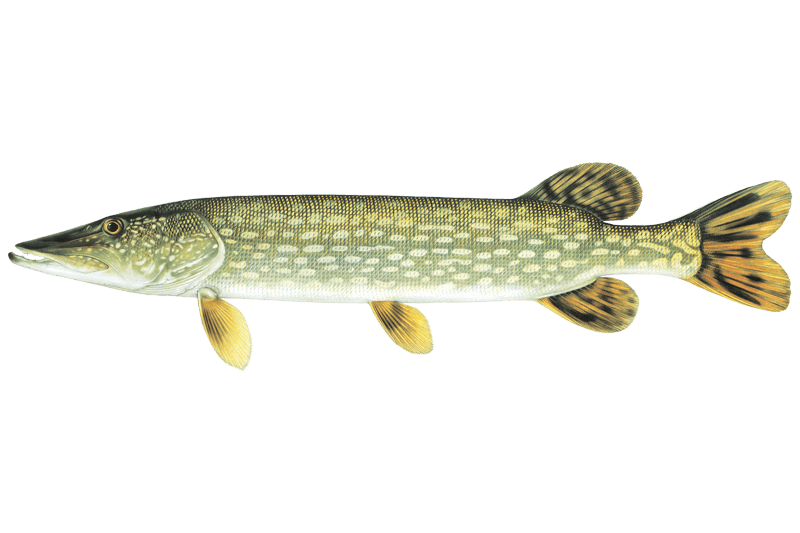
Northern Pike
Esox lucius
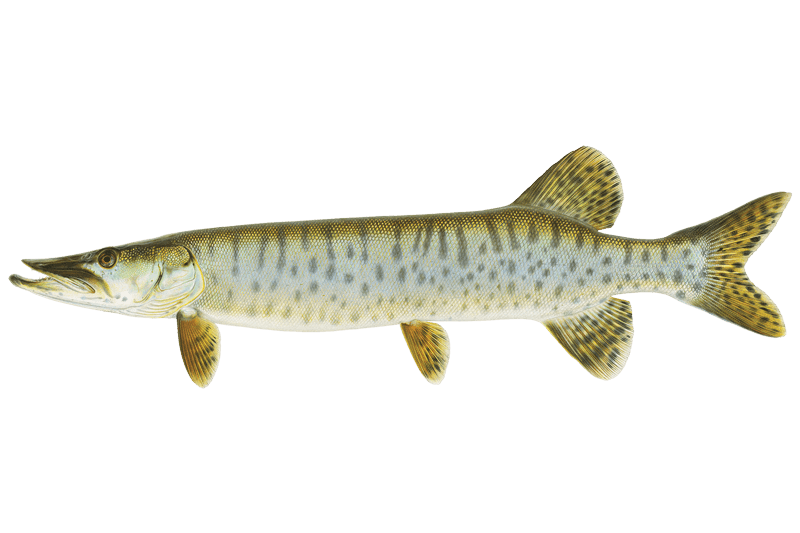
Muskellunge
Esox masquinongy
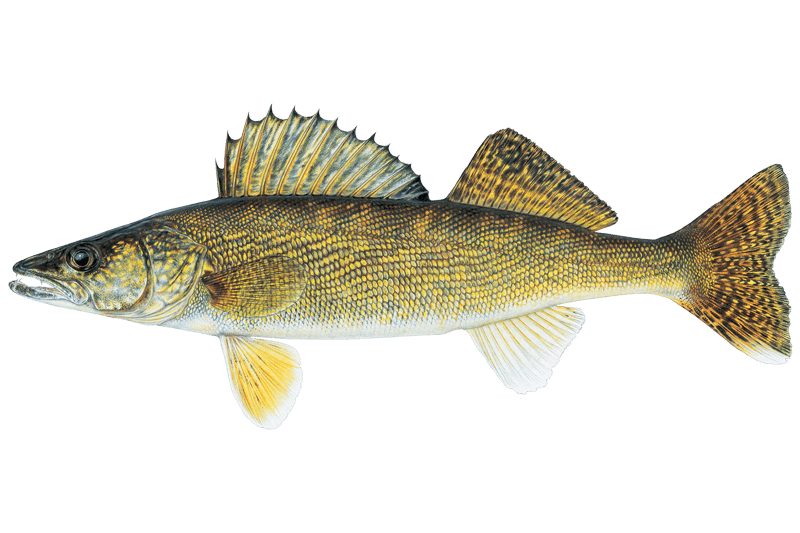
Walleye
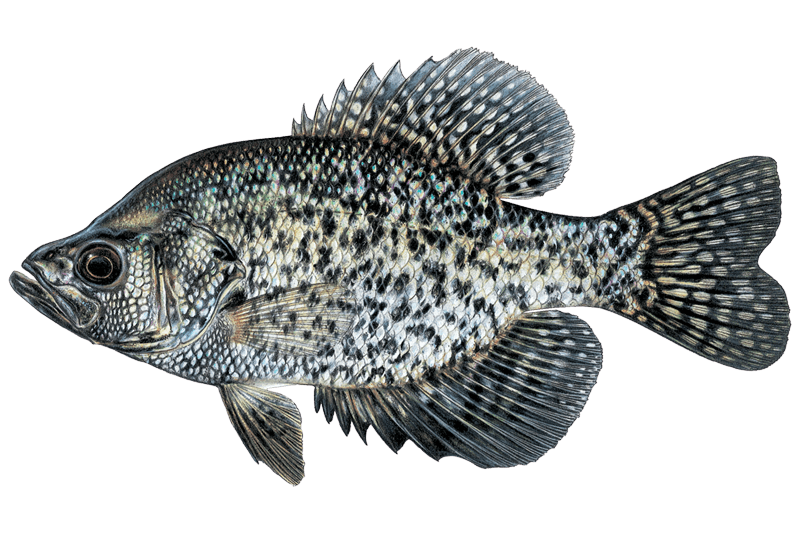
Black Crappie
Pomoxis nigromaculatus

Alewife
Alosa pseudoharengus
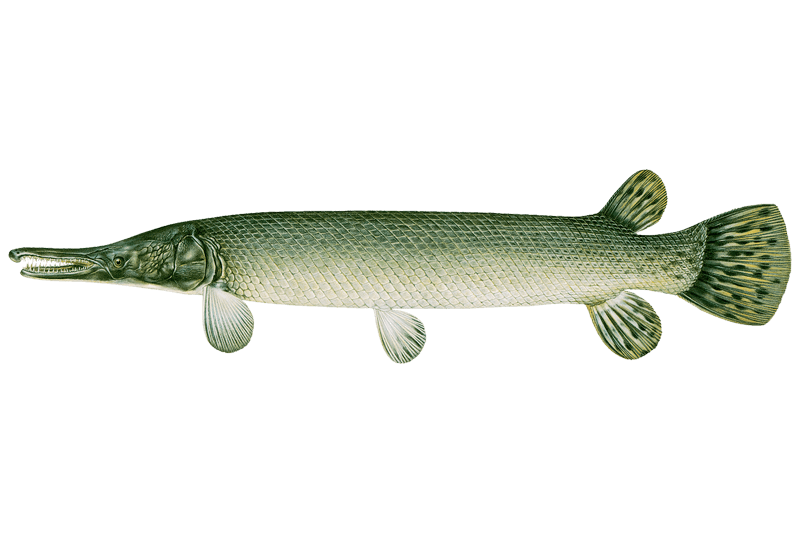
Alligator Gar

American Eel
Anguilla rostrata
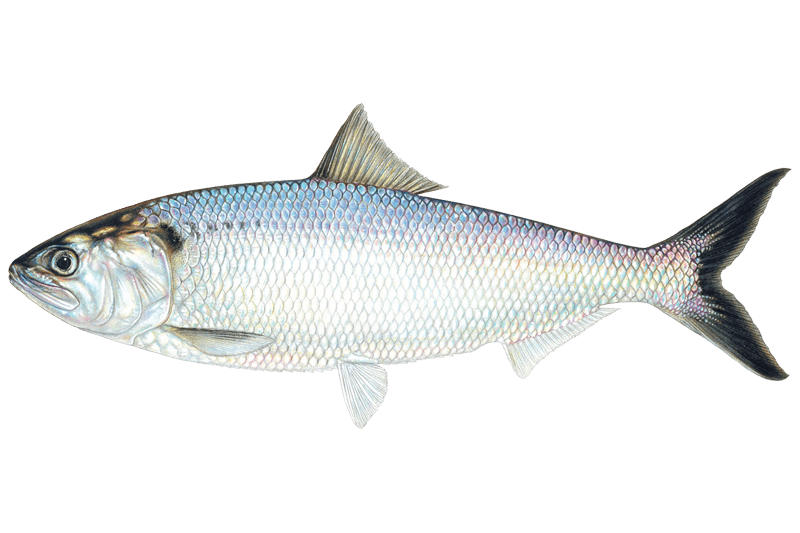
American Shad
Alosa sapidissima

Bighead Carp
Hypophthalmichthys nobilis
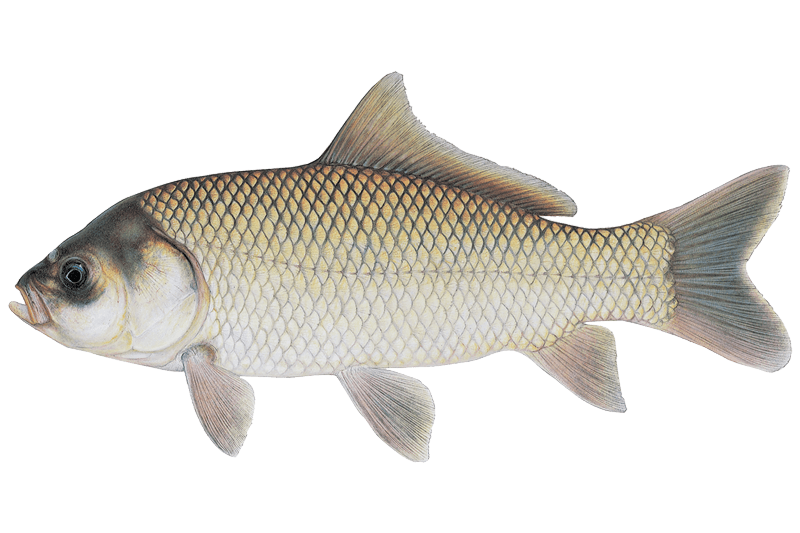
Bigmouth Buffalo
Ictiobus cyprinellus
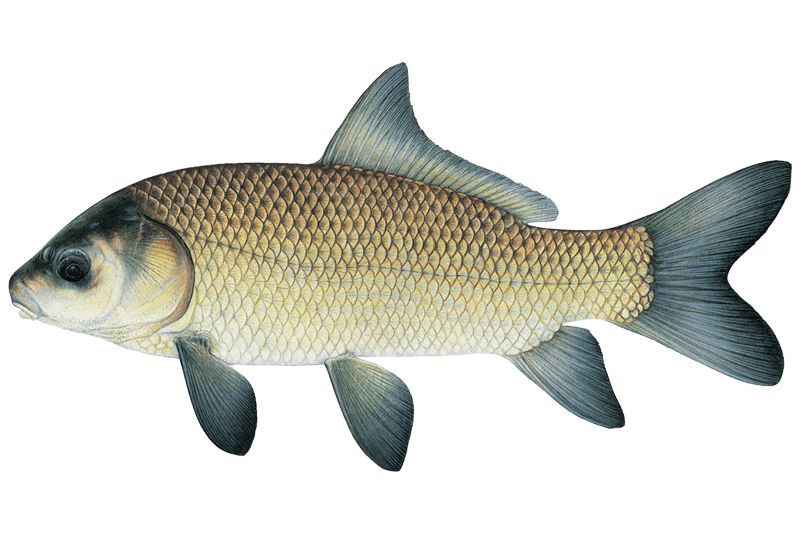
Black Buffalo
Ictiobus niger

Black Bullhead
Ameiurus melas

Blacknose Dace
Rhinichthys atratulus
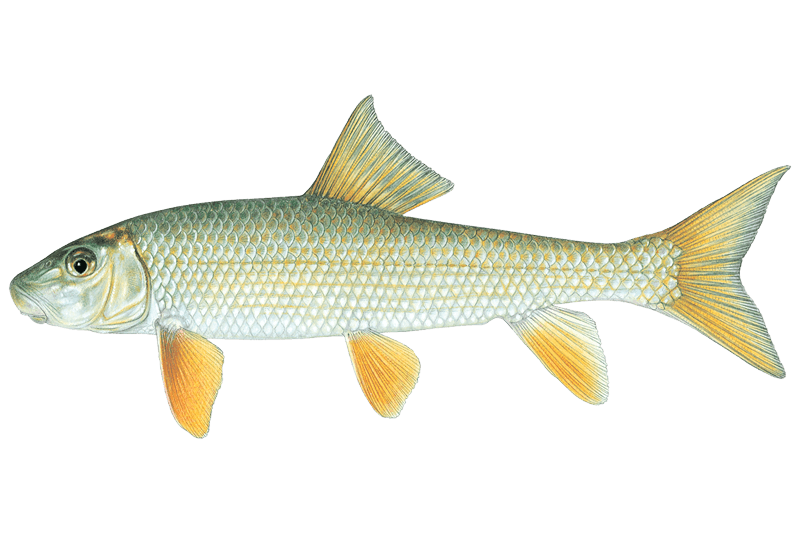
Black Redhorse
Moxostoma duquesnei
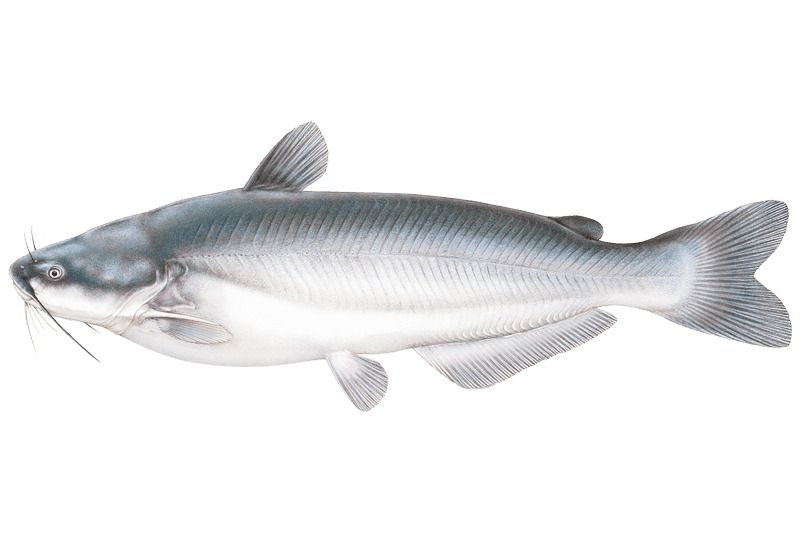
Blue Catfish
Ictalurus furcatus
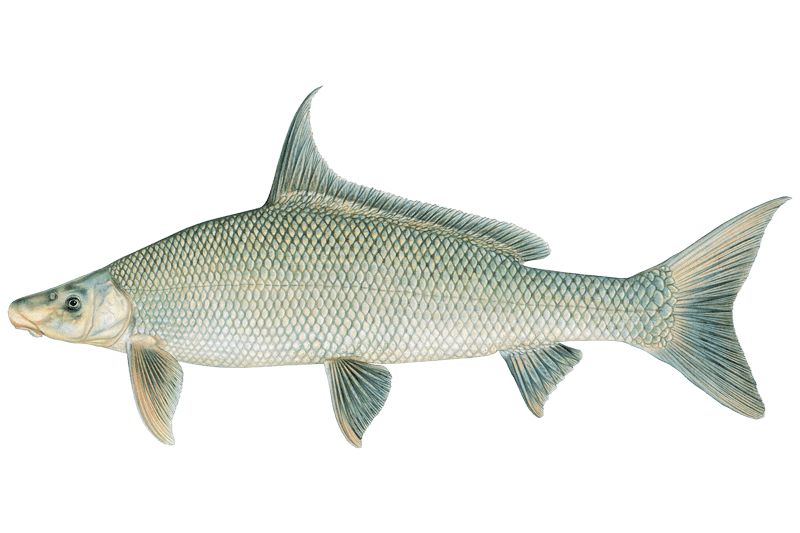
Blue Sucker
Cycleptus elongatus

Bowfin
Amia calva
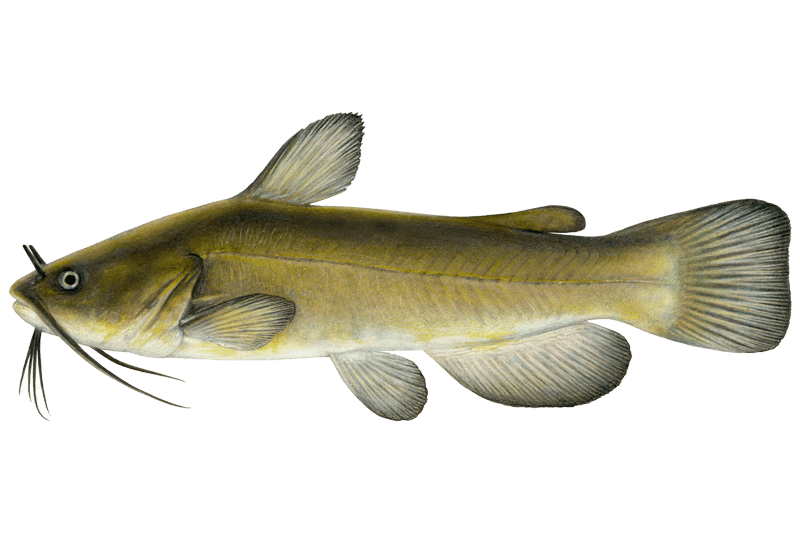
Brown Bullhead
Ameiurus nebulosus
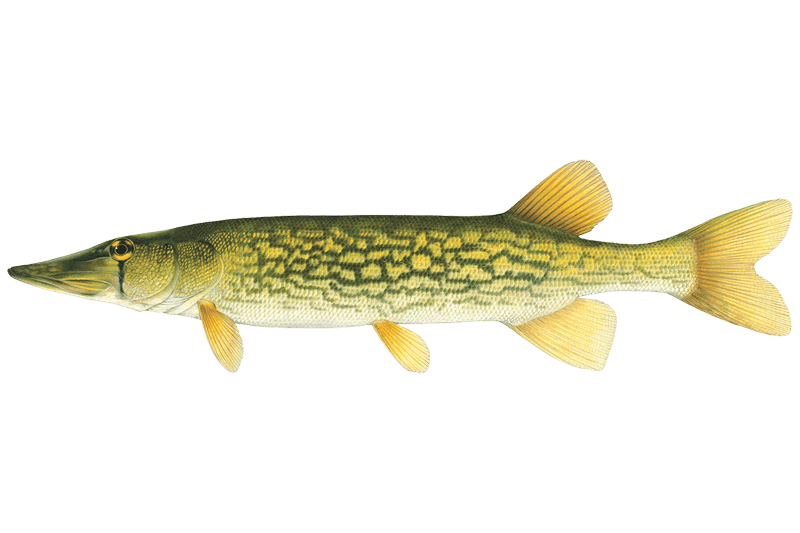
Chain Pickerel
Esox niger
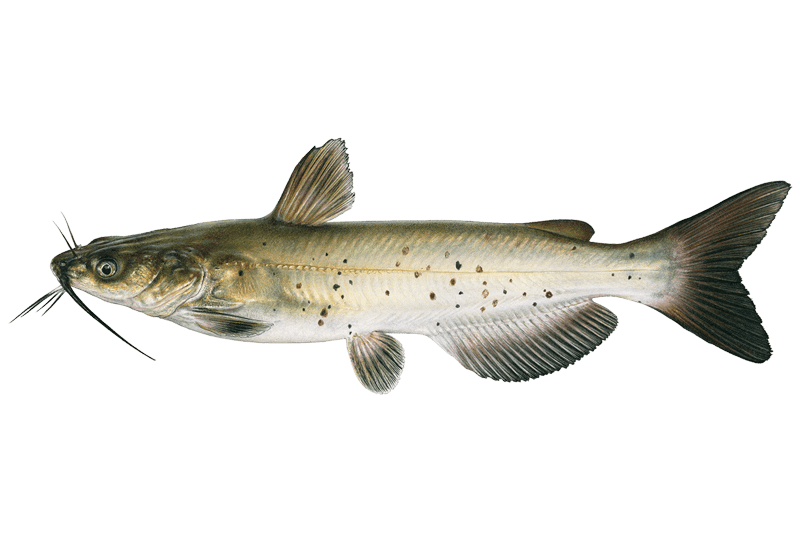
Channel Catfish
Ictalurus punctatus
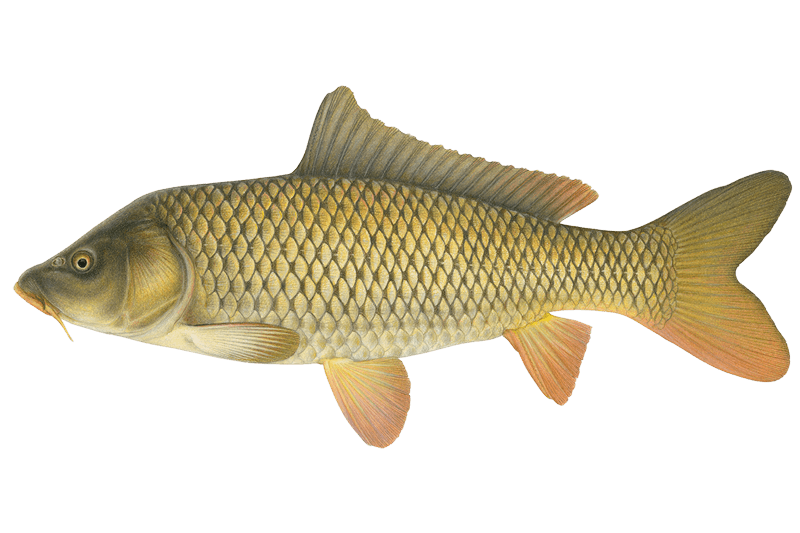
Common Carp
Cyprinus carpio

Creek Chub
Semotilus atromaculatus
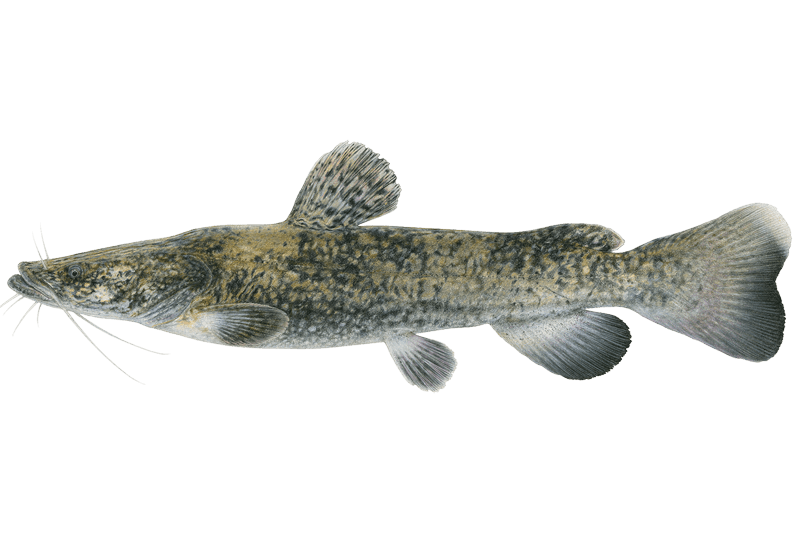
Flathead Catfish
Pylodictis olivaris
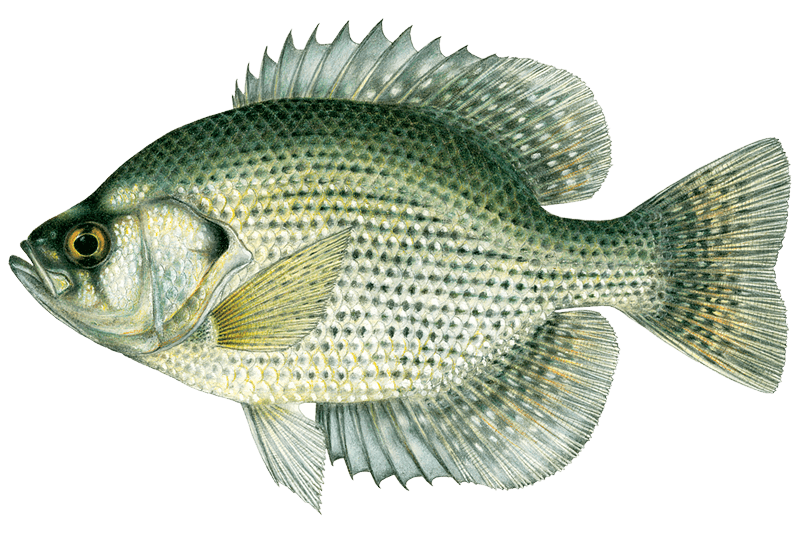
Flier
Centrarchus macropterus
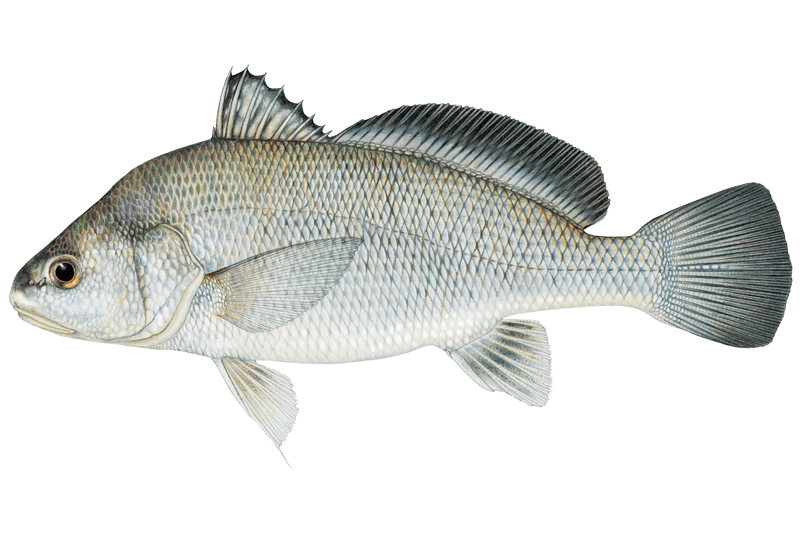
Freshwater Drum
Aplodinotus grunniens

Gizzard Shad
Dorosoma cepedianum
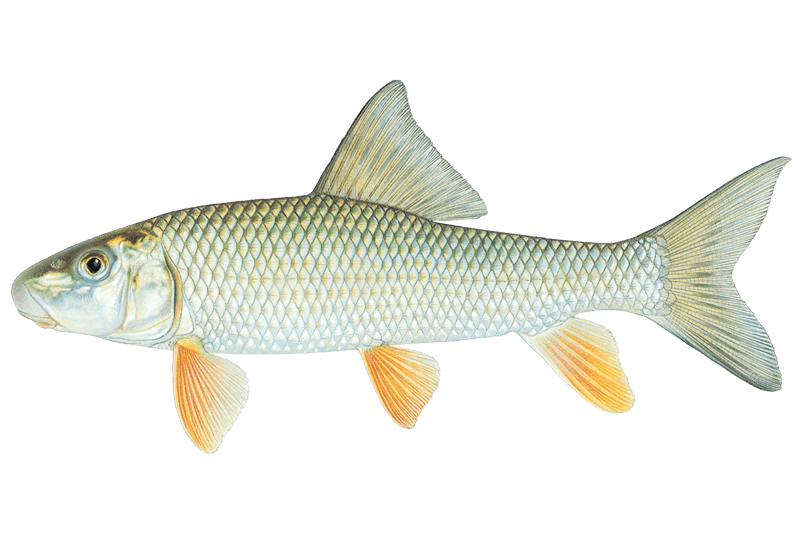
Golden Redhorse
Moxostoma erythrurum
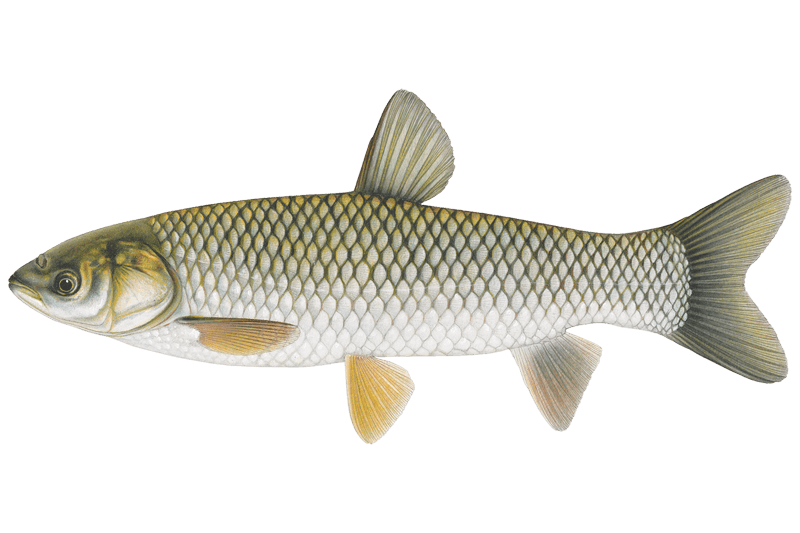
Grass Carp
Ctenopharyngodon idella
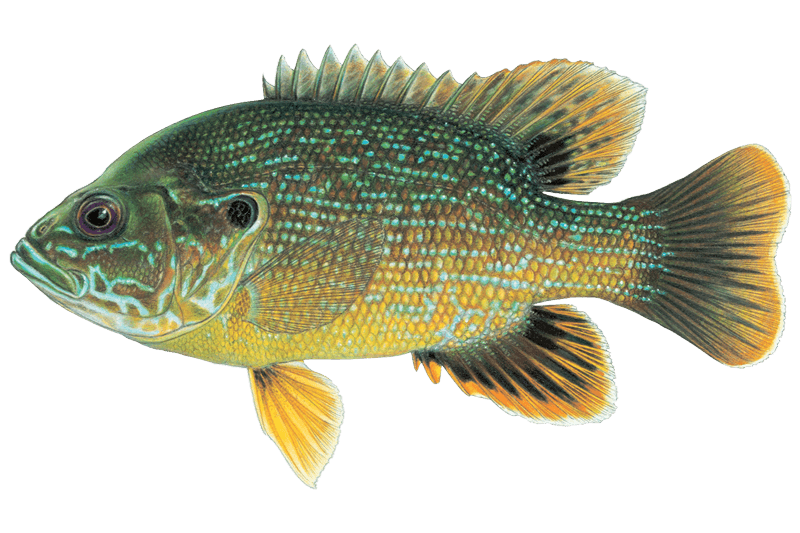
Green Sunfish
Lepomis cyanellus

Lake Sturgeon
Acipenser fulvescens
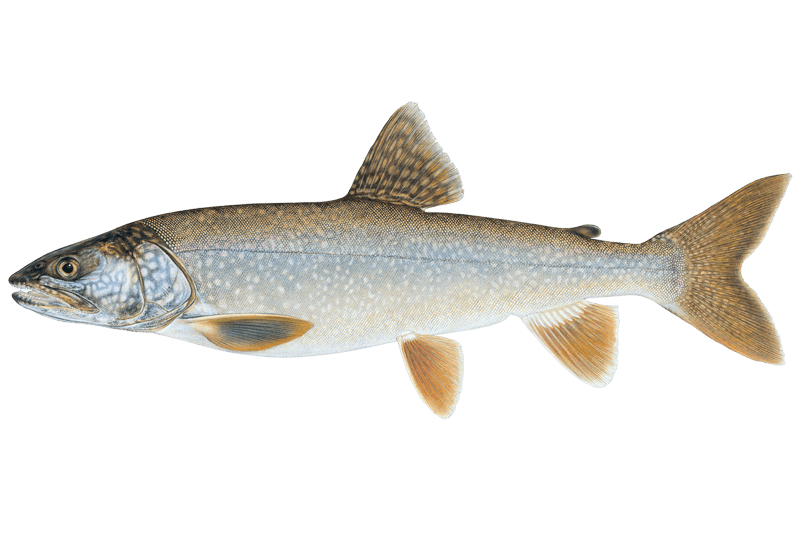
Lake Trout
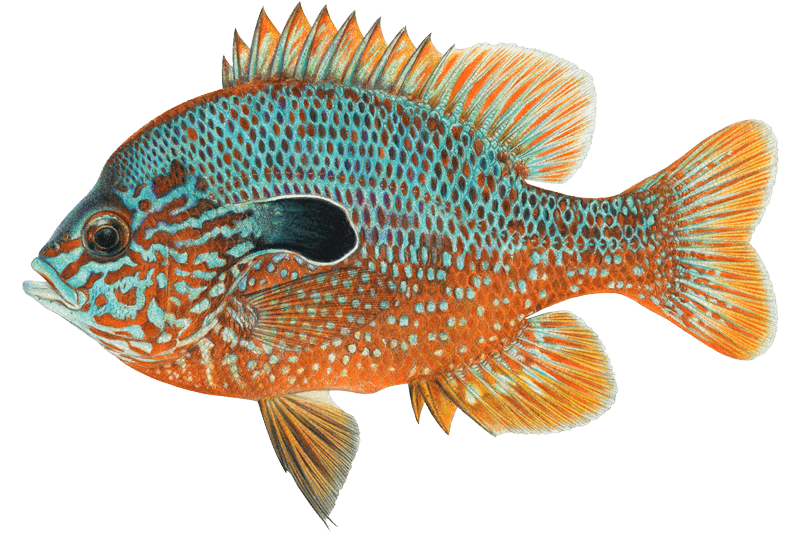
Longear Sunfish
Lepomis megalotis
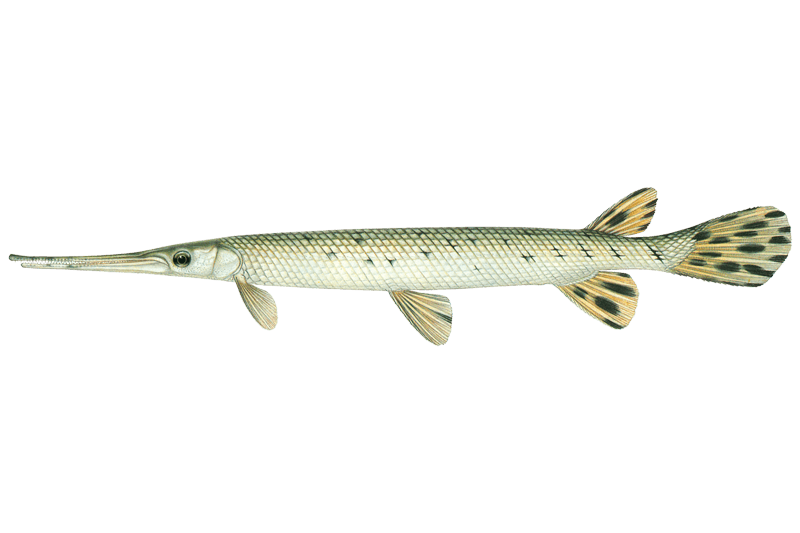
Longnose Gar
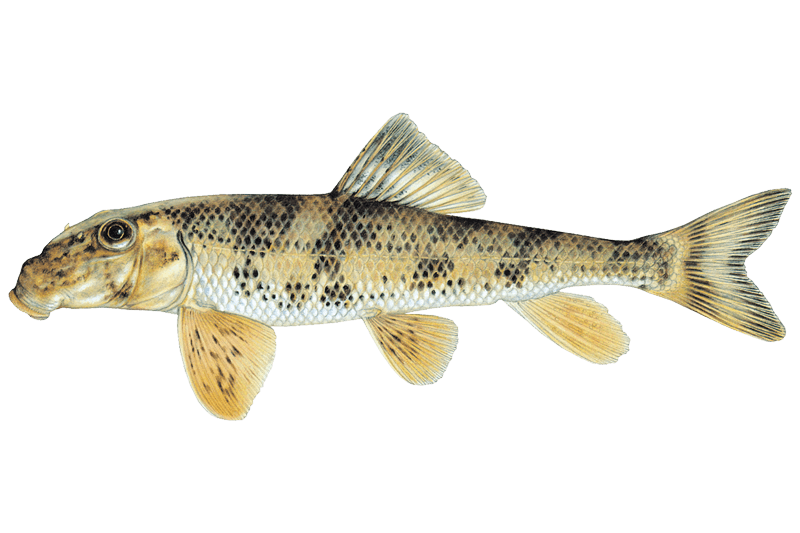
Northern Hogsucker
Hypentelium nigricans
Tennessee licenses and regulations
Tennessee Boating Regulations
When using any type of watercraft to access a body of water, it is important to follow all federal, state, and local rules and regulations. These rules and regulations include boat permitting and licensing, invasive species inspections and stamps, life jacket and PFD rules, motor size and horsepower restrictions, noise limitations, restrictions on personal watercraft, and many more. Visit the web link below for the most current rules and regulations for this body of water.
Tennessee Fishing License
No Fishing License Needed If: You are under 13 years of age (resident or nonresident). A type 022 supplemental license is required for anglers targeting trout. State-wide creel limit 7 trout.

Tennessee Fishing Regulations
This river has a variety of species and regulations, including potential floating and/or watercraft restrictions. Because this river is specially managed for species, seasons, angling methods, and watercraft, it is strongly encouraged you check all federal, state, and local regulations before fishing. Visit any of the links below, inquire locally, or contact a local fly shop to learn current regulations and restrictions.
Tennessee Stream Access Laws
On any river or stream that’s capable of floating a craft, the public has rights to passage, hunting and fishing. The question of streambed use on designated non-navigable rivers, however, is less clear, and probably not legal.
Explore nearby waters
Explore Tennessee waters
Top fishing waters
Popular Cities
Loading popular cities...

Smarter Fishing Starts in the App.
onWater Fish gives you everything you need to plan smarter, fish better, and own every trip from first cast to last.