Brook Trout

Brook Trout are Tennessee's only native salmonid species and the state's most historically significant trout. Southern Appalachian Brook Trout are genetically distinct from northern strains.
- Characterized by olive-green backs with distinctive marbled vermiculation patterns, red and yellow spots with blue halos, white-edged orange fins, and bright orange bellies during spawning.
- Becoming more aggressive and colorful during spawning period.
Fishing in Tennessee
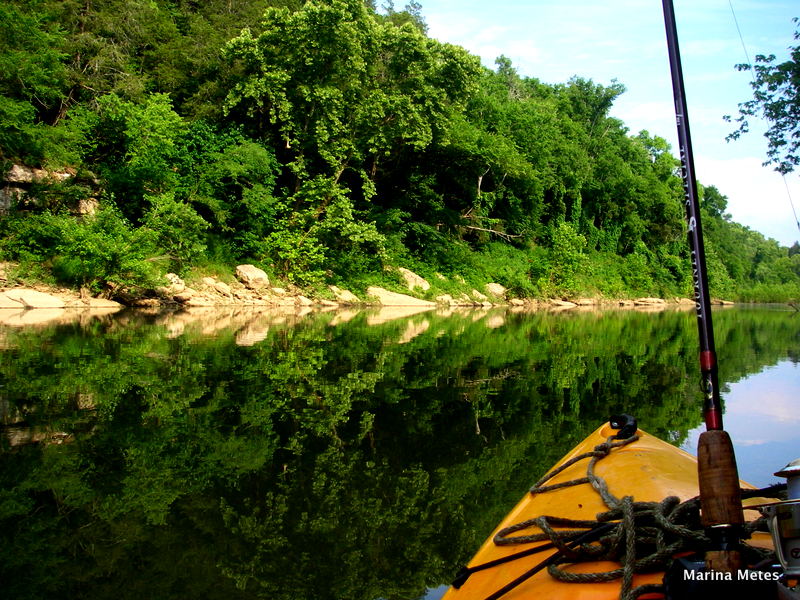
Duck River
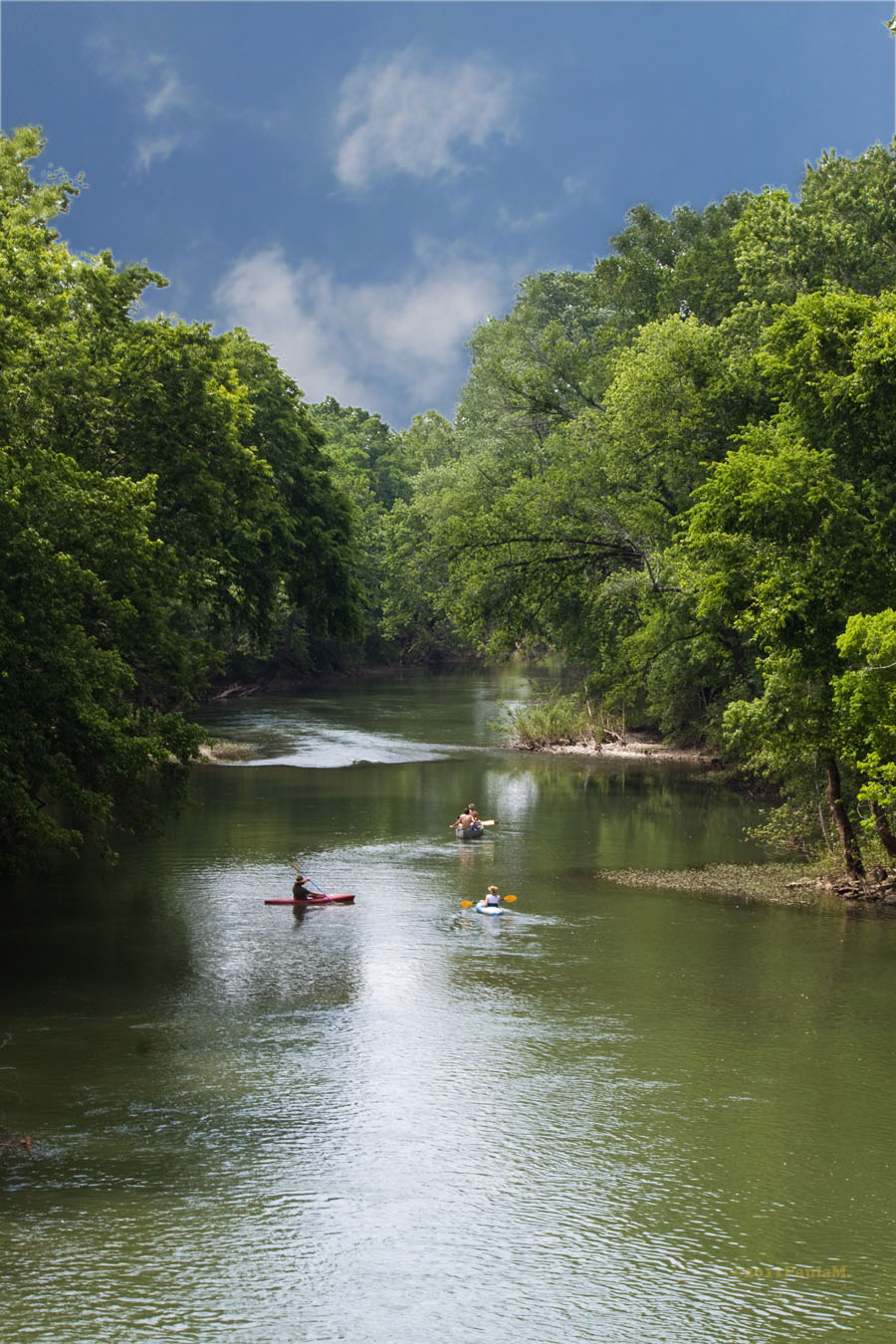
Harpeth River
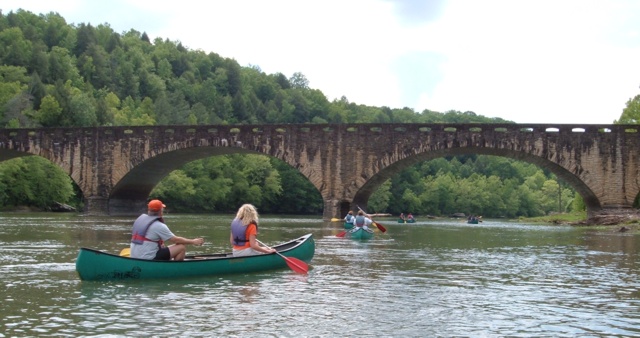
Cumberland River
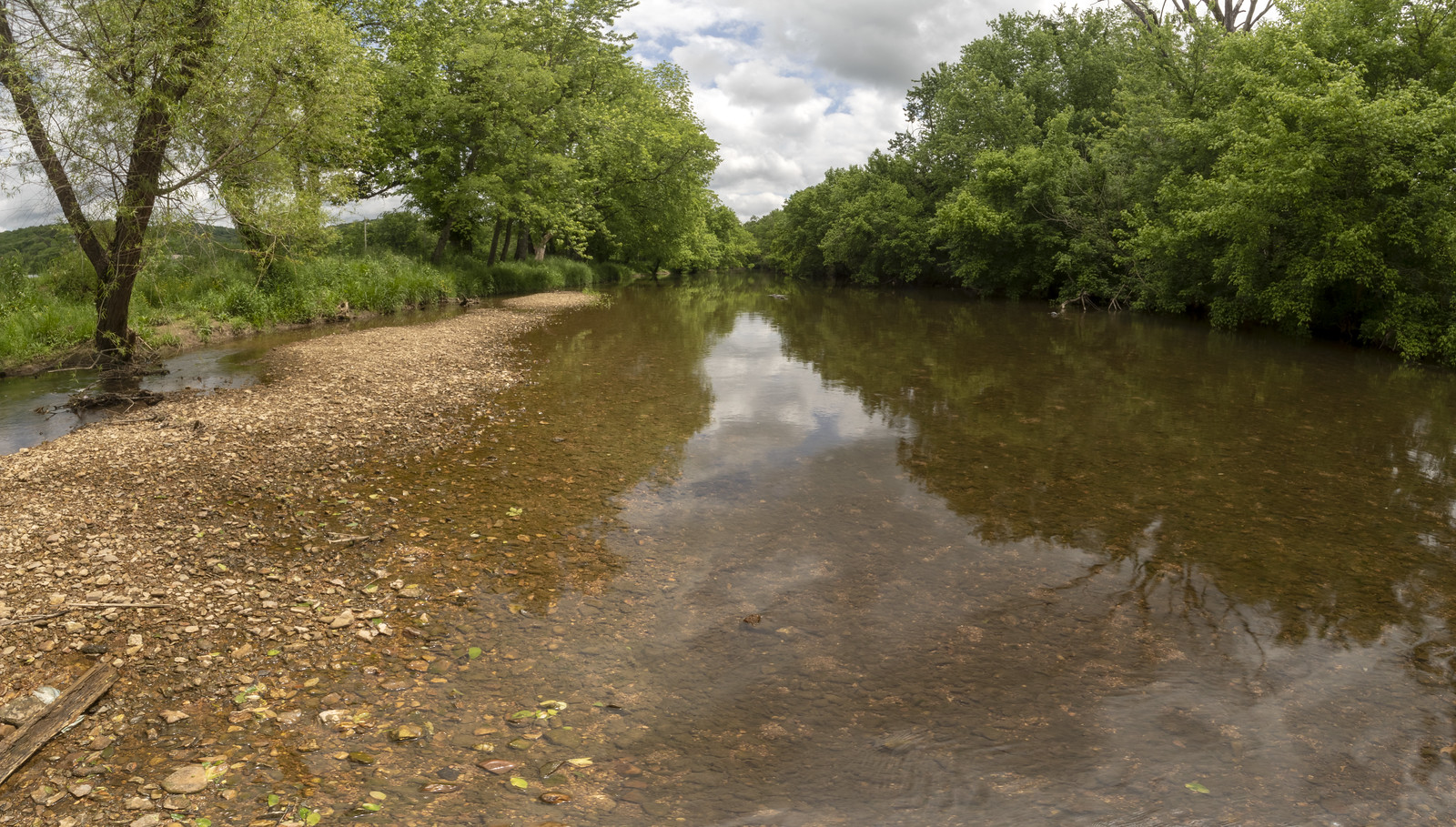
Stones River
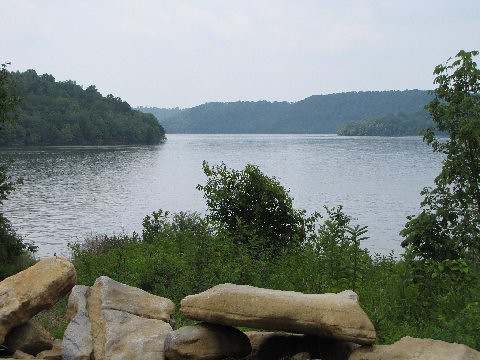
Tims Ford Lake
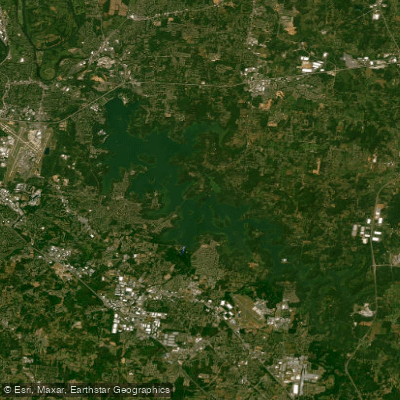
J Percy Priest Reservoir
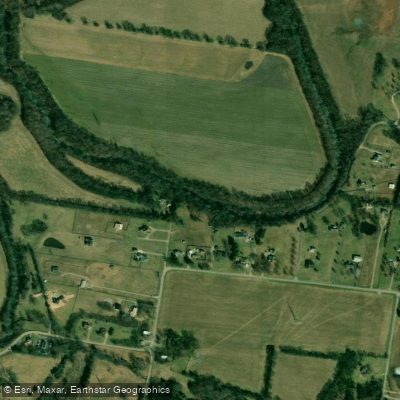
Rutherford Creek
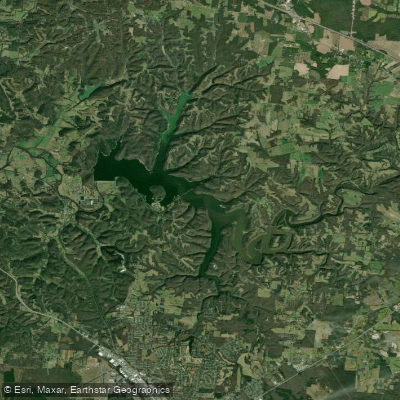
Normandy Lake
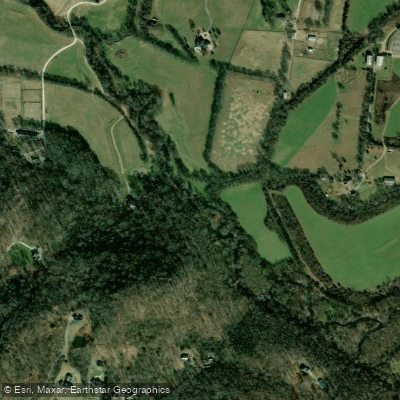
West Harpeth River
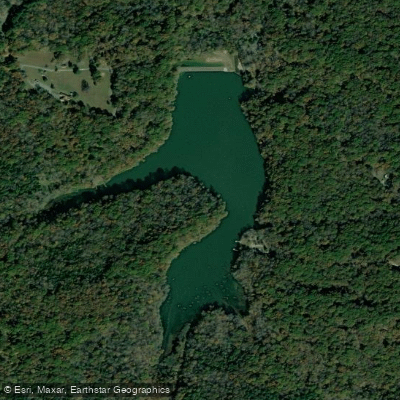
Lake Woodhaven
What to know
Habitat Distribution
- Found primarily in high-elevation headwater streams above 1,066m elevation, though historically they occurred as low as 490m.
- In Tennessee, found primarily in eastern mountain counties.
- Currently occupying about 230 km (144 miles) in 113 streams, representing roughly 24% of wild trout waters outside Great Smoky Mountains National Park.
Key Locations
- Cherokee National Forest, Great Smoky Mountains National Park, designated Wild Trout Streams including Laurel Fork, Beaverdam Creek, Paint Creek, Rocky Fork, Left Prong Hampton Creek, and Little Stony Creek.
Specific Spots
- Boulder-strewn streams with plunge pools, focusing on pocket water behind cover.
Brook Trout FAQ
Answers from onWater's species guide.
What flies work for Brook Trout in Tennessee?
Adams Variant, Thunderhead, Orange Stimulator, Tan Elk Hair Caddis, Yellow Mayfly, Tellico Nymph, Green Wire Caddis Larva, and Micro Woolly Buggers. Bright-colored dry flies in yellow and orange are particularly effective. In fall, use smaller, darker mayflies, midges, and emergers.
When is the best time to fish for Brook Trout in Tennessee?
Late spring through early summer and again in September-October as temperatures cool, avoiding the October-November spawning period.
How do you catch Brook Trout in Tennessee?
Master bow-and-arrow casting and side-arm roll casts for dense rhododendron coverage. Target deeper pools during high water with nymphs and streamers fished dead-drifted or stripped. Fish pocket water behind cover.
What do Brook Trout eat?
Opportunistic feeders consuming aquatic adult insects (38.9%), terrestrial insects (19.5%), and immature dipterans (14.2%) as major food sources, along with small fish, crayfish, terrestrial hoppers, ants, mayflies, caddisflies, and small mammals.
Where do Brook Trout live in Tennessee?
Found primarily in high-elevation headwater streams above 1,066m elevation, though historically they occurred as low as 490m. In Tennessee, found primarily in eastern mountain counties.
Fish smarter with real-time insights
Whether you're en route and conditions shift or you're looking for the best spot based on current flows, we enable you to make informed decisions on the fly.




See it in the app
Most maps show you water.
onWater shows you Brook Trout.



- 01 · Species map filter
Map every Brook Trout water
Pick Brook Trout and the map zeroes in on the waters they call home. No more guessing which lake holds them.
- 02 · Waterbody species
Tap any water. See what lives there.
Species, behavior and seasonal patterns for every lake, river and pond, before you leave the driveway.
- 03 · Angler Intelligence
Ask how to catch Brook Trout
Tactics, gear and timing from onWater's AI fishing guide, tuned to the species and the water you're on.
Stop guessing where Brook Trout are.
Open the map, filter by Brook Trout, and head to water that holds them. Download onWater and plan your next trip in minutes.
- Species map filter
- Angler Intelligence
- Fishing journal
Explore other species
Trout, bass, salmon, panfish and everything in between. Each guide unpacks the behavior, seasons, and tactics that put fish in the net.
No species information available.
Tennessee licenses and regulations
Explore nearby waters
Explore Tennessee waters
Top fishing waters
Popular Cities
Loading popular cities...

Smarter Fishing Starts in the App.
onWater Fish gives you everything you need to plan smarter, fish better, and own every trip from first cast to last.