Bigmouth Buffalo
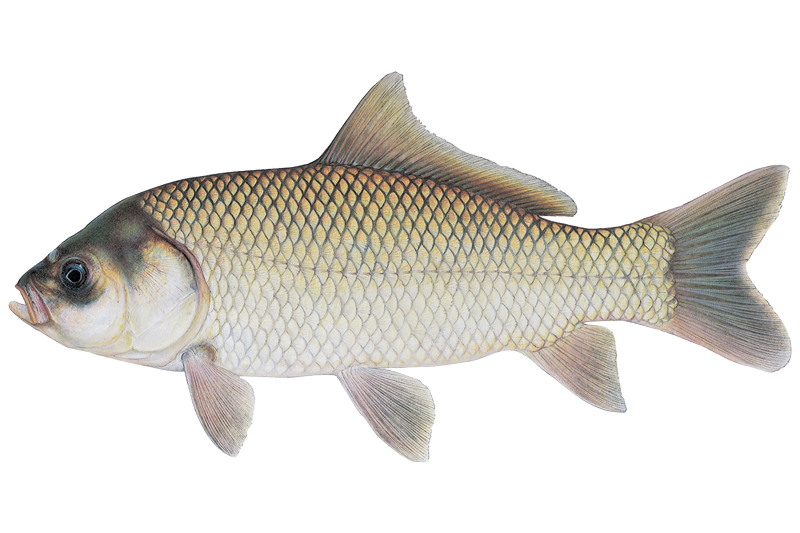
The Bigmouth Buffalo is North America's largest member of the sucker family, capable of reaching over 4 feet in length and 80 pounds.
These remarkable fish are among the longest-lived freshwater species, capable of living over 125 years with some populations showing median ages near 80 years.
Scientific Name: Ictiobus cyprinellus
- Capable of reaching over 4 feet in length and 80 pounds.
- Unlike other suckers, have a unique terminal mouth and fine gill rakers (60+ on the first arch).
- Can be confused with carp but lack the serrated dorsal spine that carp possess.
Fishing in Tennessee
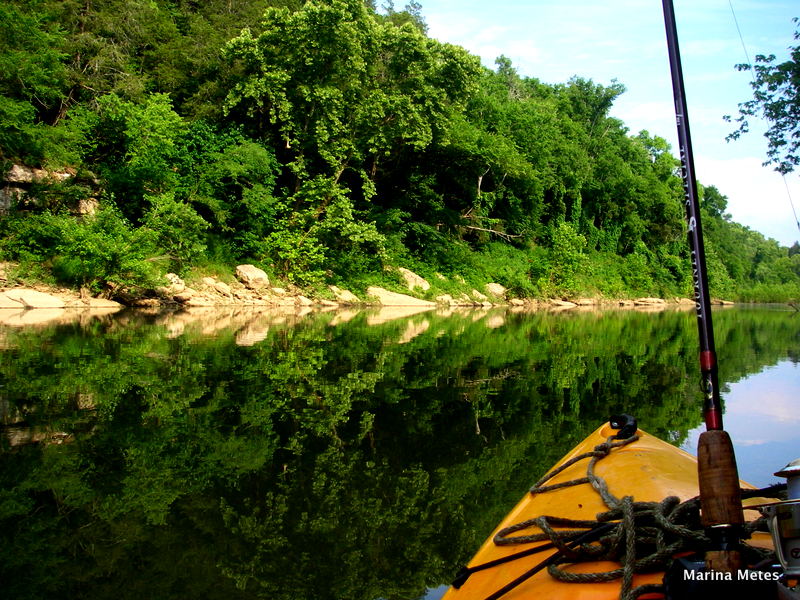
Duck River
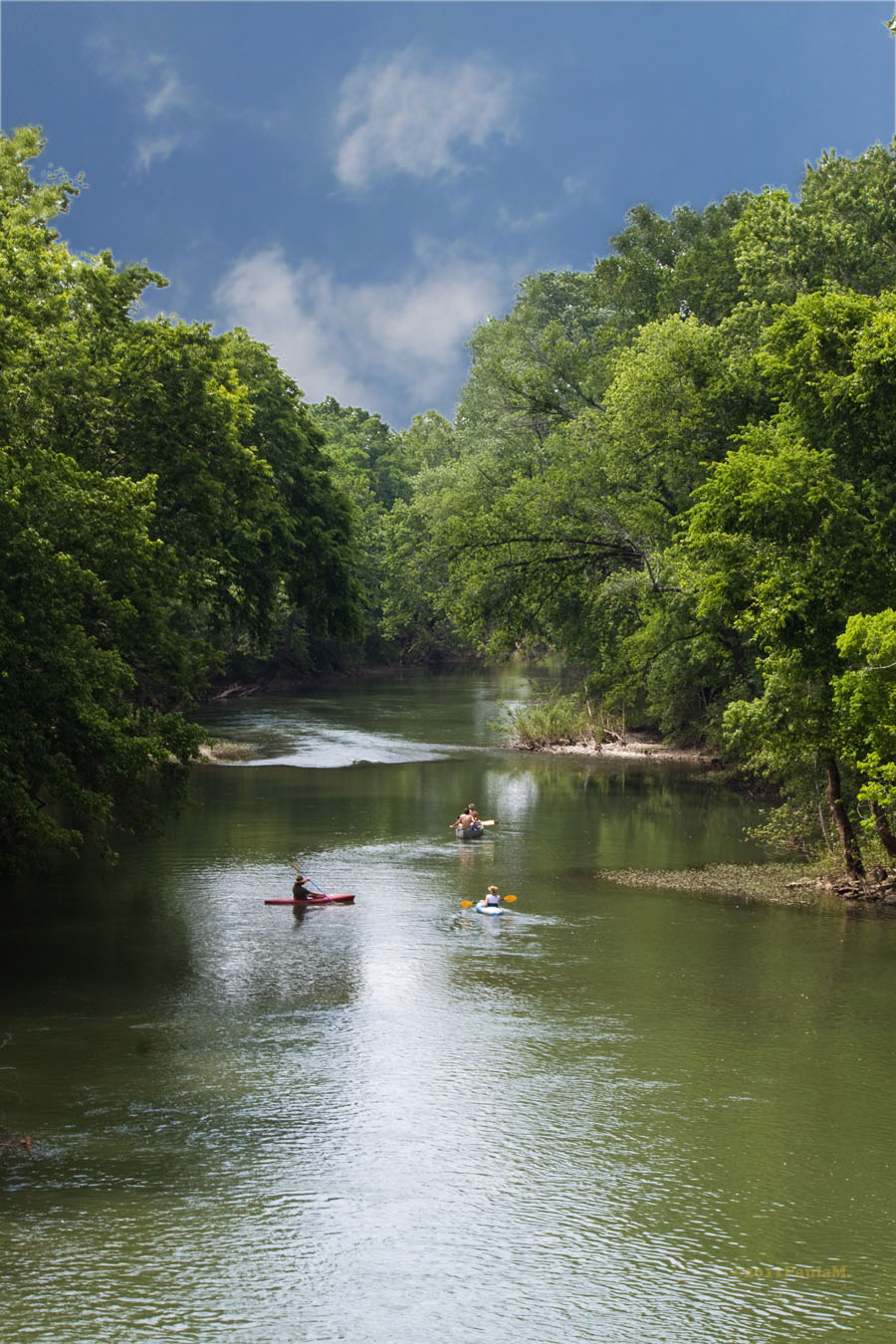
Harpeth River
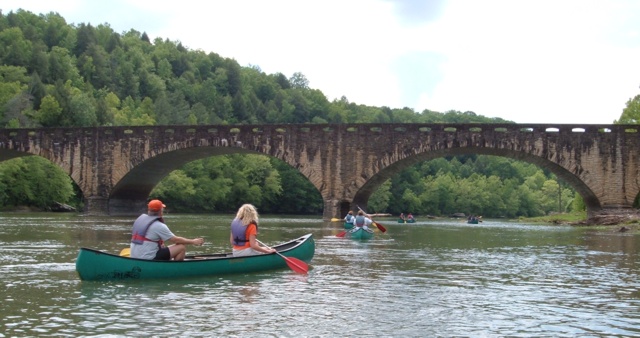
Cumberland River
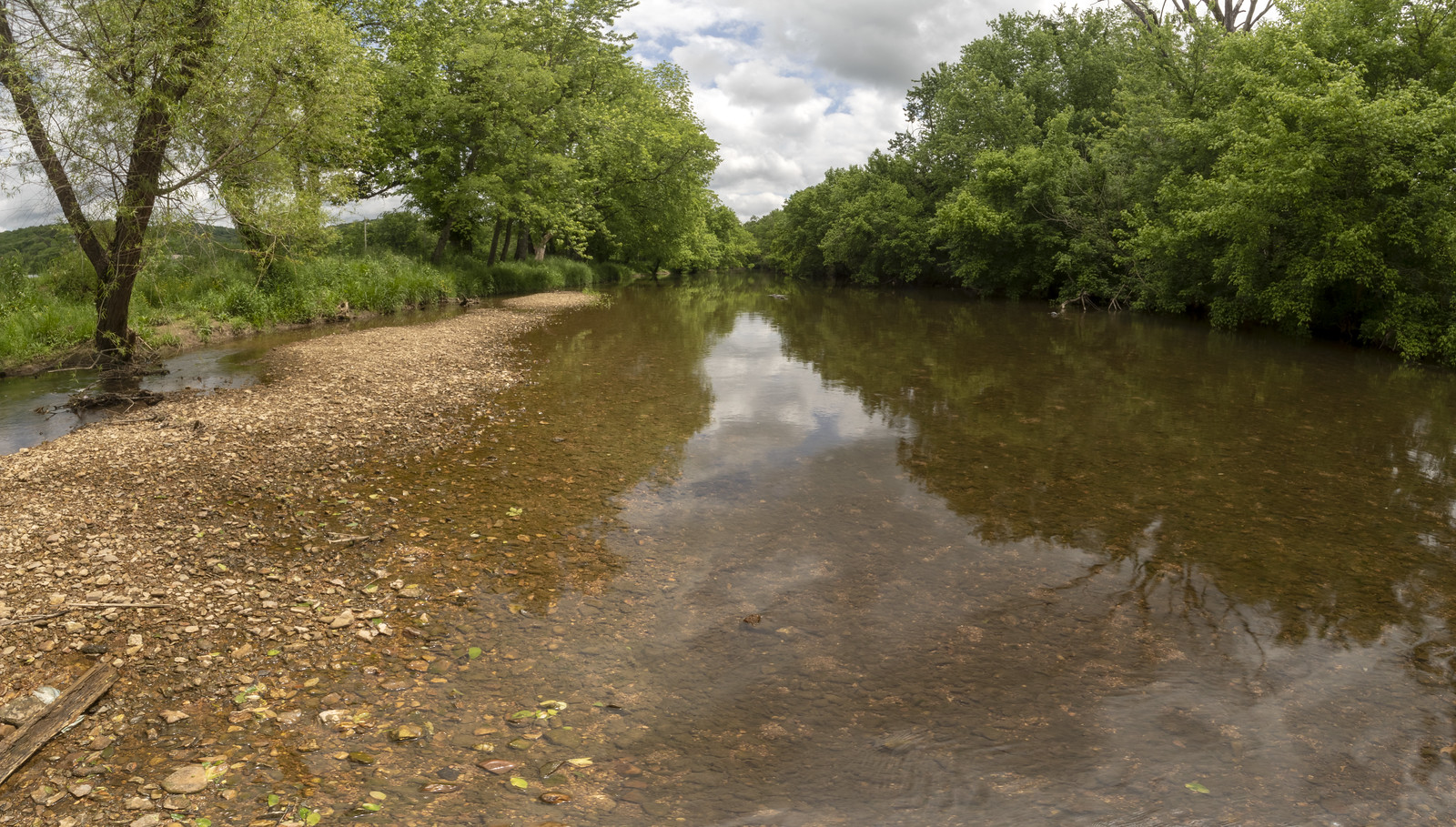
Stones River
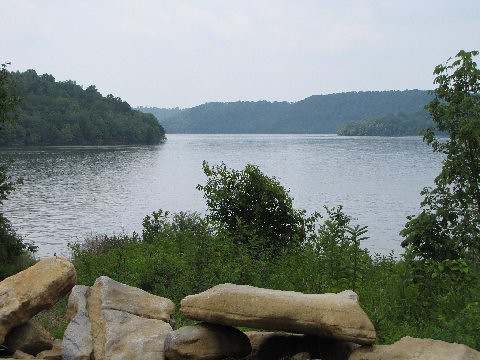
Tims Ford Lake
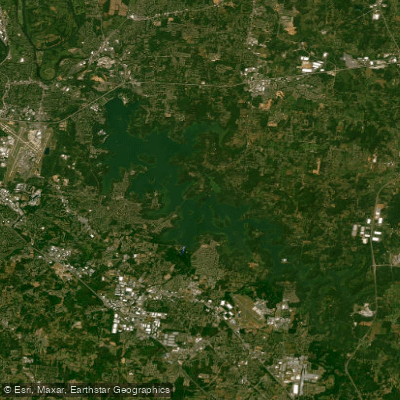
J Percy Priest Reservoir
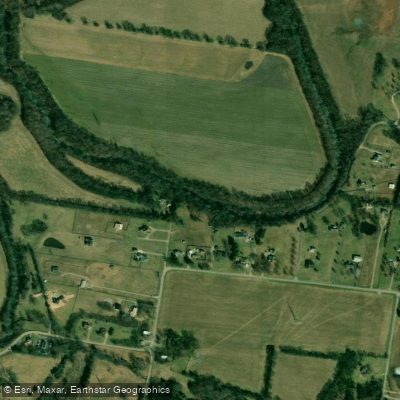
Rutherford Creek
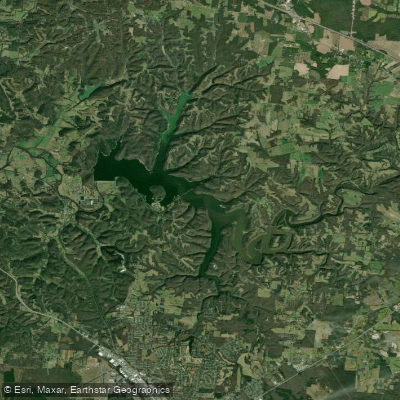
Normandy Lake
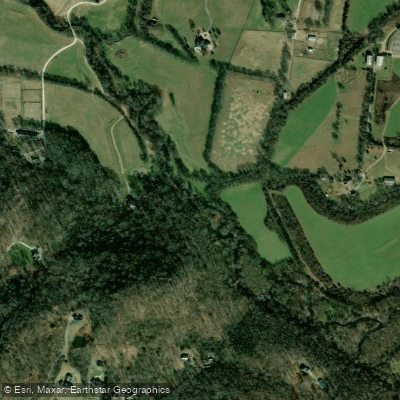
West Harpeth River
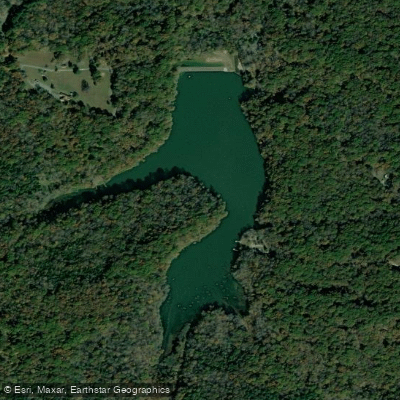
Lake Woodhaven
What to know
Habitat Distribution
- Part of the species' native range, which extends from Lake Erie through Ohio and Mississippi River basins to the Tennessee River in northern Alabama.
- Inhabit main channels, pools, and backwaters of small to large rivers as well as lakes and impoundments.
Key Locations
- Tennessee's rivers and reservoirs throughout the Mississippi River drainage, Tennessee River.
Specific Spots
- Target slow-moving backwaters, oxbows, flooded vegetated areas, and large reservoirs.
- Look for current edges, outside bends, drop-offs, areas near dams and falls, rock and boulder pockets, overhanging trees and bushes, and riparian zones.
- Prefer water less than 5 meters deep.
Bigmouth Buffalo FAQ
Answers from onWater's species guide.
What are the best lures and bait for Bigmouth Buffalo in Tennessee?
Since small crustaceans comprise 90% of their diet, scented baits work better than live bait. Effective baits include bread or dough balls, small minnows, cut bait.
When is the best time to fish for Bigmouth Buffalo in Tennessee?
Avoid mid-May through June during spawning period when they're extremely vulnerable to exploitation.
How do you catch Bigmouth Buffalo in Tennessee?
Dr.ift fishing, still fishing, fly fishing, spin casting, and bowfishing (though bowfishing is contributing to population declines).
What do Bigmouth Buffalo eat?
Filter-feeders that strain zooplankton from the water. Diet consists primarily of cladocerans and copepods, supplemented with midge larvae, benthic insect larvae, crustaceans, and detritus. Small crustaceans comprise 90% of their diet.
Where do Bigmouth Buffalo live in Tennessee?
Part of the species' native range, which extends from Lake Erie through Ohio and Mississippi River basins to the Tennessee River in northern Alabama. Inhabit main channels, pools, and backwaters of small to large rivers as well as lakes and impoundments.
Fish smarter with real-time insights
Whether you're en route and conditions shift or you're looking for the best spot based on current flows, we enable you to make informed decisions on the fly.




See it in the app
Most maps show you water.
onWater shows you Bigmouth Buffalo.



- 01 · Species map filter
Map every Bigmouth Buffalo water
Pick Bigmouth Buffalo and the map zeroes in on the waters they call home. No more guessing which lake holds them.
- 02 · Waterbody species
Tap any water. See what lives there.
Species, behavior and seasonal patterns for every lake, river and pond, before you leave the driveway.
- 03 · Angler Intelligence
Ask how to catch Bigmouth Buffalo
Tactics, gear and timing from onWater's AI fishing guide, tuned to the species and the water you're on.
Stop guessing where Bigmouth Buffalo are.
Open the map, filter by Bigmouth Buffalo, and head to water that holds them. Download onWater and plan your next trip in minutes.
- Species map filter
- Angler Intelligence
- Fishing journal
Explore other species
Trout, bass, salmon, panfish and everything in between. Each guide unpacks the behavior, seasons, and tactics that put fish in the net.
No species information available.
Tennessee licenses and regulations
Explore nearby waters
Explore Tennessee waters
Top fishing waters
Popular Cities
Loading popular cities...

Smarter Fishing Starts in the App.
onWater Fish gives you everything you need to plan smarter, fish better, and own every trip from first cast to last.