Black Buffalo

Black Buffalo are large freshwater fish in the sucker family found throughout Tennessee's major river systems.
Scientific Name: Ictiobus niger
Also known as blue rooters
- Adults average 20-30 inches and 10-30 pounds, though Tennessee produced a record 80-pound specimen from Shelby County in 1980.
- Bottom-oriented feeders with ventrally positioned mouths.
- During spawning season, they turn blue.
Fishing in Tennessee
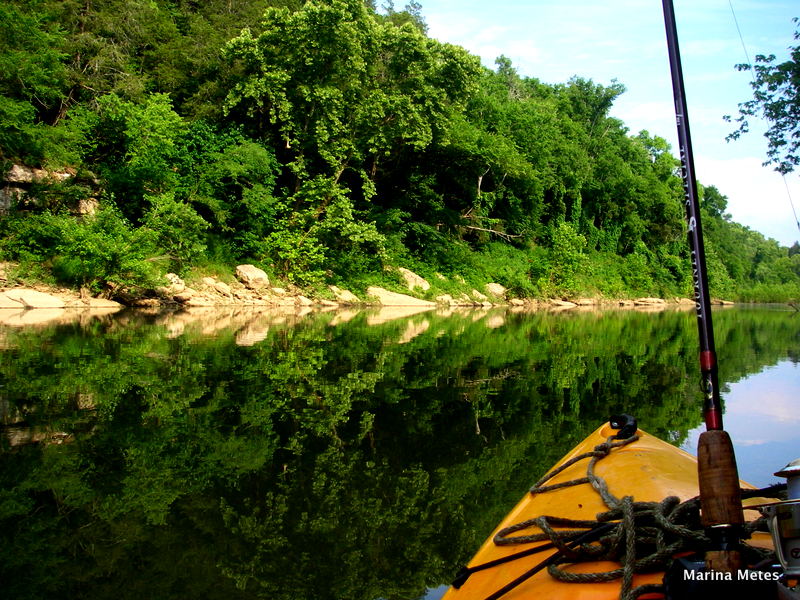
Duck River
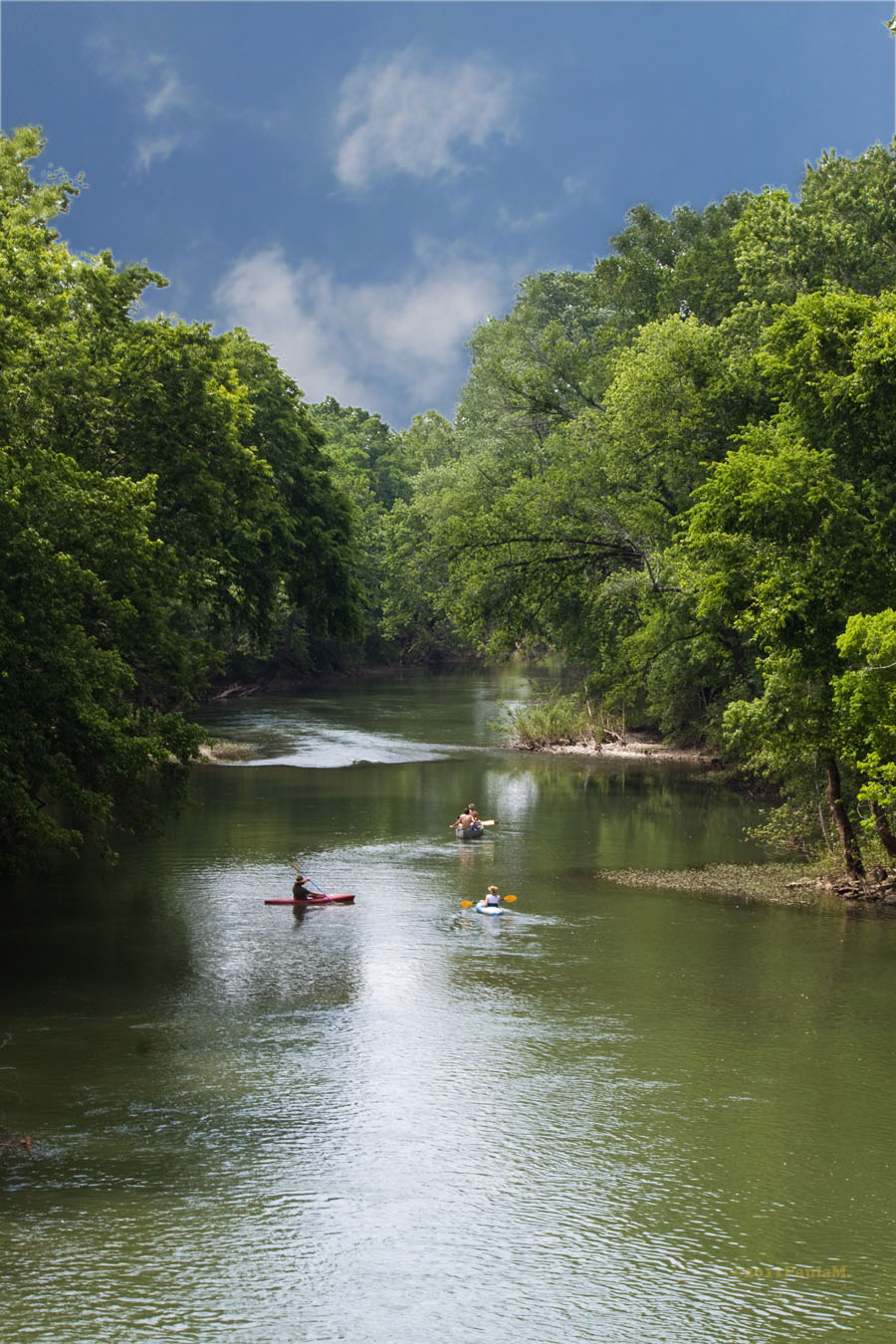
Harpeth River

Cumberland River
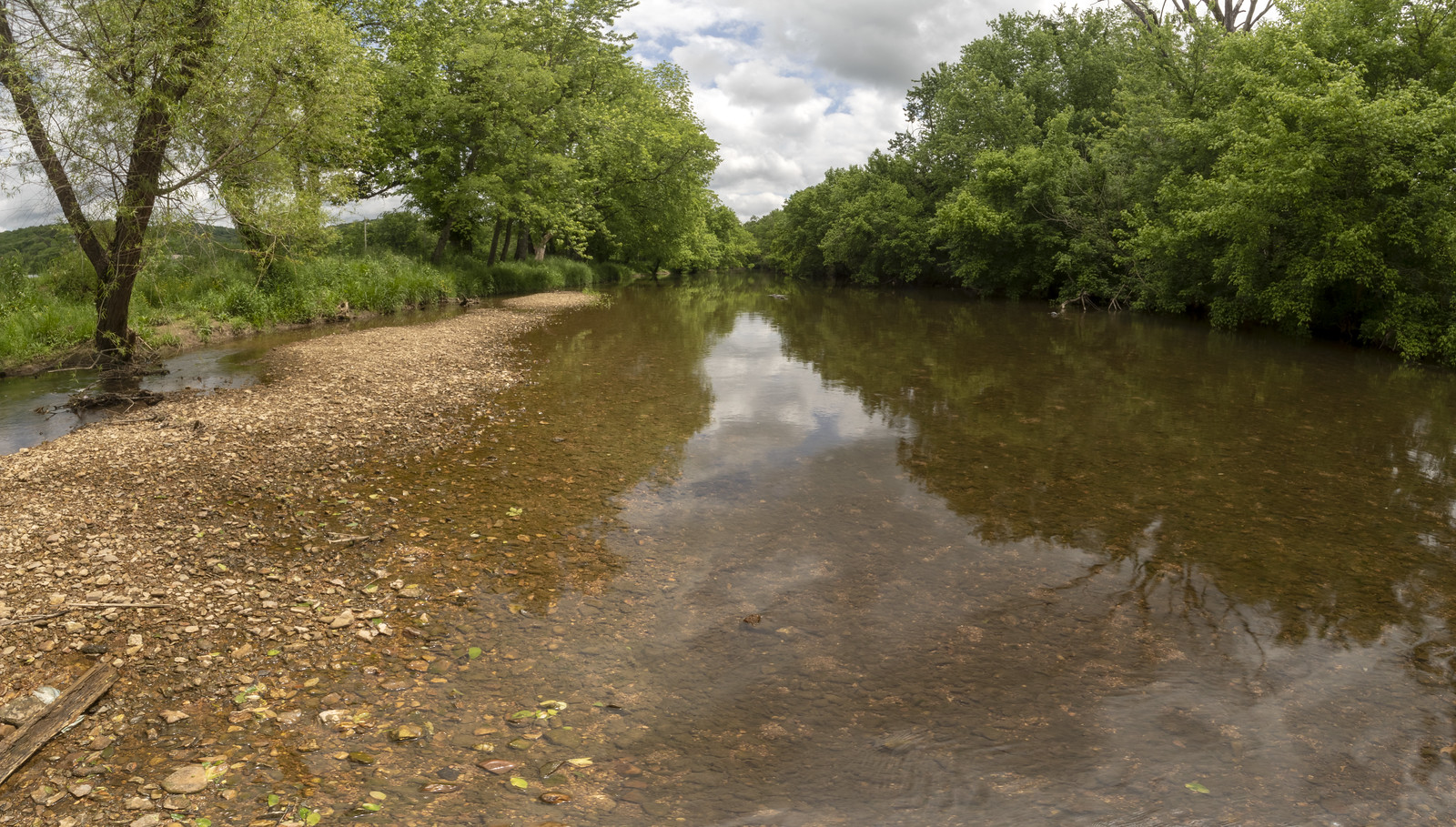
Stones River
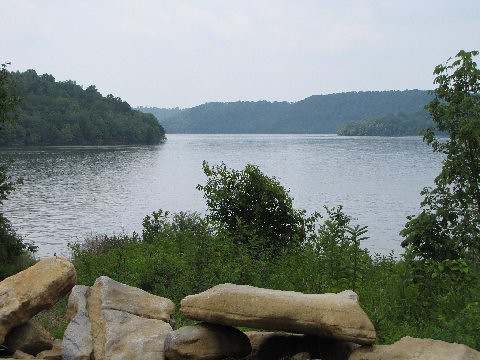
Tims Ford Lake
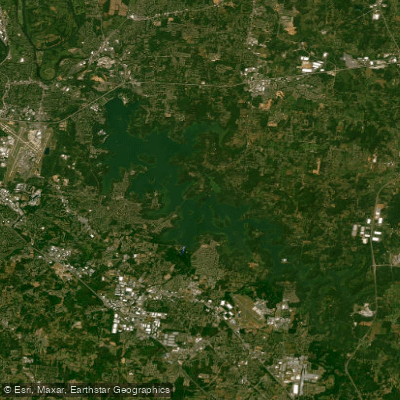
J Percy Priest Reservoir
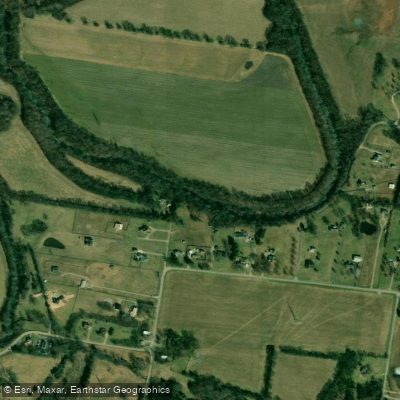
Rutherford Creek
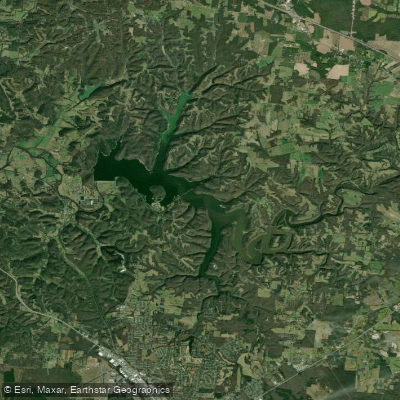
Normandy Lake
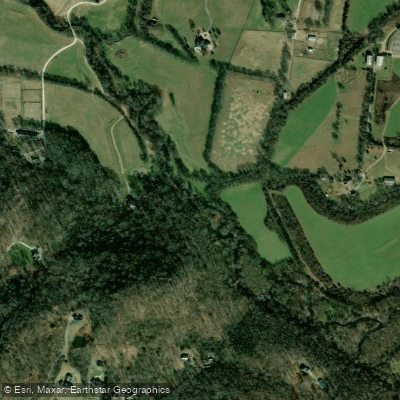
West Harpeth River
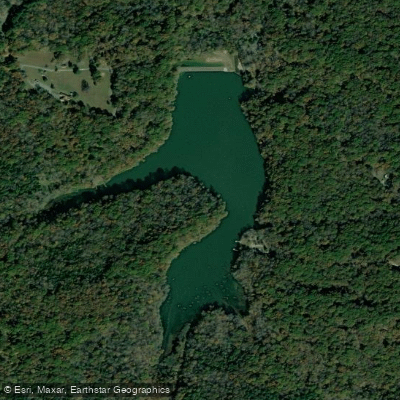
Lake Woodhaven
What to know
Habitat Distribution
- In Tennessee, they inhabit rivers and streams in the Cumberland Mountains, middle Tennessee waterways, and western Tennessee along the Mississippi River.
- They are distributed across the Tennessee River system.
Key Locations
- Tennessee River system including waters like the Pigeon River at Tannery Island and Denton, Mississippi River along the western border, Cumberland River tributaries, Little Tennessee River system where spawning runs occur in tributaries like Citico Creek, Cumberland Mountains, middle Tennessee waterways, and western Tennessee along the Mississippi River.
Specific Spots
- They prefer the lower reaches of large streams, rivers, and reservoirs, typically inhabiting pools and backwaters with strong currents and deep waters.
- Fish near major tributary mouths and in the lower reaches of large streams and rivers.
Black Buffalo FAQ
Answers from onWater's species guide.
What are the best lures and bait for Black Buffalo in Tennessee?
Natural options include nightcrawlers, cut bait, and corn. Successful lures from Tennessee waters include Cotton Cordell Super Spot Lipless Crankbaits in blue shiner patterns, Rebel Crickhoppers in yellow grasshopper colors, and earthworms.
When is the best time to fish for Black Buffalo in Tennessee?
Best during late spring through fall, avoiding the April-May spawning period when fish should be left undisturbed. The best fishing occurs in quiet, shallow areas during warmer months, with early morning and evening being productive times.
How do you catch Black Buffalo in Tennessee?
Bottom-fishing techniques with natural baits. Use baits that work along the substrate.
What do Black Buffalo eat?
Primarily consuming Asiatic clams (which make up the largest portion of their diet), algae, diatoms, detritus, crustaceans, insects, aquatic plants including duckweed, and native mollusk species.
Where do Black Buffalo live in Tennessee?
In Tennessee, they inhabit rivers and streams in the Cumberland Mountains, middle Tennessee waterways, and western Tennessee along the Mississippi River. They are distributed across the Tennessee River system.
Fish smarter with real-time insights
Whether you're en route and conditions shift or you're looking for the best spot based on current flows, we enable you to make informed decisions on the fly.




See it in the app
Most maps show you water.
onWater shows you Black Buffalo.



- 01 · Species map filter
Map every Black Buffalo water
Pick Black Buffalo and the map zeroes in on the waters they call home. No more guessing which lake holds them.
- 02 · Waterbody species
Tap any water. See what lives there.
Species, behavior and seasonal patterns for every lake, river and pond, before you leave the driveway.
- 03 · Angler Intelligence
Ask how to catch Black Buffalo
Tactics, gear and timing from onWater's AI fishing guide, tuned to the species and the water you're on.
Stop guessing where Black Buffalo are.
Open the map, filter by Black Buffalo, and head to water that holds them. Download onWater and plan your next trip in minutes.
- Species map filter
- Angler Intelligence
- Fishing journal
Explore other species
Trout, bass, salmon, panfish and everything in between. Each guide unpacks the behavior, seasons, and tactics that put fish in the net.
No species information available.
Tennessee licenses and regulations
Explore nearby waters
Explore Tennessee waters
Top fishing waters
Popular Cities
Loading popular cities...

Smarter Fishing Starts in the App.
onWater Fish gives you everything you need to plan smarter, fish better, and own every trip from first cast to last.