Brown Trout

Brown Trout in Tennessee are non-native predatory fish originally from Europe that became naturalized through intensive stocking efforts beginning in 1883.
They are more predatory than other trout species and can live longer (up to 12 years) and reach larger sizes, sometimes exceeding 25 inches in Tennessee waters.
While not as widely distributed as Rainbow Trout, they are more tolerant of warmer water than other trout species.
Scientific Name: Salmo trutta
- Distinguished by their brownish-yellow coloration with dark and red spots on an olive background, and a square tail with few or no spots.
Fishing in Tennessee
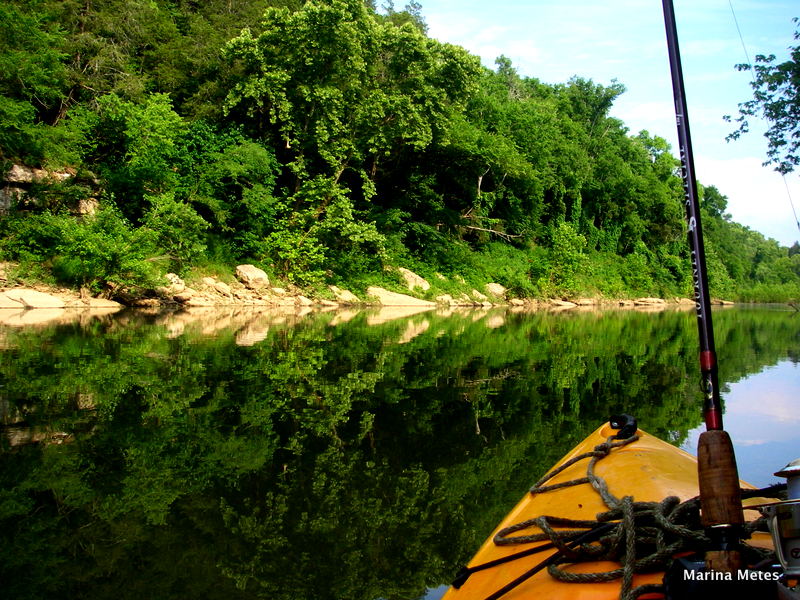
Duck River
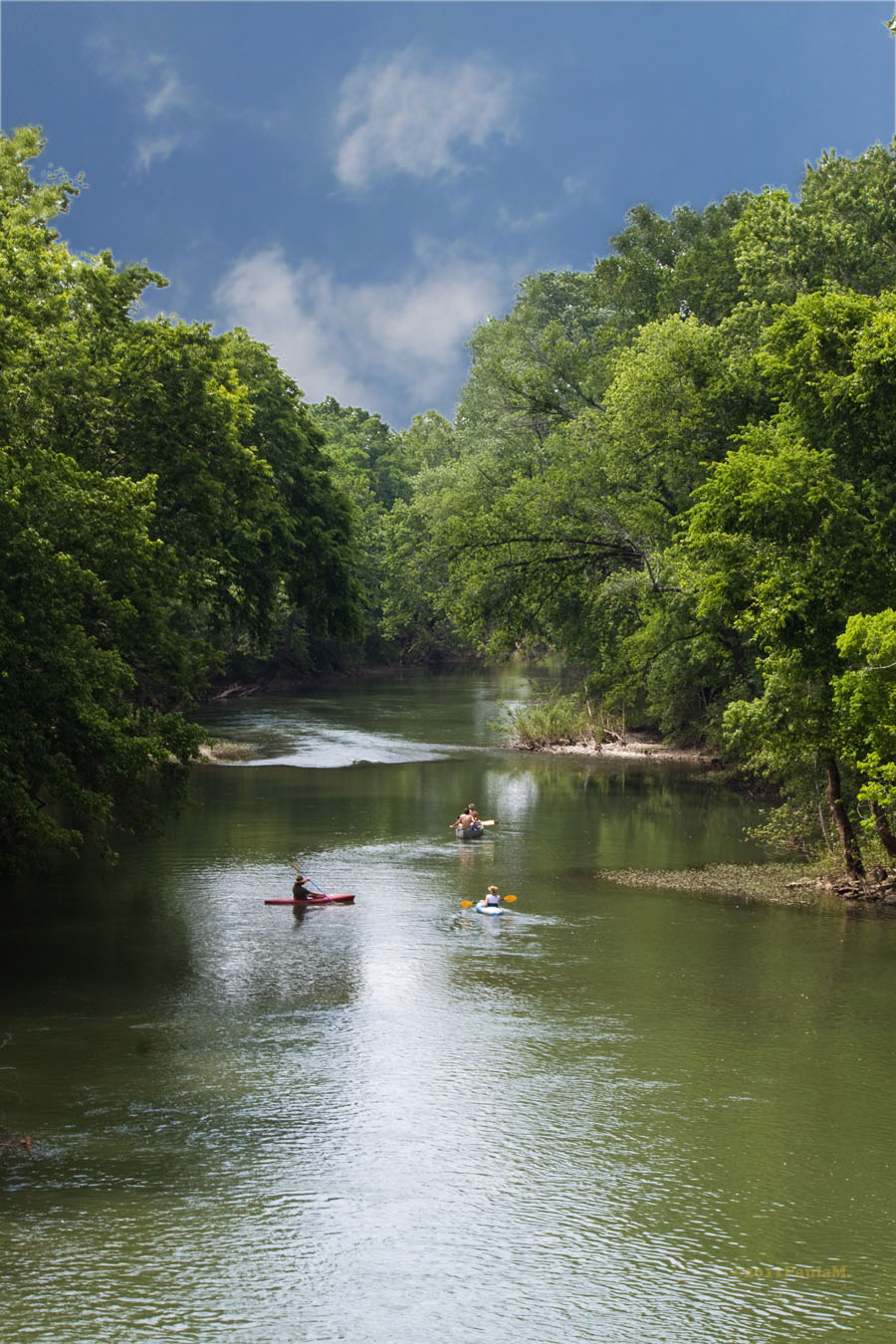
Harpeth River
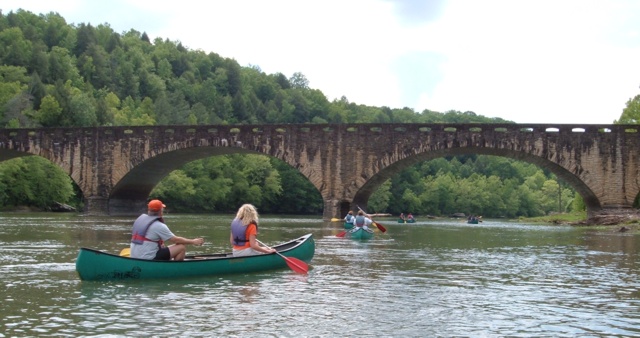
Cumberland River
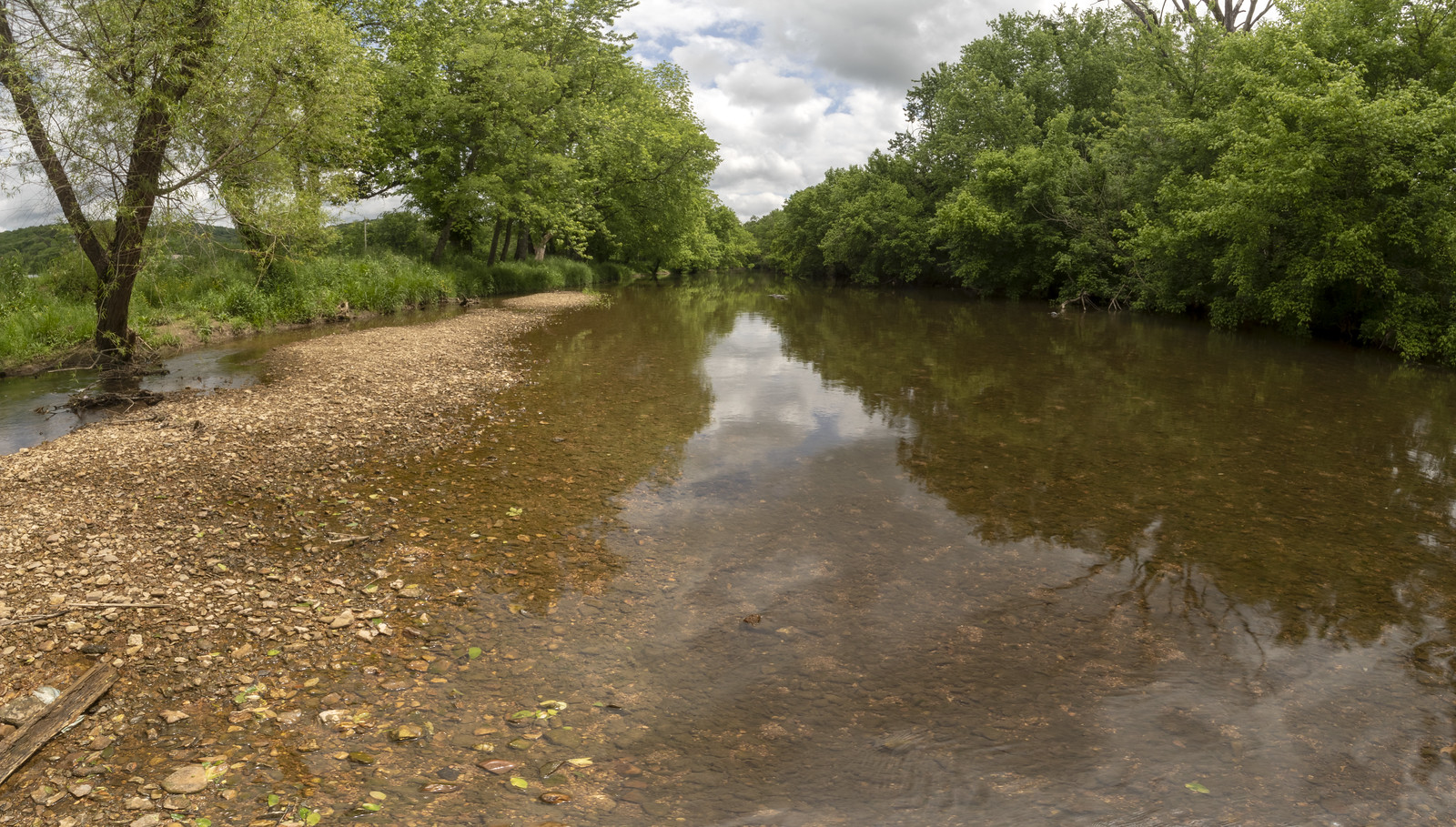
Stones River
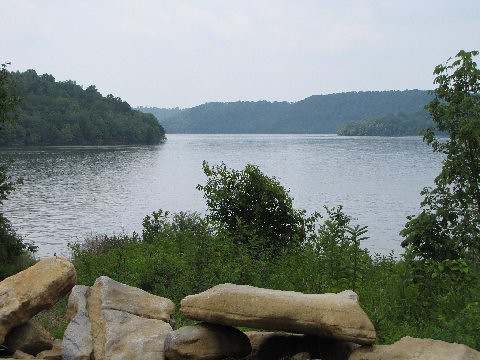
Tims Ford Lake
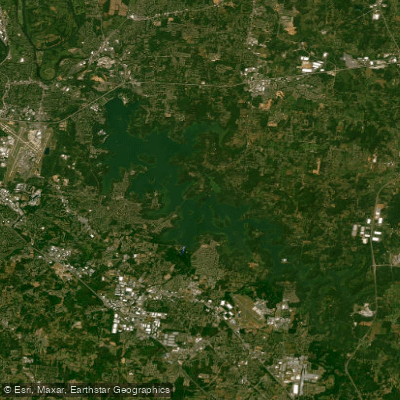
J Percy Priest Reservoir
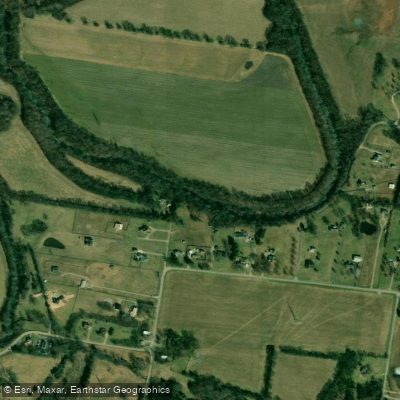
Rutherford Creek
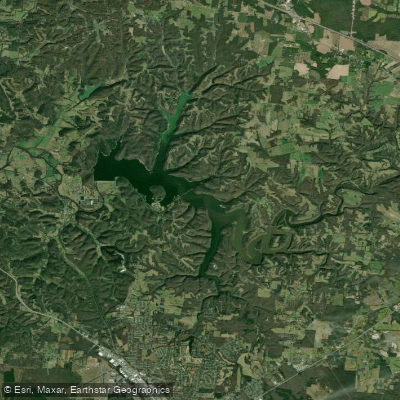
Normandy Lake
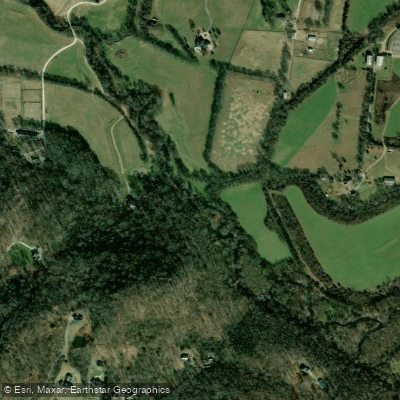
West Harpeth River
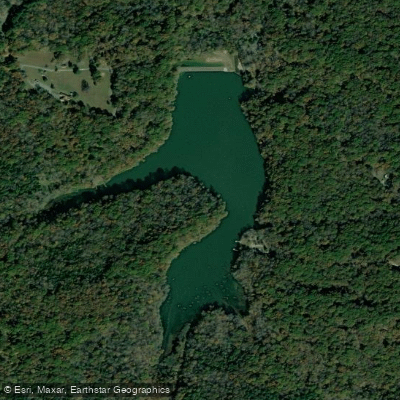
Lake Woodhaven
What to know
Habitat Distribution
- Brown Trout thrive in Tennessee's tailwaters below TVA dams including South Holston (85% brown trout population), Norris/Clinch River, Watauga, Wilbur, Cherokee, and Caney Fork rivers, as well as wild populations in streams like Laurel Fork where they dominate.
Key Locations
- South Holston River (18 miles of fishable water, 6,000 fish per mile), Norris/Clinch River tailwater, Watauga River (especially trophy section with 14-inch minimum), Caney Fork River below Center Hill Dam to Betty's Island, and Laurel Fork for wild Browns.
Specific Spots
- Target undercut banks, deep pools, structure like fallen trees, and slower water adjacent to faster currents.
- They prefer slower-flowing water with cover like undercut banks, fallen trees, and deep pools.
Brown Trout FAQ
Answers from onWater's species guide.
What flies work for Brown Trout in Tennessee?
Woolly Buggers (black most popular), Muddler Minnows, Dr.unk and Disorderly articulated streamers for big fish, Pheasant Tail Nymphs (most productive overall), Hare's Ear Nymphs, Prince Nymphs, Blue-Winged Olives (sizes 18-22), Elk Hair Caddis (sizes 12-16), and terrestrial patterns like hoppers and ants in summer.
When is the best time to fish for Brown Trout in Tennessee?
Spring and fall for best results. Winter can be productive for larger specimens. Summer for terrestrial patterns like hoppers and ants.
How do you catch Brown Trout in Tennessee?
Present streamers with erratic strips to mimic injured prey, dead drift nymphs through deep runs, and fish dry flies during hatches. In tailwaters, fish during generation periods with streamers as increased flow triggers feeding.
What do Brown Trout eat?
Young fish feeding primarily on aquatic insects like mayflies, caddisflies, stoneflies, and midges, while mature Browns (12-14+ inches) become increasingly piscivorous, targeting minnows, sculpins, crayfish, and even smaller trout.
Where do Brown Trout live in Tennessee?
Brown Trout thrive in Tennessee's tailwaters below TVA dams including South Holston (85% brown trout population), Norris/Clinch River, Watauga, Wilbur, Cherokee, and Caney Fork rivers, as well as wild populations in streams like Laurel Fork where they dominate.
Fish smarter with real-time insights
Whether you're en route and conditions shift or you're looking for the best spot based on current flows, we enable you to make informed decisions on the fly.




See it in the app
Most maps show you water.
onWater shows you Brown Trout.



- 01 · Species map filter
Map every Brown Trout water
Pick Brown Trout and the map zeroes in on the waters they call home. No more guessing which lake holds them.
- 02 · Waterbody species
Tap any water. See what lives there.
Species, behavior and seasonal patterns for every lake, river and pond, before you leave the driveway.
- 03 · Angler Intelligence
Ask how to catch Brown Trout
Tactics, gear and timing from onWater's AI fishing guide, tuned to the species and the water you're on.
Stop guessing where Brown Trout are.
Open the map, filter by Brown Trout, and head to water that holds them. Download onWater and plan your next trip in minutes.
- Species map filter
- Angler Intelligence
- Fishing journal
Explore other species
Trout, bass, salmon, panfish and everything in between. Each guide unpacks the behavior, seasons, and tactics that put fish in the net.
No species information available.
Tennessee licenses and regulations
Explore nearby waters
Explore Tennessee waters
Top fishing waters
Popular Cities
Loading popular cities...

Smarter Fishing Starts in the App.
onWater Fish gives you everything you need to plan smarter, fish better, and own every trip from first cast to last.