Black Crappie

Black crappie are abundant throughout Tennessee's lakes, reservoirs, and slow-moving streams, considered native to the state.
Scientific Name: Pomoxis nigromaculatus
- They're distinguished from white crappie by counting dorsal fin spines - black crappie have 7-8 spines versus white crappie's 5-6, plus irregular dark speckles rather than vertical bars.
- Tennessee's world record black crappie weighed 5 pounds 7 ounces and was caught at Richland Pond in 2018.
- Growth is relatively slow, with Tennessee fish averaging 5 inches in their first year and taking 3-4 years to reach 10 inches.
Fishing in Tennessee
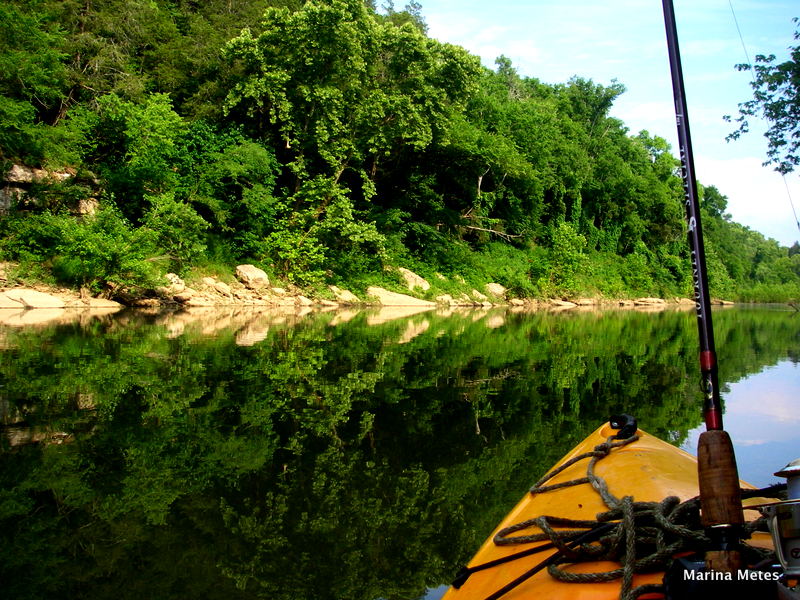
Duck River
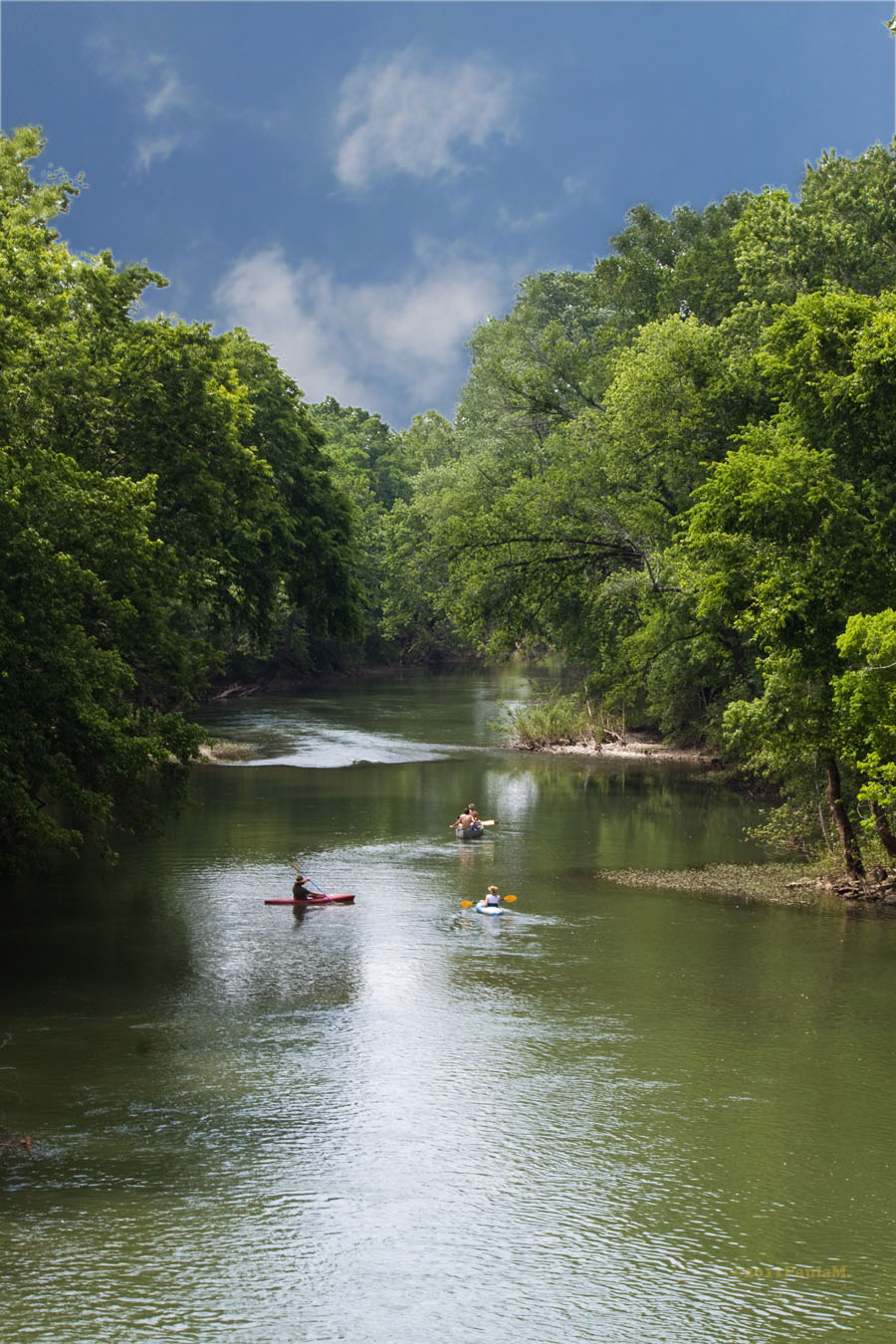
Harpeth River
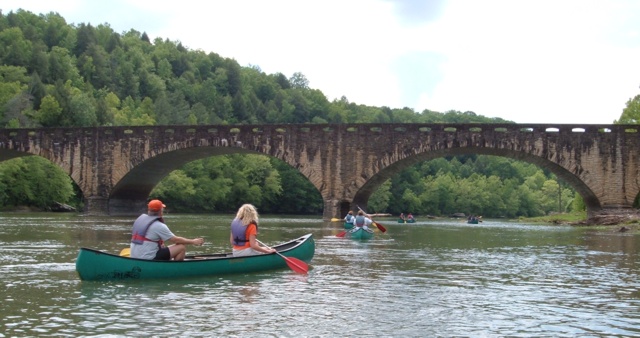
Cumberland River
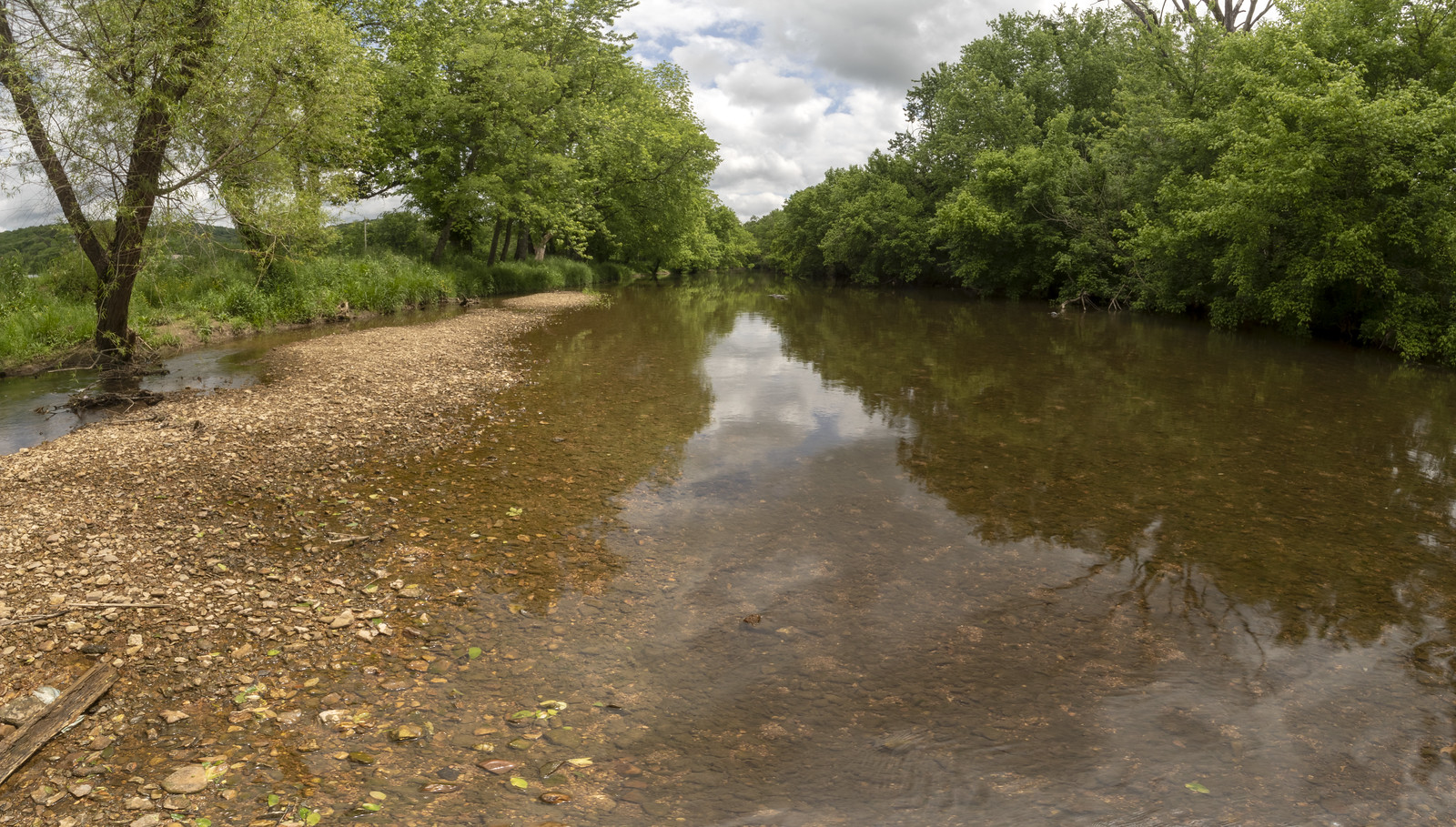
Stones River
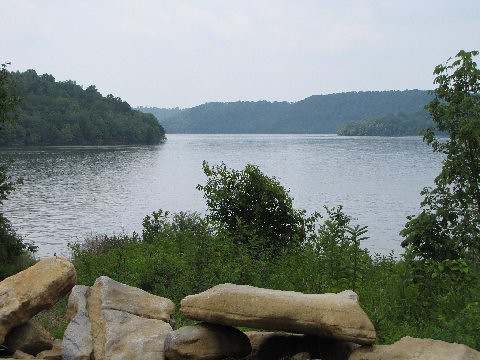
Tims Ford Lake
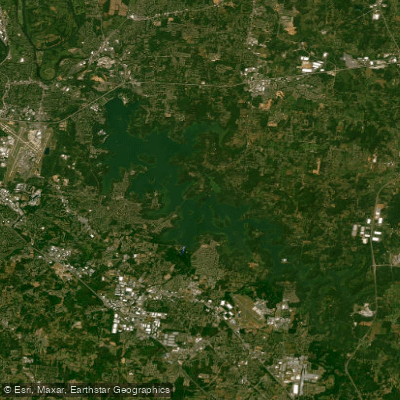
J Percy Priest Reservoir
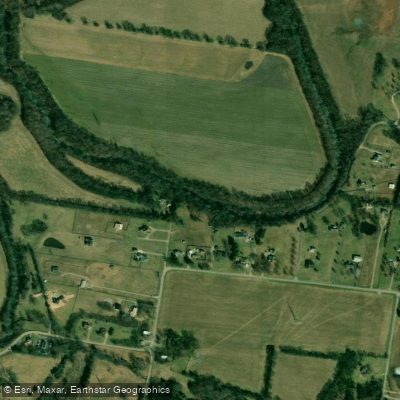
Rutherford Creek
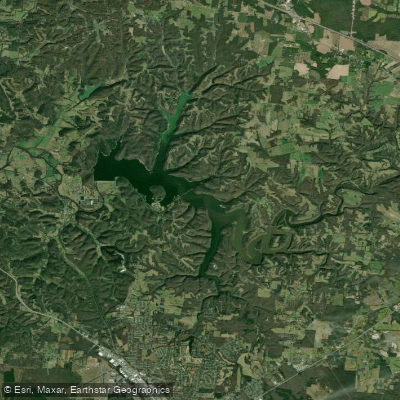
Normandy Lake
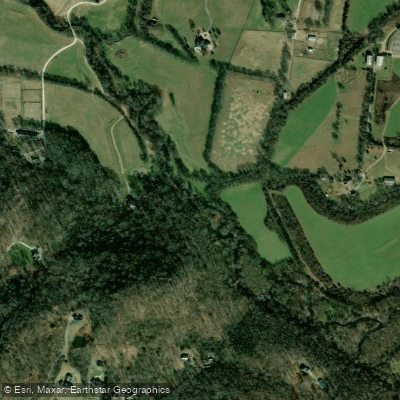
West Harpeth River
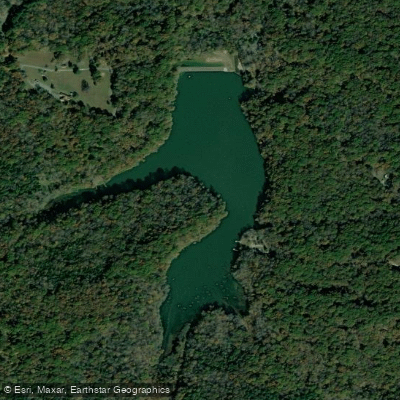
Lake Woodhaven
What to know
Habitat Distribution
- Black crappie are abundant throughout Tennessee's lakes, reservoirs, and slow-moving streams, considered native to the state.
Key Locations
- Prime Tennessee crappie waters include Kentucky Lake, Percy Priest Reservoir, Center Hill Lake, Woods Reservoir, Normandy Reservoir, Chickamauga Reservoir, Dale Hollow, and South Holston Lake.
- Target specific Tennessee locations like Percy Priest's Spring Creek and Stewart Creek embayments, Kentucky Lake's stump flats, Woods Reservoir's river channel edges, and Normandy's stake beds.
Specific Spots
- Structure-oriented fish found around brush piles, fallen trees, docks, stumps, and rocky areas in 2-12 feet of water.
- Prime crappie structure includes TWRA fish attractors, brush piles, standing timber, dock systems, and dropoffs near spawning flats.
Black Crappie FAQ
Answers from onWater's species guide.
What are the best lures and bait for Black Crappie in Tennessee?
Essential lures include 1/16-1/32 ounce jig heads with soft plastics in white, chartreuse, monkey milk, or black/chartreuse combinations - use brighter colors in murky water and natural colors in clear water. On sunny days, try browns, greens, or black jigs; on overcast days use white, yellow, or chartreuse.
When is the best time to fish for Black Crappie in Tennessee?
Prime black crappie fishing in Tennessee occurs during spring (April) and fall (November) when water temperatures are 50-75°F, with 60-70°F being ideal. Focus on depths of 6-15 feet around fish attractors from late November through April, then move to deeper structure (15-25 feet) in summer.
How do you catch Black Crappie in Tennessee?
Fish slowly with subtle presentations - cast and let jigs fall on semi-slack line while watching for line movement, as many bites occur on the fall or pause.
What do Black Crappie eat?
They feed opportunistically on insects, crustaceans, small fish like fathead minnows and shad. Young black crappie primarily eat zooplankton and insect larvae until reaching 2 inches, then transition to larger insects and small fish.
Where do Black Crappie live in Tennessee?
Black crappie are abundant throughout Tennessee's lakes, reservoirs, and slow-moving streams, considered native to the state.
Fish smarter with real-time insights
Whether you're en route and conditions shift or you're looking for the best spot based on current flows, we enable you to make informed decisions on the fly.




See it in the app
Most maps show you water.
onWater shows you Black Crappie.



- 01 · Species map filter
Map every Black Crappie water
Pick Black Crappie and the map zeroes in on the waters they call home. No more guessing which lake holds them.
- 02 · Waterbody species
Tap any water. See what lives there.
Species, behavior and seasonal patterns for every lake, river and pond, before you leave the driveway.
- 03 · Angler Intelligence
Ask how to catch Black Crappie
Tactics, gear and timing from onWater's AI fishing guide, tuned to the species and the water you're on.
Stop guessing where Black Crappie are.
Open the map, filter by Black Crappie, and head to water that holds them. Download onWater and plan your next trip in minutes.
- Species map filter
- Angler Intelligence
- Fishing journal
Explore other species
Trout, bass, salmon, panfish and everything in between. Each guide unpacks the behavior, seasons, and tactics that put fish in the net.
No species information available.
Tennessee licenses and regulations
Explore nearby waters
Explore Tennessee waters
Top fishing waters
Popular Cities
Loading popular cities...

Smarter Fishing Starts in the App.
onWater Fish gives you everything you need to plan smarter, fish better, and own every trip from first cast to last.