Freshwater Drum

The Freshwater Drum is widely distributed throughout Tennessee's river systems and major reservoirs. This silvery, deep-bodied fish has a distinctive humpback appearance with a divided dorsal fin and lateral line extending into the tail.
Scientific Name: Aplodinotus grunniens
Also known as sheephead, gaspergou, thunder pumper
- Silvery, deep-bodied fish has a distinctive humpback appearance with a divided dorsal fin and lateral line extending into the tail.
- Adults typically weigh 2-10 pounds but can exceed 30 pounds.
Fishing in Tennessee
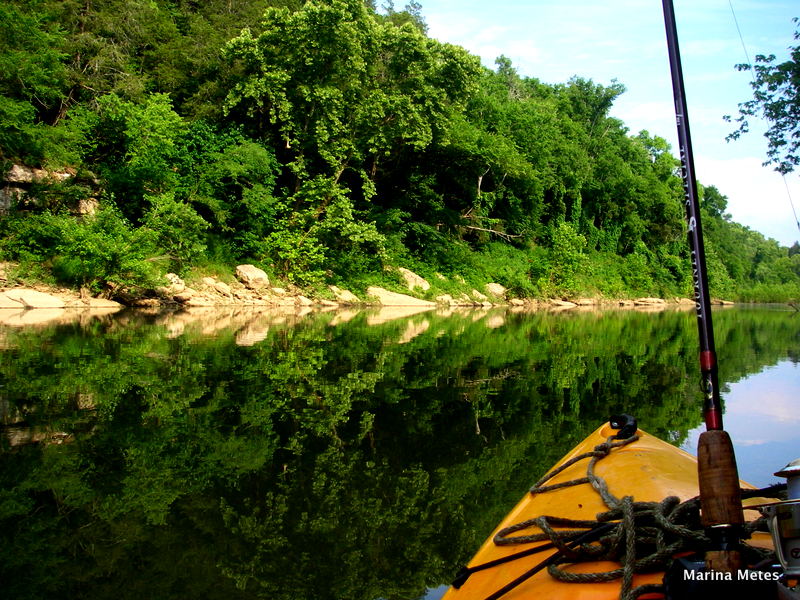
Duck River
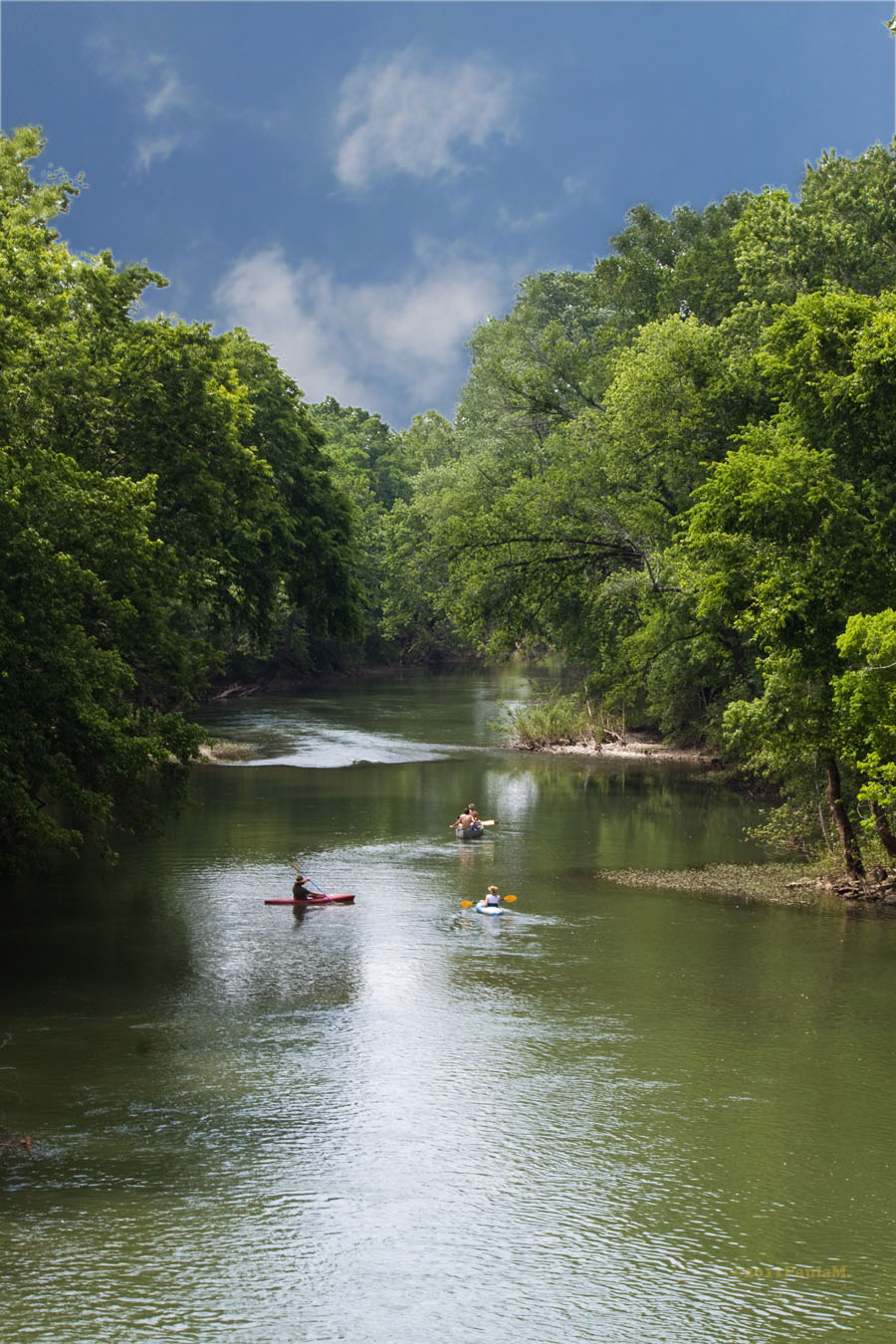
Harpeth River
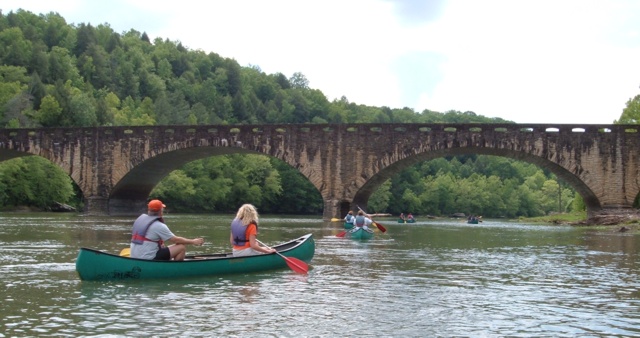
Cumberland River
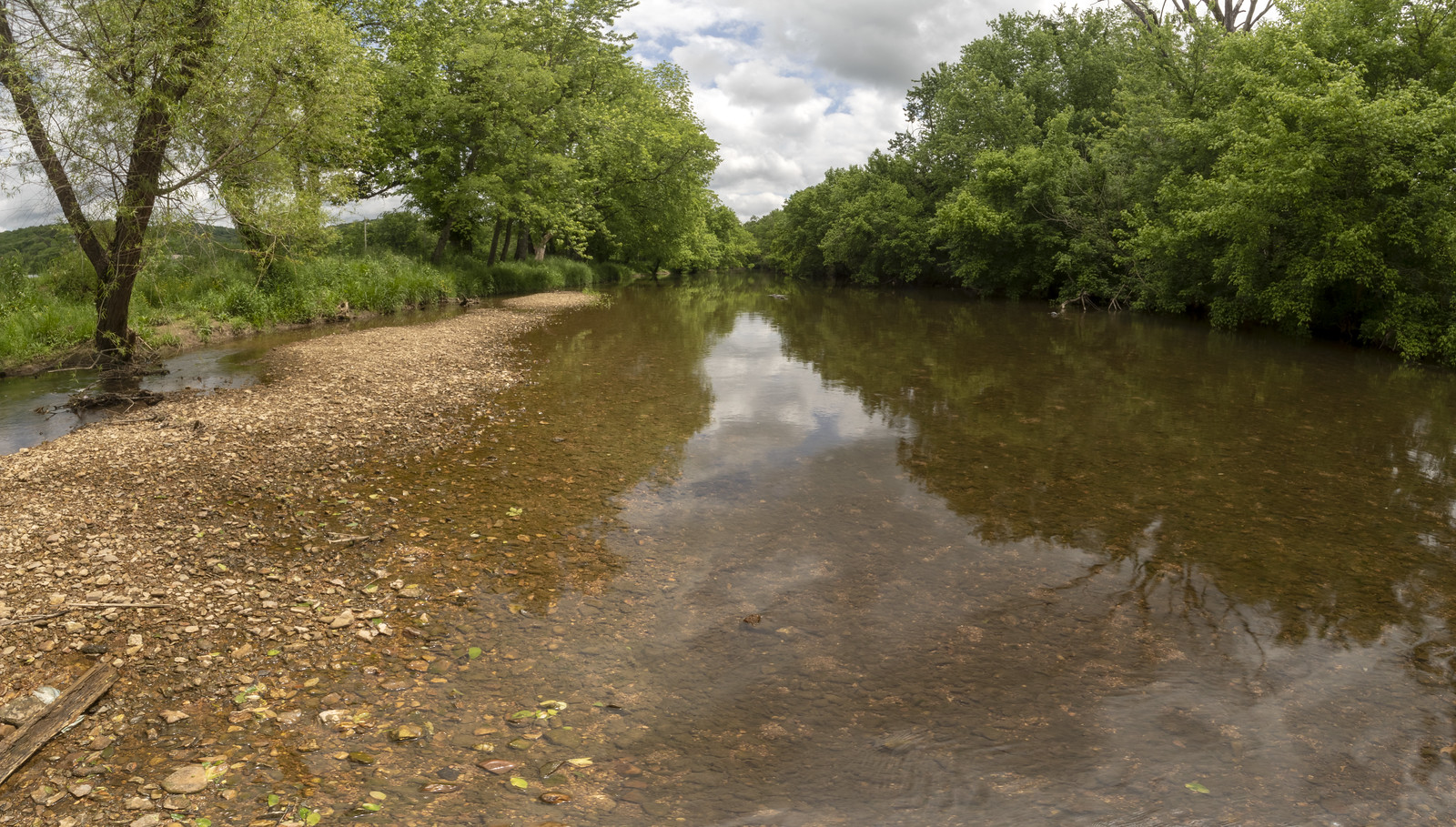
Stones River
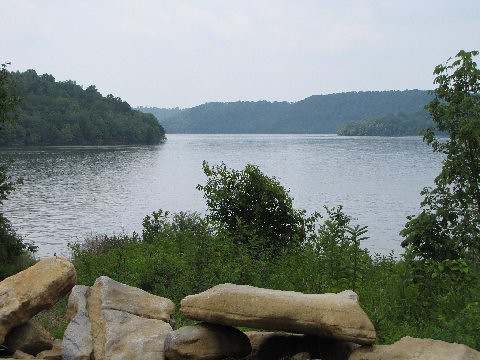
Tims Ford Lake
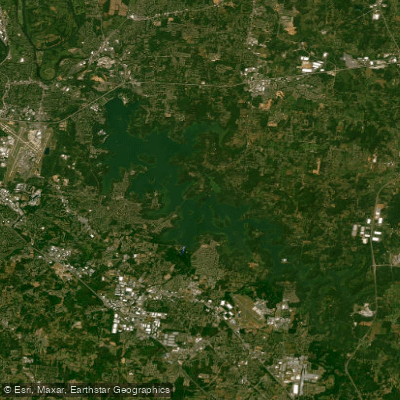
J Percy Priest Reservoir
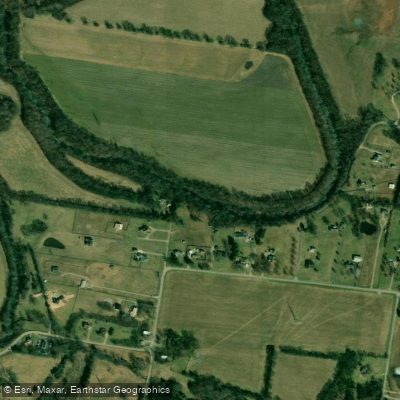
Rutherford Creek
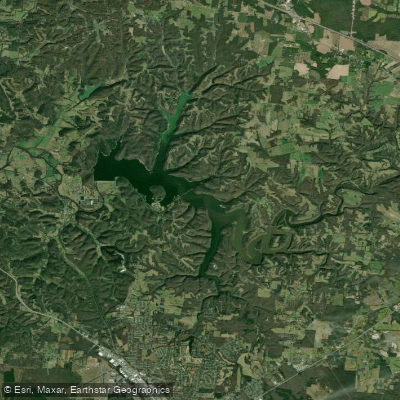
Normandy Lake
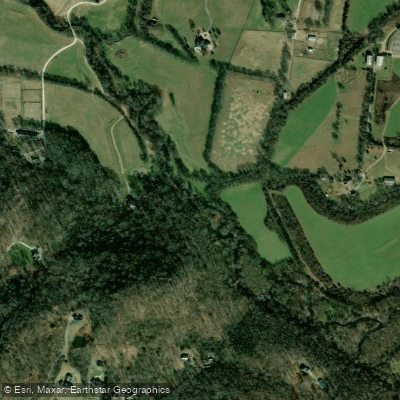
West Harpeth River
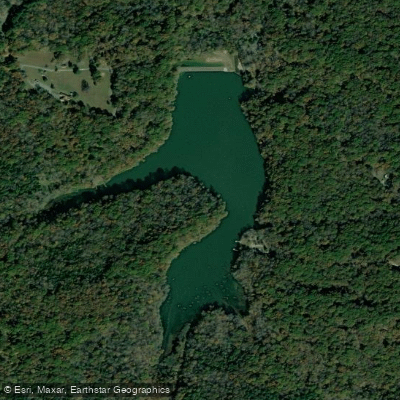
Lake Woodhaven
What to know
Habitat Distribution
- Present in most major river drainages including the Tennessee, Cumberland, and Mississippi river systems, with extensive populations documented in watersheds from the Conasauga and Tennessee rivers to Kentucky Lake and the Lower Tennessee.
Key Locations
- Productive Tennessee locations include tailwaters below dams, the Tennessee River system, Kentucky Lake, Lake Barkley, and major river channels with current and structure.
Specific Spots
- Target deeper areas of rivers and lakes where drum concentrate, using live bait dropped into deep river channels or near deep rock outcroppings.
- They inhabit the bottom of large rivers and reservoirs at depths up to 60 feet, preferring sandy or gravel substrates but tolerating turbid conditions.
- In spring look for slow-moving pools adjacent to fast water and gravel beds, at the edge of current.
Freshwater Drum FAQ
Answers from onWater's species guide.
What are the best lures and bait for Freshwater Drum in Tennessee?
Live bait like minnows, freshwater shrimp, shiners, or nightcrawlers. For artificials, try jerkbaits, gold or silver spoons (especially dimpled or solid varieties), lead head jigs, small jigs with bright colors, and blade baits. In spring use live bait with worms, crawdads, and shiners.
What flies work for Freshwater Drum in Tennessee?
Clouser Minnows in chartreuse/white, olive/white, or brown/white, Woolly Buggers in black or olive, Muddler Minnows in natural deer hair, and black stonefly nymphs.
When is the best time to fish for Freshwater Drum in Tennessee?
June and July provide the most outstanding drum fishing success in Tennessee waters. In spring spawning season (avoid targeting spawning fish), look for slow-moving pools adjacent to fast water and gravel beds.
How do you catch Freshwater Drum in Tennessee?
Bottom fishing using bottom-bouncing nightcrawlers or bobber fishing with live bait. In fall, cast against current and retrieve with it. For fly fishing, retrieve patterns slowly along bottom features.
What do Freshwater Drum eat?
Opportunistic bottom feeders with seasonal diet variations - feeding heavily on dipterans in April-May (comprising 50% of diet), then switching to fish like young gizzard shad from August-November (52-94% of diet).
Fish smarter with real-time insights
Whether you're en route and conditions shift or you're looking for the best spot based on current flows, we enable you to make informed decisions on the fly.




See it in the app
Most maps show you water.
onWater shows you Freshwater Drum.



- 01 · Species map filter
Map every Freshwater Drum water
Pick Freshwater Drum and the map zeroes in on the waters they call home. No more guessing which lake holds them.
- 02 · Waterbody species
Tap any water. See what lives there.
Species, behavior and seasonal patterns for every lake, river and pond, before you leave the driveway.
- 03 · Angler Intelligence
Ask how to catch Freshwater Drum
Tactics, gear and timing from onWater's AI fishing guide, tuned to the species and the water you're on.
Stop guessing where Freshwater Drum are.
Open the map, filter by Freshwater Drum, and head to water that holds them. Download onWater and plan your next trip in minutes.
- Species map filter
- Angler Intelligence
- Fishing journal
Explore other species
Trout, bass, salmon, panfish and everything in between. Each guide unpacks the behavior, seasons, and tactics that put fish in the net.
No species information available.
Tennessee licenses and regulations
Explore nearby waters
Explore Tennessee waters
Top fishing waters
Popular Cities
Loading popular cities...

Smarter Fishing Starts in the App.
onWater Fish gives you everything you need to plan smarter, fish better, and own every trip from first cast to last.