Gizzard Shad

Gizzard Shad are a crucial forage fish throughout Tennessee's waters, particularly abundant in the Tennessee River system.
These deep-bodied members of the herring family are omnivorous filter feeders that consume plankton, algae, detritus, and organic sediment using their muscular gizzard to process food.
Scientific Name: Dorosoma cepedianum
- Deep-bodied members of the herring family characterized by their blunt snout, small toothless mouth, long trailing dorsal ray, and closely packed gill rakers (over 400).
- Adults typically reach 12-16 inches, with some exceeding 18 inches, making them larger than threadfin shad.
- Distinguished from threadfin shad by their blunt snout, subterminal mouth, dusky fin coloration, and 52-70 lateral scales.
Fishing in Tennessee
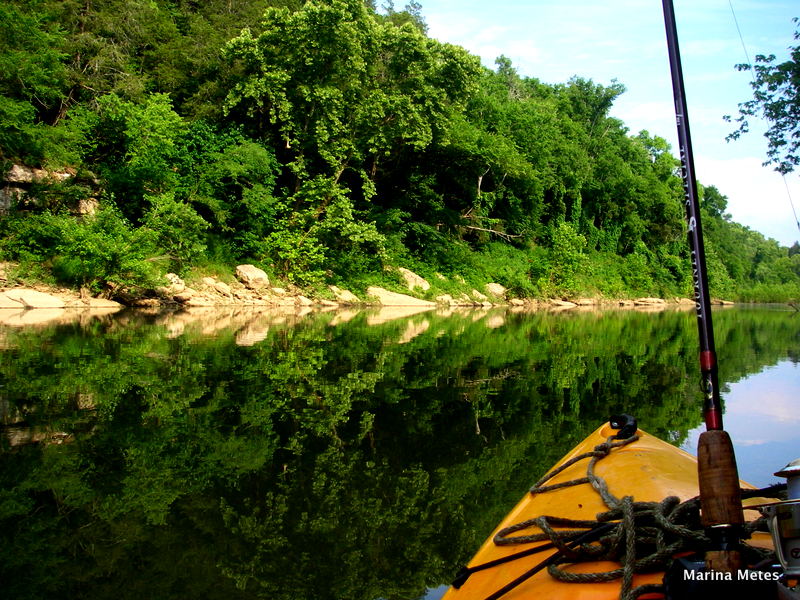
Duck River
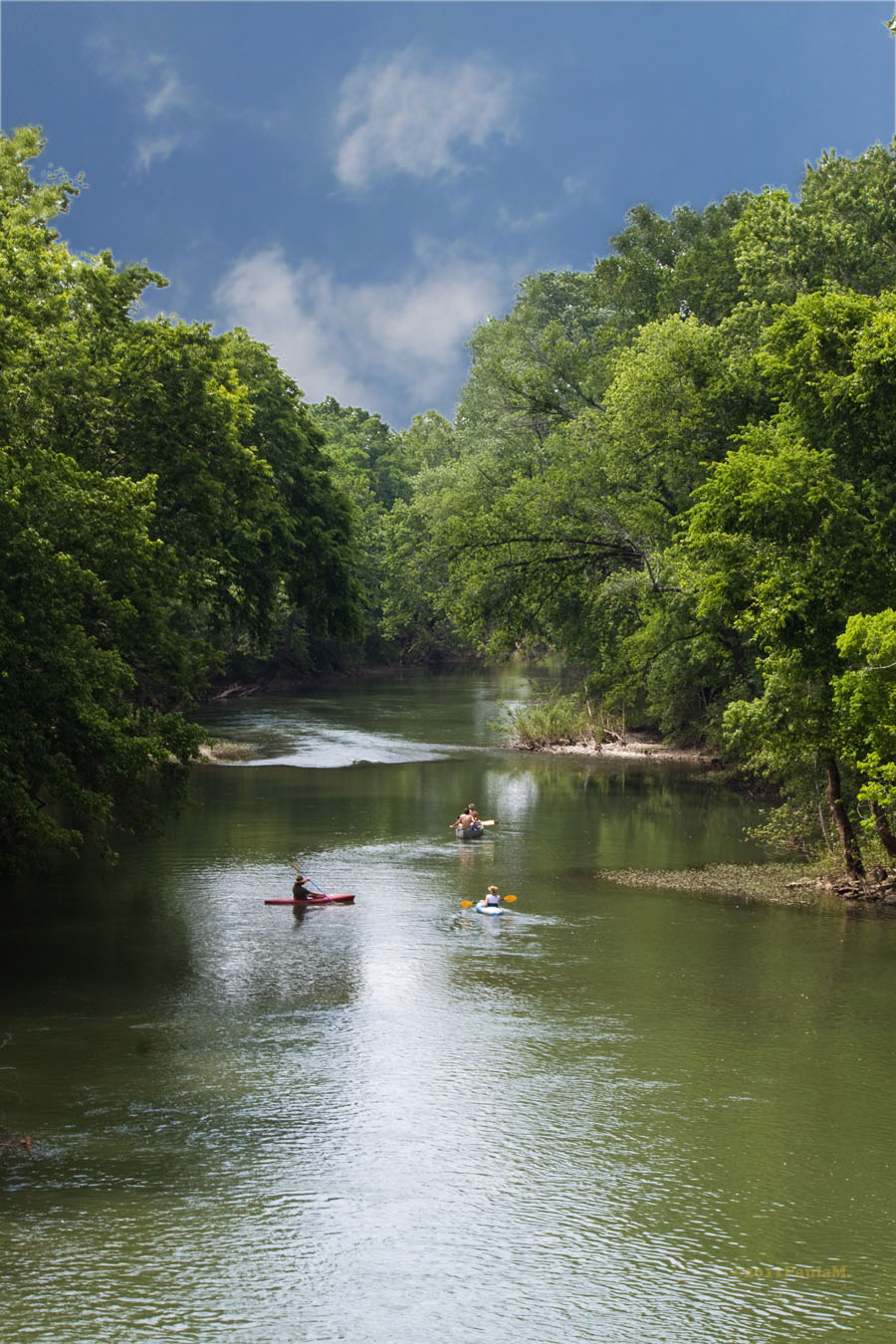
Harpeth River
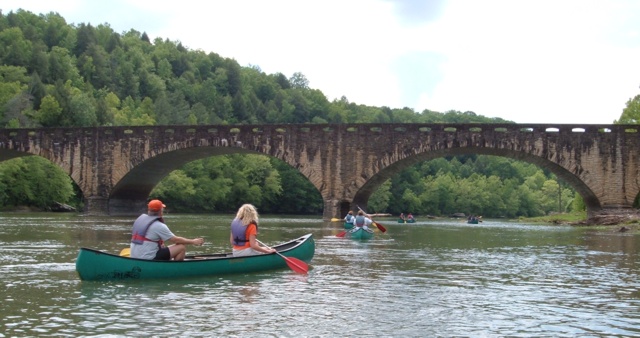
Cumberland River
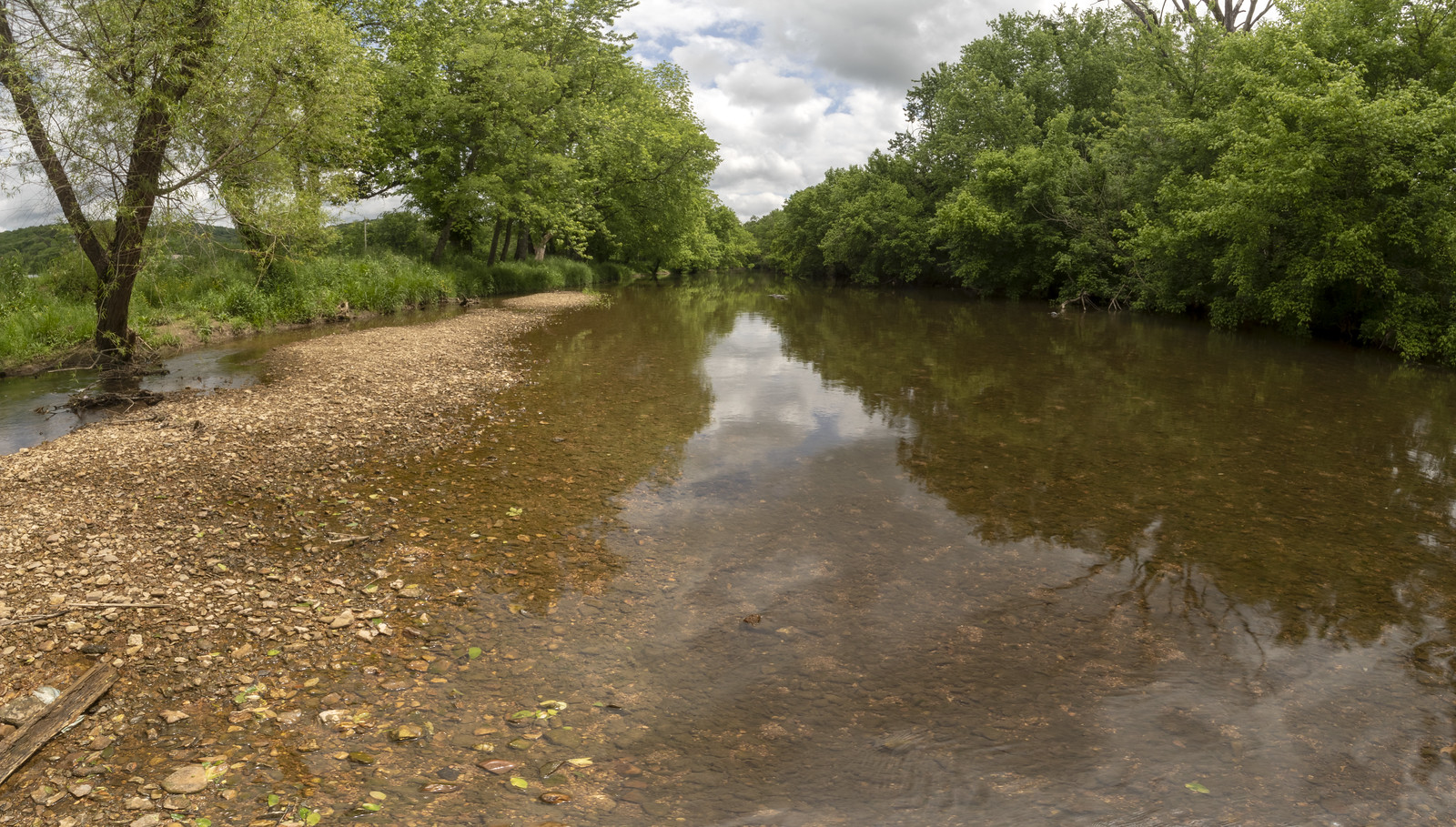
Stones River
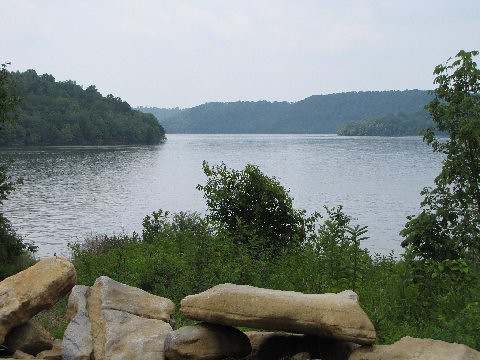
Tims Ford Lake
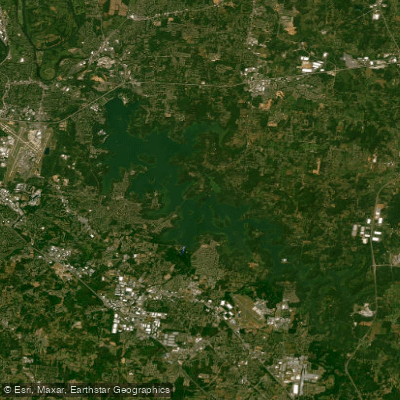
J Percy Priest Reservoir
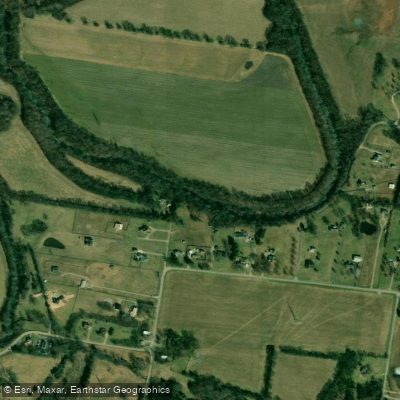
Rutherford Creek
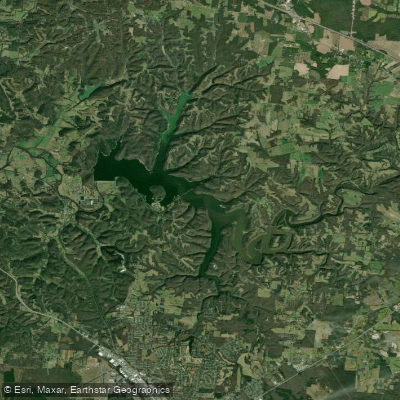
Normandy Lake
West Harpeth River
Lake Woodhaven
What to know
Habitat Distribution
- Inhabit deep areas of medium to large rivers, lakes, and reservoirs, preferring muddy bottoms with moderate turbidity near current breaks and structure.
Key Locations
- Tennessee River system including lakes like Chickamauga, Kentucky Lake, Pickwick, and Cherokee Reservoir.
- Found throughout the Tennessee River chain from Kentucky Lake down to Chickamauga, as well as in highland reservoirs.
Specific Spots
- Look for them around shell beds, mussel colonies, and hard-bottom areas.
- During shad spawns focus on shallow offshore bars, riprap banks, and areas with current in 3-7 feet of water.
- In winter, they concentrate near warm water sources and deeper holes.
Gizzard Shad FAQ
Answers from onWater's species guide.
What are the best lures and bait for Gizzard Shad in Tennessee?
When targeting predators feeding on gizzard shad, use large swimbaits, spoons, umbrella rigs, and topwater lures in shad patterns.
When is the best time to fish for Gizzard Shad in Tennessee?
Most active from March through November, with peak abundance in spring and fall. Spawning occurs from mid-April through June when water temperatures reach 64-75°F.
How do you catch Gizzard Shad in Tennessee?
Use cast nets in creek mouths, backwaters, and tailrace areas. Use them as cut bait or target predator species that feed on them. Watch for surface disturbances, jumping shad, and bird activity to locate schools.
What do Gizzard Shad eat?
Omnivorous filter feeders that consume plankton, algae, detritus, and organic sediment using their muscular gizzard to process food.
Where do Gizzard Shad live in Tennessee?
Inhabit deep areas of medium to large rivers, lakes, and reservoirs, preferring muddy bottoms with moderate turbidity near current breaks and structure.
Fish smarter with real-time insights
Whether you're en route and conditions shift or you're looking for the best spot based on current flows, we enable you to make informed decisions on the fly.




See it in the app
Most maps show you water.
onWater shows you Gizzard Shad.



- 01 · Species map filter
Map every Gizzard Shad water
Pick Gizzard Shad and the map zeroes in on the waters they call home. No more guessing which lake holds them.
- 02 · Waterbody species
Tap any water. See what lives there.
Species, behavior and seasonal patterns for every lake, river and pond, before you leave the driveway.
- 03 · Angler Intelligence
Ask how to catch Gizzard Shad
Tactics, gear and timing from onWater's AI fishing guide, tuned to the species and the water you're on.
Stop guessing where Gizzard Shad are.
Open the map, filter by Gizzard Shad, and head to water that holds them. Download onWater and plan your next trip in minutes.
- Species map filter
- Angler Intelligence
- Fishing journal
Explore other species
Trout, bass, salmon, panfish and everything in between. Each guide unpacks the behavior, seasons, and tactics that put fish in the net.
No species information available.
Tennessee licenses and regulations
Explore nearby waters
Explore Tennessee waters
Top fishing waters
Popular Cities
Loading popular cities...

Smarter Fishing Starts in the App.
onWater Fish gives you everything you need to plan smarter, fish better, and own every trip from first cast to last.