Blue Sucker

Blue Sucker is listed as a threatened species by the state of Tennessee and is one of the rarest and most sensitive fish species in Tennessee waters.
Once abundant and commercially harvested in the 1800s, their populations have declined significantly due to habitat fragmentation from dams, pollution, siltation, and altered river flows.
Scientific Name: Cycleptus elongatus
These elongated, streamlined fish average 2-3 kilograms (4. 4-6. 6 pounds) and 76 centimeters (30 inches) in length, with some individuals documented beyond 40 years of age.
Their color varies from light steel-gray to olive green, with males turning blue or black during breeding season.
Fishing in Tennessee

Duck River
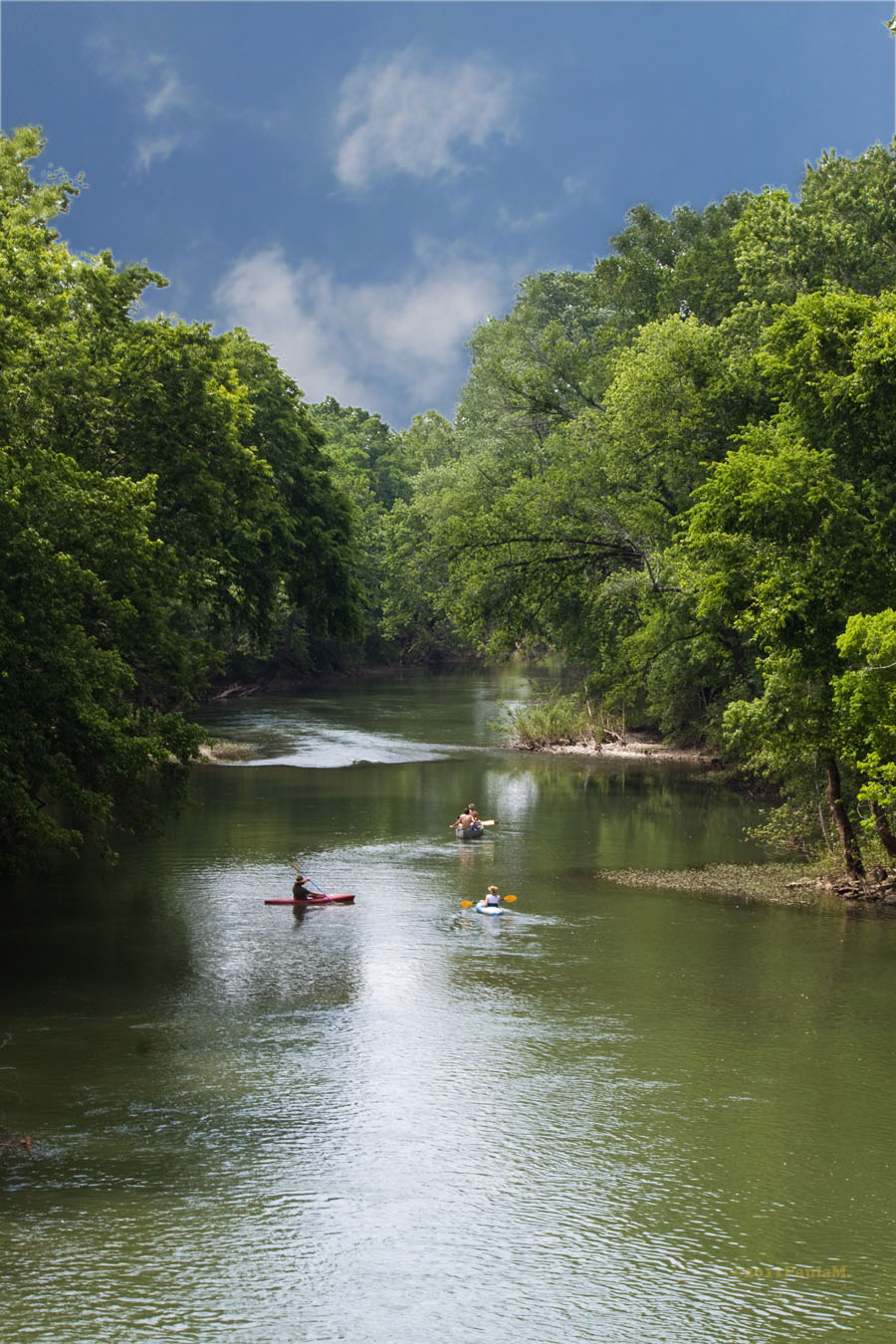
Harpeth River

Cumberland River
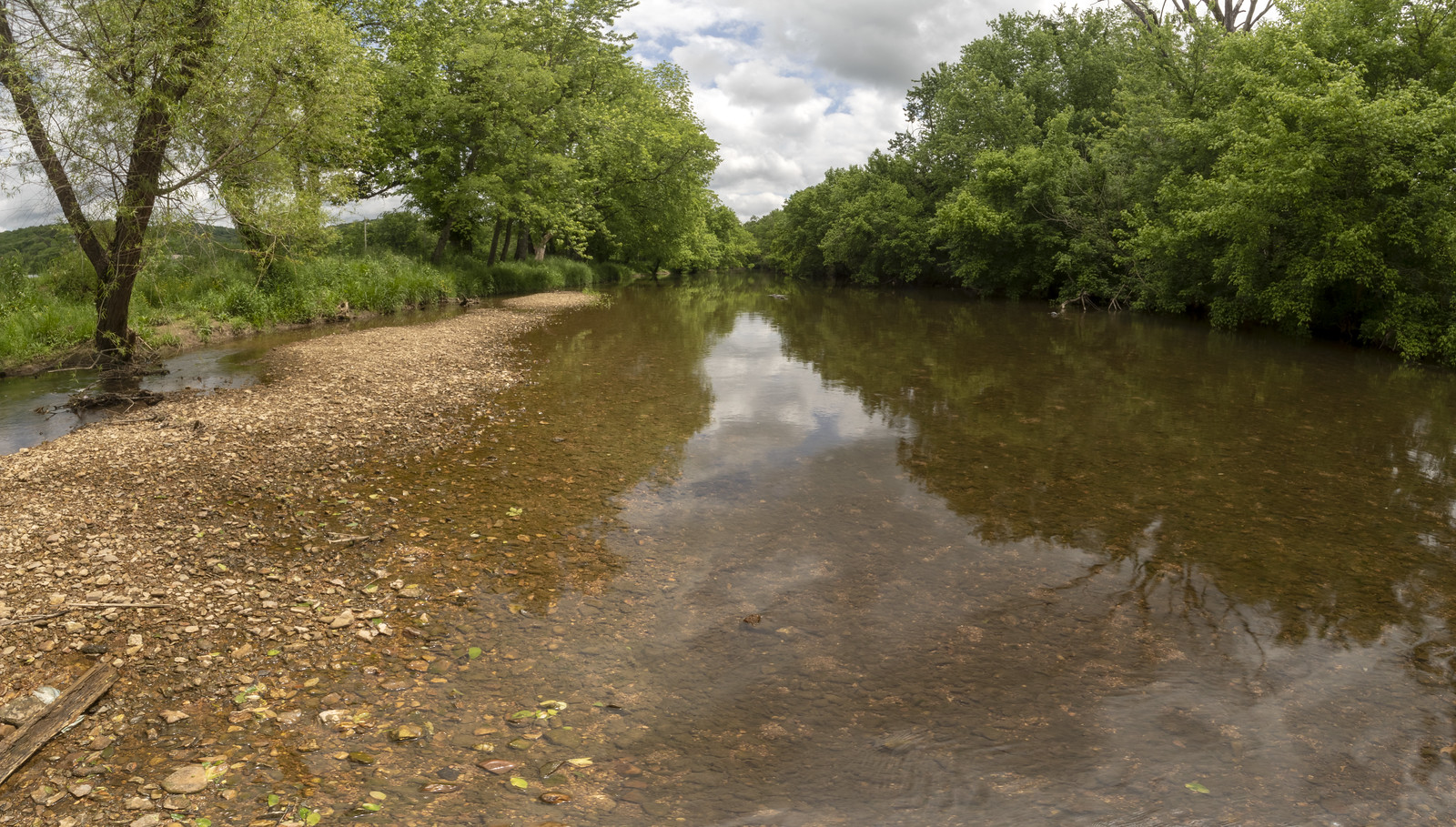
Stones River
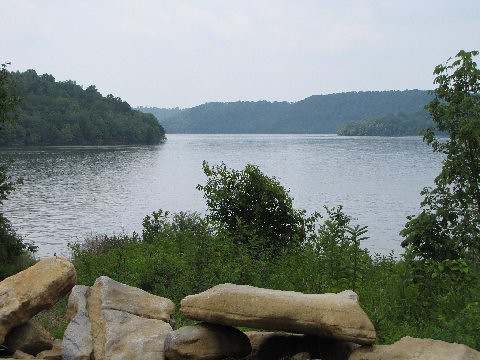
Tims Ford Lake
J Percy Priest Reservoir
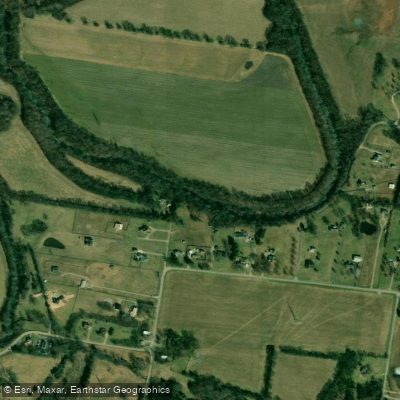
Rutherford Creek
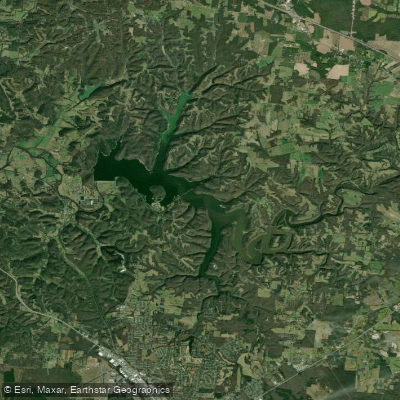
Normandy Lake
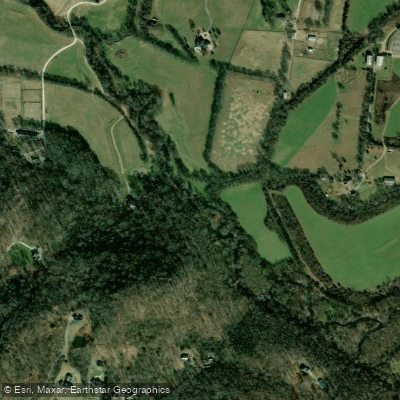
West Harpeth River
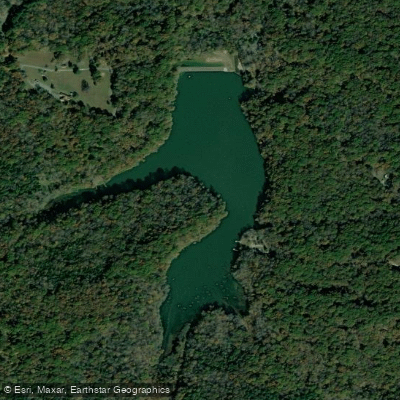
Lake Woodhaven
What to know
Habitat Distribution
They prefer deep, swift water in channels of large rivers with sand, gravel, or rubble bottoms.Key Locations
In Tennessee, Blue Suckers occur throughout the Mississippi River drainage, including the Cumberland and Tennessee rivers and large tributaries like the Wolf River near its confluence with the Mississippi. These fish inhabit the thalweg (deepest channel) of large river systems in heavy current, particularly in the lower Wolf River near its confluence with the Mississippi, and sections of the Cumberland and Tennessee rivers.Specific Spots
Adults seek clean gravel, rocks, or sand in deep fast water for spawning, while juveniles find safety in quiet side channels and backwaters.Blue Sucker FAQ
Answers from onWater's species guide.
When is the best time to fish for Blue Sucker in Tennessee?
However, fishing for this species should be avoided entirely during their spawning period from March through June when water temperatures range from 53-62°F.
How do you catch Blue Sucker in Tennessee?
Since Blue Suckers are bottom feeders consuming aquatic insects, crustaceans, and plant matter, bottom-fishing techniques would be most appropriate.
What do Blue Sucker eat?
Blue Suckers are members of the Catostomidae family with specialized fleshy mouths for vacuuming aquatic insects, crustaceans, algae, and plant matter from river bottoms. They feed primarily as bottom feeders, consuming aquatic insect larvae, crustaceans, plant materials, and algae.
Where do Blue Sucker live in Tennessee?
They prefer deep, swift water in channels of large rivers with sand, gravel, or rubble bottoms.
Fish smarter with real-time insights
Whether you're en route and conditions shift or you're looking for the best spot based on current flows, we enable you to make informed decisions on the fly.




See it in the app
Most maps show you water.
onWater shows you Blue Sucker.



- 01 · Species map filter
Map every Blue Sucker water
Pick Blue Sucker and the map zeroes in on the waters they call home. No more guessing which lake holds them.
- 02 · Waterbody species
Tap any water. See what lives there.
Species, behavior and seasonal patterns for every lake, river and pond, before you leave the driveway.
- 03 · Angler Intelligence
Ask how to catch Blue Sucker
Tactics, gear and timing from onWater's AI fishing guide, tuned to the species and the water you're on.
Stop guessing where Blue Sucker are.
Open the map, filter by Blue Sucker, and head to water that holds them. Download onWater and plan your next trip in minutes.
- Species map filter
- Angler Intelligence
- Fishing journal
Explore other species
Trout, bass, salmon, panfish and everything in between. Each guide unpacks the behavior, seasons, and tactics that put fish in the net.
No species information available.
Tennessee licenses and regulations
Explore nearby waters
Explore Tennessee waters
Top fishing waters
Popular Cities
Loading popular cities...

Smarter Fishing Starts in the App.
onWater Fish gives you everything you need to plan smarter, fish better, and own every trip from first cast to last.