Golden Redhorse
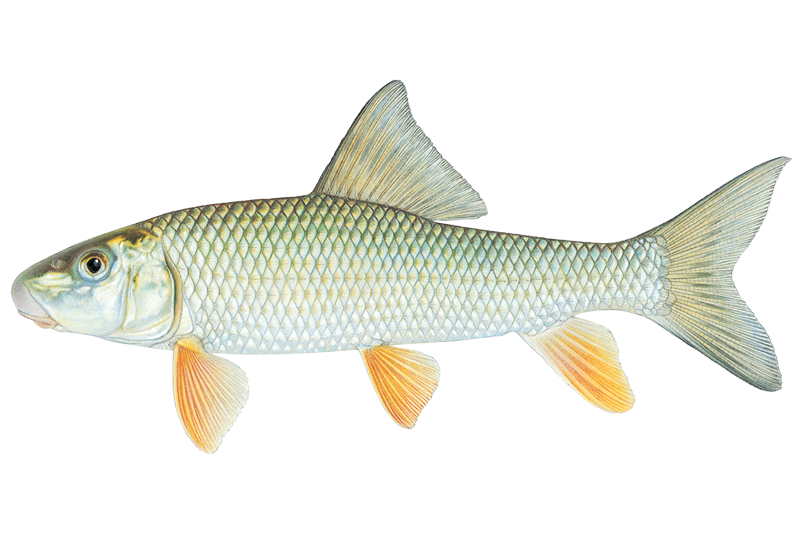
Golden Redhorse (Moxostoma erythrurum) are native freshwater fish found throughout Tennessee's river systems, particularly abundant in the Tennessee River drainage where they frequently occur alongside spotted suckers and black, silver, shorthead, and river redhorses.
Scientific Name: Moxostoma erythrurum
- In Tennessee, adults typically measure 12-20 inches, with slightly larger individuals found in the Tennessee River proper.
- The species gets its name from distinctive golden scales adorning its sides, complemented by olive-colored backs, white bellies, and slate gray tail fins.
- Their fusiform body shape allows them to fight against currents effectively.
Fishing in Tennessee
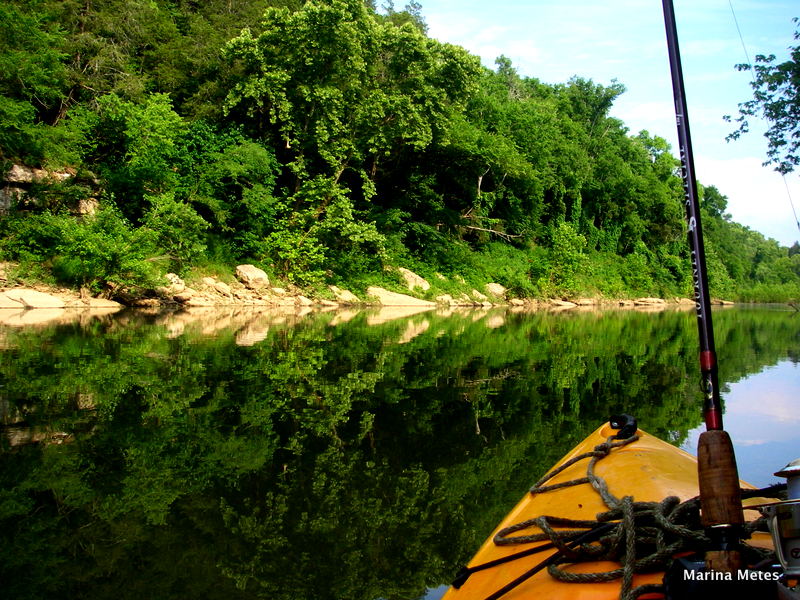
Duck River
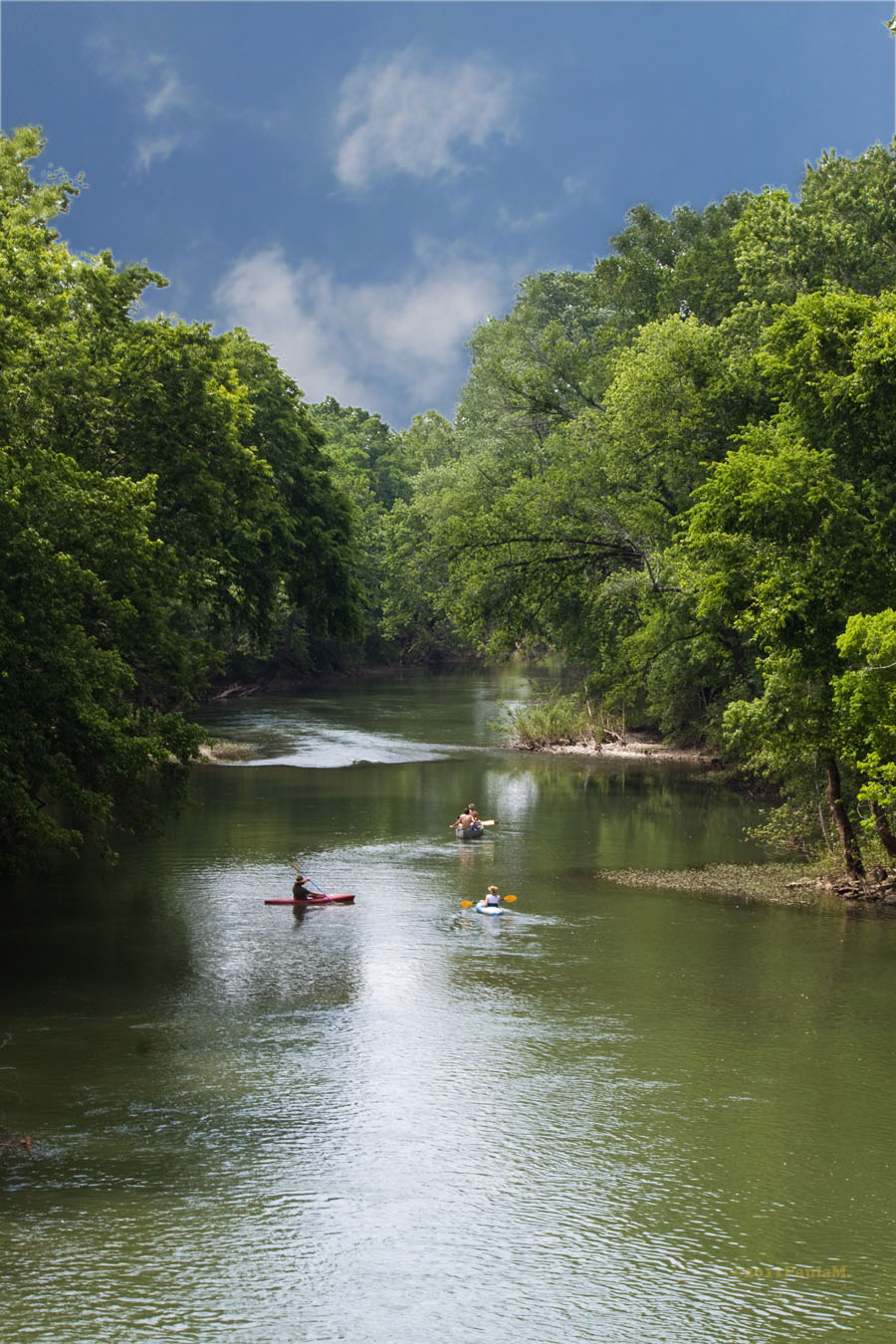
Harpeth River
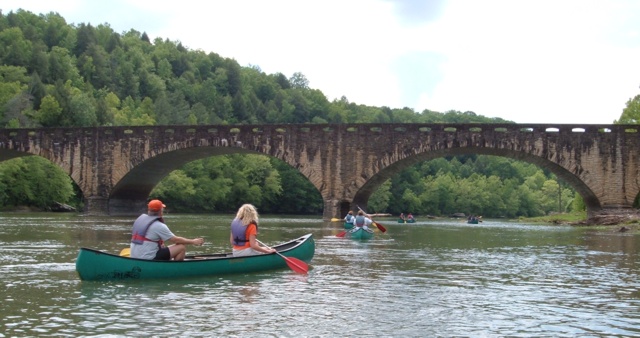
Cumberland River
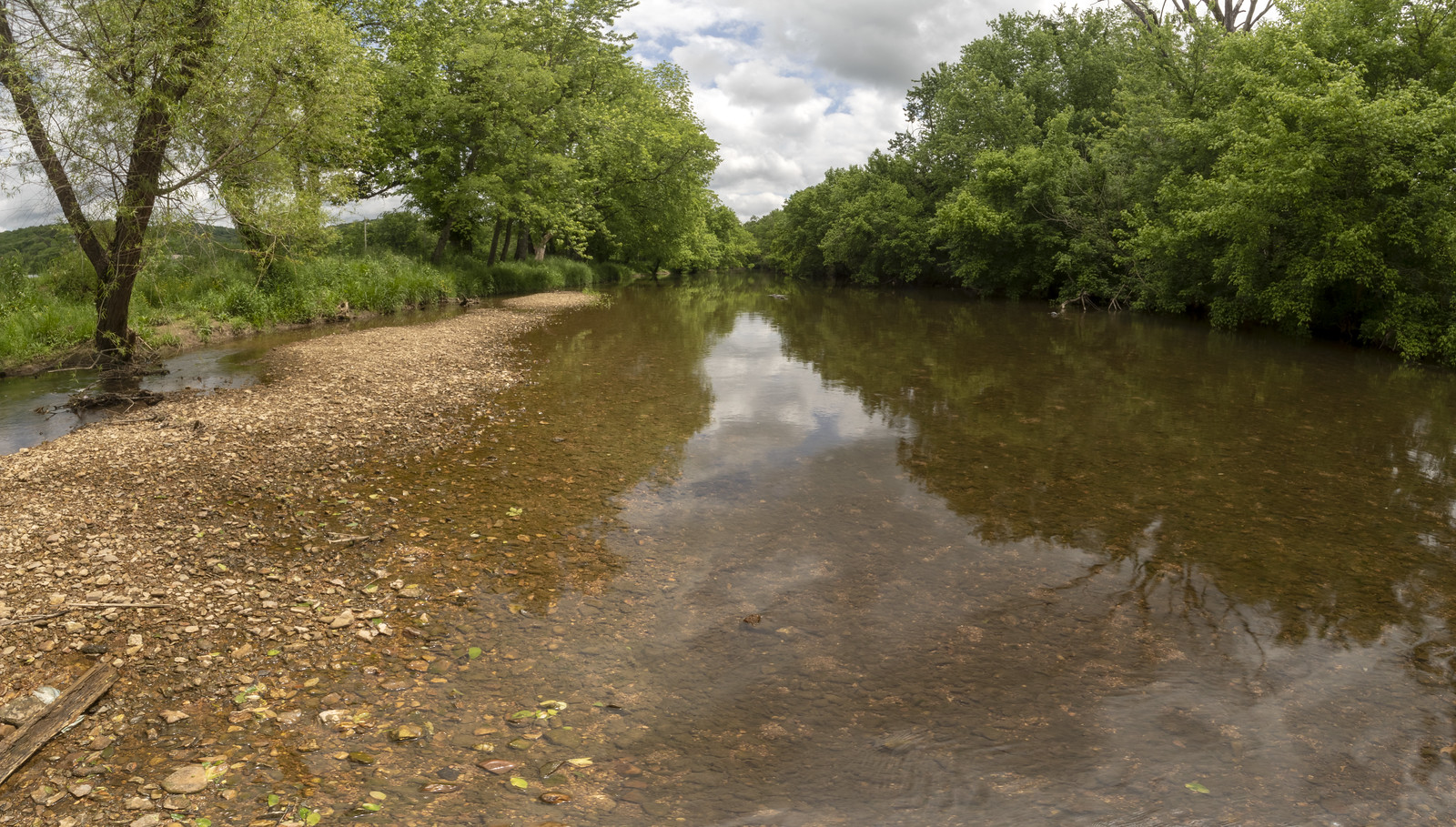
Stones River
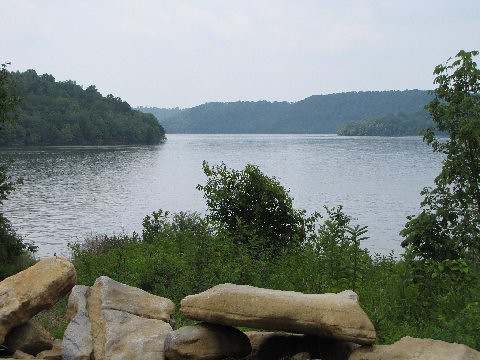
Tims Ford Lake
J Percy Priest Reservoir
Rutherford Creek
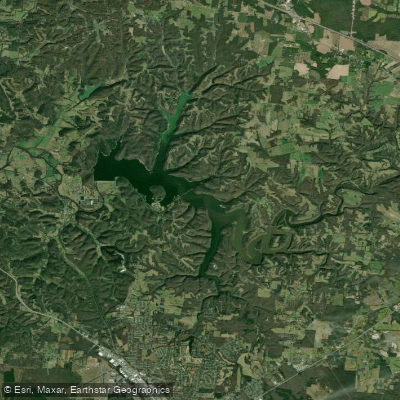
Normandy Lake
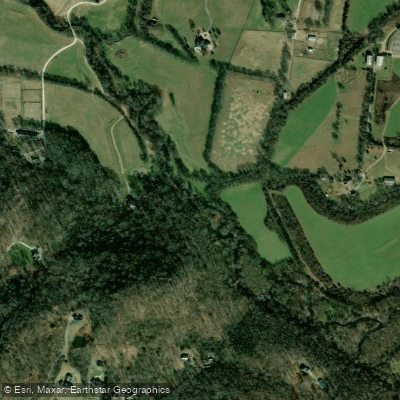
West Harpeth River
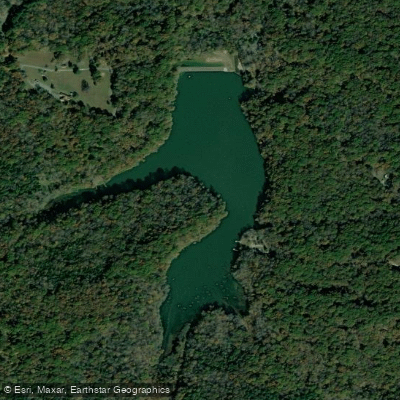
Lake Woodhaven
What to know
Habitat Distribution
- They inhabit diverse aquatic environments including rivers, reservoirs, and streams with varied substrates.
- The species can be successfully caught using hook-and-line methods throughout their range in Tennessee's rivers, reservoirs, and connecting stream systems.
Key Locations
- Productive waters include tributaries and main stems of river systems throughout the state's drainage basins, particularly the Tennessee River drainage.
Specific Spots
- Target deeper pools, runs, and riffles in creeks and rivers with varied substrates, particularly areas with sandy or silty bottoms.
- Preferring areas with sandy or silty bottoms in pools.
Golden Redhorse FAQ
Answers from onWater's species guide.
When is the best time to fish for Golden Redhorse in Tennessee?
Early spring provides the best fishing opportunities, particularly February through April before the spawning period. Avoid fishing during April-May spawning season.
How do you catch Golden Redhorse in Tennessee?
The most effective technique involves fishing several inches off the stream bottom. Golden Redhorse are commonly caught incidentally by anglers bottom fishing for catfish. Gigging is another effective method, practiced at night using multi-headed spears with mounted lights on boat bows.
What do Golden Redhorse eat?
They're bottom-feeders with protrusible mouths that suck food from streambeds, consuming small mollusks, microcrustaceans, aquatic insects (particularly mayflies, caddisflies, and midge larvae), detritus, and algae.
Where do Golden Redhorse live in Tennessee?
They inhabit diverse aquatic environments including rivers, reservoirs, and streams with varied substrates. The species can be successfully caught using hook-and-line methods throughout their range in Tennessee's rivers, reservoirs, and connecting stream systems.
Fish smarter with real-time insights
Whether you're en route and conditions shift or you're looking for the best spot based on current flows, we enable you to make informed decisions on the fly.




See it in the app
Most maps show you water.
onWater shows you Golden Redhorse.



- 01 · Species map filter
Map every Golden Redhorse water
Pick Golden Redhorse and the map zeroes in on the waters they call home. No more guessing which lake holds them.
- 02 · Waterbody species
Tap any water. See what lives there.
Species, behavior and seasonal patterns for every lake, river and pond, before you leave the driveway.
- 03 · Angler Intelligence
Ask how to catch Golden Redhorse
Tactics, gear and timing from onWater's AI fishing guide, tuned to the species and the water you're on.
Stop guessing where Golden Redhorse are.
Open the map, filter by Golden Redhorse, and head to water that holds them. Download onWater and plan your next trip in minutes.
- Species map filter
- Angler Intelligence
- Fishing journal
Explore other species
Trout, bass, salmon, panfish and everything in between. Each guide unpacks the behavior, seasons, and tactics that put fish in the net.
No species information available.
Tennessee licenses and regulations
Explore nearby waters
Explore Tennessee waters
Top fishing waters
Popular Cities
Loading popular cities...

Smarter Fishing Starts in the App.
onWater Fish gives you everything you need to plan smarter, fish better, and own every trip from first cast to last.