Blue Catfish

Blue Catfish are massive freshwater predators found in Tennessee's major river systems. These fish are opportunistic predators noted for taking injured fish beneath feeding schools of striped bass and consuming wounded baitfish washed through dam spillways.
Scientific Name: Ictalurus furcatus
- Blue Catfish typically range from 25-46 inches and 30-70 pounds.
- They're distinguished from Channel Catfish by having 30-36 anal fin rays (versus 25-29 for channels), a straight-edged anal fin, deeply forked tail, and lack of spots.
Fishing in Tennessee
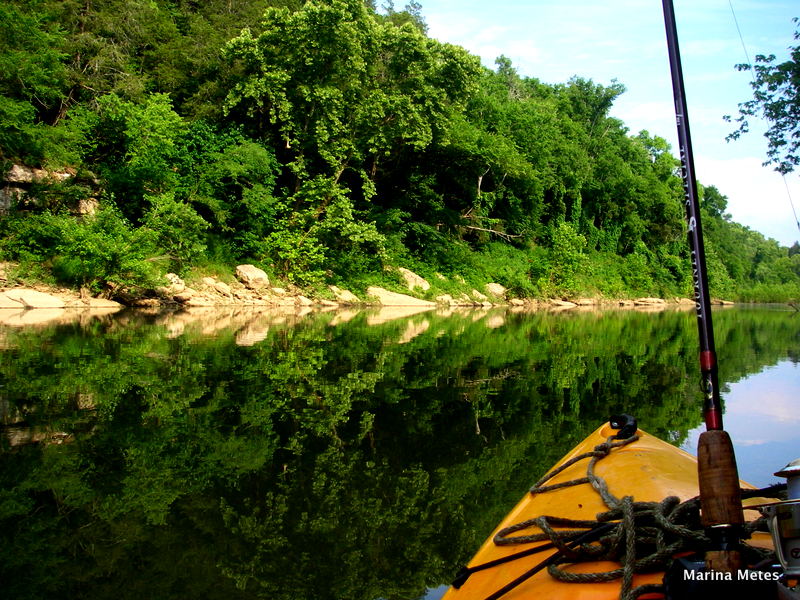
Duck River
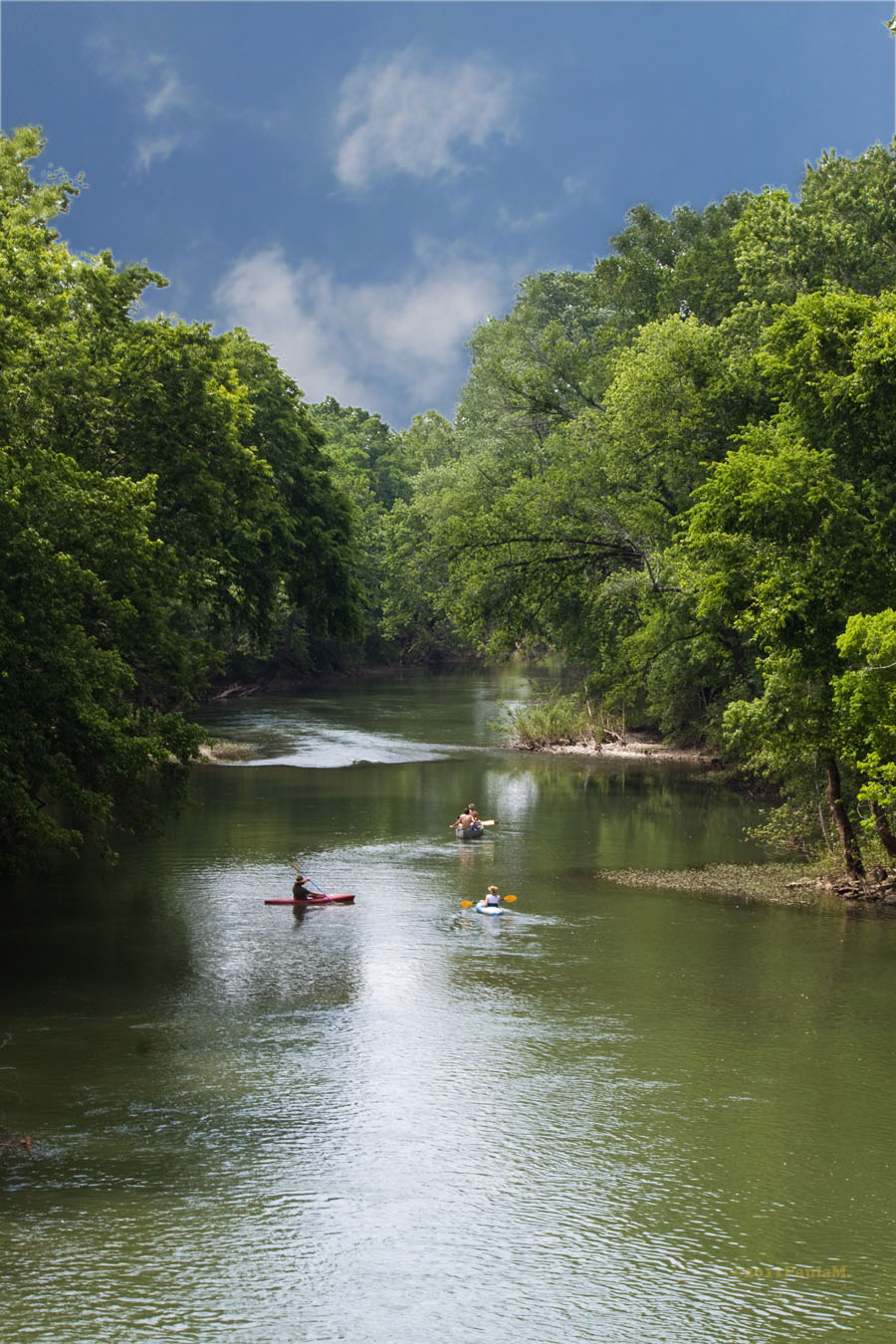
Harpeth River
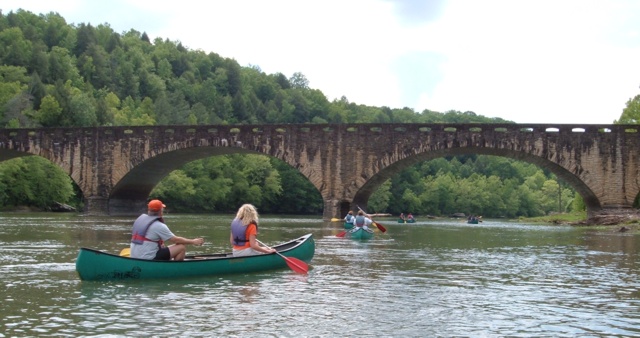
Cumberland River
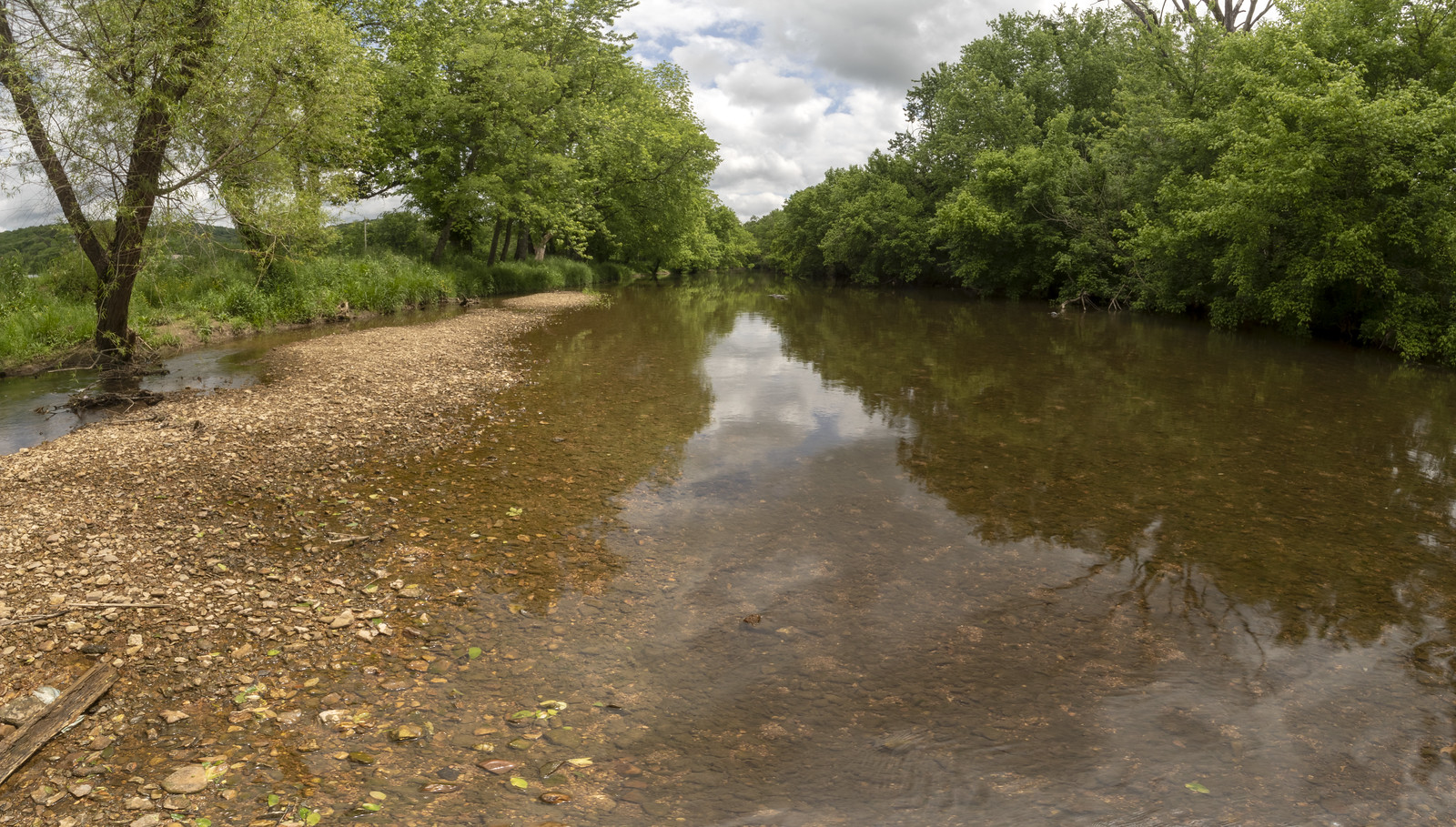
Stones River
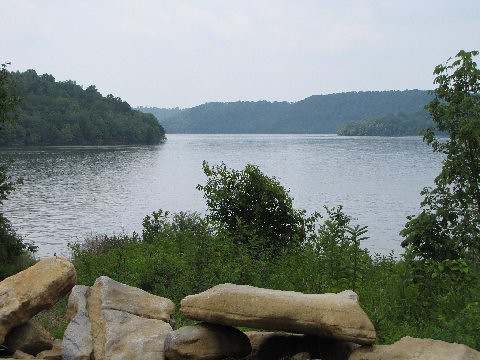
Tims Ford Lake
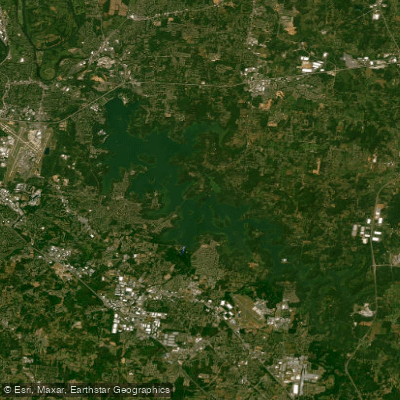
J Percy Priest Reservoir
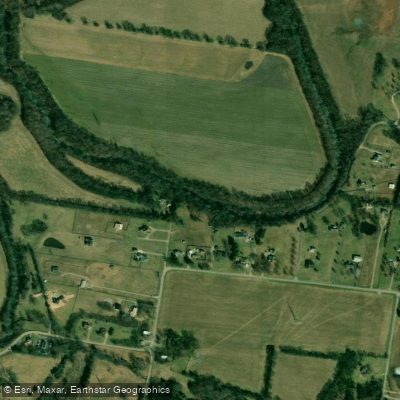
Rutherford Creek
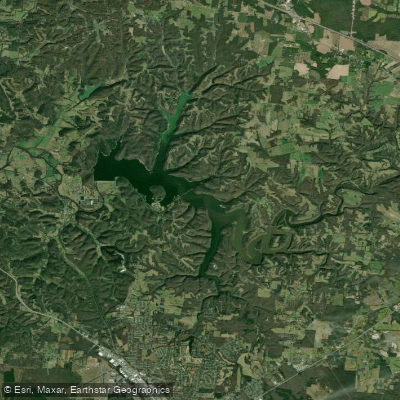
Normandy Lake
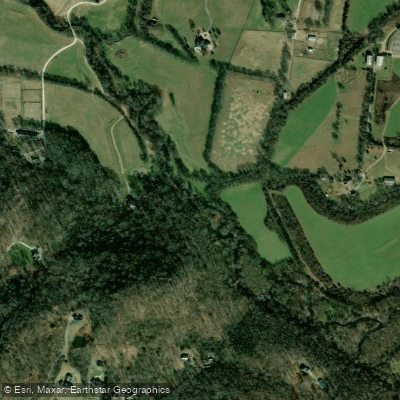
West Harpeth River
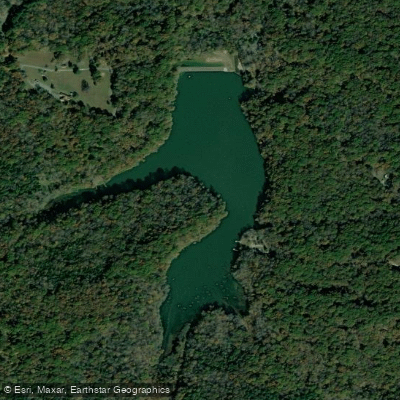
Lake Woodhaven
What to know
Habitat Distribution
- Found primarily in the three major river systems: the upper Tennessee River (especially Fort Loudoun and Watts Bar reservoirs), the Cumberland River system (particularly Cheatham Lake and upper Barkley), and the Mississippi River along the western border.
- Blue Catfish prefer open waters of large reservoirs, main channels, backwaters, and deep holes along outside river bends.
Key Locations
- Tennessee River system's upper pools like Fort Loudoun and Watts Bar, the Cumberland River around Cheatham and upper Barkley, and the Mississippi River near Memphis.
- Found in the Tennessee, Cumberland, and Mississippi Rivers.
Specific Spots
- Target deep holes (30-45 feet) along outside river bends with mud bottoms during winter, as mud retains heat better than rock.
- Key locations include tailwaters below dams, rocky bluff banks, and areas with current breaks.
- Bank fishing from riprap areas near dams.
Blue Catfish FAQ
Answers from onWater's species guide.
What are the best lures and bait for Blue Catfish in Tennessee?
Cut skipjack herring is considered the premier bait, followed by fresh cut gizzard shad, threadfin shad, and cut herring. Live shad and herring also work well.
When is the best time to fish for Blue Catfish in Tennessee?
Winter months (December through March) for trophy fish, spring (March through May) for excellent numbers and some trophies. Avoid spawning season (May-June). Night fishing can be effective, especially during summer heat, though Blue Catfish feed actively during daylight hours when conditions are right.
How do you catch Blue Catfish in Tennessee?
Fish on or near the bottom, but Blue Catfish will suspend in open water beneath shad schools. Dr.ifting techniques work excellently, especially during summer when fish spread out in stabilized river conditions. Look for uneven bottoms and ridges where baitfish move in current.
What do Blue Catfish eat?
Blue Catfish are opportunistic predators that feed heavily on shad, herring, skipjack, crayfish, crabs, freshwater mussels, clams, worms, frogs, and other fish - including cannibalism.
Where do Blue Catfish live in Tennessee?
Found primarily in the three major river systems: the upper Tennessee River (especially Fort Loudoun and Watts Bar reservoirs), the Cumberland River system (particularly Cheatham Lake and upper Barkley), and the Mississippi River along the western border.
Fish smarter with real-time insights
Whether you're en route and conditions shift or you're looking for the best spot based on current flows, we enable you to make informed decisions on the fly.




See it in the app
Most maps show you water.
onWater shows you Blue Catfish.



- 01 · Species map filter
Map every Blue Catfish water
Pick Blue Catfish and the map zeroes in on the waters they call home. No more guessing which lake holds them.
- 02 · Waterbody species
Tap any water. See what lives there.
Species, behavior and seasonal patterns for every lake, river and pond, before you leave the driveway.
- 03 · Angler Intelligence
Ask how to catch Blue Catfish
Tactics, gear and timing from onWater's AI fishing guide, tuned to the species and the water you're on.
Stop guessing where Blue Catfish are.
Open the map, filter by Blue Catfish, and head to water that holds them. Download onWater and plan your next trip in minutes.
- Species map filter
- Angler Intelligence
- Fishing journal
Explore other species
Trout, bass, salmon, panfish and everything in between. Each guide unpacks the behavior, seasons, and tactics that put fish in the net.
No species information available.
Tennessee licenses and regulations
Explore nearby waters
Explore Tennessee waters
Top fishing waters
Popular Cities
Loading popular cities...

Smarter Fishing Starts in the App.
onWater Fish gives you everything you need to plan smarter, fish better, and own every trip from first cast to last.