Flathead Catfish

Flathead Catfish are native to Tennessee's river systems, particularly thriving in the Tennessee River basin including major reservoirs like Chickamauga Lake, Watts Bar Reservoir, and their tributaries.
These apex predators are formidable specimens capable of exceeding 100 pounds, with the Tennessee River system historically producing blue cats up to 130 pounds and massive flatheads.
Scientific Name: Pylodictis olivaris
- These apex predators are distinguished by their wide, flattened heads, projecting lower jaw, and yellow to purple-brown coloration with pale undersides.
Fishing in Tennessee
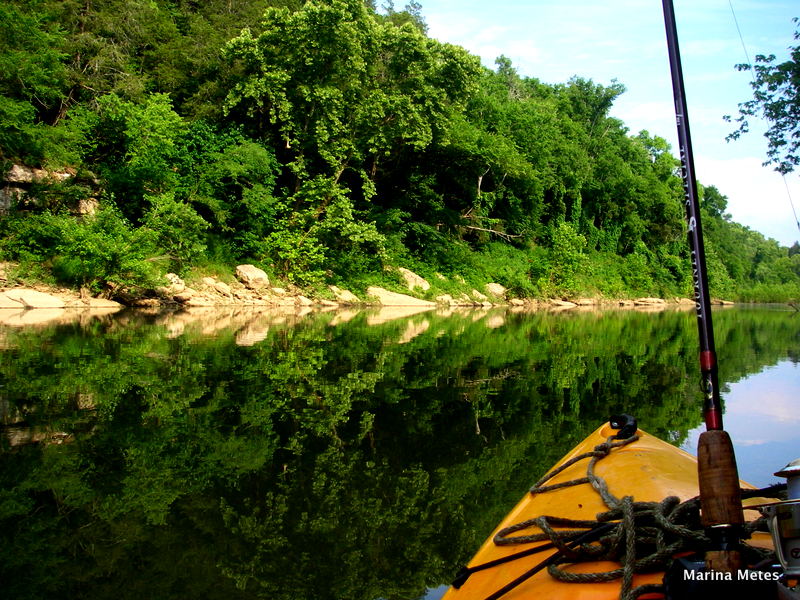
Duck River
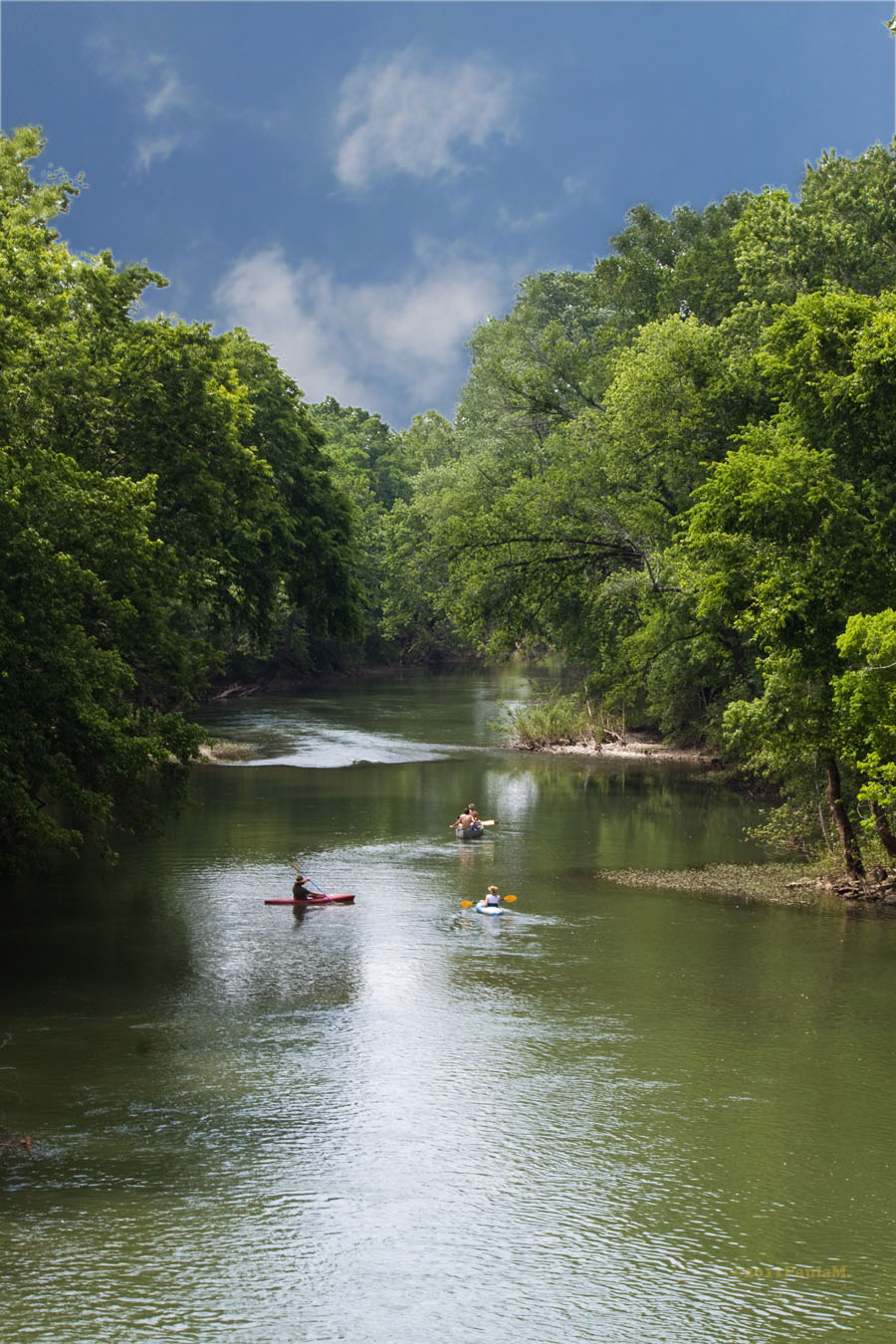
Harpeth River
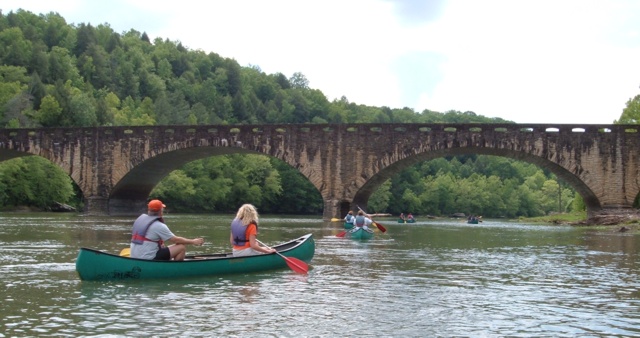
Cumberland River
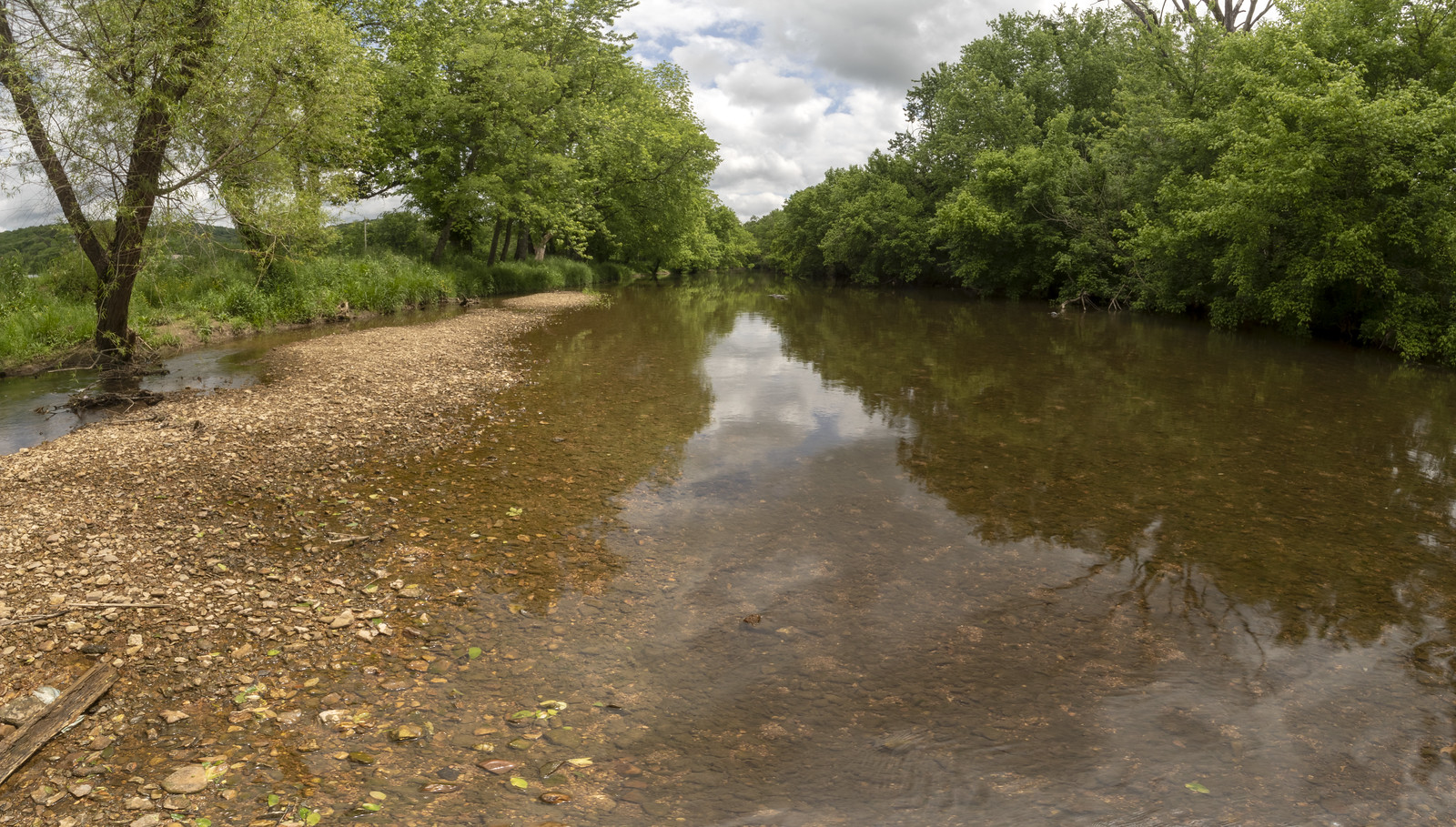
Stones River
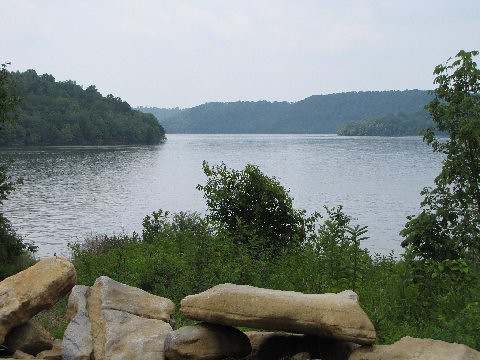
Tims Ford Lake
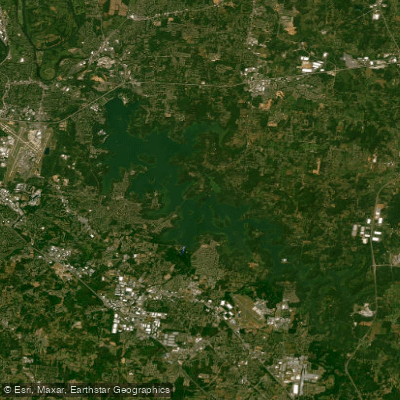
J Percy Priest Reservoir
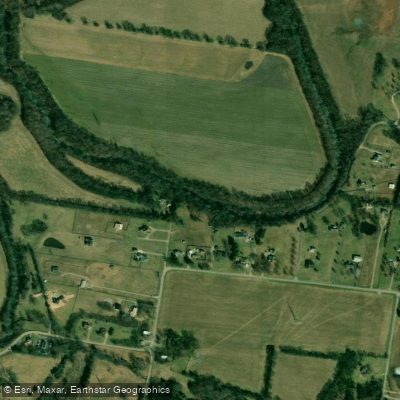
Rutherford Creek
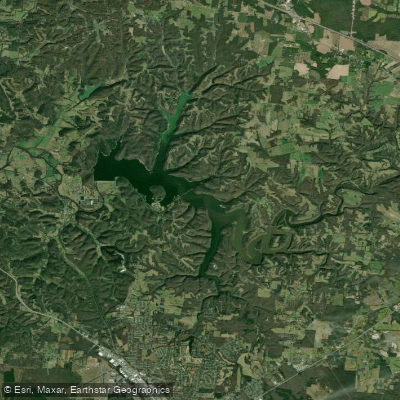
Normandy Lake
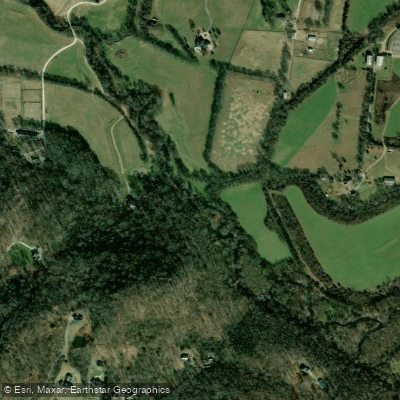
West Harpeth River
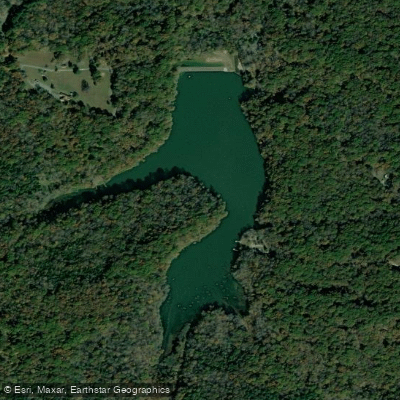
Lake Woodhaven
What to know
Habitat Distribution
- Their preferred habitat includes the deeper segments of rivers like the Tennessee River system, plus major tributaries and creek mouths where current breaks provide ambush points.
Key Locations
- Tennessee River basin including major reservoirs like Chickamauga Lake, Watts Bar Reservoir, and their tributaries.
- Major tributaries including the Clinch River, Emory River.
- On the Tennessee River system, focus on the tailwater areas below dams like Watts Bar and Chickamauga.
- Popular productive areas include the Tennessee River from the dams downstream, Sewee Creek mouth on Watts Bar, and rocky points with deep water access.
Specific Spots
- They prefer deep pools with logs, brush piles, rocky areas, and undercut banks during daylight hours, moving to open water to feed at night.
- Target current seams where flowing water meets calm water.
Flathead Catfish FAQ
Answers from onWater's species guide.
What are the best lures and bait for Flathead Catfish in Tennessee?
Fresh cut skipjack shad often outperforms live bait, particularly skipjack heads and butterflied sections that create flapping action in current. When using live bait, 5-9 inch bluegill, shad, or bullheads work well.
When is the best time to fish for Flathead Catfish in Tennessee?
The prime time for flathead catfish in Tennessee is September through October when they feed heavily preparing for winter, followed by the pre-spawn period from March through May. Avoid fishing during the June-July spawning period.
How do you catch Flathead Catfish in Tennessee?
Carolina rigs with 2-foot leaders work well. Fish the main river channel drops and deep holes when moderate water flow is running through the dams. Winter fishing requires patient, stationary presentations.
What do Flathead Catfish eat?
Flatheads are primarily piscivorous, feeding almost exclusively on live fish once they reach 10 inches, including gizzard shad, drum, sunfish, channel catfish, and carp.
Where do Flathead Catfish live in Tennessee?
Their preferred habitat includes the deeper segments of rivers like the Tennessee River system, plus major tributaries and creek mouths where current breaks provide ambush points.
Fish smarter with real-time insights
Whether you're en route and conditions shift or you're looking for the best spot based on current flows, we enable you to make informed decisions on the fly.




See it in the app
Most maps show you water.
onWater shows you Flathead Catfish.



- 01 · Species map filter
Map every Flathead Catfish water
Pick Flathead Catfish and the map zeroes in on the waters they call home. No more guessing which lake holds them.
- 02 · Waterbody species
Tap any water. See what lives there.
Species, behavior and seasonal patterns for every lake, river and pond, before you leave the driveway.
- 03 · Angler Intelligence
Ask how to catch Flathead Catfish
Tactics, gear and timing from onWater's AI fishing guide, tuned to the species and the water you're on.
Stop guessing where Flathead Catfish are.
Open the map, filter by Flathead Catfish, and head to water that holds them. Download onWater and plan your next trip in minutes.
- Species map filter
- Angler Intelligence
- Fishing journal
Explore other species
Trout, bass, salmon, panfish and everything in between. Each guide unpacks the behavior, seasons, and tactics that put fish in the net.
No species information available.
Tennessee licenses and regulations
Explore nearby waters
Explore Tennessee waters
Top fishing waters
Popular Cities
Loading popular cities...

Smarter Fishing Starts in the App.
onWater Fish gives you everything you need to plan smarter, fish better, and own every trip from first cast to last.