Green Sunfish

Green Sunfish are native to Tennessee and widely distributed throughout the state's Mobile Basin, Tennessee River, and Cumberland River drainages. These aggressive predators are opportunistic feeders and show remarkable adaptability to various habitats.
Scientific Name: Lepomis cyanellus
- Characterized by their blue-green coloration with iridescent blue-green on the lower head, yellow flecks on scales, and distinctive dark spots at the base of dorsal and anal fins.
- Green Sunfish have notably larger mouths than other sunfish species, extending to beneath the middle of the eye.
- They typically reach 3-7 inches in length, though Tennessee specimens can grow up to 12 inches.
Fishing in Tennessee
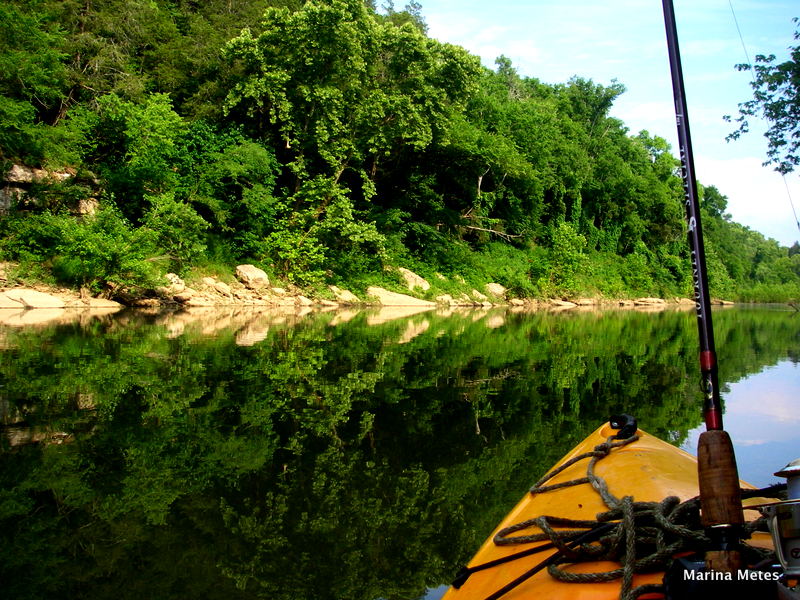
Duck River
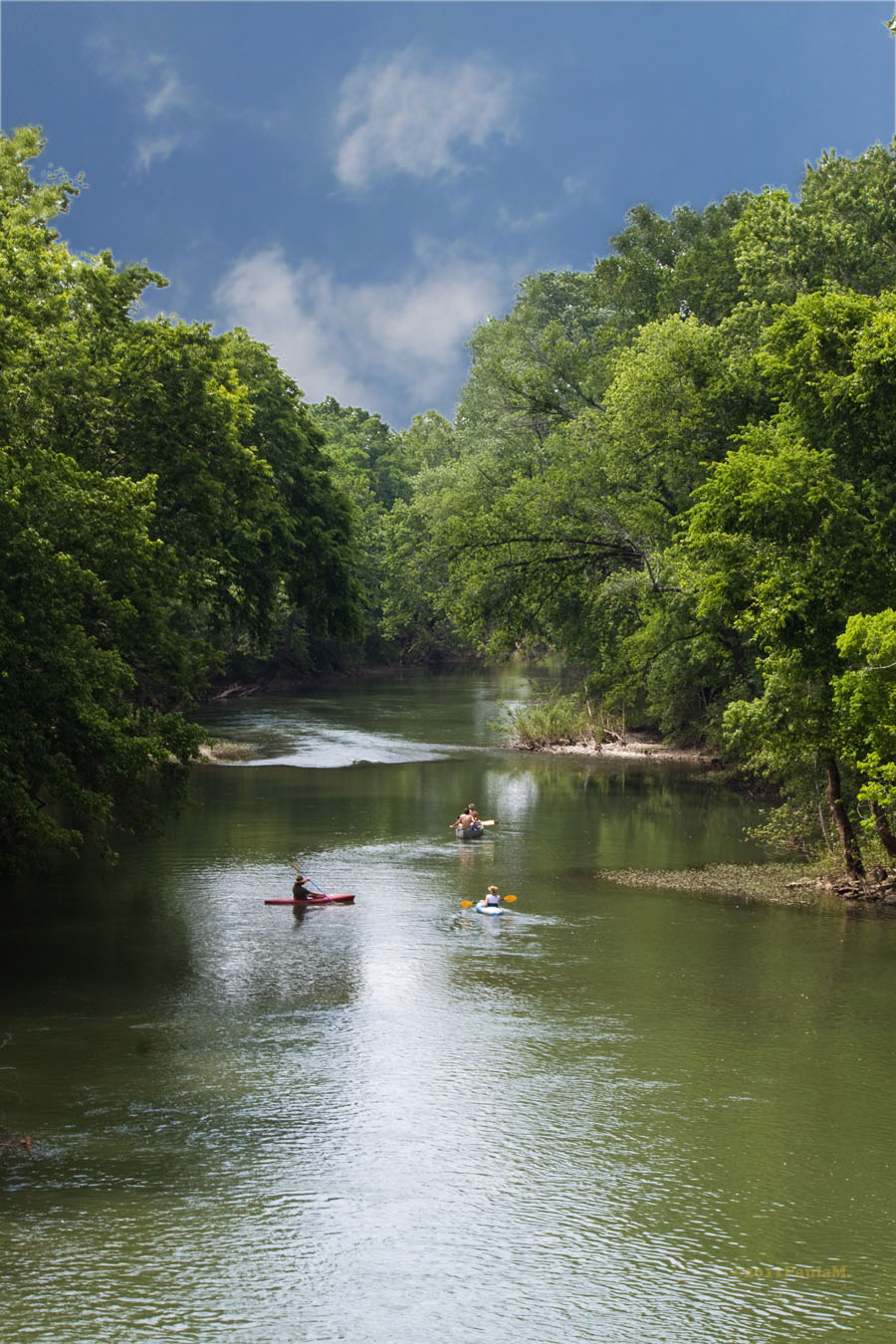
Harpeth River
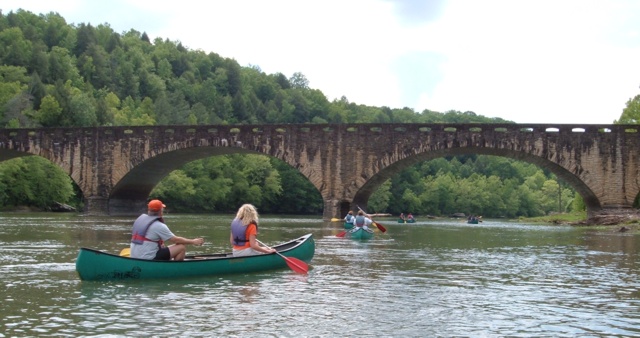
Cumberland River
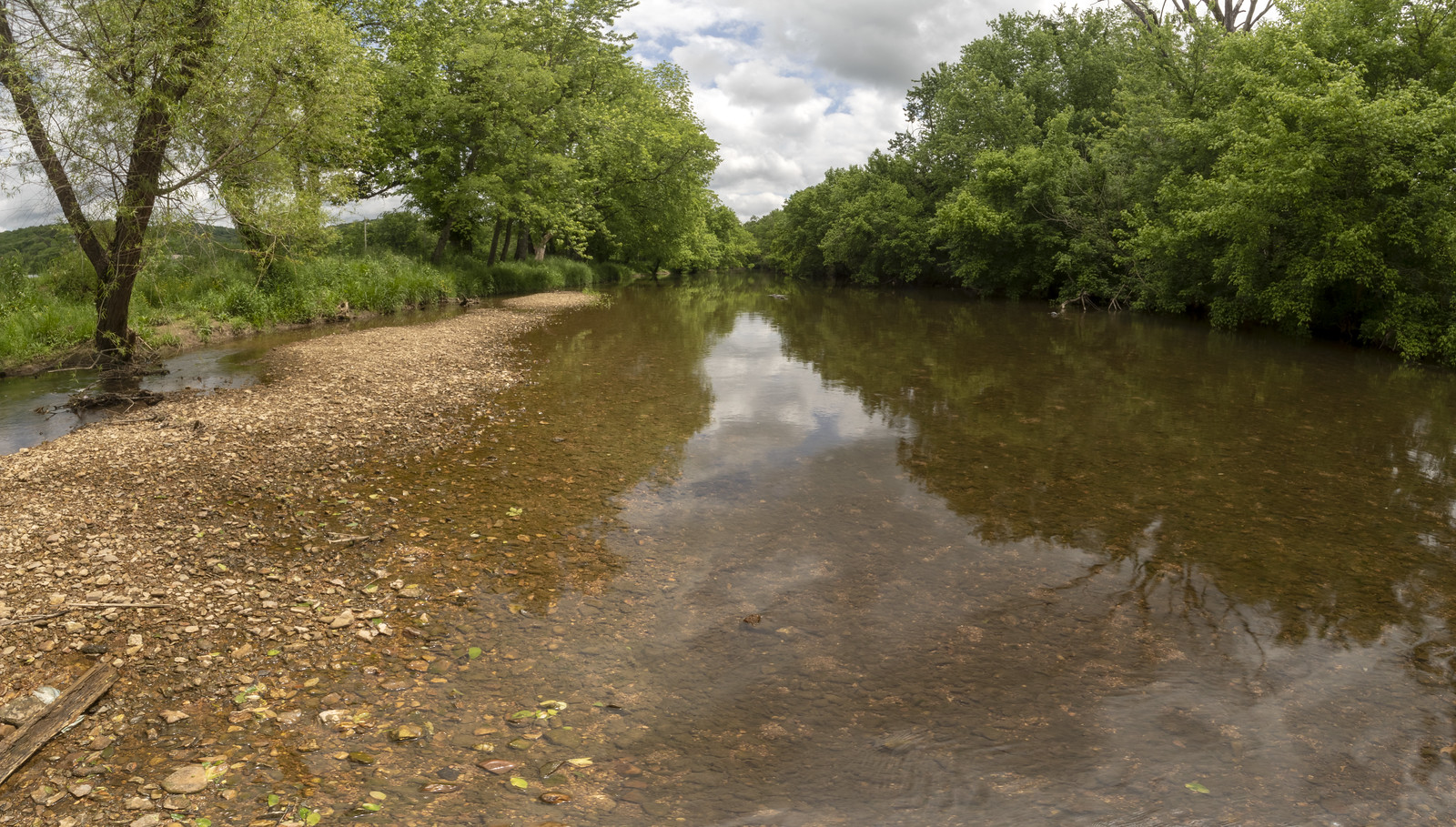
Stones River
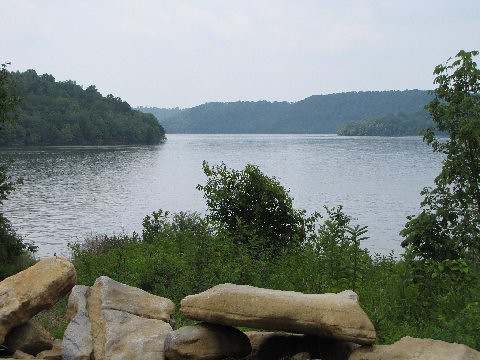
Tims Ford Lake
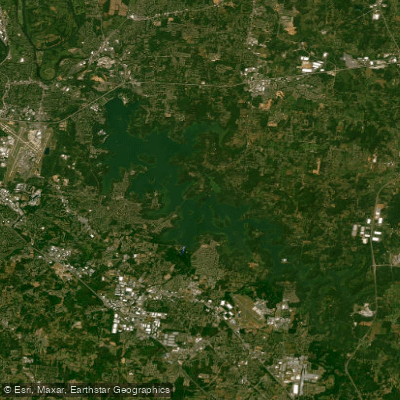
J Percy Priest Reservoir
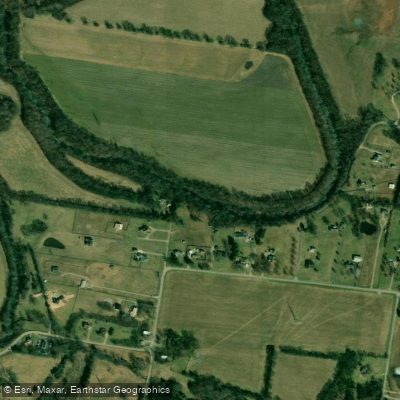
Rutherford Creek
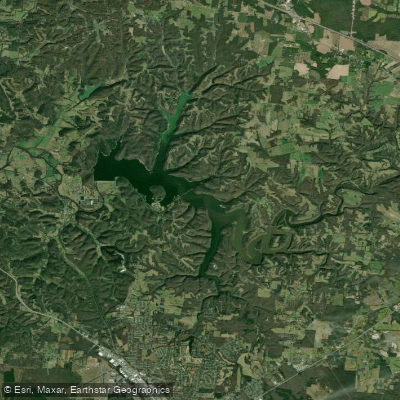
Normandy Lake
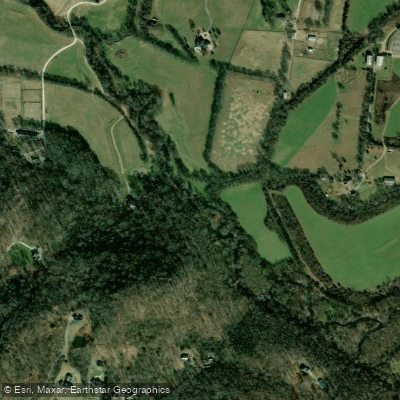
West Harpeth River
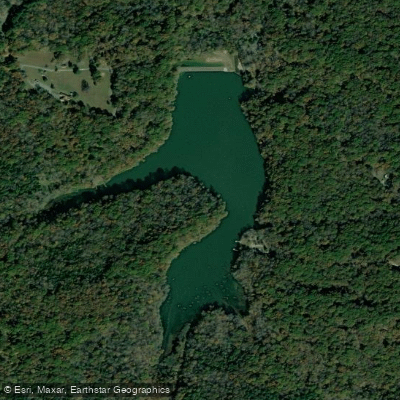
Lake Woodhaven
What to know
Habitat Distribution
- Inhabit diverse Tennessee waters including sluggish streams, ponds, backwater pools, weedy lake shorelines, and reservoir margins.
Key Locations
- Tennessee's major reservoirs including Kentucky Lake, and streams across the Cumberland Plateau and Highland Rim regions.
Specific Spots
- Areas with cover such as fallen logs, weed beds, rocky banks, brush piles, overhanging vegetation, boat docks, piers, lily pads, and undercut banks.
- In Tennessee's reservoirs, target shallow flats, coves, and backwater areas.
- They prefer areas with cover such as submerged logs, vegetation, rocky shorelines, and brush.
Green Sunfish FAQ
Answers from onWater's species guide.
What are the best lures and bait for Green Sunfish in Tennessee?
Nightcrawlers, red worms, bloodworms, crickets, mealworms, and small minnows. Small lures work well, particularly 1/64-1/16 oz jigs, small spoons, spinnerbaits, and crankbaits under one inch.
What flies work for Green Sunfish in Tennessee?
Small patterns (#10-18) including woolly buggers, golden retrievers, Chernobyl ants, sponge spiders, prince nymphs, Adams, poppers, and various nymph patterns.
When is the best time to fish for Green Sunfish in Tennessee?
Can be caught year-round in Tennessee, with spring and summer being optimal when water temperatures reach 65-75°F.
How do you catch Green Sunfish in Tennessee?
Focus on slowly presented baits near cover. Bobber fishing works particularly well around structure to avoid snags while keeping bait in the strike zone.
What do Green Sunfish eat?
Opportunistic feeders, consuming aquatic and terrestrial insects, crayfish, small fish, fish e.g.gs, snails, zooplankton, and invertebrates. Adults particularly favor bloodworms, aquatic insects, small minnows, and crayfish. Their larger mouths allow them to consume prey almost half their body size.
Fish smarter with real-time insights
Whether you're en route and conditions shift or you're looking for the best spot based on current flows, we enable you to make informed decisions on the fly.




See it in the app
Most maps show you water.
onWater shows you Green Sunfish.



- 01 · Species map filter
Map every Green Sunfish water
Pick Green Sunfish and the map zeroes in on the waters they call home. No more guessing which lake holds them.
- 02 · Waterbody species
Tap any water. See what lives there.
Species, behavior and seasonal patterns for every lake, river and pond, before you leave the driveway.
- 03 · Angler Intelligence
Ask how to catch Green Sunfish
Tactics, gear and timing from onWater's AI fishing guide, tuned to the species and the water you're on.
Stop guessing where Green Sunfish are.
Open the map, filter by Green Sunfish, and head to water that holds them. Download onWater and plan your next trip in minutes.
- Species map filter
- Angler Intelligence
- Fishing journal
Explore other species
Trout, bass, salmon, panfish and everything in between. Each guide unpacks the behavior, seasons, and tactics that put fish in the net.
No species information available.
Tennessee licenses and regulations
Explore nearby waters
Explore Tennessee waters
Top fishing waters
Popular Cities
Loading popular cities...

Smarter Fishing Starts in the App.
onWater Fish gives you everything you need to plan smarter, fish better, and own every trip from first cast to last.