Western Mosquitofish

Western Mosquitofish are small, live-bearing fish found throughout Tennessee's waters. These hardy fish are distinguished by their upturned mouths and flattened heads - adaptations for surface feeding.
Scientific Name: Gambusia affinis
- Females grow larger than males, reaching up to 2.5 inches while males typically stay under 1.5 inches.
- They have a distinctive dusky-black teardrop spot across the eyes and black-outlined scales giving a cross-hatched appearance.
Fishing in Tennessee
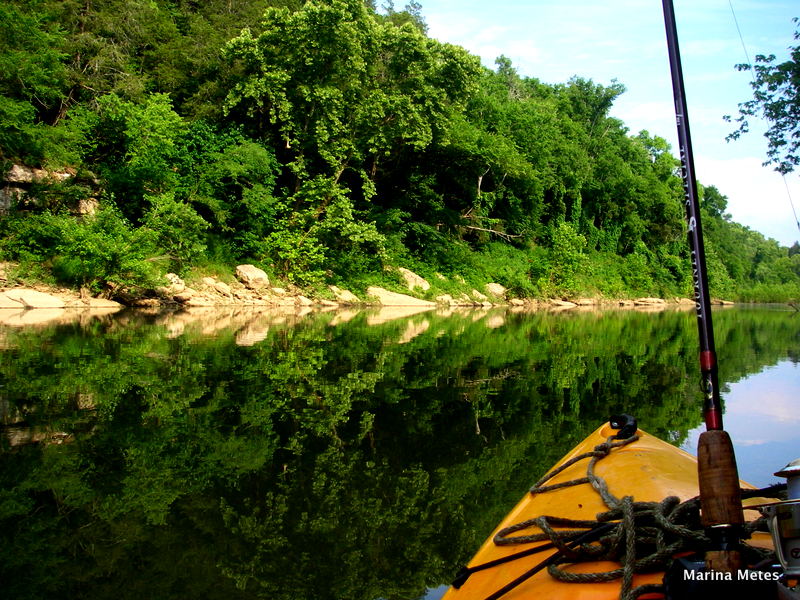
Duck River
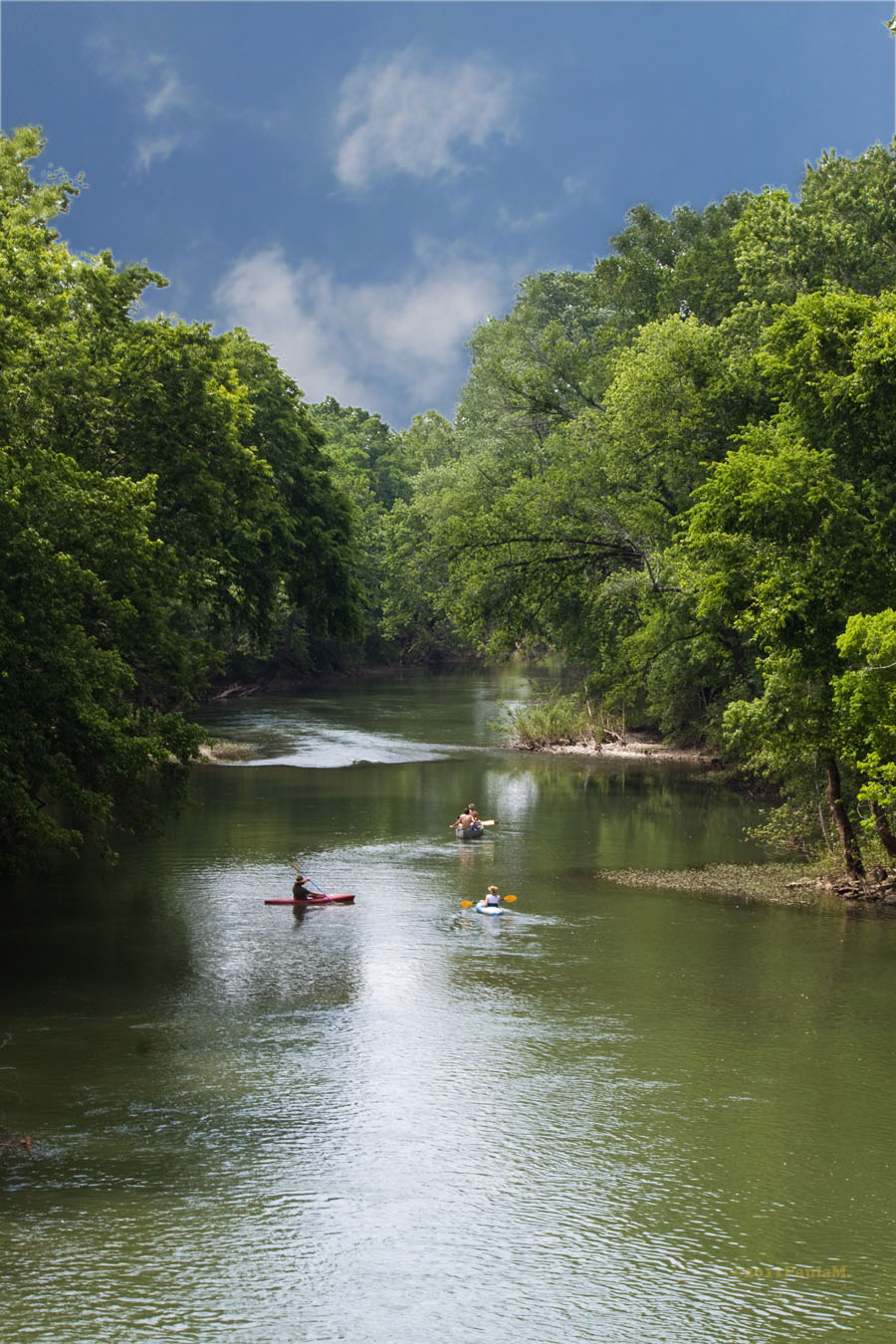
Harpeth River
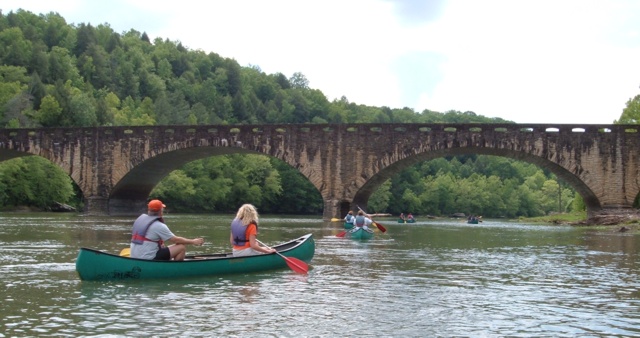
Cumberland River
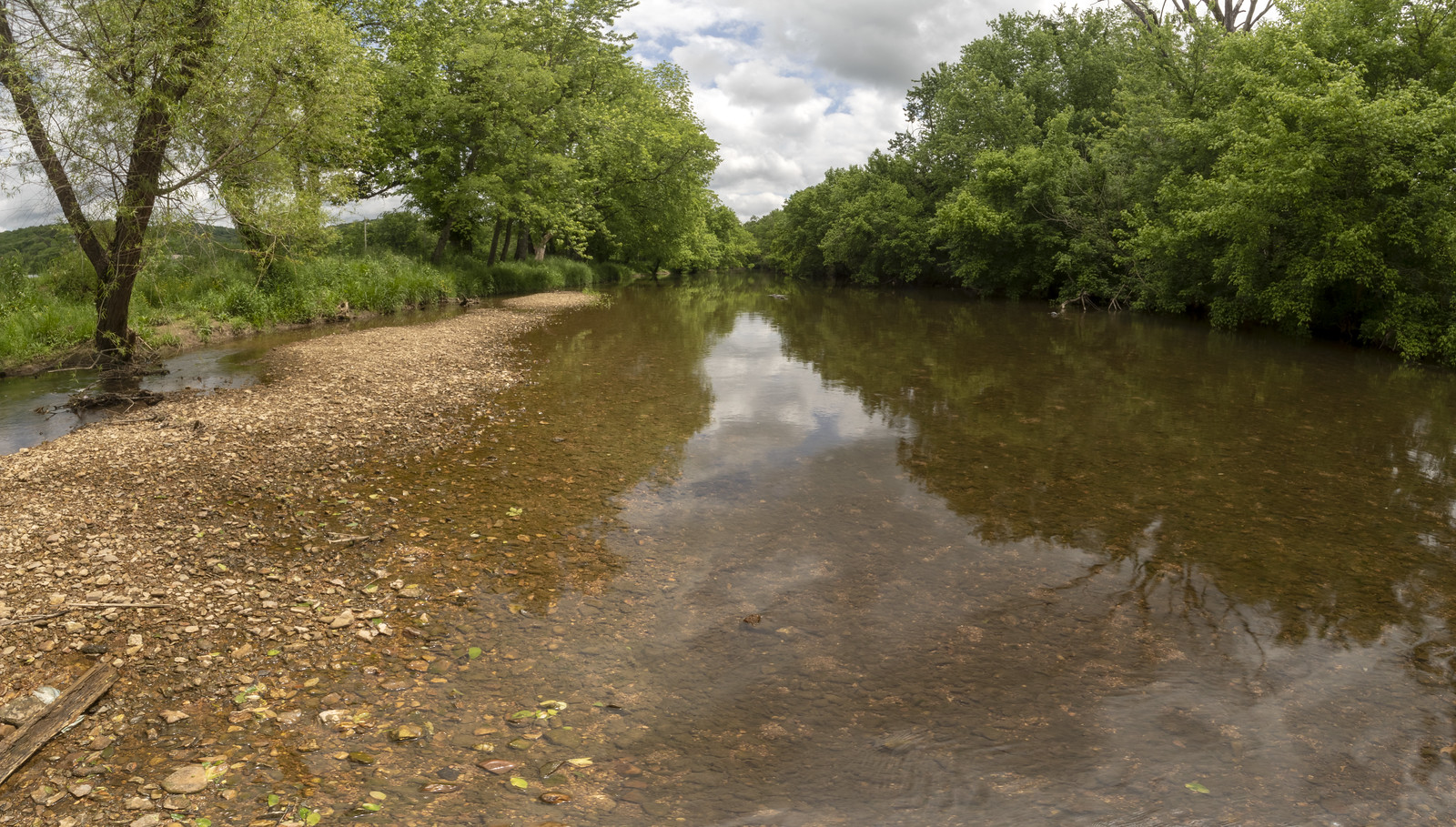
Stones River
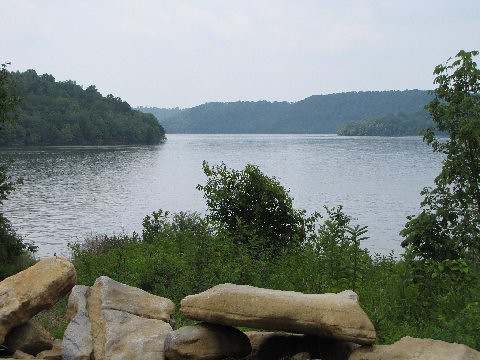
Tims Ford Lake
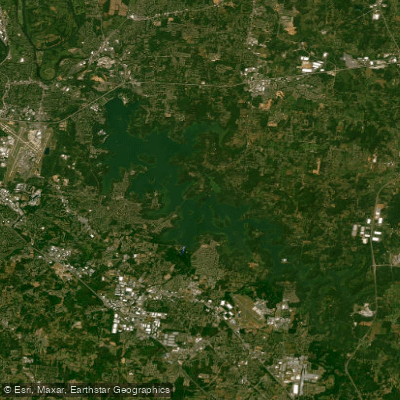
J Percy Priest Reservoir
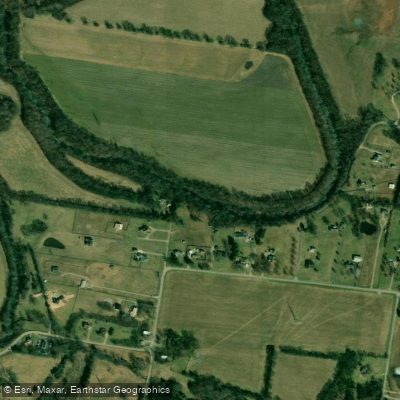
Rutherford Creek
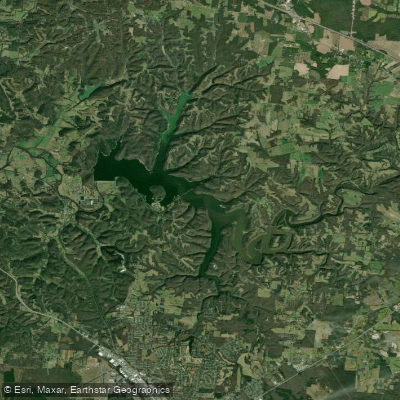
Normandy Lake
West Harpeth River
Lake Woodhaven
What to know
Habitat Distribution
- In Tennessee, Western Mosquitofish inhabit slow-moving waters including pools, springs, lakes, and backwaters of streams across numerous watersheds including the Cumberland, Tennessee, and Mississippi River systems.
- They can be found in a variety of Tennessee water bodies from mountain streams to lowland reservoirs.
Key Locations
- Target areas around springs and quiet pools in Tennessee's numerous watersheds including the Cumberland River system, Tennessee River drainage, and associated tributary systems.
- They can be found in waters from the Conasauga and Coosawattee watersheds in the southeast to Kentucky Lake and the Lower Tennessee watersheds in the west.
Specific Spots
- They prefer shallow waters around 0.2 meters deep, with juveniles favoring densely vegetated areas while adults prefer open water.
- Focus on the shallow edges of ponds, creeks, lakes, and backwaters where they concentrate to feed and escape larger predators.
Western Mosquitofish FAQ
Answers from onWater's species guide.
What are the best lures and bait for Western Mosquitofish in Tennessee?
Small jigs, soft plastic baits, and even bread or dough balls can be effective when presented near the surface.
What flies work for Western Mosquitofish in Tennessee?
For flies, focus on tiny midge patterns, small terrestrial imitations, and micro streamers that mimic their natural prey.
When is the best time to fish for Western Mosquitofish in Tennessee?
The best time for encounters is during warmer months from April through October when they're most active. Spawning occurs when water temperatures reach 60-65°F, typically from April through October - during these periods, avoid targeting them to protect reproductive populations.
How do you catch Western Mosquitofish in Tennessee?
Since they're surface feeders adapted for taking insects and mosquito larvae from the water's surface, tiny flies and micro presentations work best. Cast to vegetated shorelines, shallow coves, and areas with structure like rocks or aquatic plants.
What do Western Mosquitofish eat?
They're omnivorous surface feeders with exceptional appetites, consuming up to 300 mosquito larvae daily along with insects, copepods, cladocerans, fish e.g.gs, algae, crustaceans, worms, and small fish.
Fish smarter with real-time insights
Whether you're en route and conditions shift or you're looking for the best spot based on current flows, we enable you to make informed decisions on the fly.







See it in the app
Most maps show you water.
onWater shows you Western Mosquitofish.



- 01 · Species map filter
Map every Western Mosquitofish water
Pick Western Mosquitofish and the map zeroes in on the waters they call home. No more guessing which lake holds them.
- 02 · Waterbody species
Tap any water. See what lives there.
Species, behavior and seasonal patterns for every lake, river and pond, before you leave the driveway.
- 03 · Angler Intelligence
Ask how to catch Western Mosquitofish
Tactics, gear and timing from onWater's AI fishing guide, tuned to the species and the water you're on.
Stop guessing where Western Mosquitofish are.
Open the map, filter by Western Mosquitofish, and head to water that holds them. Download onWater and plan your next trip in minutes.
- Species map filter
- Angler Intelligence
- Fishing journal
Explore other species
Trout, bass, salmon, panfish and everything in between. Each guide unpacks the behavior, seasons, and tactics that put fish in the net.

Find which waters have the species you want to catch

Largemouth Bass

Smallmouth Bass
Micropterus dolomieu

Rainbow Trout
Oncorhynchus mykiss

Brown Trout
Salmo trutta

Brook Trout

Cutthroat Trout

Northern Pike
Esox lucius

Muskellunge
Esox masquinongy

Walleye

Black Crappie
Pomoxis nigromaculatus

Alewife
Alosa pseudoharengus
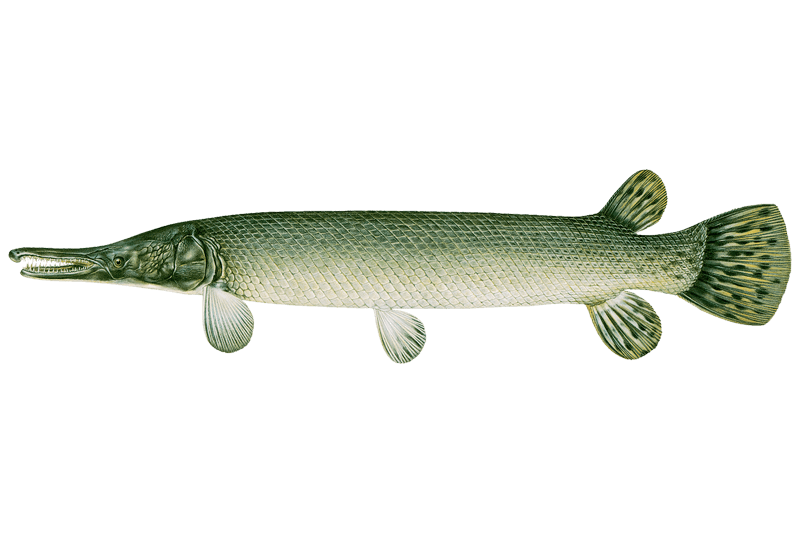
Alligator Gar

American Eel
Anguilla rostrata

American Shad
Alosa sapidissima

Bighead Carp
Hypophthalmichthys nobilis

Bigmouth Buffalo
Ictiobus cyprinellus

Black Buffalo
Ictiobus niger

Black Bullhead
Ameiurus melas

Blacknose Dace
Rhinichthys atratulus
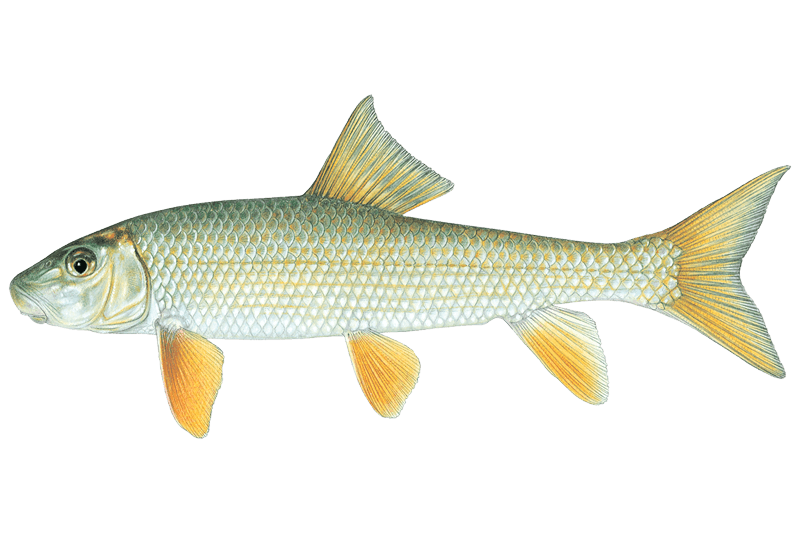
Black Redhorse
Moxostoma duquesnei

Blue Catfish
Ictalurus furcatus

Blue Sucker
Cycleptus elongatus

Bowfin
Amia calva

Brown Bullhead
Ameiurus nebulosus

Chain Pickerel
Esox niger

Channel Catfish
Ictalurus punctatus

Common Carp
Cyprinus carpio

Creek Chub
Semotilus atromaculatus

Flathead Catfish
Pylodictis olivaris

Flier
Centrarchus macropterus

Freshwater Drum
Aplodinotus grunniens

Gizzard Shad
Dorosoma cepedianum

Golden Redhorse
Moxostoma erythrurum

Grass Carp
Ctenopharyngodon idella

Green Sunfish
Lepomis cyanellus

Lake Sturgeon
Acipenser fulvescens

Lake Trout

Longear Sunfish
Lepomis megalotis

Longnose Gar

Northern Hogsucker
Hypentelium nigricans
Tennessee licenses and regulations

Tennessee Boating Regulations
When using any type of watercraft to access a body of water, it is important to follow all federal, state, and local rules and regulations. These rules and regulations include boat permitting and licensing, invasive species inspections and stamps, life jacket and PFD rules, motor size and horsepower restrictions, noise limitations, restrictions on personal watercraft, and many more. Visit the web link below for the most current rules and regulations for this body of water.

Tennessee Fishing License
No Fishing License Needed If: You are under 13 years of age (resident or nonresident). A type 022 supplemental license is required for anglers targeting trout. State-wide creel limit 7 trout.

Tennessee Fishing Regulations
This river has a variety of species and regulations, including potential floating and/or watercraft restrictions. Because this river is specially managed for species, seasons, angling methods, and watercraft, it is strongly encouraged you check all federal, state, and local regulations before fishing. Visit any of the links below, inquire locally, or contact a local fly shop to learn current regulations and restrictions.
Tennessee Stream Access Laws
On any river or stream that’s capable of floating a craft, the public has rights to passage, hunting and fishing. The question of streambed use on designated non-navigable rivers, however, is less clear, and probably not legal.
Explore nearby waters
Explore Tennessee waters
Top fishing waters
Popular Cities
Loading popular cities...
Smarter Fishing Starts in the App.
onWater Fish gives you everything you need to plan smarter, fish better, and own every trip from first cast to last.