Tennessee Snubnose Darter

The Tennessee Snubnose Darter (Etheostoma simoterum) is a small freshwater fish species endemic to the Tennessee and Cumberland River drainages.
Scientific Name: Etheostoma simoterum
- In Tennessee, they're distinguished by their blunt snout, eight quadrate dorsal saddles on the back, and eight or nine vertically elongated lateral blotches on the sides with numerous moderate-sized red dots forming irregular longitudinal lines.
- Adults typically reach 1.6-2.4 inches (40-60mm) with a maximum length of about 3 inches.
- Males develop bright breeding colors from January through April, becoming deep green to blue-green with red dorsal fins and red spots.
Fishing in Tennessee
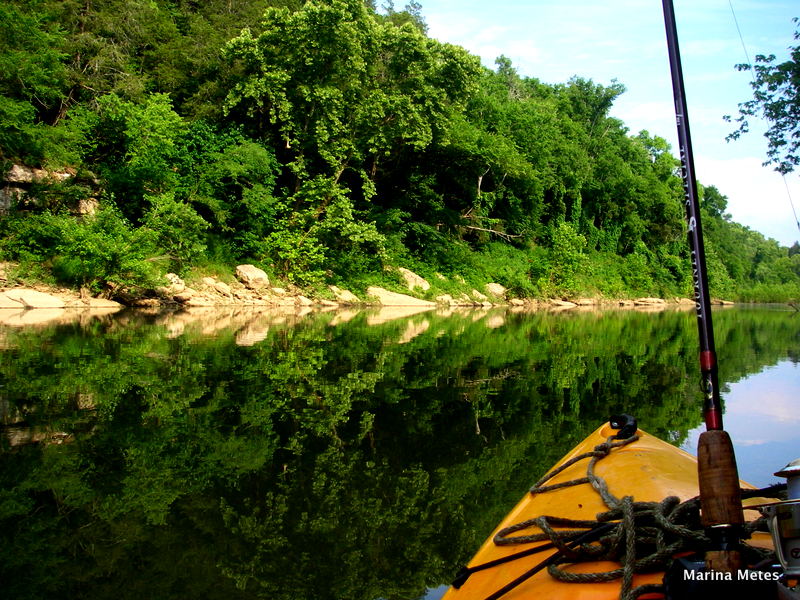
Duck River
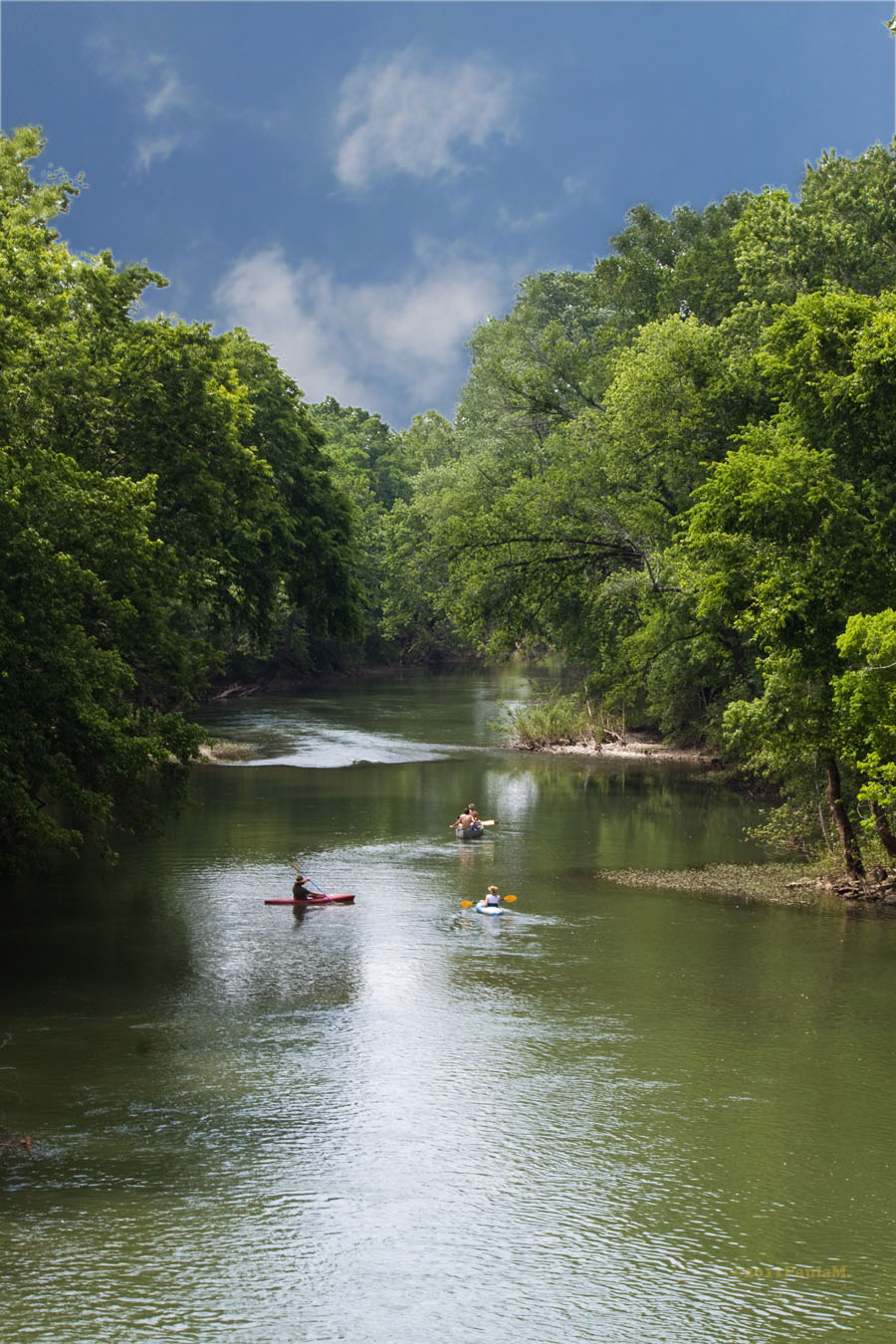
Harpeth River

Cumberland River
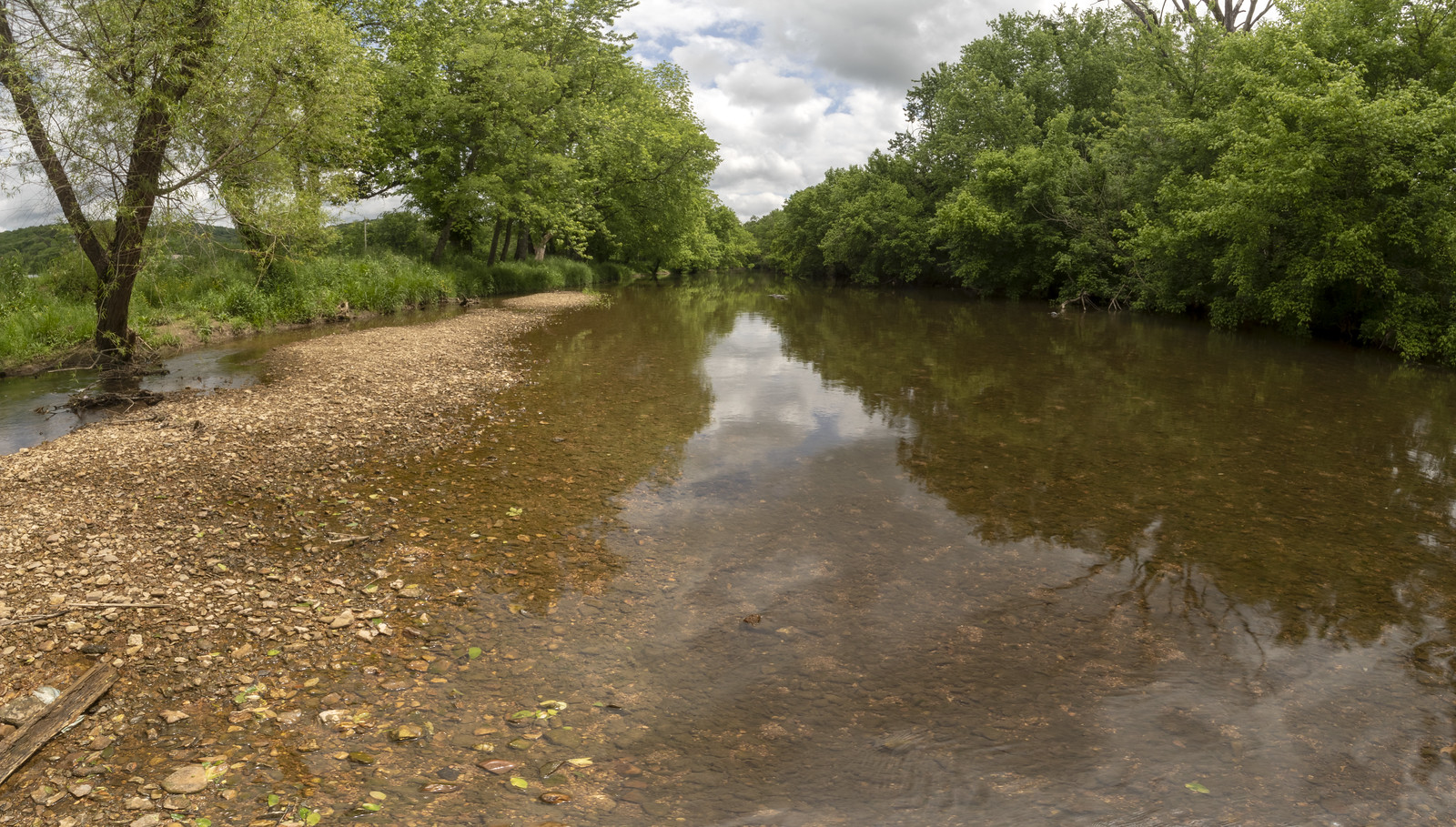
Stones River
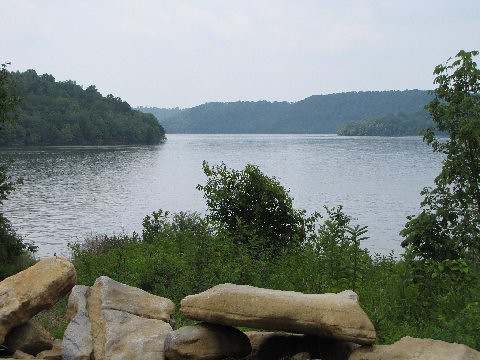
Tims Ford Lake
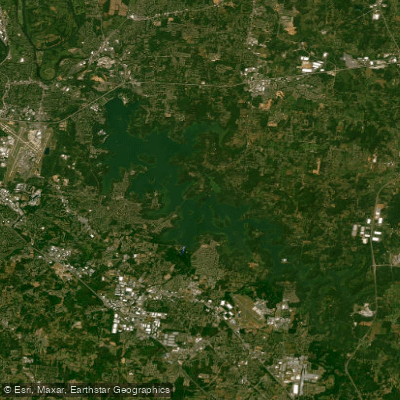
J Percy Priest Reservoir
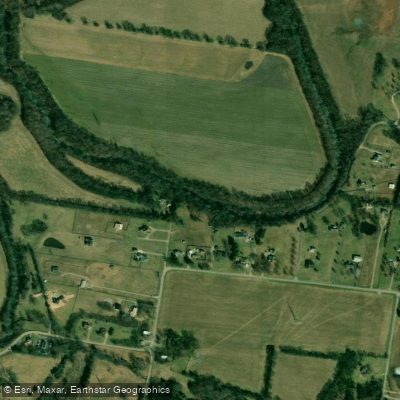
Rutherford Creek
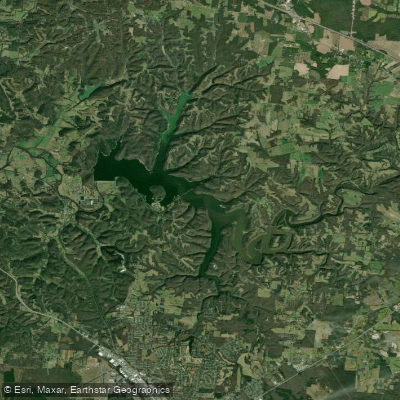
Normandy Lake
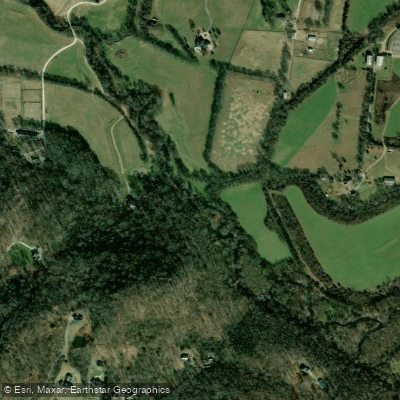
West Harpeth River
Lake Woodhaven
What to know
Habitat Distribution
- Two subspecies occur in Tennessee: the Tennessee snubnose darter (E. s. simoterum) in the Upper and Lower Tennessee River drainage units, and the Cumberland snubnose darter (E. s. atripinne) in the Lower Tennessee River and Cumberland River drainages, with intergradation occurring in the lower Tennessee River unit.
- They inhabit small, clear streams and medium-sized rivers with moderate current over gravel or bedrock substrates, preferring current-swept rocky pools and adjacent riffles with low turbidity.
Key Locations
- Look for them in small to medium Tennessee streams within the Tennessee and Cumberland River drainages, particularly upland tributaries.
- Found widely distributed in upland streams of the Tennessee River drainage downstream to the Duck River system and in the Cumberland River drainage upstream to Cumberland Falls.
Specific Spots
- Focus on areas with little to no vegetation or light algae growth.
- Target clear, flowing streams with gravel or bedrock substrates, moderate current, and rocky pools.
Tennessee Snubnose Darter FAQ
Answers from onWater's species guide.
What are the best lures and bait for Tennessee Snubnose Darter in Tennessee?
Since they feed heavily on midge larvae, mayfly nymphs, and caddisfly larvae, tiny flies or micro-lures that imitate these insects work best. Since they have small mouths and feed primarily on tiny aquatic insects, presentations must be appropriately scaled down.
What flies work for Tennessee Snubnose Darter in Tennessee?
The Dixie Darter fly pattern has been developed specifically for imitating darter species and can be effective for these colorful minnow-like fish.
When is the best time to fish for Tennessee Snubnose Darter in Tennessee?
The best fishing occurs outside spawning season (avoid March through early May when they're breeding). Their peak feeding activity occurs in April (though this coincides with spawning, so avoid this period), with reduced activity during temperature extremes in January and July.
How do you catch Tennessee Snubnose Darter in Tennessee?
Sight fishing is the preferred method. Success requires patience and precise presentation to individual fish in their preferred rocky pool habitats.
What do Tennessee Snubnose Darter eat?
Their diet consists primarily of midge larvae (80-100% of stomach contents), mayfly nymphs, caddisfly larvae, copepods, cladocerans, and microcrustaceans. Food consumption peaks in April during spawning season and drops significantly during temperature extremes in January and July.
Fish smarter with real-time insights
Whether you're en route and conditions shift or you're looking for the best spot based on current flows, we enable you to make informed decisions on the fly.







See it in the app
Most maps show you water.
onWater shows you Tennessee Snubnose Darter.



- 01 · Species map filter
Map every Tennessee Snubnose Darter water
Pick Tennessee Snubnose Darter and the map zeroes in on the waters they call home. No more guessing which lake holds them.
- 02 · Waterbody species
Tap any water. See what lives there.
Species, behavior and seasonal patterns for every lake, river and pond, before you leave the driveway.
- 03 · Angler Intelligence
Ask how to catch Tennessee Snubnose Darter
Tactics, gear and timing from onWater's AI fishing guide, tuned to the species and the water you're on.
Stop guessing where Tennessee Snubnose Darter are.
Open the map, filter by Tennessee Snubnose Darter, and head to water that holds them. Download onWater and plan your next trip in minutes.
- Species map filter
- Angler Intelligence
- Fishing journal
Explore other species
Trout, bass, salmon, panfish and everything in between. Each guide unpacks the behavior, seasons, and tactics that put fish in the net.

Find which waters have the species you want to catch

Largemouth Bass

Smallmouth Bass
Micropterus dolomieu

Rainbow Trout
Oncorhynchus mykiss

Brown Trout
Salmo trutta

Brook Trout

Cutthroat Trout

Northern Pike
Esox lucius

Muskellunge
Esox masquinongy

Walleye

Black Crappie
Pomoxis nigromaculatus

Alewife
Alosa pseudoharengus
Alligator Gar

American Eel
Anguilla rostrata

American Shad
Alosa sapidissima

Bighead Carp
Hypophthalmichthys nobilis

Bigmouth Buffalo
Ictiobus cyprinellus

Black Buffalo
Ictiobus niger

Black Bullhead
Ameiurus melas

Blacknose Dace
Rhinichthys atratulus
Black Redhorse
Moxostoma duquesnei

Blue Catfish
Ictalurus furcatus

Blue Sucker
Cycleptus elongatus

Bowfin
Amia calva

Brown Bullhead
Ameiurus nebulosus

Chain Pickerel
Esox niger

Channel Catfish
Ictalurus punctatus

Common Carp
Cyprinus carpio

Creek Chub
Semotilus atromaculatus

Flathead Catfish
Pylodictis olivaris

Flier
Centrarchus macropterus

Freshwater Drum
Aplodinotus grunniens

Gizzard Shad
Dorosoma cepedianum

Golden Redhorse
Moxostoma erythrurum

Grass Carp
Ctenopharyngodon idella

Green Sunfish
Lepomis cyanellus

Lake Sturgeon
Acipenser fulvescens

Lake Trout

Longear Sunfish
Lepomis megalotis

Longnose Gar

Northern Hogsucker
Hypentelium nigricans
Tennessee licenses and regulations

Tennessee Boating Regulations
When using any type of watercraft to access a body of water, it is important to follow all federal, state, and local rules and regulations. These rules and regulations include boat permitting and licensing, invasive species inspections and stamps, life jacket and PFD rules, motor size and horsepower restrictions, noise limitations, restrictions on personal watercraft, and many more. Visit the web link below for the most current rules and regulations for this body of water.

Tennessee Fishing License
No Fishing License Needed If: You are under 13 years of age (resident or nonresident). A type 022 supplemental license is required for anglers targeting trout. State-wide creel limit 7 trout.

Tennessee Fishing Regulations
This river has a variety of species and regulations, including potential floating and/or watercraft restrictions. Because this river is specially managed for species, seasons, angling methods, and watercraft, it is strongly encouraged you check all federal, state, and local regulations before fishing. Visit any of the links below, inquire locally, or contact a local fly shop to learn current regulations and restrictions.

Tennessee Stream Access Laws
On any river or stream that’s capable of floating a craft, the public has rights to passage, hunting and fishing. The question of streambed use on designated non-navigable rivers, however, is less clear, and probably not legal.
Explore nearby waters
Explore Tennessee waters
Top fishing waters
Popular Cities
Loading popular cities...
Smarter Fishing Starts in the App.
onWater Fish gives you everything you need to plan smarter, fish better, and own every trip from first cast to last.