Longnose Dace

Longnose Dace are small freshwater minnows found throughout Tennessee's coldwater streams and trout waters. They're distributed across the eastern region, particularly in the Blue Ridge physiographic province which contains about 1,000 km of coldwater streams.
They're commonly found alongside trout and serve as important forage for larger predatory fish including trout, making them valuable indicators of healthy stream ecosystems.
Scientific Name: Rhinichthys cataractae
- Typically measure less than 100mm (4 inches) and are characterized by their distinctive fleshy snout that extends past the mouth, small barbels at the corners of the mouth, and large pectoral fins adapted for gripping in fast current.
- Adults are dark olive-brown with lighter bellies, while juveniles display a dark lateral stripe that fades with maturity.
Fishing in Tennessee
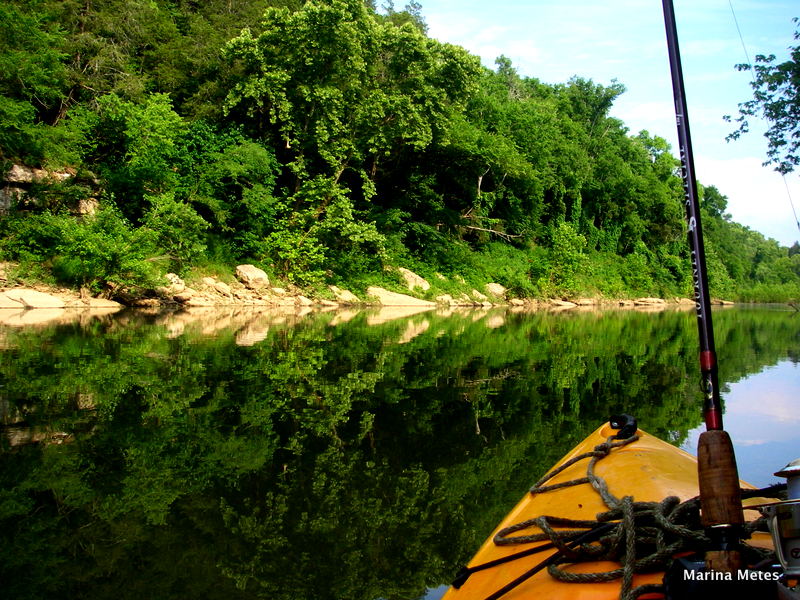
Duck River
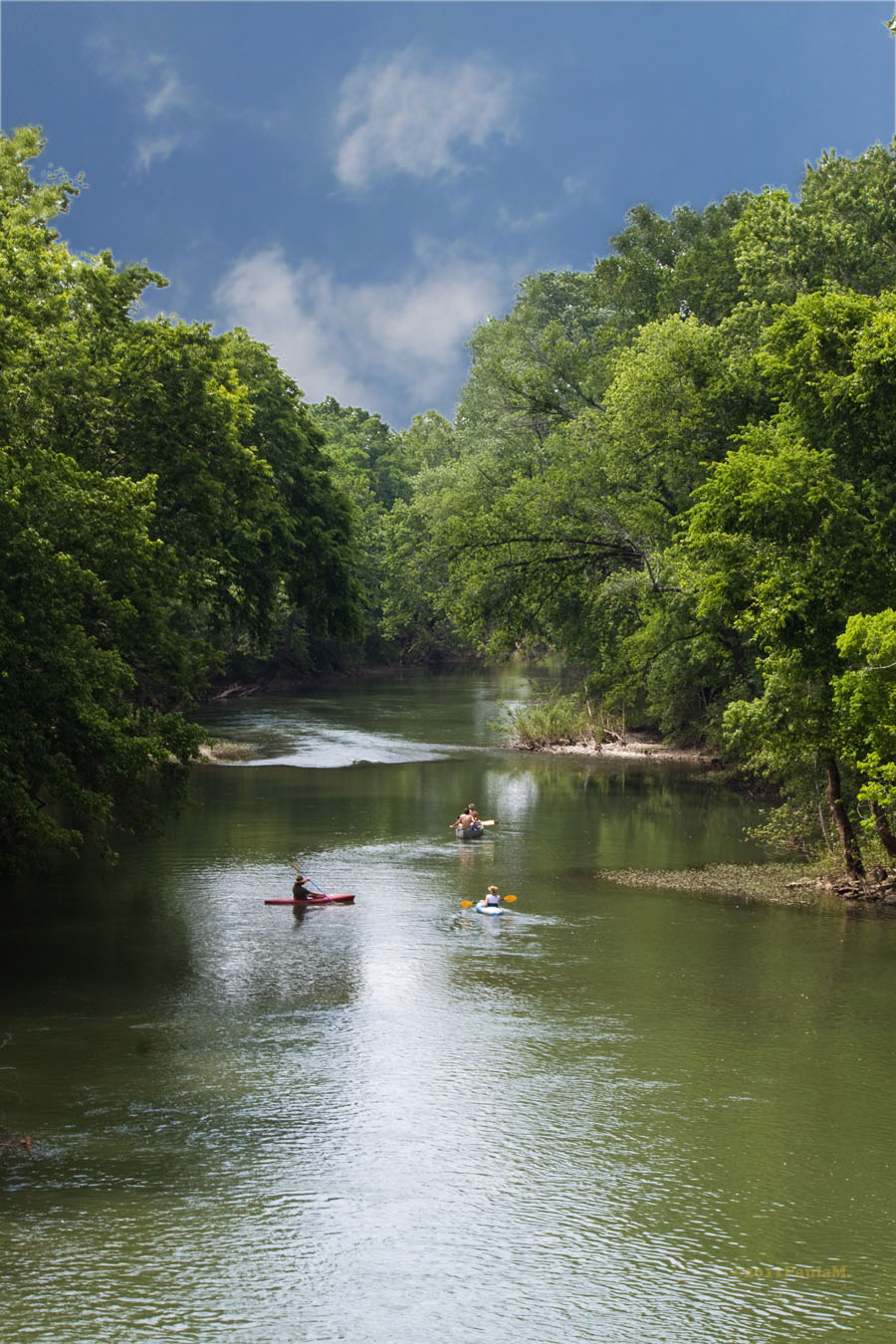
Harpeth River
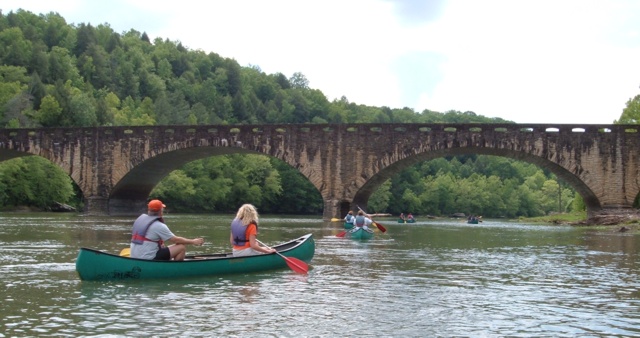
Cumberland River
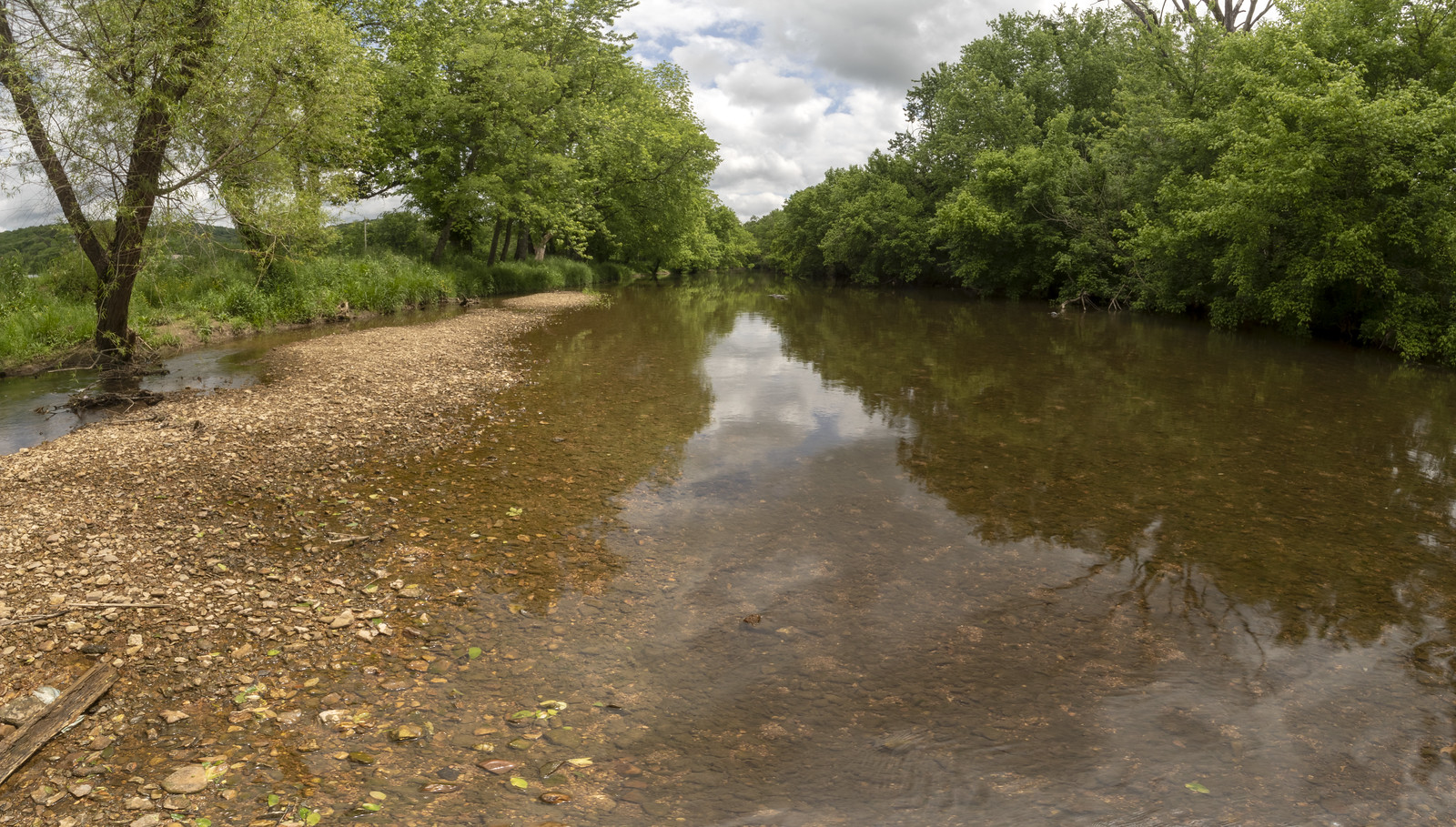
Stones River
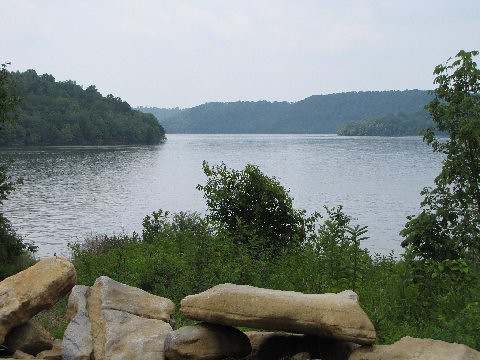
Tims Ford Lake
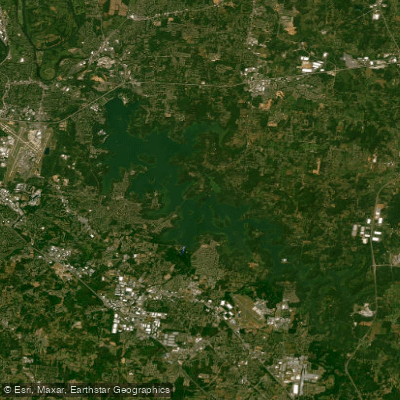
J Percy Priest Reservoir
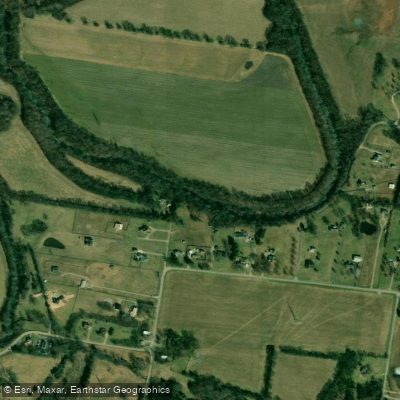
Rutherford Creek
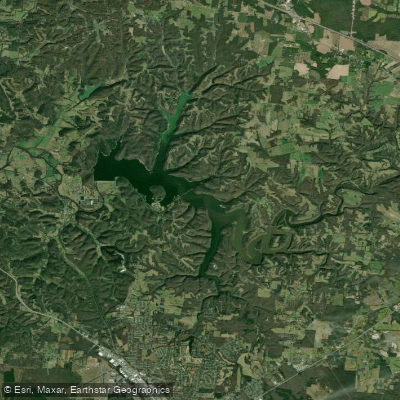
Normandy Lake
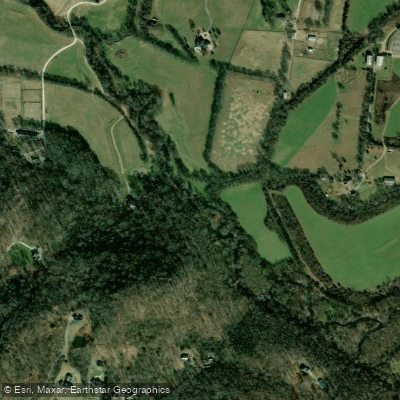
West Harpeth River
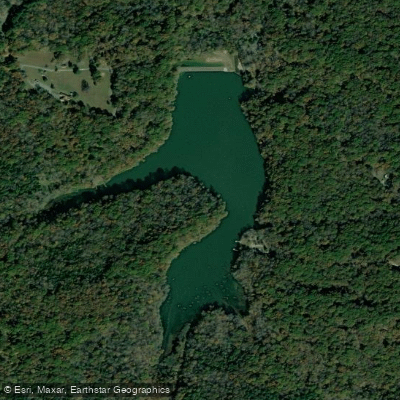
Lake Woodhaven
What to know
Habitat Distribution
- Distributed across the eastern region of Tennessee, particularly in the Blue Ridge physiographic province.
- Found in clear, rocky, fast-flowing streams with gravel bottoms.
Key Locations
- Streams like Indian Creek, Doe Creek, Beaverdam Creek, Laurel Fork, and throughout the Cherokee National Forest.
- Headwater streams in East Tennessee's trout waters, particularly in counties bordering North Carolina.
Specific Spots
- Shallow riffles during feeding, hide under rocks during daylight hours.
- Fish along rocky riffles, boulder fields, and areas with gravel substrate.
- Focus on areas with moderate to fast current.
Longnose Dace FAQ
Answers from onWater's species guide.
What are the best lures and bait for Longnose Dace in Tennessee?
Tiny pieces of nightcrawlers, small insects, or corn fished on the bottom. Small spinners (size 0-2) in silver or gold.
What flies work for Longnose Dace in Tennessee?
Tiny nymphs (size 16-20) such as midge larvae, small mayfly nymphs, or blackfly larvae patterns fished deep in fast water. The Black Nose Dace streamer pattern, originally developed by Art Flick, effectively imitates these minnows and can attract larger predatory fish.
When is the best time to fish for Longnose Dace in Tennessee?
The best fishing occurs from September through April, avoiding their spawning period (May-August). During cooler months when water temperatures drop below 15°C, they may be found in slightly deeper pools adjacent to riffles.
How do you catch Longnose Dace in Tennessee?
For bait fishing, fish on the bottom near rocky areas and riffles. Small spinners should be retrieved slowly along the bottom. Focus on areas with moderate to fast current where they feed actively.
What do Longnose Dace eat?
Opportunistic nocturnal feeders with size-dependent diets - smaller fish (≤50mm) primarily consume algae and benthic invertebrates, while larger individuals feed on aquatic insects (midges, blackflies, mayflies), terrestrial insects, fish scales, and fish e.g.gs.
Fish smarter with real-time insights
Whether you're en route and conditions shift or you're looking for the best spot based on current flows, we enable you to make informed decisions on the fly.







See it in the app
Most maps show you water.
onWater shows you Longnose Dace.



- 01 · Species map filter
Map every Longnose Dace water
Pick Longnose Dace and the map zeroes in on the waters they call home. No more guessing which lake holds them.
- 02 · Waterbody species
Tap any water. See what lives there.
Species, behavior and seasonal patterns for every lake, river and pond, before you leave the driveway.
- 03 · Angler Intelligence
Ask how to catch Longnose Dace
Tactics, gear and timing from onWater's AI fishing guide, tuned to the species and the water you're on.
Stop guessing where Longnose Dace are.
Open the map, filter by Longnose Dace, and head to water that holds them. Download onWater and plan your next trip in minutes.
- Species map filter
- Angler Intelligence
- Fishing journal
Explore other species
Trout, bass, salmon, panfish and everything in between. Each guide unpacks the behavior, seasons, and tactics that put fish in the net.

Find which waters have the species you want to catch

Largemouth Bass

Smallmouth Bass
Micropterus dolomieu

Rainbow Trout
Oncorhynchus mykiss

Brown Trout
Salmo trutta

Brook Trout

Cutthroat Trout

Northern Pike
Esox lucius

Muskellunge
Esox masquinongy

Walleye

Black Crappie
Pomoxis nigromaculatus

Alewife
Alosa pseudoharengus
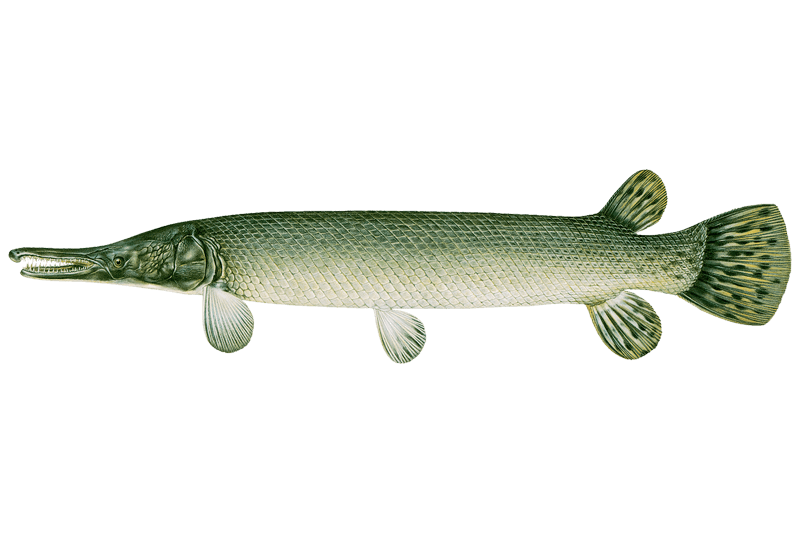
Alligator Gar

American Eel
Anguilla rostrata

American Shad
Alosa sapidissima

Bighead Carp
Hypophthalmichthys nobilis

Bigmouth Buffalo
Ictiobus cyprinellus

Black Buffalo
Ictiobus niger

Black Bullhead
Ameiurus melas

Blacknose Dace
Rhinichthys atratulus
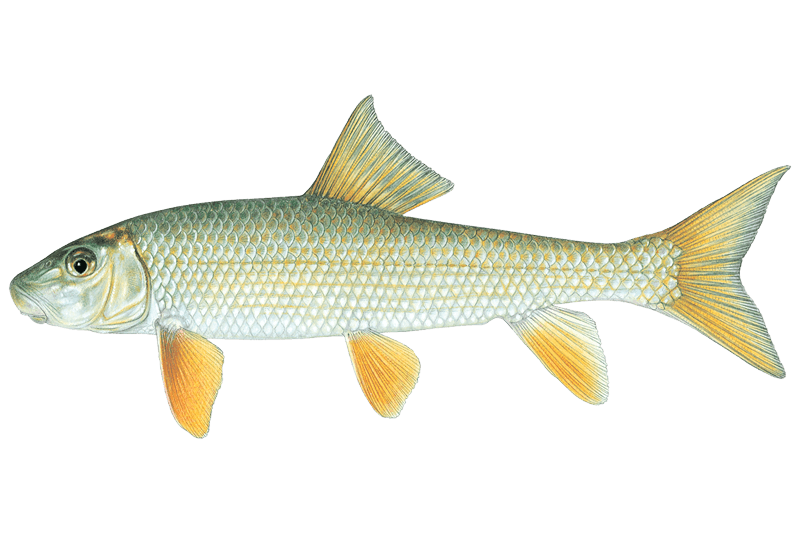
Black Redhorse
Moxostoma duquesnei

Blue Catfish
Ictalurus furcatus

Blue Sucker
Cycleptus elongatus

Bowfin
Amia calva

Brown Bullhead
Ameiurus nebulosus

Chain Pickerel
Esox niger

Channel Catfish
Ictalurus punctatus

Common Carp
Cyprinus carpio

Creek Chub
Semotilus atromaculatus

Flathead Catfish
Pylodictis olivaris

Flier
Centrarchus macropterus

Freshwater Drum
Aplodinotus grunniens

Gizzard Shad
Dorosoma cepedianum

Golden Redhorse
Moxostoma erythrurum

Grass Carp
Ctenopharyngodon idella

Green Sunfish
Lepomis cyanellus

Lake Sturgeon
Acipenser fulvescens

Lake Trout

Longear Sunfish
Lepomis megalotis

Longnose Gar

Northern Hogsucker
Hypentelium nigricans
Tennessee licenses and regulations

Tennessee Boating Regulations
When using any type of watercraft to access a body of water, it is important to follow all federal, state, and local rules and regulations. These rules and regulations include boat permitting and licensing, invasive species inspections and stamps, life jacket and PFD rules, motor size and horsepower restrictions, noise limitations, restrictions on personal watercraft, and many more. Visit the web link below for the most current rules and regulations for this body of water.

Tennessee Fishing License
No Fishing License Needed If: You are under 13 years of age (resident or nonresident). A type 022 supplemental license is required for anglers targeting trout. State-wide creel limit 7 trout.

Tennessee Fishing Regulations
This river has a variety of species and regulations, including potential floating and/or watercraft restrictions. Because this river is specially managed for species, seasons, angling methods, and watercraft, it is strongly encouraged you check all federal, state, and local regulations before fishing. Visit any of the links below, inquire locally, or contact a local fly shop to learn current regulations and restrictions.
Tennessee Stream Access Laws
On any river or stream that’s capable of floating a craft, the public has rights to passage, hunting and fishing. The question of streambed use on designated non-navigable rivers, however, is less clear, and probably not legal.
Explore nearby waters
Explore Tennessee waters
Top fishing waters
Popular Cities
Loading popular cities...
Smarter Fishing Starts in the App.
onWater Fish gives you everything you need to plan smarter, fish better, and own every trip from first cast to last.