Logperch

Three distinct logperch species inhabit Tennessee waters: the Common Logperch (Percina caprodes), Tennessee Logperch (Percina sp.), and the critically endangered Conasauga Logperch (Percina jenkinsi).
The Common Logperch is widespread across central and northeastern North America, found throughout Tennessee and Cumberland river drainages.
Tennessee Logperch are endemic to the Duck and lower Tennessee River systems, recently described in 2017 as a distinct population.
The endangered Conasauga Logperch exists only in an 11-mile reach of the Conasauga River in southeastern Tennessee and northern Georgia.
Scientific Name: Percina caprodes (Common Logperch), Percina sp. (Tennessee Logperch), Percina jenkinsi (Conasauga Logperch)
- Logperch are characterized by their distinctive "pig-like" conical snout and tiger-stripe pattern of dark vertical bars on a yellowish background.
- They typically reach 15-18 centimeters (6-7 inches) maximum length, with the Conasauga species growing up to 4.6 inches.
- Their specialized snout is perfectly adapted for their unique feeding behavior - flipping over rocks and substrate to expose prey underneath.
Fishing in Tennessee
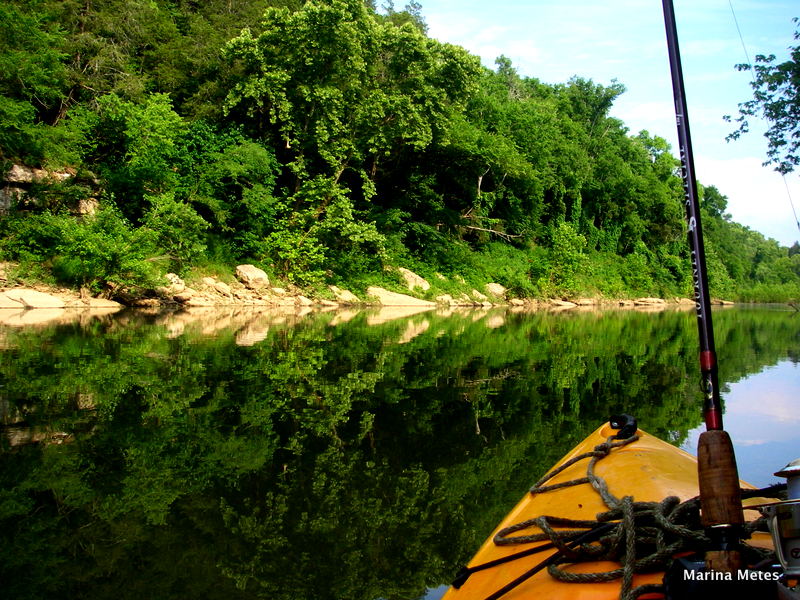
Duck River
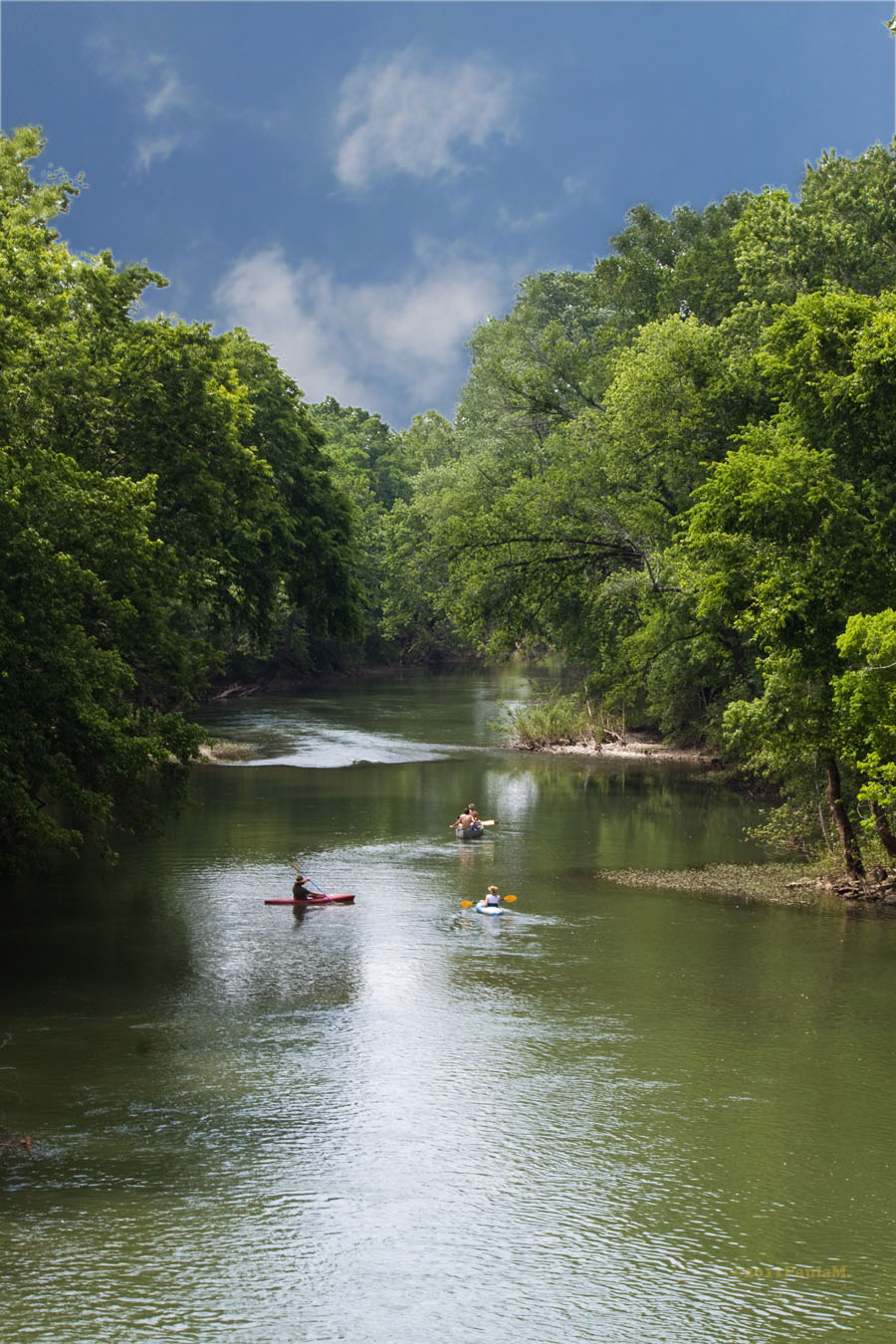
Harpeth River
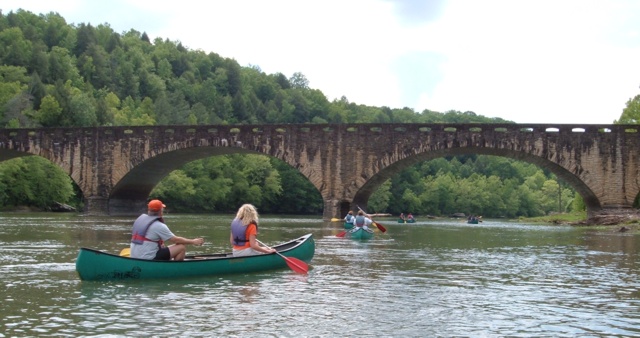
Cumberland River
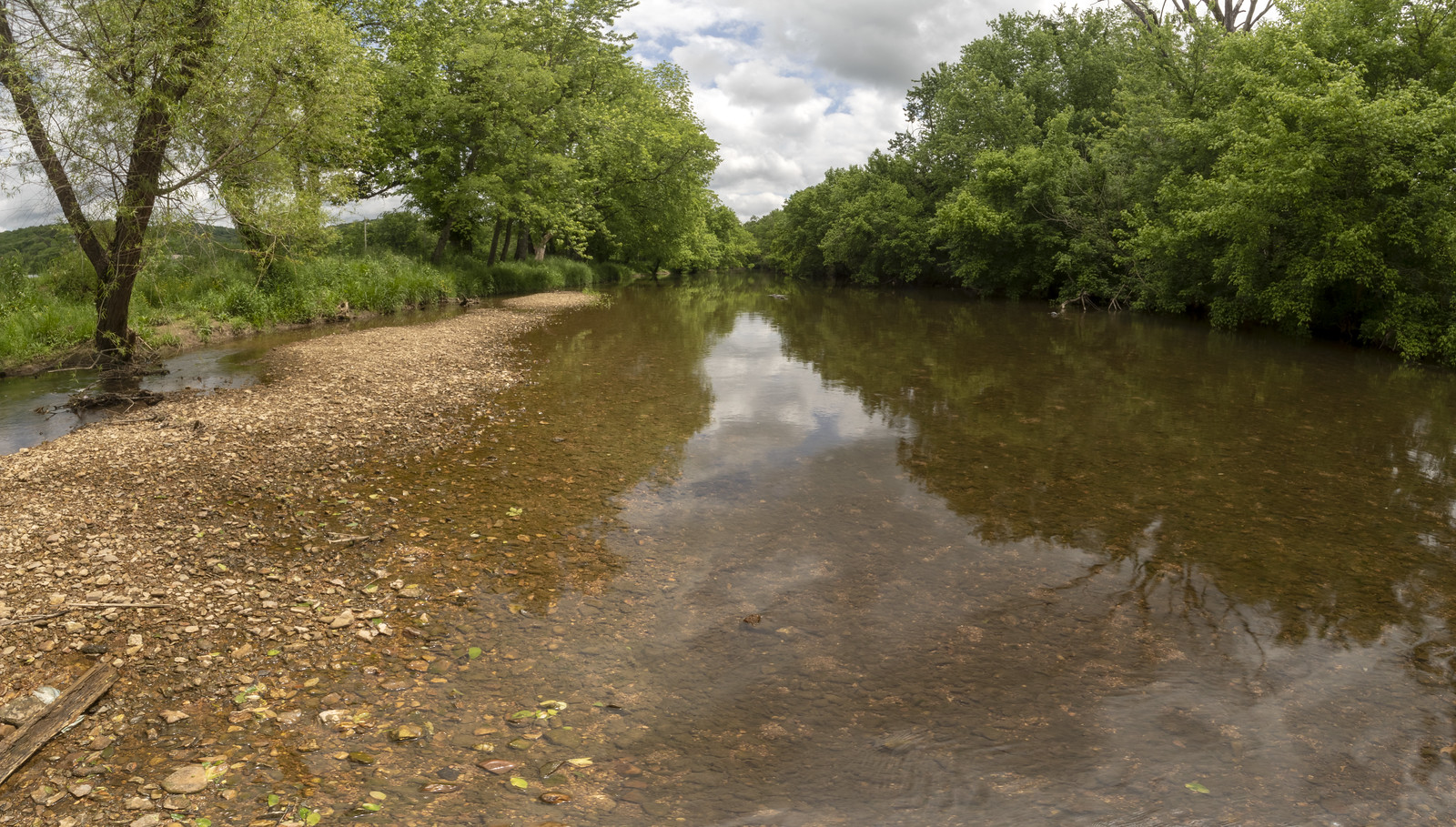
Stones River
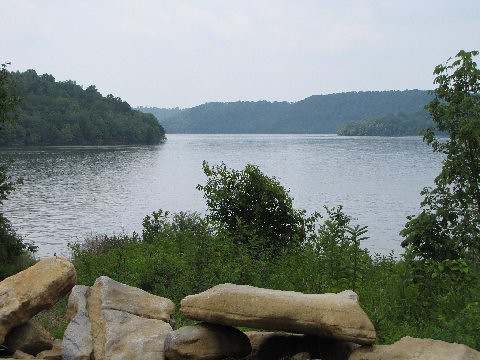
Tims Ford Lake
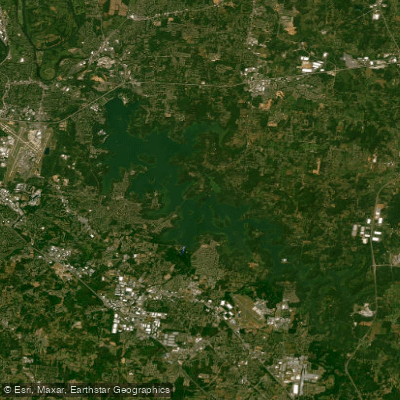
J Percy Priest Reservoir
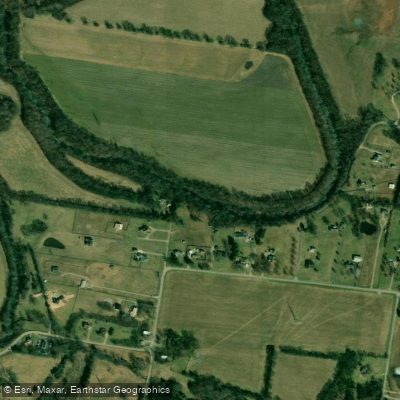
Rutherford Creek
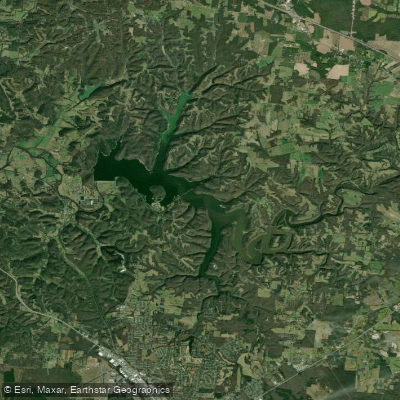
Normandy Lake
West Harpeth River
Lake Woodhaven
What to know
Habitat Distribution
- Logperch prefer clean riffles with gravel and sandy substrate in fast-moving streams and clear, rocky areas of large rivers and reservoirs.
Key Locations
- Prime locations in Tennessee include rocky sections of the Pigeon River (particularly around Tannery Island and Denton areas), the Tellico River near Tellico Plains, and similar habitat in the Tennessee and Cumberland river systems.
- In Tennessee, they inhabit the Pigeon River, Tellico River, and various reservoirs and tributary systems.
Specific Spots
- Focus on areas with gravel-cobble substrate, depths of 2-5 feet, and noticeable current.
- Clean gravel riffles and rocky areas with moderate to swift current.
Logperch FAQ
Answers from onWater's species guide.
What flies work for Logperch in Tennessee?
Size 12-16 nymph patterns work well, particularly those imitating mayfly nymphs, midge larvae, and small stone flies. Traditional patterns like Pheasant Tail nymphs, Hare's Ear nymphs, and Zebra Midges in smaller sizes can be effective.
When is the best time to fish for Logperch in Tennessee?
Logperch are most active during moderate water temperatures in spring and fall. Avoid the spawning period in spring when water reaches 60-65°F. Summer fishing can be productive in cooler, well-oxygenated sections, while winter fishing is generally poor.
How do you catch Logperch in Tennessee?
The most effective approach is fishing small nymphs and wet flies in their preferred habitat - clean gravel riffles and rocky areas with moderate to swift current. Fish these patterns using dead drift techniques along the bottom in riffle and run sections.
What do Logperch eat?
These fish are benthic feeders with a diverse diet including aquatic insect larvae (especially mayflies, midges, caddisflies, and stoneflies), riffle beetles, limpets, amphipods, chironomids, small snails, waterfleas, leeches, and fish e.g.gs. Juvenile logperch feed on rotifers, copepods, and microcrustaceans.
Where do Logperch live in Tennessee?
Logperch prefer clean riffles with gravel and sandy substrate in fast-moving streams and clear, rocky areas of large rivers and reservoirs.
Fish smarter with real-time insights
Whether you're en route and conditions shift or you're looking for the best spot based on current flows, we enable you to make informed decisions on the fly.







See it in the app
Most maps show you water.
onWater shows you Logperch.



- 01 · Species map filter
Map every Logperch water
Pick Logperch and the map zeroes in on the waters they call home. No more guessing which lake holds them.
- 02 · Waterbody species
Tap any water. See what lives there.
Species, behavior and seasonal patterns for every lake, river and pond, before you leave the driveway.
- 03 · Angler Intelligence
Ask how to catch Logperch
Tactics, gear and timing from onWater's AI fishing guide, tuned to the species and the water you're on.
Stop guessing where Logperch are.
Open the map, filter by Logperch, and head to water that holds them. Download onWater and plan your next trip in minutes.
- Species map filter
- Angler Intelligence
- Fishing journal
Explore other species
Trout, bass, salmon, panfish and everything in between. Each guide unpacks the behavior, seasons, and tactics that put fish in the net.

Find which waters have the species you want to catch

Largemouth Bass

Smallmouth Bass
Micropterus dolomieu

Rainbow Trout
Oncorhynchus mykiss

Brown Trout
Salmo trutta

Brook Trout

Cutthroat Trout

Northern Pike
Esox lucius

Muskellunge
Esox masquinongy

Walleye

Black Crappie
Pomoxis nigromaculatus

Alewife
Alosa pseudoharengus
Alligator Gar

American Eel
Anguilla rostrata

American Shad
Alosa sapidissima

Bighead Carp
Hypophthalmichthys nobilis

Bigmouth Buffalo
Ictiobus cyprinellus

Black Buffalo
Ictiobus niger

Black Bullhead
Ameiurus melas

Blacknose Dace
Rhinichthys atratulus
Black Redhorse
Moxostoma duquesnei

Blue Catfish
Ictalurus furcatus

Blue Sucker
Cycleptus elongatus

Bowfin
Amia calva

Brown Bullhead
Ameiurus nebulosus

Chain Pickerel
Esox niger

Channel Catfish
Ictalurus punctatus

Common Carp
Cyprinus carpio

Creek Chub
Semotilus atromaculatus

Flathead Catfish
Pylodictis olivaris

Flier
Centrarchus macropterus

Freshwater Drum
Aplodinotus grunniens

Gizzard Shad
Dorosoma cepedianum

Golden Redhorse
Moxostoma erythrurum

Grass Carp
Ctenopharyngodon idella

Green Sunfish
Lepomis cyanellus

Lake Sturgeon
Acipenser fulvescens

Lake Trout

Longear Sunfish
Lepomis megalotis

Longnose Gar

Northern Hogsucker
Hypentelium nigricans
Tennessee licenses and regulations

Tennessee Boating Regulations
When using any type of watercraft to access a body of water, it is important to follow all federal, state, and local rules and regulations. These rules and regulations include boat permitting and licensing, invasive species inspections and stamps, life jacket and PFD rules, motor size and horsepower restrictions, noise limitations, restrictions on personal watercraft, and many more. Visit the web link below for the most current rules and regulations for this body of water.

Tennessee Fishing License
No Fishing License Needed If: You are under 13 years of age (resident or nonresident). A type 022 supplemental license is required for anglers targeting trout. State-wide creel limit 7 trout.

Tennessee Fishing Regulations
This river has a variety of species and regulations, including potential floating and/or watercraft restrictions. Because this river is specially managed for species, seasons, angling methods, and watercraft, it is strongly encouraged you check all federal, state, and local regulations before fishing. Visit any of the links below, inquire locally, or contact a local fly shop to learn current regulations and restrictions.

Tennessee Stream Access Laws
On any river or stream that’s capable of floating a craft, the public has rights to passage, hunting and fishing. The question of streambed use on designated non-navigable rivers, however, is less clear, and probably not legal.
Explore nearby waters
Explore Tennessee waters
Top fishing waters
Popular Cities
Loading popular cities...
Smarter Fishing Starts in the App.
onWater Fish gives you everything you need to plan smarter, fish better, and own every trip from first cast to last.