American Paddlefish

American Paddlefish are among the most unique freshwater fish in Tennessee.
These ancient "living fossils" have existed for 125 million years and are easily recognizable by their distinctive paddle-shaped rostrum (snout) that extends nearly one-third of their body length.
Scientific Name: Polyodon spathula
Also known as spoonbill, spoon-billed cat, Mississippi paddlefish
- They have smooth, scaleless skin, shark-like heterocercal tails, and almost entirely cartilaginous skeletons.
- In Tennessee, paddlefish can reach impressive sizes - Cherokee Lake holds the state record at 120 pounds, with fish over 100 pounds not uncommon.
- They average 4-5 feet in length and can live 30-60 years.
Fishing in Tennessee
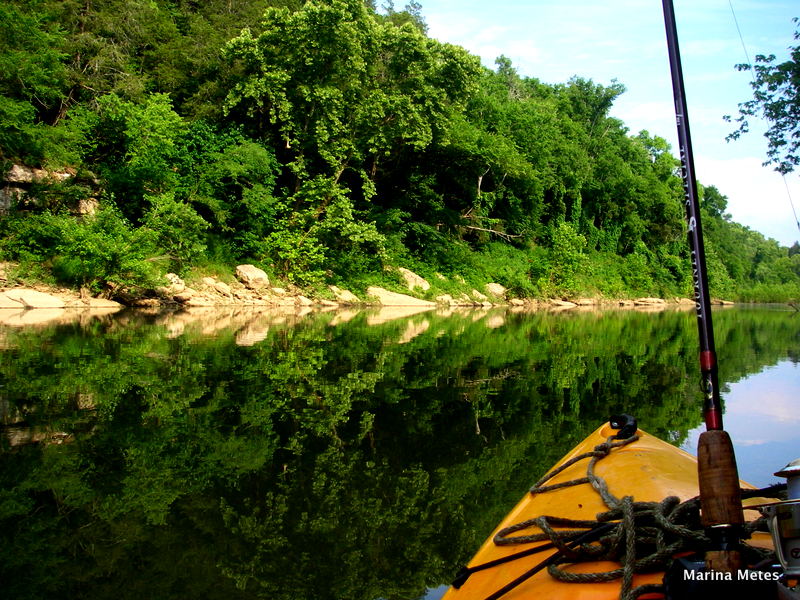
Duck River
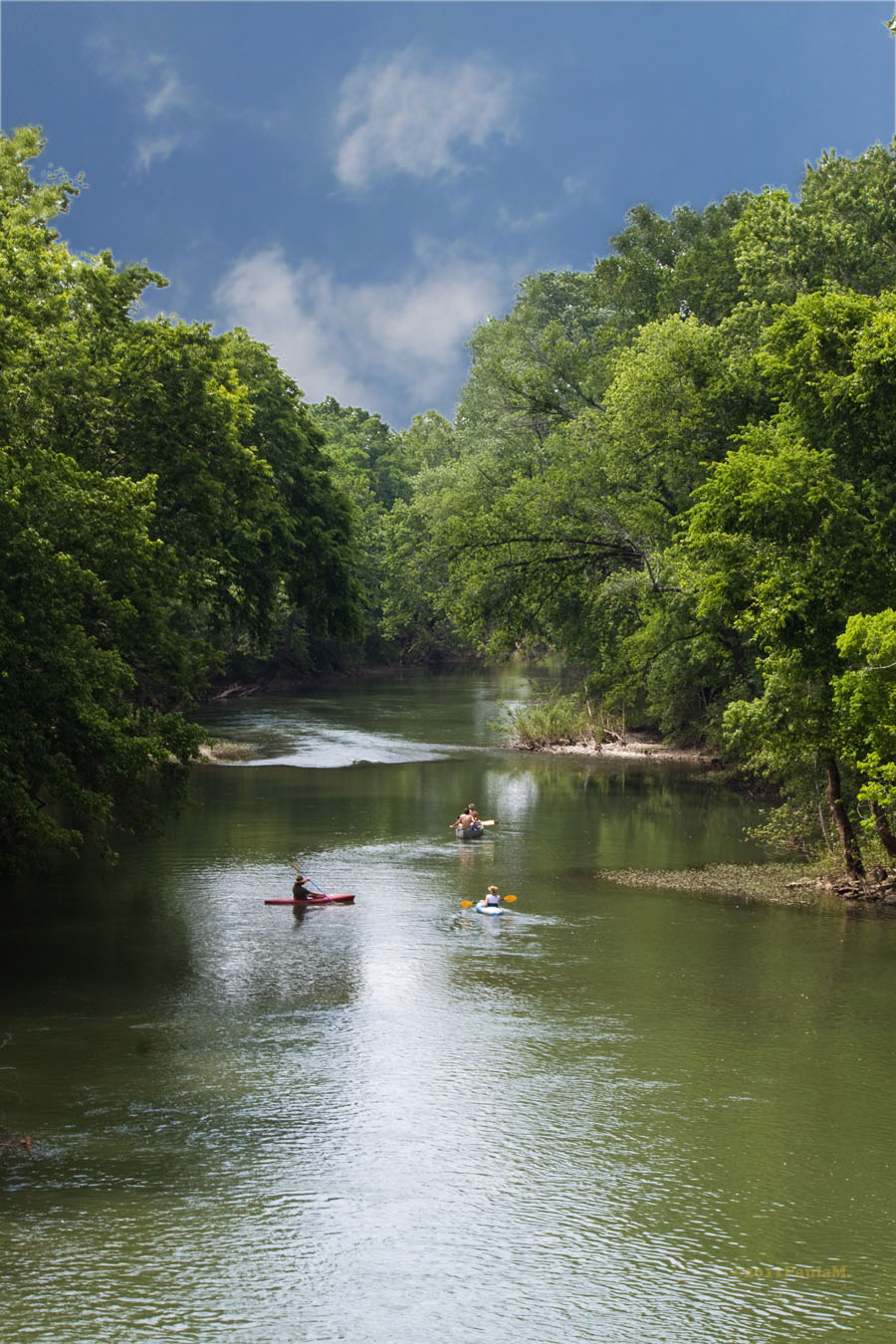
Harpeth River
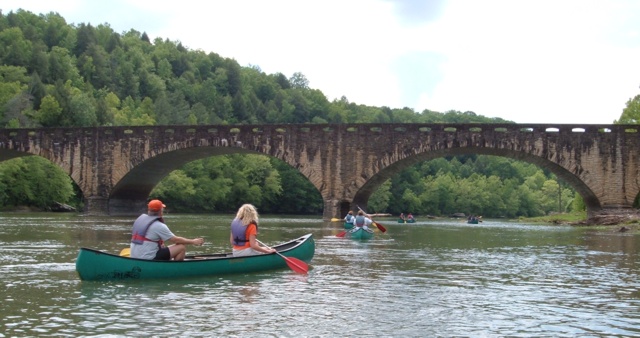
Cumberland River
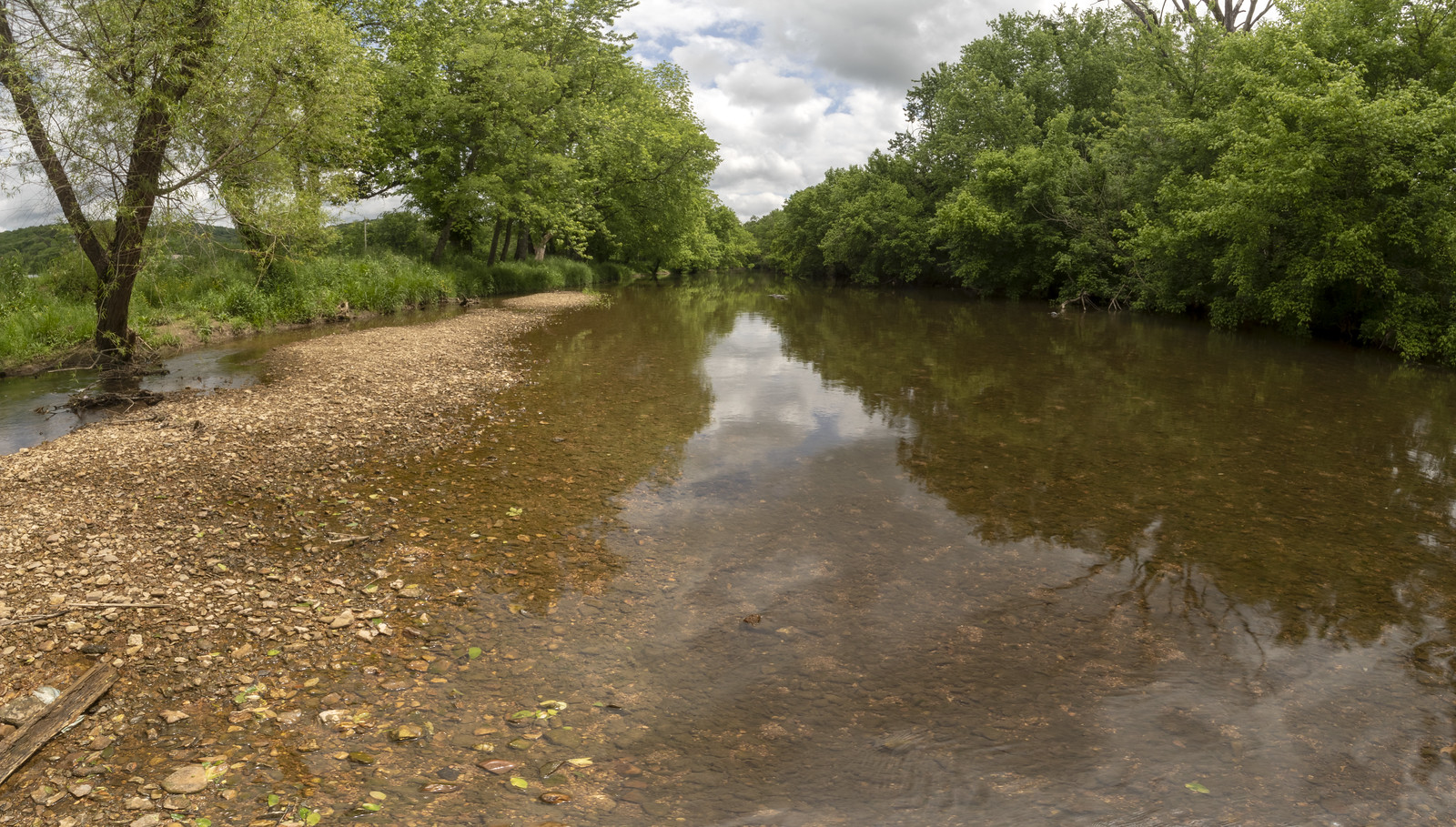
Stones River
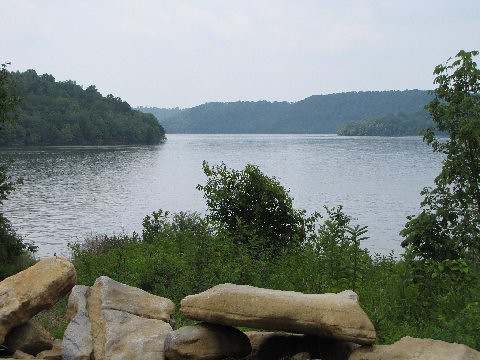
Tims Ford Lake
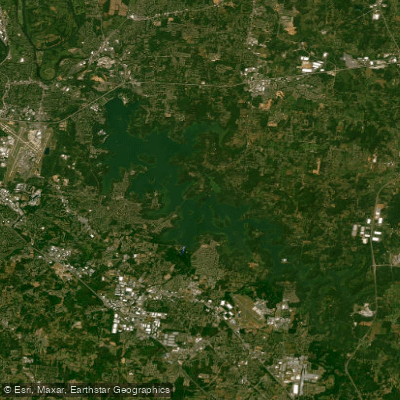
J Percy Priest Reservoir
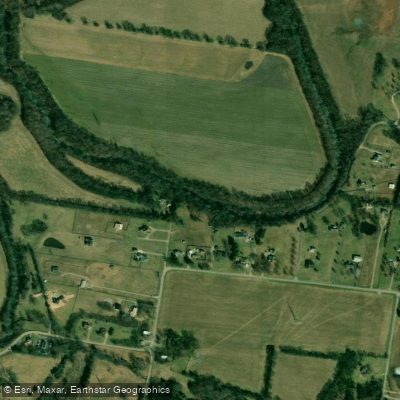
Rutherford Creek
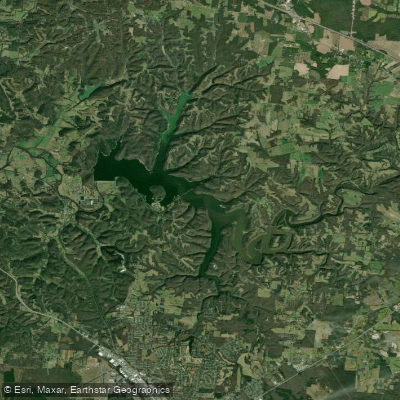
Normandy Lake
West Harpeth River
Lake Woodhaven
What to know
Habitat Distribution
- These fish inhabit deep, slow-moving waters and prefer depths greater than 1.5 meters, moving to even deeper water (over 3 meters) in late fall and winter.
Key Locations
- In Tennessee, paddlefish are found primarily in Cherokee Lake (East Tennessee), with populations also present in other Tennessee Valley Authority reservoirs including Chickamauga, Cordell Hull, Guntersville, Nickajack, and Watts Bar.
- Cherokee Lake hosts Tennessee's largest recreational paddlefish fishery.
- Focus on Cherokee Lake's Horseshoe Bend area near Rogersville, which attracts anglers from across multiple states.
Specific Spots
- Fish tailwater areas below dams, deep holes, drop-offs, gravel bars, and river mouths where inflowing water meets the lake.
- Target depths of 9+ meters and look for areas with moderate current flow.
American Paddlefish FAQ
Answers from onWater's species guide.
When is the best time to fish for American Paddlefish in Tennessee?
In Cherokee Lake, the season runs April 1-15. Other Tennessee reservoirs have seasons from April 24-May 31 (Chickamauga, Cordell Hull, Guntersville, Nickajack) or May 1-15 (Watts Bar). During spawning season, avoid fishing as they are focused on reproduction rather than feeding.
How do you catch American Paddlefish in Tennessee?
Snagging technique involves casting cross-stream or upstream, letting the rig sink to bottom, then making sweeping jerks of the rod to drag the hook through the water column hoping to foul-hook a fish. This requires significant physical endurance - rest every 20 minutes.
What do American Paddlefish eat?
Paddlefish are filter feeders with tens of thousands of sensory receptors on their rostrum to locate swarms of zooplankton, their primary food source. They also consume small invertebrates, macro-invertebrate larvae, detritus, and phytoplankton.
Where do American Paddlefish live in Tennessee?
These fish inhabit deep, slow-moving waters and prefer depths greater than 1.5 meters, moving to even deeper water (over 3 meters) in late fall and winter.
Fish smarter with real-time insights
Whether you're en route and conditions shift or you're looking for the best spot based on current flows, we enable you to make informed decisions on the fly.







See it in the app
Most maps show you water.
onWater shows you American Paddlefish.



- 01 · Species map filter
Map every American Paddlefish water
Pick American Paddlefish and the map zeroes in on the waters they call home. No more guessing which lake holds them.
- 02 · Waterbody species
Tap any water. See what lives there.
Species, behavior and seasonal patterns for every lake, river and pond, before you leave the driveway.
- 03 · Angler Intelligence
Ask how to catch American Paddlefish
Tactics, gear and timing from onWater's AI fishing guide, tuned to the species and the water you're on.
Stop guessing where American Paddlefish are.
Open the map, filter by American Paddlefish, and head to water that holds them. Download onWater and plan your next trip in minutes.
- Species map filter
- Angler Intelligence
- Fishing journal
Explore other species
Trout, bass, salmon, panfish and everything in between. Each guide unpacks the behavior, seasons, and tactics that put fish in the net.

Find which waters have the species you want to catch

Largemouth Bass

Smallmouth Bass
Micropterus dolomieu

Rainbow Trout
Oncorhynchus mykiss

Brown Trout
Salmo trutta

Brook Trout

Cutthroat Trout

Northern Pike
Esox lucius

Muskellunge
Esox masquinongy

Walleye

Black Crappie
Pomoxis nigromaculatus

Alewife
Alosa pseudoharengus
Alligator Gar

American Eel
Anguilla rostrata

American Shad
Alosa sapidissima

Bighead Carp
Hypophthalmichthys nobilis

Bigmouth Buffalo
Ictiobus cyprinellus

Black Buffalo
Ictiobus niger

Black Bullhead
Ameiurus melas

Blacknose Dace
Rhinichthys atratulus
Black Redhorse
Moxostoma duquesnei

Blue Catfish
Ictalurus furcatus

Blue Sucker
Cycleptus elongatus

Bowfin
Amia calva

Brown Bullhead
Ameiurus nebulosus

Chain Pickerel
Esox niger

Channel Catfish
Ictalurus punctatus

Common Carp
Cyprinus carpio

Creek Chub
Semotilus atromaculatus

Flathead Catfish
Pylodictis olivaris

Flier
Centrarchus macropterus

Freshwater Drum
Aplodinotus grunniens

Gizzard Shad
Dorosoma cepedianum

Golden Redhorse
Moxostoma erythrurum

Grass Carp
Ctenopharyngodon idella

Green Sunfish
Lepomis cyanellus

Lake Sturgeon
Acipenser fulvescens

Lake Trout

Longear Sunfish
Lepomis megalotis

Longnose Gar

Northern Hogsucker
Hypentelium nigricans
Tennessee licenses and regulations

Tennessee Boating Regulations
When using any type of watercraft to access a body of water, it is important to follow all federal, state, and local rules and regulations. These rules and regulations include boat permitting and licensing, invasive species inspections and stamps, life jacket and PFD rules, motor size and horsepower restrictions, noise limitations, restrictions on personal watercraft, and many more. Visit the web link below for the most current rules and regulations for this body of water.

Tennessee Fishing License
No Fishing License Needed If: You are under 13 years of age (resident or nonresident). A type 022 supplemental license is required for anglers targeting trout. State-wide creel limit 7 trout.

Tennessee Fishing Regulations
This river has a variety of species and regulations, including potential floating and/or watercraft restrictions. Because this river is specially managed for species, seasons, angling methods, and watercraft, it is strongly encouraged you check all federal, state, and local regulations before fishing. Visit any of the links below, inquire locally, or contact a local fly shop to learn current regulations and restrictions.
Tennessee Stream Access Laws
On any river or stream that’s capable of floating a craft, the public has rights to passage, hunting and fishing. The question of streambed use on designated non-navigable rivers, however, is less clear, and probably not legal.
Explore nearby waters
Explore Tennessee waters
Top fishing waters
Popular Cities
Loading popular cities...

Smarter Fishing Starts in the App.
onWater Fish gives you everything you need to plan smarter, fish better, and own every trip from first cast to last.