Fishing in Arizona
- Lakes
- 7,792
- Rivers
- 2,445
- Access
- 164
- Boat Ramps
- 167
- Shops
- 33
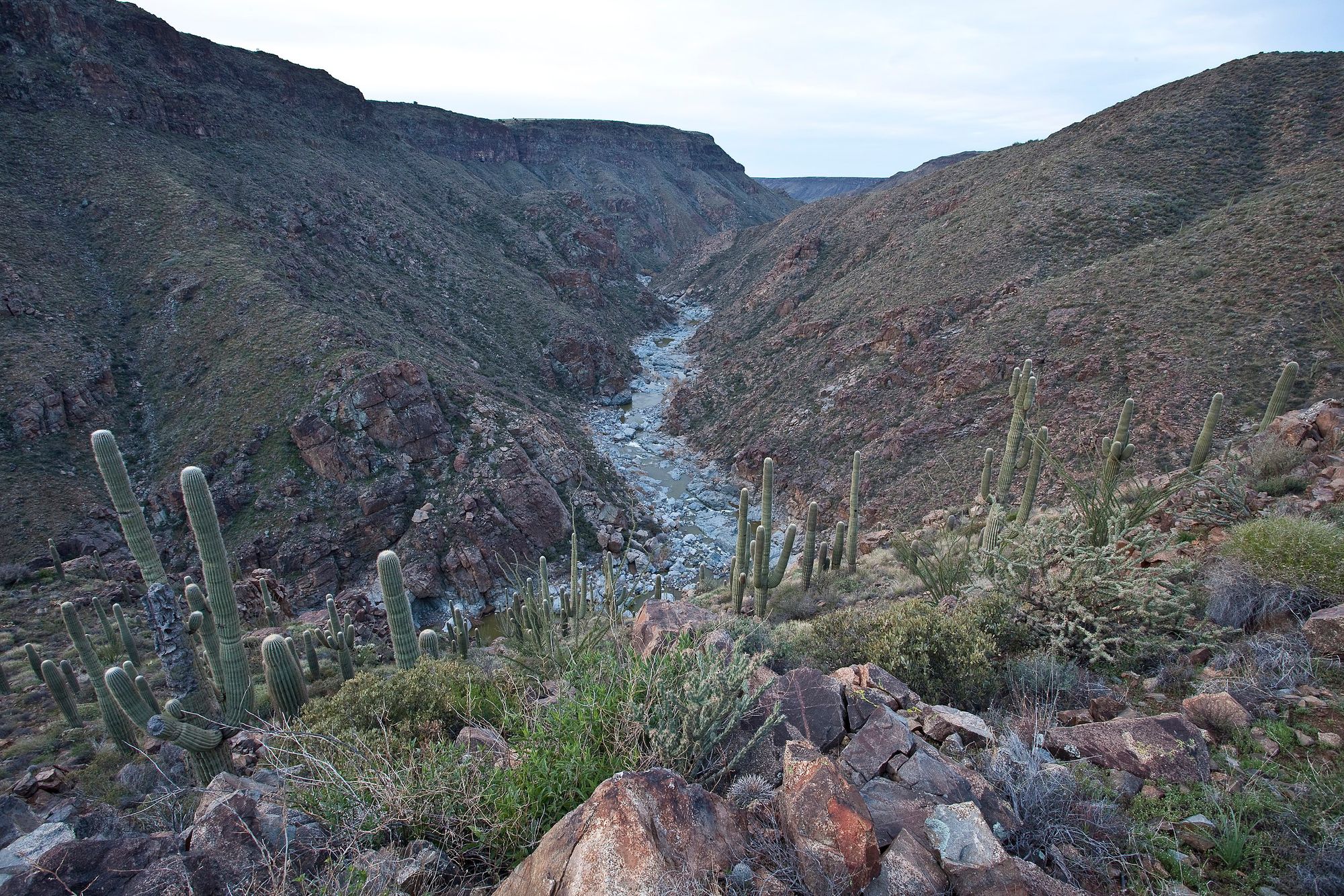
Arizona is a state of vertical extremes, where the fishing you do depends almost entirely on how high you've climbed.
Drop down into the desert and you're chasing largemouth on the Salt River reservoirs in scenery that looks like a Western set; climb to 9,000 feet in the White Mountains and you're stalking the only wild Apache trout on Earth in a ponderosa-shaded creek.
Most states don't ask their anglers to own that much gear.
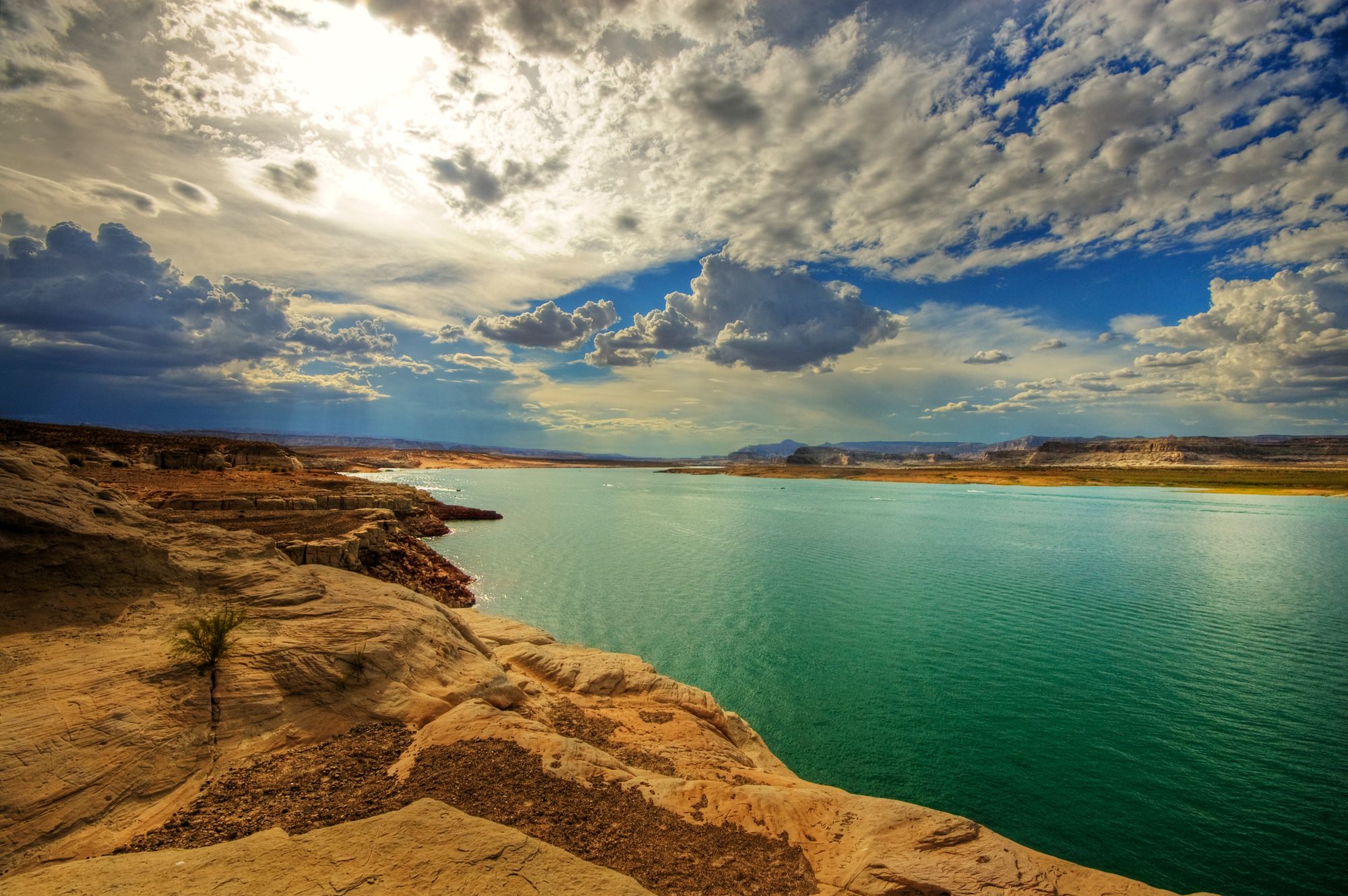
The headline trout water is Lees Ferry, a 15.5-mile tailwater below Glen Canyon Dam that holds in the high 40s year-round and produces wild rainbows in red-rock canyon country accessible only by drift boat or wading from the launch.
It's technical fishing — midges most of the year, with over 50 species in the drift — and the regulations match: two fish, fly and lure only, barbless. Stocking ended in 1998; the population is self-sustaining.
It's also a fishery under real pressure, with smallmouth and other warmwater nonnatives slipping through the dam as Lake Powell drops, a problem AZGFD has named outright as a management emergency.
The White Mountains are the other trout world, and a more complicated one.
Over 400 miles of stream and 25-plus lakes spread across the Apache-Sitgreaves and the Fort Apache Indian Reservation, where a state license buys you nothing — you need a tribal Recreation Permit, and a Special Use Permit on the Black or Salt.
The reward is the Apache trout, delisted from the Endangered Species Act in September 2024 after a half-century of work by the tribe, AZGFD, the Forest Service, and Trout Unlimited.
The tribe closed its Mount Baldy headwater streams in 1955, two decades before federal protection existed. That decision is most of the reason the fish is still here.
Hoppers and other terrestrials carry the summer; the Black River doubles as one of the better smallmouth streams in the state.
Oak Creek runs spring-fed through Sedona's red rock and fishes year-round, with a barbless catch-and-release stretch from Junipine to the West Fork trailhead.
Baetis come off in February and March; the tan caddis everyone waits for show in late June and early July.
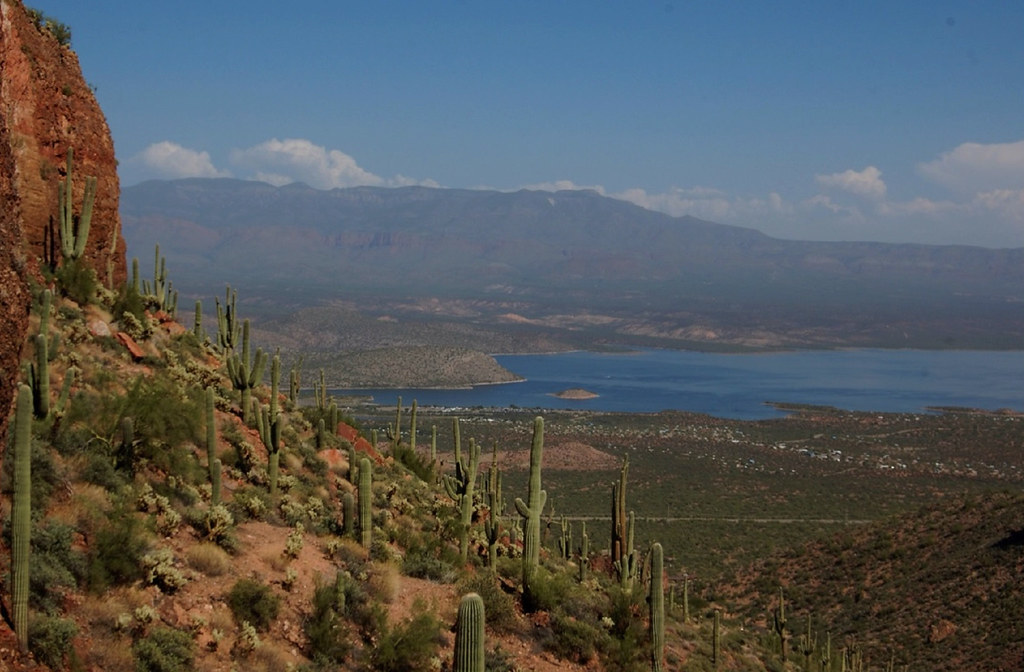
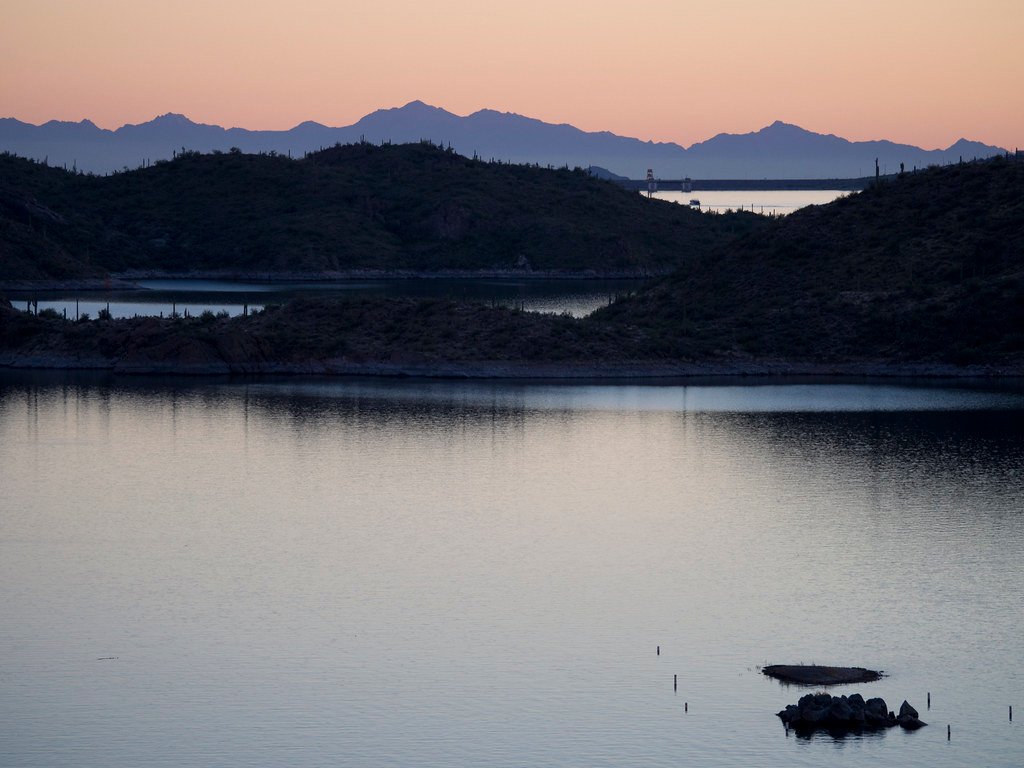
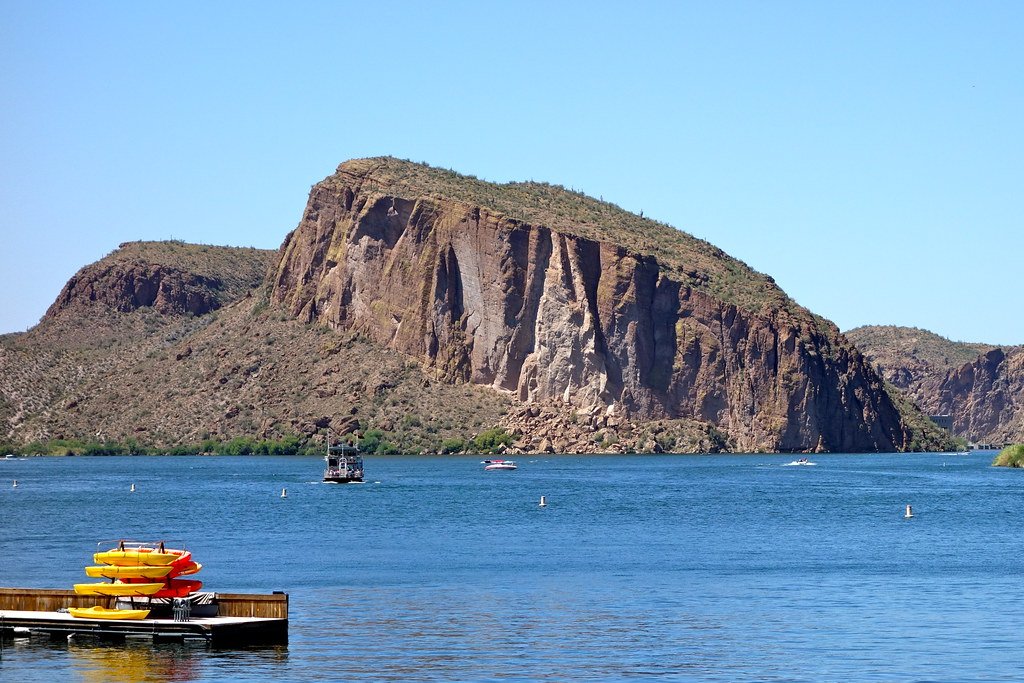
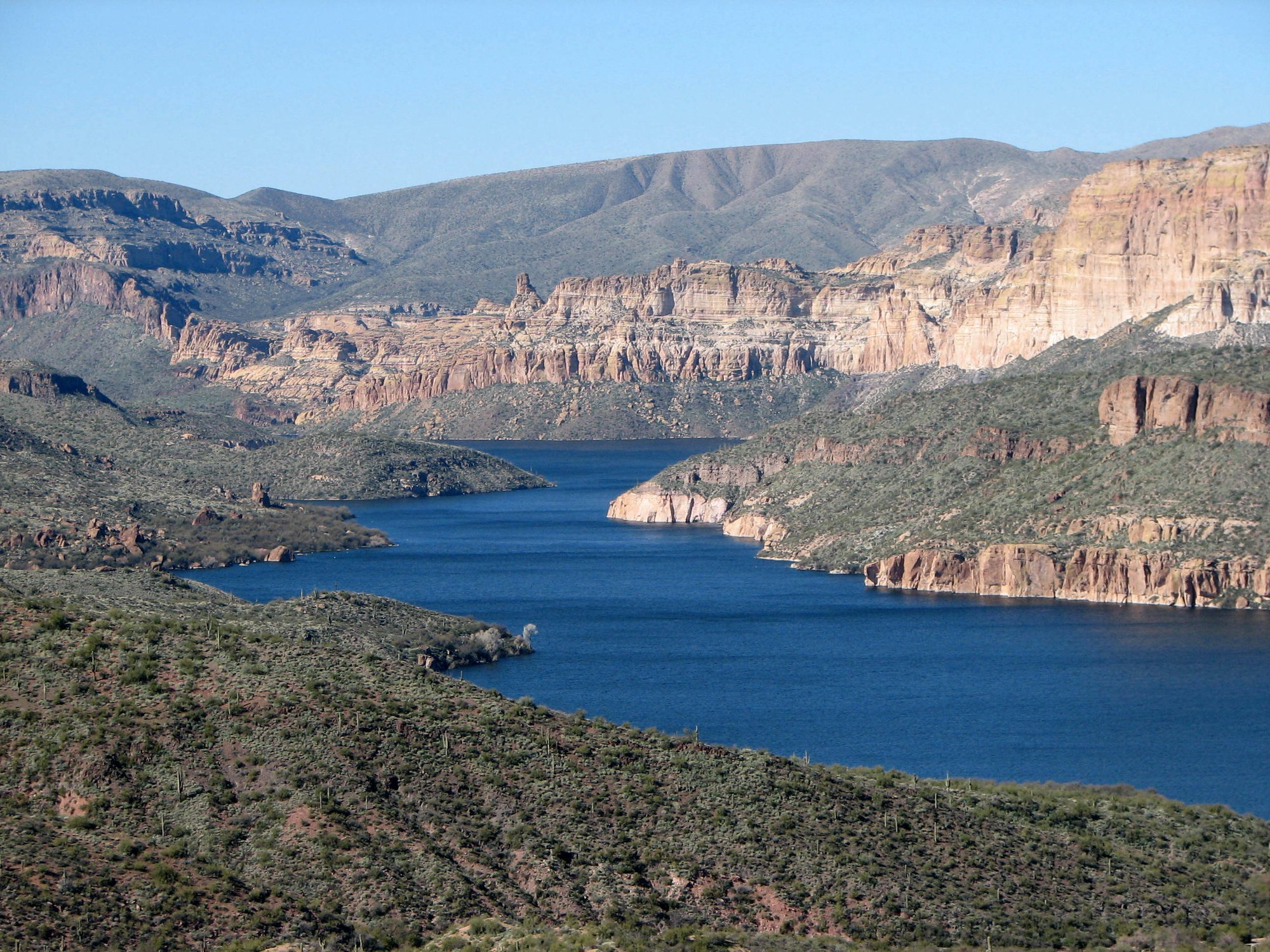
Down in the warmwater country, Roosevelt Lake is the bass anchor — 22,000 acres on the Salt, restocked with Florida-strain largemouth in 2016, and producing fish that have rewritten state records on both ends of the bass spectrum.
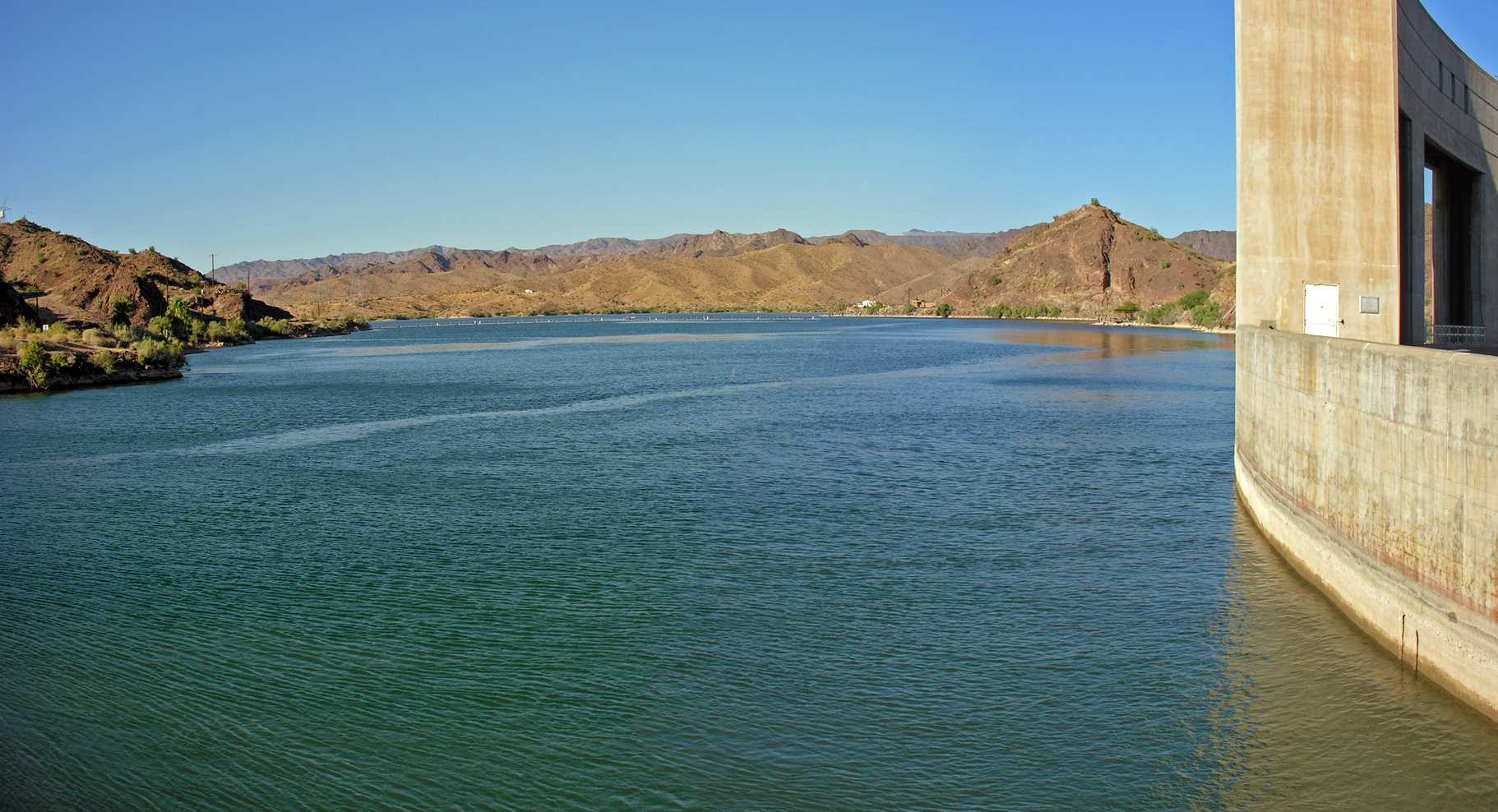
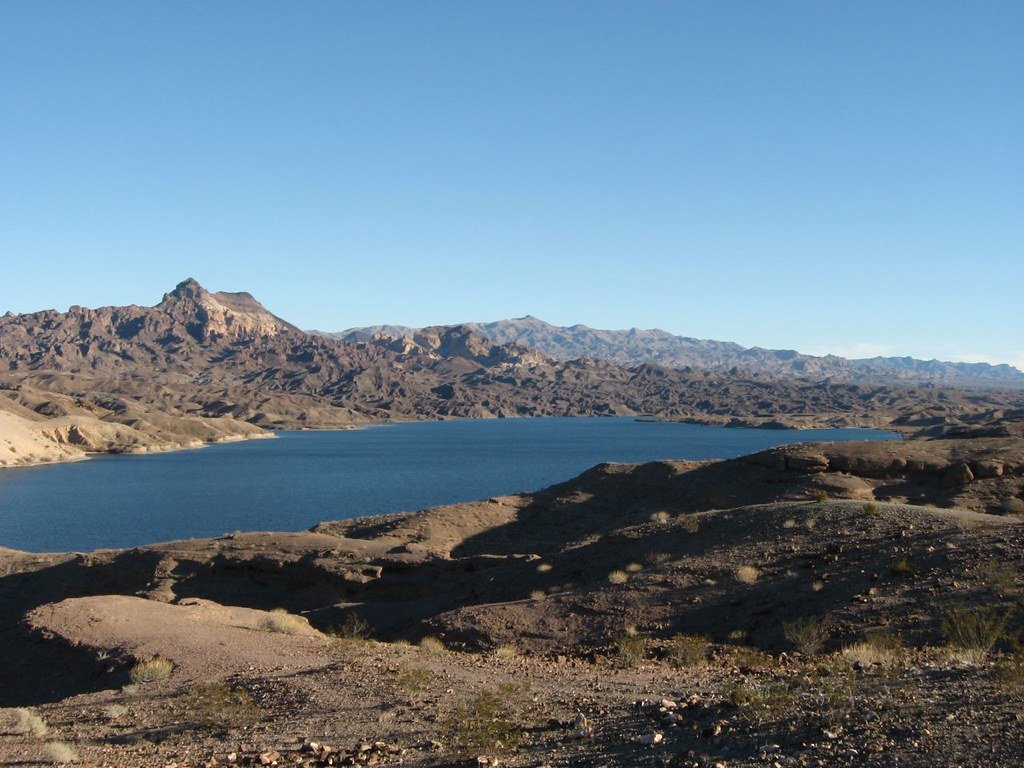
Lake Havasu carries the tournament weight, hosting WON BASS and B.A.S.S. Nation events most years. Eagle closures along the Tonto Arm and elsewhere shape the winter calendar, which is the kind of thing you learn to plan around rather than complain about.
Species & education
Learn what type of fish are in Arizona and what's needed to catch them.

Find which waters have the species you want to catch

Largemouth Bass

Smallmouth Bass
Micropterus dolomieu

Rainbow Trout

Brown Trout

Brook Trout
Salvelinus fontinalis

Cutthroat Trout

Northern Pike

Walleye
Sander vitreus

Black Crappie
Pomoxis nigromaculatus
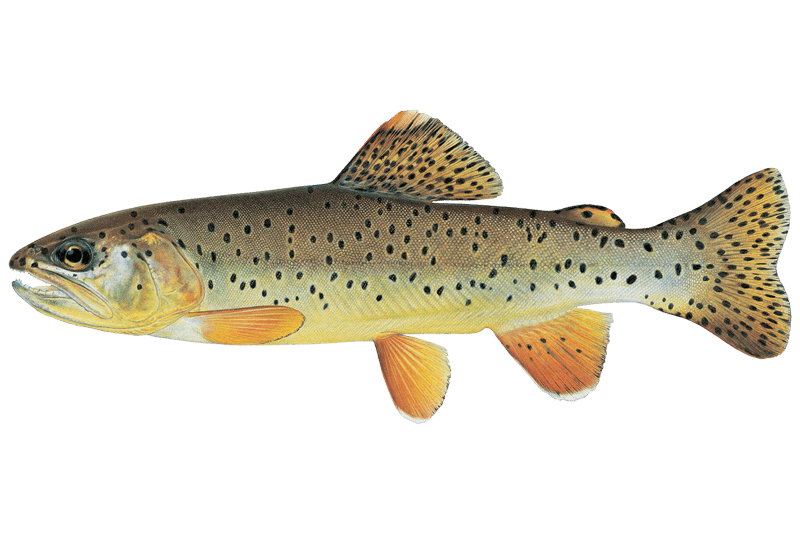
Apache Trout
Oncorhynchus apache
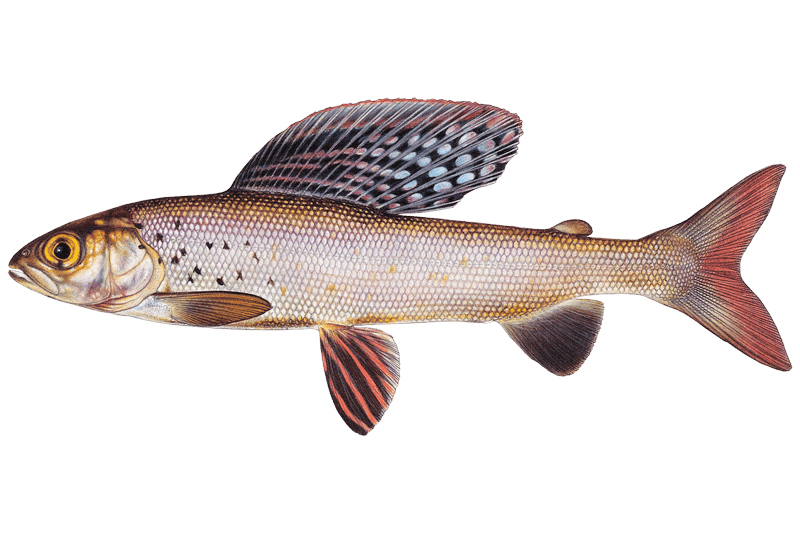
Arctic Grayling

Bigmouth Buffalo
Ictiobus cyprinellus

Black Buffalo
Ictiobus niger

Black Bullhead
Ameiurus melas

Blue Catfish
Ictalurus furcatus

Blue Tilapia
Oreochromis aureus

Brown Bullhead
Ameiurus nebulosus

Channel Catfish

Common Carp
Cyprinus carpio

Flathead Catfish
Pylodictis olivaris
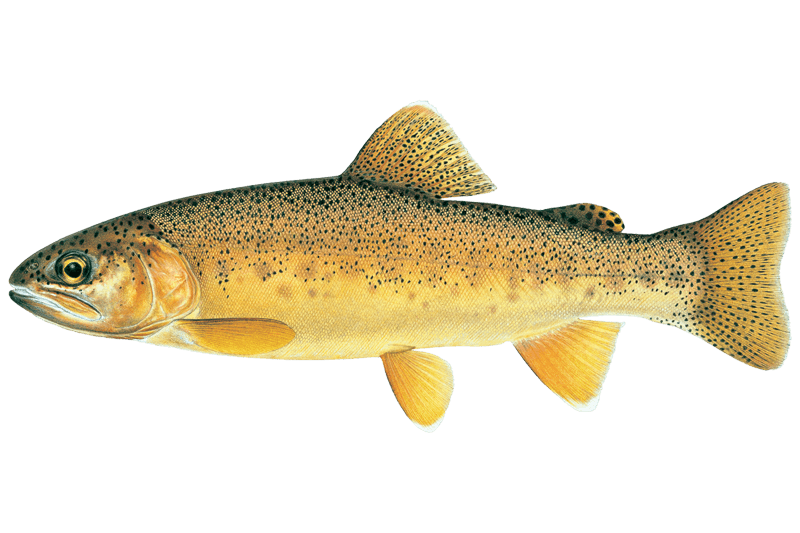
Gila Trout
Oncorhynchus gilae

Gizzard Shad
Dorosoma cepedianum

Grass Carp
Ctenopharyngodon idella

Green Sunfish
Lepomis cyanellus

Lake Trout
Salvelinus namaycush

Longear Sunfish
Lepomis megalotis

Nile Tilapia
Oreochromis niloticus

Pumpkinseed
Lepomis gibbosus

Redbelly Tilapia
Coptodon zillii

Redear Sunfish
Lepomis microlophus
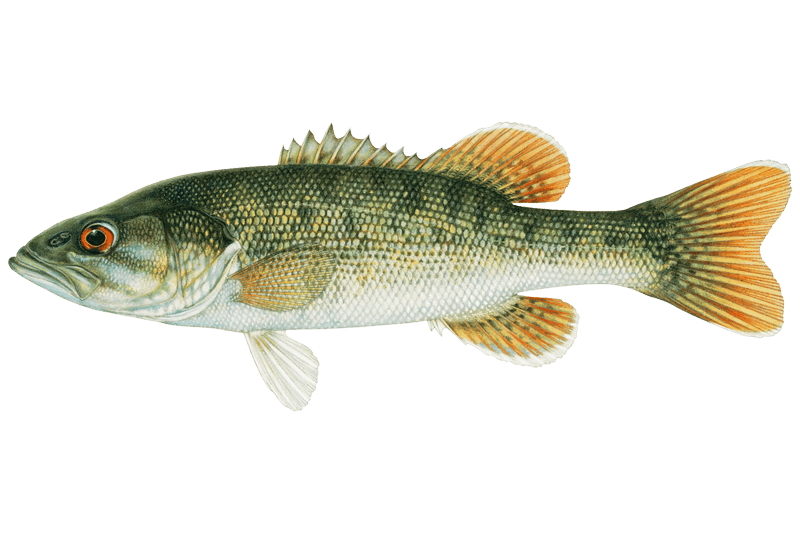
Redeye Bass

Rock Bass
Ambloplites rupestris
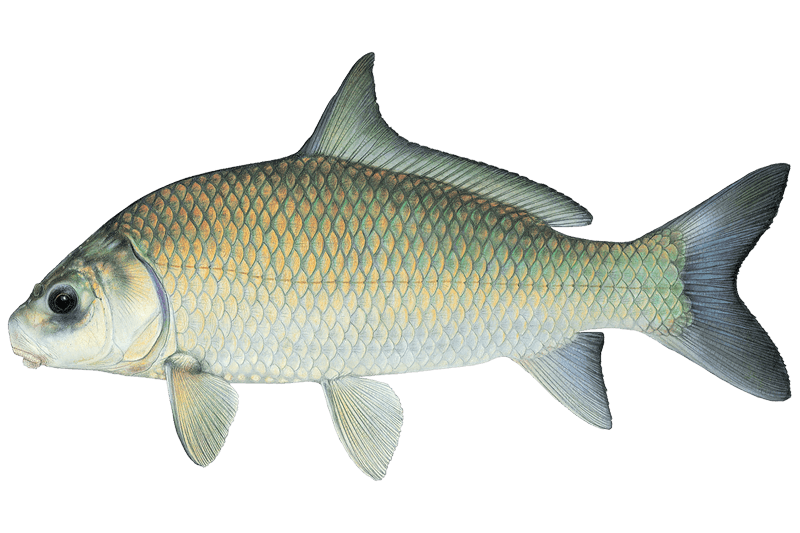
Smallmouth Buffalo
Ictiobus bubalus

Sockeye Salmon
Oncorhynchus nerka
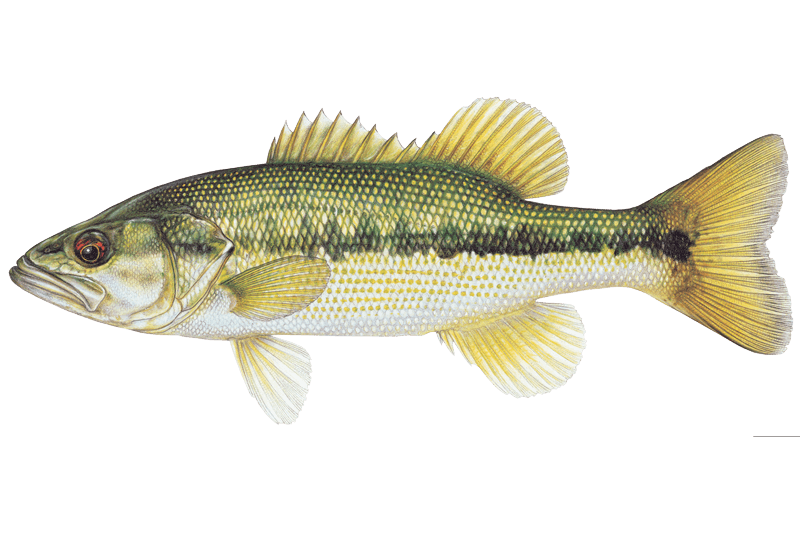
Spotted Bass
Micropterus punctulatus
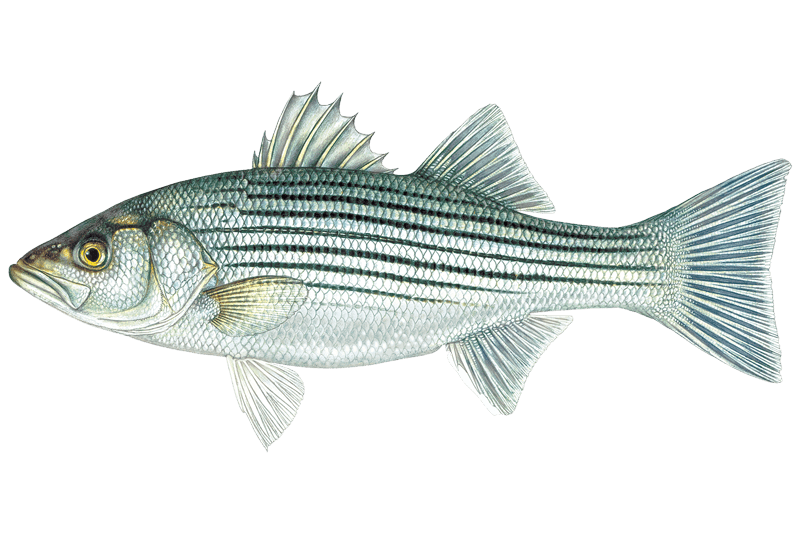
Striped Bass
Morone saxatilis
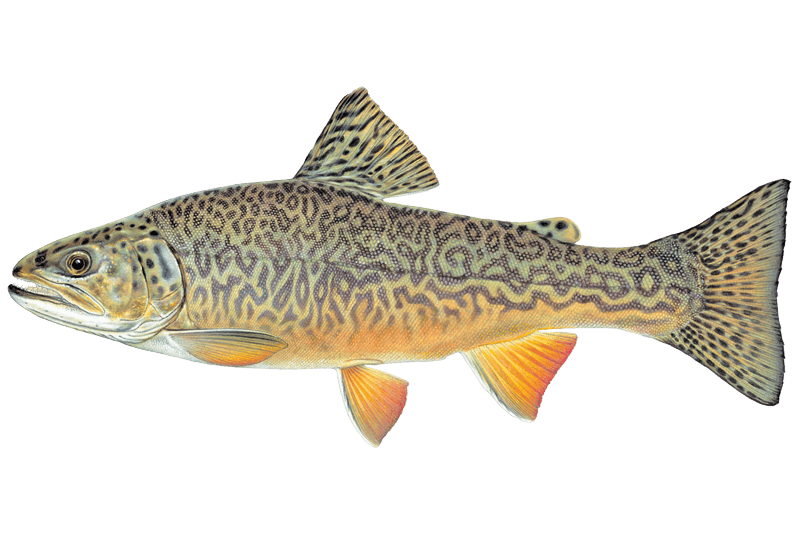
Tiger Trout
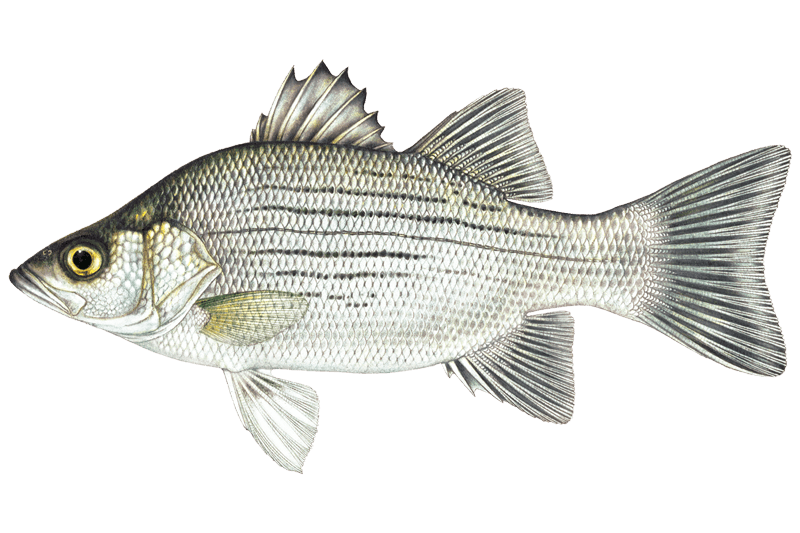
White Bass
Morone chrysops
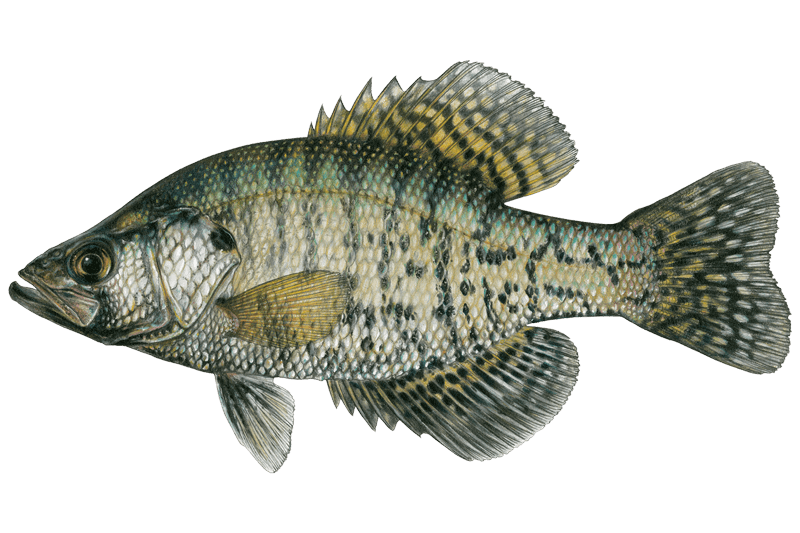
White Crappie
Pomoxis annularis
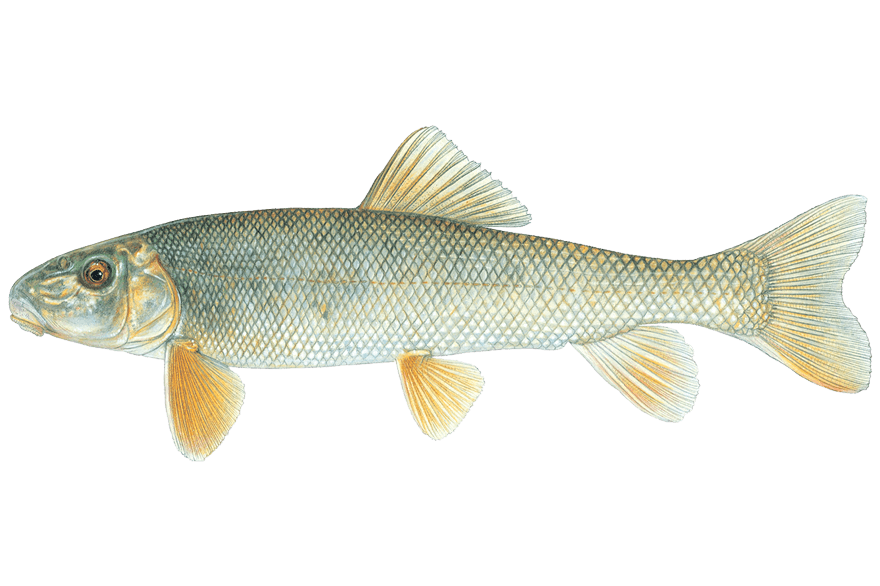
White Sucker
Catostomus commersonii
Fishing guides in Arizona
Book a trip with a local fishing guide through Guidesly.


Derek Rivchin
Lo Water Guide Service
5.0 (50 reviews)
Lo Water Guides: Phoenix Thrills Await. Book Now!
Book on Guidesly, opens in new tab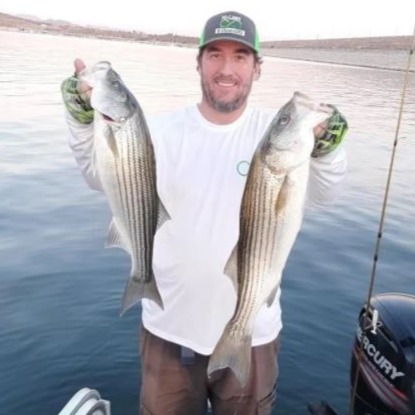
Glenn Diaz
No Limit Fishing
4.9 (14 reviews)
Get your fill of Trophy Bites in Arizona!
Book on Guidesly, opens in new tab
Caleb Labarda
AZ Legend Adventures Kayak Guided Fishing Tours
5.0 (2 reviews)
Experience Unique Verde River Kayaking, Book Today
Book on Guidesly, opens in new tab
Phil Pearce
Yuma Tours
Yuma AZ Farm & Desert Tours
Book on Guidesly, opens in new tabJesse Stalo
Sacred Sedona Excursions
Sedona Hiking Tours With History And Petroglyphs.
Book on Guidesly, opens in new tab
Todd Rice
Sonoran Outfitters
Let The Arizona Guided Big Game Hunts Begin!
Book on Guidesly, opens in new tab
Fish smarter with real-time insights
Whether you're en route and conditions shift or you're looking for the best spot based on current flows, we enable you to make informed decisions on the fly.







Arizona licenses and regulations

Arizona Boating Regulations
When using any type of watercraft to access a body of water, it is important to follow all federal, state, and local rules and regulations. These rules and regulations include boat permitting and licensing, invasive species inspections and stamps, life jacket and PFD rules, motor size and horsepower restrictions, noise limitations, restrictions on personal watercraft, and many more. Visit the web link below for the most current rules and regulations for this body of water.

Arizona Fishing License
A valid Arizona fishing license is required for Arizona resident and non-resident anglers 10 years of age or older fishing any public accessible water in Arizona. Youth under the age of 10 and blind residents do not need to purchase a state fishing license to fish in Arizona. Check the Arizona Fishing Regulations for additional information.

Arizona Fishing Regulations
This river has a variety of species and regulations, including potential floating and/or watercraft restrictions. Because this river is specially managed for species, seasons, angling methods, and watercraft, it is strongly encouraged you check all federal, state, and local regulations before fishing. Visit the links below, inquire locally, or contact a local fly shop to learn current regulations and restrictions.

Arizona Steam Access Laws
Determined by the Arizona Navigable Stream Adjudication Commission. ANSAC says for a waterway to be navigable, it must have been capable of commercial trade and travel at the time of statehood (1912). The waterway must also be wet, with water from more than just precipitation. As of 2016, ANSAC only defines the Colorado River as navigable, though decisions are pending for other streams. The federal government and private owners control all other streambeds The extent to which the public has rights in non-navigable watercourses depends upon the ownership of the streambed. For example, if the federal government has retained ownership, the public likely enjoys rights to boat, fish, wade, recreate, and portage. If, on the other hand, the streambed is privately owned, then the public may not boat, fish, or otherwise access the watercourse without the owner's permission.
National parks in Arizona
Explore Arizona waters

Smarter Fishing Starts in the App.
onWater Fish gives you everything you need to plan smarter, fish better, and own every trip from first cast to last.