Blue Tilapia

Blue Tilapia (Oreochromis aureus) are non-native cichlids from Africa and the Middle East that have been established in Arizona since about 1975. These invasive fish are now locally common in various parts of the lower Colorado River system.
Scientific Name: Oreochromis aureus
Silvery-gray with a blue-green tint, averaging 1-2 feet long and weighing 2-5 pounds, though they can reach up to 10+ pounds
Fishing in Arizona
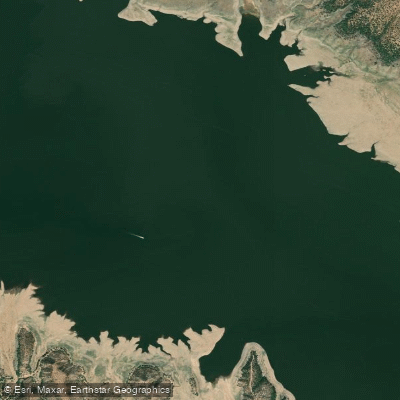
Salt River
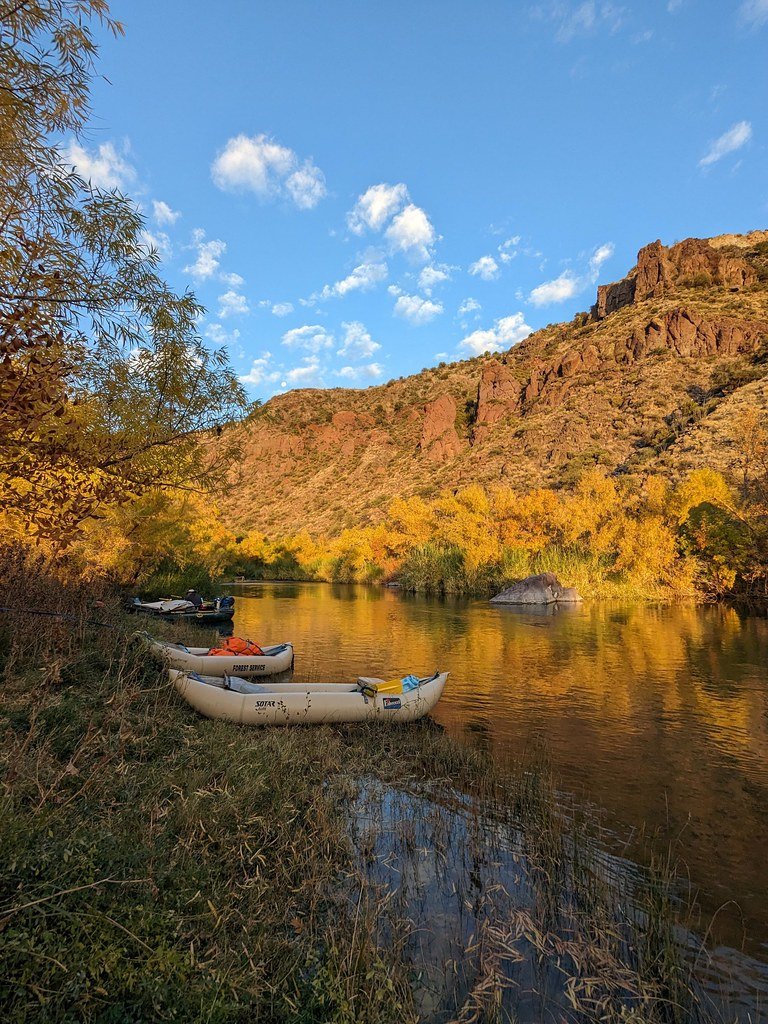
Verde River
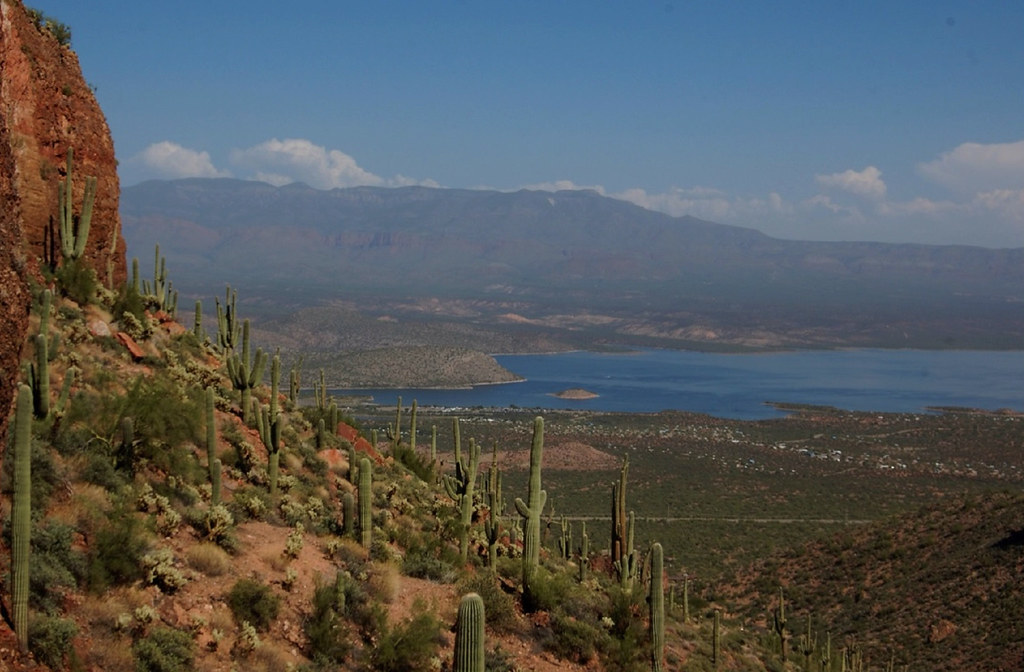
Theodore Roosevelt Lake
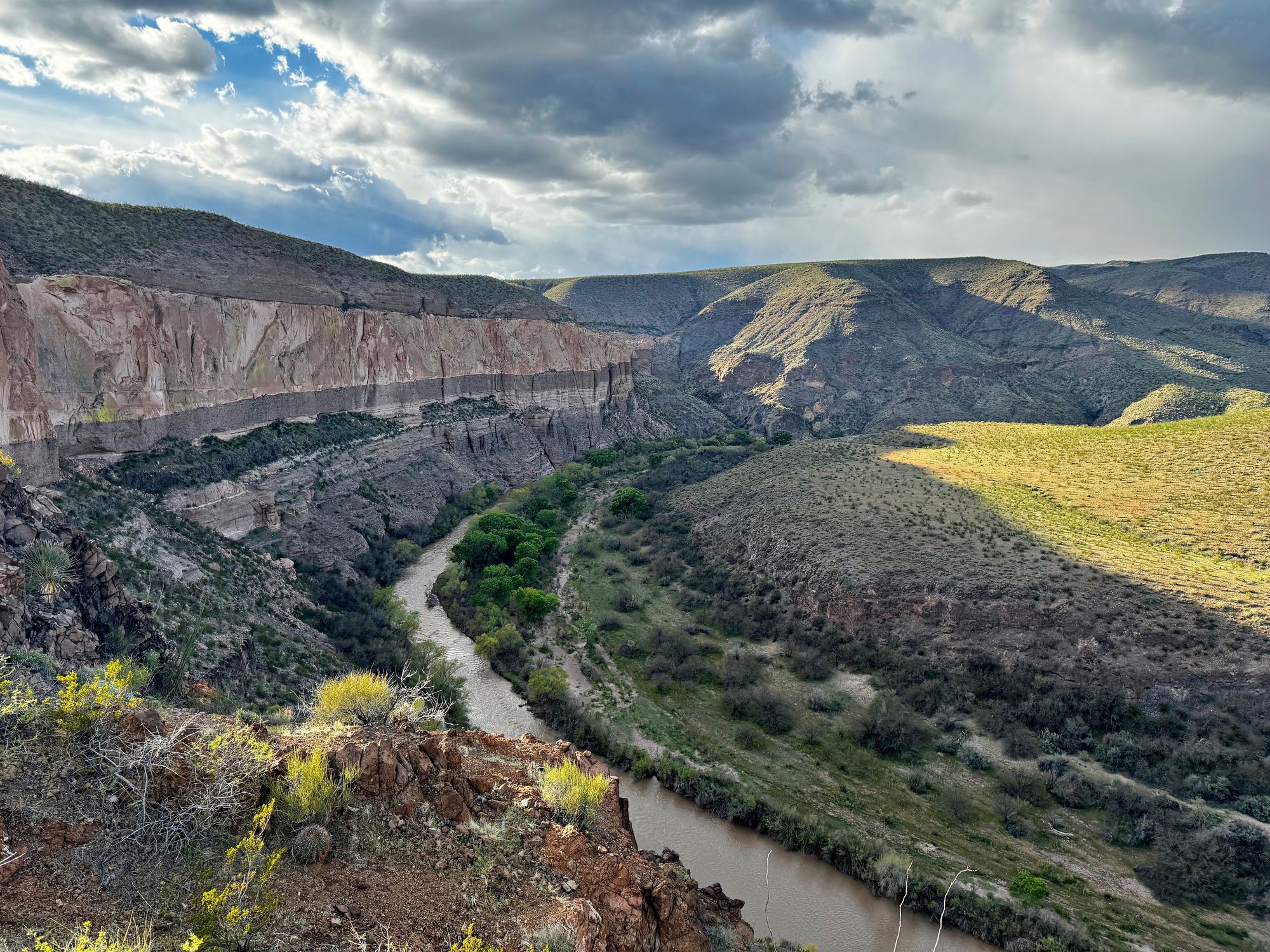
Gila River
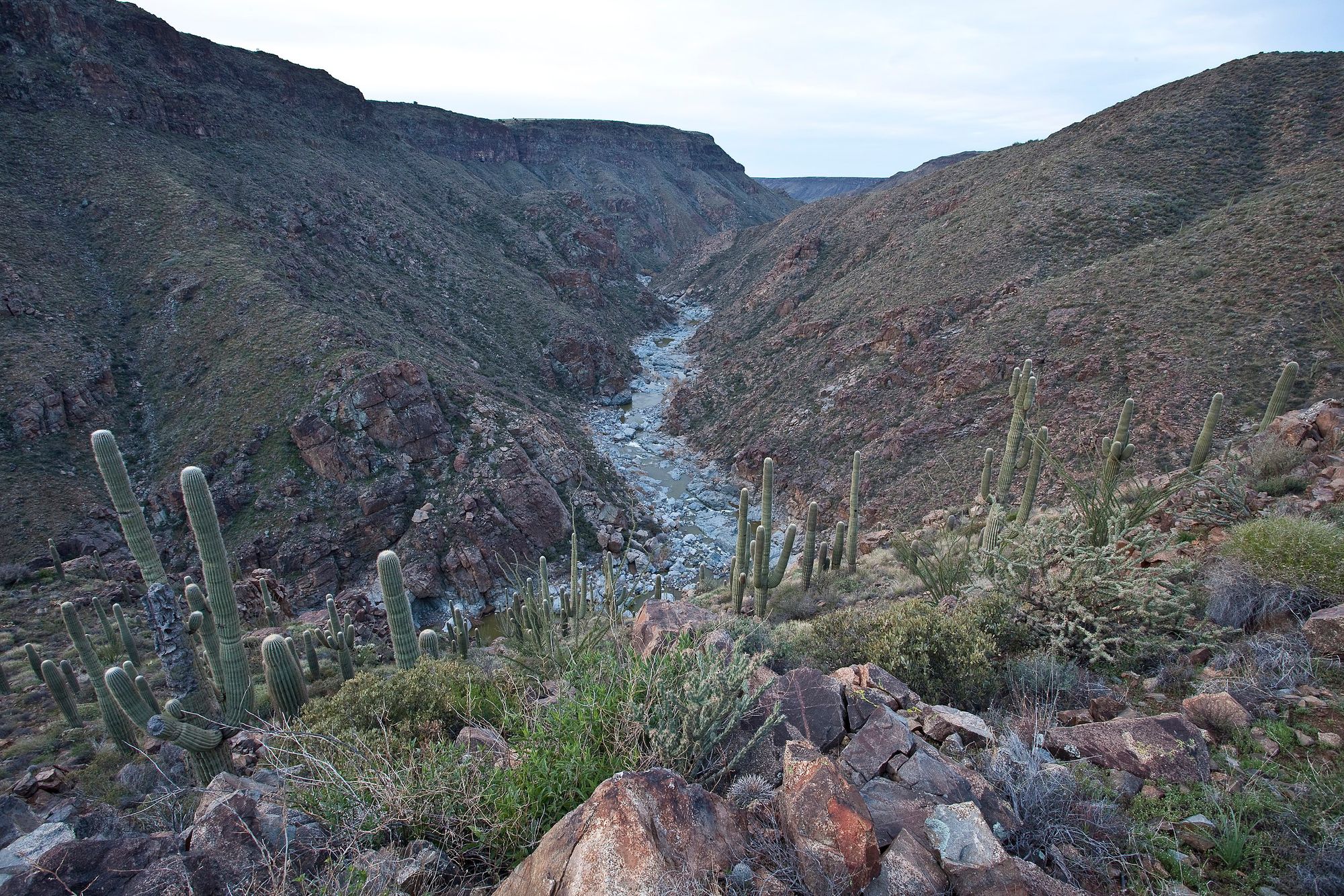
Agua Fria River
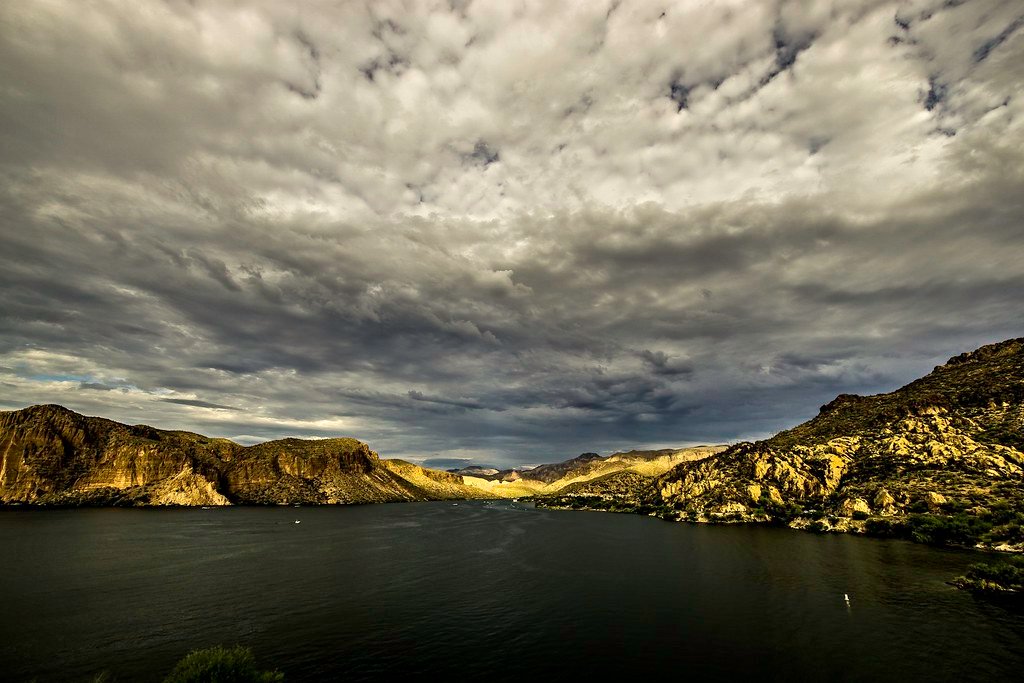
Canyon Lake
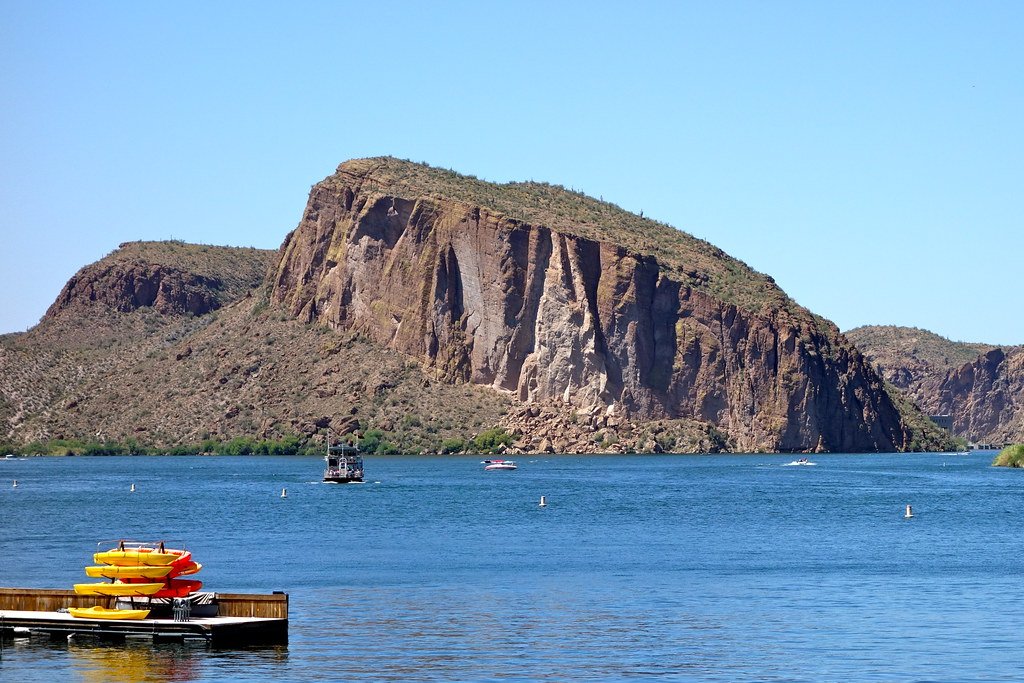
Saguaro Lake
Bartlett Reservoir
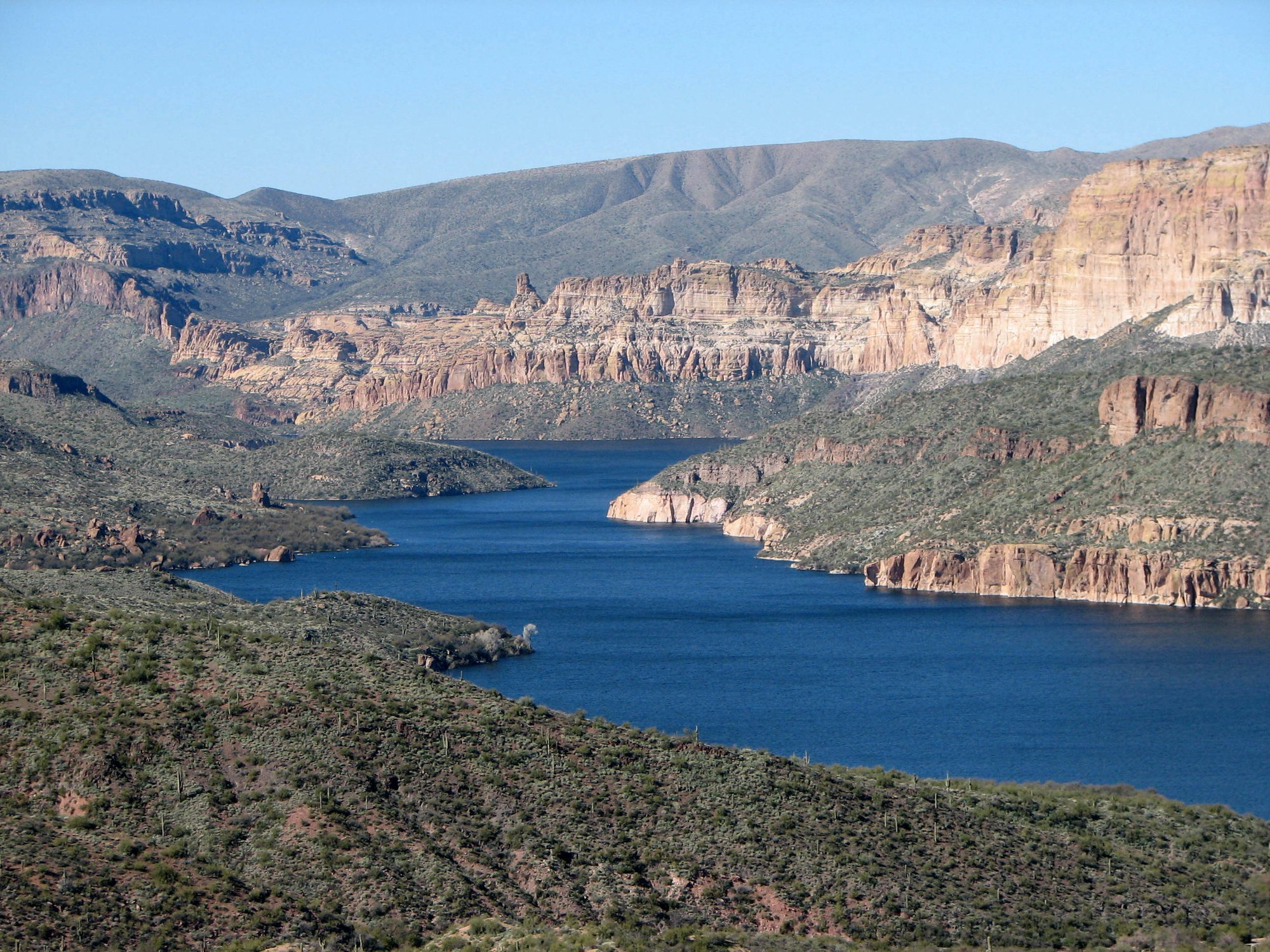
Apache Lake
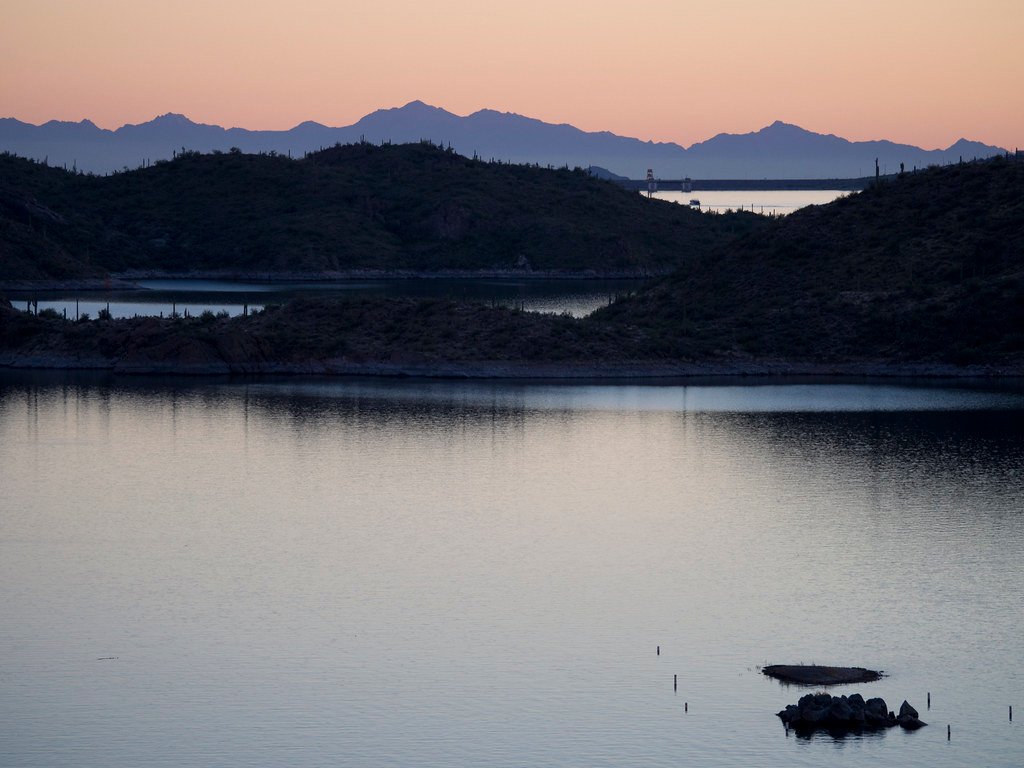
Lake Pleasant
What to know
Habitat Distribution
Documented in the Lower Colorado, Lower Gila, Middle Gila, Upper Gila-San Carlos Reservoir, Upper San Pedro, Upper Santa Cruz, Lower Salt, Bill Williams, and Lake Mead watersheds. The Central Arizona Project canal system serves as a major dispersal route.Key Locations
Lower Colorado River system, including Lake Havasu above Parker Dam, Alamo Reservoir on the Bill Williams River, and the Gila River north of Yuma. Dankworth ponds in Graham County and Randolph Park in Tucson. Salt River Project canals and Alamo Lake.Specific Spots
Target shallow, vegetated areas and structureBlue Tilapia FAQ
Answers from onWater's species guide.
What flies work for Blue Tilapia in Arizona?
Terrestrial patterns like hoppers work exceptionally well, along with elk hair caddis and beadhead pheasant tail nymphs stripped like small streamers
When is the best time to fish for Blue Tilapia in Arizona?
Best fishing in warmer months when water temperatures are above 68°F, with spring and fall offering the best fishing. Avoid fishing during spawning periods (January-May) when they're building nests in shallow areas.
How do you catch Blue Tilapia in Arizona?
For fly fishing, present flies with short twitches 3-6 inches at a time, or use smooth, slow retrieves for larger fish. Strip-set hooks due to their tough jaws.
What do Blue Tilapia eat?
Adults are primarily herbivorous, feeding on filamentous algae, blue-green algae, rooted plants, and organic debris, though they're opportunistic and will consume small fish, zooplankton, and insects. Juveniles eat more varied diets including copepods, cladocerans, and small invertebrates.
Where do Blue Tilapia live in Arizona?
Documented in the Lower Colorado, Lower Gila, Middle Gila, Upper Gila-San Carlos Reservoir, Upper San Pedro, Upper Santa Cruz, Lower Salt, Bill Williams, and Lake Mead watersheds. The Central Arizona Project canal system serves as a major dispersal route.
Fish smarter with real-time insights
Whether you're en route and conditions shift or you're looking for the best spot based on current flows, we enable you to make informed decisions on the fly.




See it in the app
Most maps show you water.
onWater shows you Blue Tilapia.



- 01 · Species map filter
Map every Blue Tilapia water
Pick Blue Tilapia and the map zeroes in on the waters they call home. No more guessing which lake holds them.
- 02 · Waterbody species
Tap any water. See what lives there.
Species, behavior and seasonal patterns for every lake, river and pond, before you leave the driveway.
- 03 · Angler Intelligence
Ask how to catch Blue Tilapia
Tactics, gear and timing from onWater's AI fishing guide, tuned to the species and the water you're on.
Stop guessing where Blue Tilapia are.
Open the map, filter by Blue Tilapia, and head to water that holds them. Download onWater and plan your next trip in minutes.
- Species map filter
- Angler Intelligence
- Fishing journal
Explore other species
Trout, bass, salmon, panfish and everything in between. Each guide unpacks the behavior, seasons, and tactics that put fish in the net.
No species information available.
Arizona licenses and regulations
Explore nearby waters
Explore Arizona waters
Top fishing waters
Popular Cities
Loading popular cities...

Smarter Fishing Starts in the App.
onWater Fish gives you everything you need to plan smarter, fish better, and own every trip from first cast to last.