Arctic Grayling
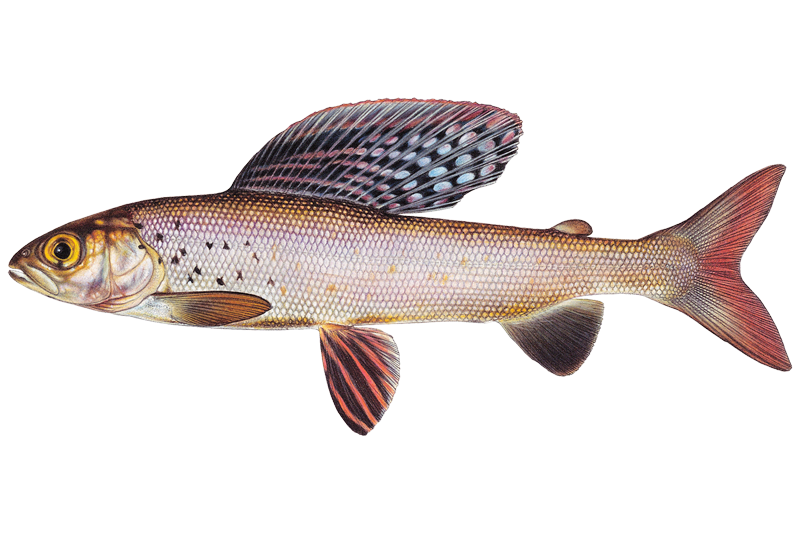
Arctic Grayling in Arizona are not native, having been introduced in 1940 from their natural range in Siberia and northern North America. These beautiful fish are one of Arizona's most geographically limited sport fish.
- These beautiful fish are distinguished by their oversized, sail-like dorsal fin that's dark-gray with pale spots, cross-rows of deep blue spots, and edged with red or orange.
- The body displays scattered black spots on silver-gray sides with sometimes a pinkish hue, and their scales are notably larger than those of trout.
- Arizona's grayling typically weigh 6 ounces to 1 pound and measure 8-14 inches.
Fishing in Arizona
Salt River
Verde River
Theodore Roosevelt Lake
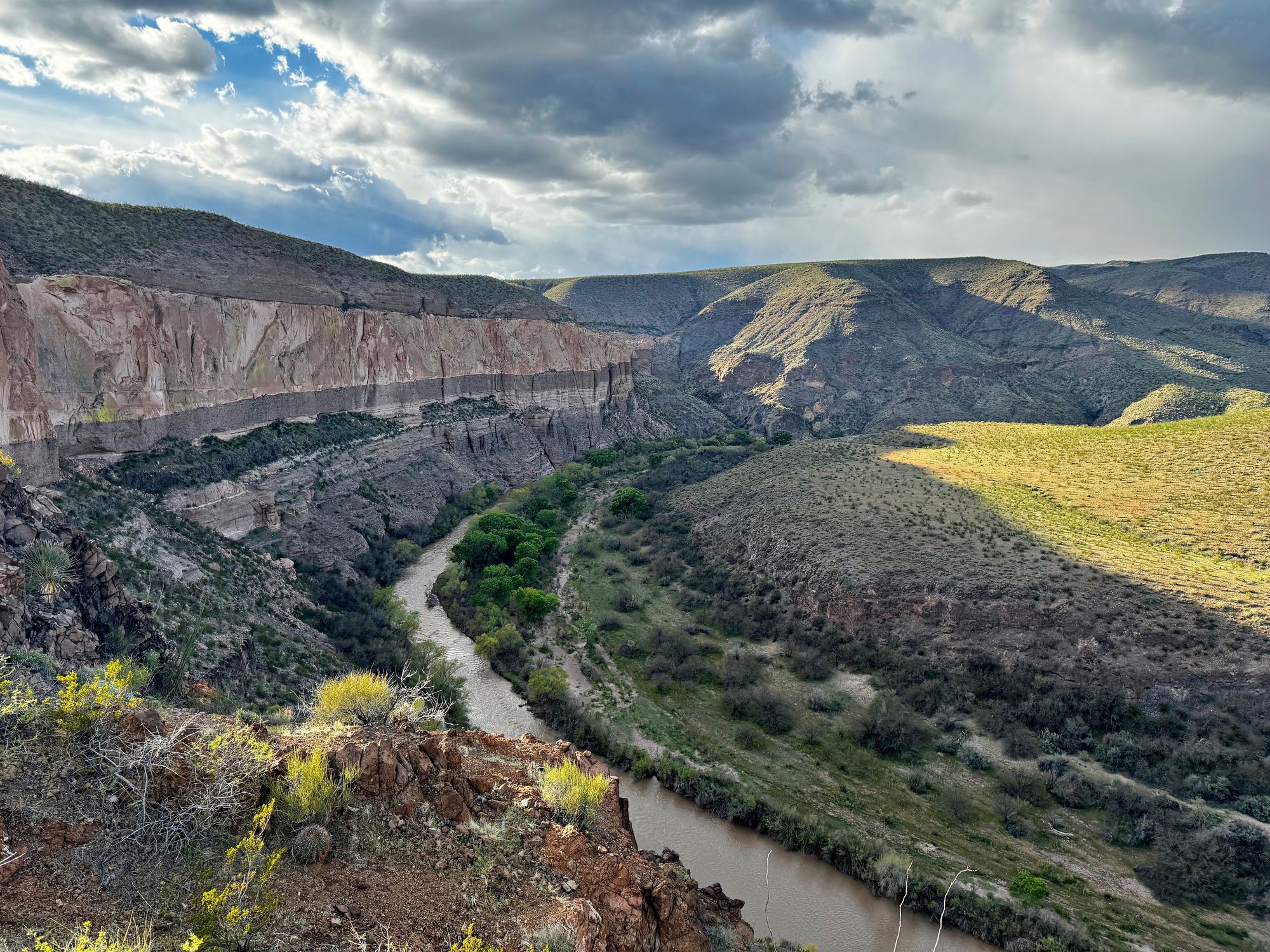
Gila River
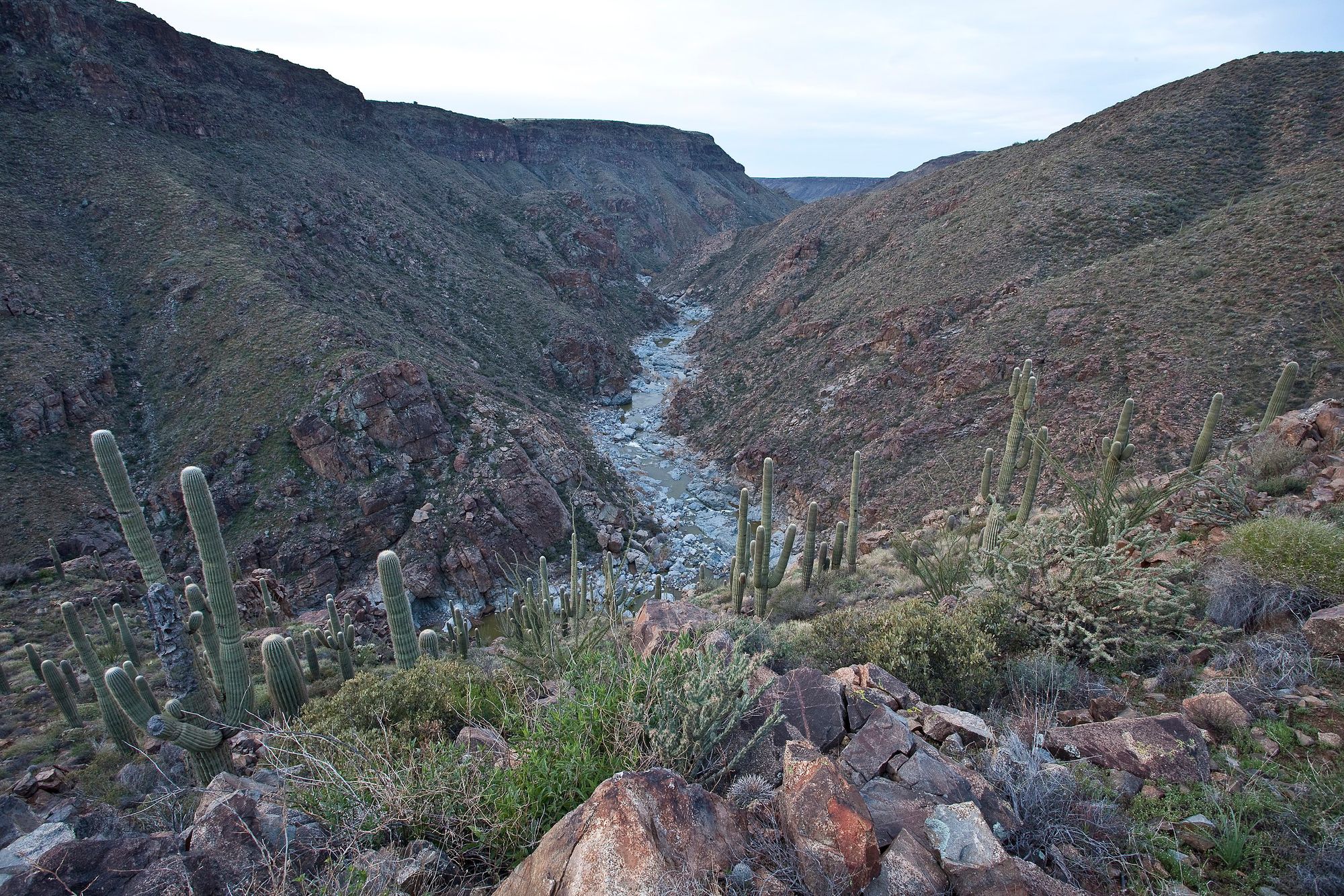
Agua Fria River
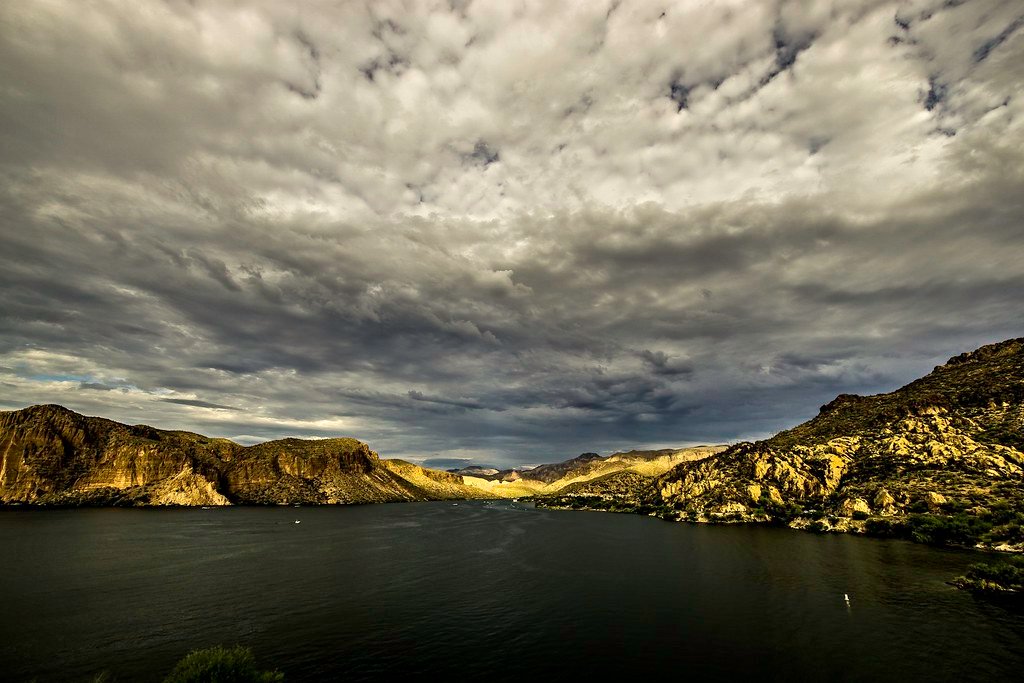
Canyon Lake
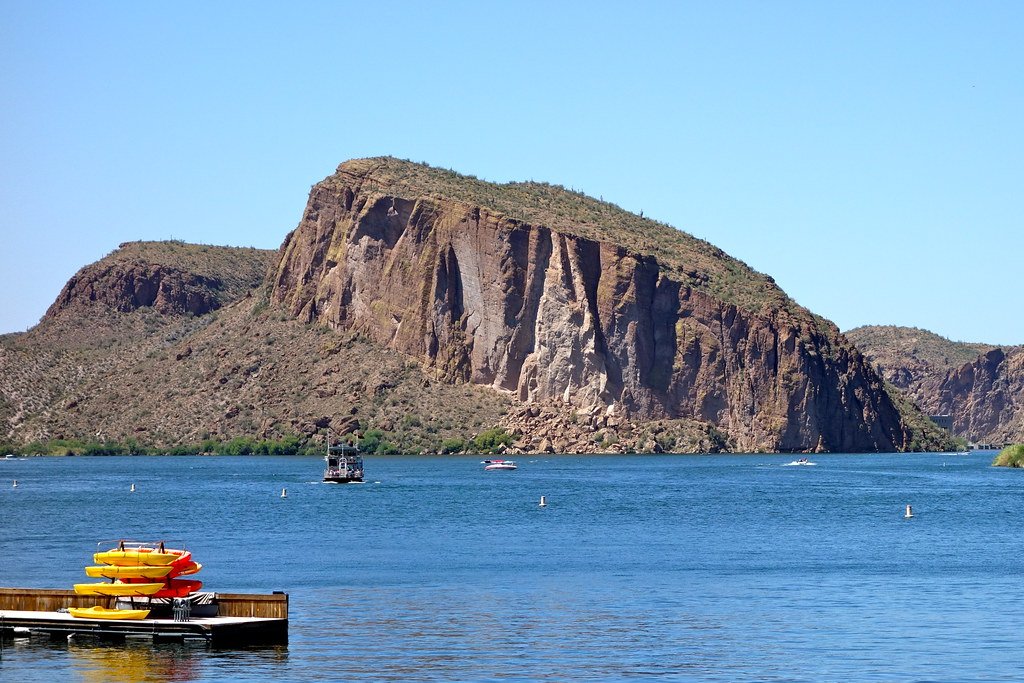
Saguaro Lake
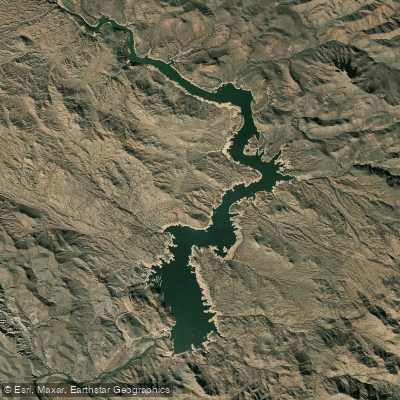
Bartlett Reservoir
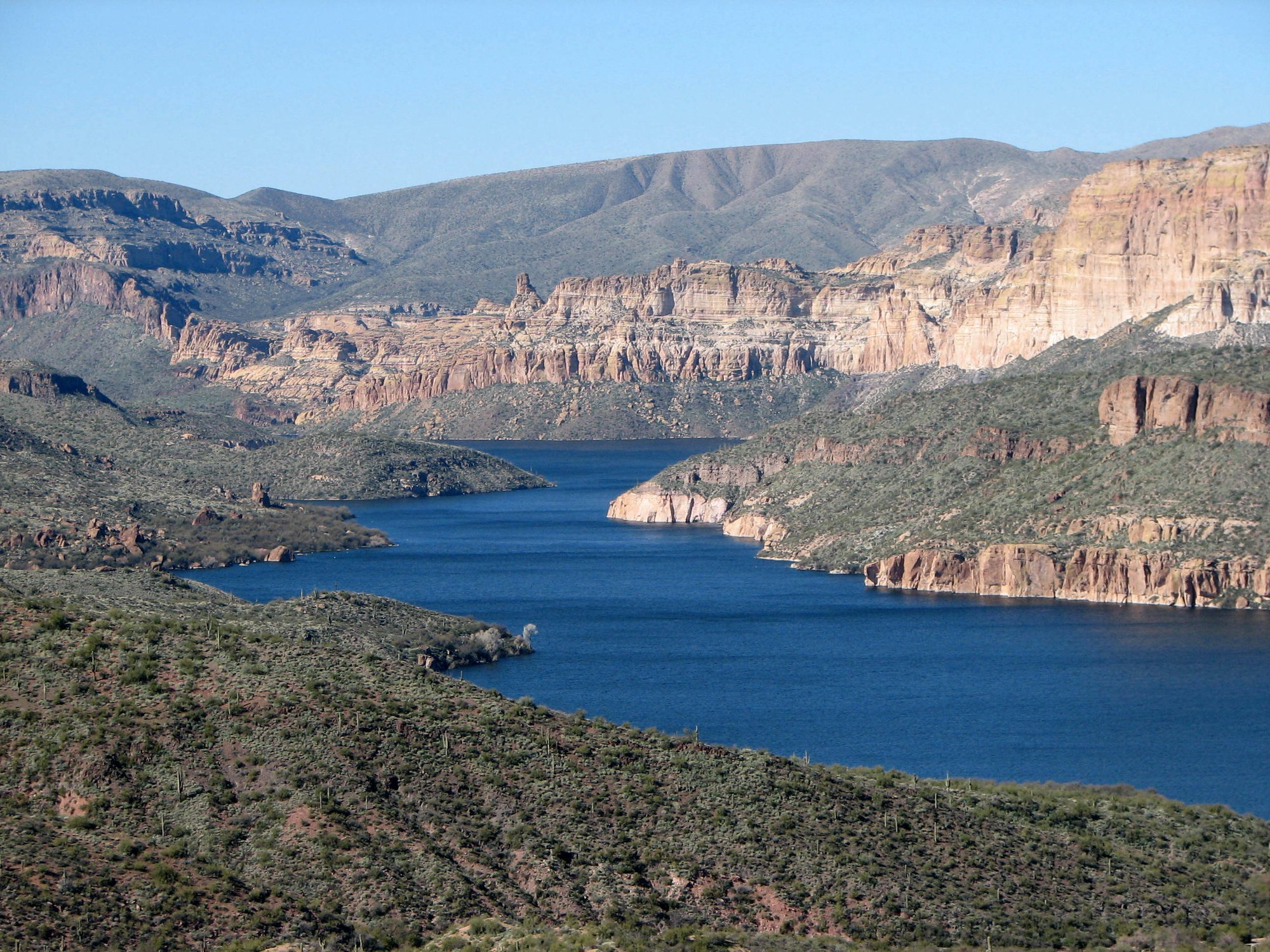
Apache Lake
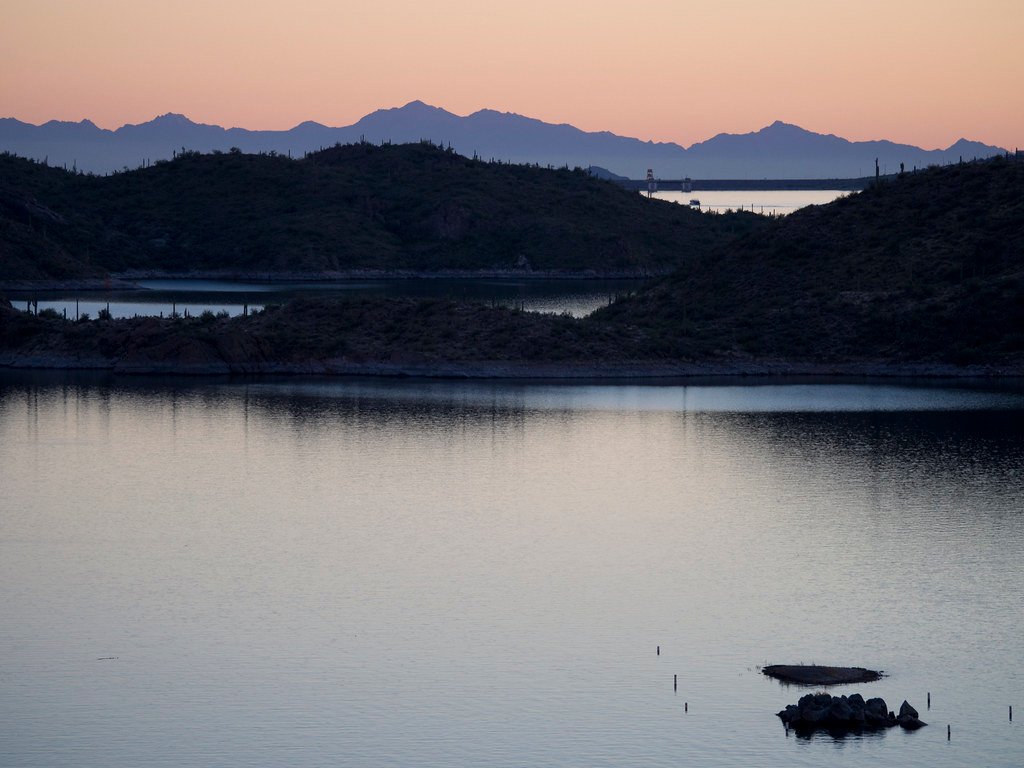
Lake Pleasant
What to know
Habitat Distribution
- They're found exclusively in Lee Valley Reservoir and a few small high mountain lakes in the White Mountains.
- Their limited distribution and dependence on cold, clear mountain waters makes them a specialty target for dedicated anglers.
Key Locations
- Lee Valley Reservoir and a few small high mountain lakes in the White Mountains.
Specific Spots
- Focus your efforts on Lee Valley Reservoir and the few small high mountain lakes in the White Mountains - these are the only waters in Arizona that hold established populations.
Arctic Grayling FAQ
Answers from onWater's species guide.
What flies work for Arctic Grayling in Arizona?
The most productive fly patterns include the Royal Coachman, small midges, and black or brown Woolly worms. Since grayling feed heavily on aquatic insects and their larvae, they readily take flies that imitate these food sources.
When is the best time to fish for Arctic Grayling in Arizona?
The best fishing occurs from spring through fall, avoiding the February to March spawning period when fish are focused on reproduction rather than feeding.
How do you catch Arctic Grayling in Arizona?
Focus on areas where insects are active on the water surface for dry fly fishing, or work wet flies and nymphs in deeper areas.
What do Arctic Grayling eat?
These fish primarily feed on adult and larval aquatic insects and other invertebrates.
Where do Arctic Grayling live in Arizona?
They're found exclusively in Lee Valley Reservoir and a few small high mountain lakes in the White Mountains. Their limited distribution and dependence on cold, clear mountain waters makes them a specialty target for dedicated anglers.
Fish smarter with real-time insights
Whether you're en route and conditions shift or you're looking for the best spot based on current flows, we enable you to make informed decisions on the fly.







See it in the app
Most maps show you water.
onWater shows you Arctic Grayling.



- 01 · Species map filter
Map every Arctic Grayling water
Pick Arctic Grayling and the map zeroes in on the waters they call home. No more guessing which lake holds them.
- 02 · Waterbody species
Tap any water. See what lives there.
Species, behavior and seasonal patterns for every lake, river and pond, before you leave the driveway.
- 03 · Angler Intelligence
Ask how to catch Arctic Grayling
Tactics, gear and timing from onWater's AI fishing guide, tuned to the species and the water you're on.
Stop guessing where Arctic Grayling are.
Open the map, filter by Arctic Grayling, and head to water that holds them. Download onWater and plan your next trip in minutes.
- Species map filter
- Angler Intelligence
- Fishing journal
Explore other species
Trout, bass, salmon, panfish and everything in between. Each guide unpacks the behavior, seasons, and tactics that put fish in the net.

Find which waters have the species you want to catch

Largemouth Bass

Smallmouth Bass
Micropterus dolomieu

Rainbow Trout

Brown Trout

Brook Trout
Salvelinus fontinalis

Cutthroat Trout

Northern Pike

Walleye
Sander vitreus

Black Crappie
Pomoxis nigromaculatus
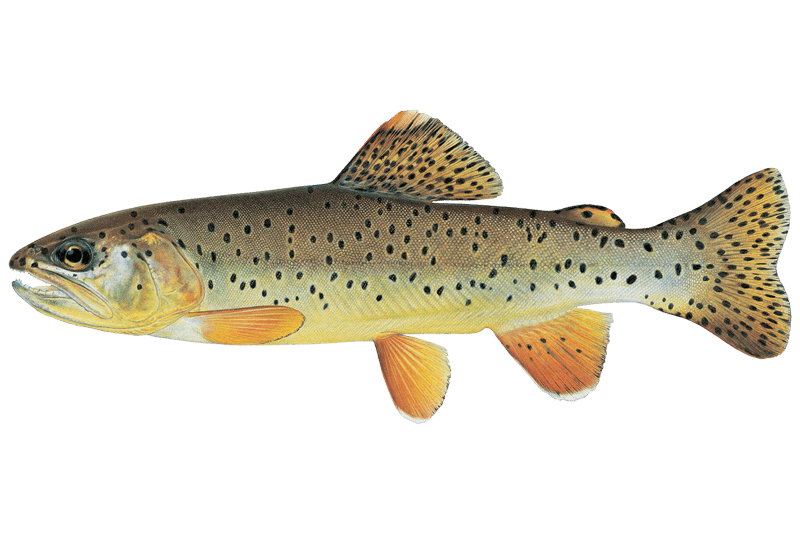
Apache Trout
Oncorhynchus apache

Bigmouth Buffalo
Ictiobus cyprinellus

Black Buffalo
Ictiobus niger

Black Bullhead
Ameiurus melas

Blue Catfish
Ictalurus furcatus

Blue Tilapia
Oreochromis aureus

Brown Bullhead
Ameiurus nebulosus

Channel Catfish

Common Carp
Cyprinus carpio

Flathead Catfish
Pylodictis olivaris
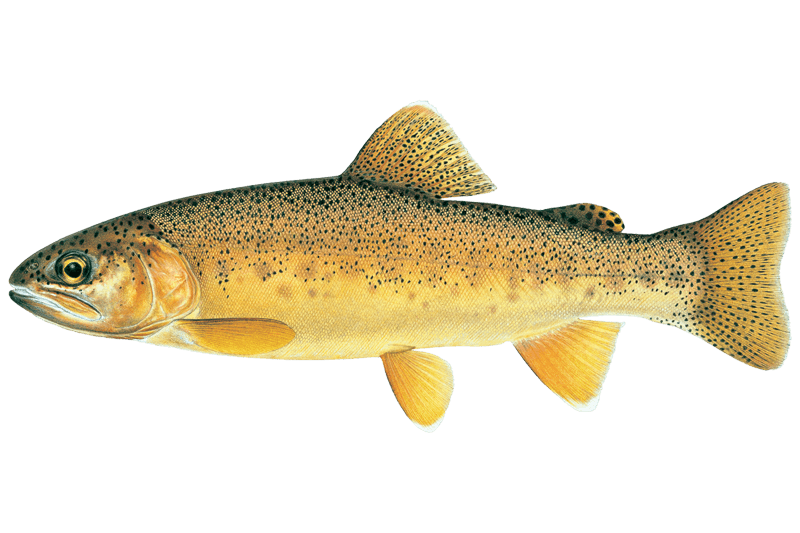
Gila Trout
Oncorhynchus gilae

Gizzard Shad
Dorosoma cepedianum

Grass Carp
Ctenopharyngodon idella

Green Sunfish
Lepomis cyanellus

Lake Trout
Salvelinus namaycush

Longear Sunfish
Lepomis megalotis

Nile Tilapia
Oreochromis niloticus

Pumpkinseed
Lepomis gibbosus

Redbelly Tilapia
Coptodon zillii

Redear Sunfish
Lepomis microlophus
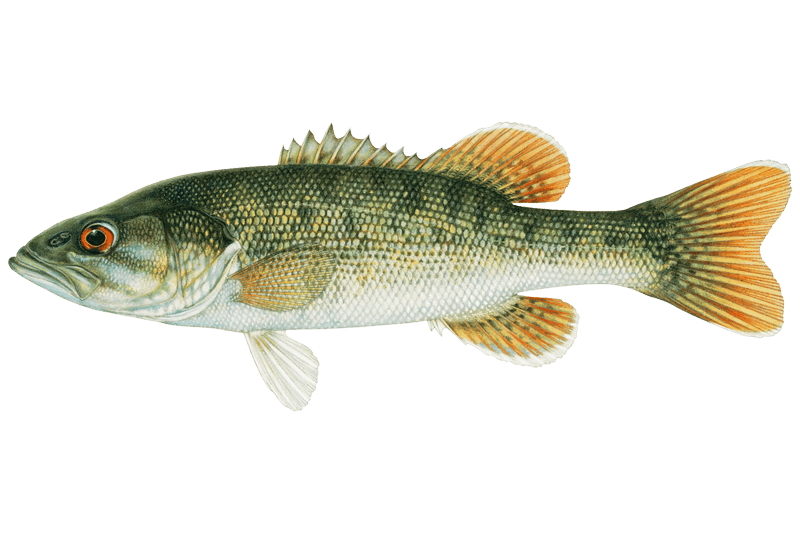
Redeye Bass

Rock Bass
Ambloplites rupestris
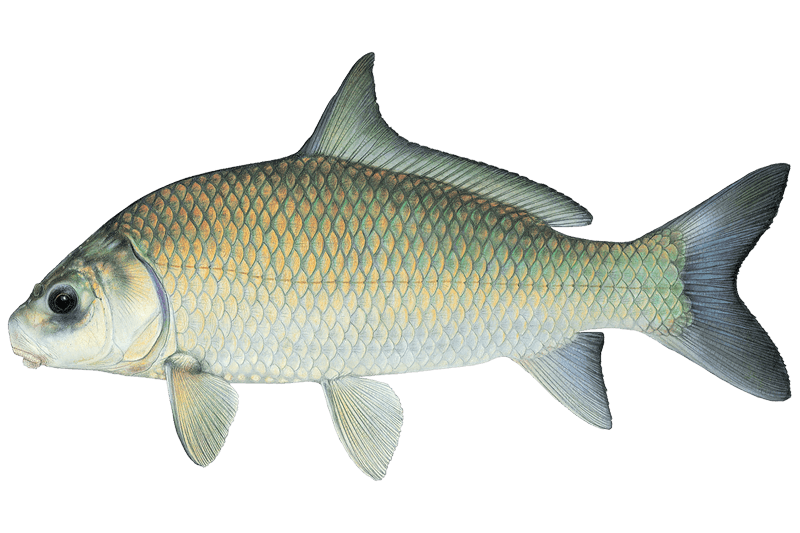
Smallmouth Buffalo
Ictiobus bubalus

Sockeye Salmon
Oncorhynchus nerka
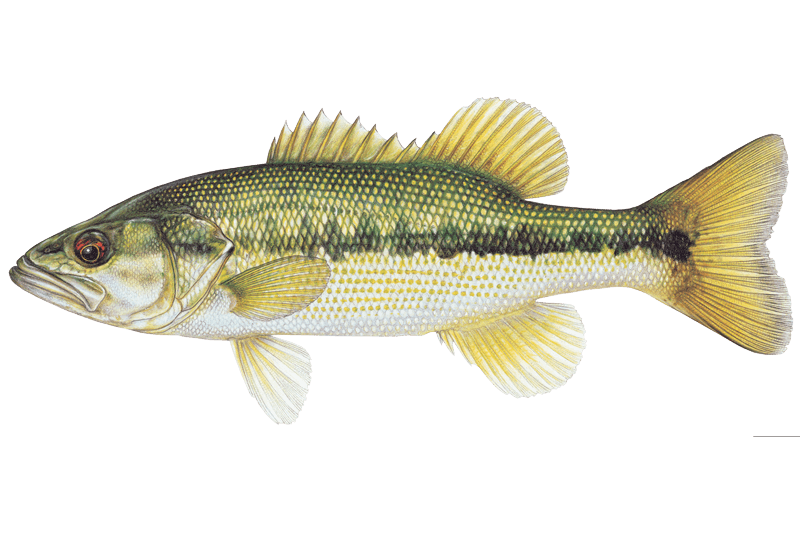
Spotted Bass
Micropterus punctulatus
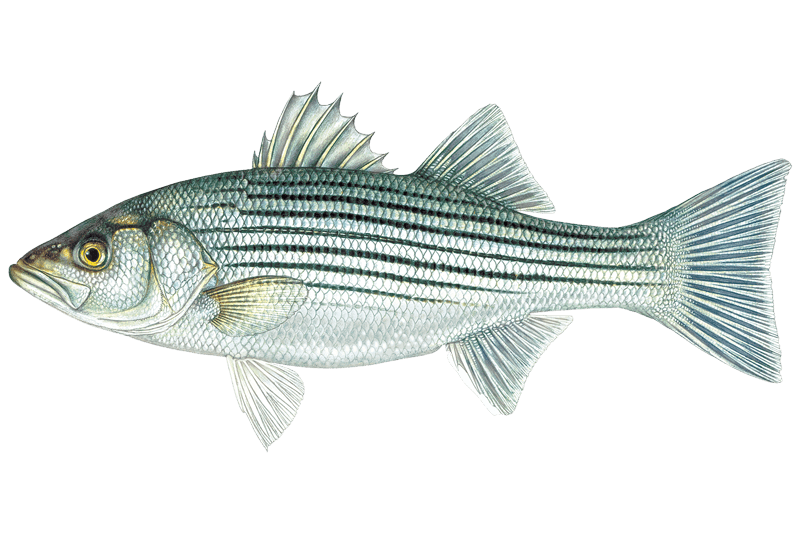
Striped Bass
Morone saxatilis
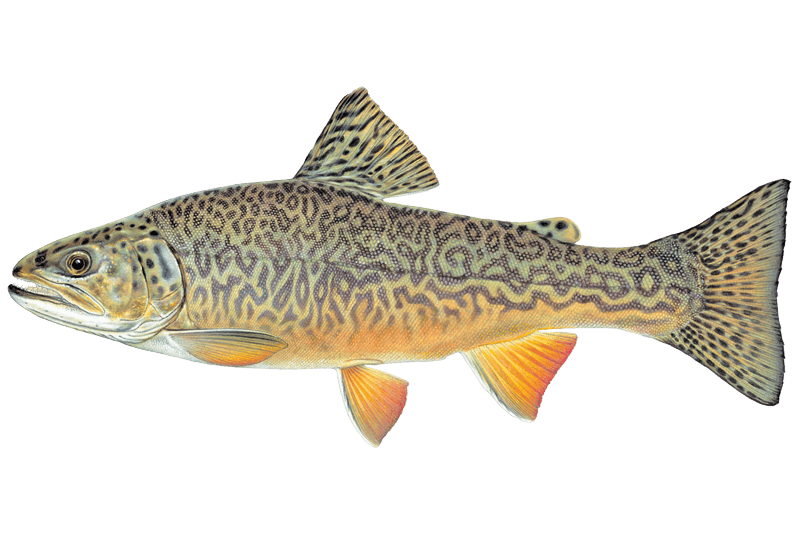
Tiger Trout
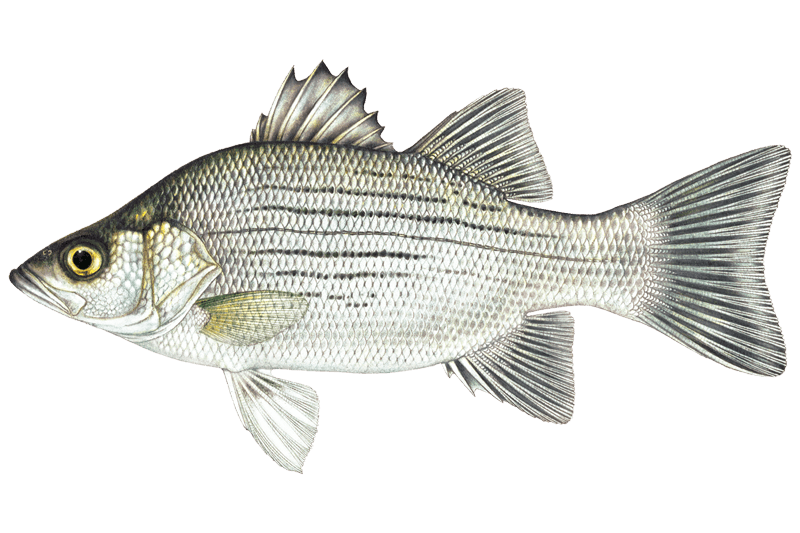
White Bass
Morone chrysops
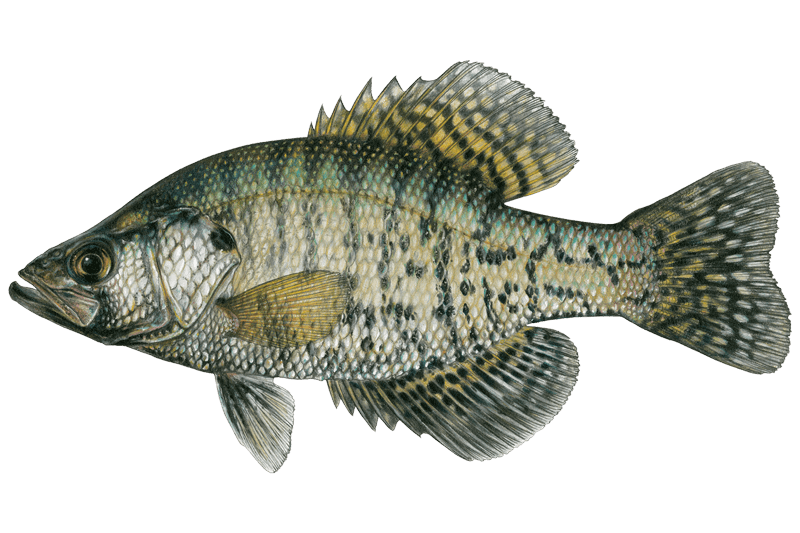
White Crappie
Pomoxis annularis
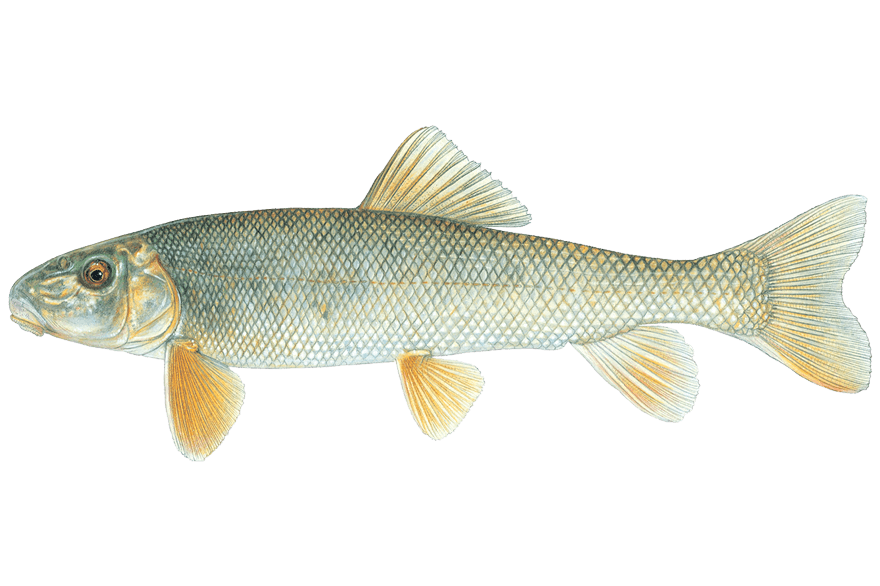
White Sucker
Catostomus commersonii
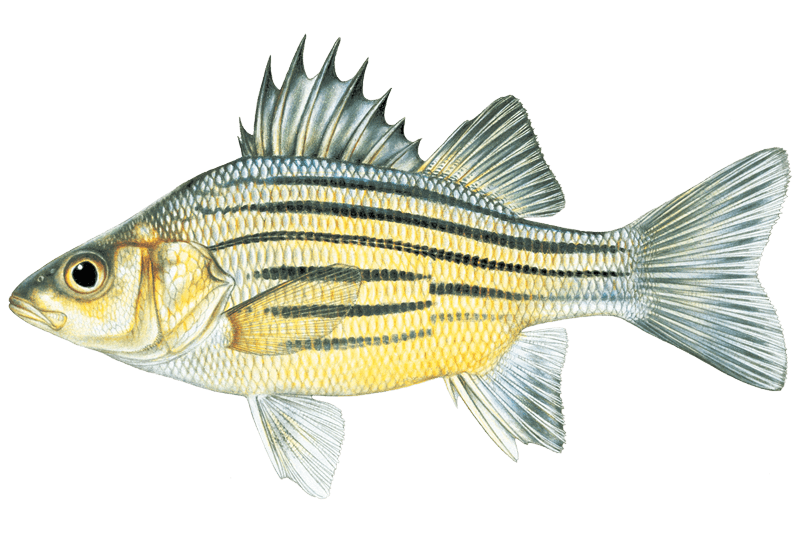
Yellow Bass
Morone mississippiensis
Arizona licenses and regulations

Arizona Boating Regulations
When using any type of watercraft to access a body of water, it is important to follow all federal, state, and local rules and regulations. These rules and regulations include boat permitting and licensing, invasive species inspections and stamps, life jacket and PFD rules, motor size and horsepower restrictions, noise limitations, restrictions on personal watercraft, and many more. Visit the web link below for the most current rules and regulations for this body of water.

Arizona Fishing License
A valid Arizona fishing license is required for Arizona resident and non-resident anglers 10 years of age or older fishing any public accessible water in Arizona. Youth under the age of 10 and blind residents do not need to purchase a state fishing license to fish in Arizona. Check the Arizona Fishing Regulations for additional information.

Arizona Fishing Regulations
This river has a variety of species and regulations, including potential floating and/or watercraft restrictions. Because this river is specially managed for species, seasons, angling methods, and watercraft, it is strongly encouraged you check all federal, state, and local regulations before fishing. Visit the links below, inquire locally, or contact a local fly shop to learn current regulations and restrictions.

Arizona Steam Access Laws
Determined by the Arizona Navigable Stream Adjudication Commission. ANSAC says for a waterway to be navigable, it must have been capable of commercial trade and travel at the time of statehood (1912). The waterway must also be wet, with water from more than just precipitation. As of 2016, ANSAC only defines the Colorado River as navigable, though decisions are pending for other streams. The federal government and private owners control all other streambeds The extent to which the public has rights in non-navigable watercourses depends upon the ownership of the streambed. For example, if the federal government has retained ownership, the public likely enjoys rights to boat, fish, wade, recreate, and portage. If, on the other hand, the streambed is privately owned, then the public may not boat, fish, or otherwise access the watercourse without the owner's permission.
Explore nearby waters
Explore Arizona waters
Top fishing waters
Popular Cities
Loading popular cities...
Smarter Fishing Starts in the App.
onWater Fish gives you everything you need to plan smarter, fish better, and own every trip from first cast to last.