Fishing in Grand Canyon National Park
- National Park
- Open 24 hours
- Lakes
- 14
- Rivers
- 101
- Access
- 2
- Boat Ramps
- 1
- Shops
- 0
- Species
- 15
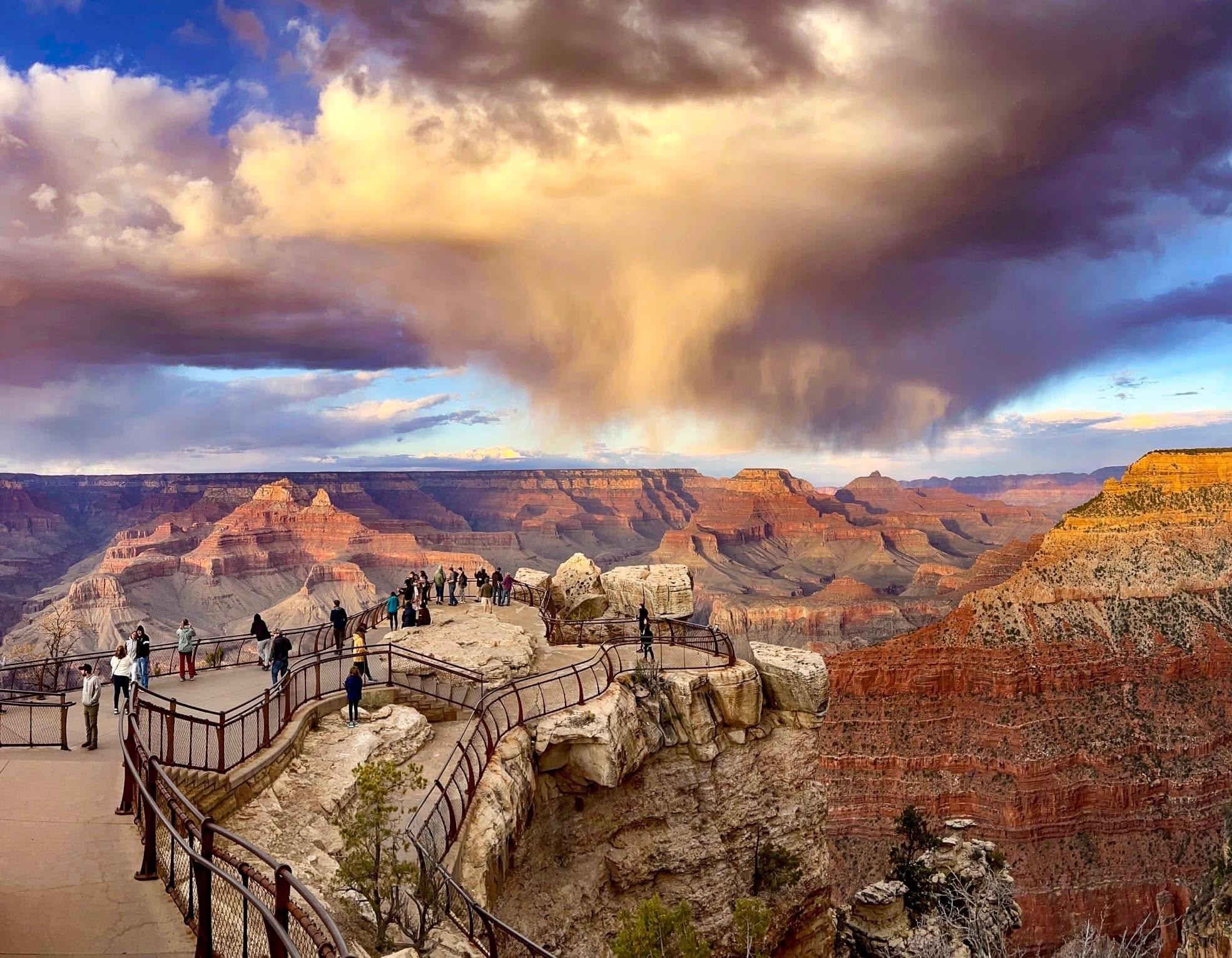
The Colorado River runs 278 miles through Grand Canyon National Park, cutting through one of the most remote canyon systems in North America.
Most of that water is accessible only by multi-day river trip or a serious backcountry hike down to the river corridor. That remoteness shapes everything about fishing here — how you get in, how long you stay, and what you're likely to catch.
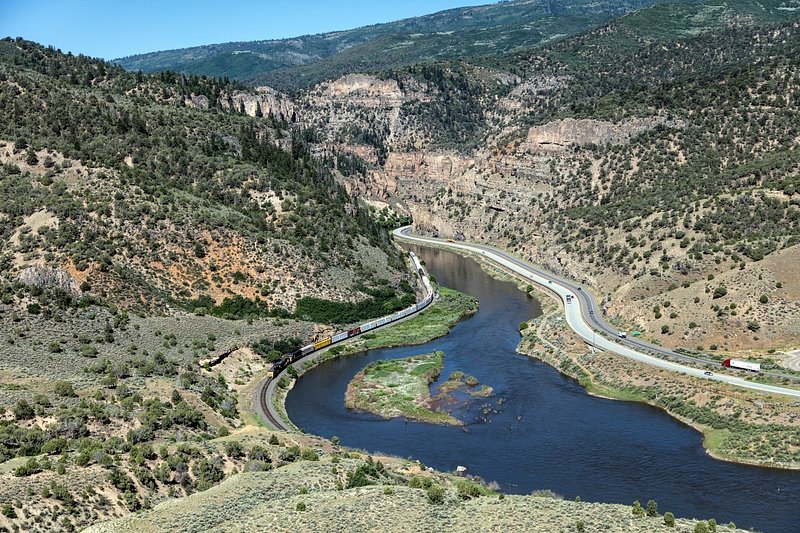
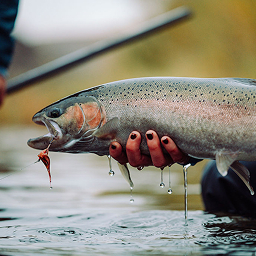
The Colorado itself is the main fishery. Below Glen Canyon Dam, the river runs cold and clear — around 48°F year-round — and that tailwater character supports rainbow and brown trout through the upper canyon.
Fishing holds best in the first 60 miles or so downstream from Lees Ferry, before major tributaries begin warming and silting the water. Fall and winter are the most productive seasons.
Further downstream, past the Little Colorado confluence at roughly river mile 60, the river gradually warms and sediment loads increase; trout thin out and carp, catfish, flannel-mouth sucker, blue-head sucker, and speckled dace become more common.
The five most abundant species in the park are carp, speckled dace, flannel-mouth sucker, rainbow trout, and blue-head sucker.
Bright Angel Creek, accessible near Phantom Ranch and the Bright Angel Campground, is the most reachable tributary fishery for hikers coming down from the South Rim. It holds trout and has its own special regulations — check the current rules before you go.
Two native fish demand attention: the humpback chub and the razorback sucker, both federally endangered. They're present in the park, particularly around the Little Colorado River confluence. If you're catching them frequently at a spot, move on.
The Colorado through the canyon fishes more like a freestone river than a classic tailwater — fish aren't particularly selective. Scuds, midges, and woolly buggers cover most situations.
Midges are the only reliable hatch; look for fish sipping clusters off the surface in calm water. Spin anglers do well with small spinners and soft plastics. Live bait is not permitted on river trips.
An Arizona fishing license is required for anyone ten or older.
Several sections of water are closed entirely: the area immediately below Glen Canyon Dam, the Little Colorado River and its confluence a half-mile in either direction, and the take-out ramp at Pearce Ferry.
Special regulations apply to different stretches of the Colorado — the rules change at the Paria riffle and again at Navajo Bridge — so read the current Arizona Game and Fish regulations before you rig up.
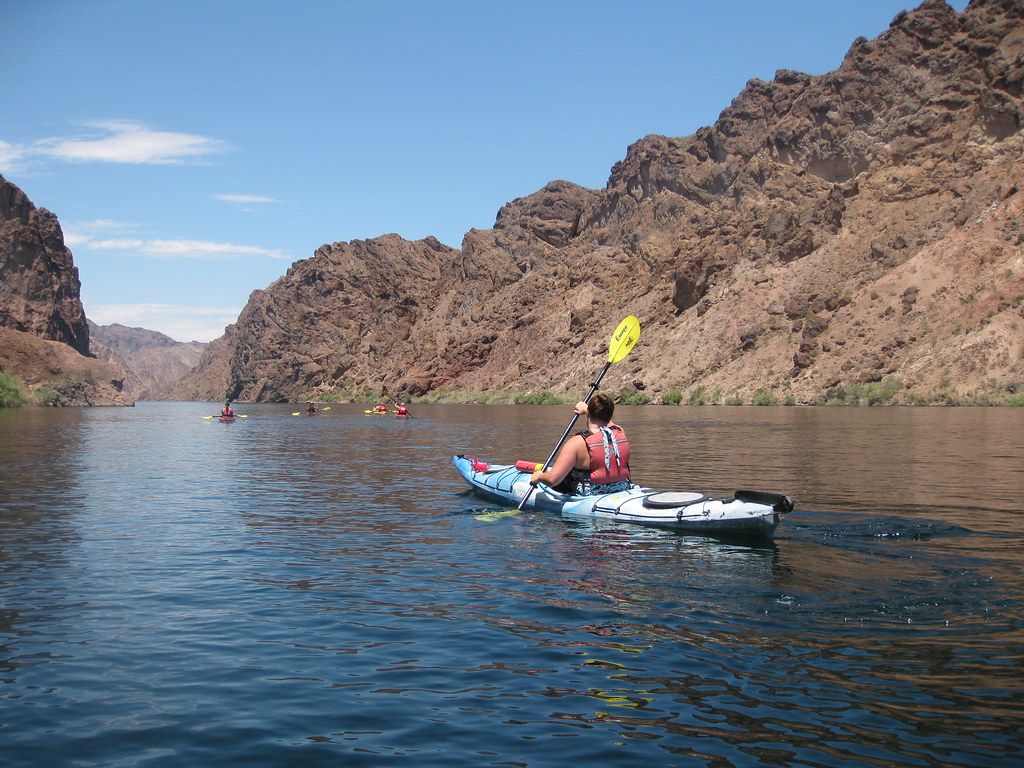
Most fishing on a river trip happens from shore at camp or during lunch stops. You're not casting from the raft. Keep your setup simple and your expectations calibrated to the access — getting to the water is the harder part.
Top waters to fish near Grand Canyon National Park
Species & education
Learn what type of fish are in Grand Canyon National Park and what's needed to catch them.
Find which waters have the species you want to catch
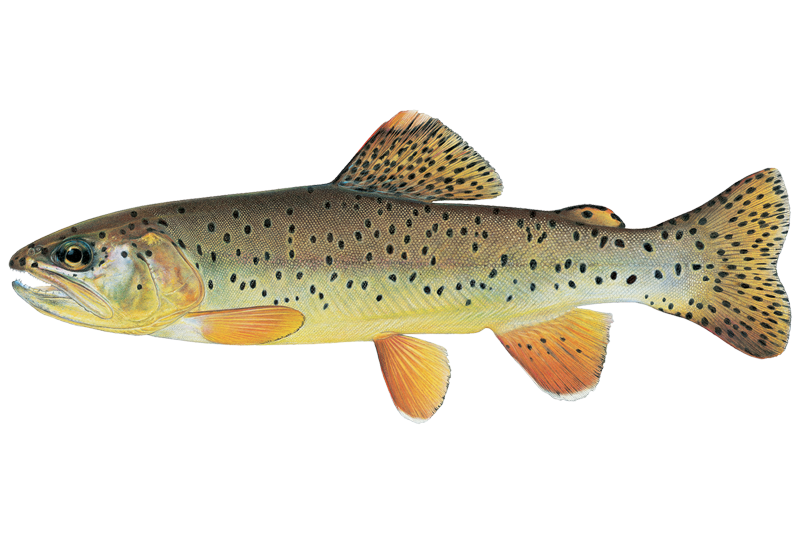
Apache Trout
Oncorhynchus apache

Black Bullhead
Ameiurus melas

Black Crappie
Pomoxis nigromaculatus
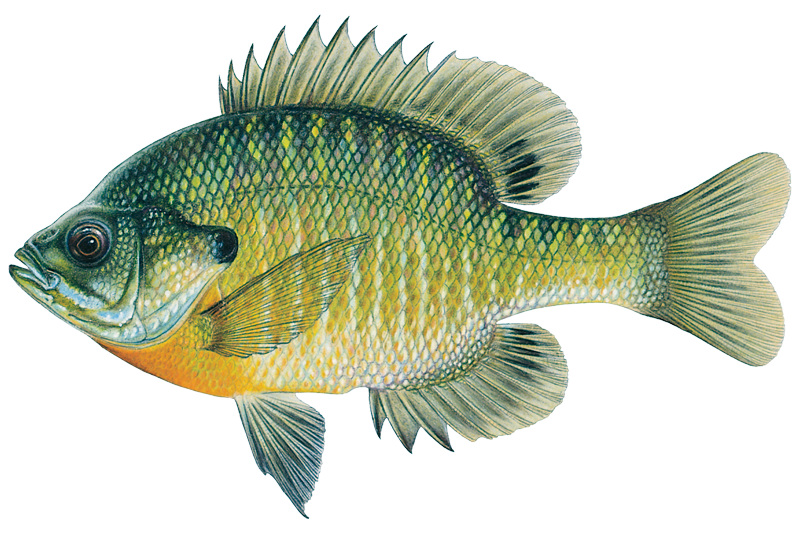
Bluegill
Lepomis macrochirus
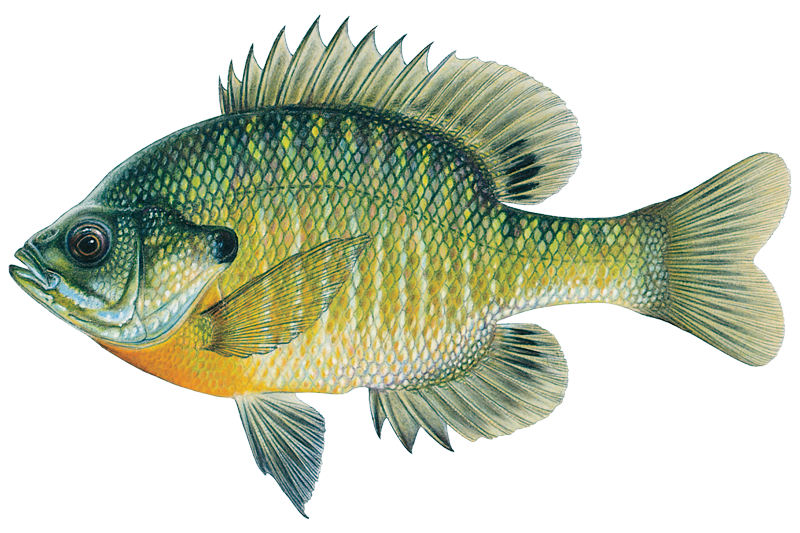
Bluegill Sunfish
Lepomis macrochirus

Blue Tilapia
Oreochromis aureus

Brook Trout
Salvelinus fontinalis

Brown Bullhead
Ameiurus nebulosus

Brown Trout

Channel Catfish

Common Carp
Cyprinus carpio
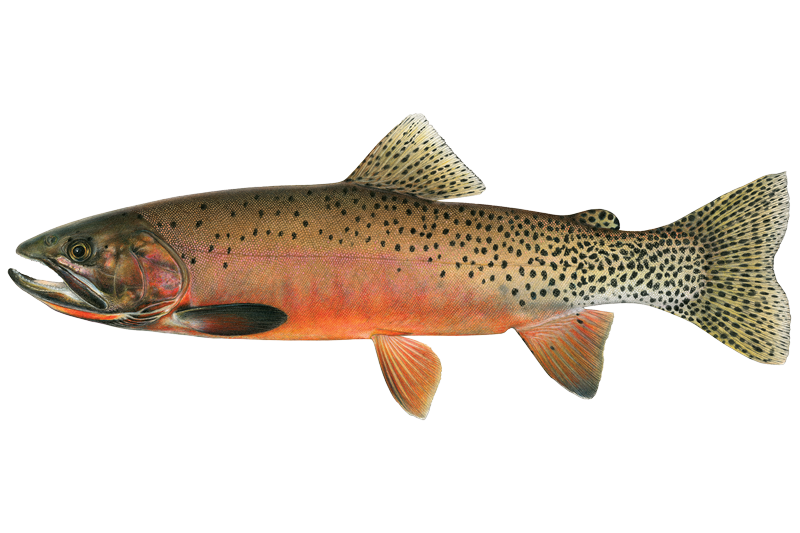
Cutthroat Trout

Flathead Catfish
Pylodictis olivaris

Gizzard Shad
Dorosoma cepedianum

Goldfish
Carassius auratus
Water and weather conditions (10 day forecast)
See the best times to fish Grand Canyon National Park and check the forecast before you go.
No forecast data available.
Park alerts & road status
Closures and conditions Grand Canyon National Park has posted, from the National Park Service.
Checking the park's alerts…
Hours & fees
When Grand Canyon National Park is open and what it costs to get in, from the National Park Service.
Hours
Open 24 hoursBoth Desert View (East Entrance) and South Entrance are Open 24 hours/day and 7 Days/week. Credit cards, and America the Beautiful passes are accepted for entry. Cash is not accepted at this time. The South Entrance Station, near Tusayan, Arizona, receives the most traffic, an experiences long lines and up to 2 hour wait times between 9:30 am and 4 pm. The East Entrance at Desert View - 32 miles east of the village (accessed via US 89 to Cameron, AZ, then west on SR 64, usually has shorter wait times.
Entrance fees
- Entrance - Private Vehicle$35
- Admits one single, private, non-commercial vehicle and all its passengers, up to a 15 person passenger van. Organized non-commercial groups over 16 passengers require different charges. Commercial groups are not eligible for the vehicle permit.
- Entrance - Motorcycle$30
- Valid for 7 days. Admits up to 2 private, non-commercial motorcycles with up to 4 total passengers.
- Entrance - Per Person$20
- Individual ($20 valid for 7 days): for bicyclists, hikers, and pedestrians.
- Nonresident$100
- Each non-US resident aged 16 and older visiting Grand Canyon National Park must pay a $100 nonresident fee (in addition to the standard entrance fee), unless admitted with an Annual or America the Beautiful Pass. This includes nonresidents entering as part of a commercial tour group, commercial use authorization (CUA) group, or concessioner tour group.
Parking & getting around
Where to leave the car in Grand Canyon National Park. Lots fill early on busy days, so plan where you will park before you head for the water.
Desert View Parking Lot
This is the only parking area for Desert View. It is split into two lots. As you enter Desert View, the lot on the right is for cars only. The lot of the left is for buses and RVs.
Duck on a Rock Parking Lot
Located on Desert View Drive at mile marker 246, this unmarked parking lot is just east of Yaki Point.
Grandview Point Parking Lot
Located along Desert View Drive, this parking lot and viewpoint offers panoramic views of Grand Canyon from east to west, including several bends of the Colorado River to the east. This parking lot is located in between Moran Point and Duck on a Rock overlook. The historic Grandview Trail begins here.
Hermit's Rest Parking Lot
This lot is at the end of Hermit's Rest Road. It starts as a small paved lot. There is a dirt road that leads to a larger dirt lot with more spaces. Hermit's Rest Road is closed to private vehicles March through November. It is open to private vehicles December to February. If you park in this parking lot, do not block Shuttle Bus Service.
Lipan Point Parking Lot
Located on Desert View Drive, the parking area is west of the Desert View Watchtower. From this viewpoint can be seen several points of interest. Hance Rapid is one of the many powerful whitewater rapids along the Colorado River. Unkar Delta was once home to ancestral Puebloan people and is the site of active archeological study. The Grand Canyon Supergroup is a unique rock strata at Grand Canyon, visible to this extent from only a few places on the South Rim.
Mohave Point Parking Lot
This is a pull through lot designed for oversize vehicles. Mohave Point is located along Hermit Road. Hermit Road is closed to private vehicles March through November. During that time, the road is only accessible via shuttle bus, walking, or biking. Hermit Road is open to private vehicles November through February. If parking here, do not block the shuttle bus stop.
Moran Point Parking Lot
Located along Desert View Drive, west of the Desert View Watchtower, in between the Tusayan Museum and Grandview Point. It is a small parking lot with an overlook. There are three main rock groups visible from this parking lot.
Navajo Point Parking Lot
Just a few minutes west of the Desert View Watchtower, this viewpoint offers a great view of the watchtower as well as panoramic vistas to the west and a view north up the Colorado River. Navajo Point is the highest overlook on the South Rim - unless one is standing on the top observation deck of the watchtower itself. The top of the tower measures slightly higher.
No Name Parking Lot
A small, unmarked parking lot west of Desert View. It is located between Lipan Point and the Tusayan Pueblo Archaeology Site at mile marker 263.
North Rim Campground Parking Lot
This parking lot is located at the end of a side road the leads to the North Rim Campground, general store, and other facilities. Follow signs to reach the North Rim Campground to reach this parking lot. It is usually empty earlier in the day but fills up later in the day.
Getting around
South Rim: Open all year, is located 60 miles north of Williams, Arizona (via route 64 from Interstate 40) and 80 miles northwest of Flagstaff (via route 180). Grand Canyon lies entirely within the state of Arizona. ---- North Rim: Select areas are open to public access between Oct 1 and Nov 14. View the park's news releases for details. The North Rim entrance station is located 30 miles south of Jacob Lake, AZ, on Highway 67; the actual rim of the canyon is an additional 14 miles south.
Directions on nps.govFish smarter with real-time insights
Whether you're en route and conditions shift or you're looking for the best spot based on current flows, we enable you to make informed decisions on the fly.




Fishing near Grand Canyon National Park
Loading...
Other parks in Arizona
Gateway towns
Where to base yourself for fishing in Grand Canyon National Park.
- TusayanAZ
The closest town to the South Rim, just outside the South Entrance, with hotels, dining, and air tour operators; a free shuttle connects it to the park in summer.
The main regional hub for South Rim visits, with broad lodging, restaurants, an Amtrak station, and access to surrounding monuments.
- WilliamsAZ
A historic Route 66 town south of the park and the departure point for the Grand Canyon Railway, which runs daily to Grand Canyon Village.
- KanabUT
A small outpost on the Utah–Arizona border that serves as a base for the North Rim as well as nearby Zion National Park.
Grand Canyon National Park fishing rules
The park's own rules, on top of Arizona licenses and regulations. Limits, fees and closures change, so check the park's page before you go.
Arizona Fishing License Required
You need a valid Arizona fishing or combination license to fish any water in Grand Canyon National Park. Check the Arizona Game and Fish Department for current licensing details.
Several Waters Are Closed
Fishing is prohibited in posted areas below Glen Canyon Dam, the Little Colorado River near its confluence with the Colorado River, and the Pearce Ferry take-out ramp. Stay out of these areas entirely.
Barbless Hooks in Some Stretches
On the Colorado River from Glen Canyon Dam to the Paria riffle, you must use barbless hooks. Check the park's fishing page for the full breakdown of which rules apply to which stretch.

Artificial Lures Only in Some Areas
The Colorado River from Glen Canyon Dam to the Paria riffle is restricted to artificial fly and lure only. No bait is allowed in that section.
Special Rules at Bright Angel Creek
Bright Angel Creek has its own regulations that differ from the rest of the park. Review the park's fishing page before you drop a line there.
Explore Grand Canyon National Park
Top fishing waters
Popular Cities
Loading popular cities...

Smarter Fishing Starts in the App.
onWater Fish gives you everything you need to plan smarter, fish better, and own every trip from first cast to last.