Black Buffalo

Black Buffalo are non-native sucker fish that were accidentally introduced to Arizona in 1918 as stock contamination with Bigmouth Buffalo.
They have established populations in Apache Lake and have been documented in the Lower Colorado Region, Lower Salt, and Upper Salt watersheds, though they were extirpated from Roosevelt Reservoir by drought.
Scientific Name: Ictiobus niger
Black Buffalo are distinguished by their slightly compressed, nearly round body that is more slender than other buffalo species. They have a slate to bronze back with greenish overcast, bronze sides, and lighter belly.
Their fins are dark olive to slate, with a sickle-shaped dorsal fin containing 27-31 rays. They can reach lengths up to 93 cm and weights of 28. 7 kg, though the common length is around 52 cm.
Fishing in Arizona
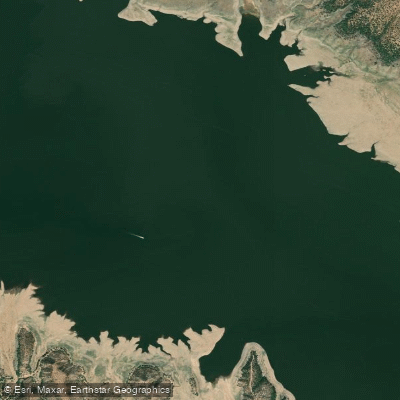
Salt River
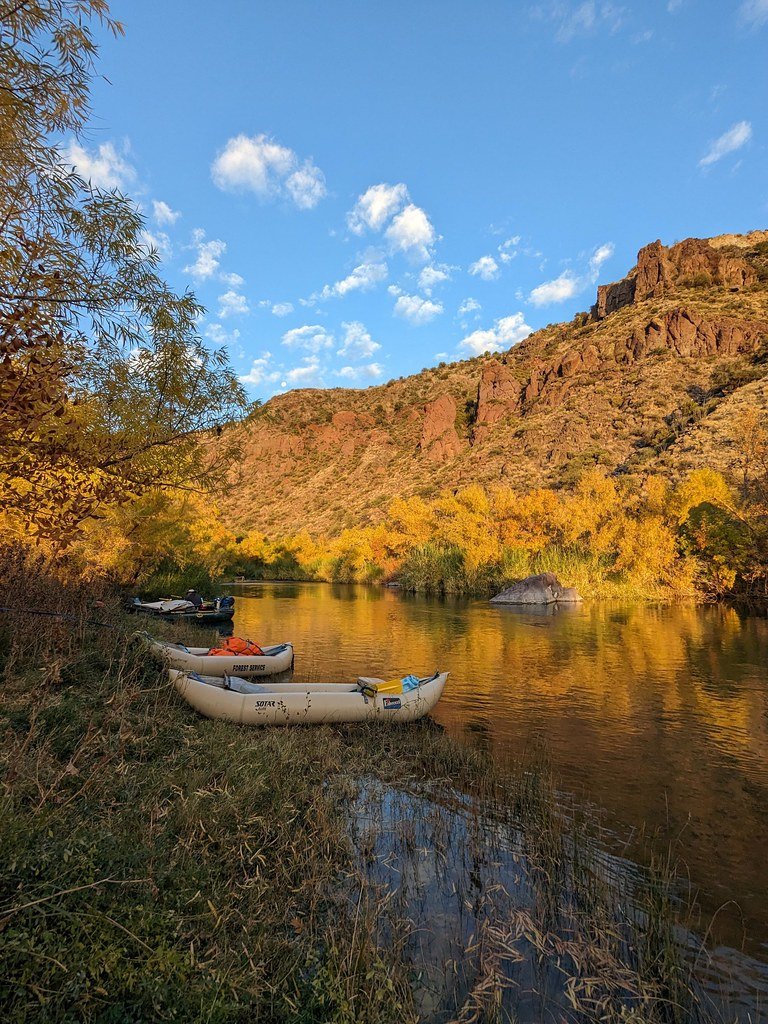
Verde River
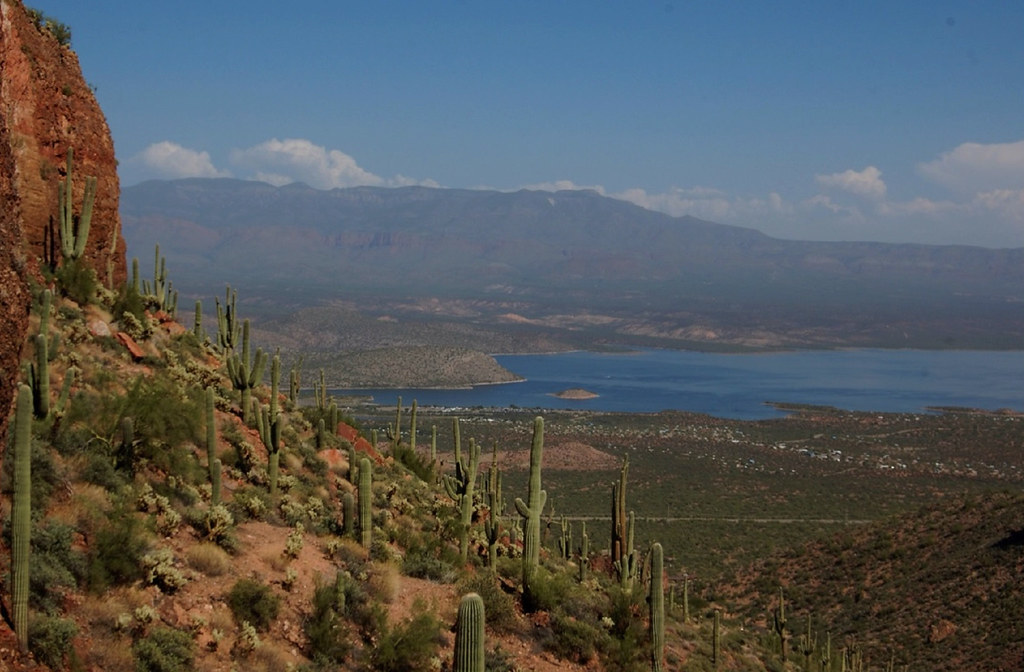
Theodore Roosevelt Lake
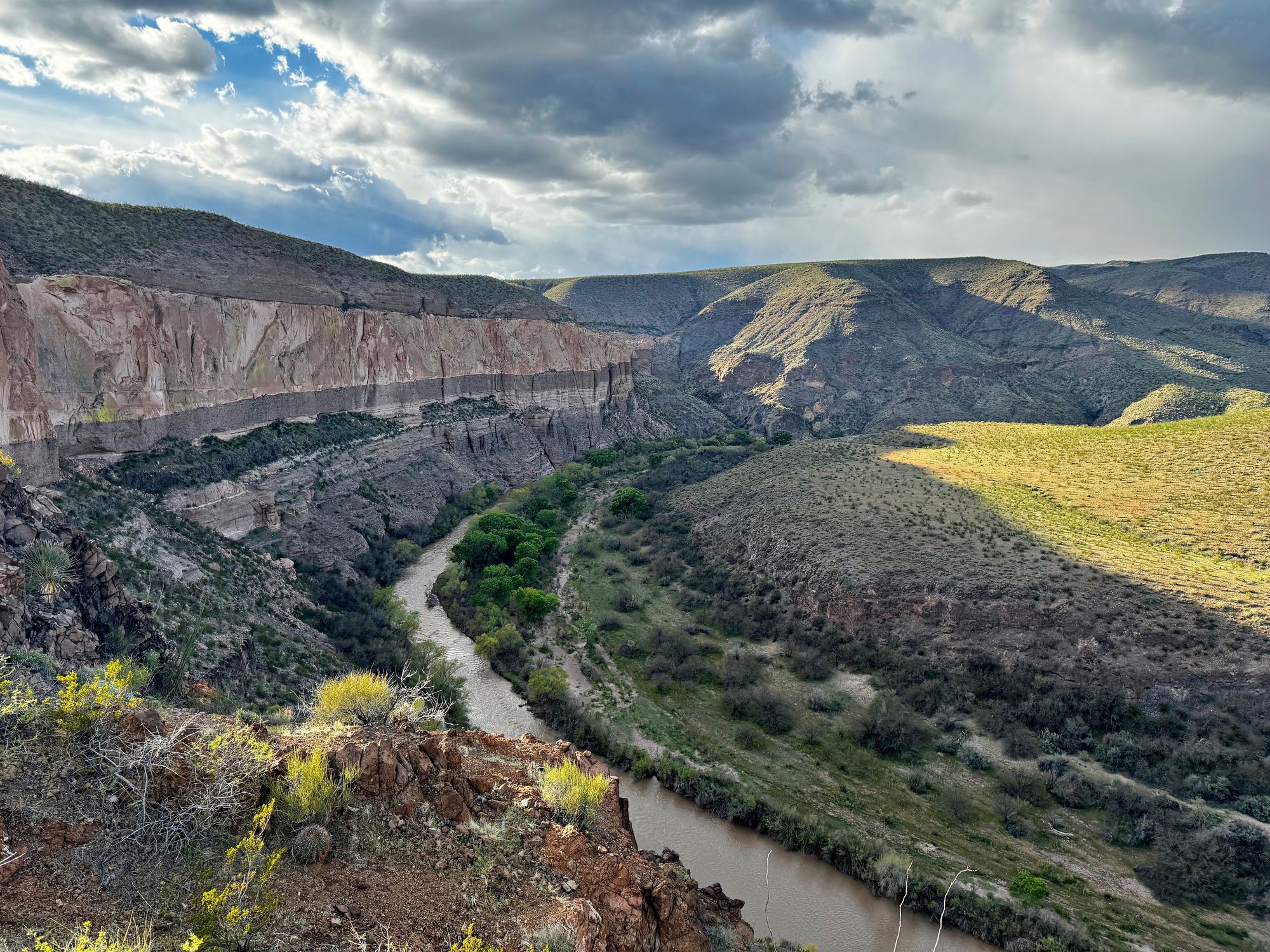
Gila River
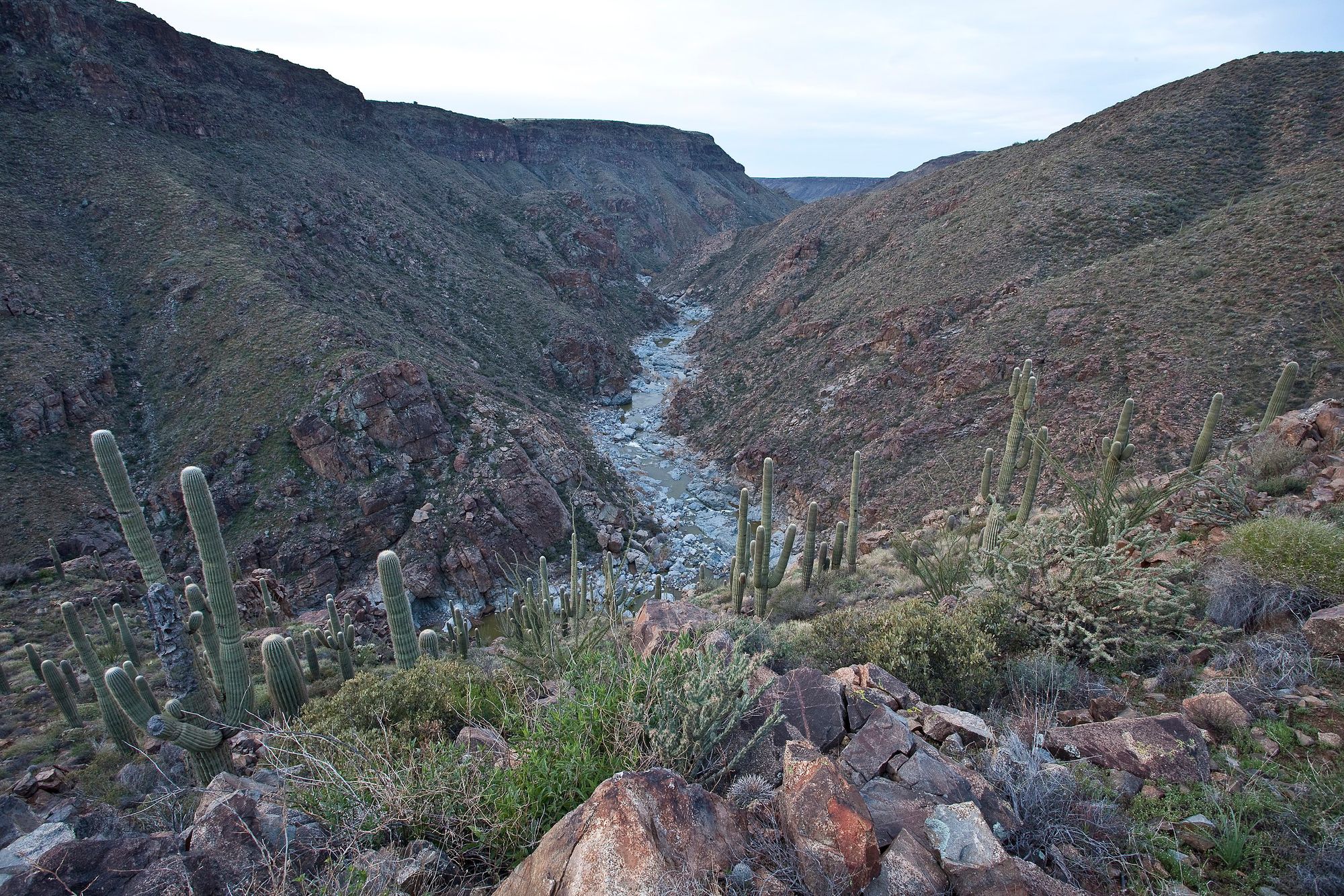
Agua Fria River
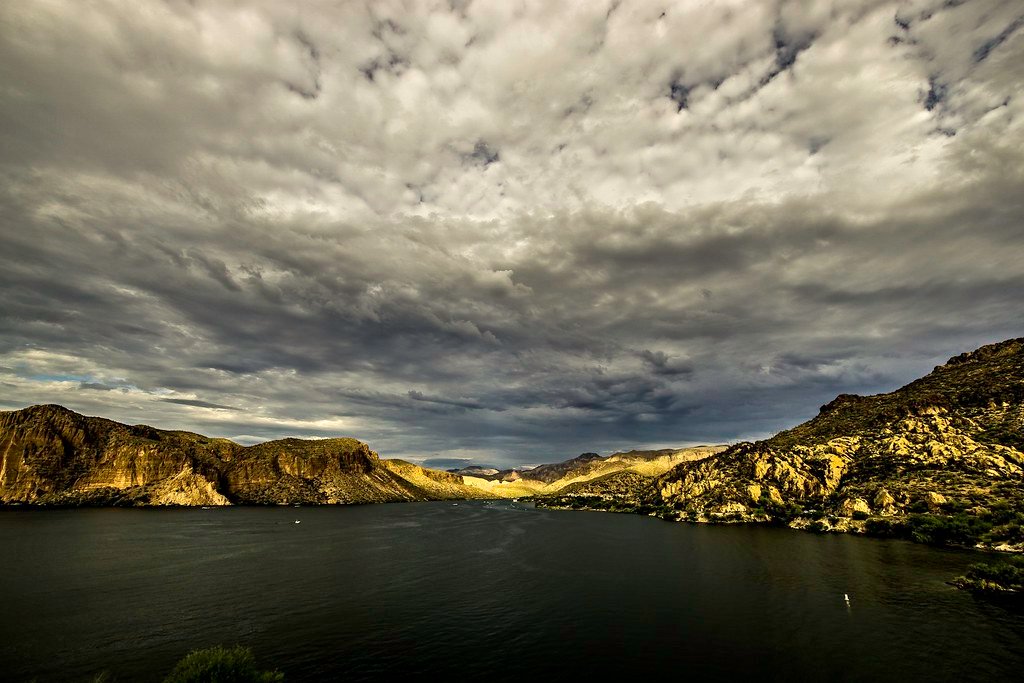
Canyon Lake
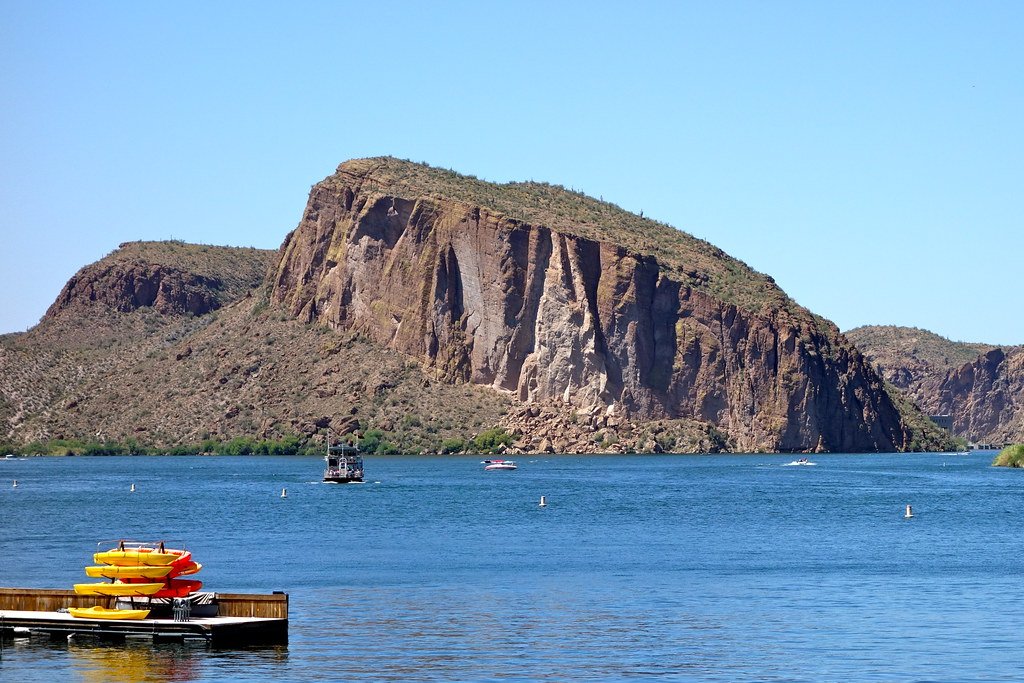
Saguaro Lake
Bartlett Reservoir
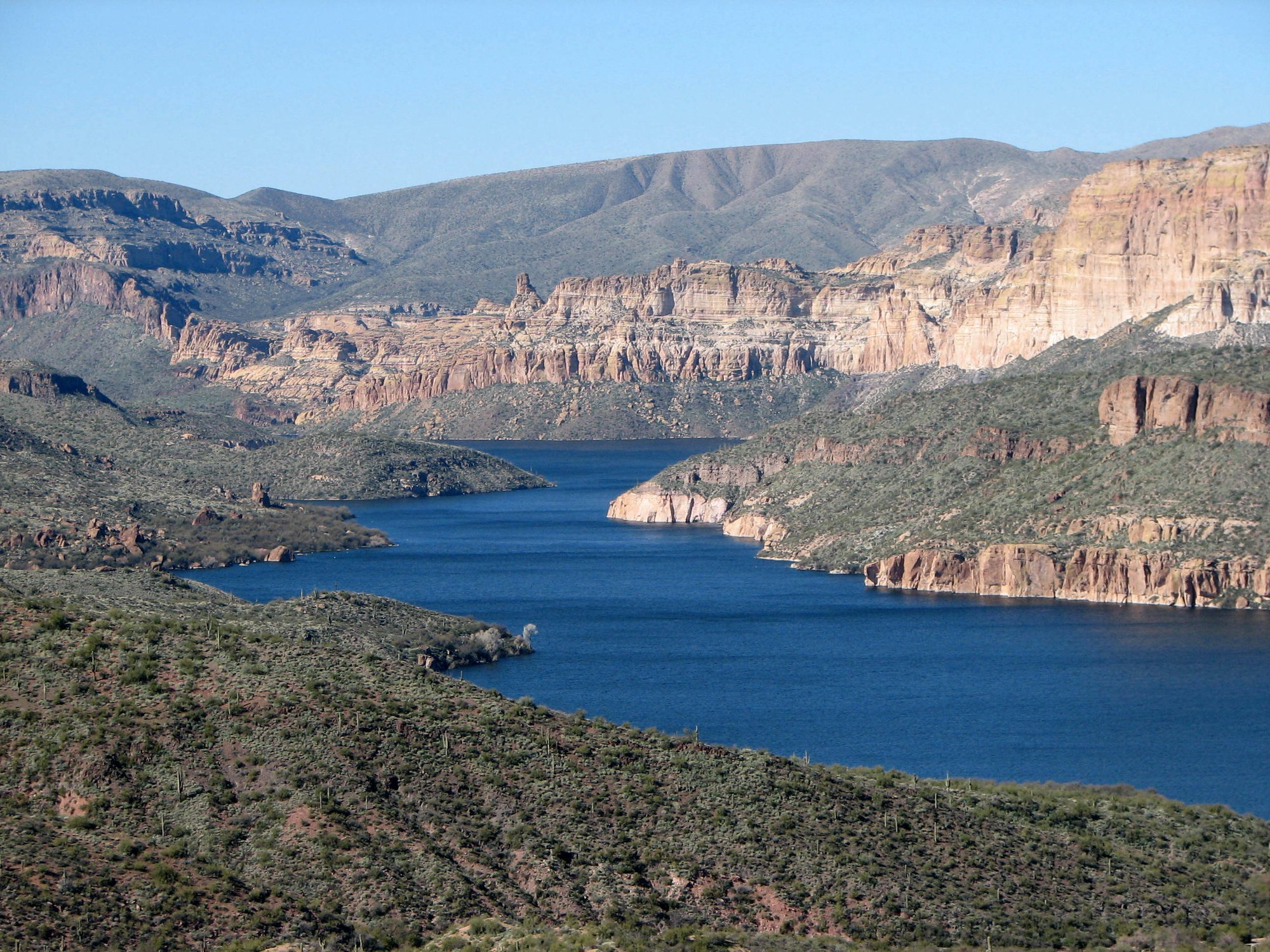
Apache Lake
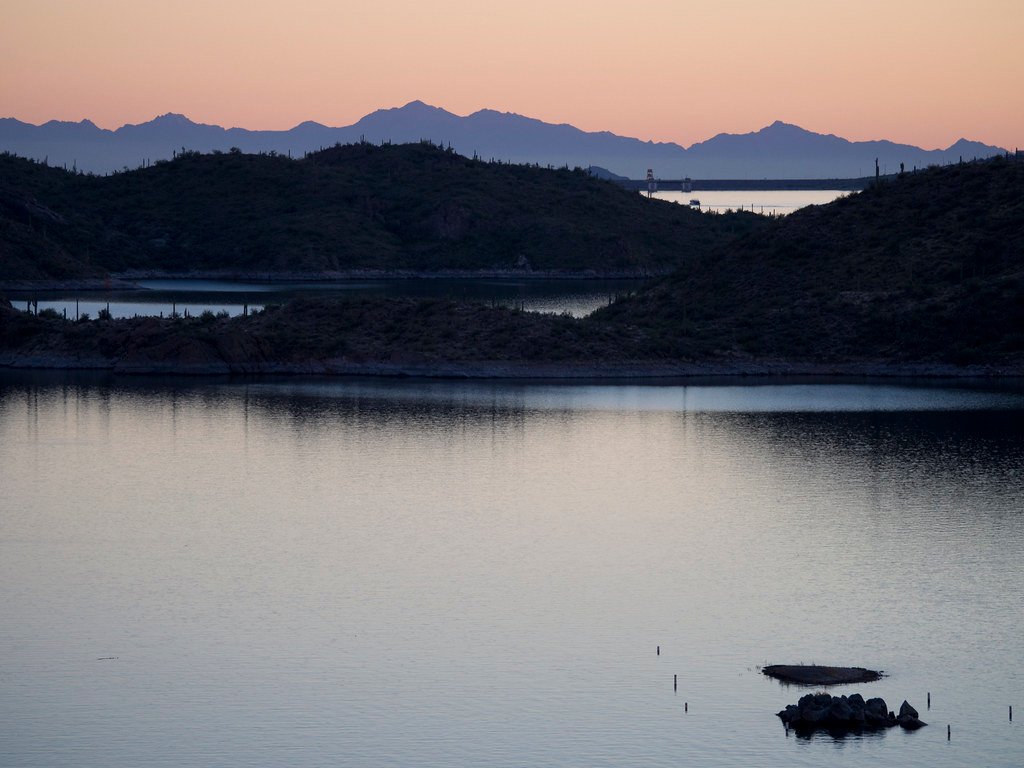
Lake Pleasant
What to know
Habitat Distribution
Black Buffalo prefer deeper waters with strong currents in rivers, reservoirs, and lakes.Key Locations
Apache Lake, Lower Colorado Region, Lower Salt, and Upper Salt watersheds. They were extirpated from Roosevelt Reservoir by drought.Specific Spots
Target deeper waters with moderate to fast-moving currents where they spend most of their time during non-spawning periods.Black Buffalo FAQ
Answers from onWater's species guide.
What are the best lures and bait for Black Buffalo in Arizona?
Since they are bottom feeders with small mouths, effective baits would include small pieces of crayfish, worms, or corn.
When is the best time to fish for Black Buffalo in Arizona?
Fish during spring and summer when they're most active, but avoid April-May spawning periods.
How do you catch Black Buffalo in Arizona?
Use standard sucker-fishing techniques with bottom rigs and patient presentation, as these fish are not typically aggressive feeders. Traditional carp and sucker fishing methods would likely be most effective.
What do Black Buffalo eat?
Their diet consists primarily of benthic organisms including Asiatic clams, algae, diatoms, crustaceans, mollusks, insects, and aquatic plants like duckweed. They are bottom feeders that use their small, subterminal mouths to forage.
Where do Black Buffalo live in Arizona?
Black Buffalo prefer deeper waters with strong currents in rivers, reservoirs, and lakes.
Fish smarter with real-time insights
Whether you're en route and conditions shift or you're looking for the best spot based on current flows, we enable you to make informed decisions on the fly.




See it in the app
Most maps show you water.
onWater shows you Black Buffalo.



- 01 · Species map filter
Map every Black Buffalo water
Pick Black Buffalo and the map zeroes in on the waters they call home. No more guessing which lake holds them.
- 02 · Waterbody species
Tap any water. See what lives there.
Species, behavior and seasonal patterns for every lake, river and pond, before you leave the driveway.
- 03 · Angler Intelligence
Ask how to catch Black Buffalo
Tactics, gear and timing from onWater's AI fishing guide, tuned to the species and the water you're on.
Stop guessing where Black Buffalo are.
Open the map, filter by Black Buffalo, and head to water that holds them. Download onWater and plan your next trip in minutes.
- Species map filter
- Angler Intelligence
- Fishing journal
Explore other species
Trout, bass, salmon, panfish and everything in between. Each guide unpacks the behavior, seasons, and tactics that put fish in the net.
No species information available.
Arizona licenses and regulations
Explore nearby waters
Explore Arizona waters
Top fishing waters
Popular Cities
Loading popular cities...

Smarter Fishing Starts in the App.
onWater Fish gives you everything you need to plan smarter, fish better, and own every trip from first cast to last.