Smallmouth Buffalo

The Smallmouth Buffalo (Ictiobus bubalus) is a large catostomid fish that was accidentally introduced to Arizona in 1918 along with Bigmouth Buffalo.
Though not native to Arizona, established populations exist in Apache Lake and Roosevelt Lake, with some presence in the Lower Colorado Region, Lower Salt, Upper Salt watersheds, and Moenkopi Wash.
Scientific Name: Ictiobus bubalus
These deep-bodied fish are distinguished from carp by lacking barbels and from Bigmouth Buffalo by their small, downward-pointing horizontal mouth.
They have bronze to slate olive backs with bronze sides that lighten with age, reaching lengths up to 40 inches and weights exceeding 60 pounds.
Fishing in Arizona
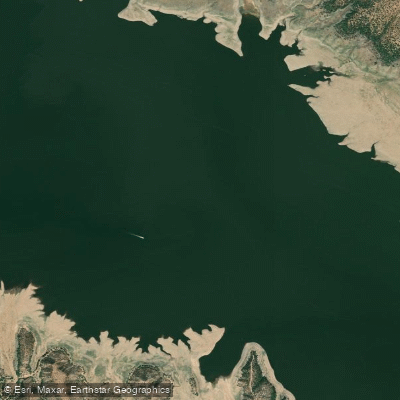
Salt River
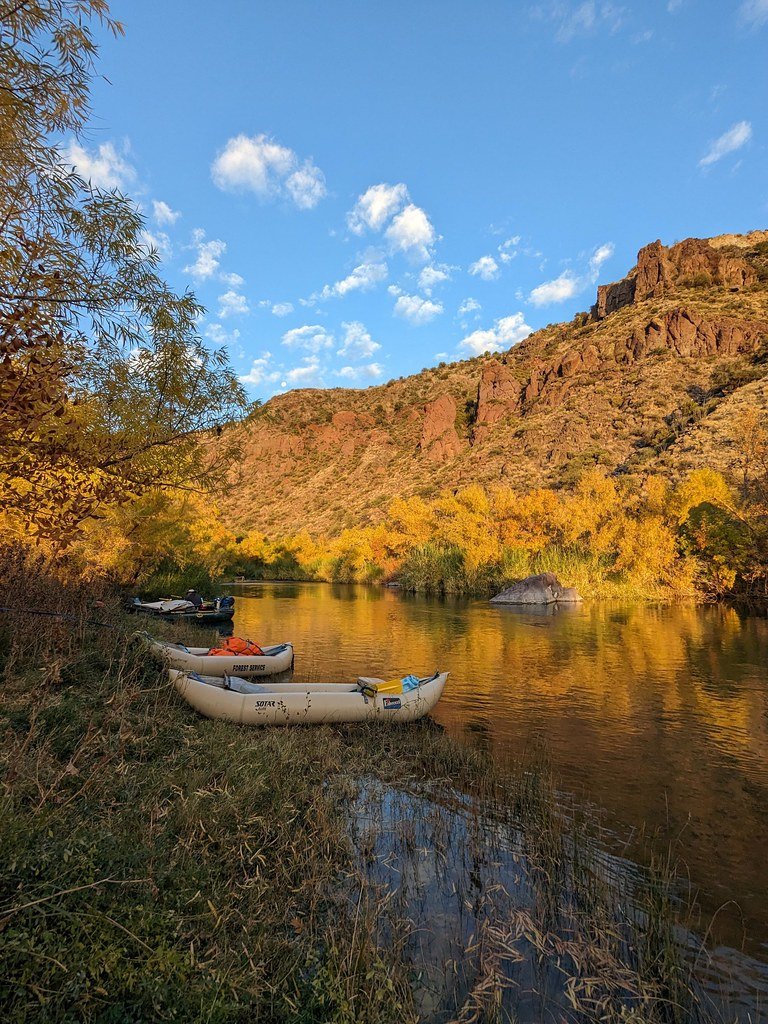
Verde River
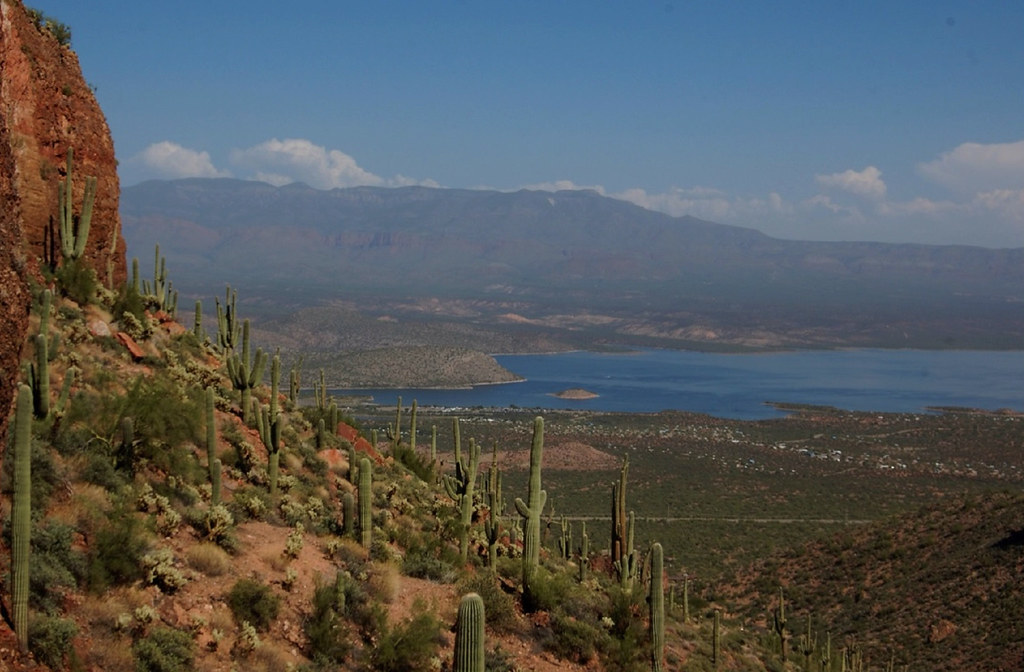
Theodore Roosevelt Lake
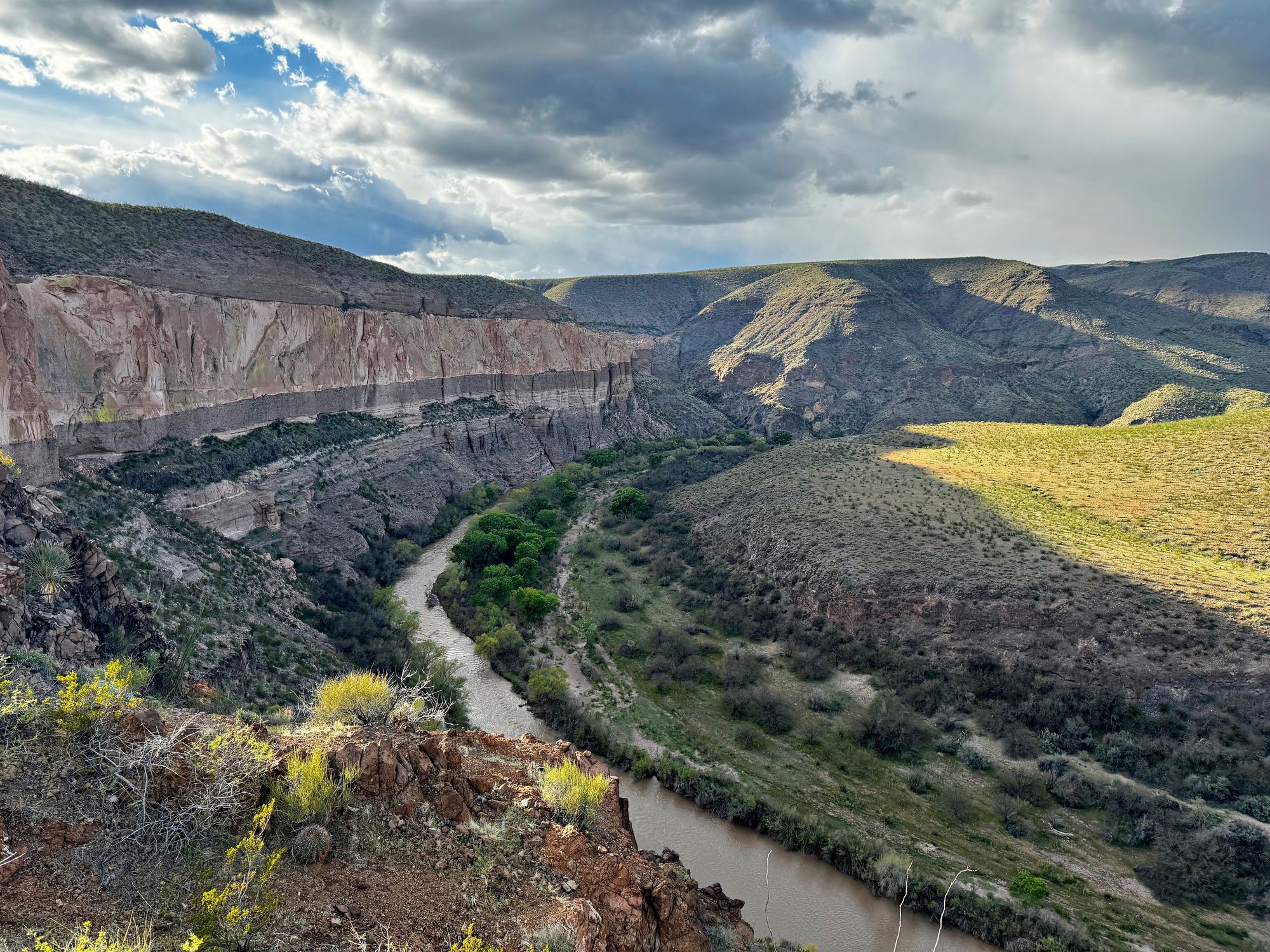
Gila River
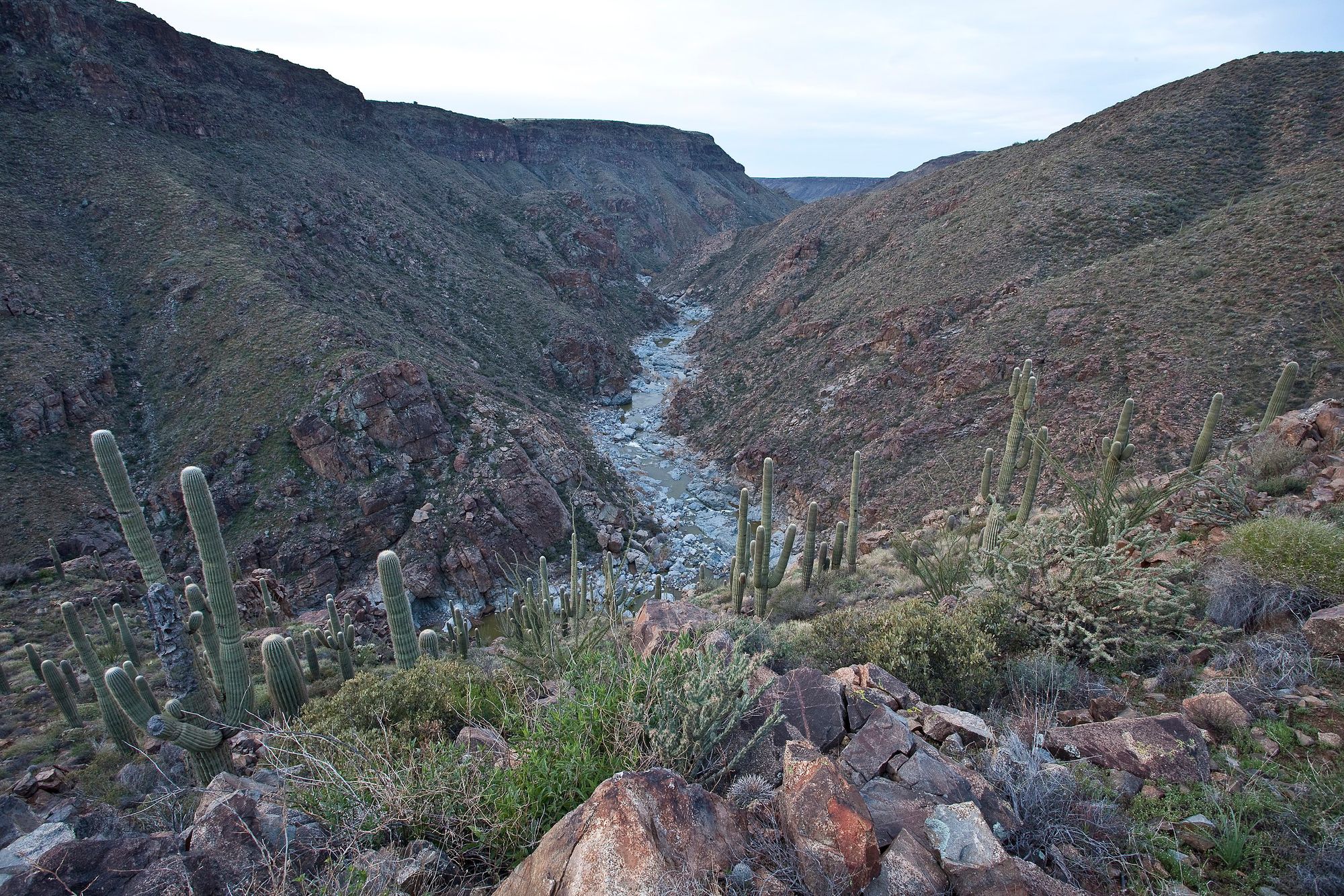
Agua Fria River
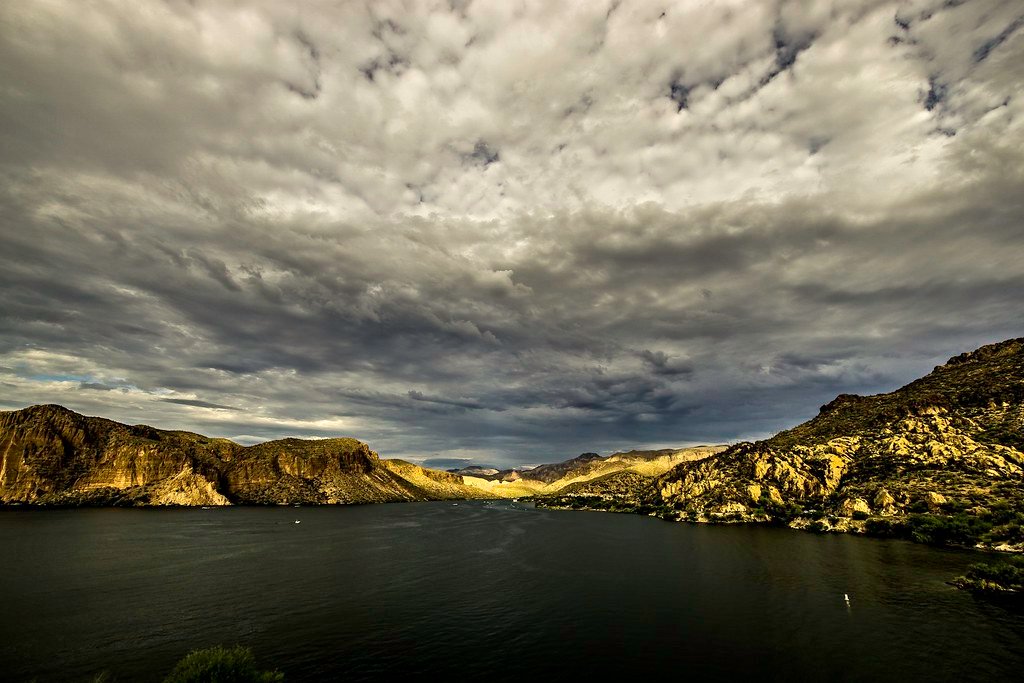
Canyon Lake
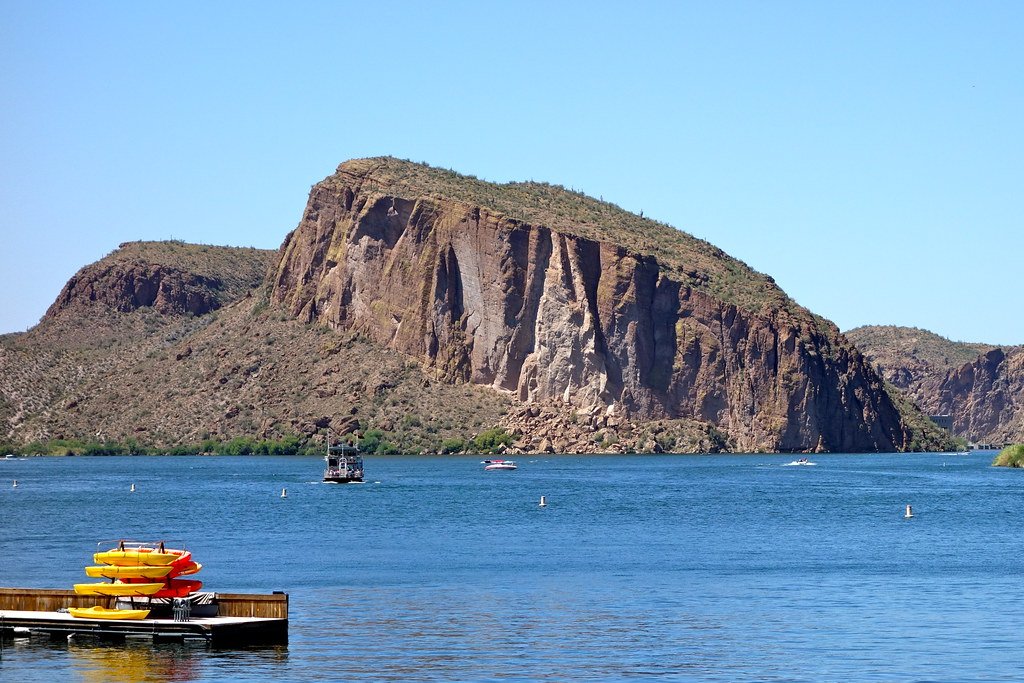
Saguaro Lake
Bartlett Reservoir
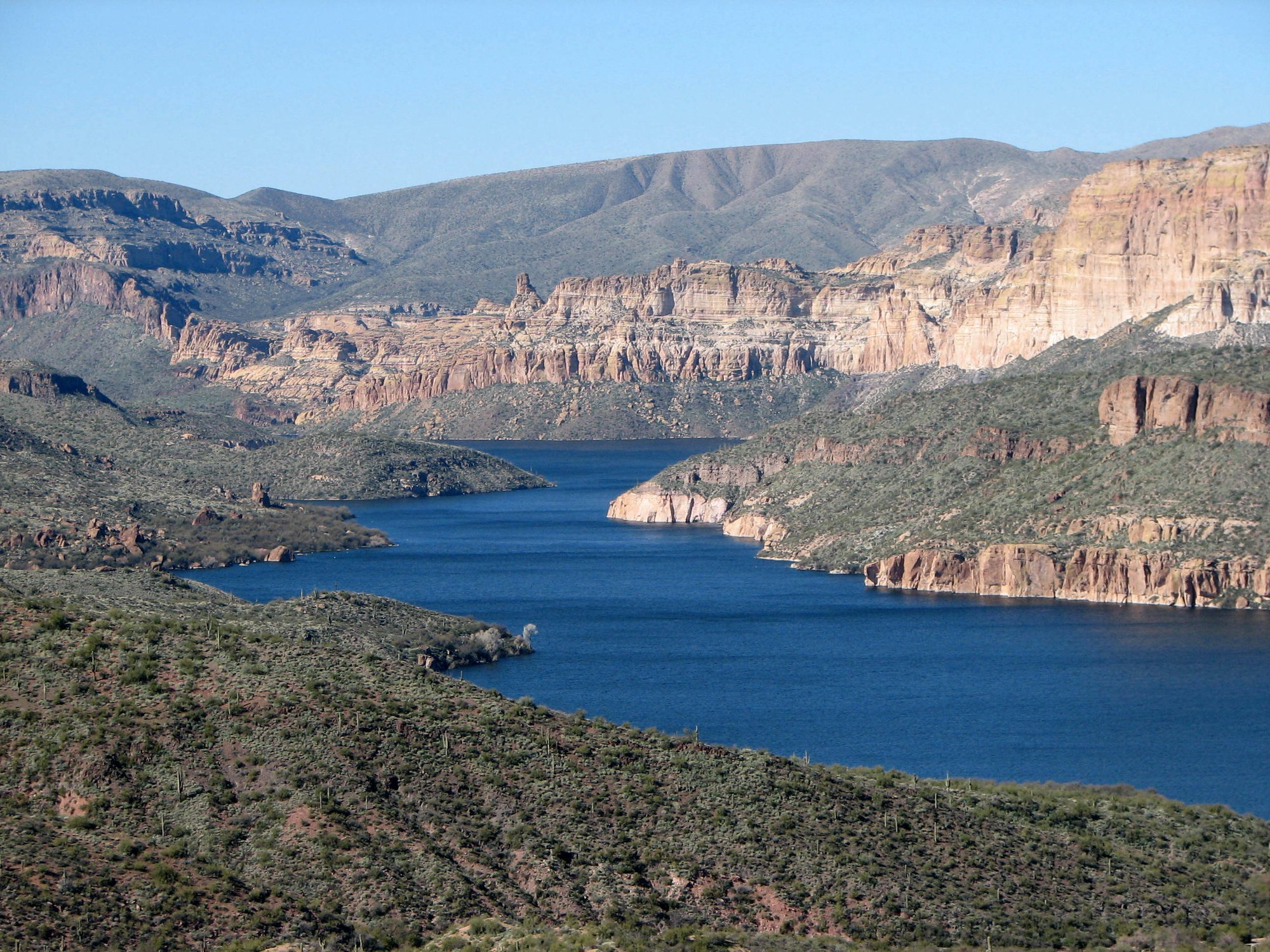
Apache Lake
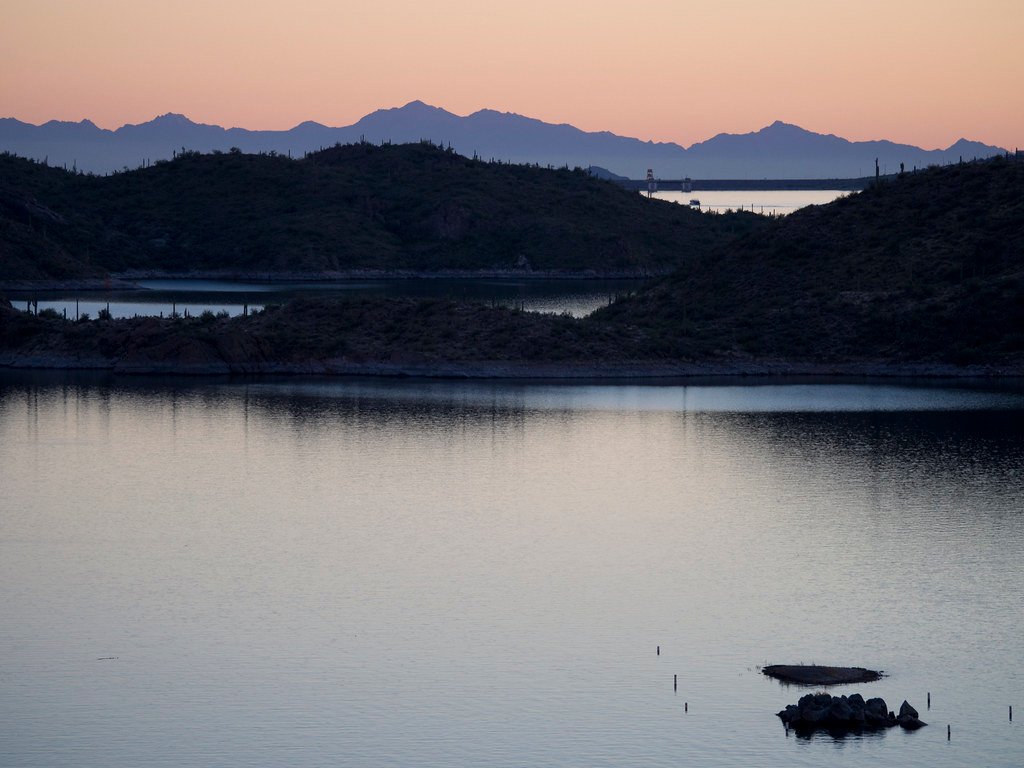
Lake Pleasant
What to know
Habitat Distribution
Though not native to Arizona, established populations exist in specific watersheds. They prefer clear to moderate flowing waters with dense aquatic vegetation and silty bottoms.Key Locations
Apache Lake and Roosevelt Lake, with some presence in the Lower Colorado Region, Lower Salt, Upper Salt watersheds, and Moenkopi Wash.Specific Spots
Target deeper pools with rocky or gravelly bottoms near structure. Focus on areas with moderate current and submerged vegetation where they forage for bottom organisms.Smallmouth Buffalo FAQ
Answers from onWater's species guide.
What are the best lures and bait for Smallmouth Buffalo in Arizona?
Natural baits including nightcrawlers, dough balls, cut bait, corn, and crickets. Some Arizona anglers report success with spicy baits like chili peppers or baits dipped in hot sauce.
What flies work for Smallmouth Buffalo in Arizona?
Use carp patterns including Clouser Minnows in chartreuse/white or olive/white, pink and chartreuse Backstabbers, Carp Tease, Carp Crack patterns, Carp Dusters, and even Bonefish Butters.
When is the best time to fish for Smallmouth Buffalo in Arizona?
Spring through fall during optimal water temperatures of 65-75°F. Spawning occurs from April to early June when water temperatures reach 60-70°F - avoid targeting these fish during spawning season to protect their reproductive success.
How do you catch Smallmouth Buffalo in Arizona?
Bottom-fishing techniques, drift fishing, still fishing, bait casting, and spin casting. Present flies quietly in their feeding path and move just enough for them to spot it. Since they nibble rather than strike aggressively, watch your line closely and time your hook set carefully.
What do Smallmouth Buffalo eat?
As bottom feeders, they use their ventral sucker mouths to consume algae scraped from rocks, zooplankton, insect larvae, mollusk larvae, small crustaceans, and organic detritus. They feed opportunistically on whatever organisms are most abundant in their environment.
Fish smarter with real-time insights
Whether you're en route and conditions shift or you're looking for the best spot based on current flows, we enable you to make informed decisions on the fly.




See it in the app
Most maps show you water.
onWater shows you Smallmouth Buffalo.



- 01 · Species map filter
Map every Smallmouth Buffalo water
Pick Smallmouth Buffalo and the map zeroes in on the waters they call home. No more guessing which lake holds them.
- 02 · Waterbody species
Tap any water. See what lives there.
Species, behavior and seasonal patterns for every lake, river and pond, before you leave the driveway.
- 03 · Angler Intelligence
Ask how to catch Smallmouth Buffalo
Tactics, gear and timing from onWater's AI fishing guide, tuned to the species and the water you're on.
Stop guessing where Smallmouth Buffalo are.
Open the map, filter by Smallmouth Buffalo, and head to water that holds them. Download onWater and plan your next trip in minutes.
- Species map filter
- Angler Intelligence
- Fishing journal
Explore other species
Trout, bass, salmon, panfish and everything in between. Each guide unpacks the behavior, seasons, and tactics that put fish in the net.
No species information available.
Arizona licenses and regulations
Explore nearby waters
Explore Arizona waters
Top fishing waters
Popular Cities
Loading popular cities...

Smarter Fishing Starts in the App.
onWater Fish gives you everything you need to plan smarter, fish better, and own every trip from first cast to last.