Quillback
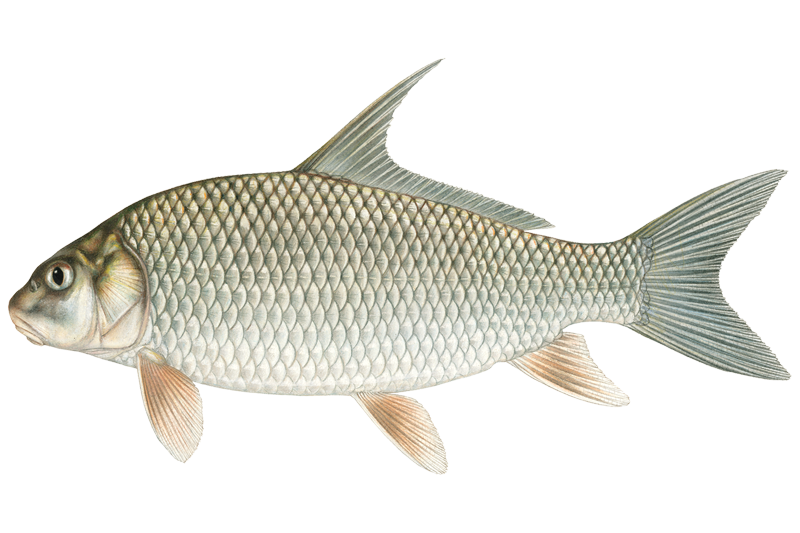
The Quillback (Carpiodes cyprinus), also known as the quillback carpsucker, is a deep-bodied freshwater fish belonging to the sucker family that's widely distributed throughout West Virginia.
This distinctive species gets its name from the elongated first dorsal rays that form a quill-like projection.
Scientific Name: Carpiodes cyprinus
Also known as quillback carpsucker
Deeply compressed, laterally flattened bodies with large, reflective silvery scales, small heads, and deeply forked tails. They typically measure 15-20 inches and weigh 1-4 pounds, though they can reach up to 26 inches and 10 pounds.
Fishing in West Virginia
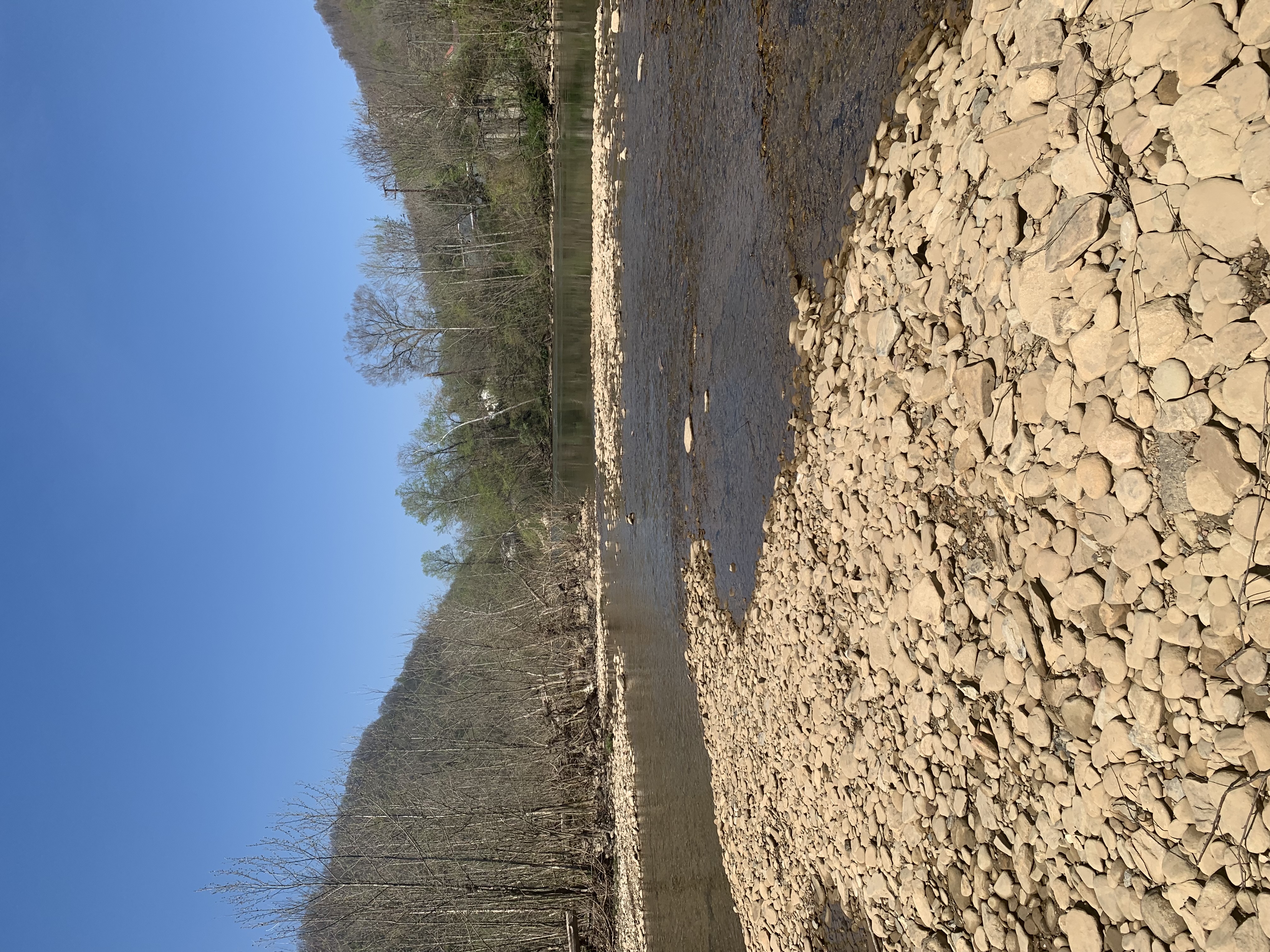
Gauley River
New River
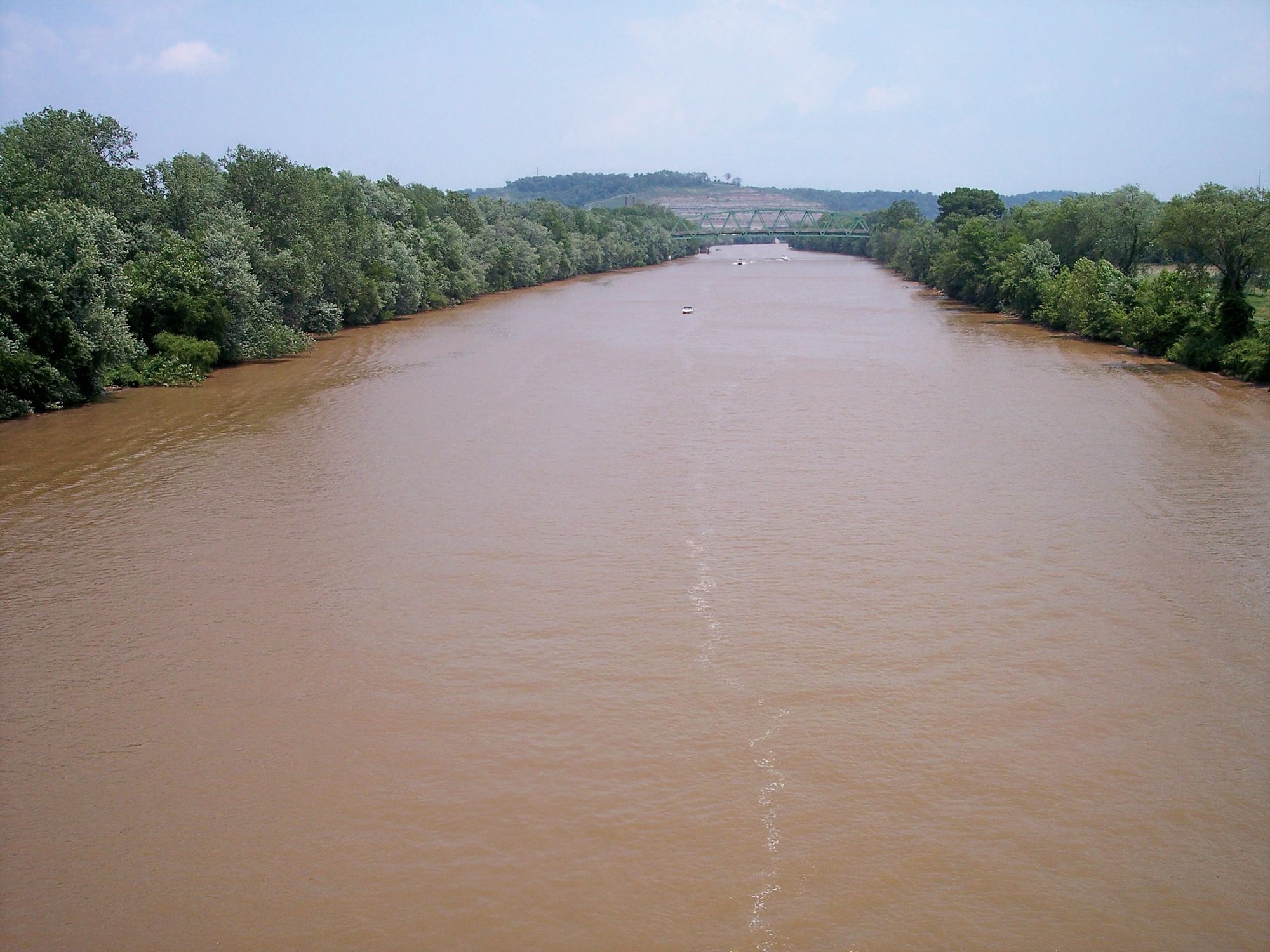
Kanawha River
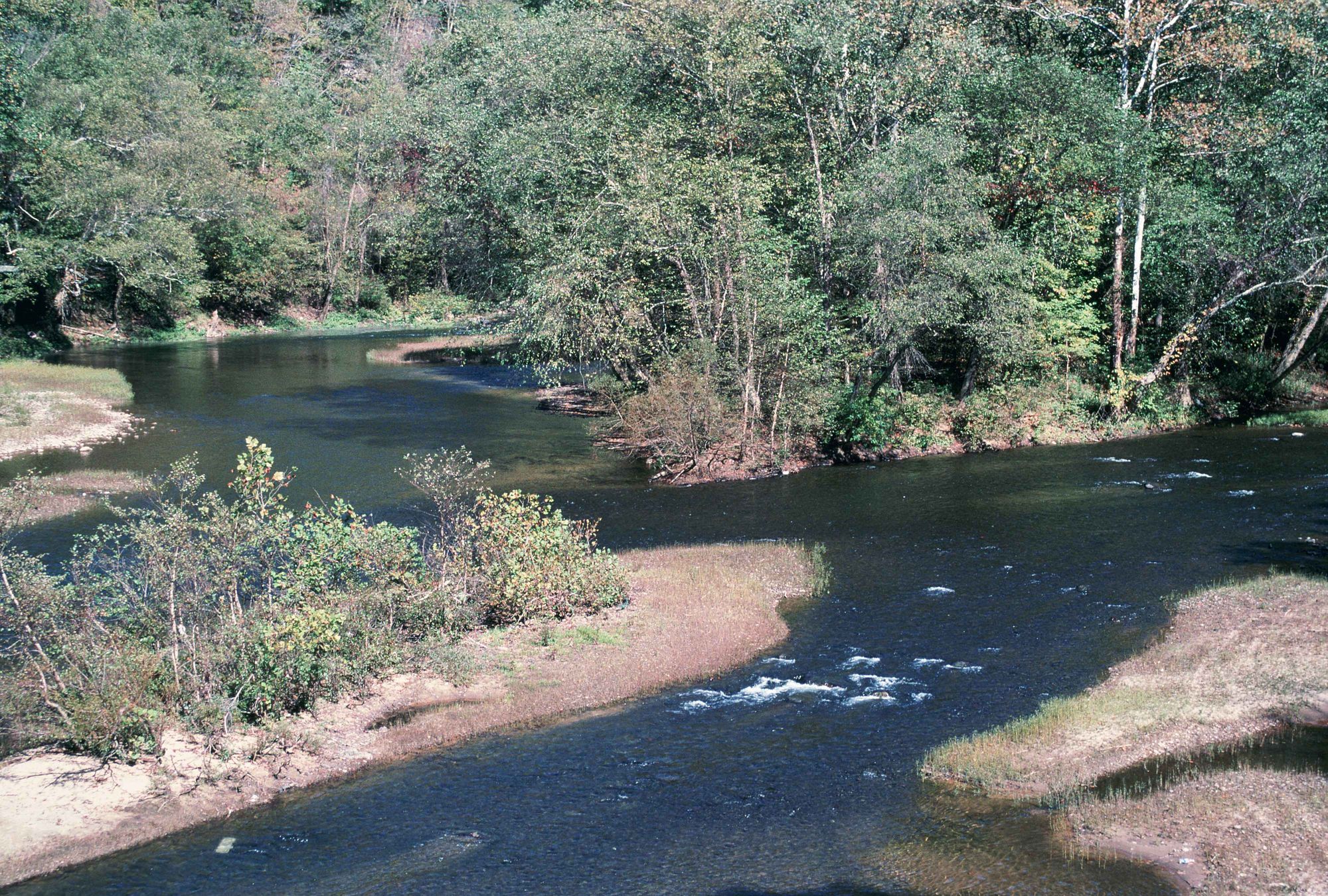
Elk River
Cranberry River
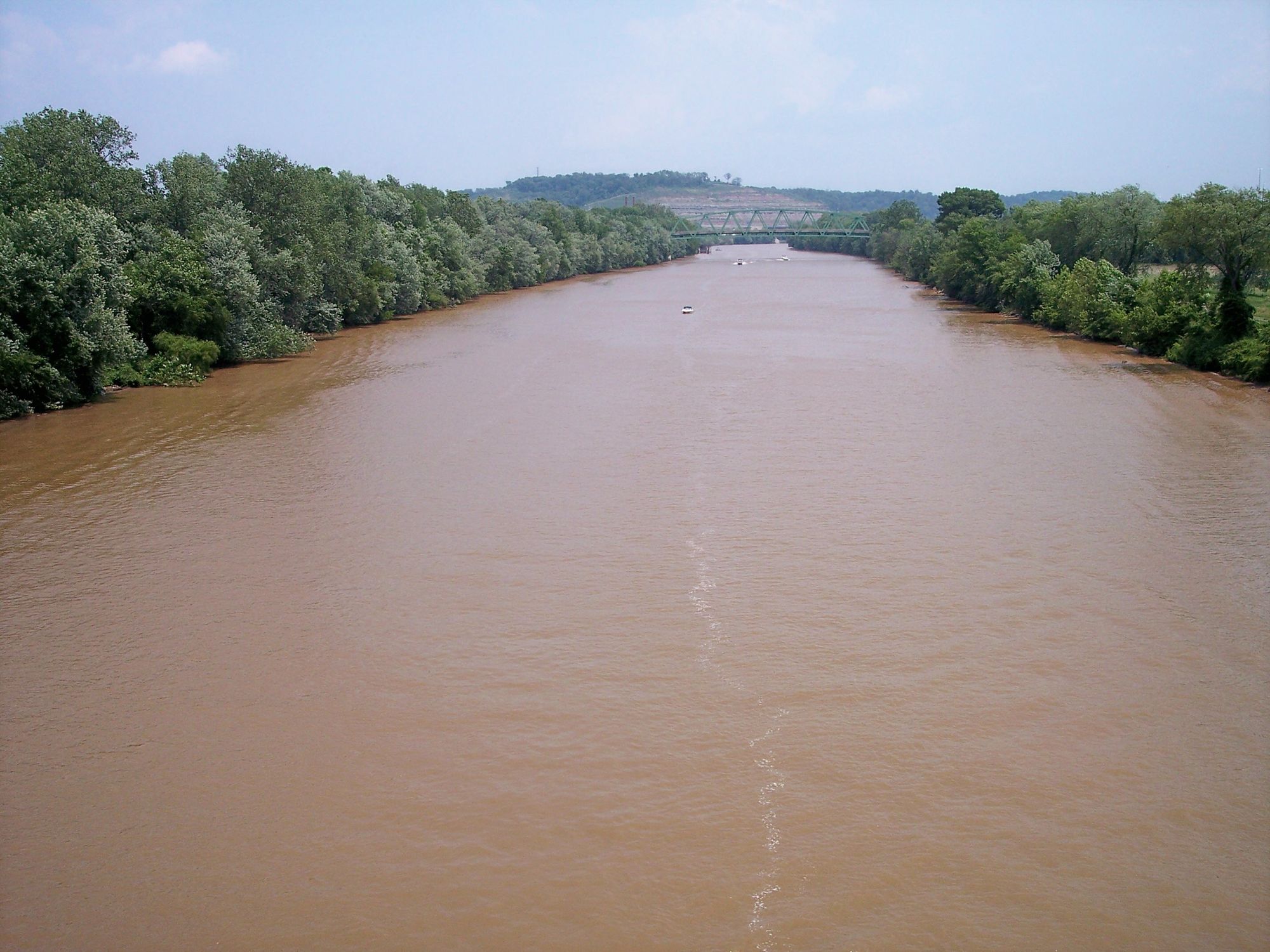
Little Kanawha River
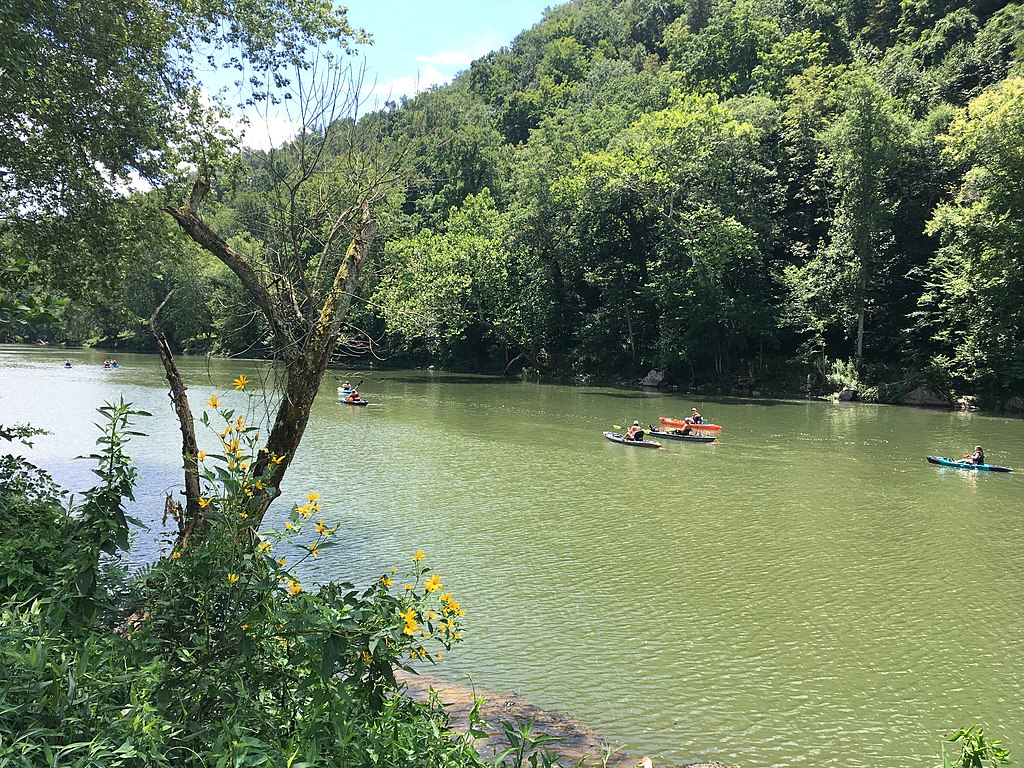
Greenbrier River
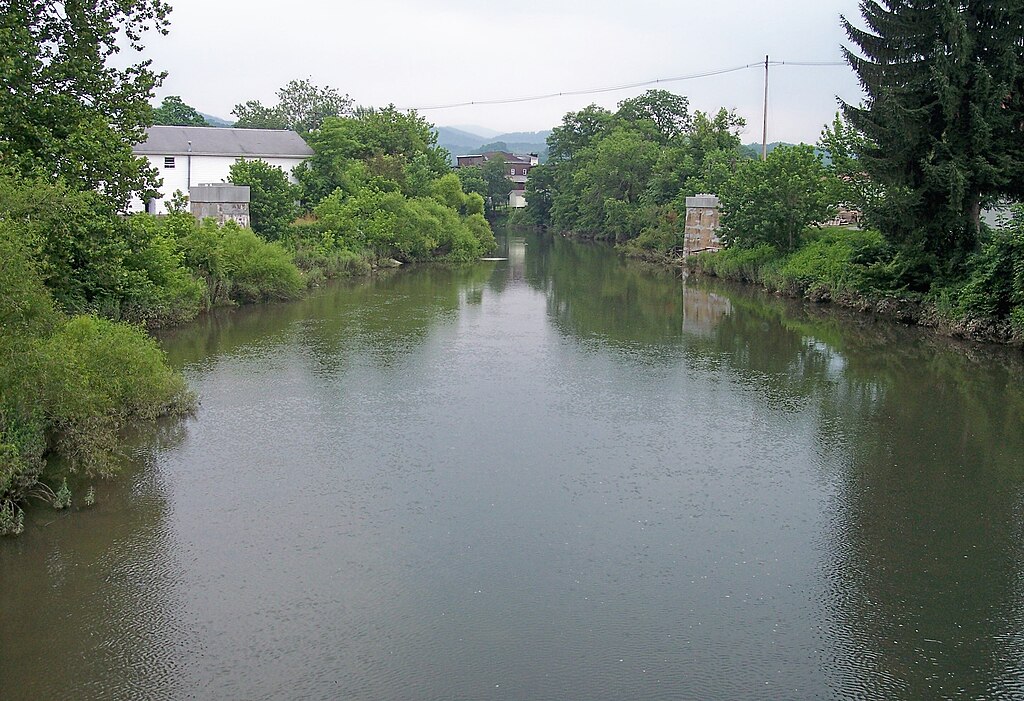
Tygart Valley River
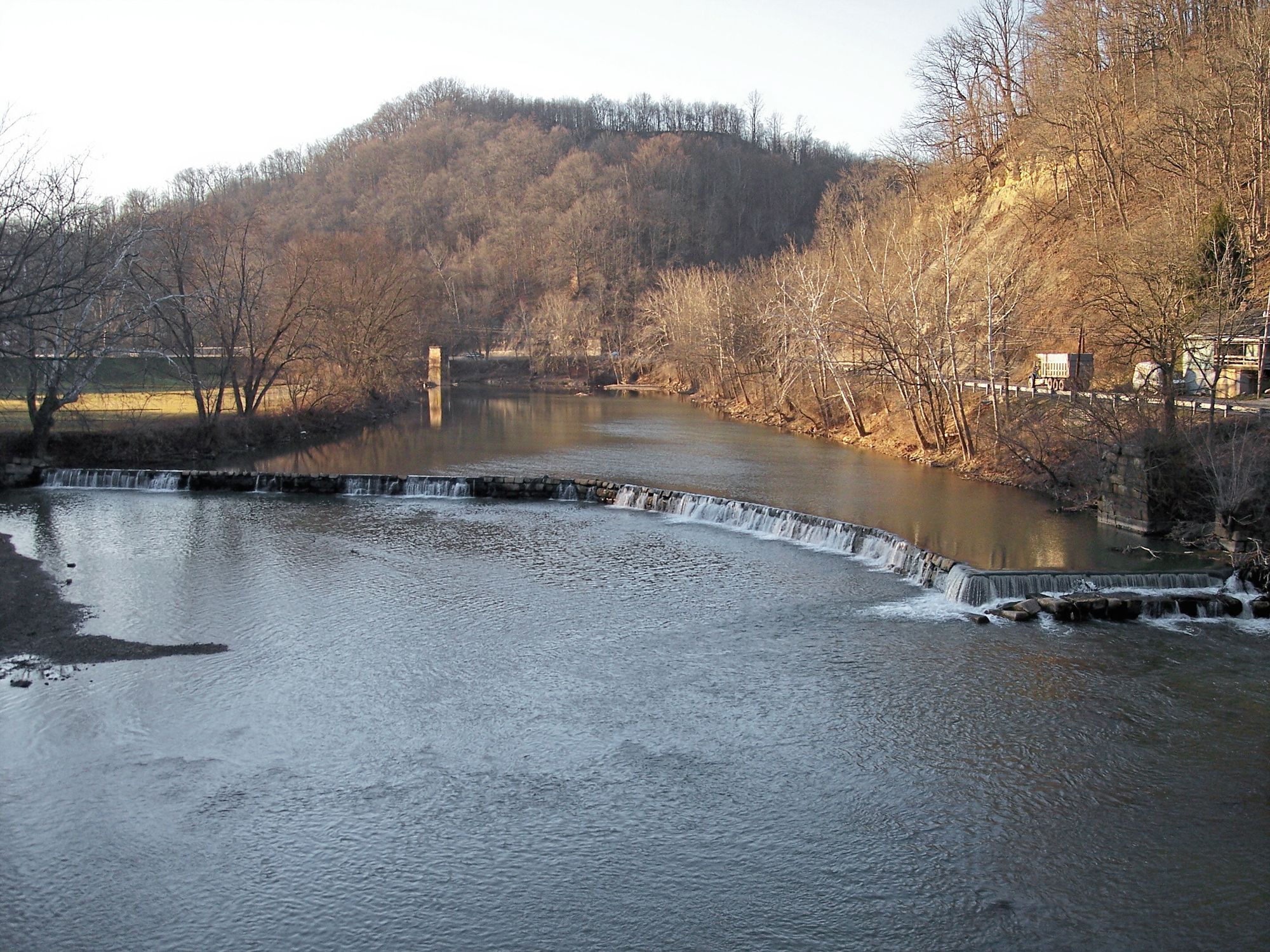
West Fork River
Sutton Lake
What to know
Habitat Distribution
Found throughout the state's major watersheds, particularly in the Ohio River system where they're listed among the sucker species presentKey Locations
West Virginia's rivers and streams, particularly in the Ohio River systemSpecific Spots
Slow-moving pools and backwaters of streams and rivers, particularly in slow-moving pools and backwaters with gravel bottoms and minimal silt. Target clear, slow-moving sections with gravel or sand bottoms where these fish naturally feed.Quillback FAQ
Answers from onWater's species guide.
What are the best lures and bait for Quillback in West Virginia?
Small pieces of nightcrawlers, worms, minnows, and artificial lures, though live bait is generally more effective
When is the best time to fish for Quillback in West Virginia?
During spawning season (late spring/early summer), these fish should not be targeted to protect reproducing populations.
How do you catch Quillback in West Virginia?
Present small pieces of nightcrawlers directly in front of the fish by dragging the bait along the bottom. Success requires patience and precise presentation - watch for the fish to approach and suck up the bait before setting the hook.
What do Quillback eat?
Omnivorous bottom feeders that consume aquatic insect larvae, mollusks, fingernail clams, and aquatic vegetation.
Where do Quillback live in West Virginia?
Found throughout the state's major watersheds, particularly in the Ohio River system where they're listed among the sucker species present
Fish smarter with real-time insights
Whether you're en route and conditions shift or you're looking for the best spot based on current flows, we enable you to make informed decisions on the fly.







See it in the app
Most maps show you water.
onWater shows you Quillback.



- 01 · Species map filter
Map every Quillback water
Pick Quillback and the map zeroes in on the waters they call home. No more guessing which lake holds them.
- 02 · Waterbody species
Tap any water. See what lives there.
Species, behavior and seasonal patterns for every lake, river and pond, before you leave the driveway.
- 03 · Angler Intelligence
Ask how to catch Quillback
Tactics, gear and timing from onWater's AI fishing guide, tuned to the species and the water you're on.
Stop guessing where Quillback are.
Open the map, filter by Quillback, and head to water that holds them. Download onWater and plan your next trip in minutes.
- Species map filter
- Angler Intelligence
- Fishing journal
Explore other species
Trout, bass, salmon, panfish and everything in between. Each guide unpacks the behavior, seasons, and tactics that put fish in the net.

Find which waters have the species you want to catch

Largemouth Bass

Smallmouth Bass
Micropterus dolomieu

Rainbow Trout

Brown Trout
Salmo trutta

Brook Trout

Northern Pike
Esox lucius

Muskellunge
Esox masquinongy

Walleye
Sander vitreus

Black Crappie
Pomoxis nigromaculatus

Alewife
Alosa pseudoharengus

American Eel
Anguilla rostrata

Bighead Carp
Hypophthalmichthys nobilis

Black Bullhead
Ameiurus melas

Blacknose Dace
Rhinichthys atratulus
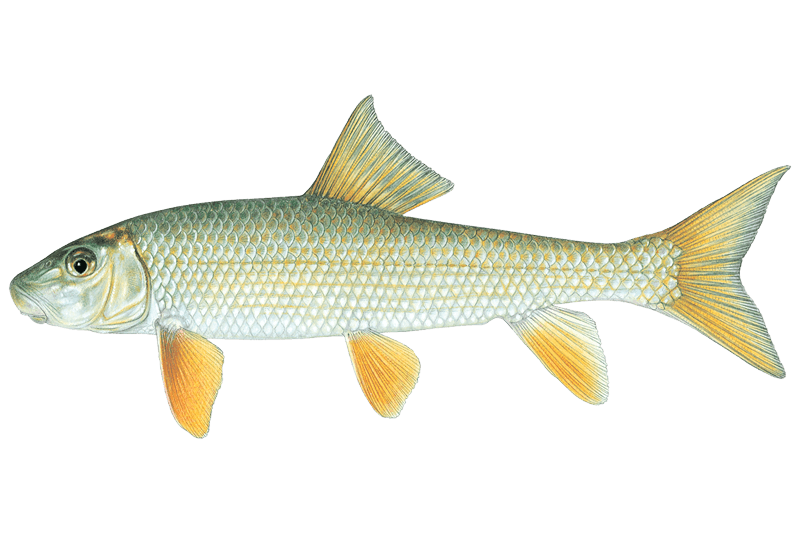
Black Redhorse
Moxostoma duquesnei

Blue Catfish
Ictalurus furcatus

Bowfin
Amia calva

Brown Bullhead
Ameiurus nebulosus

Chain Pickerel
Esox niger

Channel Catfish
Ictalurus punctatus

Common Carp
Cyprinus carpio

Creek Chub
Semotilus atromaculatus
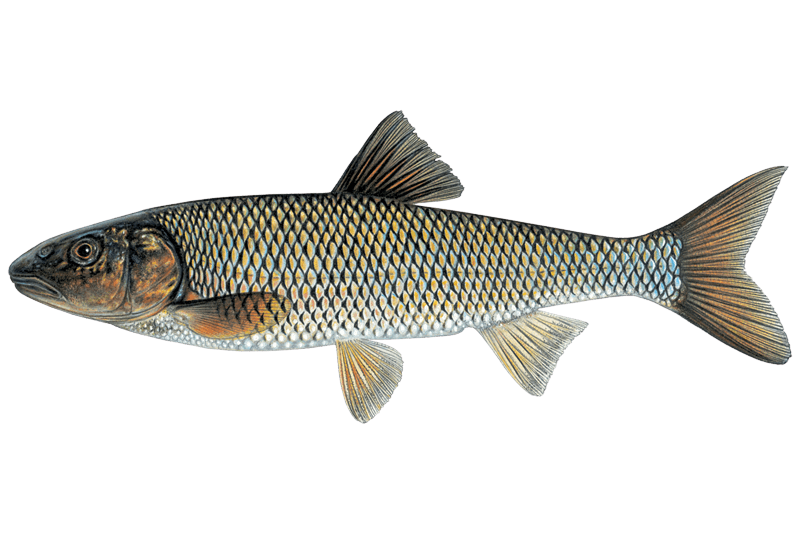
Fallfish

Flathead Catfish
Pylodictis olivaris

Freshwater Drum
Aplodinotus grunniens

Gizzard Shad

Golden Redhorse
Moxostoma erythrurum
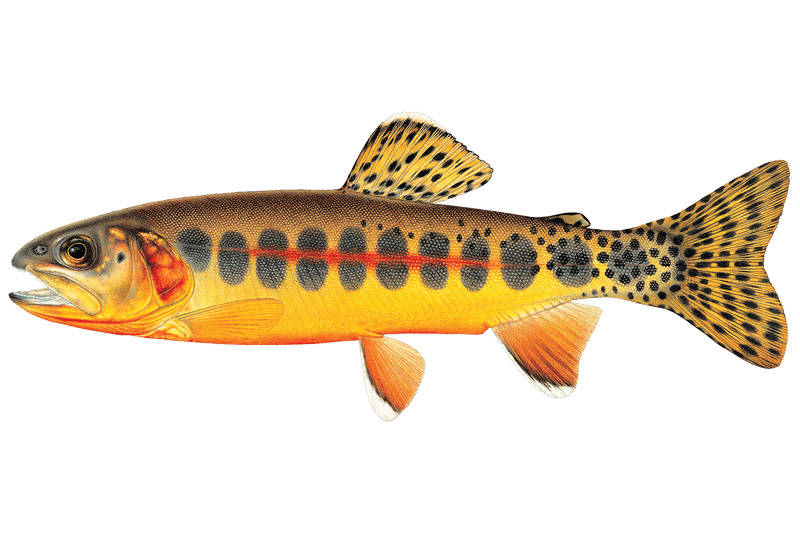
Golden Trout

Grass Carp
Ctenopharyngodon idella
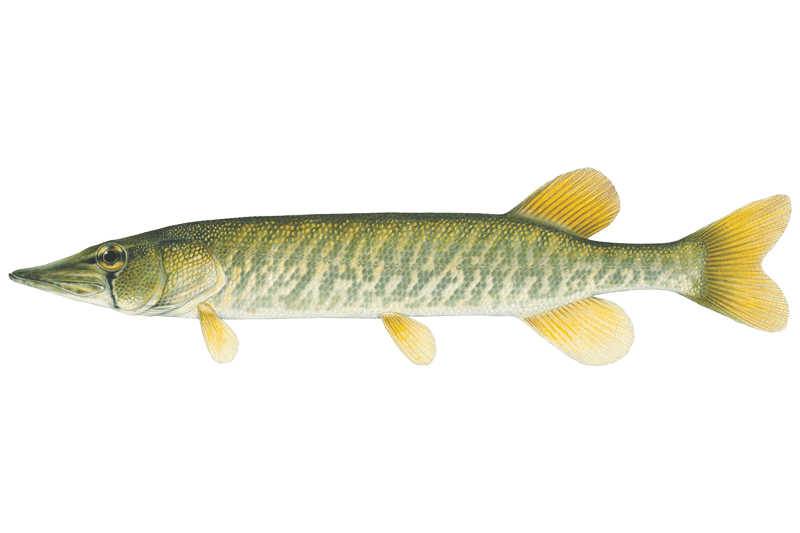
Grass Pickerel
Esox americanus vermiculatus

Green Sunfish
Lepomis cyanellus

Longear Sunfish
Lepomis megalotis

Longnose Gar

Longnose Sucker
Catostomus catostomus

Northern Hogsucker
Hypentelium nigricans
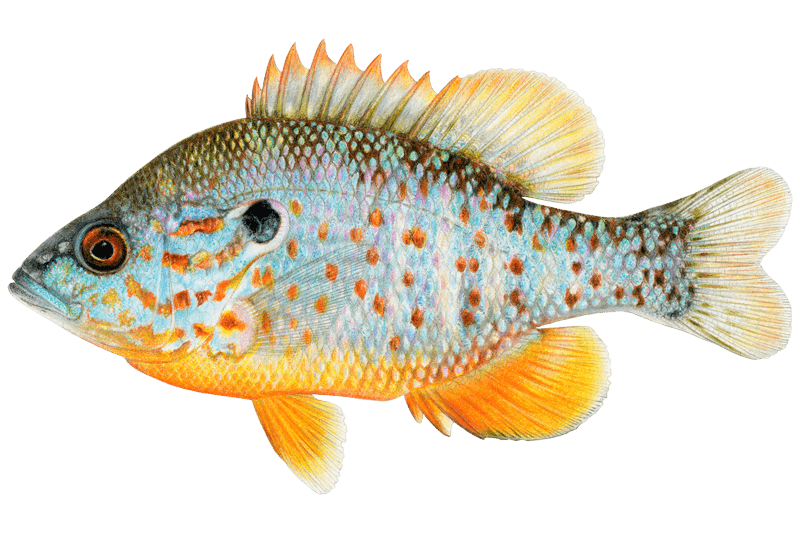
Orangespotted Sunfish
Lepomis humilis

Pumpkinseed
Lepomis gibbosus
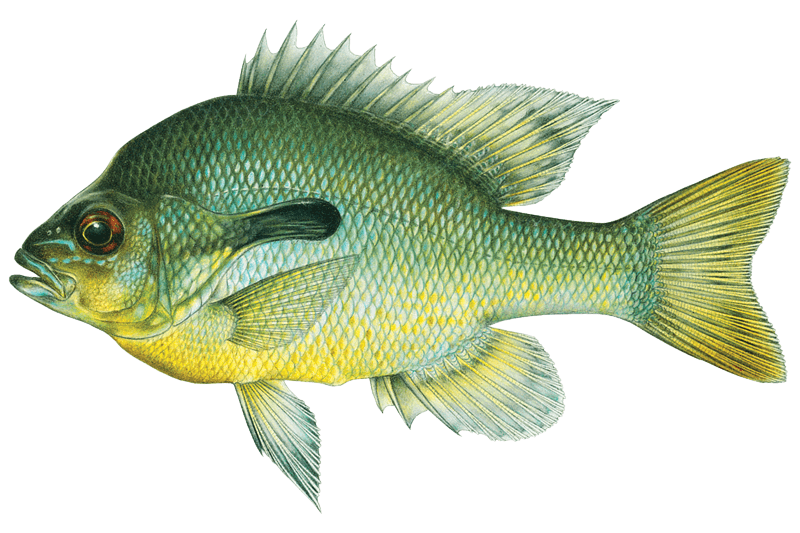
Redbreast Sunfish
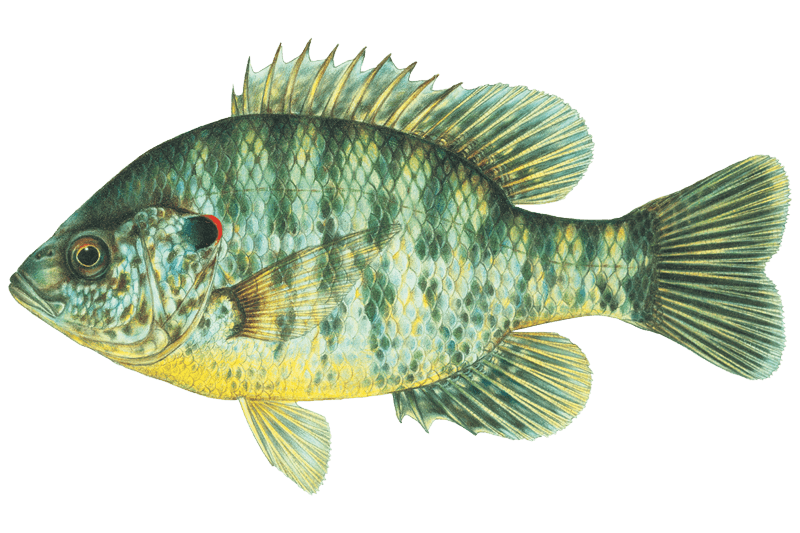
Redear Sunfish

Rock Bass
Ambloplites rupestris
West Virginia licenses and regulations
West Virginia Boating Regulations
When using any type of watercraft to access a body of water, it is important to follow all federal, state, and local rules and regulations. These rules and regulations include boat permitting and licensing, invasive species inspections and stamps, life jacket and PFD rules, motor size and horsepower restrictions, noise limitations, restrictions on personal watercraft, and many more. Visit the web link below for the most current rules and regulations for this body of water.
West Virginia Fishing License
All anglers who are at the age of 15 and older are required to have a fishing license and a valid form of identification such as a State Issued ID or Driver's License while fishing.

West Virginia Fishing Regulations
This river has a variety of species and regulations, including potential floating and/or watercraft restrictions. Because this river is specially managed for species, seasons, angling methods, and watercraft, it is strongly encouraged you check all federal, state, and local regulations before fishing. Visit any of the links below, inquire locally, or contact a local fly shop to learn current regulations and restrictions.
West Virginia Stream Access Laws
On navigable waters, the public may use the streambed up to the high water mark. On floatable waters, the public may float through private land but cannot legally use the streambed. Public rights on non-navigable waters are not well defined, but are likely none.
Explore nearby waters
Explore West Virginia waters
Top fishing waters
Popular Cities
Loading popular cities...
Smarter Fishing Starts in the App.
onWater Fish gives you everything you need to plan smarter, fish better, and own every trip from first cast to last.