Black Bullhead

Black Bullhead are not native to West Virginia but have established populations through introductions.
They are small but robust catfish, extremely tolerant of poor water conditions, handling temperatures up to 86°F and low oxygen levels, making them successful in various West Virginia waters.
Scientific Name: Ameiurus melas
- They are small but robust catfish, typically weighing less than 2 pounds though trophy fish can reach 5 pounds and up to 24 inches in length.
- Black Bullheads have dark olive to slate-black coloration with distinctive dark chin barbels, a slightly notched tail fin, and lack the saw-like teeth on pectoral spines found in other bullhead species.
Fishing in West Virginia
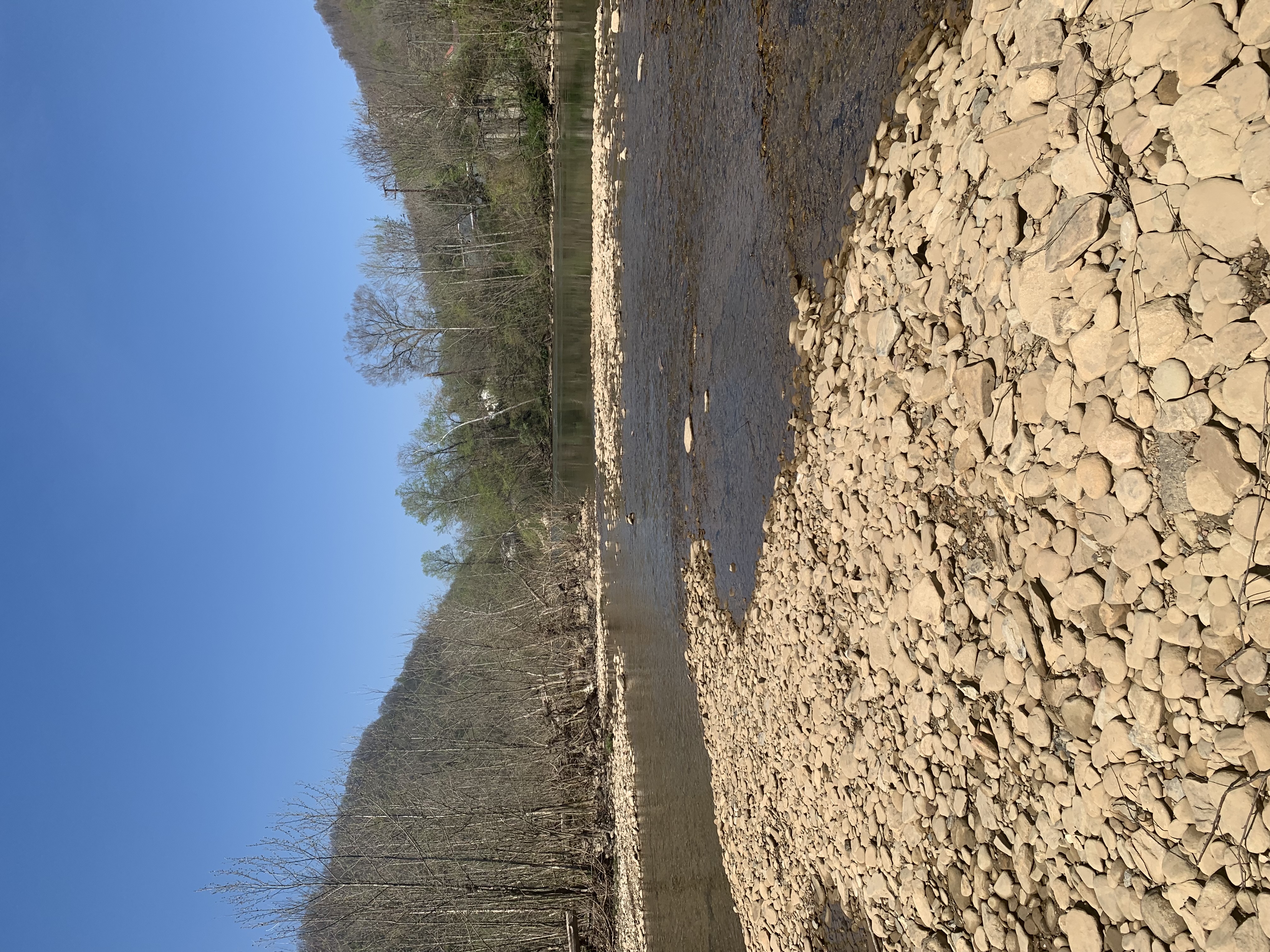
Gauley River
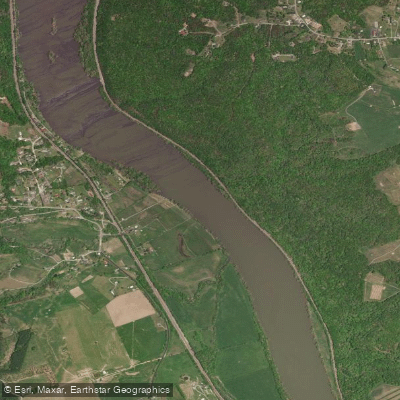
New River
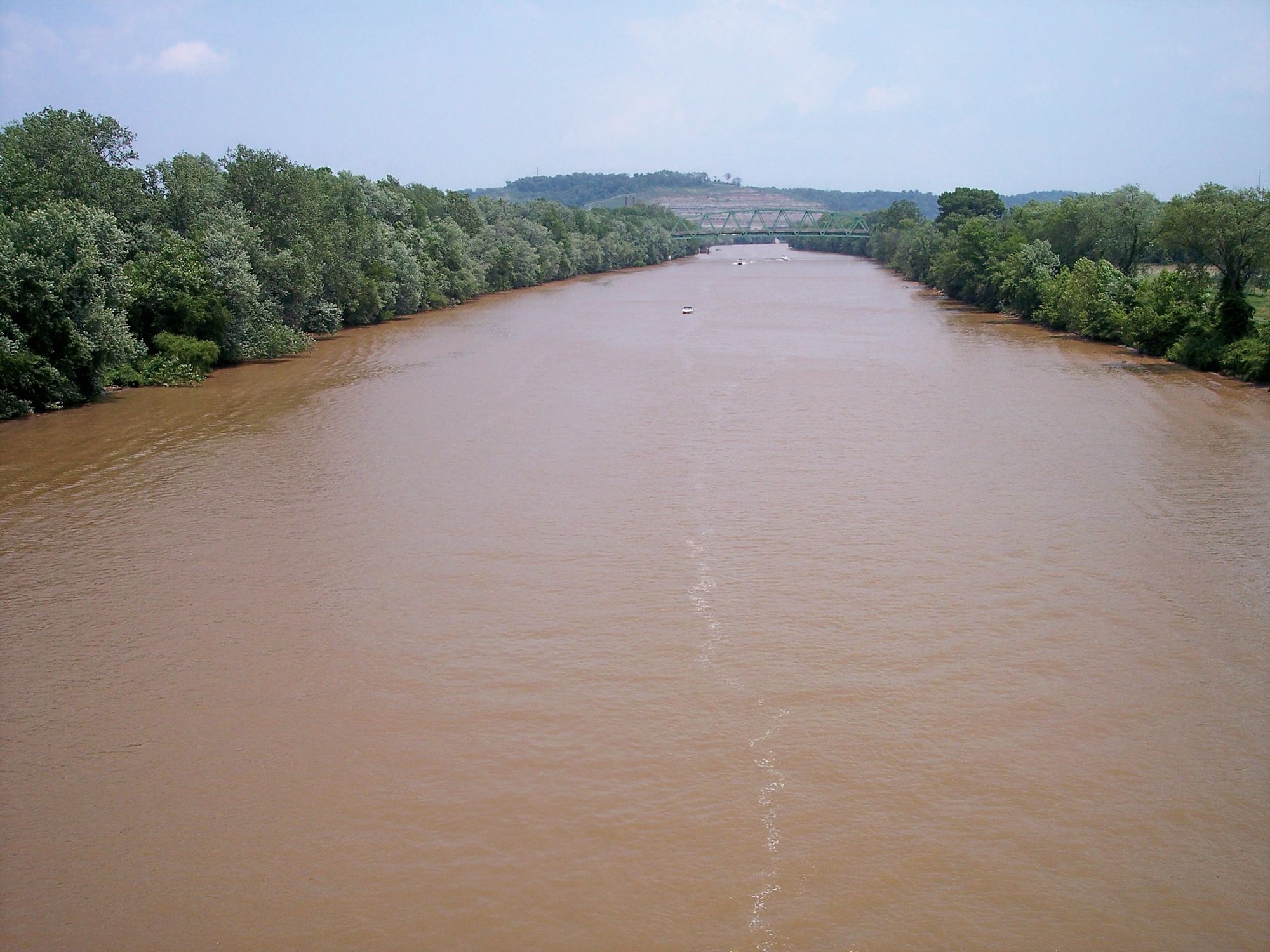
Kanawha River
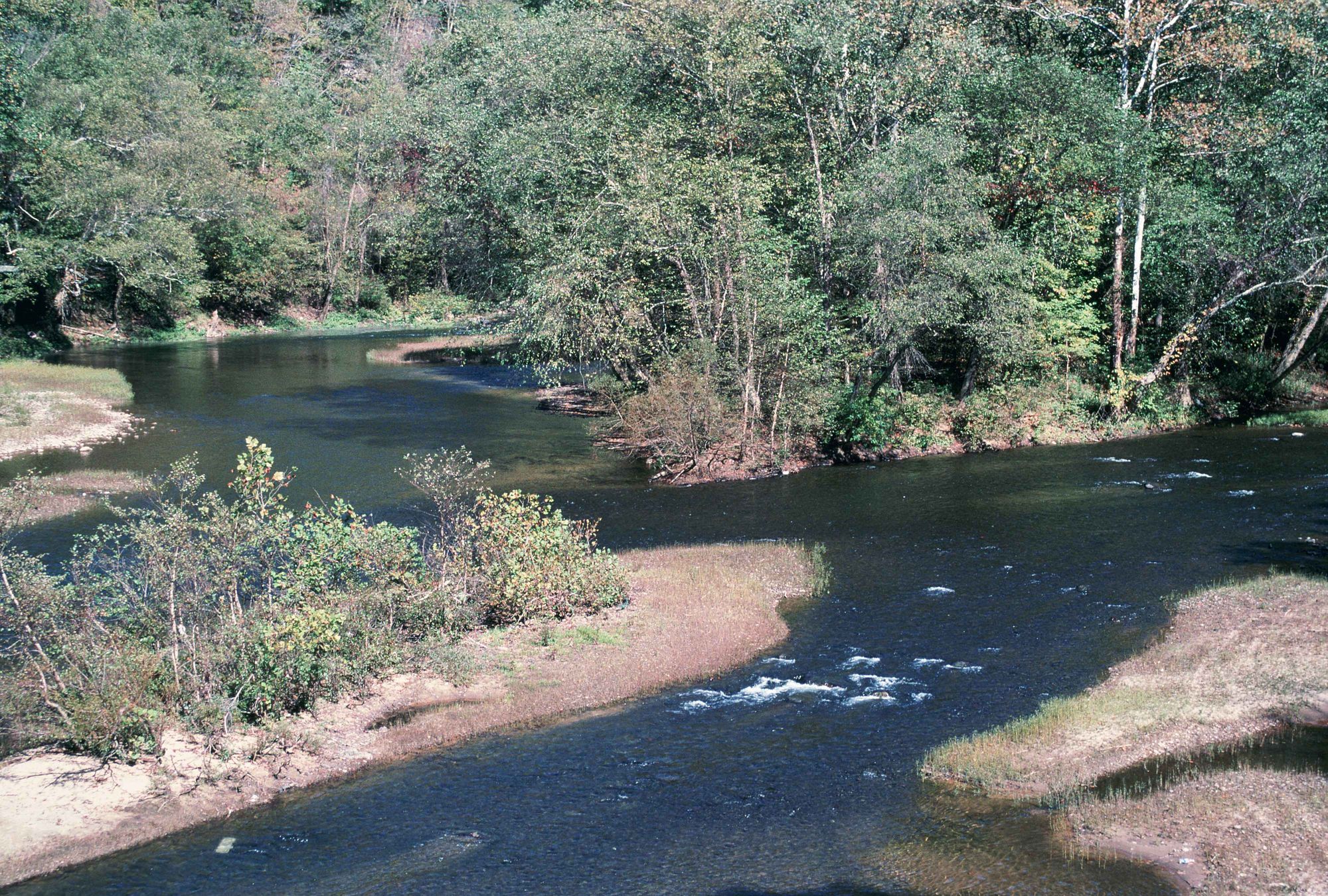
Elk River
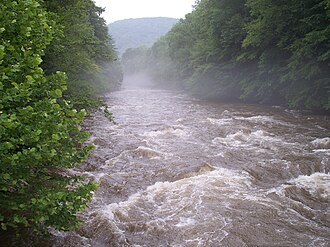
Cranberry River
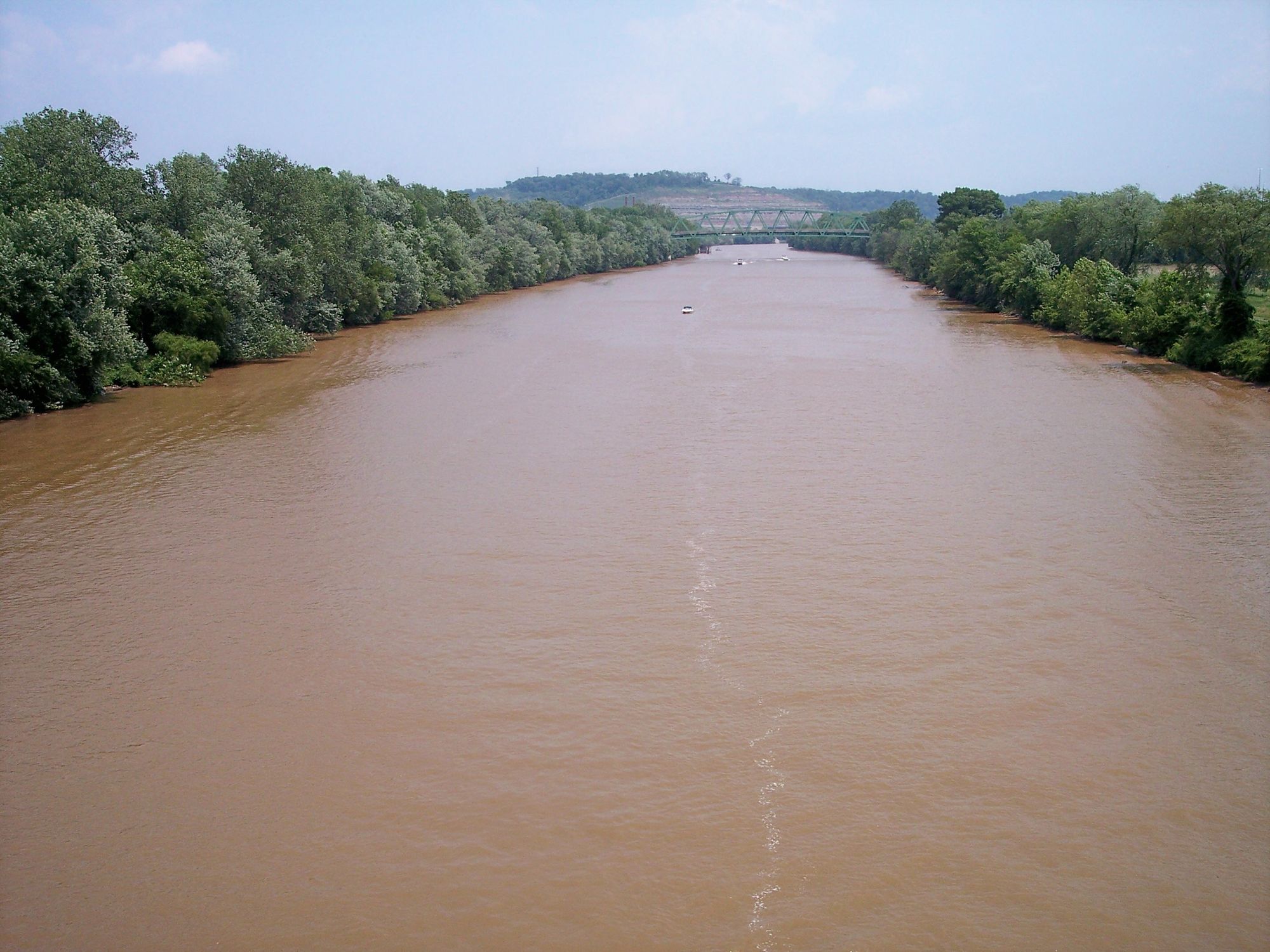
Little Kanawha River
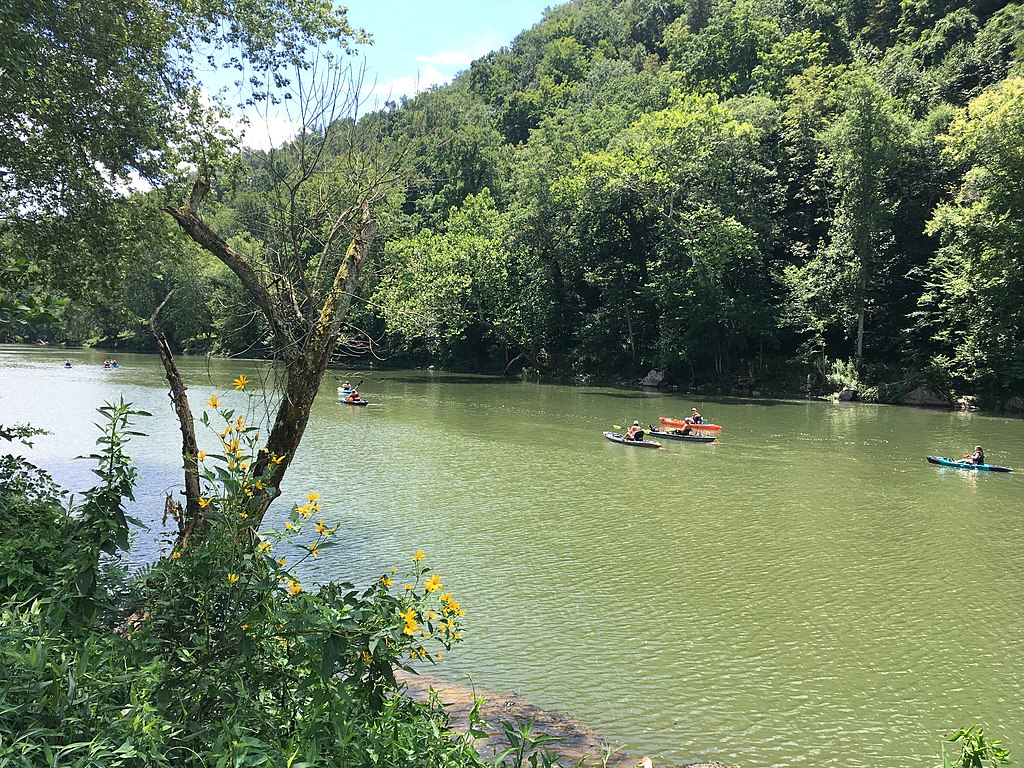
Greenbrier River
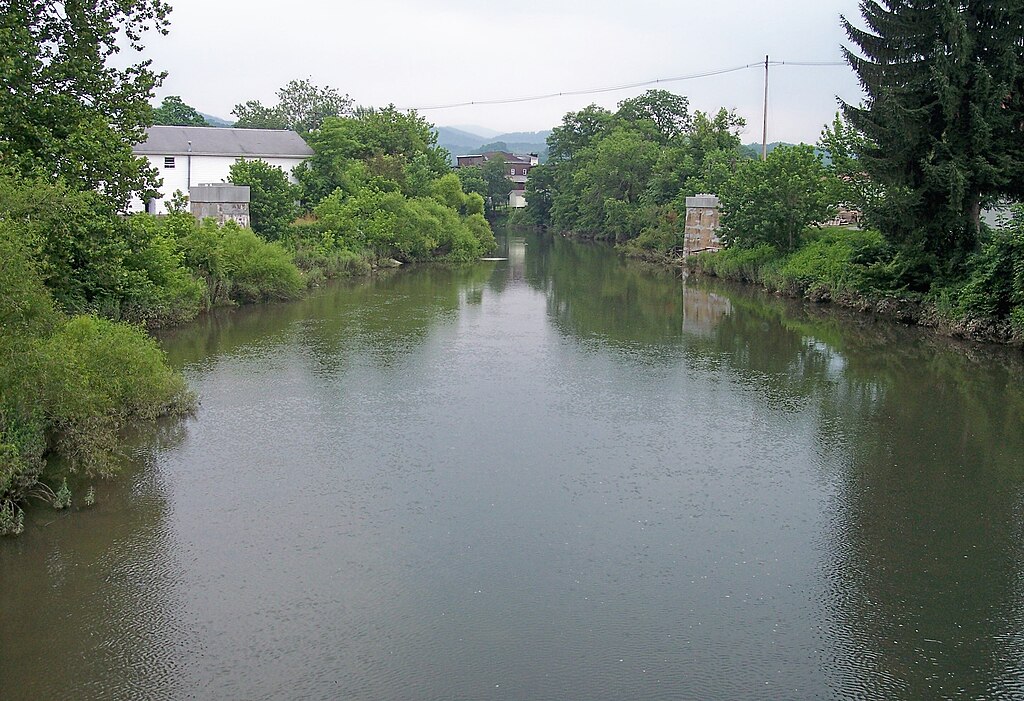
Tygart Valley River
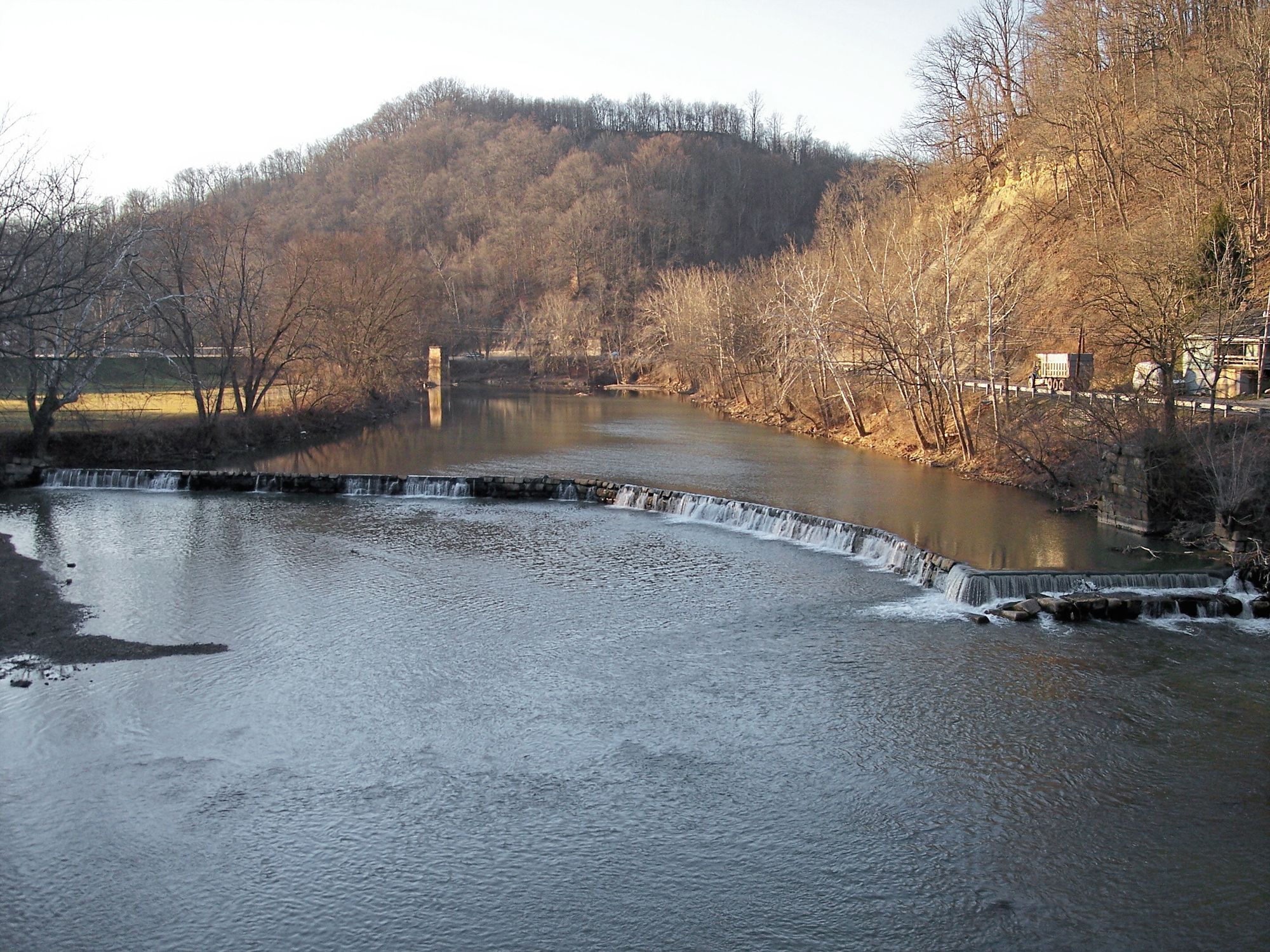
West Fork River
Sutton Lake
What to know
Habitat Distribution
- Black Bullheads prefer slow-moving or still waters with soft substrates, thriving in lakes, ponds, backwaters, and sluggish stream sections.
Key Locations
- Fish can be found in most West Virginia lakes, ponds, and slower river sections with suitable habitat.
Specific Spots
- Target shallow areas near weed beds, muddy bottoms, coves, and areas with cover like fallen trees or docks.
Black Bullhead FAQ
Answers from onWater's species guide.
What are the best lures and bait for Black Bullhead in West Virginia?
The most productive baits include nightcrawlers, cut bait, minnows (live or dead), chicken liver, and even unconventional options like corn, cheese, hot dogs, bread, or marshmallows. Scent is crucial - they respond well to stinky baits and even worms soaked in pickled beet juice for added attraction.
When is the best time to fish for Black Bullhead in West Virginia?
Fish from spring through fall, with peak activity during warm summer months when they're most aggressive.
How do you catch Black Bullhead in West Virginia?
Still fishing with bait on the bottom is the most effective technique - cast out and wait for the distinctive bullhead bite. Simple drift fishing and basic spin casting work well.
What do Black Bullhead eat?
These omnivorous fish feed on aquatic invertebrates (especially chironomid larvae), small fish, plant material, and will scavenge dead or dying fish.
Where do Black Bullhead live in West Virginia?
Black Bullheads prefer slow-moving or still waters with soft substrates, thriving in lakes, ponds, backwaters, and sluggish stream sections.
Fish smarter with real-time insights
Whether you're en route and conditions shift or you're looking for the best spot based on current flows, we enable you to make informed decisions on the fly.




See it in the app
Most maps show you water.
onWater shows you Black Bullhead.



- 01 · Species map filter
Map every Black Bullhead water
Pick Black Bullhead and the map zeroes in on the waters they call home. No more guessing which lake holds them.
- 02 · Waterbody species
Tap any water. See what lives there.
Species, behavior and seasonal patterns for every lake, river and pond, before you leave the driveway.
- 03 · Angler Intelligence
Ask how to catch Black Bullhead
Tactics, gear and timing from onWater's AI fishing guide, tuned to the species and the water you're on.
Stop guessing where Black Bullhead are.
Open the map, filter by Black Bullhead, and head to water that holds them. Download onWater and plan your next trip in minutes.
- Species map filter
- Angler Intelligence
- Fishing journal
Explore other species
Trout, bass, salmon, panfish and everything in between. Each guide unpacks the behavior, seasons, and tactics that put fish in the net.
No species information available.
West Virginia licenses and regulations
Explore nearby waters
Explore West Virginia waters
Top fishing waters
Popular Cities
Loading popular cities...

Smarter Fishing Starts in the App.
onWater Fish gives you everything you need to plan smarter, fish better, and own every trip from first cast to last.