Blue Catfish

Blue catfish are native to West Virginia's Ohio River drainage, though historically they occurred in low numbers in the upper reaches due to limited habitat availability.
The species was considered extirpated from West Virginia waters for many years until recent stocking efforts by WVDNR beginning in 2004 helped reestablish fishable populations in the West Virginia portions of the Ohio River.
Scientific Name: Ictalurus furcatus
- These are the largest catfish species native to North America, frequently exceeding 40 inches in length and capable of reaching massive sizes - the current world record is 143 pounds.
- Blue catfish are silvery-blue in color with a straight, comb-like anal fin and can be distinguished from channel catfish by their lack of black spots and 30+ anal fin rays versus channel cats' fewer than 30.
Fishing in West Virginia
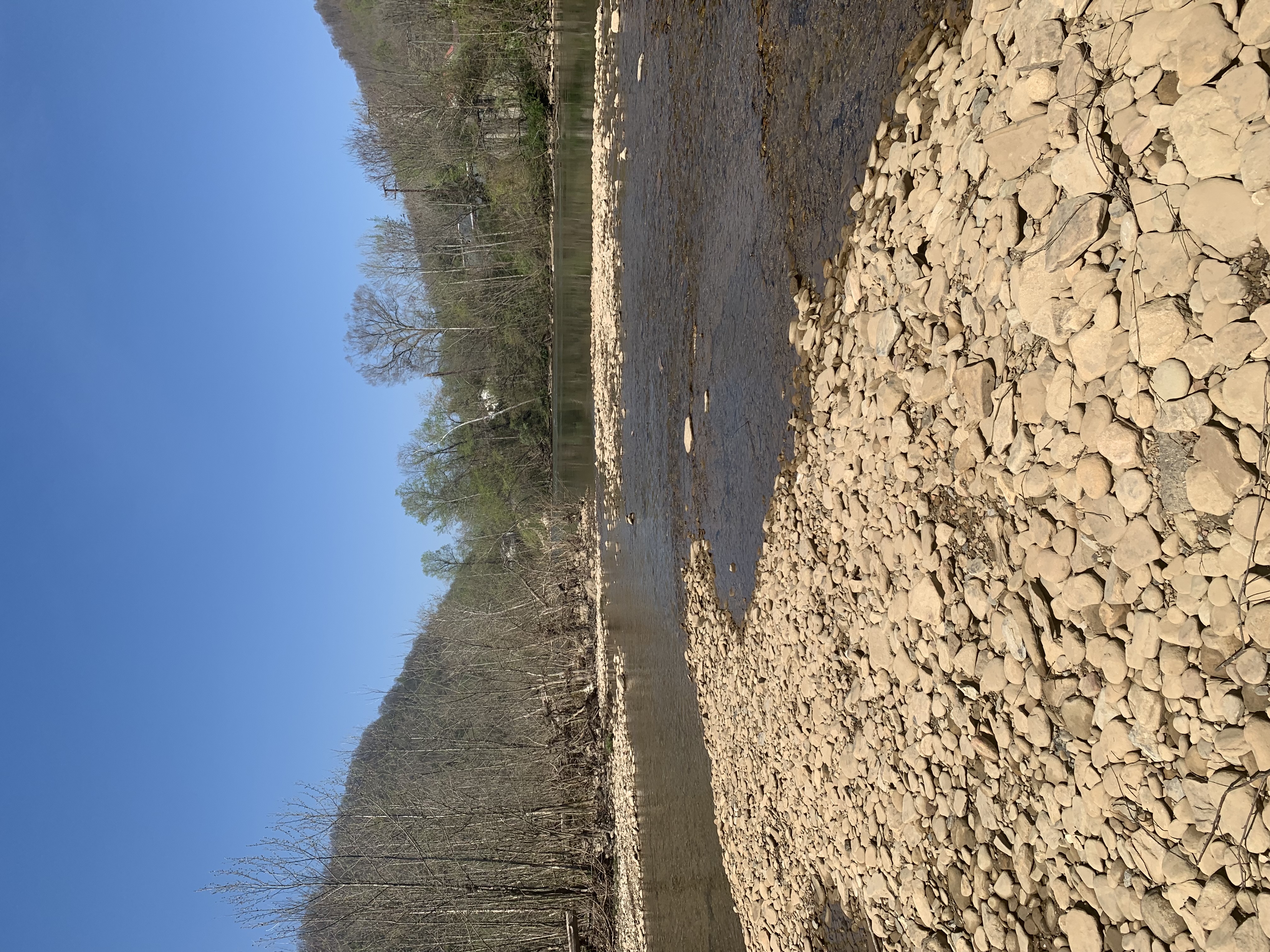
Gauley River
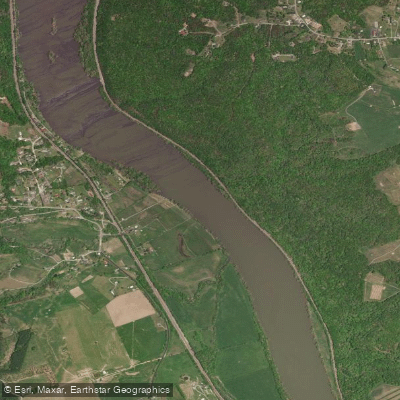
New River
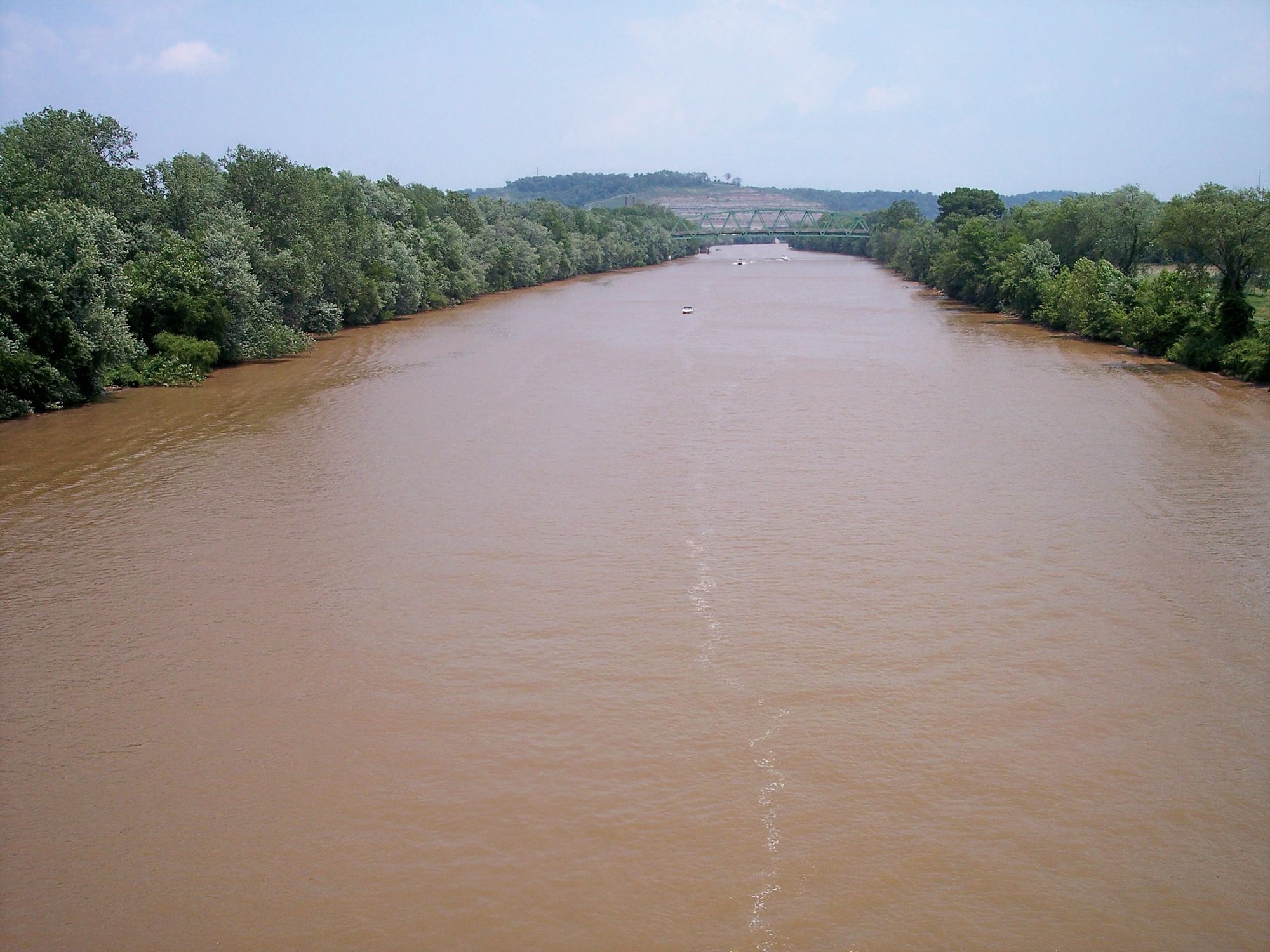
Kanawha River
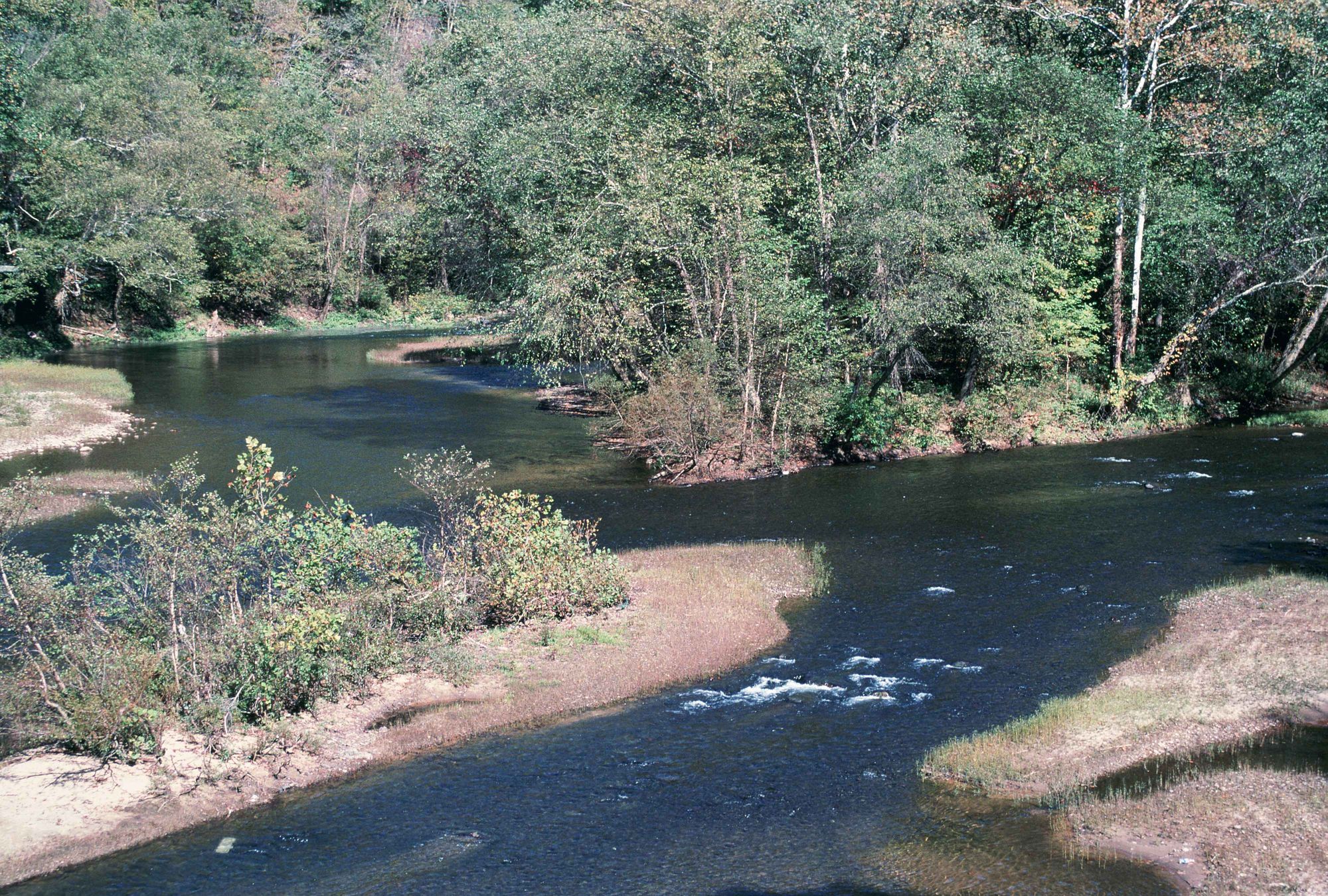
Elk River
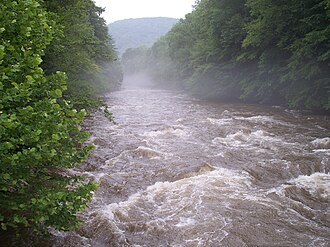
Cranberry River
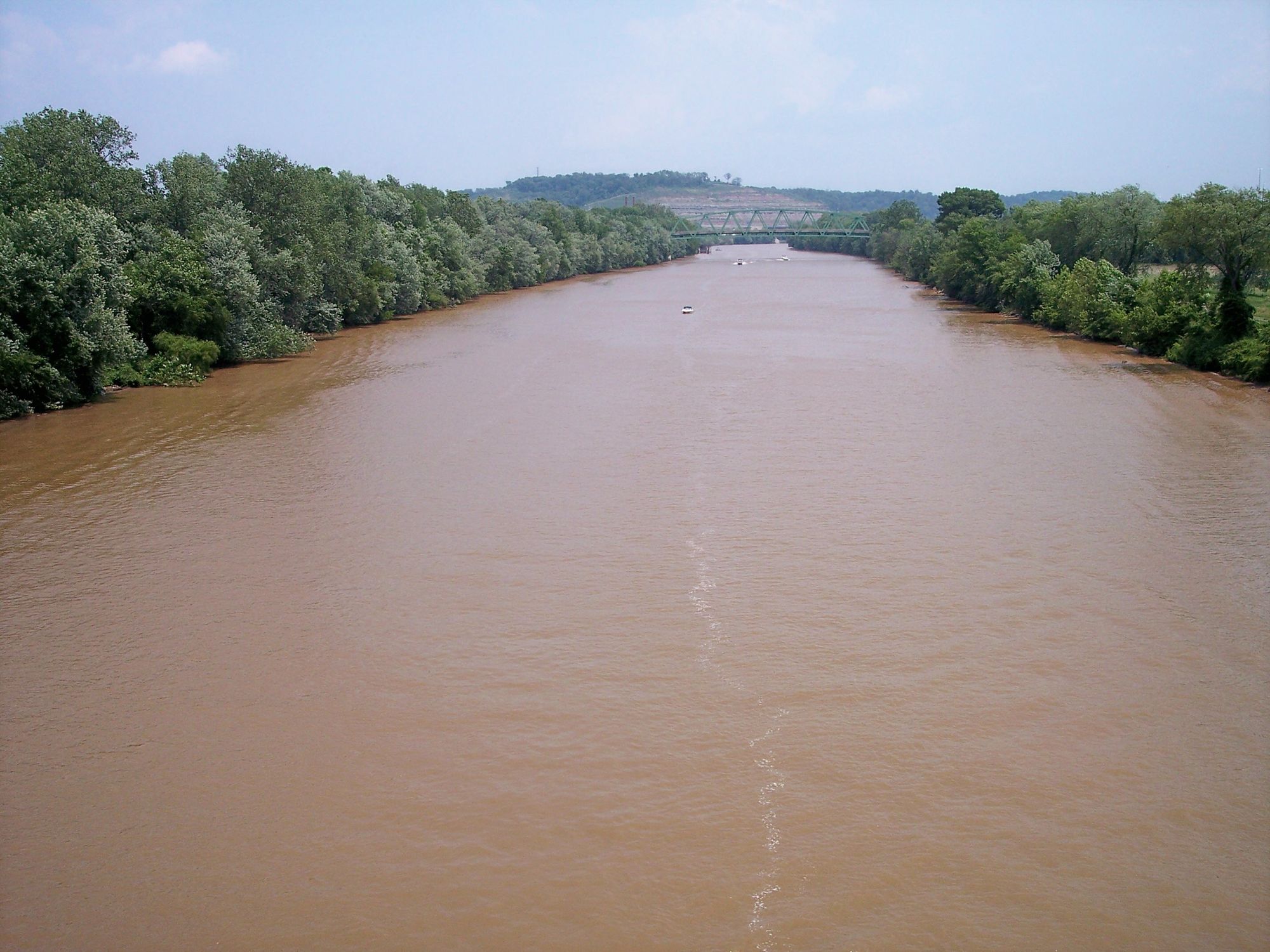
Little Kanawha River
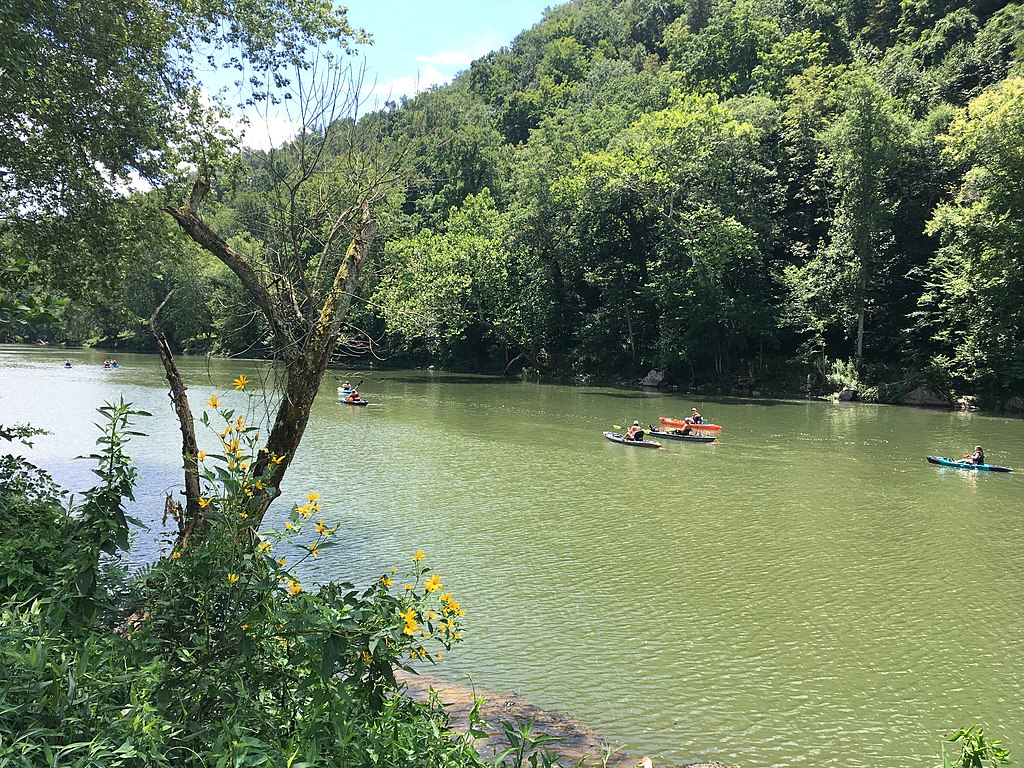
Greenbrier River
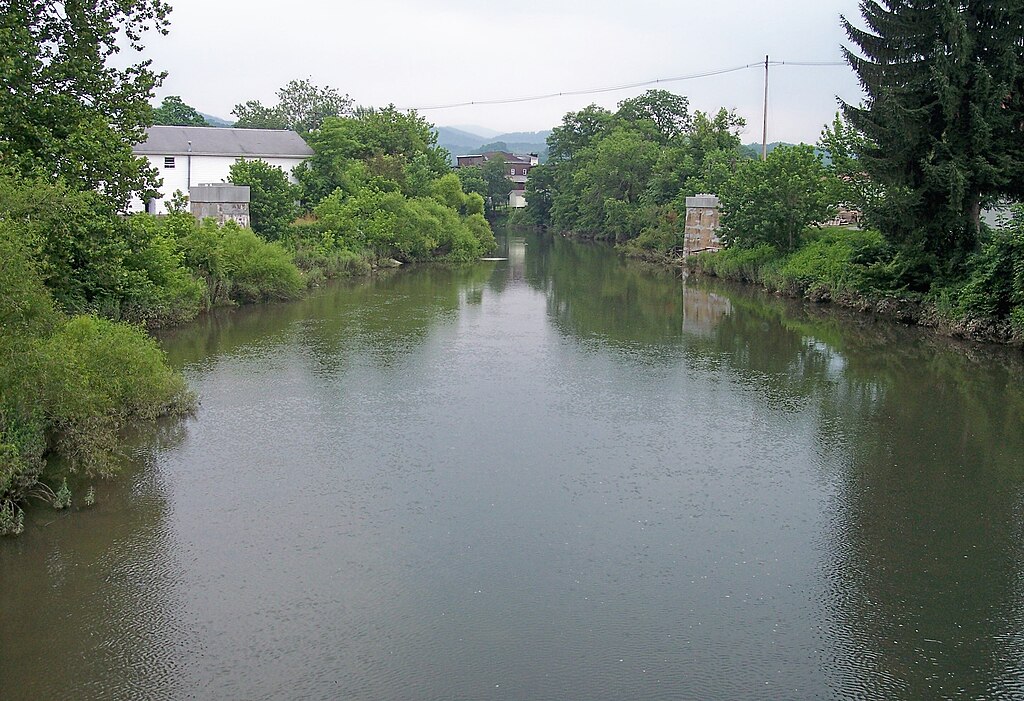
Tygart Valley River
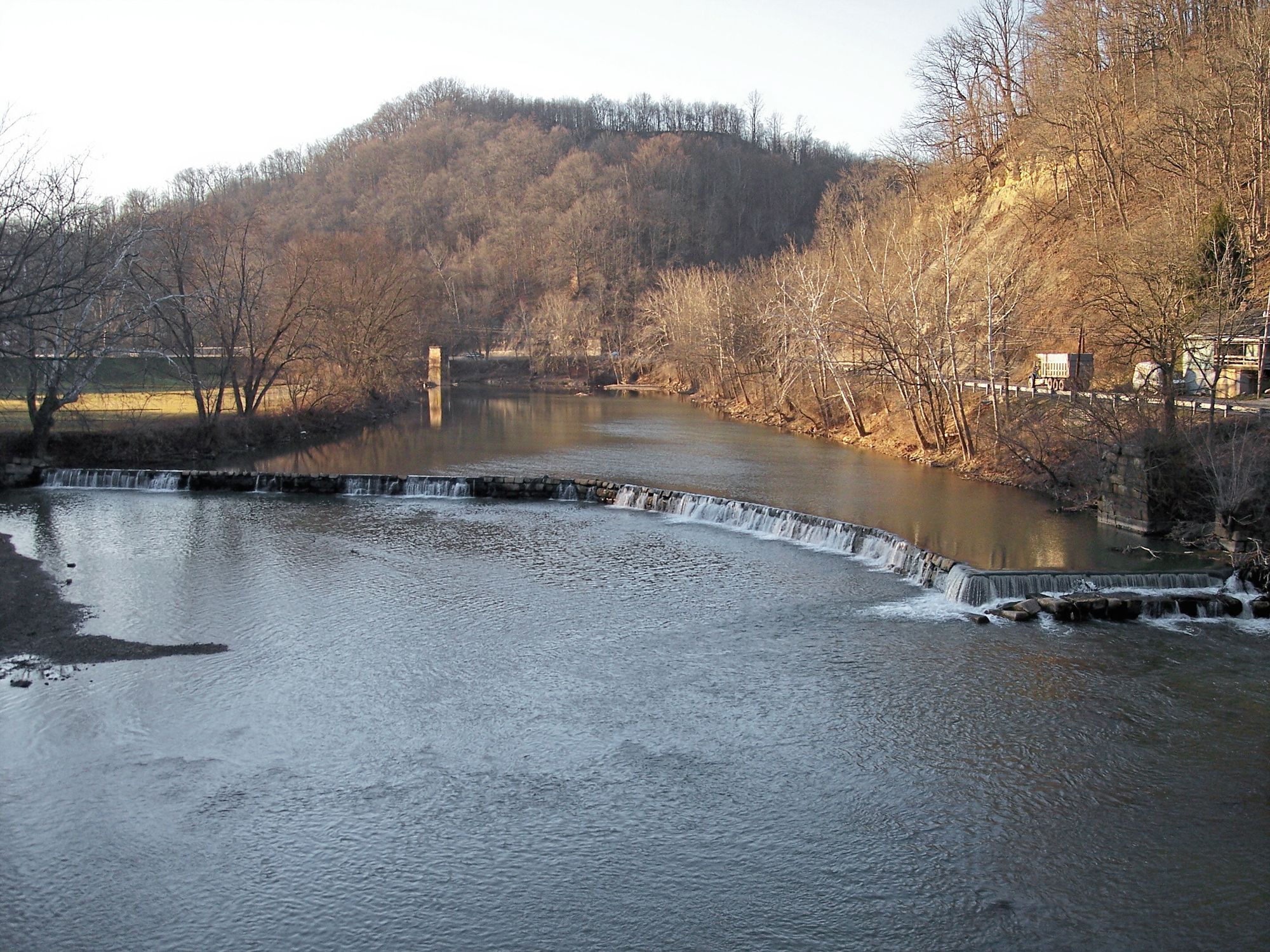
West Fork River
Sutton Lake
What to know
Habitat Distribution
- Prefer deep, flowing waterbodies with complex substrates including cobble, boulders, bedrock, or sand, generally inhabiting open water while avoiding backwater areas and slow-moving water with heavily silted bottoms.
Key Locations
- Focus efforts on the Ohio River system.
- The Kanawha River from Kanawha Falls through multiple counties offers premier blue catfish fishing, with numerous boat ramps and tailwater areas below dams like Marmet Locks and Dam providing excellent access.
Specific Spots
- Focus on deep holes, outside river bends with submerged cover like stumps and logs.
- Blue catfish can be caught from shoreline out to 45 feet of water, but the 10-20 foot range often proves most productive.
Blue Catfish FAQ
Answers from onWater's species guide.
What are the best lures and bait for Blue Catfish in West Virginia?
Fresh cut menhaden (half to three-quarter inch steaks), menhaden heads for larger fish, gizzard shad, cut perch, live or cut bluegills, mullet, squid strips, shrimp, and 3-4 inch pieces of cut eel.
When is the best time to fish for Blue Catfish in West Virginia?
Throughout the winter months when they remain active and feed heavily. Spawn once annually in late spring to early summer when water temperatures reach 70-75°F (a time to avoid targeting them).
How do you catch Blue Catfish in West Virginia?
Use large circle hooks with cut or live bait. Some anglers use small floats about a foot from the hook to keep bait just off bottom and dispense more scent.
What do Blue Catfish eat?
They're opportunistic omnivorous foragers, consuming mussels, invertebrates, and other fishes, with larger individuals becoming increasingly piscivorous. Their diet shifts seasonally based on prey availability, and they can consume 8-10% of their body weight daily.
Where do Blue Catfish live in West Virginia?
Prefer deep, flowing waterbodies with complex substrates including cobble, boulders, bedrock, or sand, generally inhabiting open water while avoiding backwater areas and slow-moving water with heavily silted bottoms.
Fish smarter with real-time insights
Whether you're en route and conditions shift or you're looking for the best spot based on current flows, we enable you to make informed decisions on the fly.




See it in the app
Most maps show you water.
onWater shows you Blue Catfish.



- 01 · Species map filter
Map every Blue Catfish water
Pick Blue Catfish and the map zeroes in on the waters they call home. No more guessing which lake holds them.
- 02 · Waterbody species
Tap any water. See what lives there.
Species, behavior and seasonal patterns for every lake, river and pond, before you leave the driveway.
- 03 · Angler Intelligence
Ask how to catch Blue Catfish
Tactics, gear and timing from onWater's AI fishing guide, tuned to the species and the water you're on.
Stop guessing where Blue Catfish are.
Open the map, filter by Blue Catfish, and head to water that holds them. Download onWater and plan your next trip in minutes.
- Species map filter
- Angler Intelligence
- Fishing journal
Explore other species
Trout, bass, salmon, panfish and everything in between. Each guide unpacks the behavior, seasons, and tactics that put fish in the net.
No species information available.
West Virginia licenses and regulations
Explore nearby waters
Explore West Virginia waters
Top fishing waters
Popular Cities
Loading popular cities...

Smarter Fishing Starts in the App.
onWater Fish gives you everything you need to plan smarter, fish better, and own every trip from first cast to last.