Gizzard Shad

Gizzard Shad are native to West Virginia waters and serve as crucial forage fish in many of the state's lakes and reservoirs.
Also known as mud feeders
- These deep-bodied, silvery fish are characterized by a blunt snout, small toothless mouth, long trailing dorsal ray, and closely packed gill rakers exceeding 400 in number.
- They can reach up to 52 cm in length.
Fishing in West Virginia
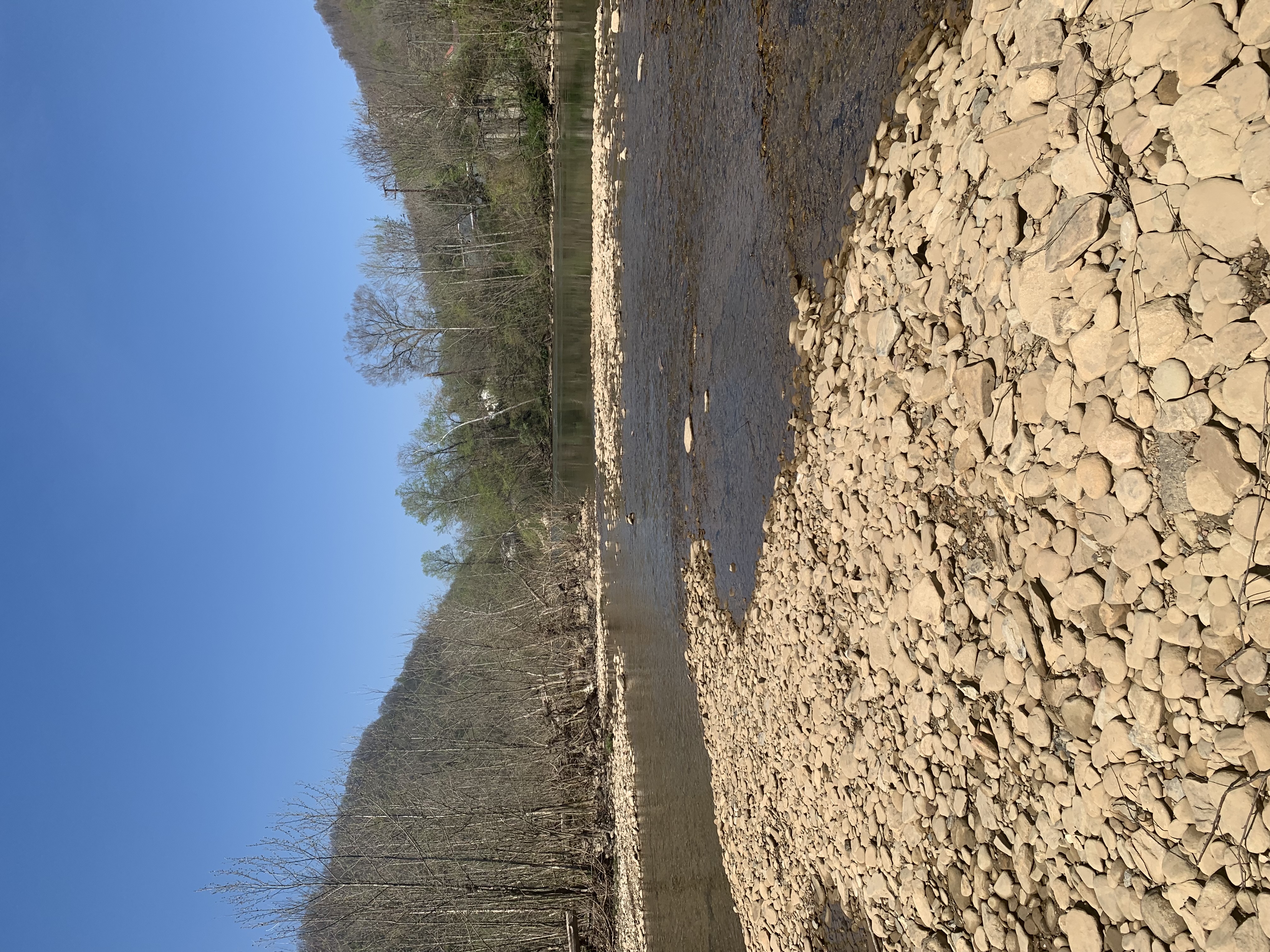
Gauley River
New River
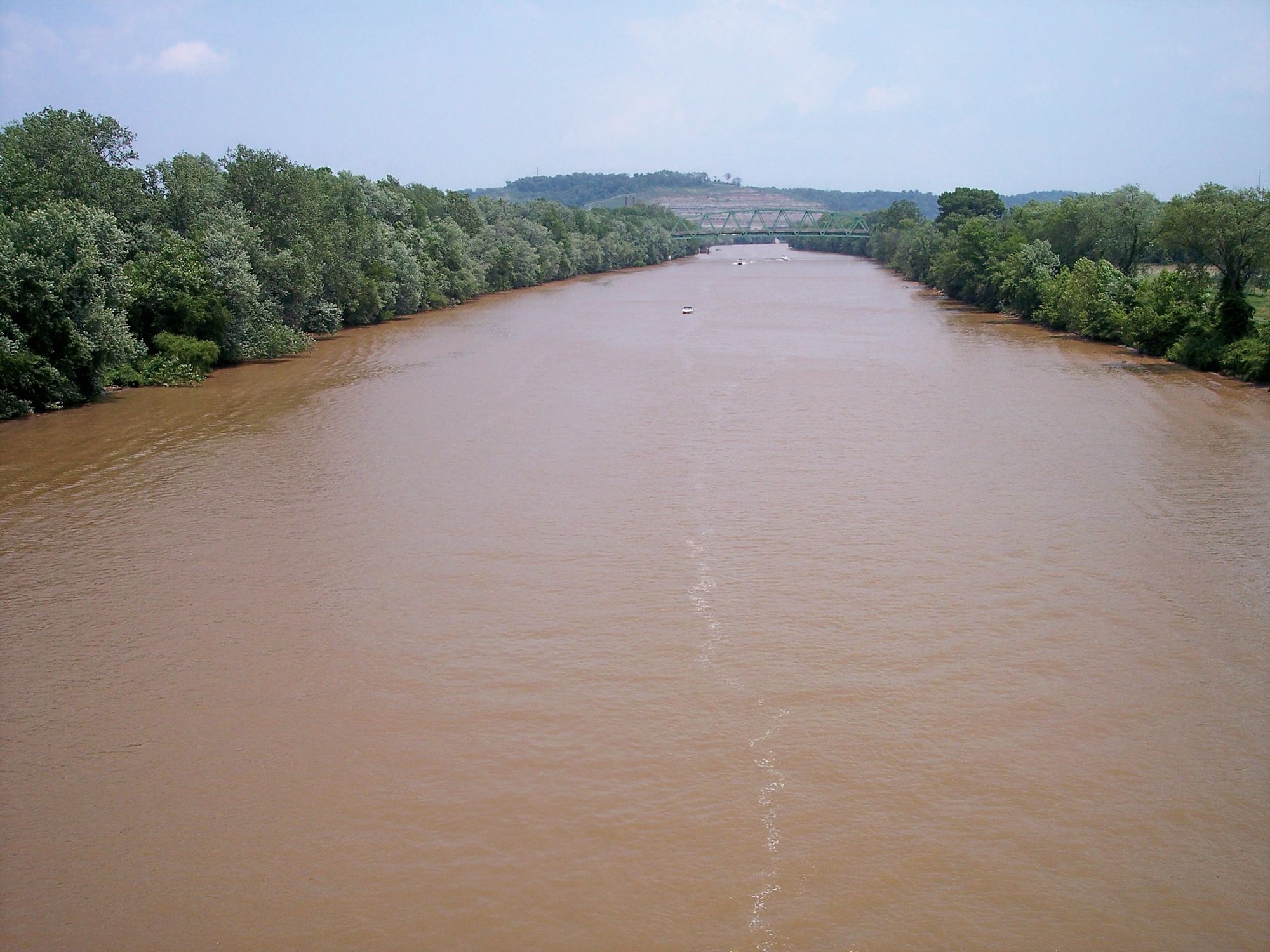
Kanawha River
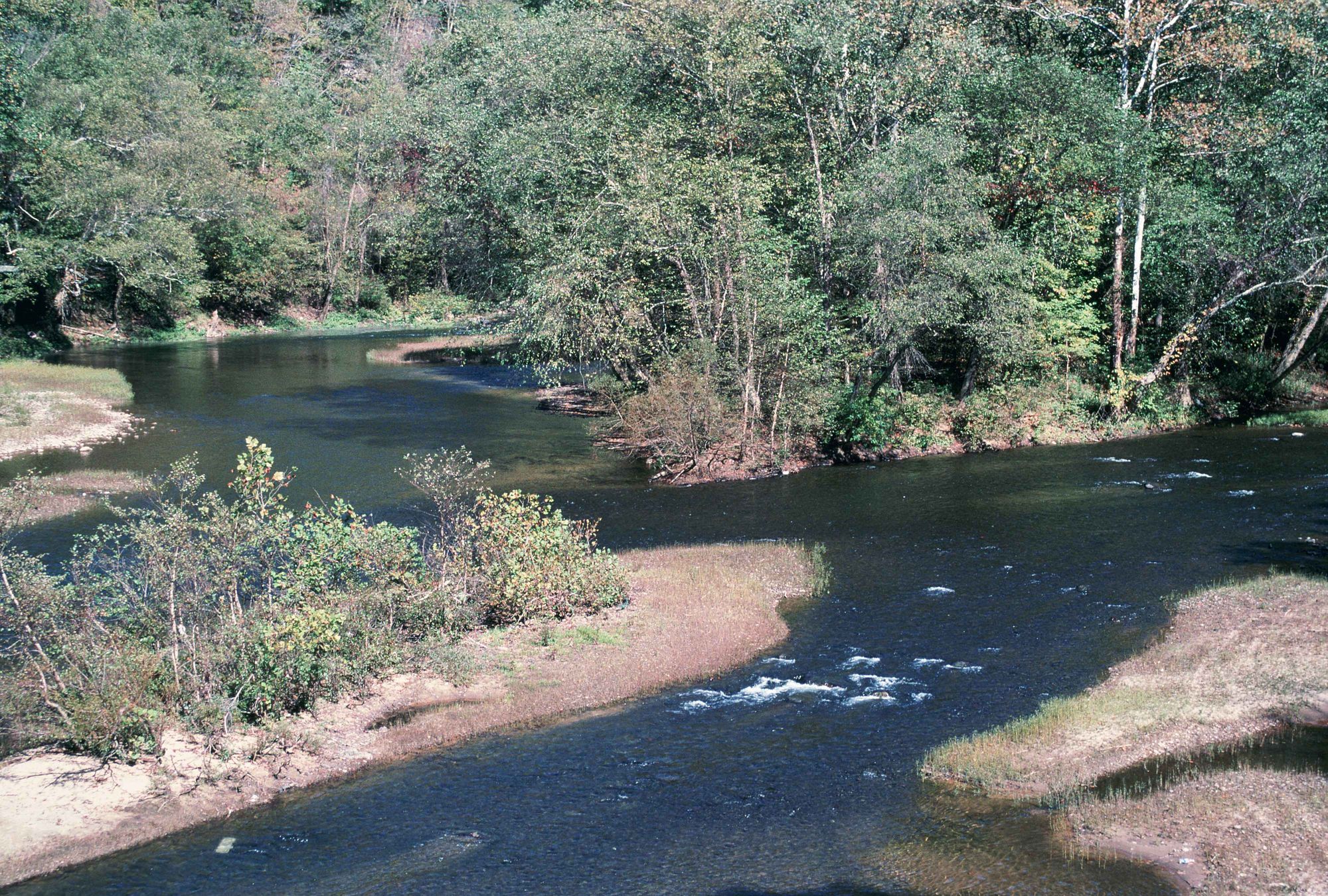
Elk River
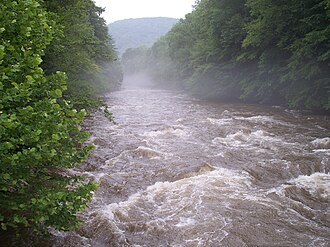
Cranberry River
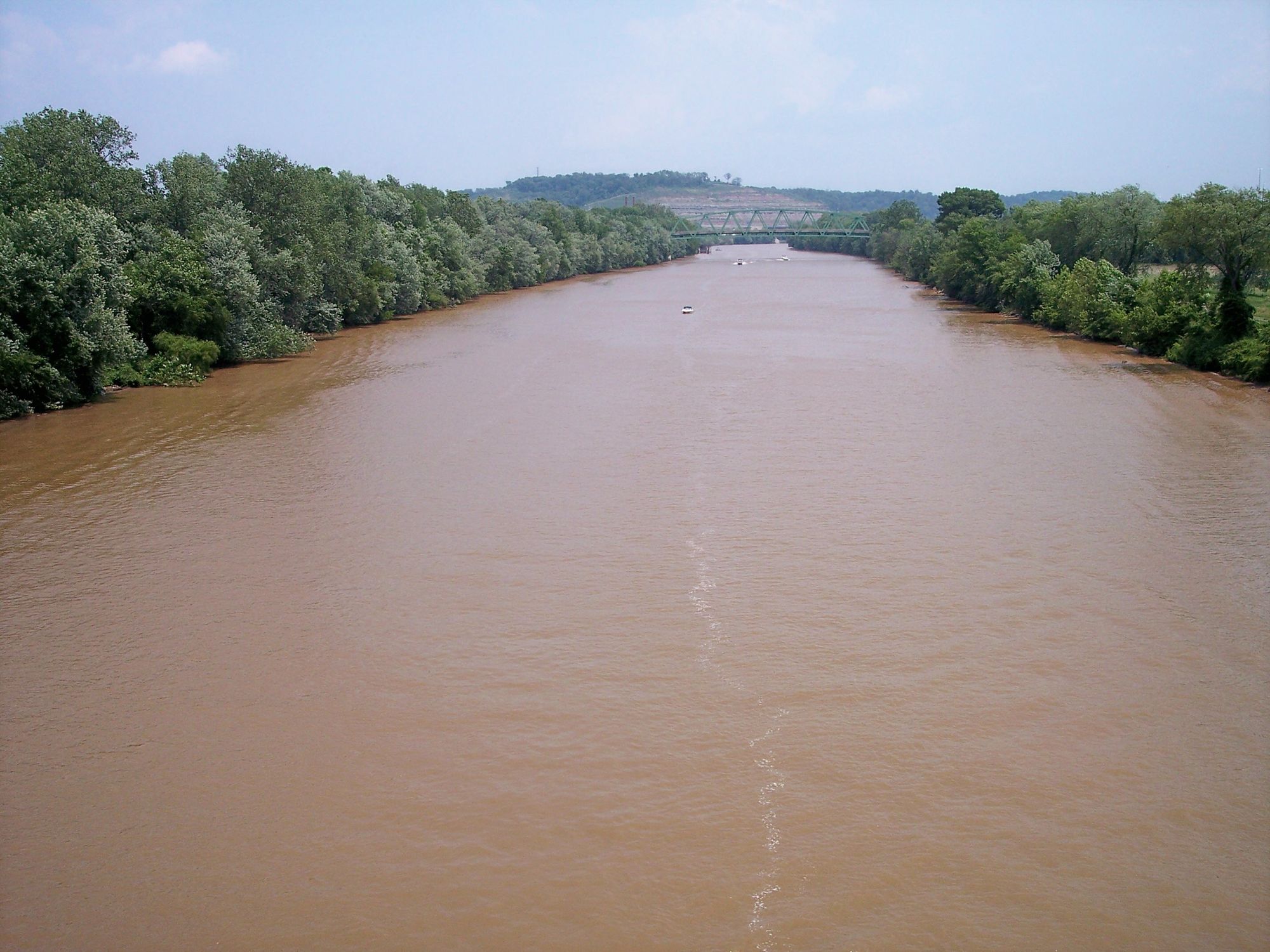
Little Kanawha River
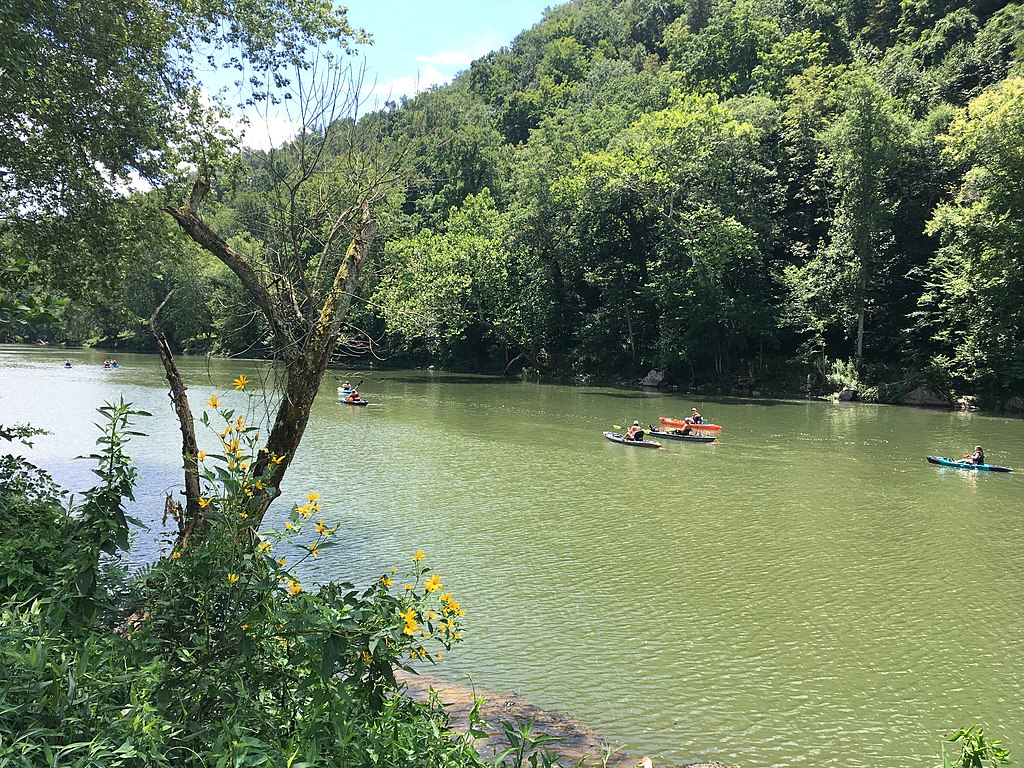
Greenbrier River
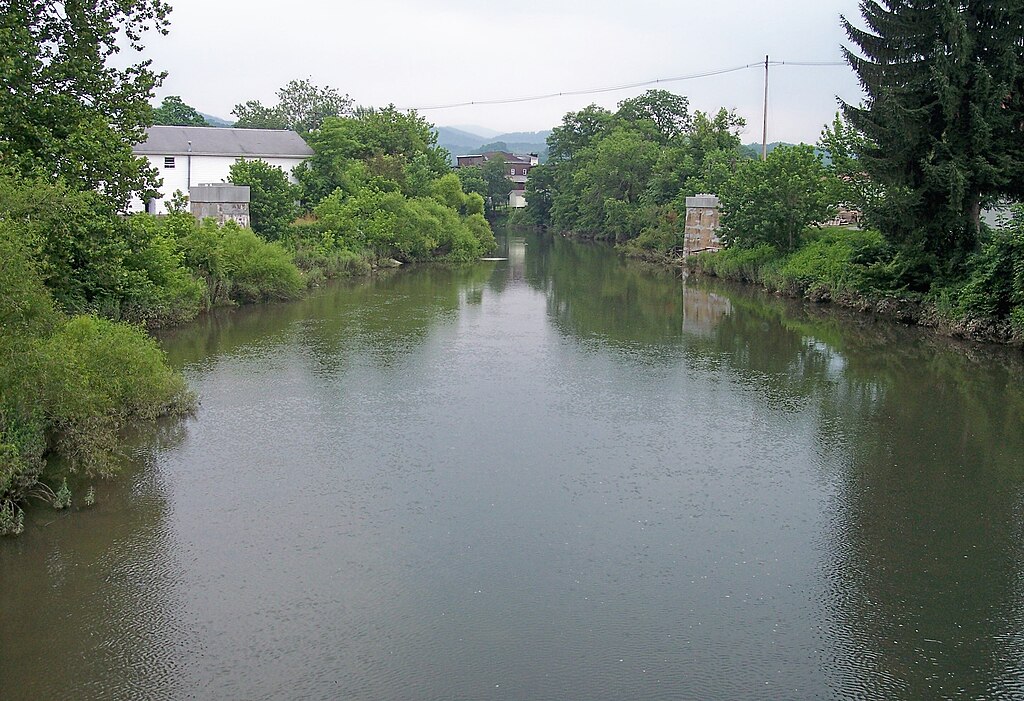
Tygart Valley River
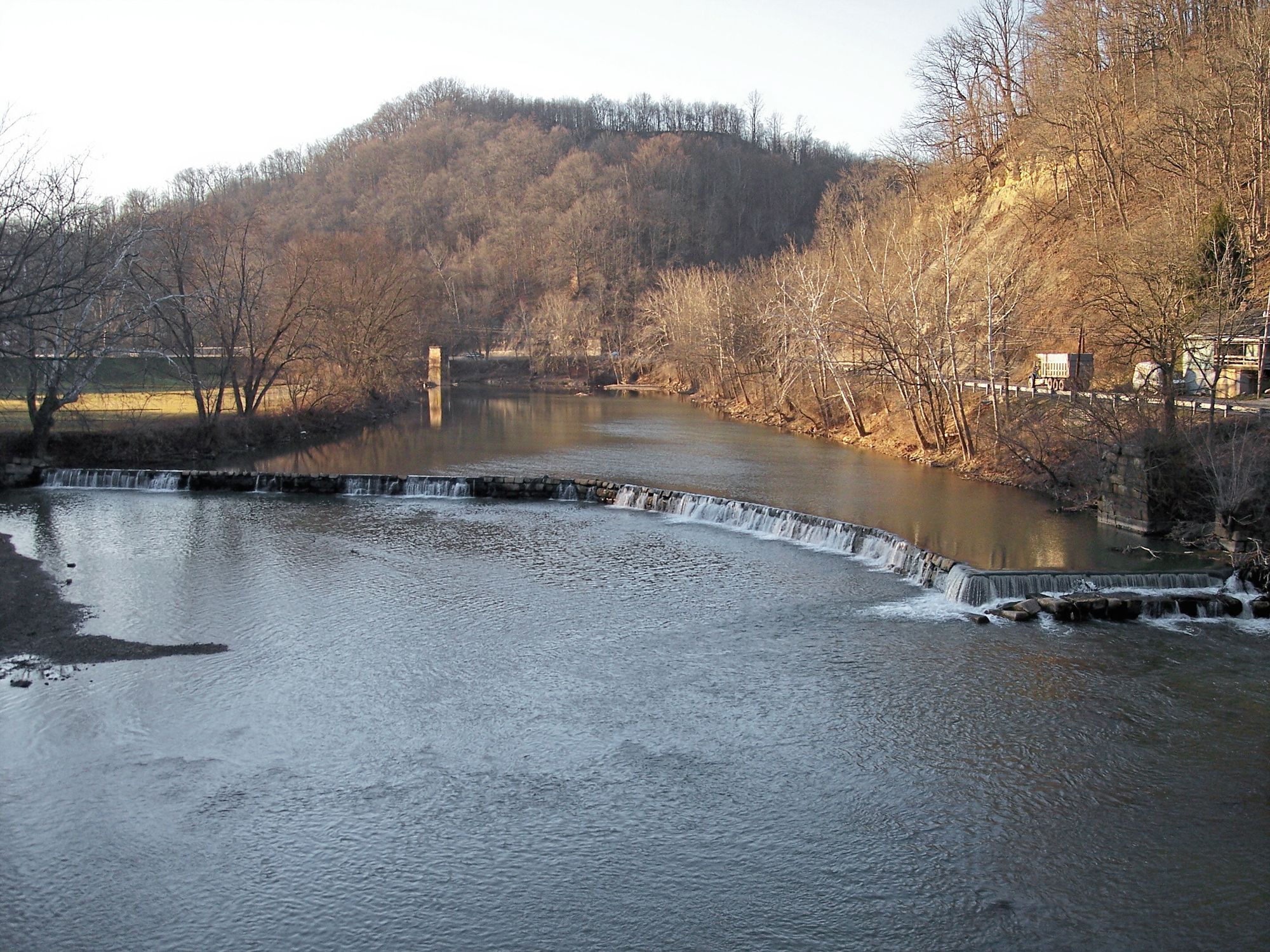
West Fork River
Sutton Lake
What to know
Habitat Distribution
- They inhabit medium to large rivers, reservoirs, lakes, and backwater areas, preferring open water environments.
Key Locations
- West Virginia's lakes and reservoirs, protected bays with relatively deep channels leading into shallow areas.
Specific Spots
- Target areas with hard bottoms, riprap, laydowns, or vegetation where shad congregate.
- Focus on shallow backwater bays, coves, and tributaries.
- Areas with gentle current where algae accumulates, such as bridge pilings, dock areas, and creek mouths.
- Areas with culverts bringing nutrients into creek systems are particularly productive.
Gizzard Shad FAQ
Answers from onWater's species guide.
What flies work for Gizzard Shad in West Virginia?
Very small flies or lures when feeding on plankton near the surface, though cast netting remains the primary and most effective collection method.
When is the best time to fish for Gizzard Shad in West Virginia?
The best times are during stable or warming water temperature trends when water reaches 64-69 degrees. They spawn from late spring through summer when water temperatures reach 60-69 degrees, typically in April through May in West Virginia.
How do you catch Gizzard Shad in West Virginia?
The most effective approach is to locate schools in shallow backwater bays, coves, and tributaries using a cast net. Watch for excessive baitfish activity, birds feeding along shorelines, and schools moving erratically near the surface.
What do Gizzard Shad eat?
Gizzard shad are plankton feeders, primarily consuming phytoplankton and zooplankton, which they filter through their specialized gill rakers. They also eat algae, detritus, and bottom material.
Where do Gizzard Shad live in West Virginia?
They inhabit medium to large rivers, reservoirs, lakes, and backwater areas, preferring open water environments.
Fish smarter with real-time insights
Whether you're en route and conditions shift or you're looking for the best spot based on current flows, we enable you to make informed decisions on the fly.







See it in the app
Most maps show you water.
onWater shows you Gizzard Shad.



- 01 · Species map filter
Map every Gizzard Shad water
Pick Gizzard Shad and the map zeroes in on the waters they call home. No more guessing which lake holds them.
- 02 · Waterbody species
Tap any water. See what lives there.
Species, behavior and seasonal patterns for every lake, river and pond, before you leave the driveway.
- 03 · Angler Intelligence
Ask how to catch Gizzard Shad
Tactics, gear and timing from onWater's AI fishing guide, tuned to the species and the water you're on.
Stop guessing where Gizzard Shad are.
Open the map, filter by Gizzard Shad, and head to water that holds them. Download onWater and plan your next trip in minutes.
- Species map filter
- Angler Intelligence
- Fishing journal
Explore other species
Trout, bass, salmon, panfish and everything in between. Each guide unpacks the behavior, seasons, and tactics that put fish in the net.

Find which waters have the species you want to catch

Largemouth Bass

Smallmouth Bass
Micropterus dolomieu

Rainbow Trout

Brown Trout
Salmo trutta

Brook Trout

Northern Pike
Esox lucius

Muskellunge
Esox masquinongy

Walleye
Sander vitreus

Black Crappie
Pomoxis nigromaculatus

Alewife
Alosa pseudoharengus

American Eel
Anguilla rostrata

Bighead Carp
Hypophthalmichthys nobilis

Black Bullhead
Ameiurus melas

Blacknose Dace
Rhinichthys atratulus
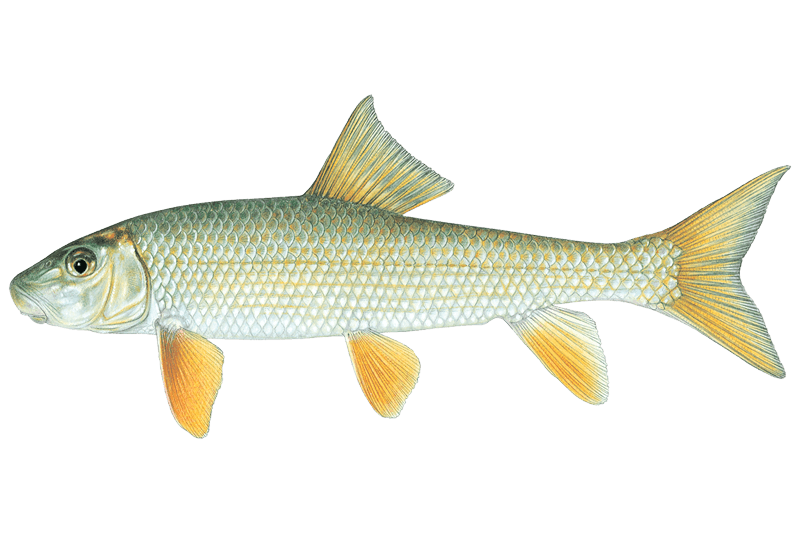
Black Redhorse
Moxostoma duquesnei

Blue Catfish
Ictalurus furcatus

Bowfin
Amia calva

Brown Bullhead
Ameiurus nebulosus

Chain Pickerel
Esox niger

Channel Catfish
Ictalurus punctatus

Common Carp
Cyprinus carpio

Creek Chub
Semotilus atromaculatus

Fallfish

Flathead Catfish
Pylodictis olivaris

Freshwater Drum
Aplodinotus grunniens

Golden Redhorse
Moxostoma erythrurum

Golden Trout

Grass Carp
Ctenopharyngodon idella
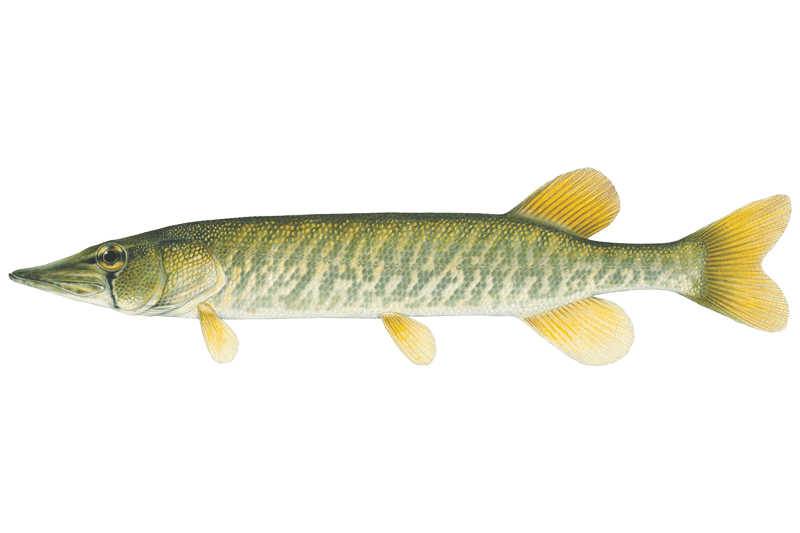
Grass Pickerel
Esox americanus vermiculatus

Green Sunfish
Lepomis cyanellus

Longear Sunfish
Lepomis megalotis

Longnose Gar

Longnose Sucker
Catostomus catostomus

Northern Hogsucker
Hypentelium nigricans
Orangespotted Sunfish
Lepomis humilis

Pumpkinseed
Lepomis gibbosus
Quillback
Carpiodes cyprinus
Redbreast Sunfish

Redear Sunfish

Rock Bass
Ambloplites rupestris
West Virginia licenses and regulations

West Virginia Boating Regulations
When using any type of watercraft to access a body of water, it is important to follow all federal, state, and local rules and regulations. These rules and regulations include boat permitting and licensing, invasive species inspections and stamps, life jacket and PFD rules, motor size and horsepower restrictions, noise limitations, restrictions on personal watercraft, and many more. Visit the web link below for the most current rules and regulations for this body of water.

West Virginia Fishing License
All anglers who are at the age of 15 and older are required to have a fishing license and a valid form of identification such as a State Issued ID or Driver's License while fishing.

West Virginia Fishing Regulations
This river has a variety of species and regulations, including potential floating and/or watercraft restrictions. Because this river is specially managed for species, seasons, angling methods, and watercraft, it is strongly encouraged you check all federal, state, and local regulations before fishing. Visit any of the links below, inquire locally, or contact a local fly shop to learn current regulations and restrictions.

West Virginia Stream Access Laws
On navigable waters, the public may use the streambed up to the high water mark. On floatable waters, the public may float through private land but cannot legally use the streambed. Public rights on non-navigable waters are not well defined, but are likely none.
Explore nearby waters
Explore West Virginia waters
Top fishing waters
Popular Cities
Loading popular cities...

Smarter Fishing Starts in the App.
onWater Fish gives you everything you need to plan smarter, fish better, and own every trip from first cast to last.