Brown Trout

Brown Trout are a non-native European species first introduced to West Virginia waters in 1961, obtained from the U. S. Fish & Wildlife Service White Sulphur Springs Fish Hatchery.
These predatory fish have established wild populations in 92 streams covering approximately 600 miles across the state.
Scientific Name: Salmo trutta
- Brown Trout in West Virginia typically range from brownish to golden-yellow coloration with distinctive black spots along their sides, often surrounded by pale halos, plus prominent red or orange spots along the lateral line.
- Most wild browns average 9-16 inches, though 20+ inch trophy fish are present, with the state record being a 16-pound, 32-inch fish caught in 1968.
Fishing in West Virginia
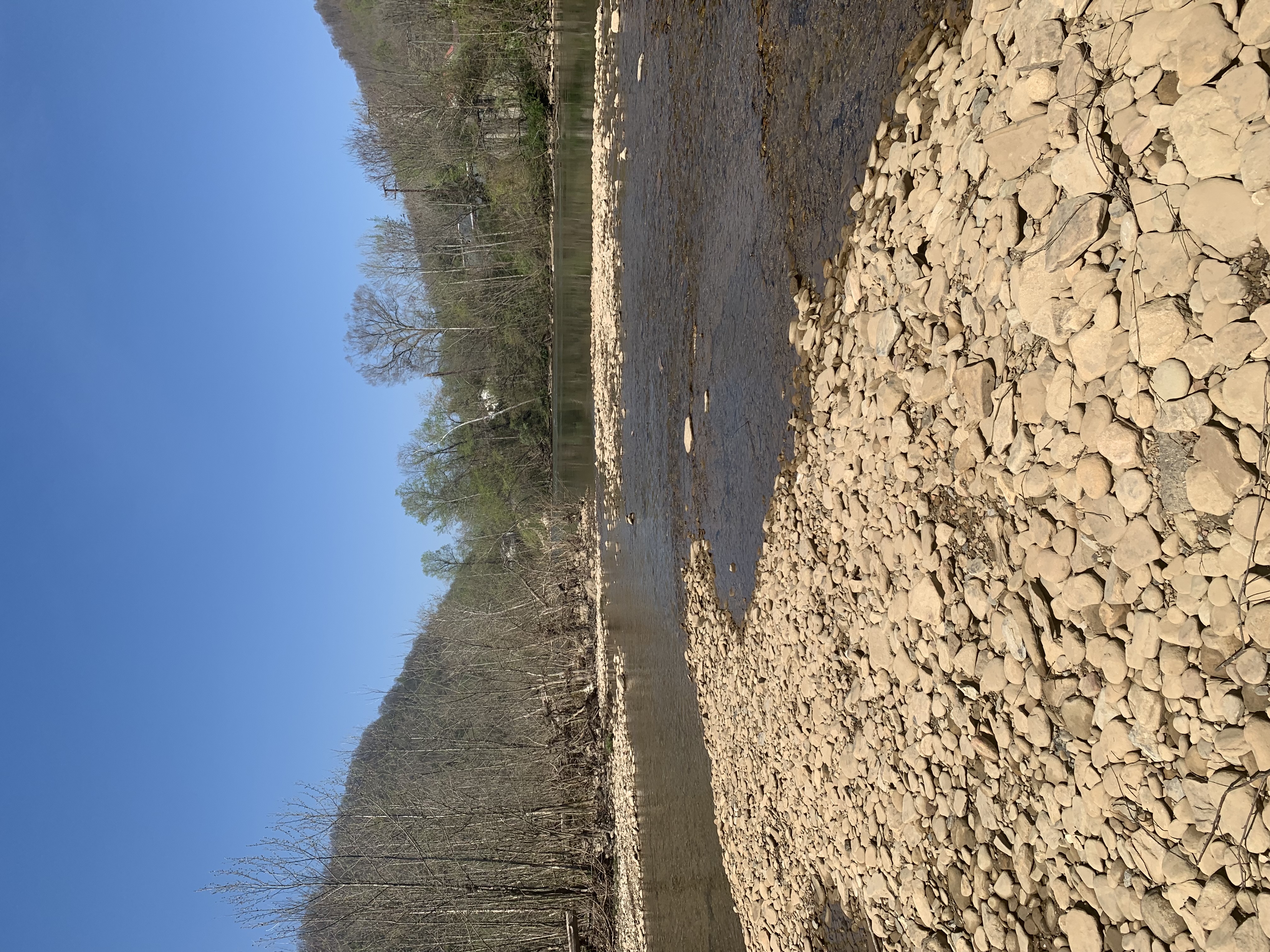
Gauley River
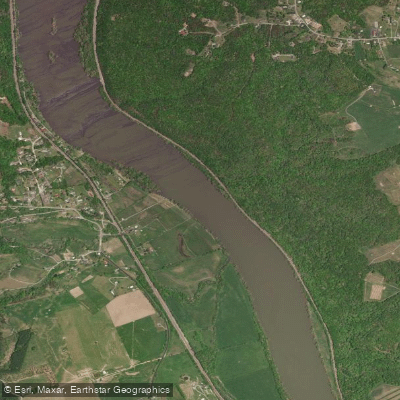
New River
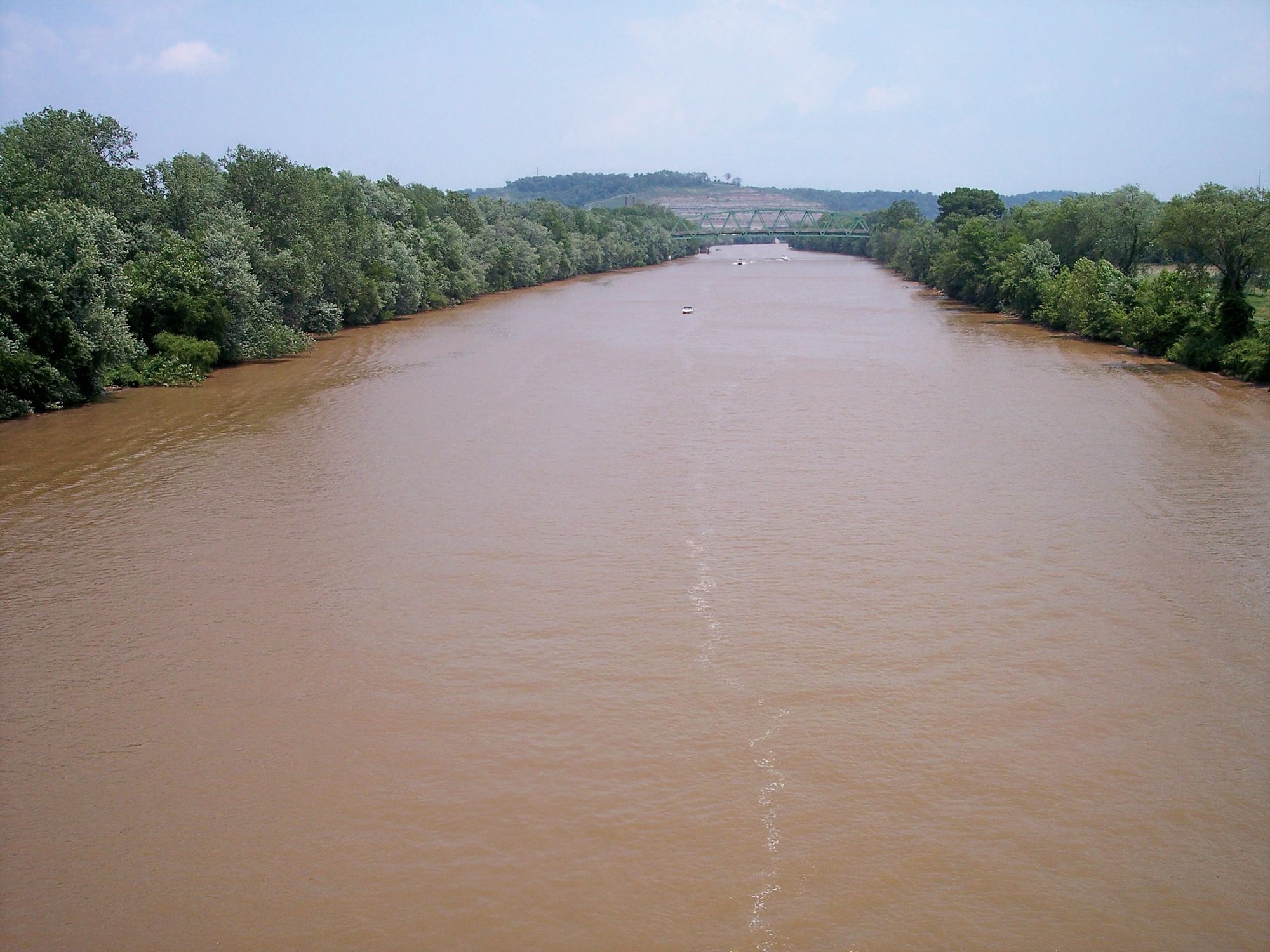
Kanawha River
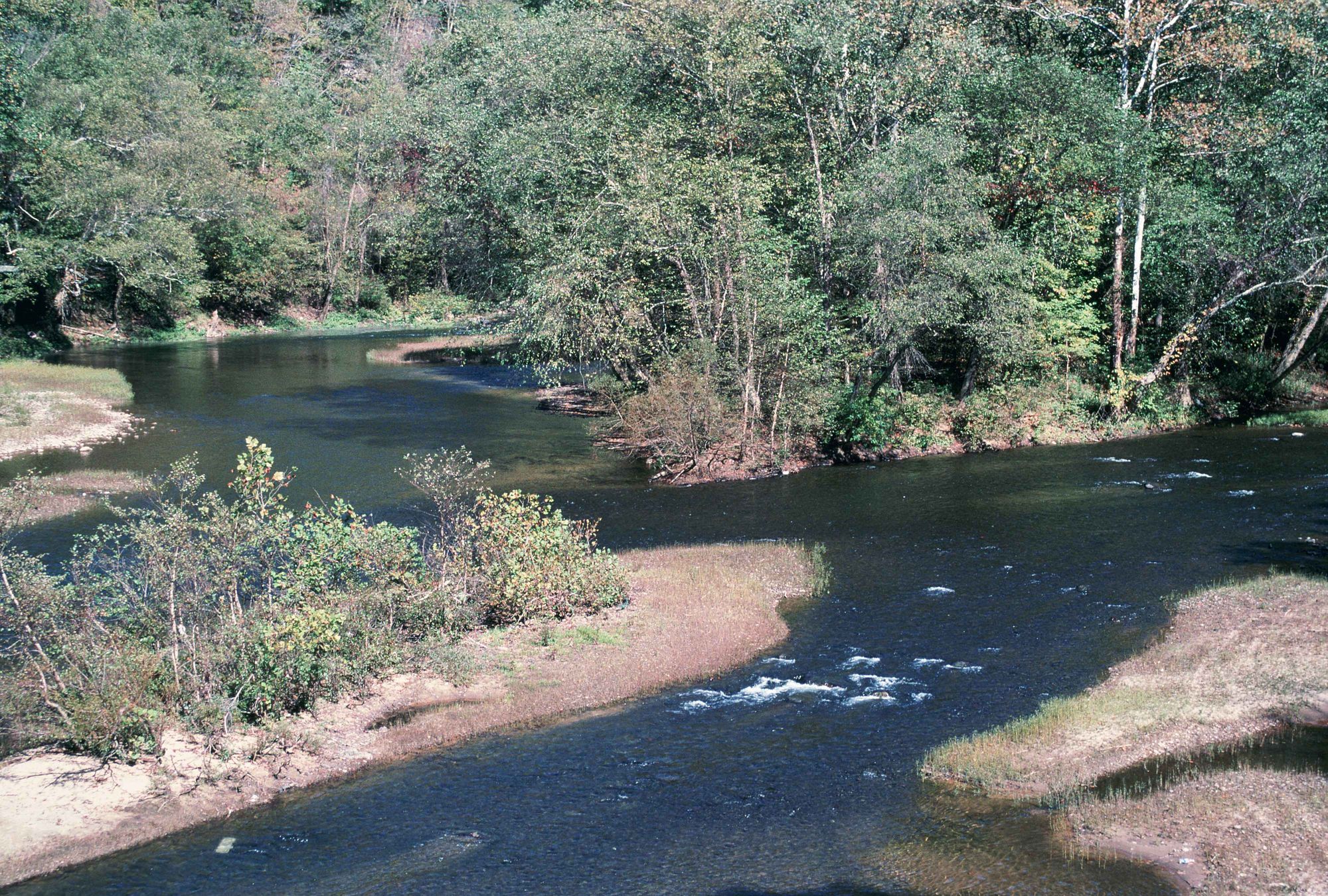
Elk River
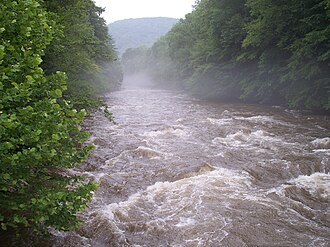
Cranberry River
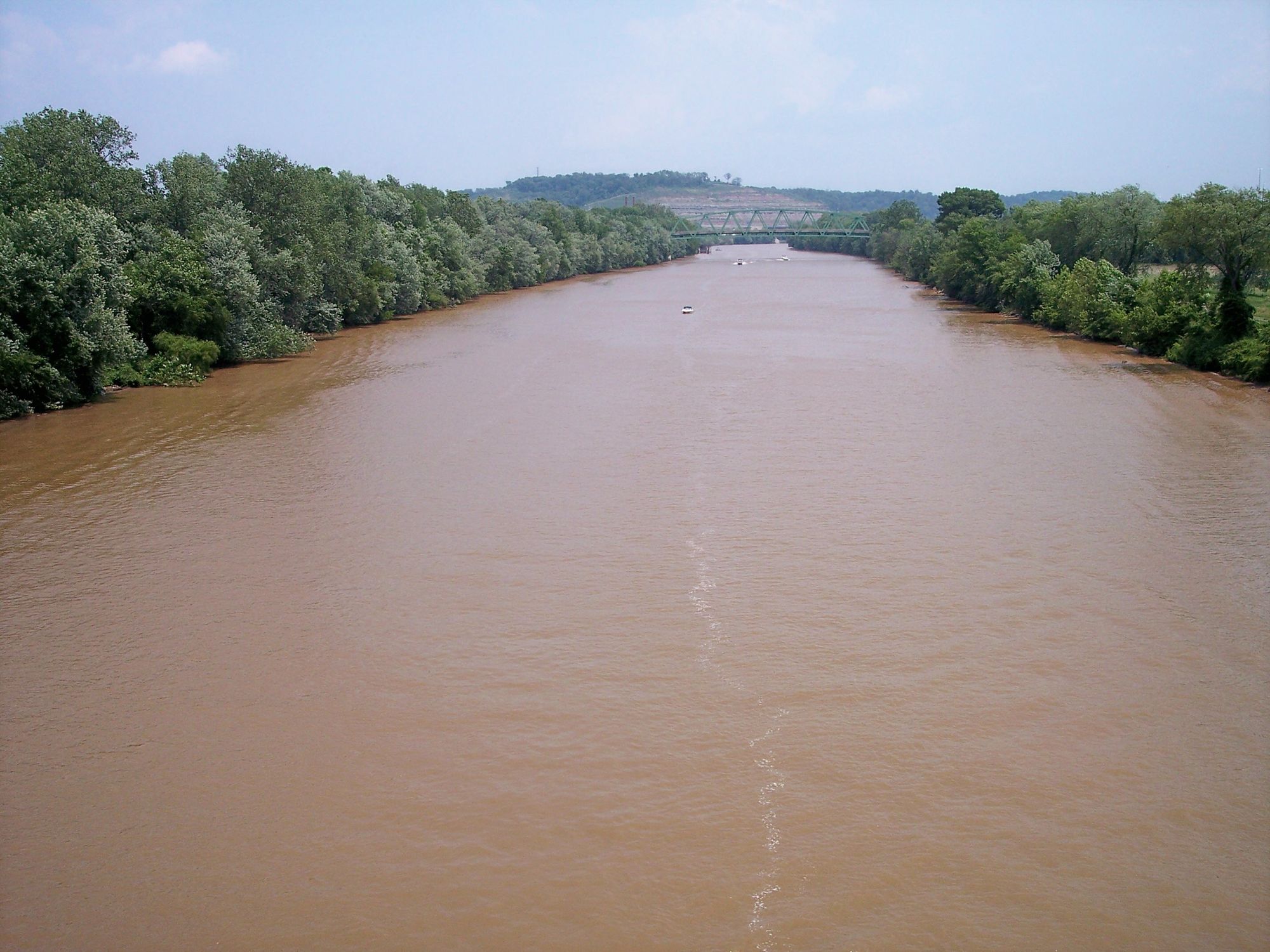
Little Kanawha River
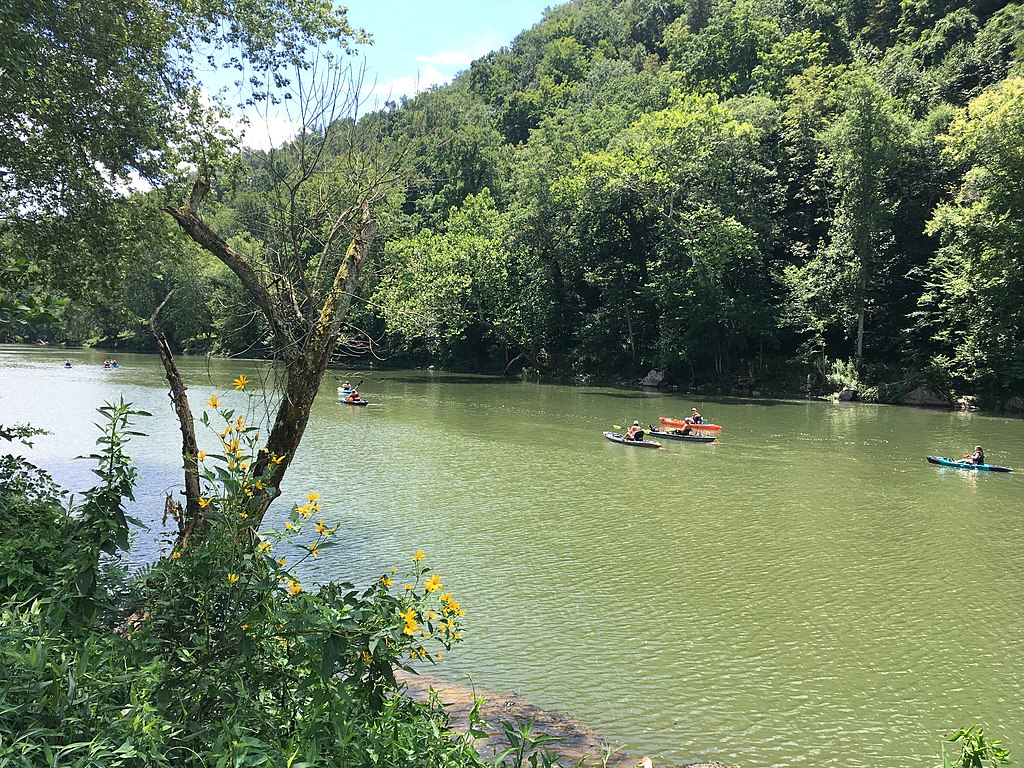
Greenbrier River
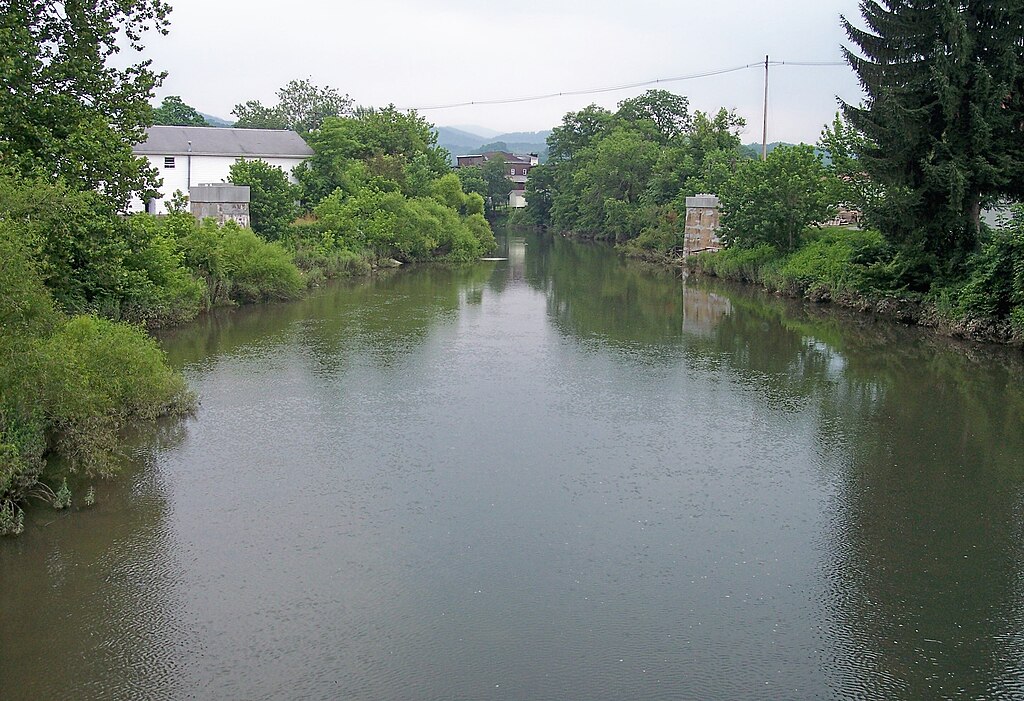
Tygart Valley River
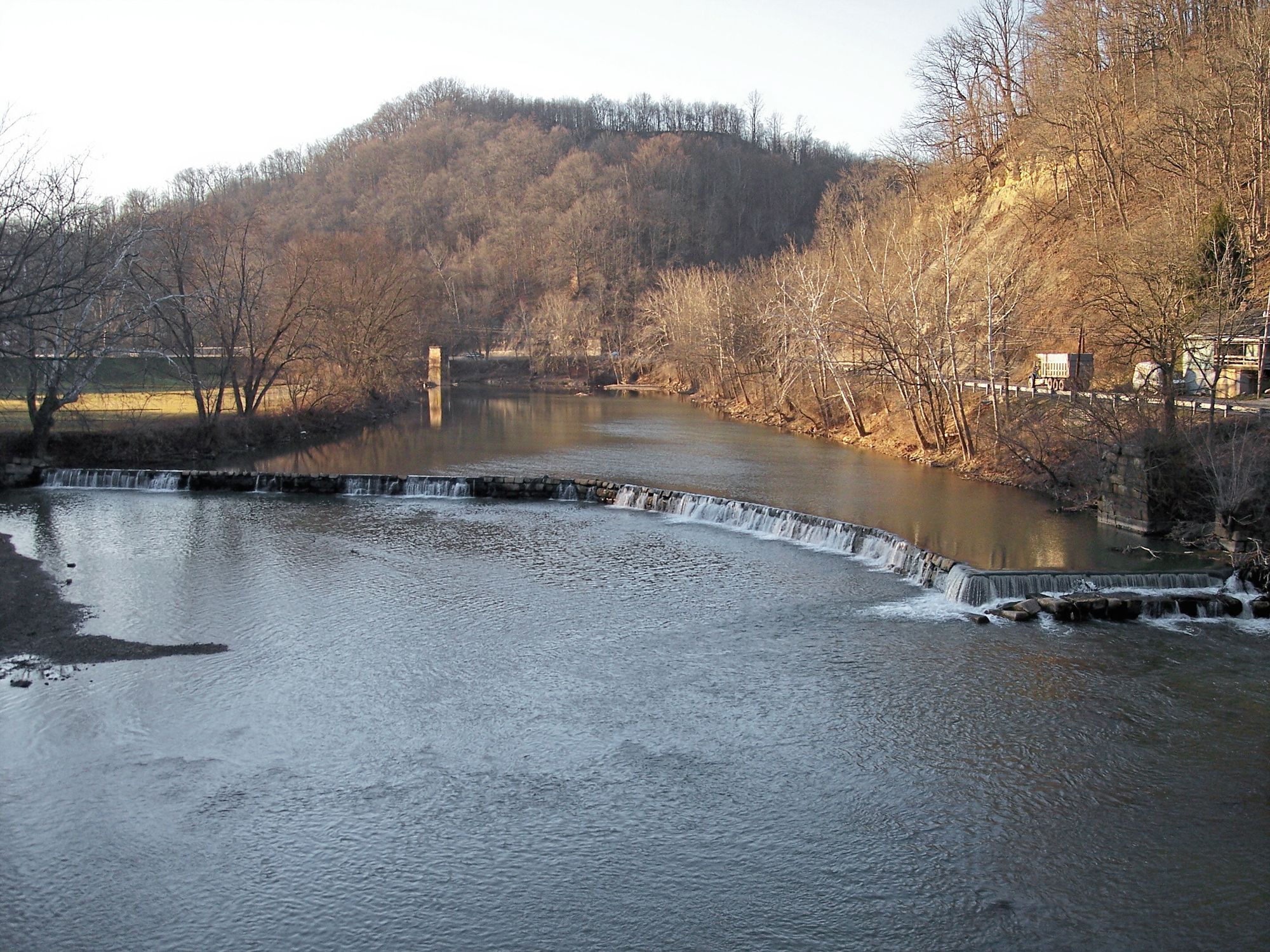
West Fork River

Sutton Lake
What to know
Habitat Distribution
- Brown Trout prefer deeper, darker waters with substantial cover like undercut banks, large pools, and woody debris.
Key Locations
- Prime brown trout waters in West Virginia include the Elk River system in Pocahontas, Randolph, and Webster counties, sections of the Cranberry River, Williams River, Shavers Fork, Cherry River, and Seneca Creek.
Specific Spots
- Brown Trout often hold in faster current than other trout species.
Brown Trout FAQ
Answers from onWater's species guide.
What are the best lures and bait for Brown Trout in West Virginia?
Live bait including worms, minnows (where permitted), and nightcrawlers work well, especially for stocked fish.
What flies work for Brown Trout in West Virginia?
Effective fly patterns include streamers like Woolly Buggers, Muddler Minnows, and sculpin patterns for larger fish, plus nymphs such as Prince Nymphs, Copper Johns, and Pheasant Tail Nymphs. During surface activity, try Parachute Adams, Elk Hair Caddis, or terrestrial patterns like grasshopper and ant imitations.
When is the best time to fish for Brown Trout in West Virginia?
Fall and spring offer the best opportunities, with regular trout stockings occurring January through May and again in October.
How do you catch Brown Trout in West Virginia?
Fish current lines and moving water. Target deep pools, undercut banks on outside bends, areas behind large boulders, woody debris, and current breaks where browns ambush prey.
What do Brown Trout eat?
These opportunistic predators shift their diet as they mature - younger fish consume aquatic insects, terrestrials, and small crustaceans, while larger browns become increasingly piscivorous, feeding primarily on minnows, crayfish, and other fish including smaller trout.
Fish smarter with real-time insights
Whether you're en route and conditions shift or you're looking for the best spot based on current flows, we enable you to make informed decisions on the fly.




See it in the app
Most maps show you water.
onWater shows you Brown Trout.



- 01 · Species map filter
Map every Brown Trout water
Pick Brown Trout and the map zeroes in on the waters they call home. No more guessing which lake holds them.
- 02 · Waterbody species
Tap any water. See what lives there.
Species, behavior and seasonal patterns for every lake, river and pond, before you leave the driveway.
- 03 · Angler Intelligence
Ask how to catch Brown Trout
Tactics, gear and timing from onWater's AI fishing guide, tuned to the species and the water you're on.
Stop guessing where Brown Trout are.
Open the map, filter by Brown Trout, and head to water that holds them. Download onWater and plan your next trip in minutes.
- Species map filter
- Angler Intelligence
- Fishing journal
Explore other species
Trout, bass, salmon, panfish and everything in between. Each guide unpacks the behavior, seasons, and tactics that put fish in the net.
No species information available.
West Virginia licenses and regulations
Explore nearby waters
Explore West Virginia waters
Top fishing waters
Popular Cities
Loading popular cities...

Smarter Fishing Starts in the App.
onWater Fish gives you everything you need to plan smarter, fish better, and own every trip from first cast to last.