Black Redhorse

Black Redhorse in West Virginia are native members of the sucker family that show low tolerance for pollution, siltation, and turbidity, making them indicators of clean water.
Scientific Name: Moxostoma duquesnei
- Typically grow to around 40 cm (16 inches), though they can reach up to 53.4 cm and 1.5 kg.
- They have olive, gold, or brassy dorsal surfaces with paler sides and silver-white undersides.
- The caudal and dorsal fins are slate grey, while lower fins are often pale red or orange.
- During spawning, males develop orange to pink coloration along their sides with black longitudinal stripes.
Fishing in West Virginia
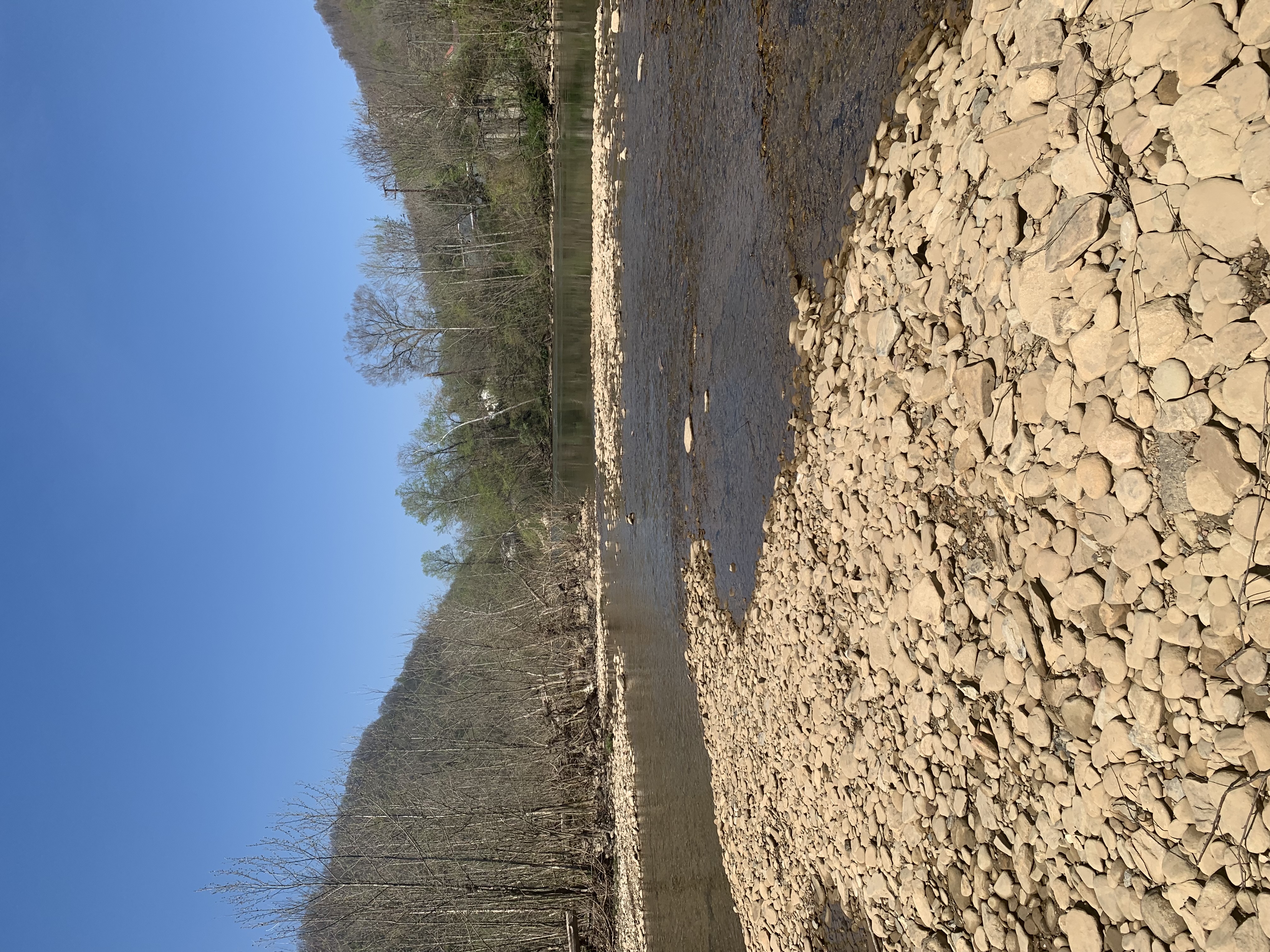
Gauley River
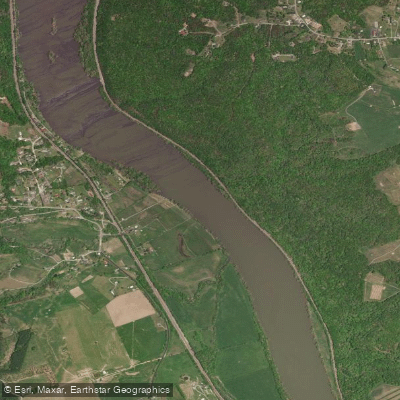
New River
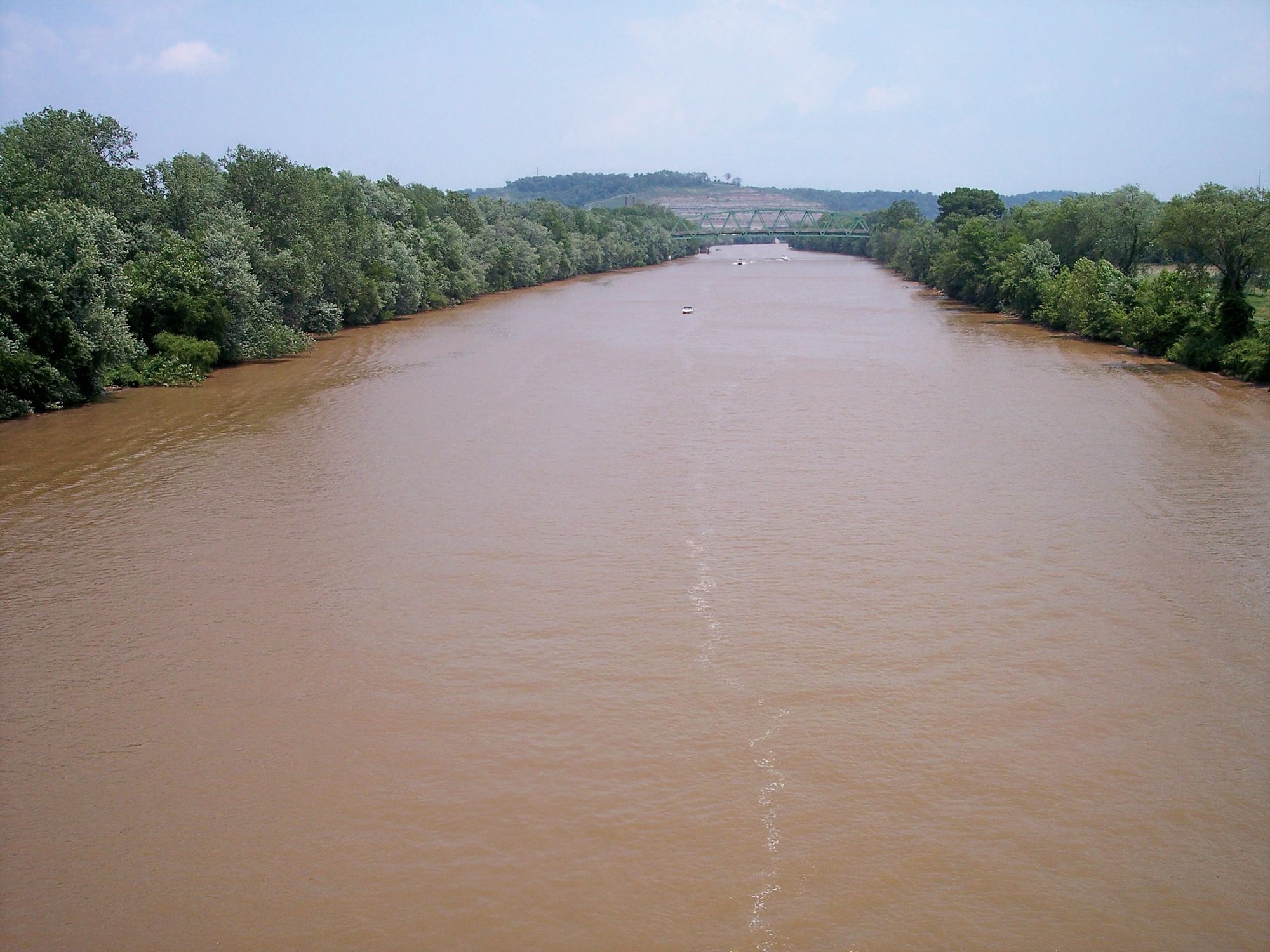
Kanawha River
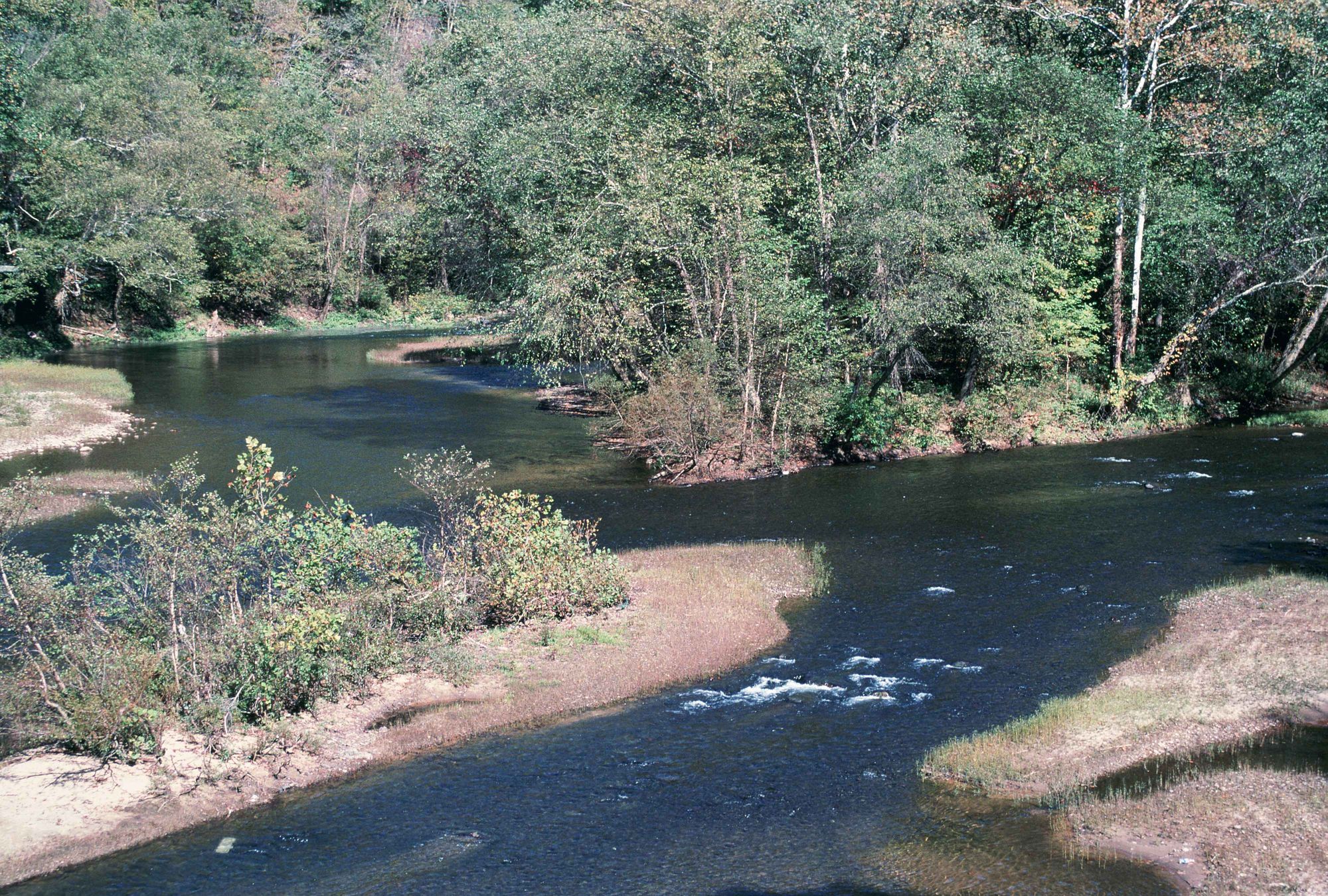
Elk River
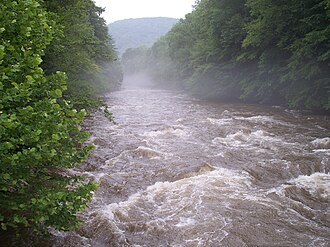
Cranberry River
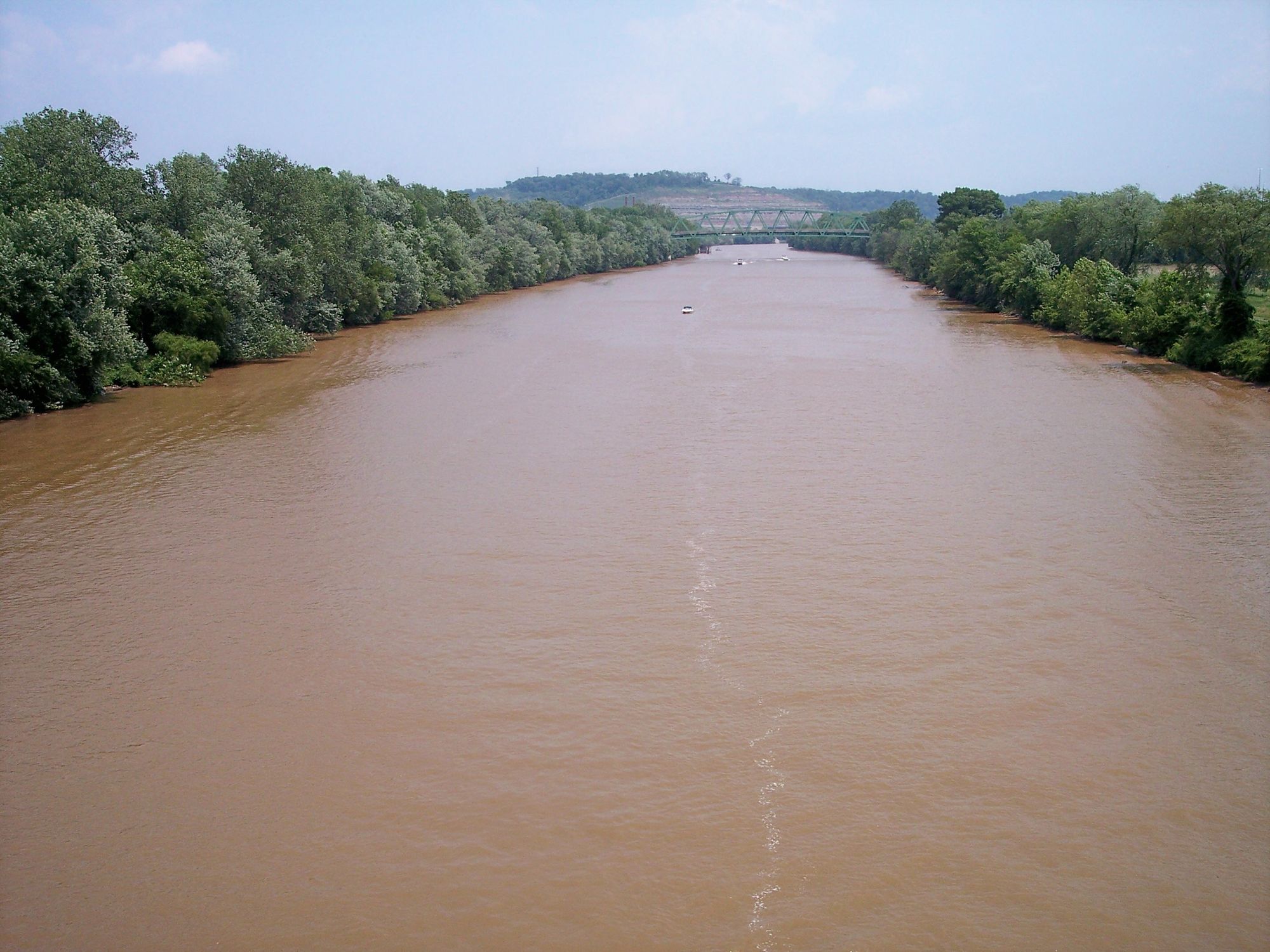
Little Kanawha River
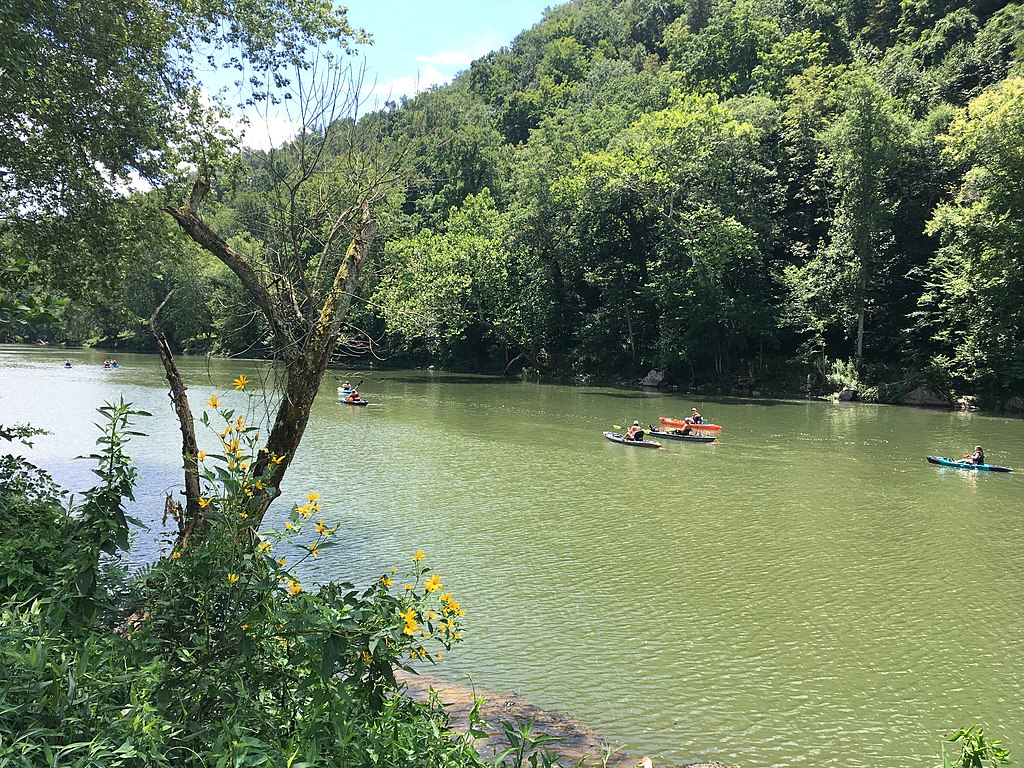
Greenbrier River
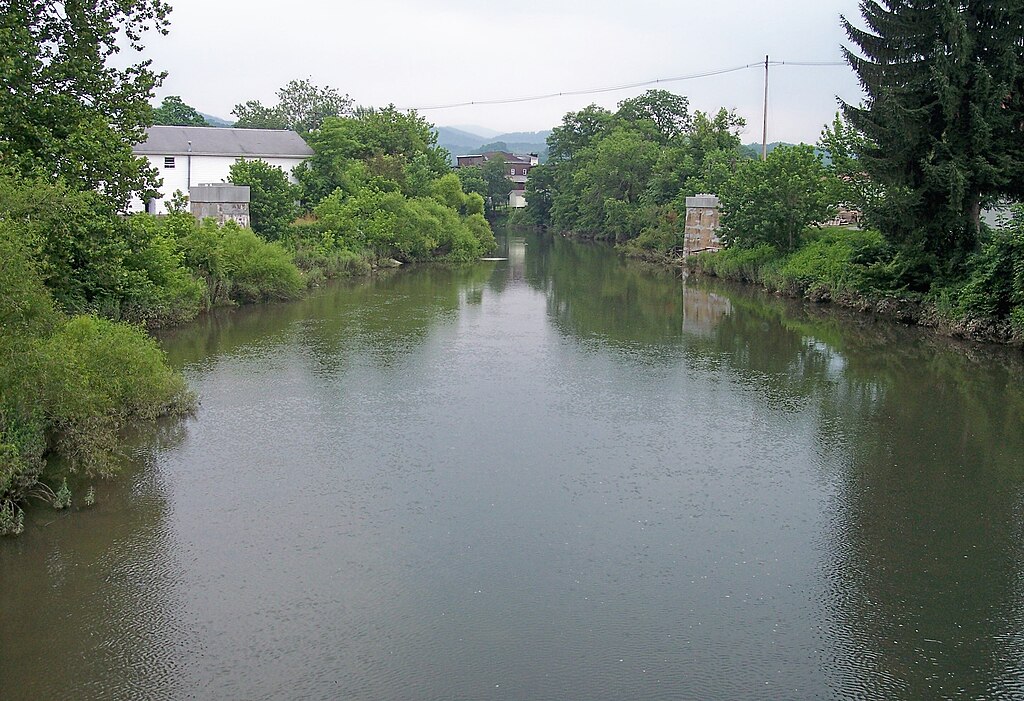
Tygart Valley River
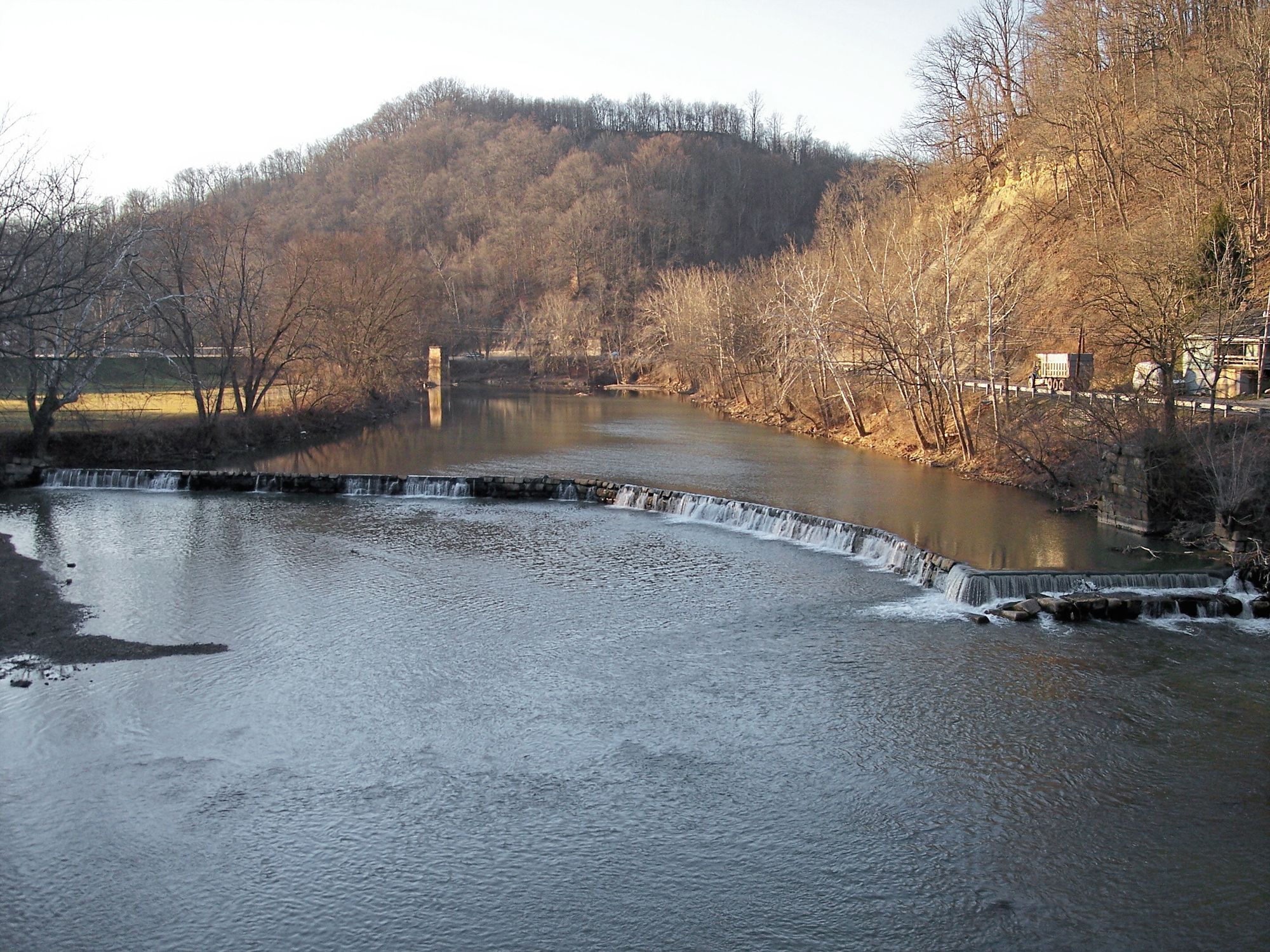
West Fork River
Sutton Lake
What to know
Habitat Distribution
- They inhabit clear, moderate to fast-flowing areas of medium to large warmwater streams and rivers.
Key Locations
- Medium to large rivers, areas below dams or rocky riffles in tributaries.
Specific Spots
- Target the swift, rocky waters focusing on well-developed riffles and adjacent pools with clean gravel, cobble, sand, boulder, or silt substrates.
- Look for areas below dams or rocky riffles in tributaries.
- They're rarely associated with aquatic vegetation.
- Adults generally occupy pools during summer and move to deeper pools for overwintering.
Black Redhorse FAQ
Answers from onWater's species guide.
What are the best lures and bait for Black Redhorse in West Virginia?
Use live bait exclusively as Black Redhorse won't take dead offerings - night crawlers, small crayfish, and aquatic insects work best.
When is the best time to fish for Black Redhorse in West Virginia?
Early spring through late spring when water temperatures hit 45-50°F and continue until around 65°F. Avoid fishing during active spawning (April-June) and instead focus on pre and post-spawning periods.
How do you catch Black Redhorse in West Virginia?
The key technique is getting bait to stop on the bottom since their sub-terminal mouths make it difficult to catch drifting food. For active fishing, wade downstream and cast upstream of visible fish, using current and line tension to swing bait toward them.
What do Black Redhorse eat?
Black Redhorse are benthic feeders, primarily consuming crustaceans and aquatic insects by rooting through bottom substrates. Unlike many fish, they won't take dead bait and require live, moving food.
Where do Black Redhorse live in West Virginia?
They inhabit clear, moderate to fast-flowing areas of medium to large warmwater streams and rivers.
Fish smarter with real-time insights
Whether you're en route and conditions shift or you're looking for the best spot based on current flows, we enable you to make informed decisions on the fly.




See it in the app
Most maps show you water.
onWater shows you Black Redhorse.



- 01 · Species map filter
Map every Black Redhorse water
Pick Black Redhorse and the map zeroes in on the waters they call home. No more guessing which lake holds them.
- 02 · Waterbody species
Tap any water. See what lives there.
Species, behavior and seasonal patterns for every lake, river and pond, before you leave the driveway.
- 03 · Angler Intelligence
Ask how to catch Black Redhorse
Tactics, gear and timing from onWater's AI fishing guide, tuned to the species and the water you're on.
Stop guessing where Black Redhorse are.
Open the map, filter by Black Redhorse, and head to water that holds them. Download onWater and plan your next trip in minutes.
- Species map filter
- Angler Intelligence
- Fishing journal
Explore other species
Trout, bass, salmon, panfish and everything in between. Each guide unpacks the behavior, seasons, and tactics that put fish in the net.
No species information available.
West Virginia licenses and regulations
Explore nearby waters
Explore West Virginia waters
Top fishing waters
Popular Cities
Loading popular cities...

Smarter Fishing Starts in the App.
onWater Fish gives you everything you need to plan smarter, fish better, and own every trip from first cast to last.