Northern Hogsucker
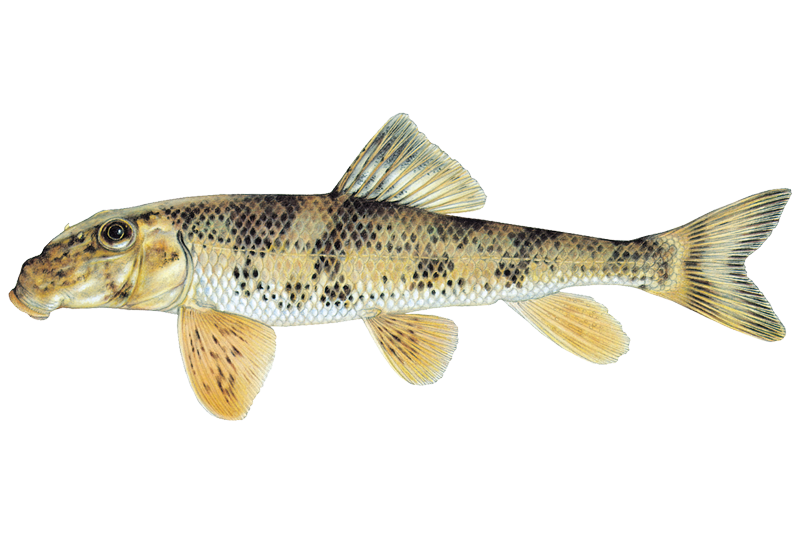
The Northern Hogsucker is a distinctive freshwater species found throughout West Virginia's watersheds, listed as S5 (secure) in the state.
These bottom-dwelling fish are specialized bottom feeders that use their protrusible mouths to vacuum up benthic invertebrates. They're considered indicators of good water quality as they cannot tolerate siltation or pollution.
Scientific Name: Hypentelium nigricans
- Easily identified by their large, rectangular head with a pronounced snout, mottled brown coloration with dark saddle-shaped patches across their back that provide excellent camouflage against rocky substrates, and distinctive papillose (bumpy) lips with a characteristic black line around them.
- They typically reach 8-10 inches but can grow up to 24 inches and 2 pounds, with females generally being larger.
Fishing in West Virginia
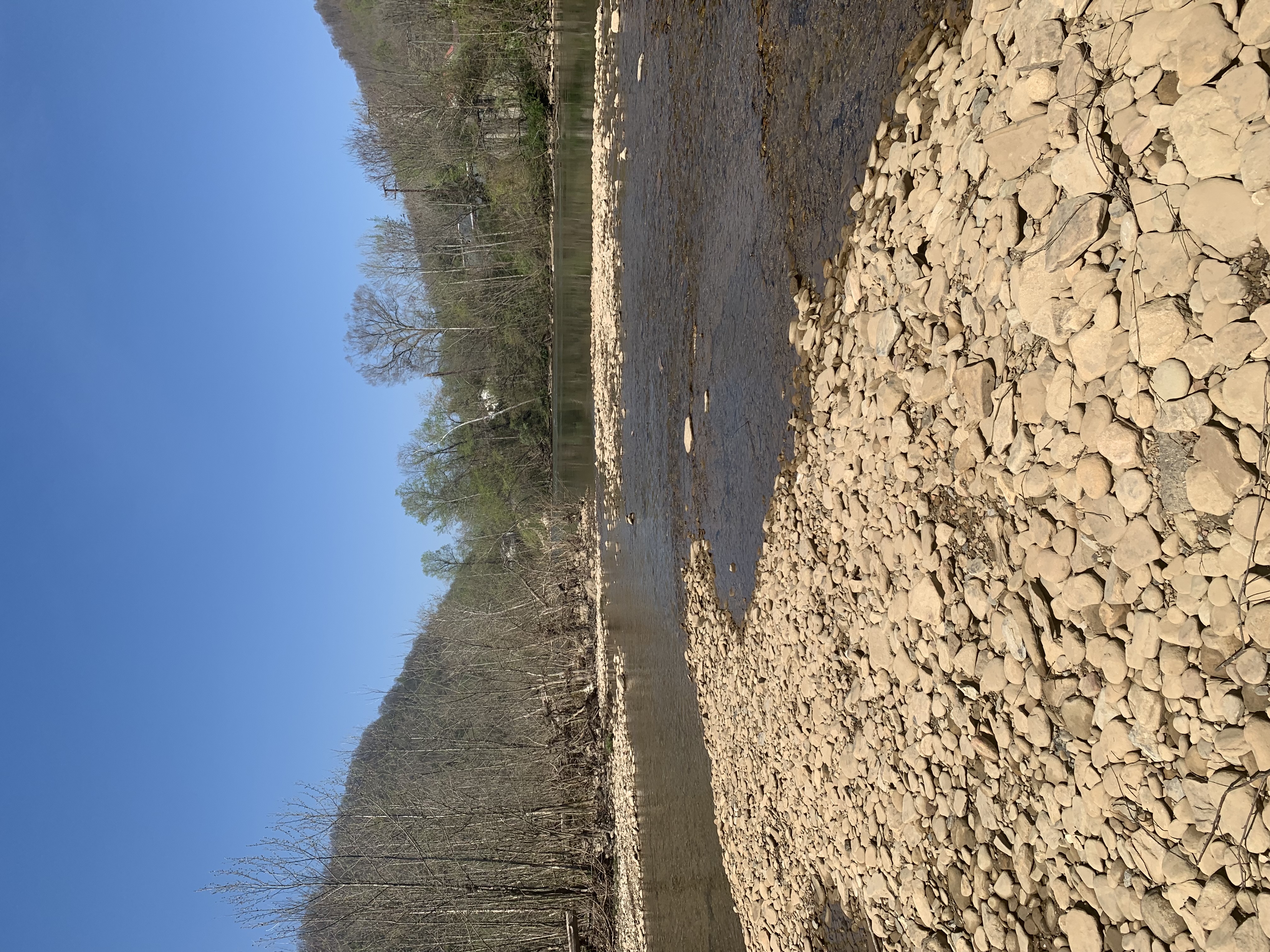
Gauley River
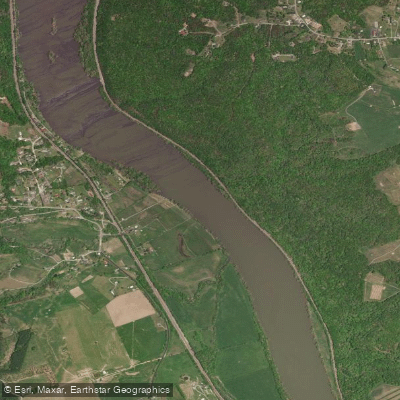
New River
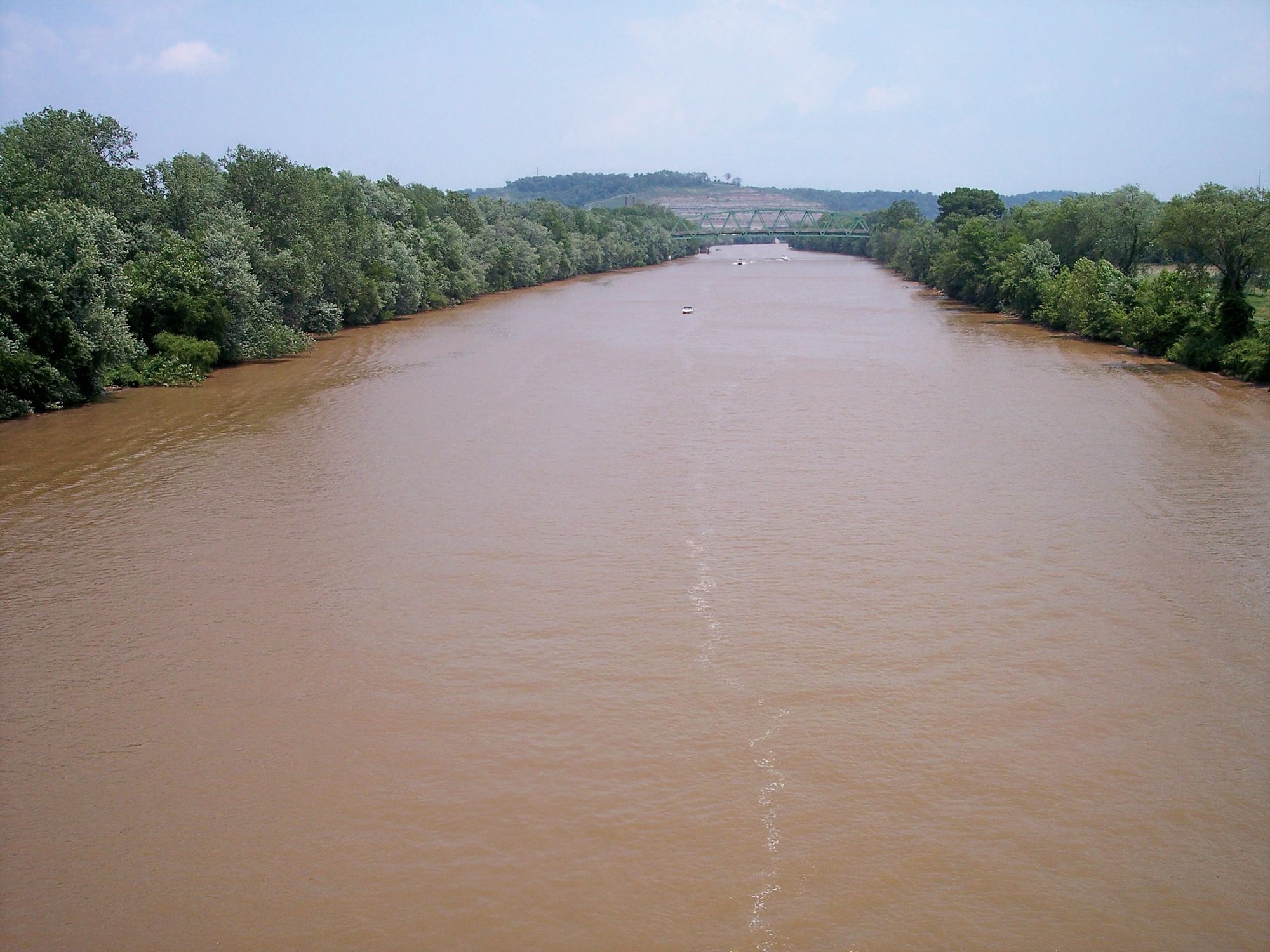
Kanawha River
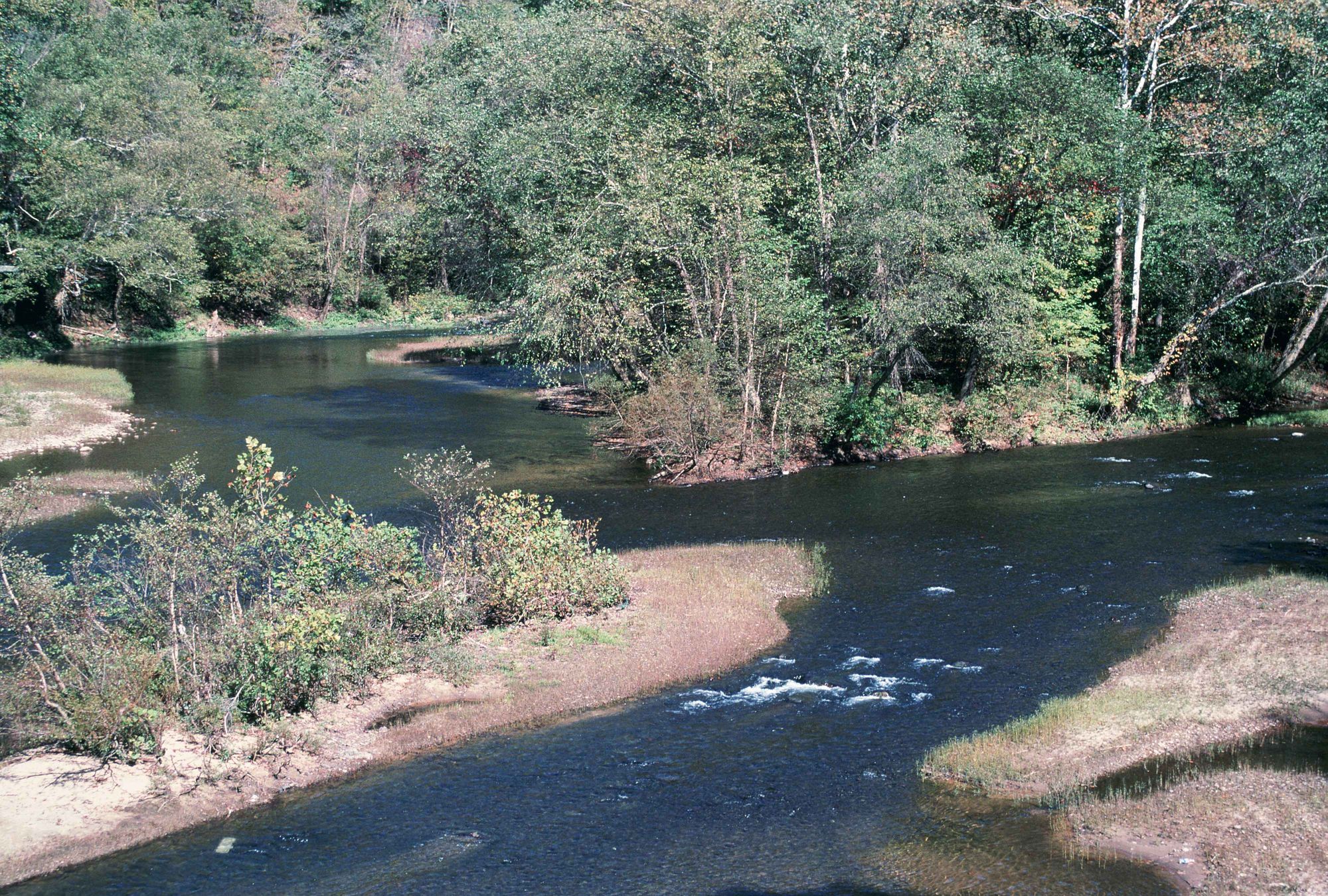
Elk River
Cranberry River
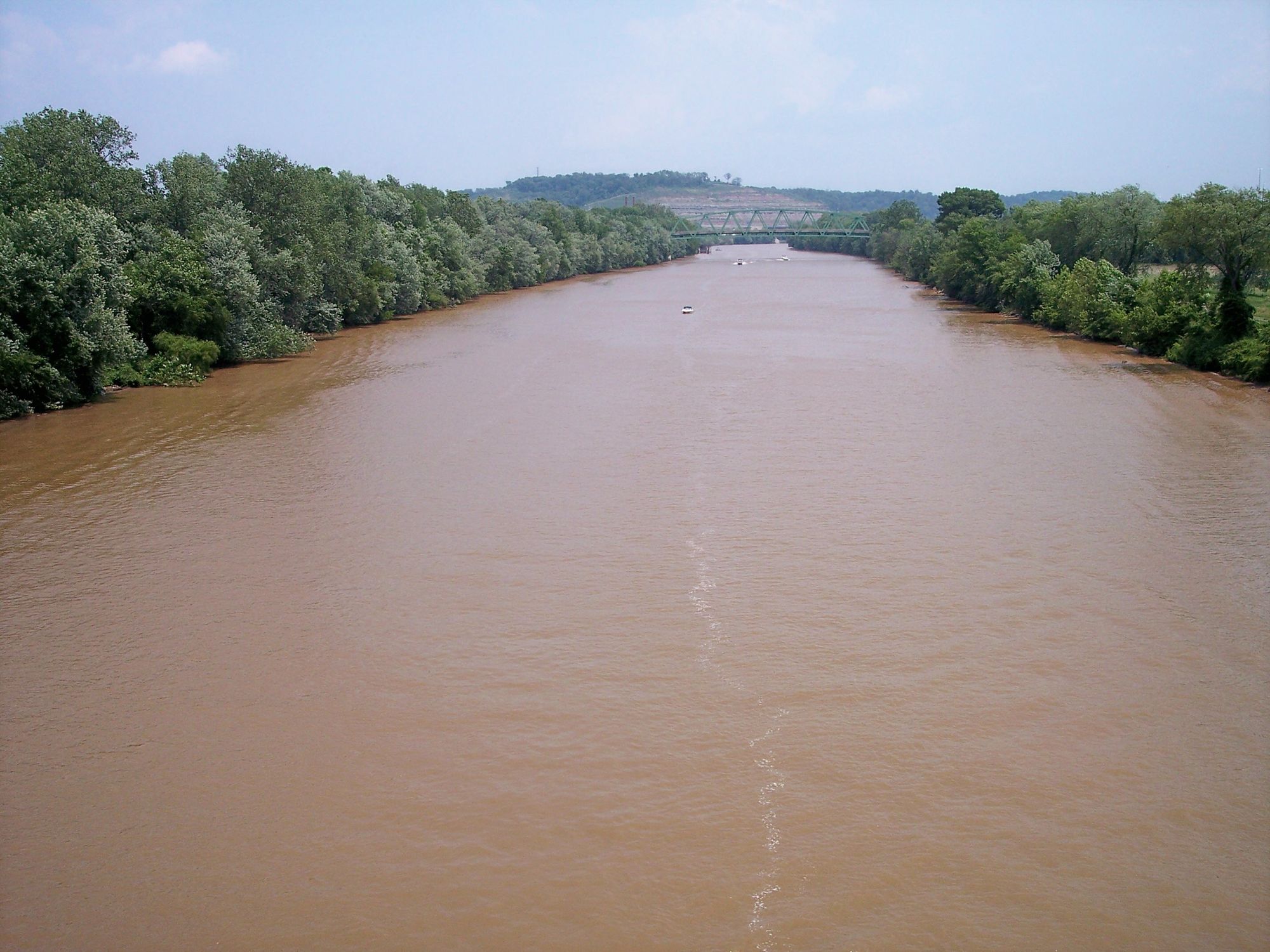
Little Kanawha River
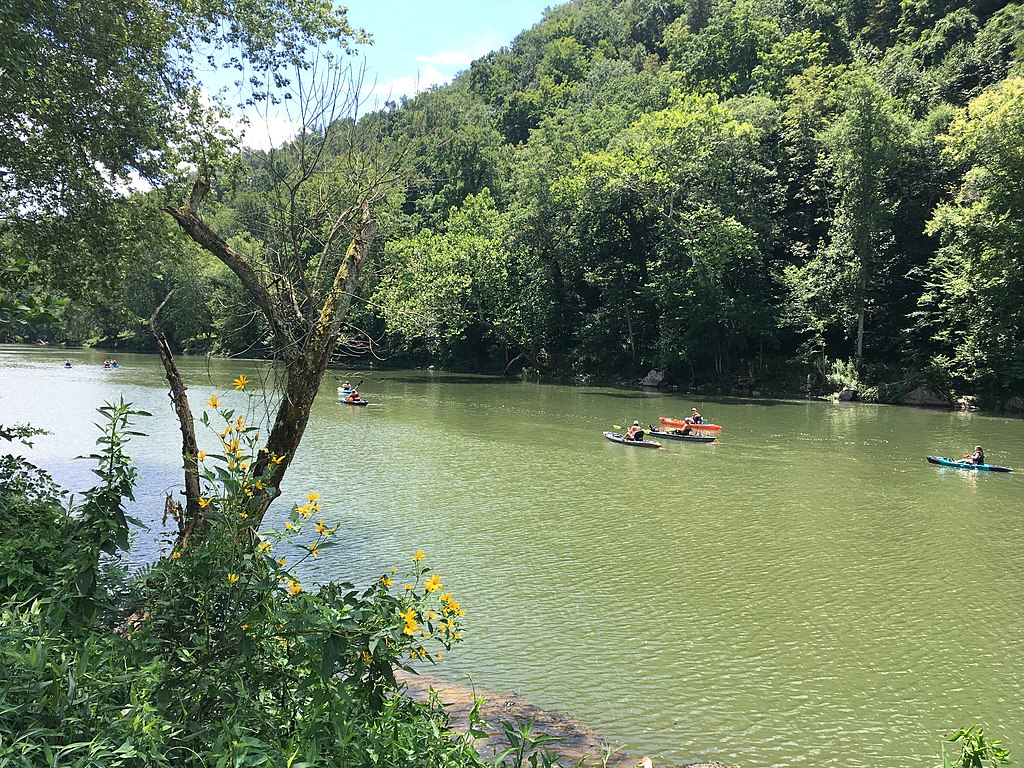
Greenbrier River
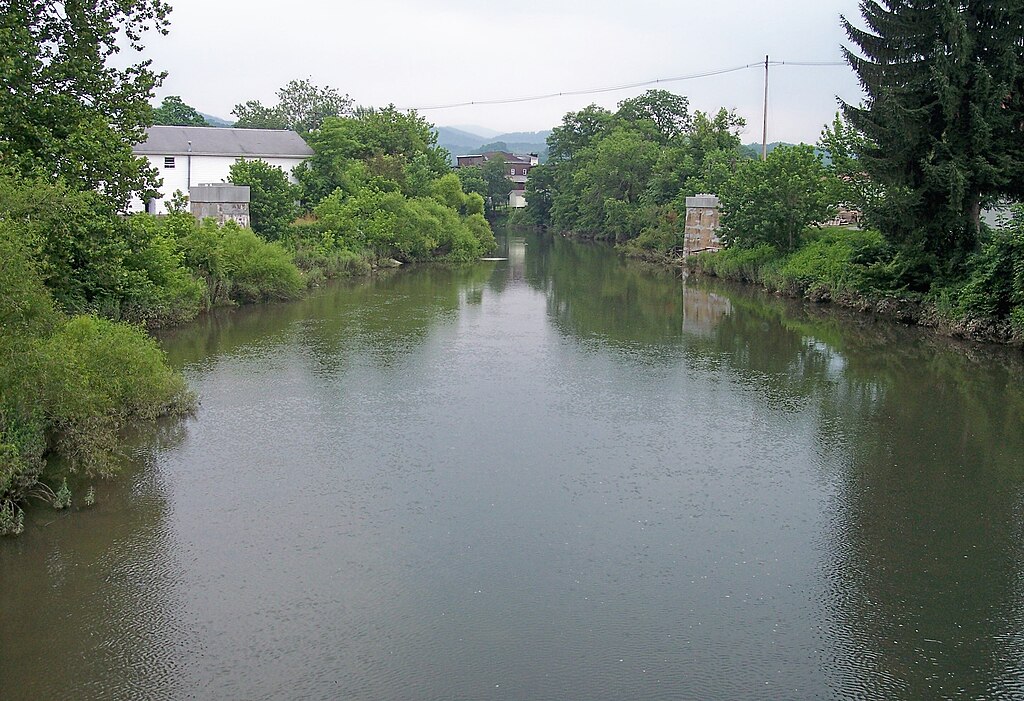
Tygart Valley River
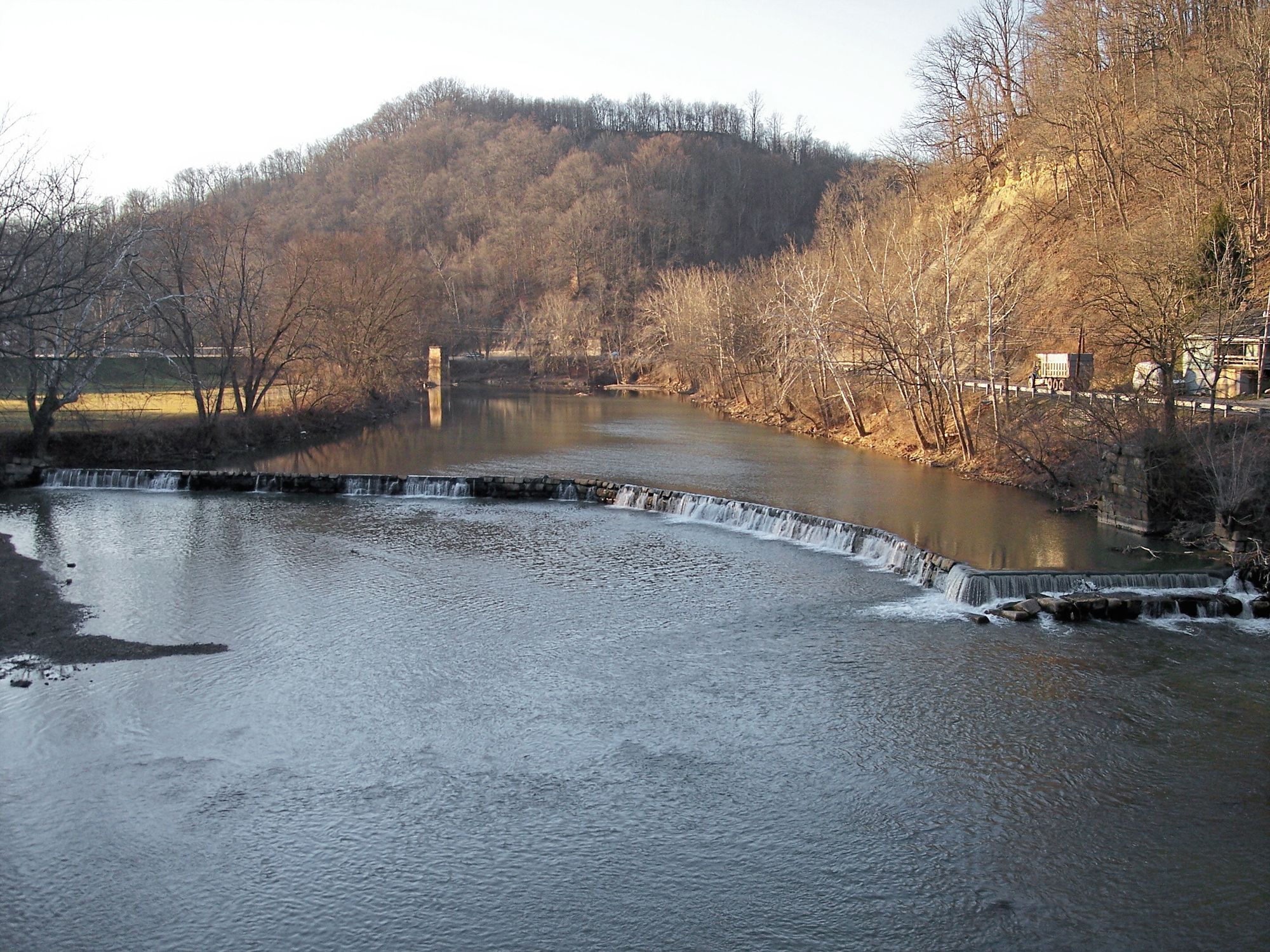
West Fork River
Sutton Lake
What to know
Habitat Distribution
- In West Virginia, they inhabit waters ranging from small mountain trout streams to larger rivers, and can occasionally be found in reservoirs near tributary mouths.
Key Locations
- Distributed across all major river systems including the James, New, Ohio, and Potomac watersheds, with documented presence in waters like Left Fork Steer Creek in the Little Kanawha River system.
- Target clear, fast-flowing streams with gravel and rock substrates throughout West Virginia's mountain regions, particularly in areas with good water quality.
Specific Spots
- Prefer clear, fast-flowing streams and rivers with rocky riffles, runs, and gravel substrates.
- Look for them in shallow riffles and rocky areas.
Northern Hogsucker FAQ
Answers from onWater's species guide.
What are the best lures and bait for Northern Hogsucker in West Virginia?
Live bait fishing with red worms or nightcrawlers. Small soft plastics like Mini Trout Magnets can be effective when placed perfectly in their feeding zones.
What flies work for Northern Hogsucker in West Virginia?
Fly patterns such as Hare's Ear Nymphs. Focus on benthic nymph patterns that imitate their preferred food sources of aquatic insects and small invertebrates.
How do you catch Northern Hogsucker in West Virginia?
Position yourself upstream of spotted fish and drift bait naturally with the current, or anchor it lightly on the bottom with minimal weight. Artificials require precise presentation - place perfectly in their feeding zones.
What do Northern Hogsucker eat?
Specialized bottom feeders that use their protrusible mouths to vacuum up benthic invertebrates including aquatic insect larvae, crustaceans, mollusks, diatoms, and algae.
Where do Northern Hogsucker live in West Virginia?
In West Virginia, they inhabit waters ranging from small mountain trout streams to larger rivers, and can occasionally be found in reservoirs near tributary mouths.
Fish smarter with real-time insights
Whether you're en route and conditions shift or you're looking for the best spot based on current flows, we enable you to make informed decisions on the fly.




See it in the app
Most maps show you water.
onWater shows you Northern Hogsucker.



- 01 · Species map filter
Map every Northern Hogsucker water
Pick Northern Hogsucker and the map zeroes in on the waters they call home. No more guessing which lake holds them.
- 02 · Waterbody species
Tap any water. See what lives there.
Species, behavior and seasonal patterns for every lake, river and pond, before you leave the driveway.
- 03 · Angler Intelligence
Ask how to catch Northern Hogsucker
Tactics, gear and timing from onWater's AI fishing guide, tuned to the species and the water you're on.
Stop guessing where Northern Hogsucker are.
Open the map, filter by Northern Hogsucker, and head to water that holds them. Download onWater and plan your next trip in minutes.
- Species map filter
- Angler Intelligence
- Fishing journal
Explore other species
Trout, bass, salmon, panfish and everything in between. Each guide unpacks the behavior, seasons, and tactics that put fish in the net.
No species information available.
West Virginia licenses and regulations
Explore nearby waters
Explore West Virginia waters
Top fishing waters
Popular Cities
Loading popular cities...

Smarter Fishing Starts in the App.
onWater Fish gives you everything you need to plan smarter, fish better, and own every trip from first cast to last.