Grass Carp

Grass Carp are large, non-native herbivorous fish that have established populations in West Virginia waters. Originally from eastern Asia, these fish can live 20+ years and continue growing throughout their lives, making them prized trophy fish.
Scientific Name: Ctenopharyngodon idella
- These olive-green, cigar-shaped fish can reach impressive sizes - the current West Virginia state record is 54.75 inches and 67.40 pounds, caught at Warden Lake in Hardy County.
- They're distinguished by their mullet-shaped heads, terminal mouths without barbels, and coarse dark-edged scales.
Fishing in West Virginia
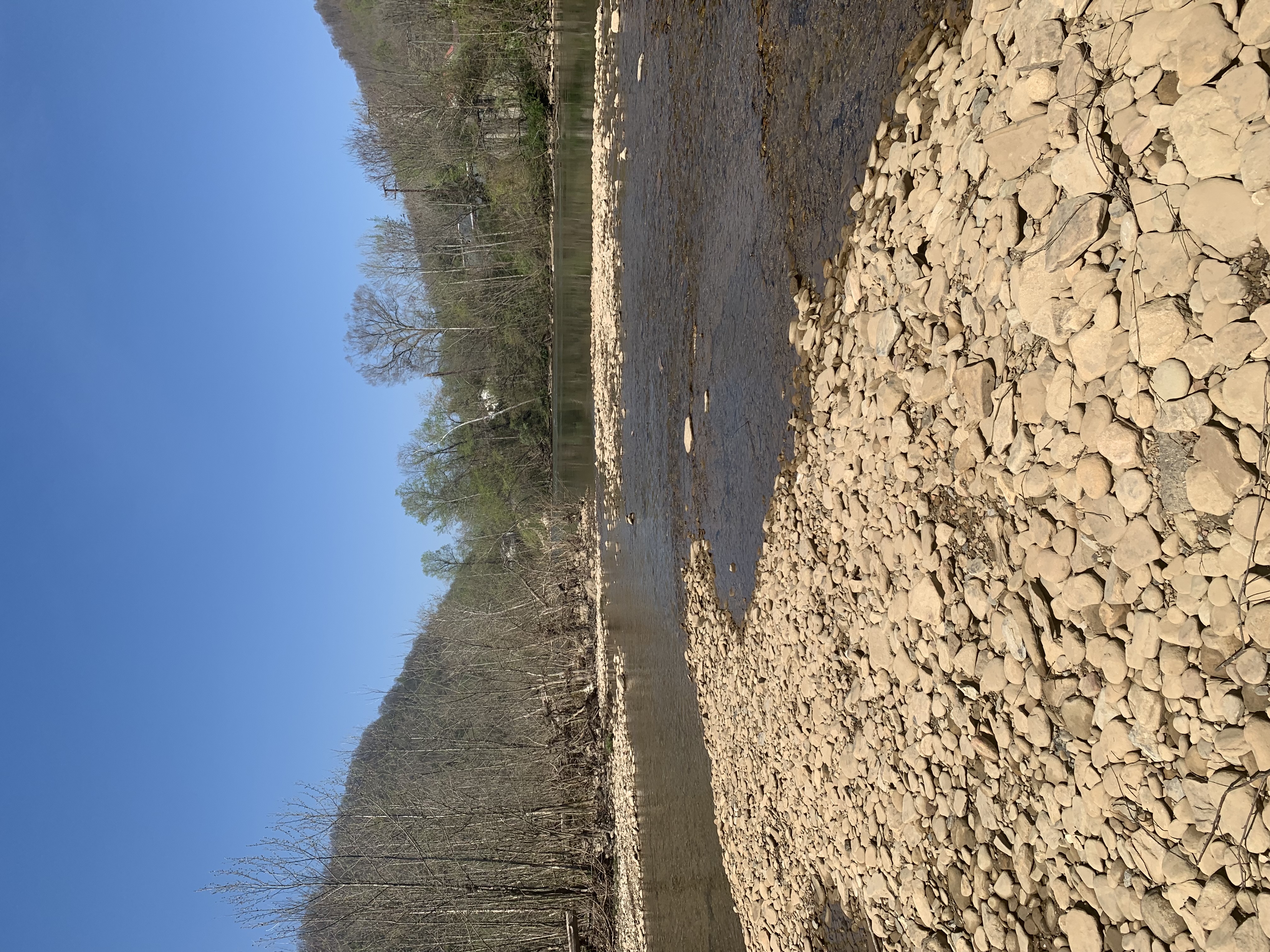
Gauley River
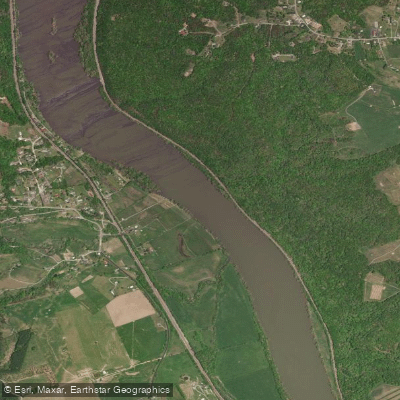
New River
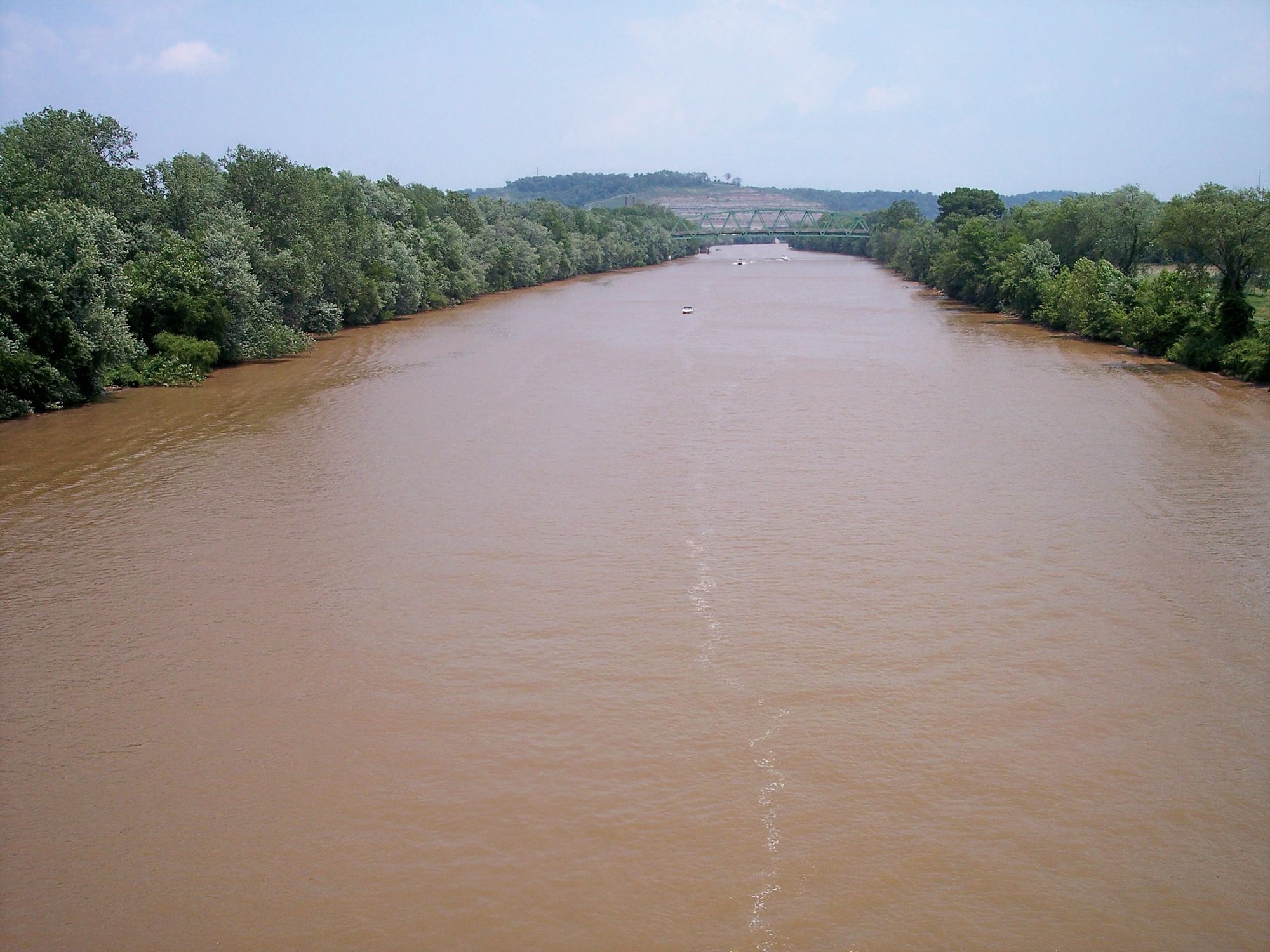
Kanawha River
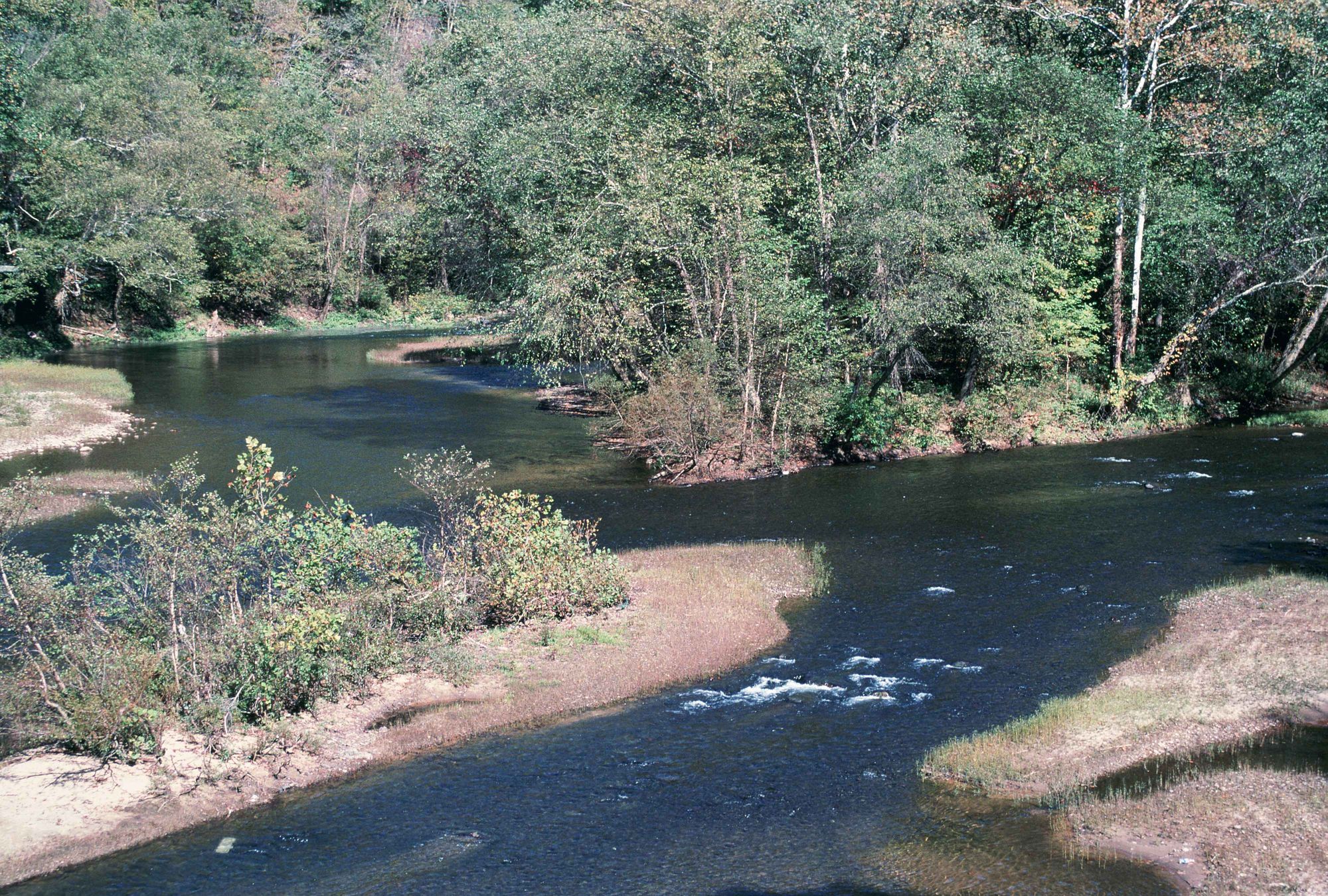
Elk River
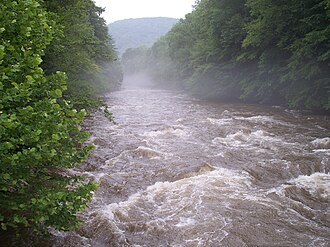
Cranberry River
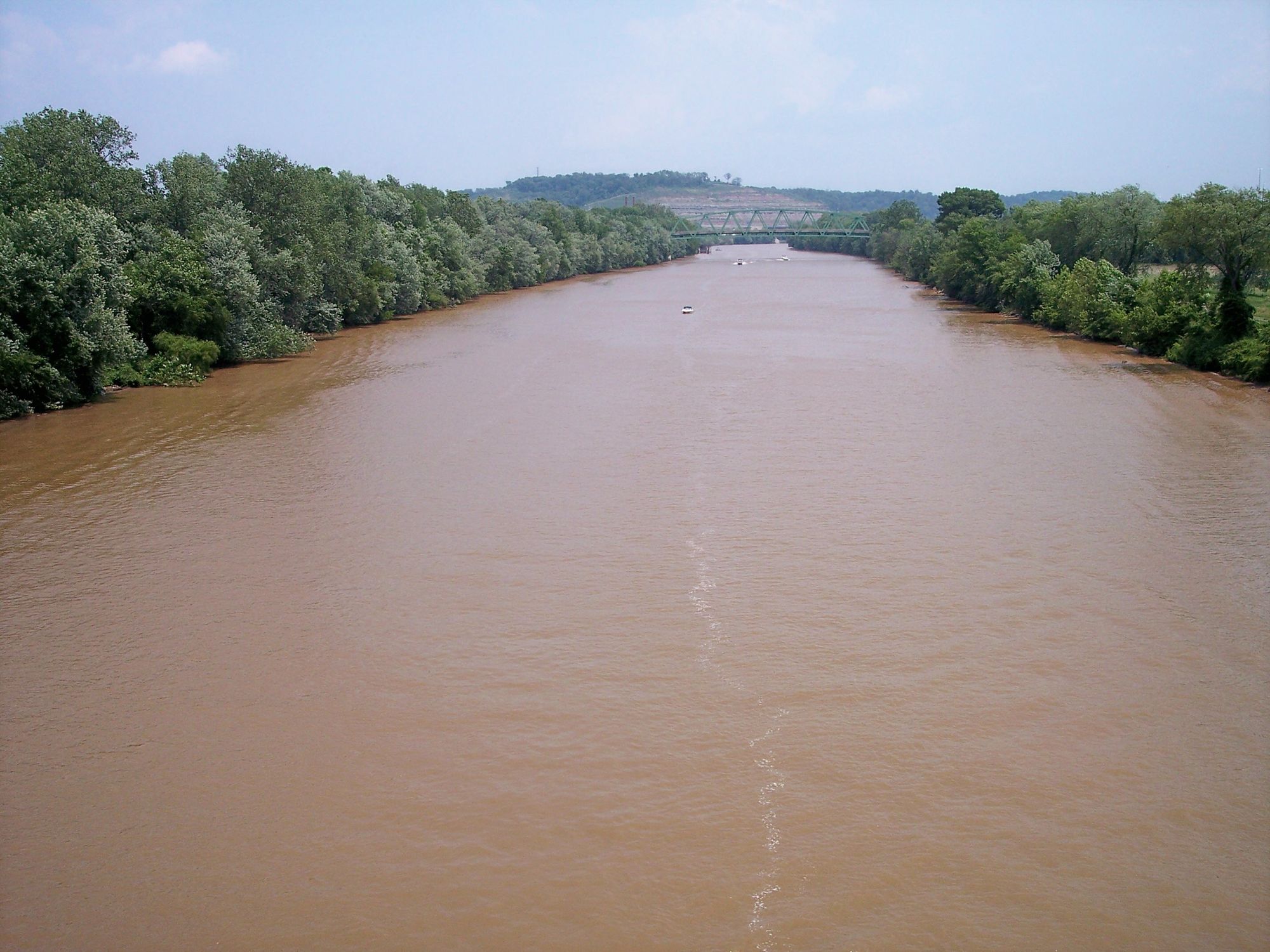
Little Kanawha River
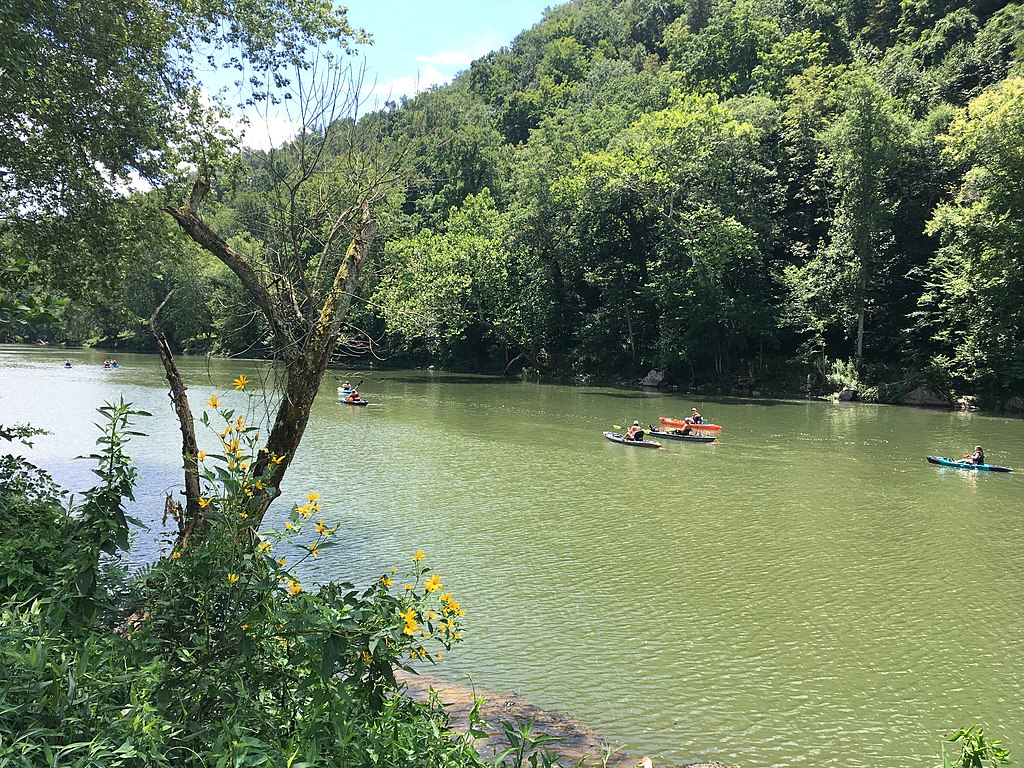
Greenbrier River
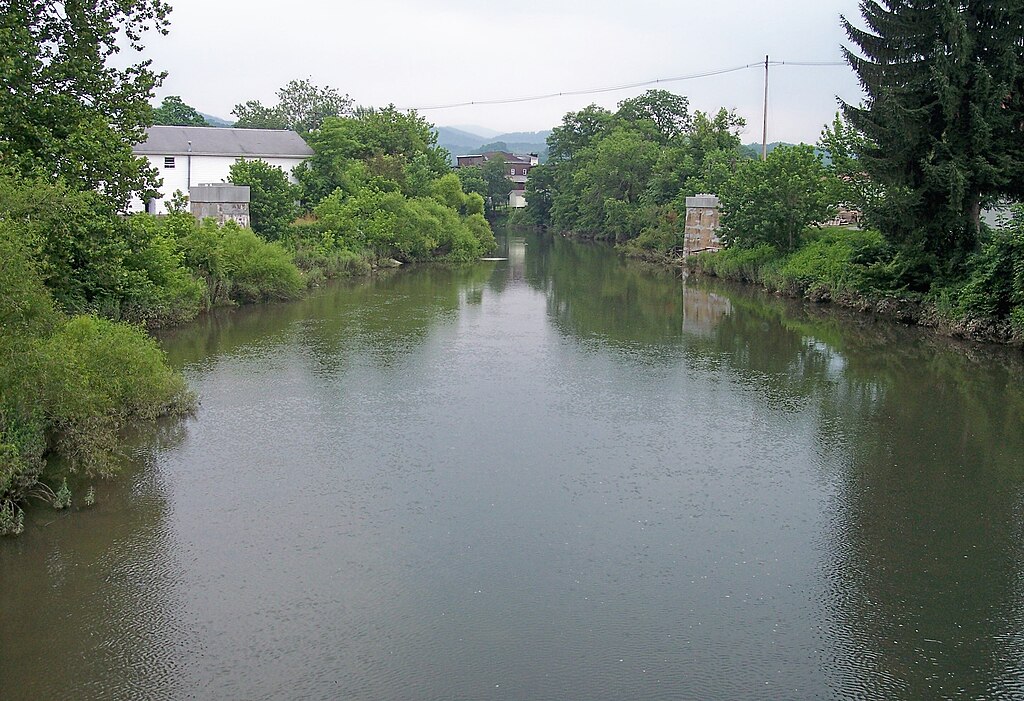
Tygart Valley River
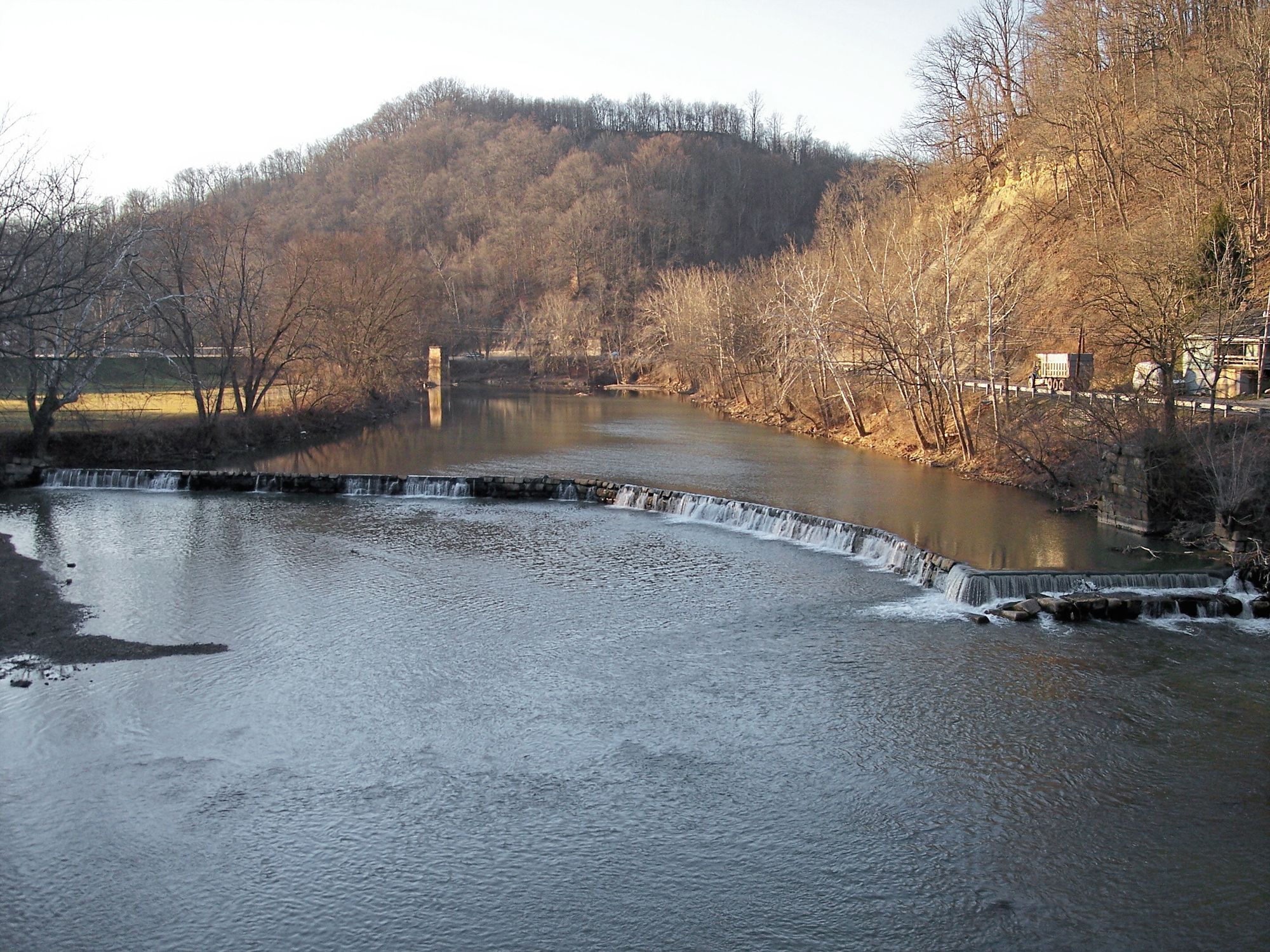
West Fork River
Sutton Lake
What to know
Habitat Distribution
- In West Virginia, they inhabit lakes, ponds, and slower-moving river sections.
Key Locations
- Warden Lake in Hardy County (known for trophy-sized fish), Mill Creek Reservoir in Amherst County, and various state park lakes and state-managed waters.
Specific Spots
- Fish shallow areas near vegetation, margins with overhanging trees, and areas where they can access terrestrial food sources.
Grass Carp FAQ
Answers from onWater's species guide.
What are the best lures and bait for Grass Carp in West Virginia?
Traditional tackle works with bread (Wonder Bread is particularly effective), dough balls, corn, and various carp-specific baits. In winter, use high-attract single hookbaits.
What flies work for Grass Carp in West Virginia?
Effective fly patterns include leech imitations with foam bodies that sink slowly, small nymphs and buzzers, terrestrial patterns like cicada and mulberry flies, and crayfish imitations.
When is the best time to fish for Grass Carp in West Virginia?
Spring (March-May) and fall (September-October) are best when water temperatures are between 50-70°F. Summer months can be productive early morning and evening, but avoid the spawning period in May-June. In winter, fish deeper, more stable water areas.
How do you catch Grass Carp in West Virginia?
For fly fishing: sight casting, look for tailing fish (feeding on bottom with tails visible), cruising fish showing flashing behavior, and fish actively feeding on surface insects.
What do Grass Carp eat?
Grass Carp are primarily herbivorous, feeding on aquatic vegetation including hydrilla, elodea, bladderwort, coontail, najas, milfoil, and various pondweeds (chara and nitella). They prefer softer, pliable aquatic plants but will also consume terrestrial vegetation, insects, and invertebrates when available.
Fish smarter with real-time insights
Whether you're en route and conditions shift or you're looking for the best spot based on current flows, we enable you to make informed decisions on the fly.




See it in the app
Most maps show you water.
onWater shows you Grass Carp.



- 01 · Species map filter
Map every Grass Carp water
Pick Grass Carp and the map zeroes in on the waters they call home. No more guessing which lake holds them.
- 02 · Waterbody species
Tap any water. See what lives there.
Species, behavior and seasonal patterns for every lake, river and pond, before you leave the driveway.
- 03 · Angler Intelligence
Ask how to catch Grass Carp
Tactics, gear and timing from onWater's AI fishing guide, tuned to the species and the water you're on.
Stop guessing where Grass Carp are.
Open the map, filter by Grass Carp, and head to water that holds them. Download onWater and plan your next trip in minutes.
- Species map filter
- Angler Intelligence
- Fishing journal
Explore other species
Trout, bass, salmon, panfish and everything in between. Each guide unpacks the behavior, seasons, and tactics that put fish in the net.
No species information available.
West Virginia licenses and regulations
Explore nearby waters
Explore West Virginia waters
Top fishing waters
Popular Cities
Loading popular cities...

Smarter Fishing Starts in the App.
onWater Fish gives you everything you need to plan smarter, fish better, and own every trip from first cast to last.