Longfin Dace

Arizona's most common and widely distributed native minnow, found in low elevation desert streams throughout central and southern Arizona.
Remarkably hardy and adaptable, capable of surviving in wet algae mats during drought conditions and tolerating extreme temperature fluctuations.
Scientific Name: Agosia chrysogaster
Small fish rarely exceed 4 inches in length, characterized by silvery-gray to olive coloration with yellowish sides, a rounded snout, subterminal mouth with small barbels, and a distinctive black spot at the base of the caudal fin.
Males develop vibrant breeding colors with contrasting blacks and whites, while females remain more subdued.
Fishing in Arizona
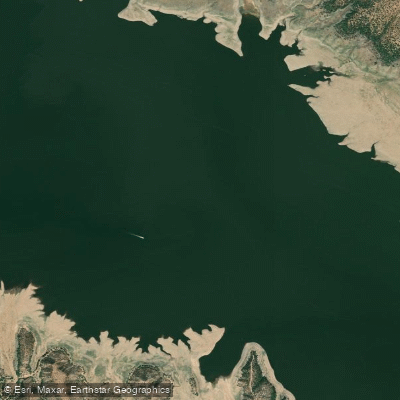
Salt River
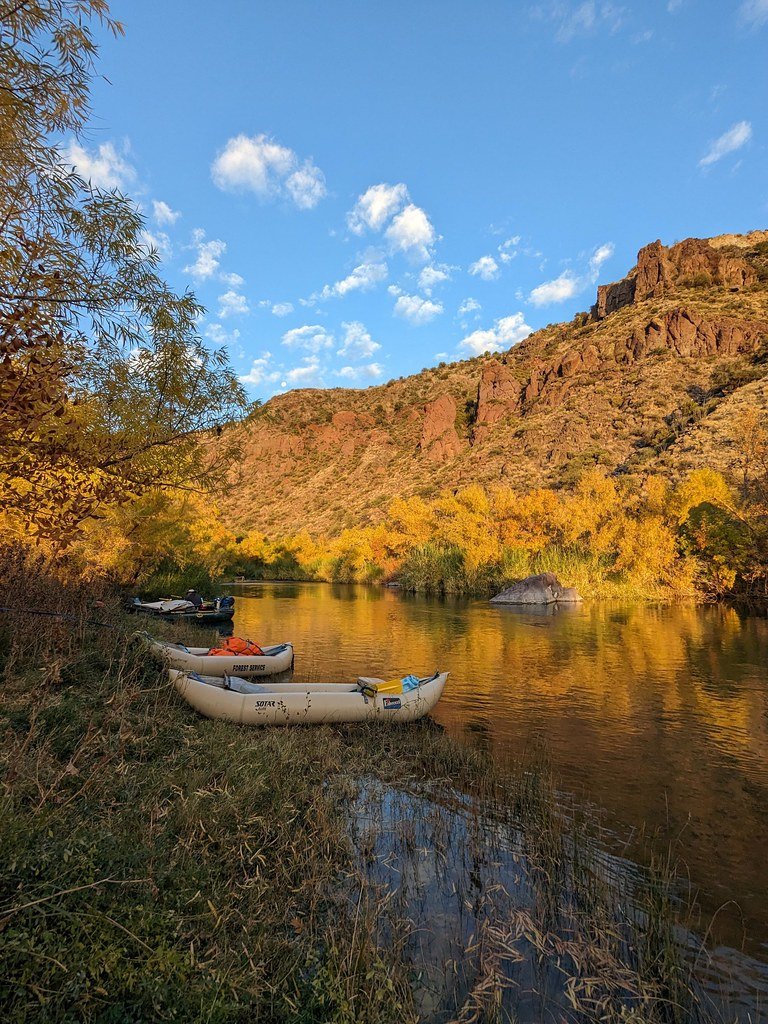
Verde River
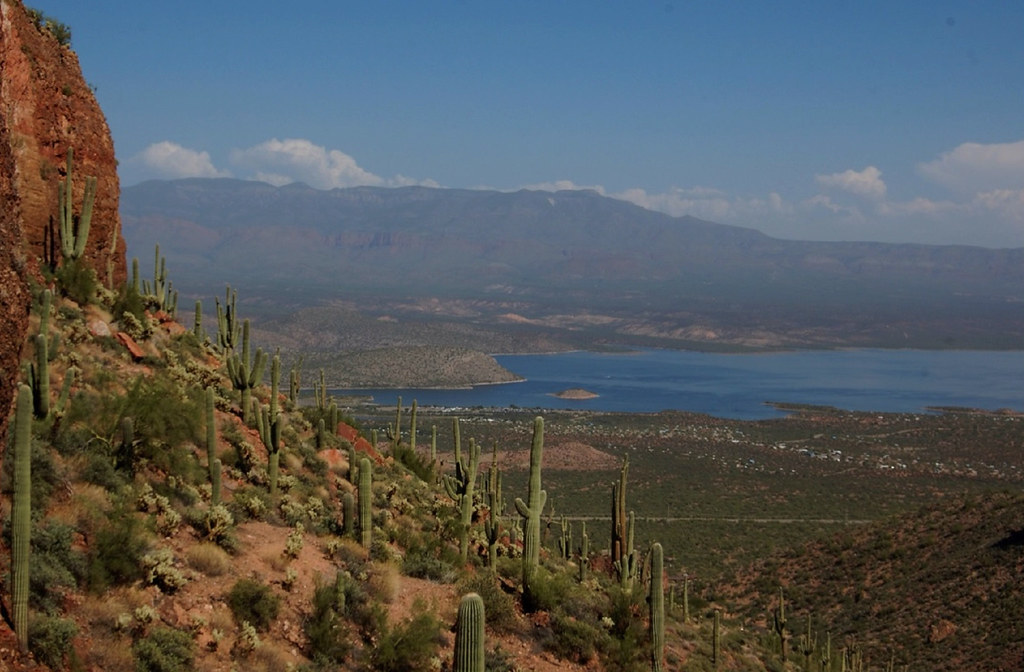
Theodore Roosevelt Lake
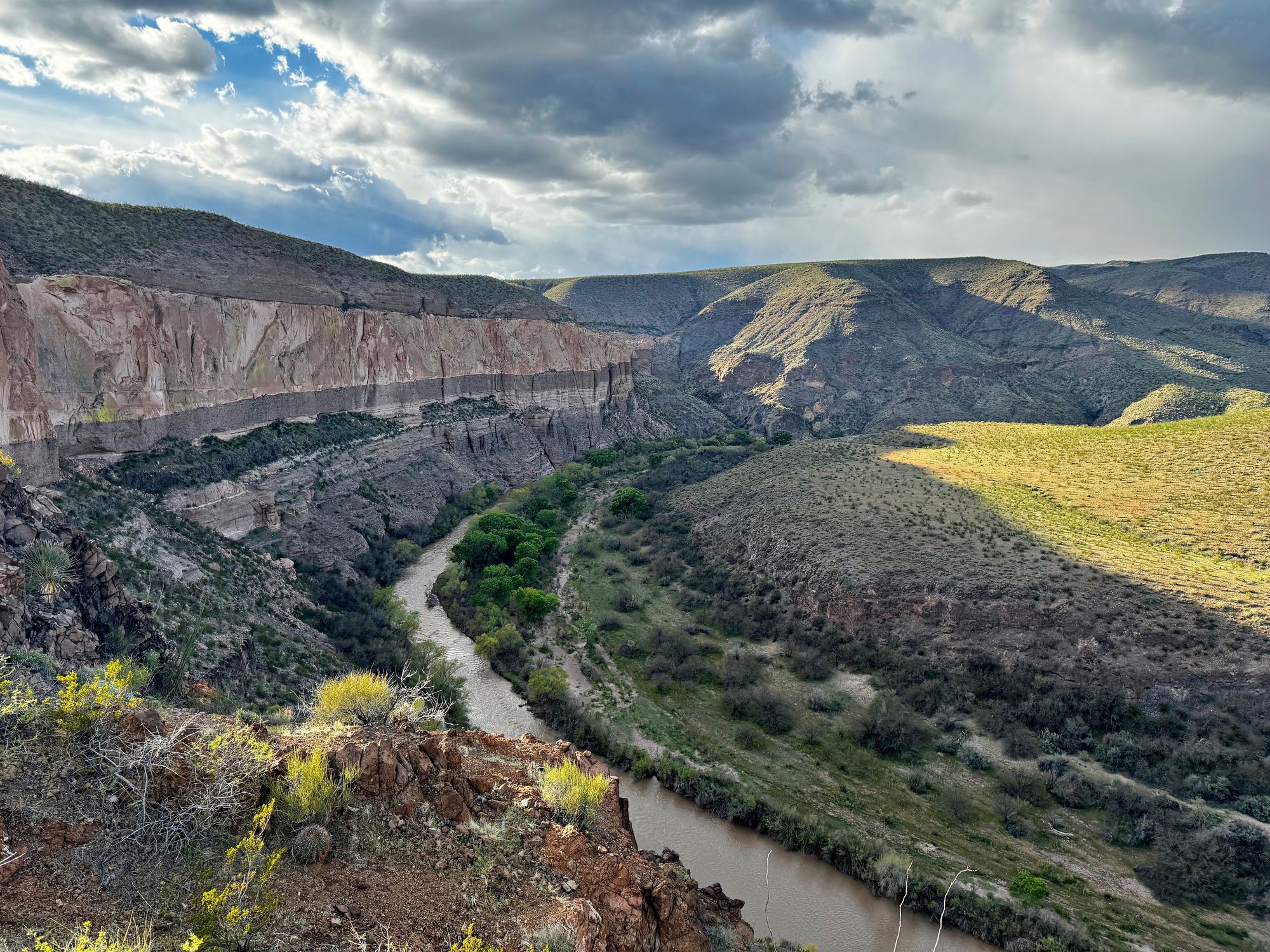
Gila River
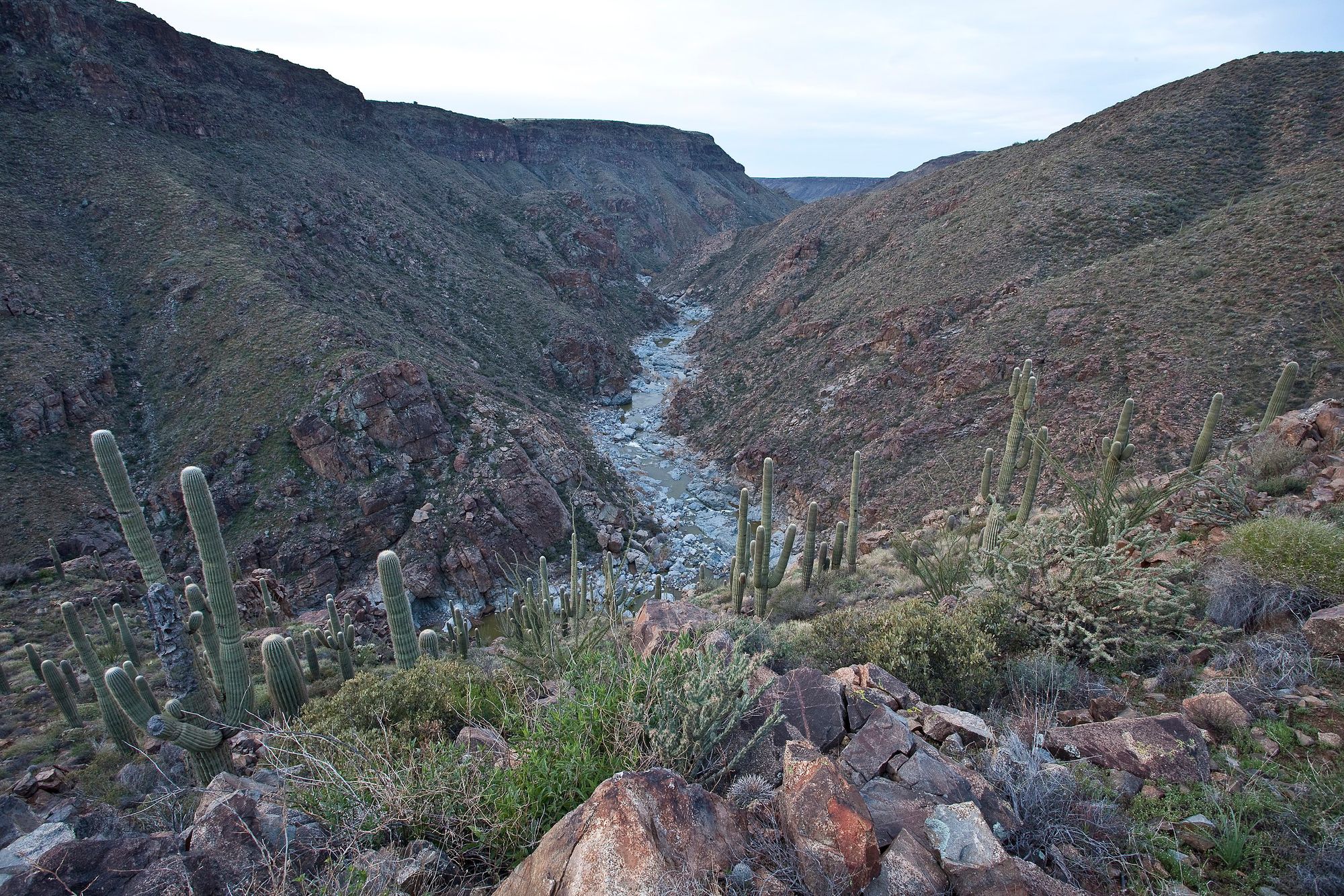
Agua Fria River
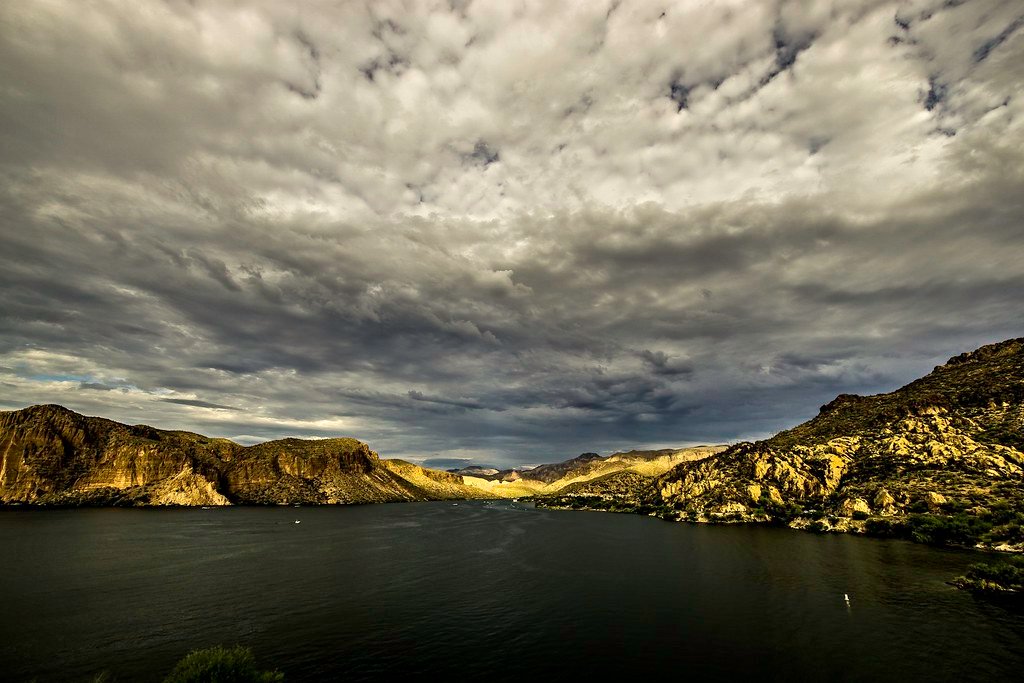
Canyon Lake
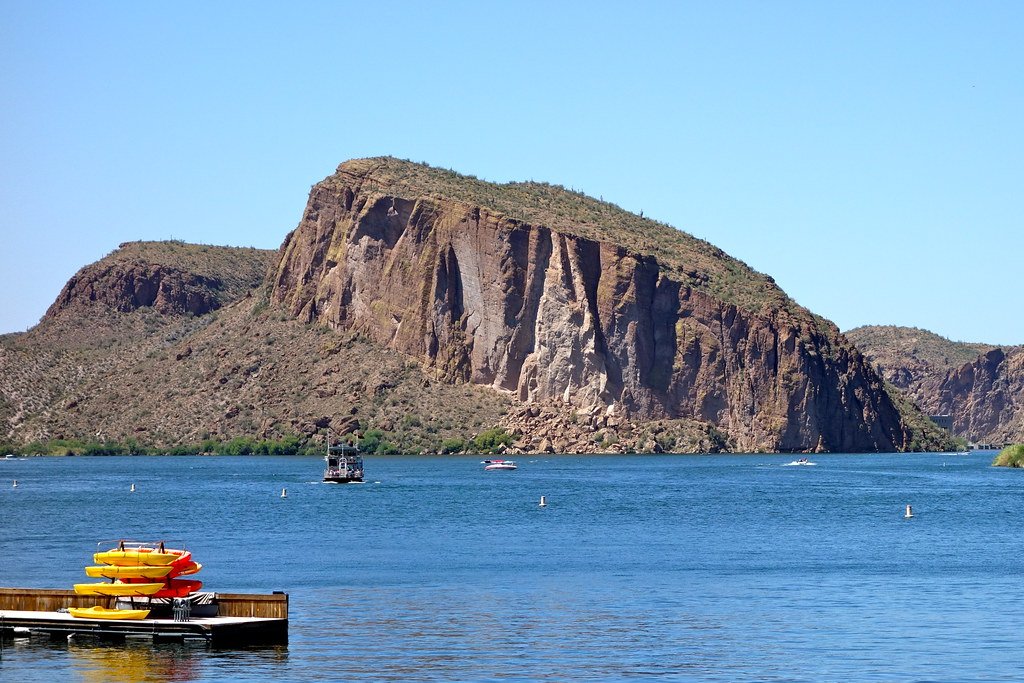
Saguaro Lake
Bartlett Reservoir
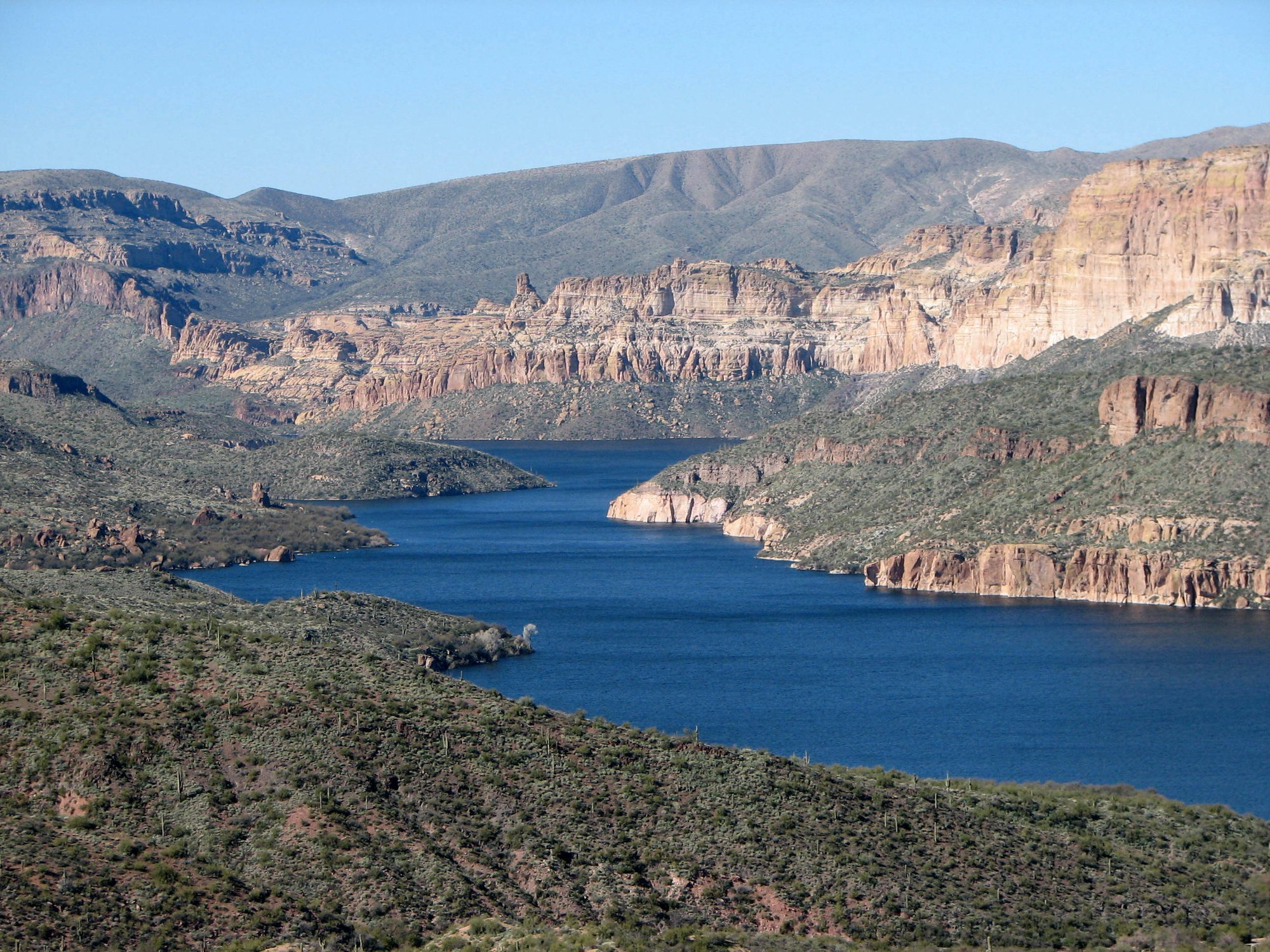
Apache Lake
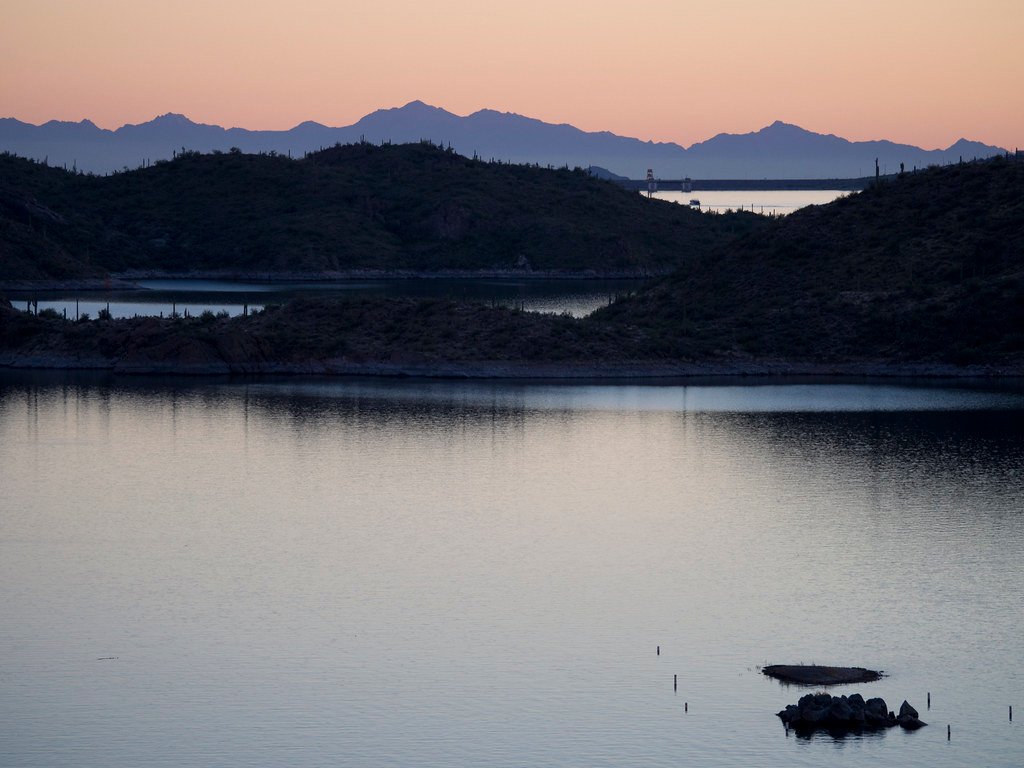
Lake Pleasant
What to know
Habitat Distribution
Found in low elevation desert streams throughout central and southern Arizona. Found from near sea level up to 2,300 meters elevation, though most abundant below 1,500 meters.Key Locations
Gila and Bill Williams river systems, Santa Cruz River, Verde River tributaries, Oak Creek, Cherry Creek, Aravaipa Creek, Mineral Creek, and Sycamore CreekSpecific Spots
Shallow, sandy-bottomed runs, flowing pools, and areas with overhanging vegetation. Target habitat generalist areas where they school in depths of 8-55 cm with any substrate type from silt to cobble. Prefer shallow, sandy or gravelly streams with flowing pools, overhanging vegetation, and cover from undercut banks.Longfin Dace FAQ
Answers from onWater's species guide.
What flies work for Longfin Dace in Arizona?
Size 20-24 patterns including small mayfly imitations like Baetis patterns, tiny midge patterns (Zebra Midge), small caddis flies, and ant patterns. Little Blue-Winged Olive Dun (size 20) from February-April, Caddis (size 10-14) from May-June, and Trico (size 24) from July-September.
When is the best time to fish for Longfin Dace in Arizona?
Target late summer through fall and again in late fall through winter, avoiding December through July spawning season. Mayfly hatches occur February through September.
How do you catch Longfin Dace in Arizona?
Present flies dead-drift in the current, focusing on feeding lanes and edges of pools. Wade quietly and approach carefully as these small native fish are easily spooked in clear, shallow water. Match local insect hatches.
What do Longfin Dace eat?
Omnivorous fish feed opportunistically on aquatic insects (especially mayfly nymphs and chironomid larvae), algae, detritus, terrestrial insects, and zooplankton.
Where do Longfin Dace live in Arizona?
Found in low elevation desert streams throughout central and southern Arizona. Found from near sea level up to 2,300 meters elevation, though most abundant below 1,500 meters.
Fish smarter with real-time insights
Whether you're en route and conditions shift or you're looking for the best spot based on current flows, we enable you to make informed decisions on the fly.







See it in the app
Most maps show you water.
onWater shows you Longfin Dace.



- 01 · Species map filter
Map every Longfin Dace water
Pick Longfin Dace and the map zeroes in on the waters they call home. No more guessing which lake holds them.
- 02 · Waterbody species
Tap any water. See what lives there.
Species, behavior and seasonal patterns for every lake, river and pond, before you leave the driveway.
- 03 · Angler Intelligence
Ask how to catch Longfin Dace
Tactics, gear and timing from onWater's AI fishing guide, tuned to the species and the water you're on.
Stop guessing where Longfin Dace are.
Open the map, filter by Longfin Dace, and head to water that holds them. Download onWater and plan your next trip in minutes.
- Species map filter
- Angler Intelligence
- Fishing journal
Explore other species
Trout, bass, salmon, panfish and everything in between. Each guide unpacks the behavior, seasons, and tactics that put fish in the net.

Find which waters have the species you want to catch

Largemouth Bass

Smallmouth Bass
Micropterus dolomieu

Rainbow Trout

Brown Trout

Brook Trout
Salvelinus fontinalis

Cutthroat Trout

Northern Pike

Walleye
Sander vitreus

Black Crappie
Pomoxis nigromaculatus
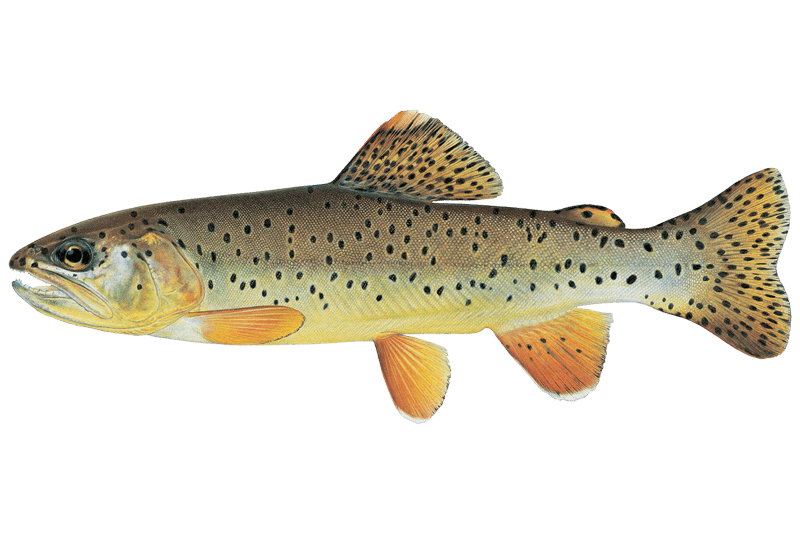
Apache Trout
Oncorhynchus apache
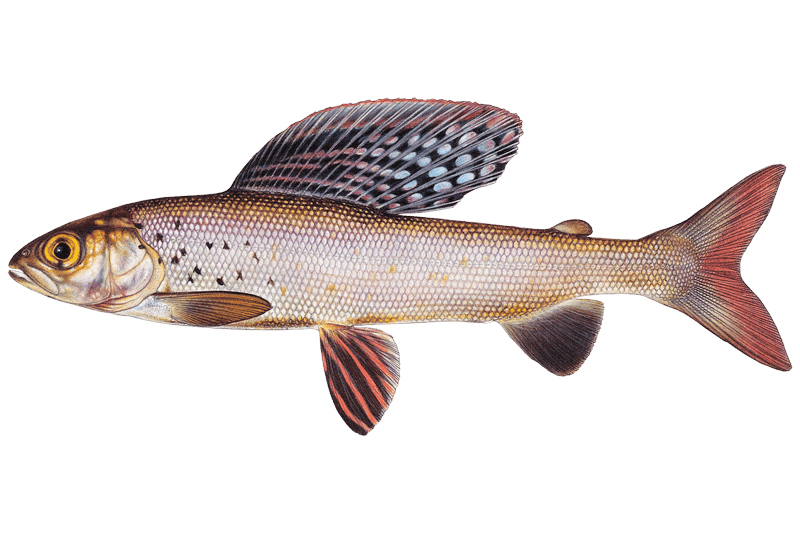
Arctic Grayling

Bigmouth Buffalo
Ictiobus cyprinellus

Black Buffalo
Ictiobus niger

Black Bullhead
Ameiurus melas

Blue Catfish
Ictalurus furcatus

Blue Tilapia
Oreochromis aureus

Brown Bullhead
Ameiurus nebulosus

Channel Catfish

Common Carp
Cyprinus carpio

Flathead Catfish
Pylodictis olivaris
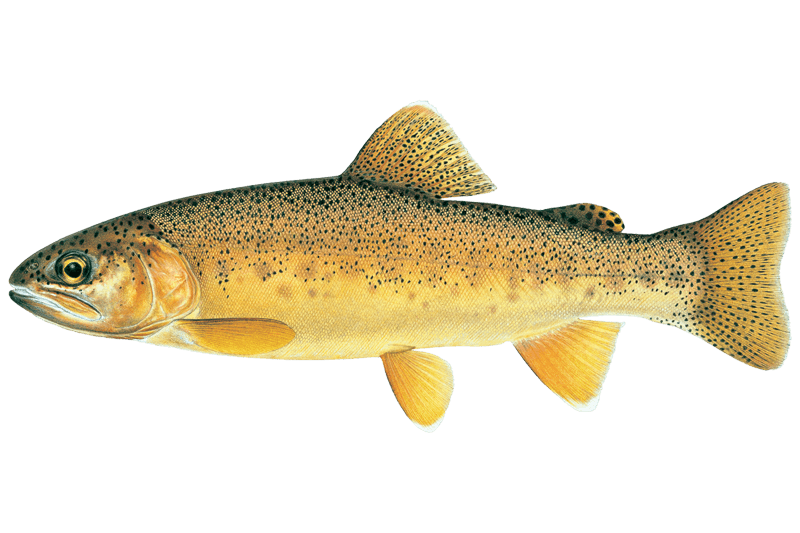
Gila Trout
Oncorhynchus gilae

Gizzard Shad
Dorosoma cepedianum

Grass Carp
Ctenopharyngodon idella

Green Sunfish
Lepomis cyanellus

Lake Trout
Salvelinus namaycush

Longear Sunfish
Lepomis megalotis

Nile Tilapia
Oreochromis niloticus

Pumpkinseed
Lepomis gibbosus

Redbelly Tilapia
Coptodon zillii
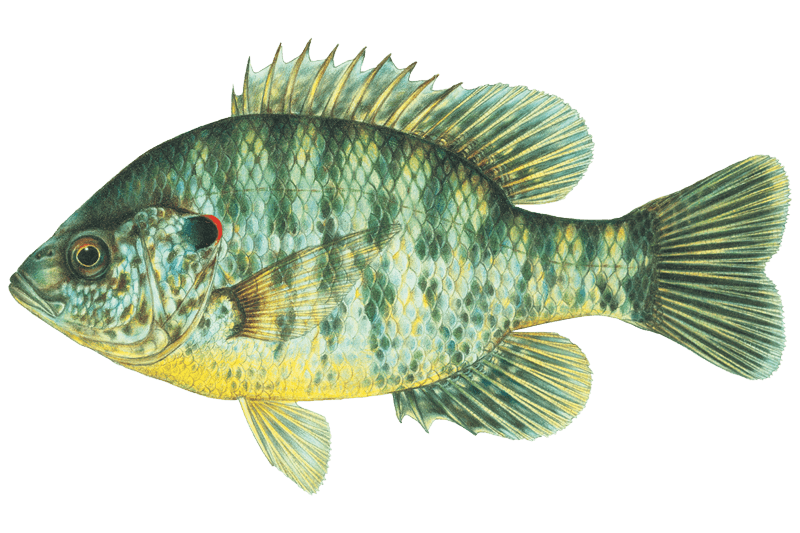
Redear Sunfish
Lepomis microlophus
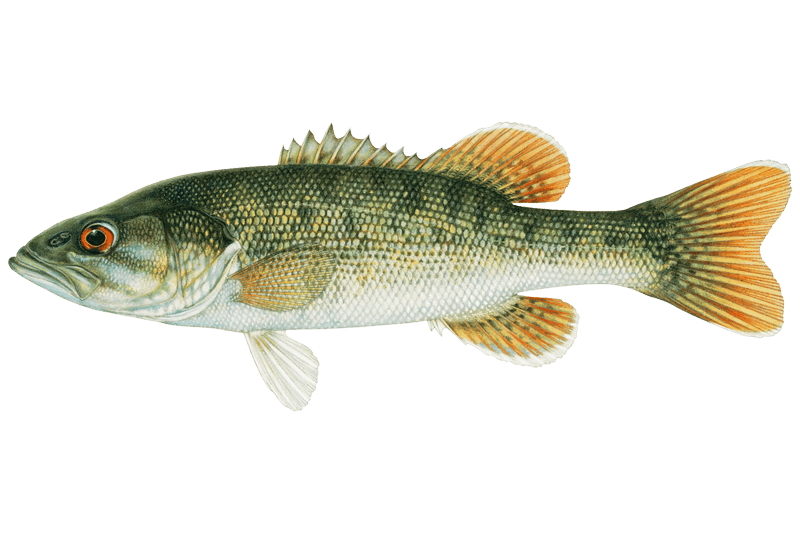
Redeye Bass

Rock Bass
Ambloplites rupestris
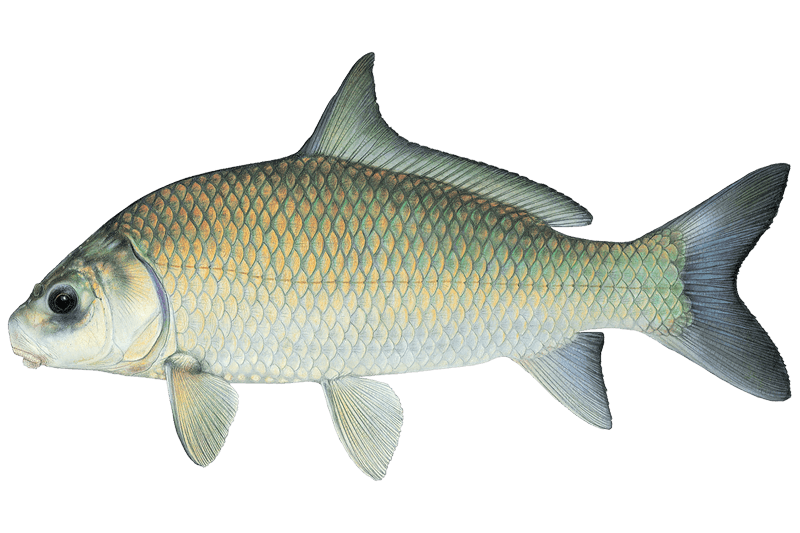
Smallmouth Buffalo
Ictiobus bubalus

Sockeye Salmon
Oncorhynchus nerka
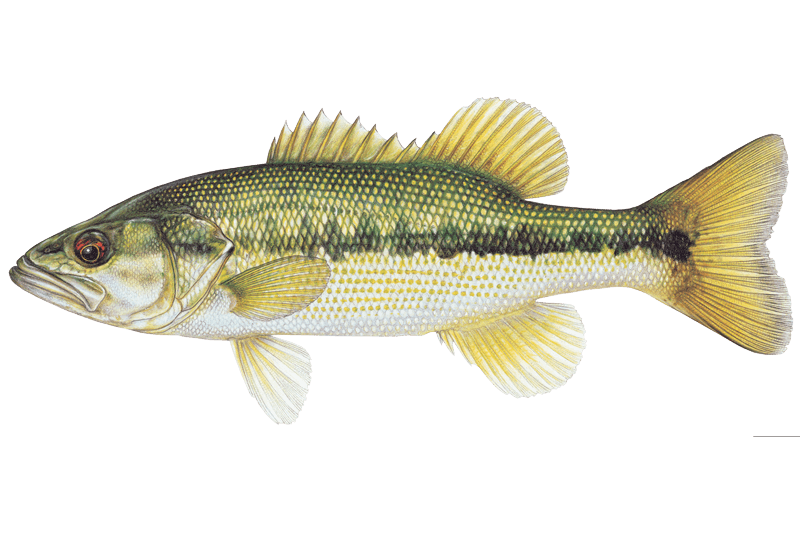
Spotted Bass
Micropterus punctulatus
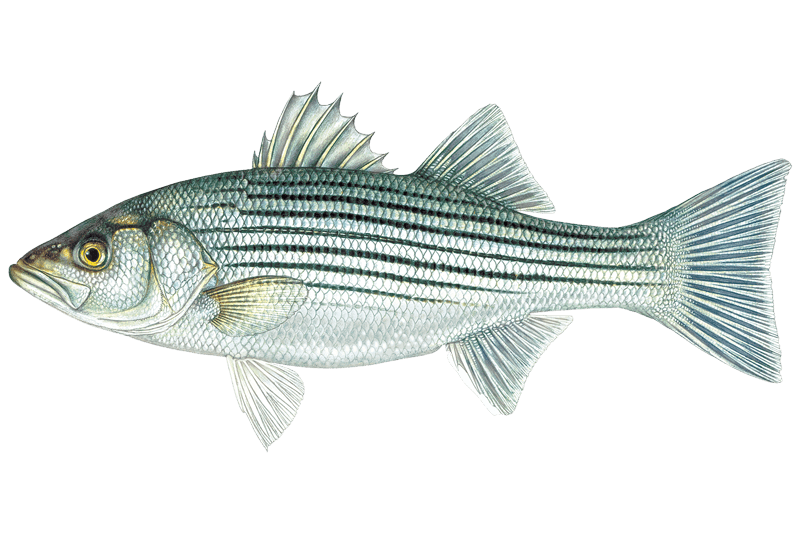
Striped Bass
Morone saxatilis
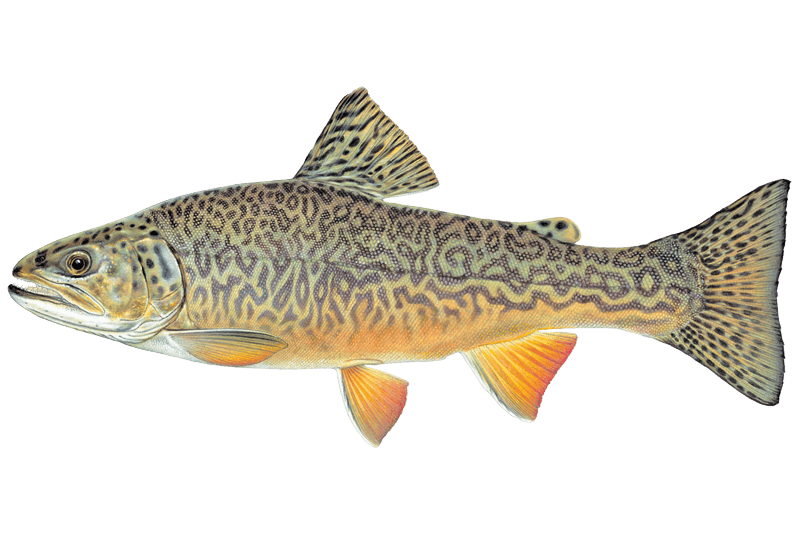
Tiger Trout
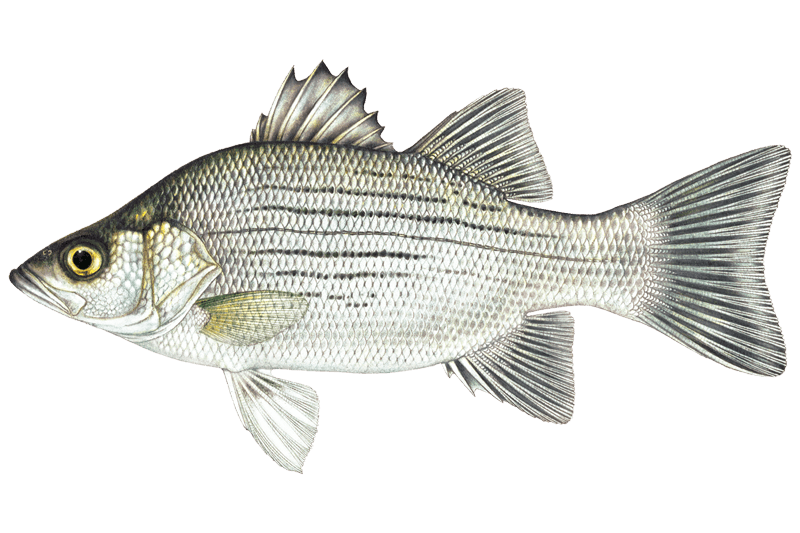
White Bass
Morone chrysops
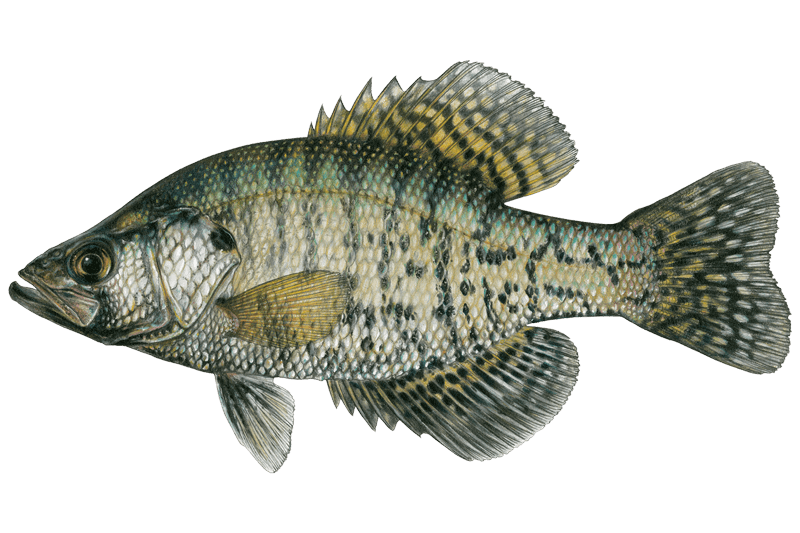
White Crappie
Pomoxis annularis
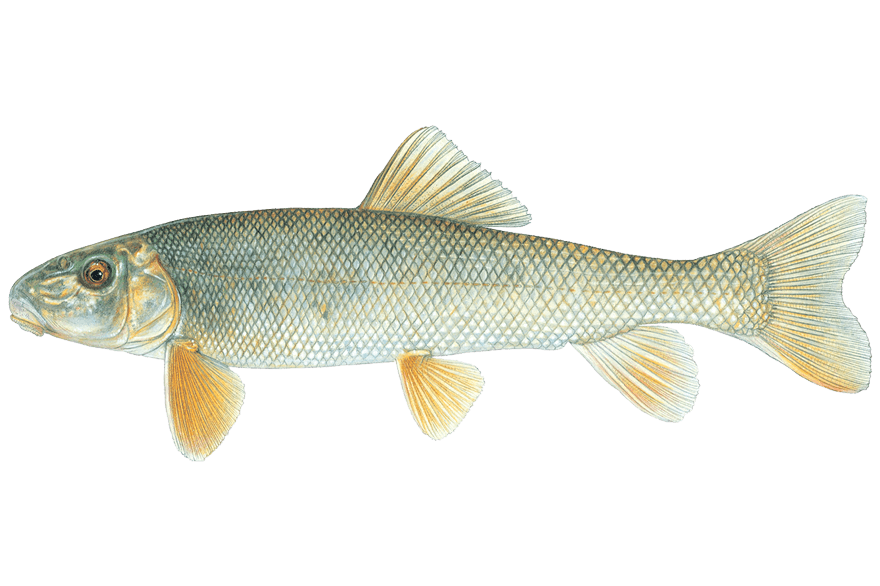
White Sucker
Catostomus commersonii
Arizona licenses and regulations
Arizona Boating Regulations
When using any type of watercraft to access a body of water, it is important to follow all federal, state, and local rules and regulations. These rules and regulations include boat permitting and licensing, invasive species inspections and stamps, life jacket and PFD rules, motor size and horsepower restrictions, noise limitations, restrictions on personal watercraft, and many more. Visit the web link below for the most current rules and regulations for this body of water.

Arizona Fishing License
A valid Arizona fishing license is required for Arizona resident and non-resident anglers 10 years of age or older fishing any public accessible water in Arizona. Youth under the age of 10 and blind residents do not need to purchase a state fishing license to fish in Arizona. Check the Arizona Fishing Regulations for additional information.

Arizona Fishing Regulations
This river has a variety of species and regulations, including potential floating and/or watercraft restrictions. Because this river is specially managed for species, seasons, angling methods, and watercraft, it is strongly encouraged you check all federal, state, and local regulations before fishing. Visit the links below, inquire locally, or contact a local fly shop to learn current regulations and restrictions.

Arizona Steam Access Laws
Determined by the Arizona Navigable Stream Adjudication Commission. ANSAC says for a waterway to be navigable, it must have been capable of commercial trade and travel at the time of statehood (1912). The waterway must also be wet, with water from more than just precipitation. As of 2016, ANSAC only defines the Colorado River as navigable, though decisions are pending for other streams. The federal government and private owners control all other streambeds The extent to which the public has rights in non-navigable watercourses depends upon the ownership of the streambed. For example, if the federal government has retained ownership, the public likely enjoys rights to boat, fish, wade, recreate, and portage. If, on the other hand, the streambed is privately owned, then the public may not boat, fish, or otherwise access the watercourse without the owner's permission.
Explore nearby waters
Explore Arizona waters
Top fishing waters
Popular Cities
Loading popular cities...
Smarter Fishing Starts in the App.
onWater Fish gives you everything you need to plan smarter, fish better, and own every trip from first cast to last.