Fishing in Ontario
- Lakes
- 26,604
- Rivers
- 6,871
- Access
- 58
- Boat Ramps
- 2,652
- Shops
- 0
Ontario sits at the center of Canada's freshwater map. The province holds roughly 250,000 lakes, rivers, and streams — from the shallow bays of the Great Lakes shoreline to remote boreal reservoirs only reachable by floatplane.
The fishing shifts dramatically as you move north or south: southern Ontario is trout and steelhead country, with cold groundwater-fed rivers running through agricultural and mixed-forest landscapes; the northwest opens into vast walleye and muskie water where the Canadian Shield dominates.
Lake Ontario anchors the south. Chinook salmon are the main draw, congregating in the western end of the lake in spring before pushing into deeper, colder water as summer builds.
The lake has faced real pressure from overfishing and pollution, and restoration work is ongoing — worth keeping in mind when you're deciding what to keep. Charter boats out of the north shore ports are the standard approach here.
Move inland and the character changes. The Saugeen River in southern Ontario is one of the better-known fly fishing destinations, carrying steelhead, brown trout, and rainbow trout through a landscape of cold, clear runs.
Southern Ontario rivers generally hold brook trout, brown trout, rainbow trout, and steelhead, with warm-water species — bass, pike, muskie, carp — accessible in the slower stretches and connected lakes.
Lac Seul, northwest of Sioux Lookout, represents the other end of the spectrum. It covers over 1,450 square kilometres with 4,800 kilometres of shoreline, and it holds walleye running 61 to 76 centimetres in the shallow bays off the main basin.
Muskies here have a habit of hitting walleye jigs — the kind of surprise that stays with you.
The Muskoka lakes — Muskoka, Joseph, Rosseau — and Lake Nipissing are well-established destinations for bass, walleye, and pike closer to the population centres of the south.
Sunset Country in the far northwest runs May through September, with walleye and northern pike peaking in early summer and bass and muskie fishing picking up later in the season. Ice fishing is a real part of the culture province-wide, not an afterthought.
Licensing runs through Ontario's Outdoors Card system. Residents between 18 and 65 need a licence; those under 18 and over 65 do not. Non-residents over 18 always need one. Veterans and active Canadian Armed Forces members residing in Ontario fish free.
The province is divided into 20 fisheries management zones, each with its own seasons, catch limits, and bait rules — check the Ontario Fishing Regulations Summary before you go, because the details vary enough between zones to matter.
Ontario's sheer scale means you can spend a lifetime here and still be finding new water. The fish are real, the regulations are serious, and the north especially rewards anglers who take the time to get there.
Species & education
Learn what type of fish are in Ontario and what's needed to catch them.
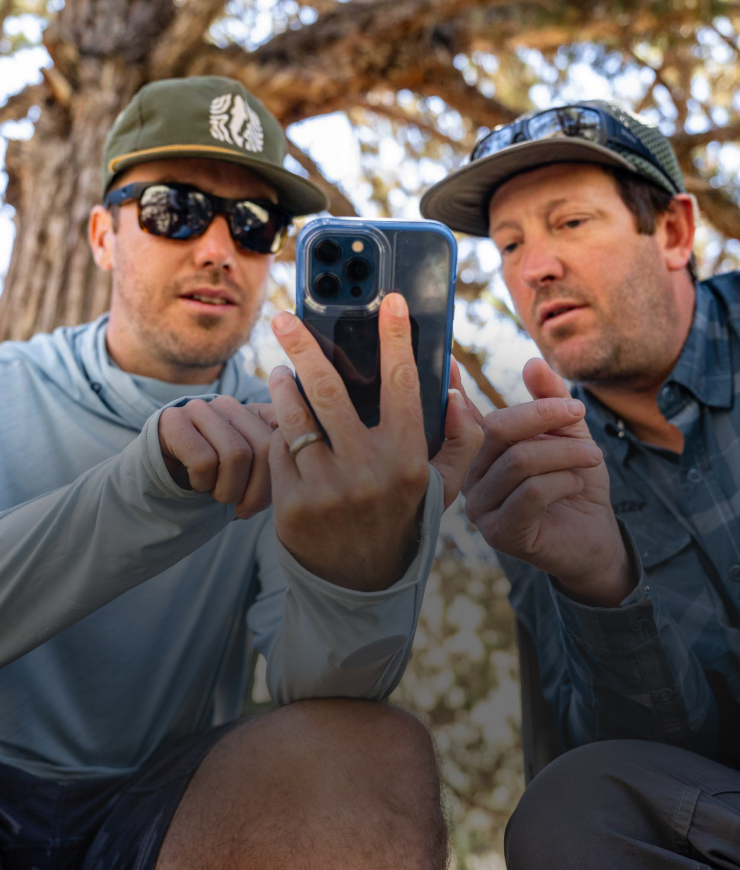
Find which waters have the species you want to catch

Largemouth Bass
Micropterus salmoides

Smallmouth Bass
Micropterus dolomieu

Rainbow Trout
Oncorhynchus mykiss

Brown Trout
Salmo trutta

Brook Trout
Salvelinus fontinalis
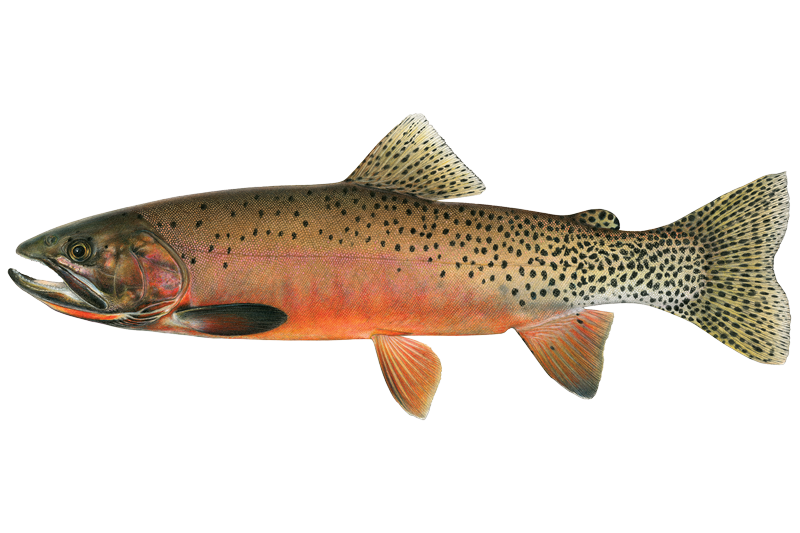
Cutthroat Trout
Oncorhynchus clarkii

Northern Pike
Esox lucius

Muskellunge
Esox masquinongy

Walleye
Sander vitreus

Black Crappie
Pomoxis nigromaculatus

Acadian Redfish
Sebastes fasciatus

Alaska Whitefish
Coregonus nelsonii

Albacore
Thunnus alalunga

Alewife
Alosa pseudoharengus

American Eel
Anguilla rostrata

American Plaice
Hippoglossoides platessoides

American Shad
Alosa sapidissima

Anadromous Bull Trout

Arctic Char
Salvelinus alpinus

Arctic Grayling
Thymallus arcticus

Arctic Lamprey

Athabasca Rainbow Trout

Atlantic Bluefin Tuna
Thunnus thynnus

Atlantic Cod
Gadus morhua

Atlantic Halibut
Hippoglossus hippoglossus

Atlantic Herring
Clupea harengus

Atlantic Mackerel
Scomber scombrus

Atlantic Salmon
Salmo salar

Atlantic Sturgeon
Acipenser oxyrinchus

Atlantic Tomcod
Microgadus tomcod

Atlantic Wolffish
Anarhichas lupus

Bighead Carp
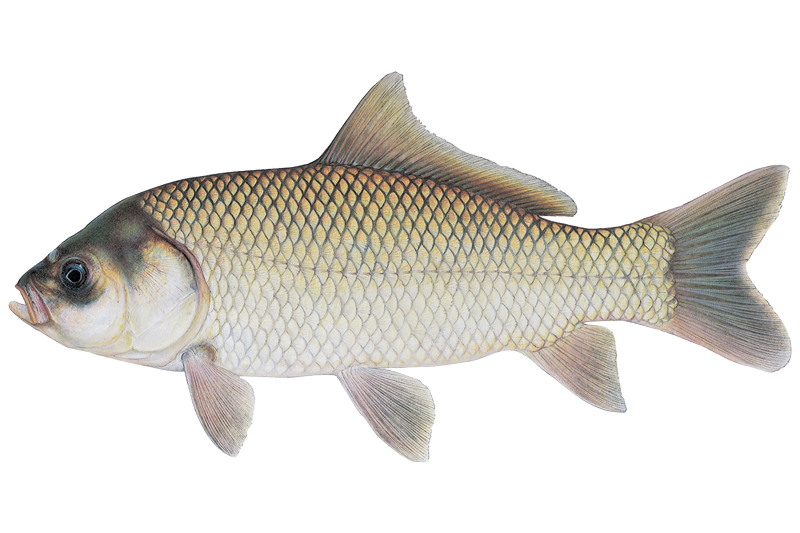
Bigmouth Buffalo
Ictiobus cyprinellus

Black Bullhead
Ameiurus melas

Blacknose Dace

Black Redhorse
Moxostoma duquesnei

Black Rockfish
Sebastes melanops

Black Sea Bass
Centropristis striata

Bloater

Bluefin Tuna
Thunnus thynnus
Fish smarter with real-time insights
Whether you're en route and conditions shift or you're looking for the best spot based on current flows, we enable you to make informed decisions on the fly.




Ontario licenses and regulations
Explore Ontario waters
Top fishing waters
Popular Cities
Loading popular cities...

Smarter Fishing Starts in the App.
onWater Fish gives you everything you need to plan smarter, fish better, and own every trip from first cast to last.