Fishing in Texas
- Lakes
- 7,591
- Rivers
- 11,469
- Access
- 540
- Boat Ramps
- 2,405
- Shops
- 156
Texas fishing is a state of contradictions held together by a license — the same piece of paper covers a guide poling a skiff for tailing reds in the gin-clear flats of the Lower Laguna Madre and a guide drifting bait for hundred-pound alligator gar through the muddy Trinity below downtown Dallas.
The state is too big and too varied for a single scene to capture it, so most anglers pick a coast and commit. The coast is the emotional center.
Wade-fishers and kayak anglers work the Coastal Bend chasing the Texas Slam — redfish, speckled trout, flounder in a single day — and the cultural weight behind that goal is hard to overstate.
The Laguna Madre runs roughly 120 miles of hypersaline grass flats and sand potholes from Corpus Christi down to Port Isabel, with stretches like the 9 Mile Hole famous for skinny-water reds you can spot from fifty feet off.
South of Corpus, Baffin Bay and its sister bays produce the gator trout — eight, nine, ten-plus pounds — that bring trophy hunters out in winter.
Then mid-August through mid-October the Bull Red Run lights up every jetty from Galveston to South Padre, and the surf fills with anglers shoulder to shoulder for fish in the 20–40 lb range pushing into the passes.
Inland, it's bass country, and the culture is tournament-obsessed and data-driven. Lake Fork near Tyler built its trophy reputation on a 16–24-inch slot that protects the middle and lets the giants grow; out west, O.H.
Ivie has lately been the lunker factory, kicking out 17-pound fish through the ShareLunker program.
That program — anglers loaning 13-pound-plus largemouth to TPWD for spawning — is the closest thing Texas has to a statewide bass religion, and it runs January through March when the big females come up. The Hill Country is the outlier.
The Guadalupe below Canyon Dam is the southernmost trout fishery in the country, stocked November through March and fishable into early summer before water temps climb past 70.
It also holds striped bass that flood releases trap below the dam, fish to 35 pounds eating stocked rainbows on a fly. The same drainages — Llano, Blanco, San Marcos, Colorado — hold Guadalupe bass, the state fish, found nowhere else.
The catch, always, is access. More than 95% of Texas is private. A stream is public if it averages 30 feet bank to bank, but you can't cross private land to get there, and navigability gets litigated case by case.
Public bridges, parks, and guide relationships do most of the heavy lifting. The Guadalupe TU chapter keeps the tailwater walkable through landowner leases — without those handshakes, the trout fishery effectively wouldn't exist.
Local knowledge isn't a nice-to-have here. It's the whole game.
Species & education
Learn what type of fish are in Texas and what's needed to catch them.

Find which waters have the species you want to catch

Largemouth Bass
Micropterus salmoides salmoides (Northern Largemouth Bass), M. s. floridanus (Florida Largemouth Bass)

Smallmouth Bass
Micropterus dolomieu

Rainbow Trout
Oncorhynchus mykiss

Brown Trout
Salmo trutta

Brook Trout
Salvelinus fontinalis

Northern Pike
Esox lucius

Walleye
Percidae

Black Crappie
Pomoxis nigromaculatus
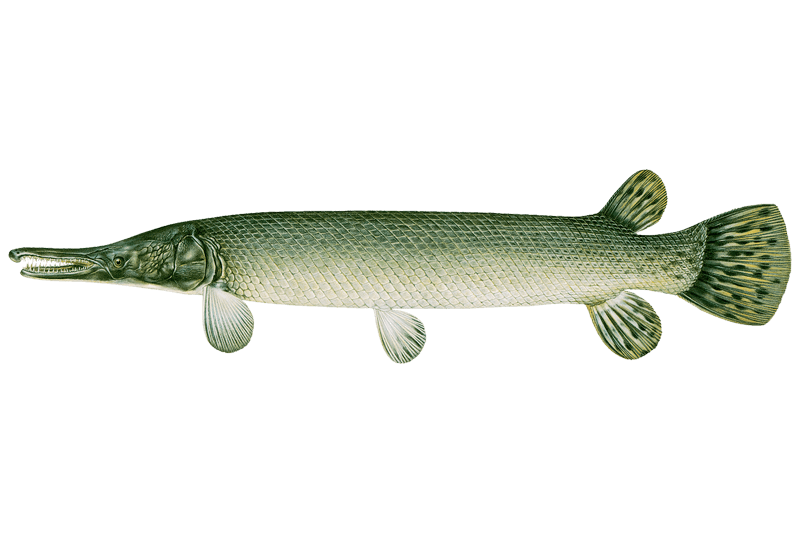
Alligator Gar
Atractosteus spatula

American Eel
Anguilla rostrata

Atlantic Croaker
Micropogonias undulatus

Bighead Carp
Hypophthalmichthys nobilis

Bigmouth Buffalo
Ictiobus cyprinellus

Black Buffalo
Ictiobus niger

Black Bullhead
Ameiurus melas

Black Drum
Pogonias cromis

Blue Catfish
Ictalurus furcatus

Blue Sucker
Cycleptus elongatus

Blue Tilapia
Oreochromis aureus

Bowfin
Amia calva

Brown Bullhead
Ameiurus nebulosus

Chain Pickerel
Esox niger

Channel Catfish
Ictalurus punctatus

Cobia
Rachycentron canadum

Common Carp
Cyprinus carpio

Common Snook
Centropomus undecimalis

Creek Chub
Semotilus atromaculatus

Crevalle Jack
Caranx hippos

Flathead Catfish
Pylodictis olivaris

Flathead Chub
Platygobio gracilis

Flier
Centrarchus macropterus

Freshwater Drum
Aplodinotus grunniens

Gizzard Shad
Dorosoma cepedianum

Grass Carp
Ctenopharyngodon idella

Green Sunfish
Lepomis cyanellus
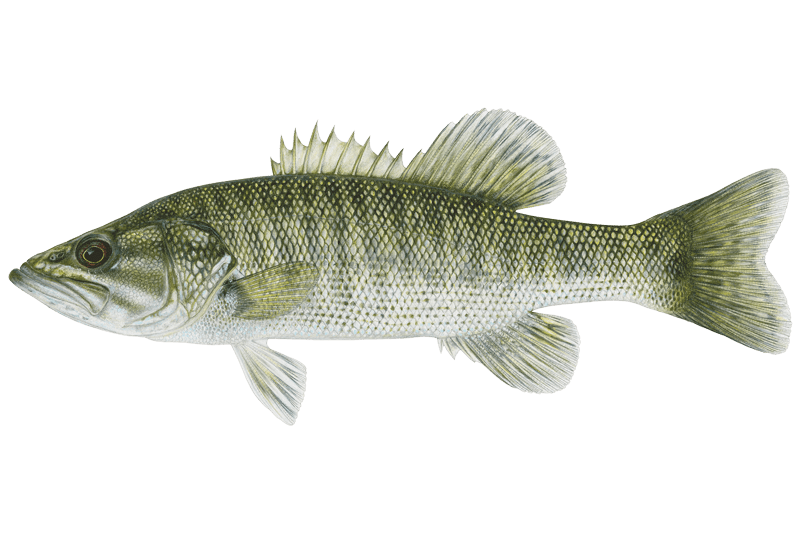
Guadalupe Bass
Micropterus treculii

King Mackerel
Scomberomorus cavalla

Ladyfish
Elops saurus

Longear Sunfish
Lepomis megalotis

Longnose Gar
Lepisosteus osseus
Fishing guides in Texas
Book a trip with a local fishing guide through Guidesly.

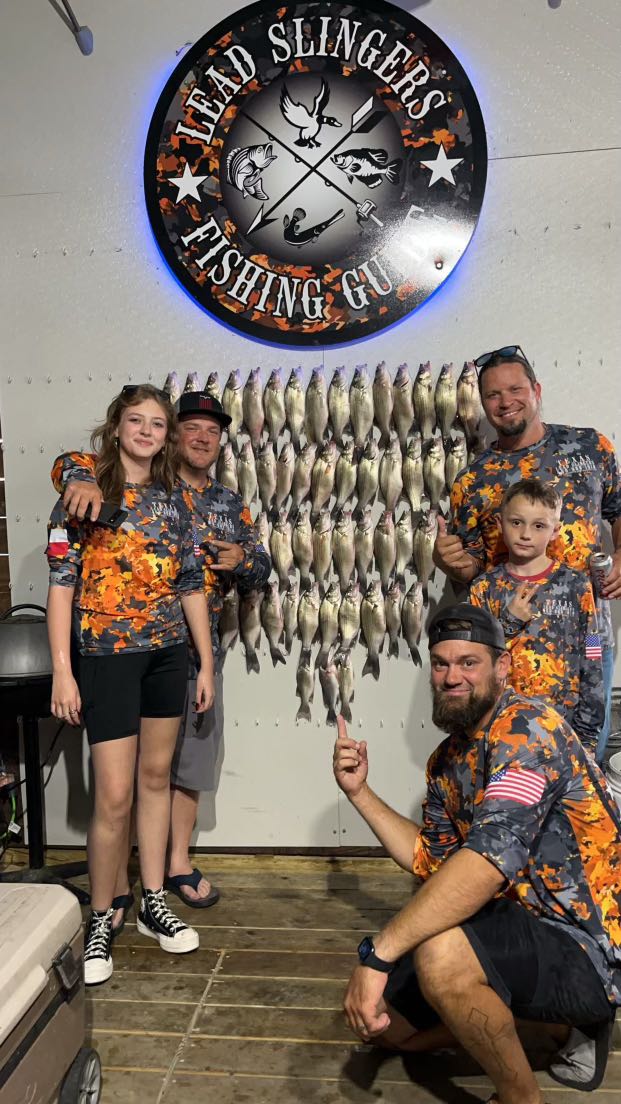
Brandon Sargent
Lead Slingers Outdoor Fishing Guide
5.0 (64 reviews)
Most thrilling charter in Texas - Best Time Ever!
Book on Guidesly, opens in new tab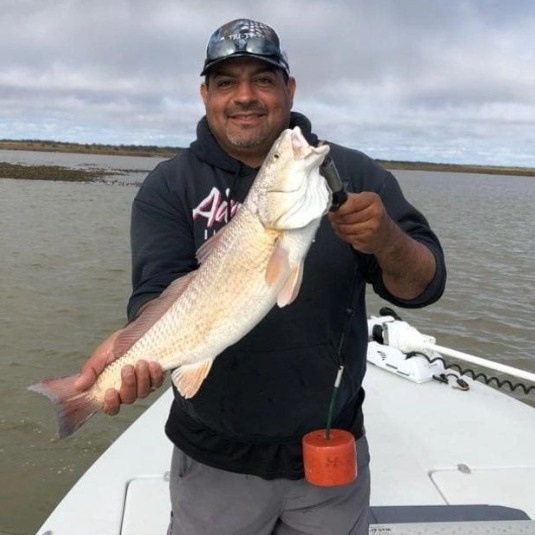
Joe Guerra
Bay Finatic Fishing and Night Gigging Guide Service LLC
4.9 (45 reviews)
Premier Matagorda Bay Saltwater Fishing Charters
Book on Guidesly, opens in new tab
Wyatt Rae
Bass Tours ATX
5.0 (32 reviews)
Experience Prime Texas Fishing, Book Today!
Book on Guidesly, opens in new tab
Cory Russell
Russell & Sons Outdoors
4.9 (30 reviews)
Best Port Aransas Fishing Charter
Book on Guidesly, opens in new tab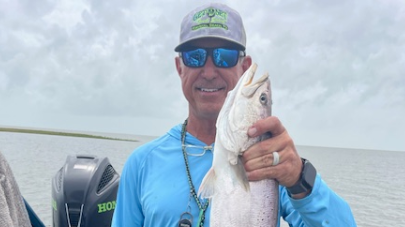
Jeff Brandon
Get the Net Guide Services - Crystal Beach / Bolivar Peninsula
5.0 (20 reviews)
East Galveston Bay Guided Trips (Crystal Beach TX)
Book on Guidesly, opens in new tab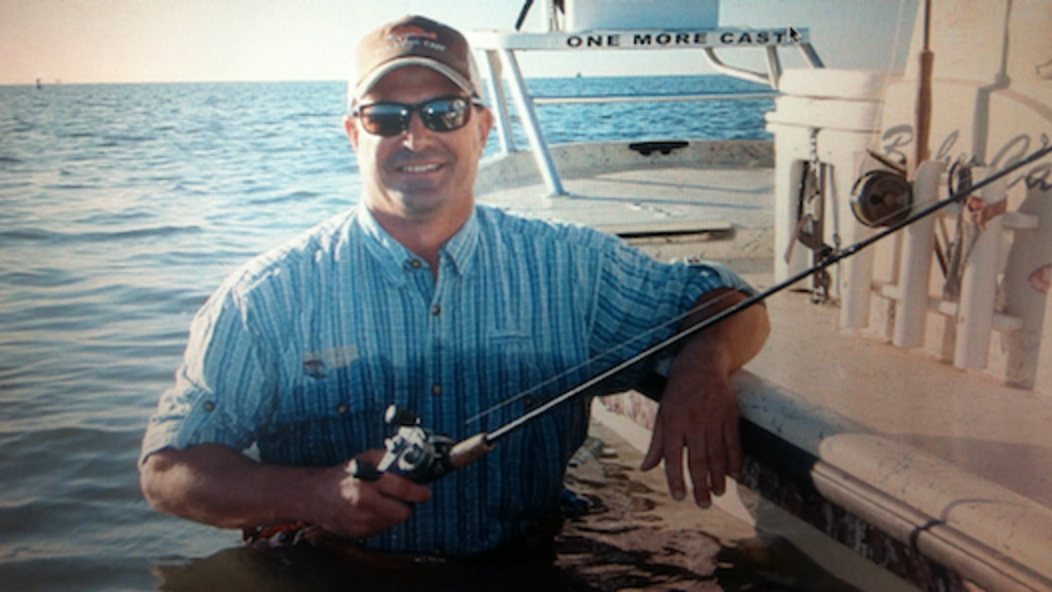
Capt Stephen Boriskie
Mid Coast Bay Fishing & Duck Hunting
5.0 (20 reviews)
Port O’Connor inshore fishing, floundering, ducks
Book on Guidesly, opens in new tab
Fish smarter with real-time insights
Whether you're en route and conditions shift or you're looking for the best spot based on current flows, we enable you to make informed decisions on the fly.







Texas licenses and regulations

Lake Meredith Regulations
Texas Parks & Wildlife

Texas Boating Regulations
When using any type of watercraft to access a body of water, it is important to follow all federal, state, and local rules and regulations. These rules and regulations include boat permitting and licensing, invasive species inspections and stamps, life jacket and PFD rules, motor size and horsepower restrictions, noise limitations, restrictions on personal watercraft, and many more. Visit the web link below for the most current rules and regulations for this body of water.

Texas Fishing License
All residents and visitors over the age of 17 require a Texas fishing license to reel in fish, mussels, clams, and crayfish across the state. In addition, you’ll need specific tags or endorsements based on the size of the catch and its location.

Texas Fishing Regulations
This river has a variety of species and regulations, including potential floating and/or watercraft restrictions. Because this river is specially managed for species, seasons, angling methods, and watercraft, it is strongly encouraged you check all federal, state, and local regulations before fishing. Visit any of the links below, inquire locally, or contact a local fly shop to learn current regulations and restrictions.

Texas Stream Access Laws
Access must usually be obtained through the use of public property. The typical access may be from the right of way of a public road that crosses the stream, through a publicly owned boat launch area, or from some other public land (a park, for example) adjacent to the stream. There is no general right to cross private property to get to a navigable stream. There are a number of privately owned parks or campgrounds where members of the public may have access to a navigable stream by paying a small fee to the landowner. If the private landowner forbids access, an attempt to use the private land would be a trespass. Texas courts have recognized that a member of the public may engage in a variety of lawful activities along a navigable stream. Besides boating, persons may swim, float, walk, wade, picnic, camp, and (with a license) fish. Public use must be confined to the stream bed and, to a limited extent, the banks. State law prohibits parking on a highway bridge and generally forbids (with certain exceptions) parking in the main traveled part of a highway. Within a public road’s right of way, private fencing that restricts public passage to the stream is illegal.
Smarter Fishing Starts in the App.
onWater Fish gives you everything you need to plan smarter, fish better, and own every trip from first cast to last.