Atlantic Croaker

Atlantic croaker are among the most abundant marine fish in Texas coastal waters and are considered the 'bluegill of the Gulf' by many anglers.
These members of the drum family get their name from the distinctive croaking sound males make by vibrating muscles around their swim bladder during spawning rituals.
Scientific Name: Micropogonias undulatus
- Texas croakers typically range from 12 inches and 0.5-2 pounds, though the state record reached 29 inches and 8.69 pounds.
- They have fusiform, moderately compressed bodies with three to five chin barbels that help them locate food on the bottom.
- Coloration varies from dull silver in young fish to golden-bronze in adults, with irregular dark spots forming wavy lines along their sides.
Fishing in Texas
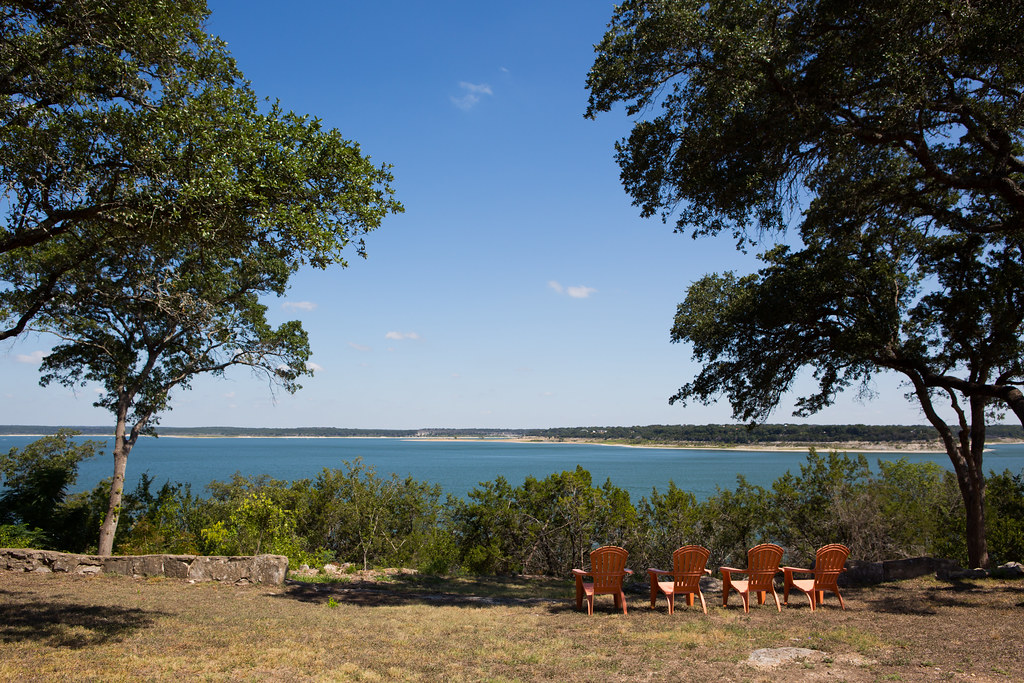
Belton Lake
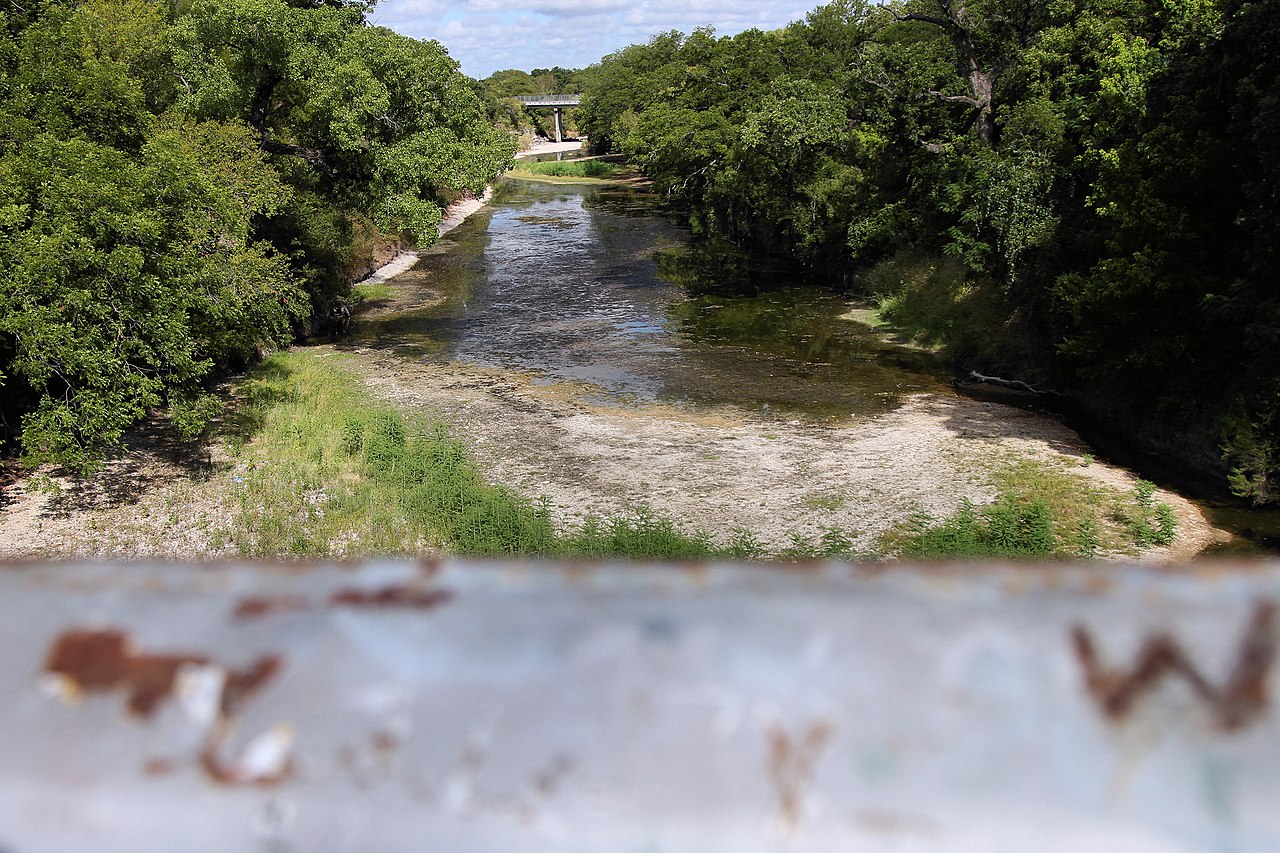
Lampasas River

Brazos River
Lake Lyndon B Johnson
Lake Austin
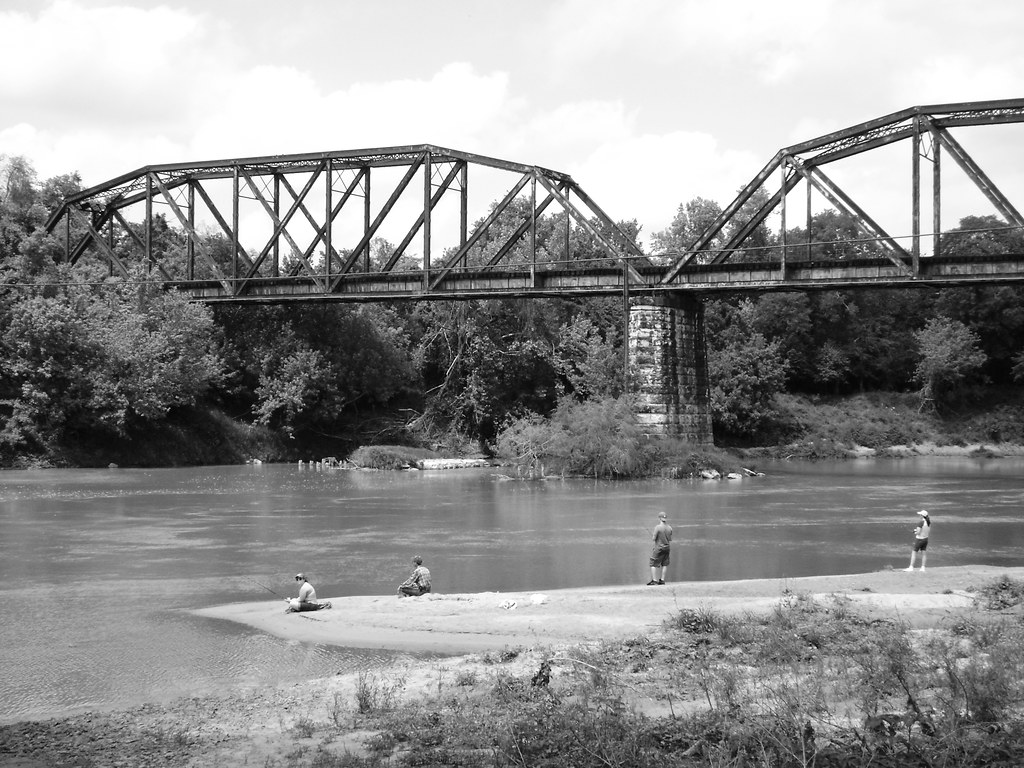
Colorado River
North Bosque River
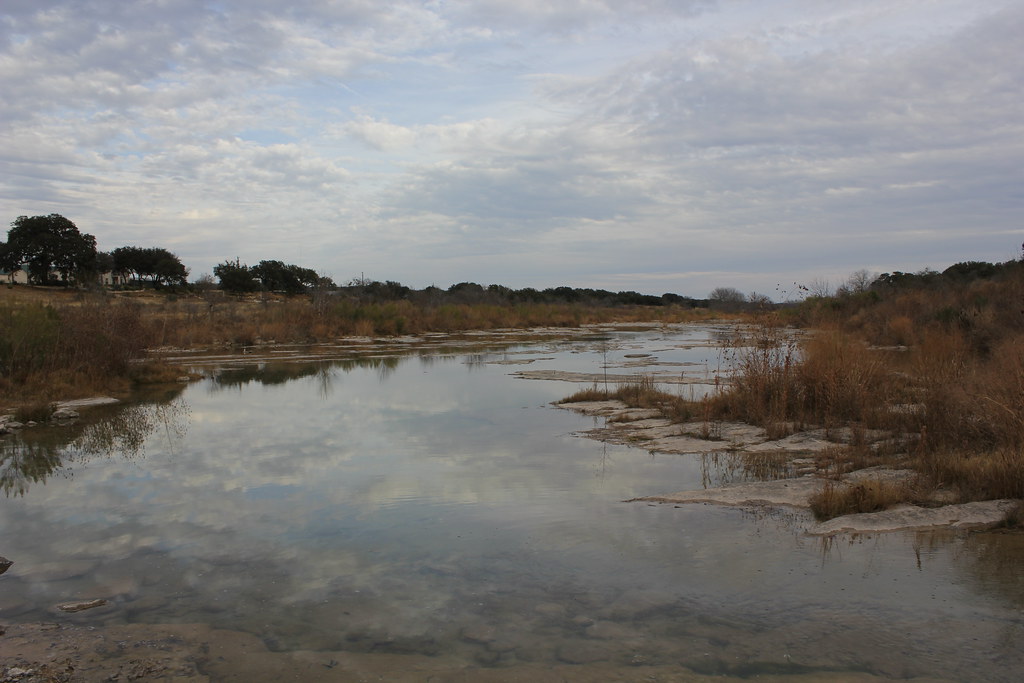
Pedernales River
Stillhouse Hollow Lake
Leon River
What to know
Habitat Distribution
- Prefer shallow estuarine environments with muddy or sandy bottoms where detritus accumulates, though they also frequent oyster reefs, bridge pilings, and seagrass beds.
- Adults migrate offshore in late fall (October-November) when water temperatures drop below 60°F, returning to inshore nursery areas as juveniles the following winter and spring.
- Juvenile recruitment peaks between February and April when they're most abundant in shallow, less saline areas of Texas bays.
Key Locations
- Found throughout all major bay systems including Sabine Lake, Galveston Bay, Matagorda Bay, San Antonio Bay, Aransas Bay, Corpus Christi Bay, and the Laguna Madre system.
- In Texas bay systems like Galveston Bay, Matagorda Bay, and the Laguna Madre, fish the edges of spoil islands, channels adjacent to flats, and areas near passes where croakers stage before their offshore migrations.
Specific Spots
- Target them along muddy and sandy bottoms in Texas bay systems, particularly around bridge and pier pilings, oyster reefs, and shallow flats with soft substrates.
- Focus on areas with structure like oyster beds or transition zones where shallow flats drop into deeper channels.
Atlantic Croaker FAQ
Answers from onWater's species guide.
What are the best lures and bait for Atlantic Croaker in Texas?
Dead shrimp is the most productive bait. Other effective baits include live shrimp, small crabs, cut bait, bloodworms, squid, and sand fleas. Small jigs tipped with soft plastics or bait work effectively.
What flies work for Atlantic Croaker in Texas?
Small Clouser minnows (size 6-8), shrimp patterns, crab flies, and bead-head nymphs work well.
When is the best time to fish for Atlantic Croaker in Texas?
Late spring through fall when water temperatures exceed 60°F, with peak fishing when temperatures reach 75°F or higher. Best fishing from summer into fall before their offshore migration in October-November.
How do you catch Atlantic Croaker in Texas?
For bait fishing, fish it on the bottom using a simple fish finder rig, double-hook bottom rig, or small jig heads. For artificial lures, small jigs tipped with soft plastics or bait work effectively.
What do Atlantic Croaker eat?
Their diet shifts throughout their life cycle: larvae consume marine algae, rotifers, and copepods, while juveniles feed heavily on detritus, polychaetes, amphipods, and mysids. Adults are opportunistic bottom feeders consuming shrimp, small crabs, polychaetes, small fish, and detritus.
Fish smarter with real-time insights
Whether you're en route and conditions shift or you're looking for the best spot based on current flows, we enable you to make informed decisions on the fly.




See it in the app
Most maps show you water.
onWater shows you Atlantic Croaker.



- 01 · Species map filter
Map every Atlantic Croaker water
Pick Atlantic Croaker and the map zeroes in on the waters they call home. No more guessing which lake holds them.
- 02 · Waterbody species
Tap any water. See what lives there.
Species, behavior and seasonal patterns for every lake, river and pond, before you leave the driveway.
- 03 · Angler Intelligence
Ask how to catch Atlantic Croaker
Tactics, gear and timing from onWater's AI fishing guide, tuned to the species and the water you're on.
Stop guessing where Atlantic Croaker are.
Open the map, filter by Atlantic Croaker, and head to water that holds them. Download onWater and plan your next trip in minutes.
- Species map filter
- Angler Intelligence
- Fishing journal
Explore other species
Trout, bass, salmon, panfish and everything in between. Each guide unpacks the behavior, seasons, and tactics that put fish in the net.
No species information available.
Texas licenses and regulations
Explore nearby waters
Explore Texas waters
Top fishing waters
Popular Cities
Loading popular cities...

Smarter Fishing Starts in the App.
onWater Fish gives you everything you need to plan smarter, fish better, and own every trip from first cast to last.