Black Crappie

Black Crappie are native to central Texas but have been widely introduced to eastern and northern portions of the state, particularly in deeper, clear-water reservoirs.
They prefer clear, acidic to slightly alkaline waters with heavy vegetation, distinguishing them from White Crappie which favor muddier waters.
Scientific Name: Pomoxis nigromaculatus
- Black Crappie can be identified by their irregular dark speckles and blotches, and 7-8 dorsal spines (versus 5-6 for White Crappie).
- These fish typically reach 10-12 inches.
Fishing in Texas
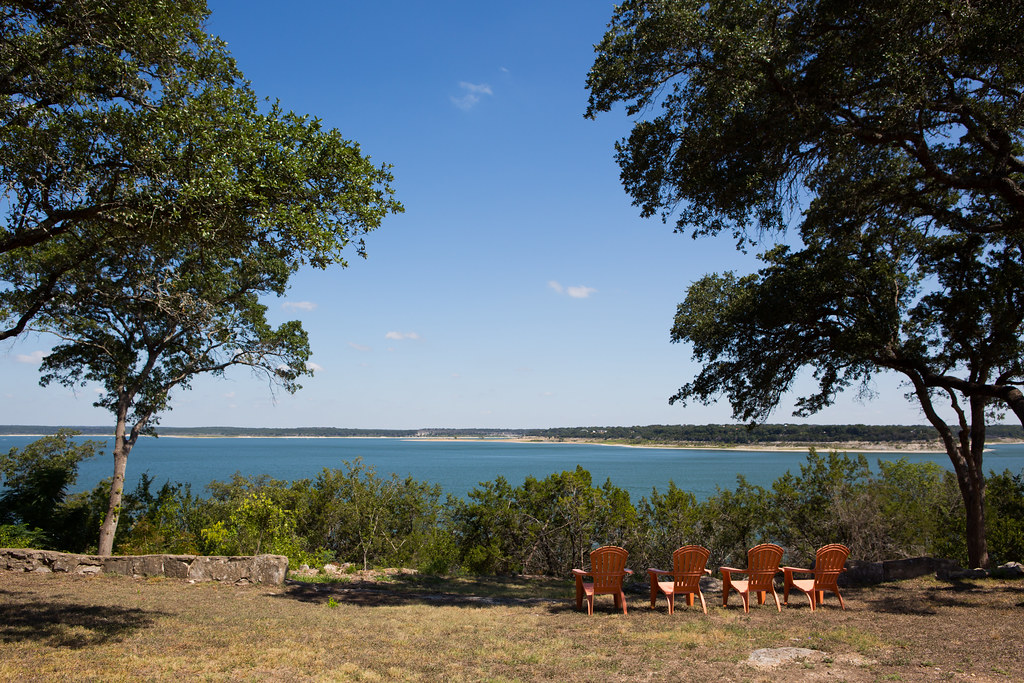
Belton Lake
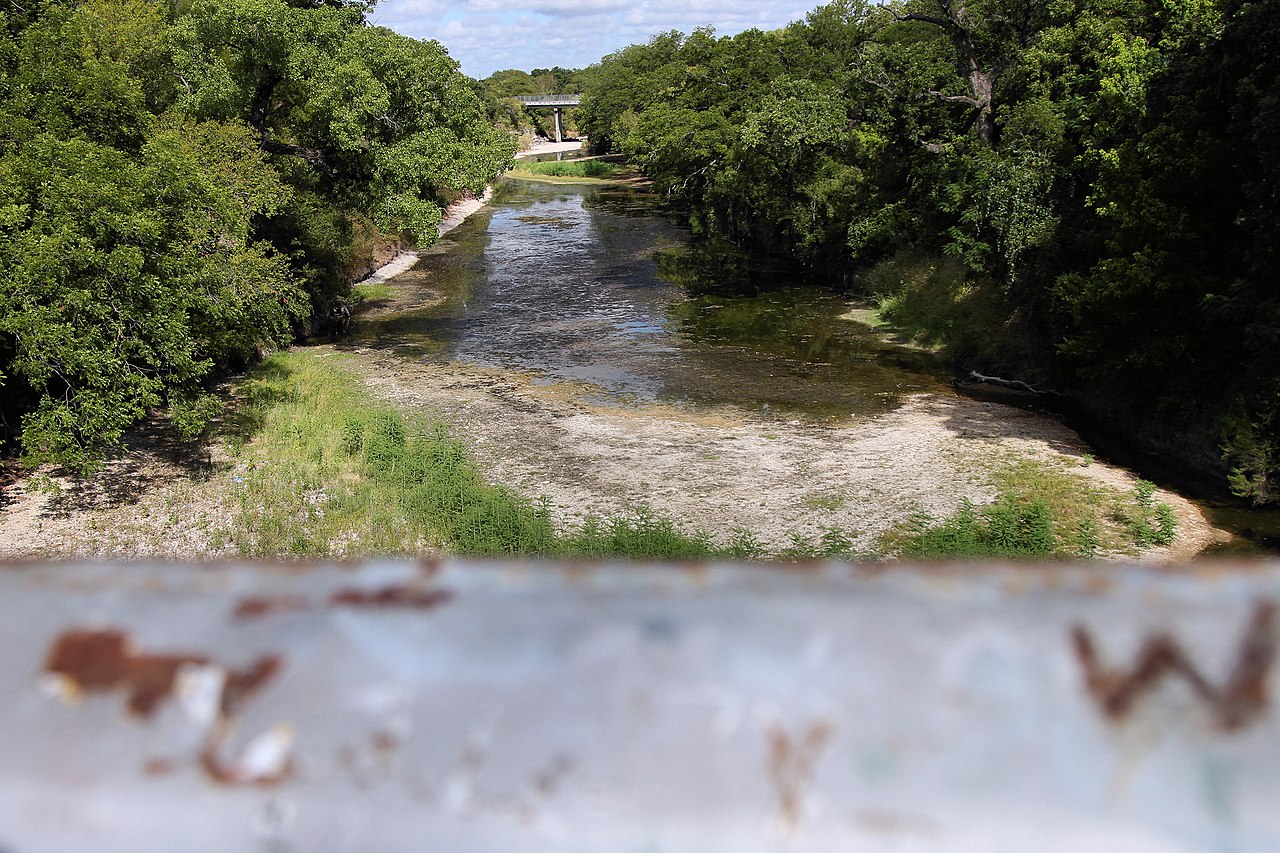
Lampasas River
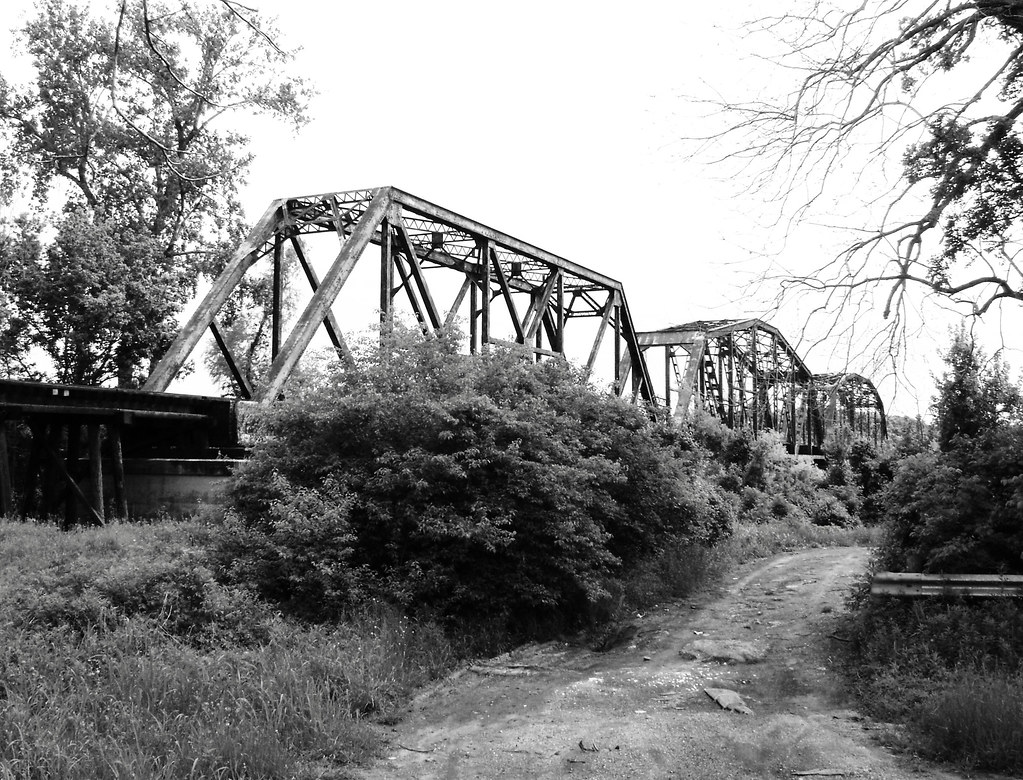
Brazos River
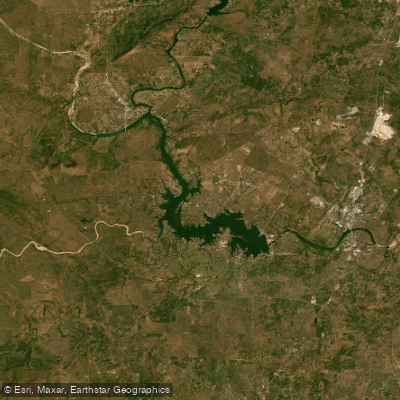
Lake Lyndon B Johnson
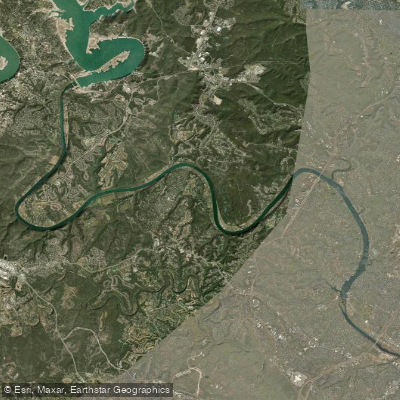
Lake Austin
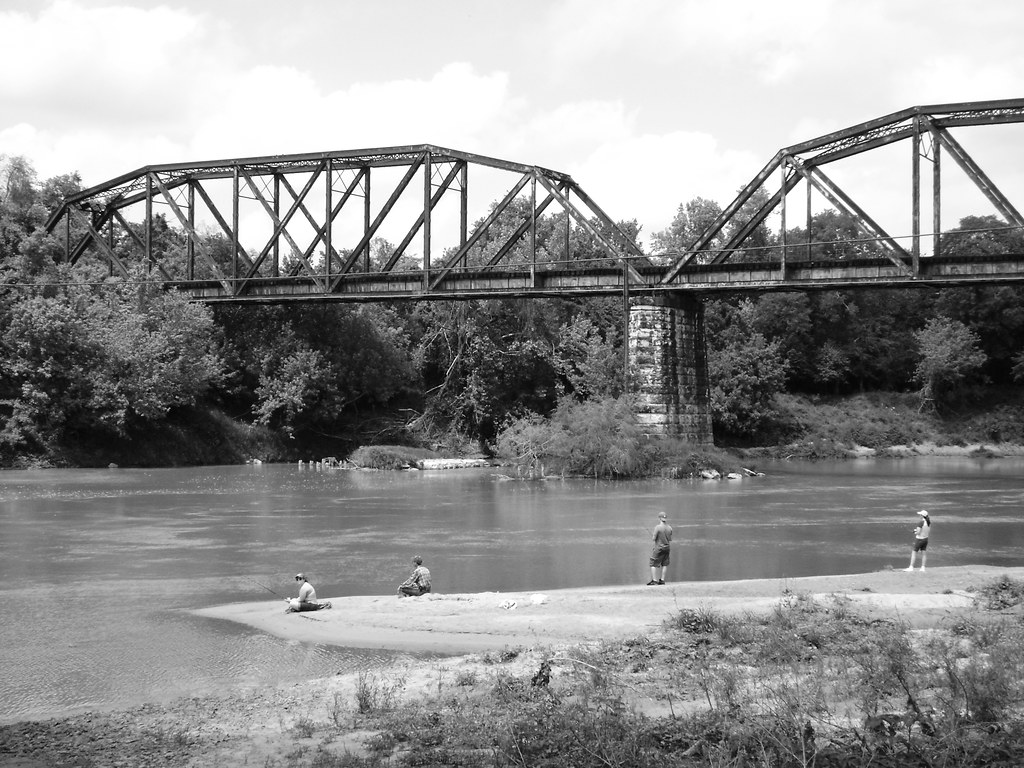
Colorado River
North Bosque River
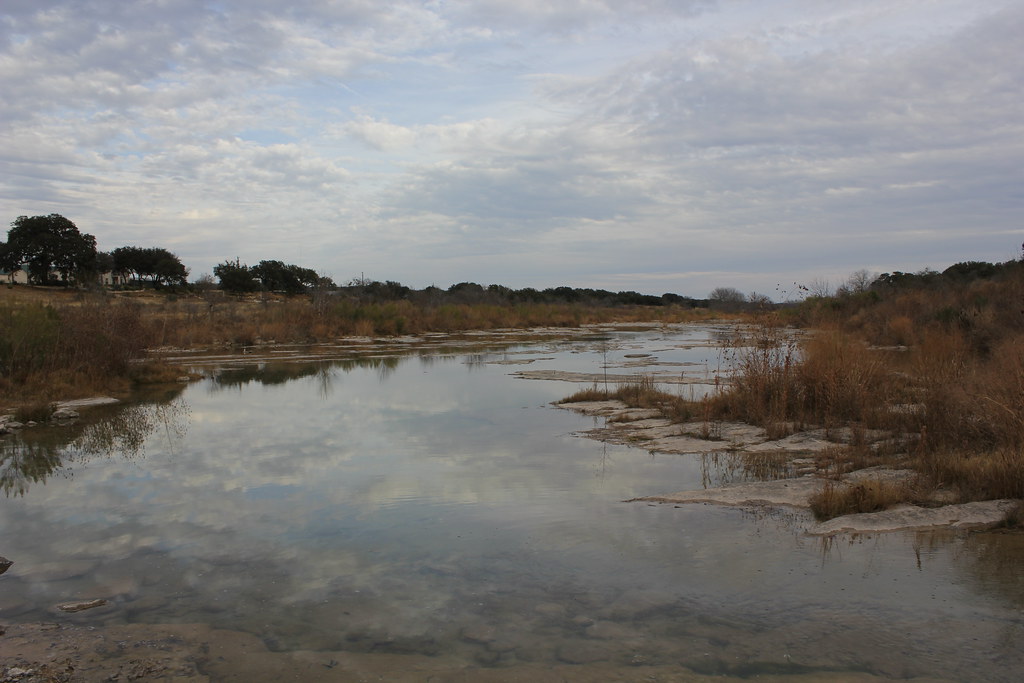
Pedernales River
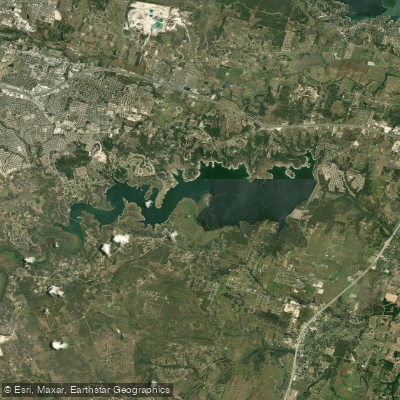
Stillhouse Hollow Lake
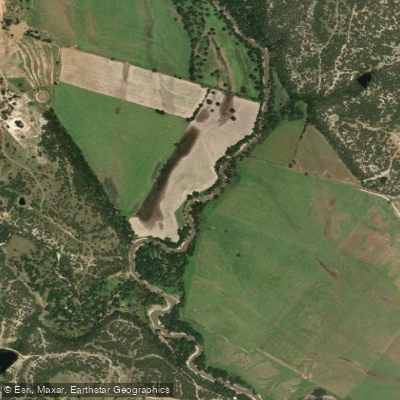
Leon River
What to know
Habitat Distribution
- Found throughout eastern and northern reservoir country in Texas.
Key Locations
- Top Texas locations include Lake Fork, Sam Rayburn, Toledo Bend, Lake O' The Pines, Lake Conroe, Lake Limestone, Granger Lake, and Lake Livingston.
- Lake O' The Pines has Black Crappie as the predominant species.
Specific Spots
- Often form large schools in clear water among vegetation over mud or sand substrates.
- During spawning, they nest in colonies in 1-6 feet of water in protected coves, around flooded brush and timber, or near submerged vegetation.
Black Crappie FAQ
Answers from onWater's species guide.
What are the best lures and bait for Black Crappie in Texas?
For lures, marabou jigs, tube jigs, beetlespins, Crappie magnets, and Bobby Garland baby shad work well in 1/32 to 1/8 ounce sizes. Popular colors include white and chartreuse in light conditions, black and chartreuse in dark conditions, and pink heads in murky water.
What flies work for Black Crappie in Texas?
For fly fishing, use small streamers, nymphs, and minnow patterns during spring when they're in shallow water.
When is the best time to fish for Black Crappie in Texas?
The prime season for Black Crappie fishing in Texas runs from late winter through spring, starting as early as February in southern/central Texas and March in northern Texas. Spring spawning season (mid-March to mid-May) offers the best fishing.
How do you catch Black Crappie in Texas?
During transitional periods, fish creek mouths, coves, flats, and backwater areas using 1/8-inch tube jigs in 2-6 feet of water around vegetation. In summer and winter, target deep water (15-30+ feet) around brush piles, submerged humps, ledges, and creek channels.
What do Black Crappie eat?
Their diet consists primarily of small threadfin and gizzard shad, insect larvae (especially mayflies), minnows, silversides, zooplankton, and small crustaceans. Juveniles feed heavily on zooplankton and microcrustaceans.
Fish smarter with real-time insights
Whether you're en route and conditions shift or you're looking for the best spot based on current flows, we enable you to make informed decisions on the fly.




See it in the app
Most maps show you water.
onWater shows you Black Crappie.



- 01 · Species map filter
Map every Black Crappie water
Pick Black Crappie and the map zeroes in on the waters they call home. No more guessing which lake holds them.
- 02 · Waterbody species
Tap any water. See what lives there.
Species, behavior and seasonal patterns for every lake, river and pond, before you leave the driveway.
- 03 · Angler Intelligence
Ask how to catch Black Crappie
Tactics, gear and timing from onWater's AI fishing guide, tuned to the species and the water you're on.
Stop guessing where Black Crappie are.
Open the map, filter by Black Crappie, and head to water that holds them. Download onWater and plan your next trip in minutes.
- Species map filter
- Angler Intelligence
- Fishing journal
Explore other species
Trout, bass, salmon, panfish and everything in between. Each guide unpacks the behavior, seasons, and tactics that put fish in the net.
No species information available.
Texas licenses and regulations
Explore nearby waters
Explore Texas waters
Top fishing waters
Popular Cities
Loading popular cities...
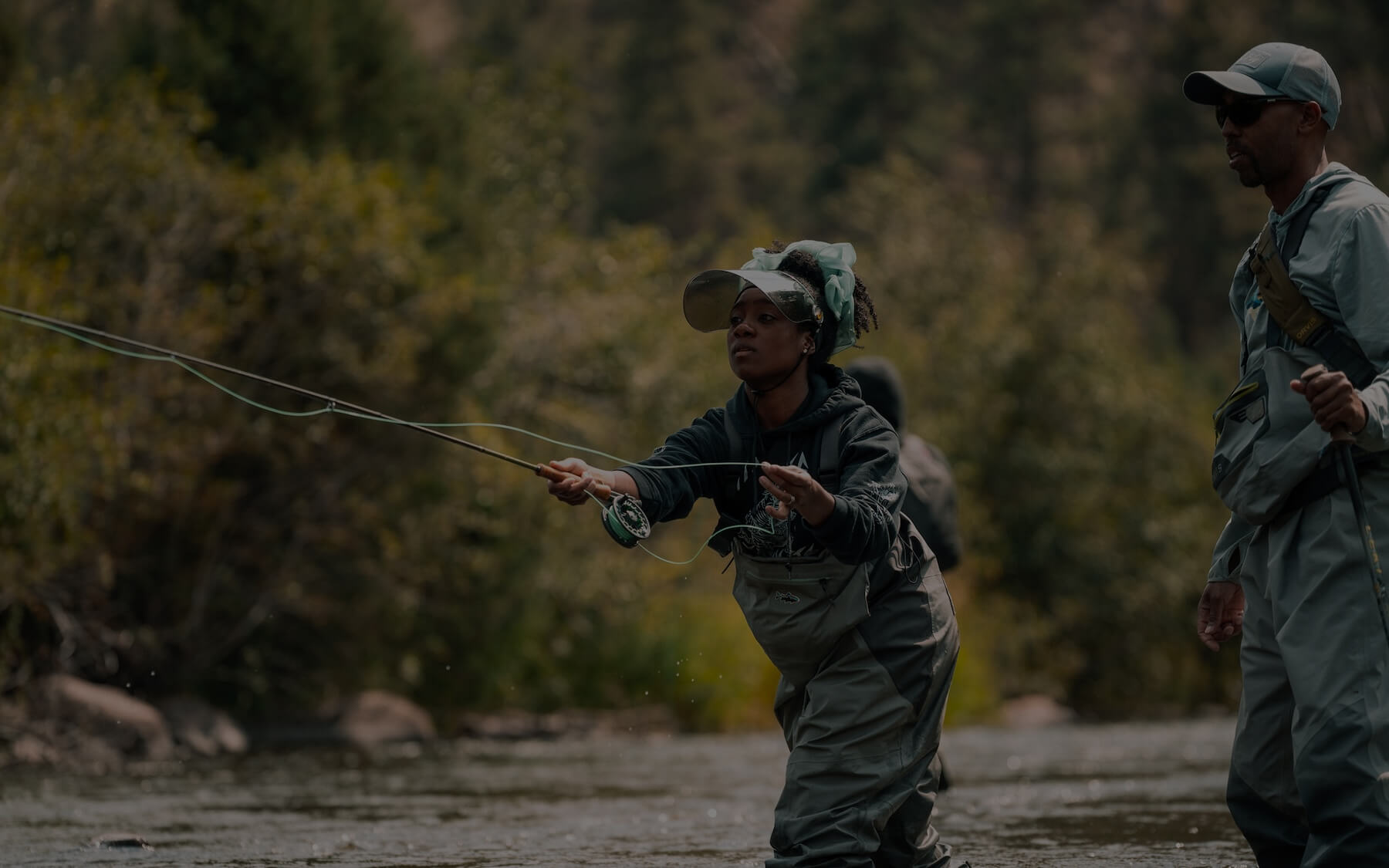
Smarter Fishing Starts in the App.
onWater Fish gives you everything you need to plan smarter, fish better, and own every trip from first cast to last.