Cobia

In Texas, cobia are locally known as 'ling' and are chocolate brown fish that can grow over 6 feet long and weigh up to 135 pounds. They're opportunistic carnivores with excellent flavor, making them popular with anglers.
Cobia are curious fish that exhibit unusual behavior, often approaching boats and divers without fear.
Scientific Name: Rachycentron canadum
Also known as ling
Chocolate brown fish that can grow over 6 feet long and weigh up to 135 pounds
Fishing in Texas
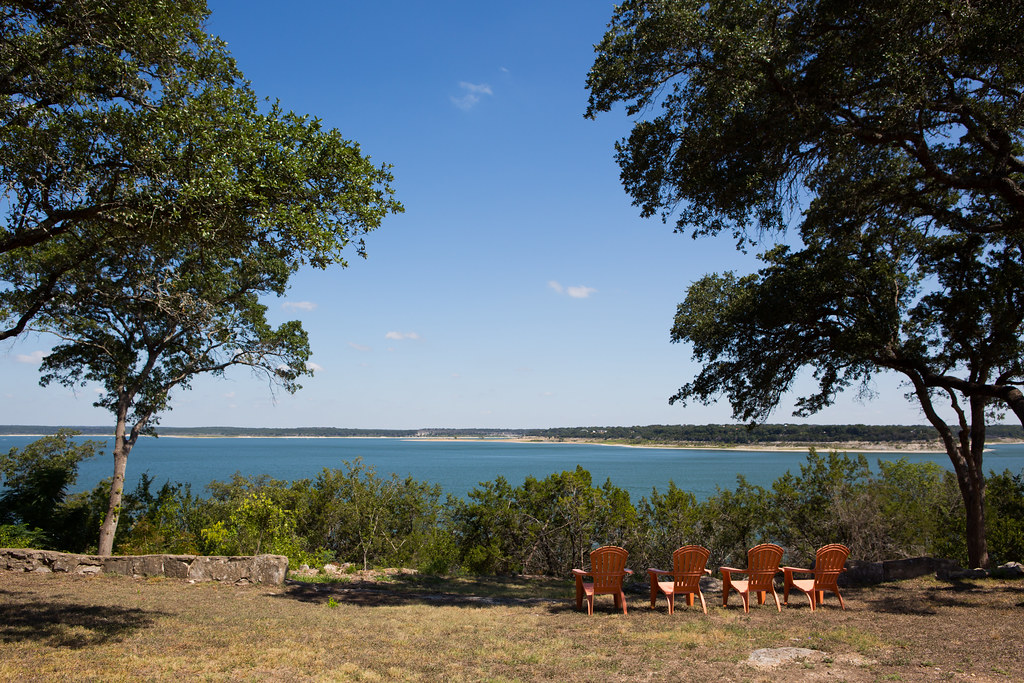
Belton Lake
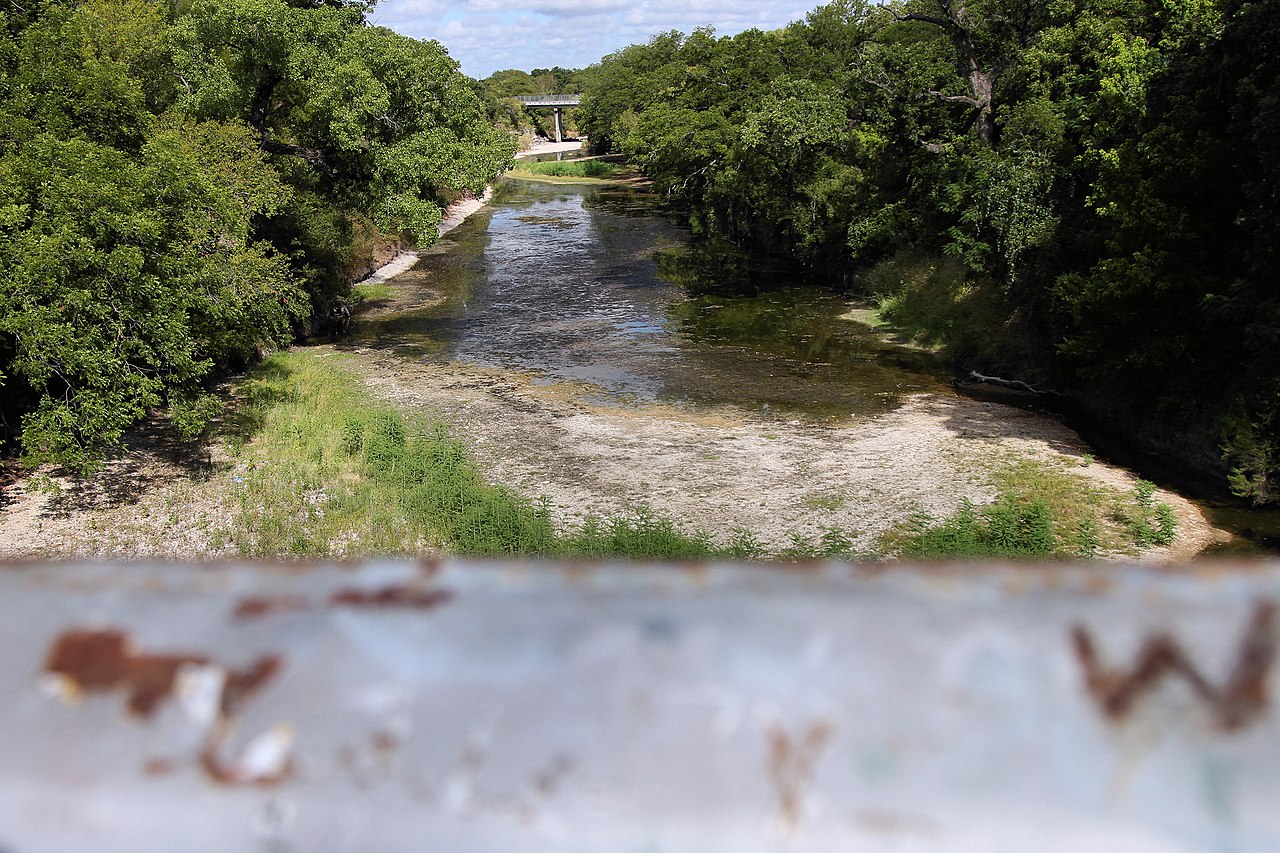
Lampasas River

Brazos River
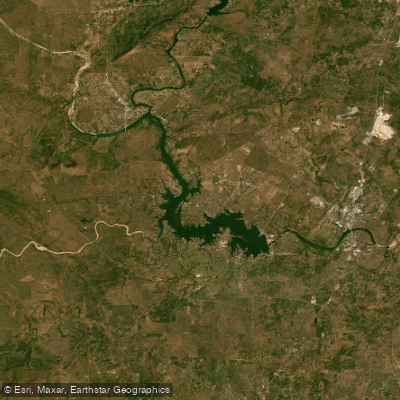
Lake Lyndon B Johnson
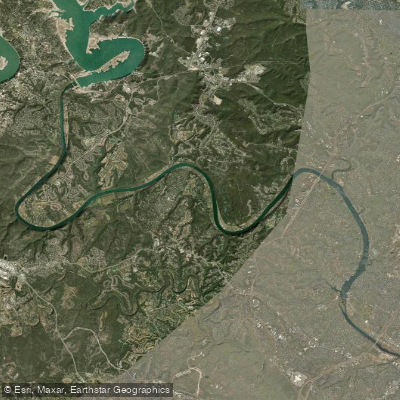
Lake Austin
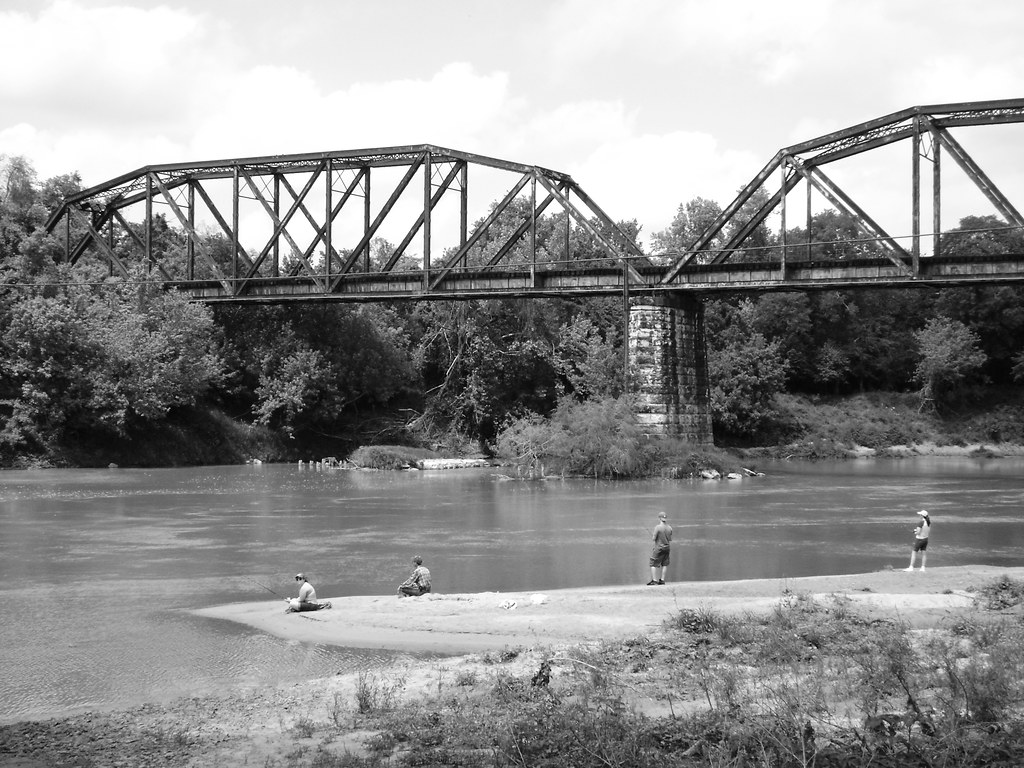
Colorado River
North Bosque River
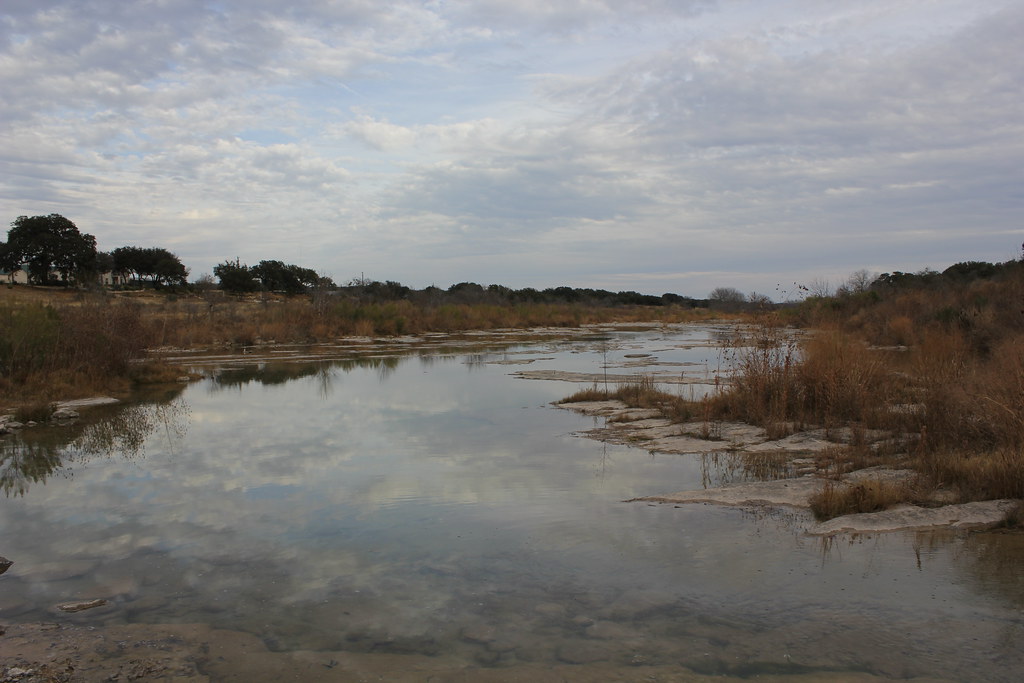
Pedernales River
Stillhouse Hollow Lake
Leon River
What to know
Habitat Distribution
In Texas waters, they inhabit both coastal and continental shelf waters, from shallow bays and estuaries to depths of 3,900 feet. Juvenile cobia are found both inshore under floating Sargassum and 30-40 miles offshore.Key Locations
Popular Texas fishing locations include Galveston, Port Aransas, Freeport, Port O'Connor, and Corpus Christi areas. Young cobia (5-8 inches) have been collected in Texas waters near Port Aransas in depths of 13-55 feet, particularly in the Corpus Christi ship channel.Specific Spots
They're commonly found around floating or stationary objects in the open Gulf of Mexico, as well as near oil platforms, artificial reefs, wrecks, buoys, and other structures. Target them around offshore oil platforms, artificial reefs, wrecks, jetties, anchored shrimp boats, and floating debris. Adult cobia often associate with rays, turtles, and large fish in open waters.Cobia FAQ
Answers from onWater's species guide.
What are the best lures and bait for Cobia in Texas?
The top lure is a white bucktail jig with soft plastic trailer, which works for both sight casting and fishing the water column. Butterfly jigs are excellent for deeper water fishing around structures. Live baits include pinfish, marsh minnows, blue runners, eels, large shrimp, and crabs.
What flies work for Cobia in Texas?
Large flies including poppers, baitfish patterns like Clouser Deep Minnows, Deceivers, and eel imitations in black, purple, chartreuse, and orange
When is the best time to fish for Cobia in Texas?
Cobia fishing in Texas is seasonal, running from mid-March through late October, with peak action from April through September. The best fishing occurs during warmer months when water temperatures exceed 68°F. They arrive as early as mid-March, making them typically the first migrating species caught in Texas waters.
How do you catch Cobia in Texas?
Sight casting is the most exciting method - look for cobia cruising on the surface and cast ahead of them. Chumming around shrimp boats and structures draws fish up from the bottom. Focus on incoming tides when bait is pushed around.
What do Cobia eat?
They're opportunistic carnivores with a diet consisting primarily of shrimp, squid, crabs, and other fish, showing a particular preference for crustaceans, especially portunid crabs (swimming crabs). This varied diet gives cobia their excellent flavor.
Fish smarter with real-time insights
Whether you're en route and conditions shift or you're looking for the best spot based on current flows, we enable you to make informed decisions on the fly.




See it in the app
Most maps show you water.
onWater shows you Cobia.



- 01 · Species map filter
Map every Cobia water
Pick Cobia and the map zeroes in on the waters they call home. No more guessing which lake holds them.
- 02 · Waterbody species
Tap any water. See what lives there.
Species, behavior and seasonal patterns for every lake, river and pond, before you leave the driveway.
- 03 · Angler Intelligence
Ask how to catch Cobia
Tactics, gear and timing from onWater's AI fishing guide, tuned to the species and the water you're on.
Stop guessing where Cobia are.
Open the map, filter by Cobia, and head to water that holds them. Download onWater and plan your next trip in minutes.
- Species map filter
- Angler Intelligence
- Fishing journal
Explore other species
Trout, bass, salmon, panfish and everything in between. Each guide unpacks the behavior, seasons, and tactics that put fish in the net.
No species information available.
Texas licenses and regulations
Explore nearby waters
Explore Texas waters
Top fishing waters
Popular Cities
Loading popular cities...

Smarter Fishing Starts in the App.
onWater Fish gives you everything you need to plan smarter, fish better, and own every trip from first cast to last.