Longnose Gar
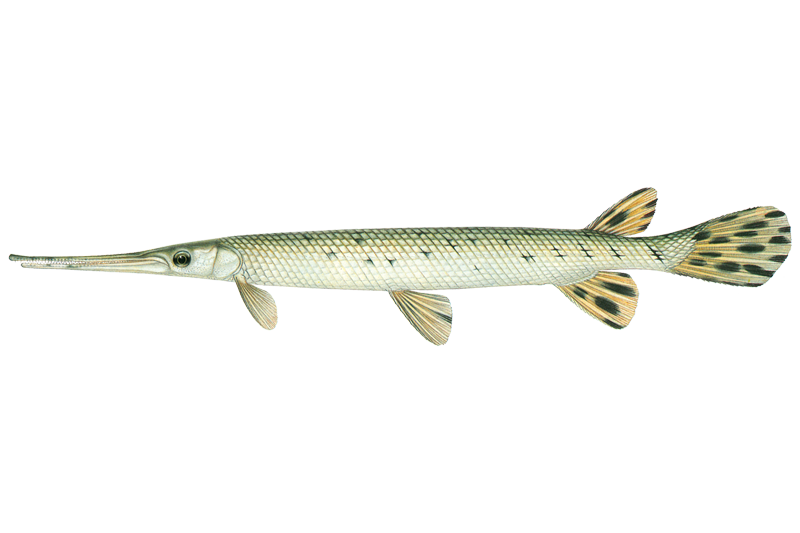
The Longnose Gar is a primitive predaceous fish native to Texas waters with stable populations throughout the state. Texas is home to the world's largest gar population.
Scientific Name: Lepisosteus osseus
- Distinctive torpedo-shaped body covered in diamond-shaped ganoid scales and a long, narrow snout that is at least 10 times longer than its minimum width - distinguishing it from other gar species in Texas.
- Can reach lengths up to 6 feet and weights of 20-30 pounds, with some Texas specimens exceeding 80 pounds taken by bowfishing.
- Have needle-sharp teeth.
Fishing in Texas

Belton Lake
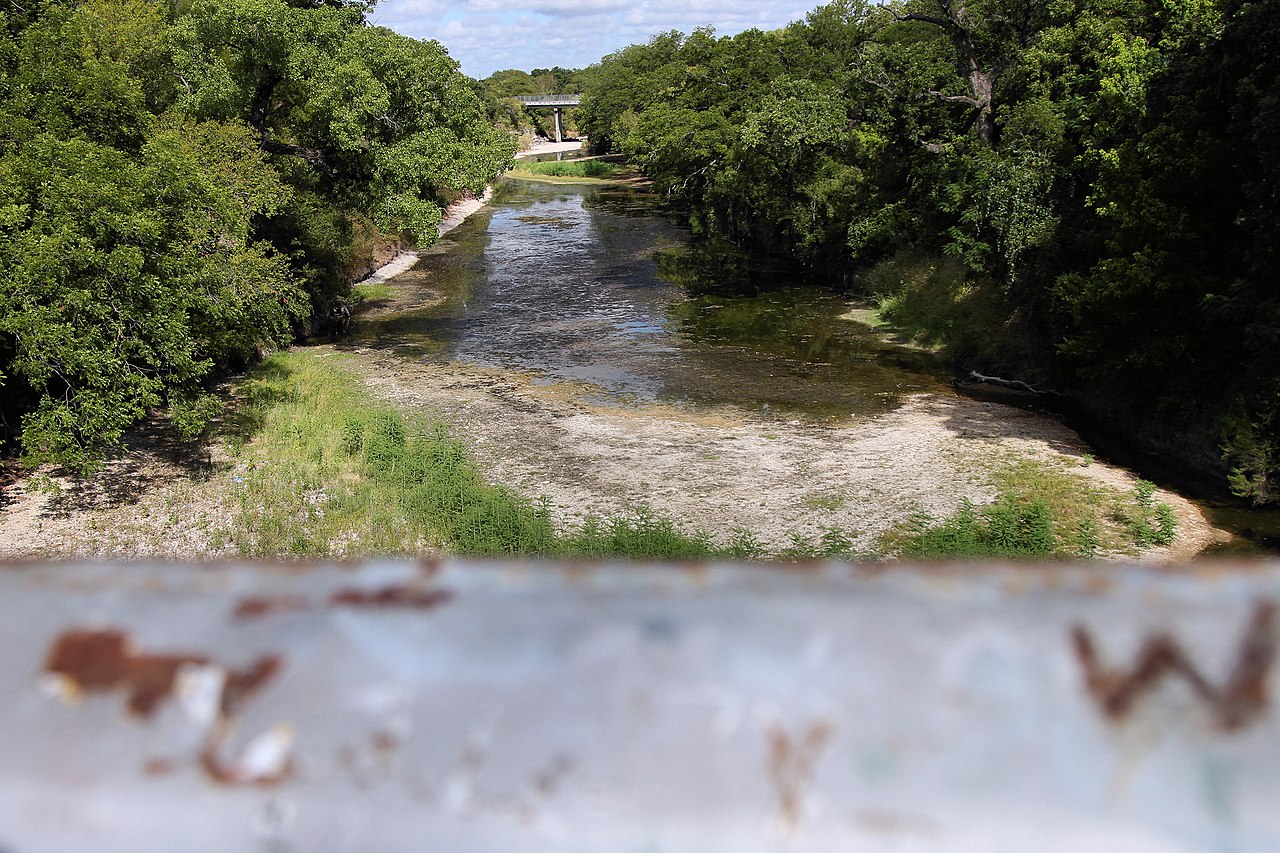
Lampasas River

Brazos River
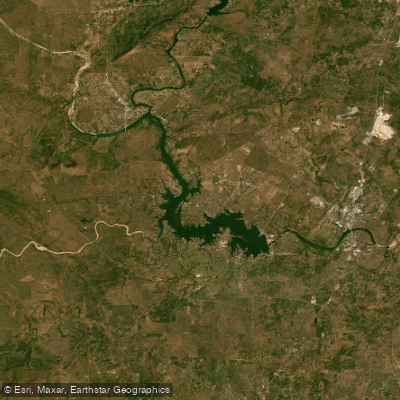
Lake Lyndon B Johnson
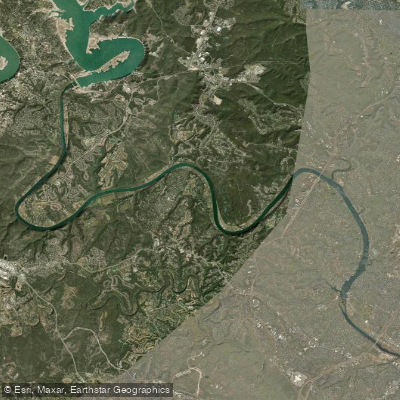
Lake Austin
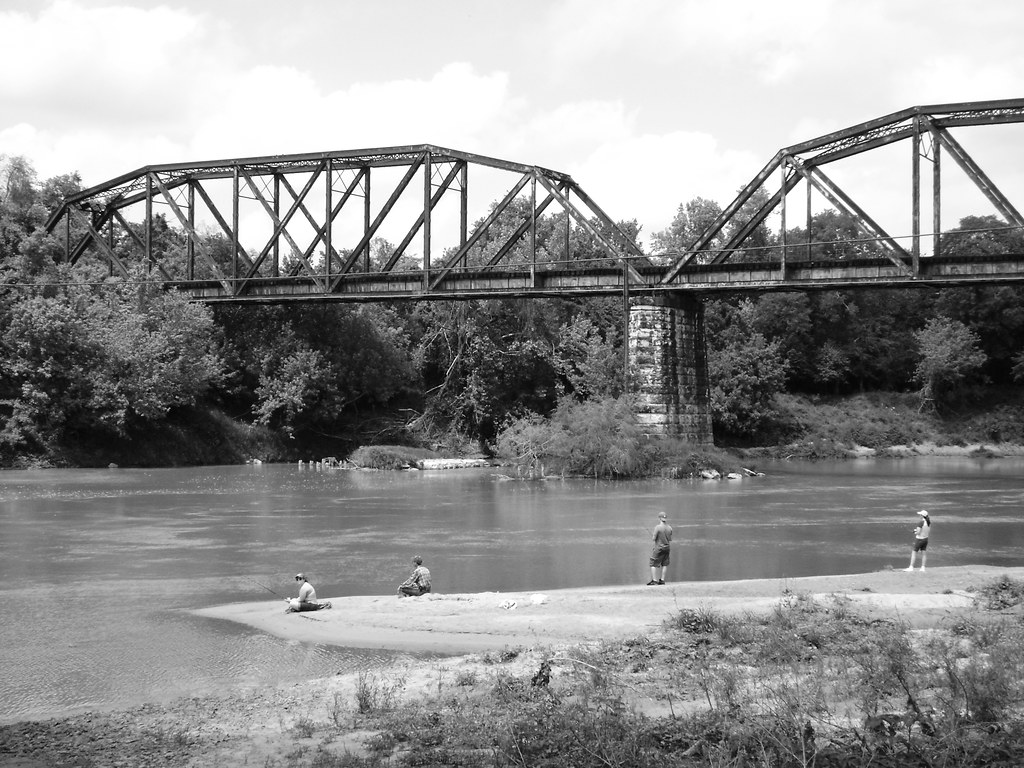
Colorado River
North Bosque River
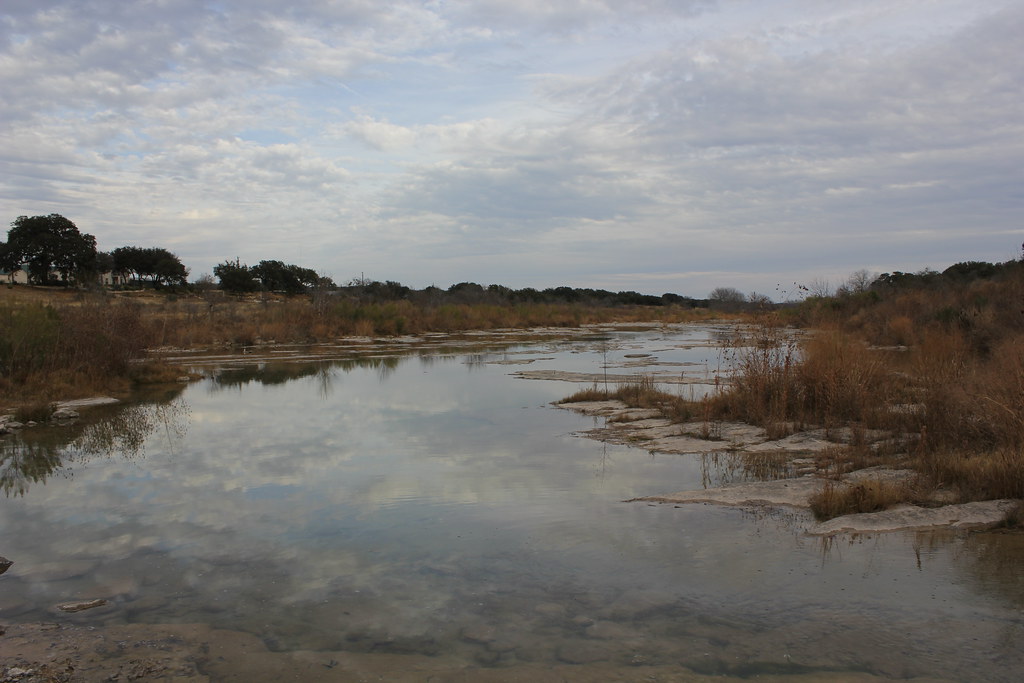
Pedernales River
Stillhouse Hollow Lake
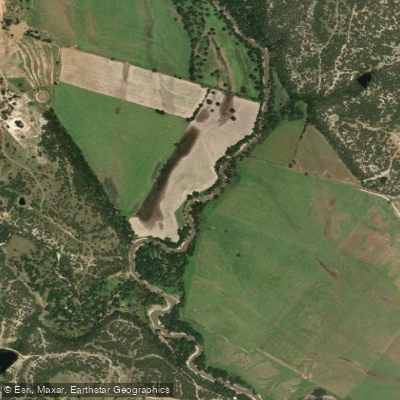
Leon River
What to know
Habitat Distribution
- Most Texas rivers, backwaters, low inflow pools, moderately clear streams, and do exceptionally well in man-made impoundments.
Key Locations
- 43+ lakes and rivers including Lake Lewisville, Eagle Mountain Lake, Lake Worth, the Brazos River, Trinity River (which holds the world record), and most river systems draining into the Gulf of Mexico.
Specific Spots
- Shallow backwaters, weedy flats bordering deep water, areas below dams, creek mouths, power plant discharge areas that warm water quickly, areas near weeds or floating logs.
- In rivers like the Brazos, focus on slow-moving sections with cover.
- On lakes like Lewisville, Eagle Mountain, and Worth, fish weedy shallows and points.
Longnose Gar FAQ
Answers from onWater's species guide.
What are the best lures and bait for Longnose Gar in Texas?
Live bait like shiners, shad, or minnows under a bobber with wire leaders, topwater lures, in-line spinners, and minnowbaits.
What flies work for Longnose Gar in Texas?
Streamers 3-5 inches long, effective patterns include bucktail streamers, Woolly Buggers, and rope flies made from unbraided nylon rope.
When is the best time to fish for Longnose Gar in Texas?
Late spring through summer months (late May through September), with July and August being top months.
How do you catch Longnose Gar in Texas?
Sight-fishing techniques, bowfishing (especially during spawning when gar are in shallow water), casting past the gar's nose and retrieving perpendicular to the fish.
What do Longnose Gar eat?
Opportunistic predators feeding primarily on fish up to one-third their body length, including threadfin shad, gizzard shad, sunfish, shiners, and small catfish. They also consume crustaceans and insects.
Fish smarter with real-time insights
Whether you're en route and conditions shift or you're looking for the best spot based on current flows, we enable you to make informed decisions on the fly.




See it in the app
Most maps show you water.
onWater shows you Longnose Gar.



- 01 · Species map filter
Map every Longnose Gar water
Pick Longnose Gar and the map zeroes in on the waters they call home. No more guessing which lake holds them.
- 02 · Waterbody species
Tap any water. See what lives there.
Species, behavior and seasonal patterns for every lake, river and pond, before you leave the driveway.
- 03 · Angler Intelligence
Ask how to catch Longnose Gar
Tactics, gear and timing from onWater's AI fishing guide, tuned to the species and the water you're on.
Stop guessing where Longnose Gar are.
Open the map, filter by Longnose Gar, and head to water that holds them. Download onWater and plan your next trip in minutes.
- Species map filter
- Angler Intelligence
- Fishing journal
Explore other species
Trout, bass, salmon, panfish and everything in between. Each guide unpacks the behavior, seasons, and tactics that put fish in the net.
No species information available.
Texas licenses and regulations
Explore nearby waters
Explore Texas waters
Top fishing waters
Popular Cities
Loading popular cities...

Smarter Fishing Starts in the App.
onWater Fish gives you everything you need to plan smarter, fish better, and own every trip from first cast to last.