Largemouth Bass

Largemouth Bass are Texas's most popular freshwater sport fish, found nearly everywhere in the state.
Scientific Name: Micropterus salmoides salmoides (Northern Largemouth Bass), M. s. floridanus (Florida Largemouth Bass)
- Olive-green to greenish-gray with dark blotches forming horizontal stripes, with upper jaws extending well beyond the rear margin of the eye.
- They can reach sizes of 4-6 inches in their first year, 8-12 inches by year two, and 16 inches by year three.
Fishing in Texas
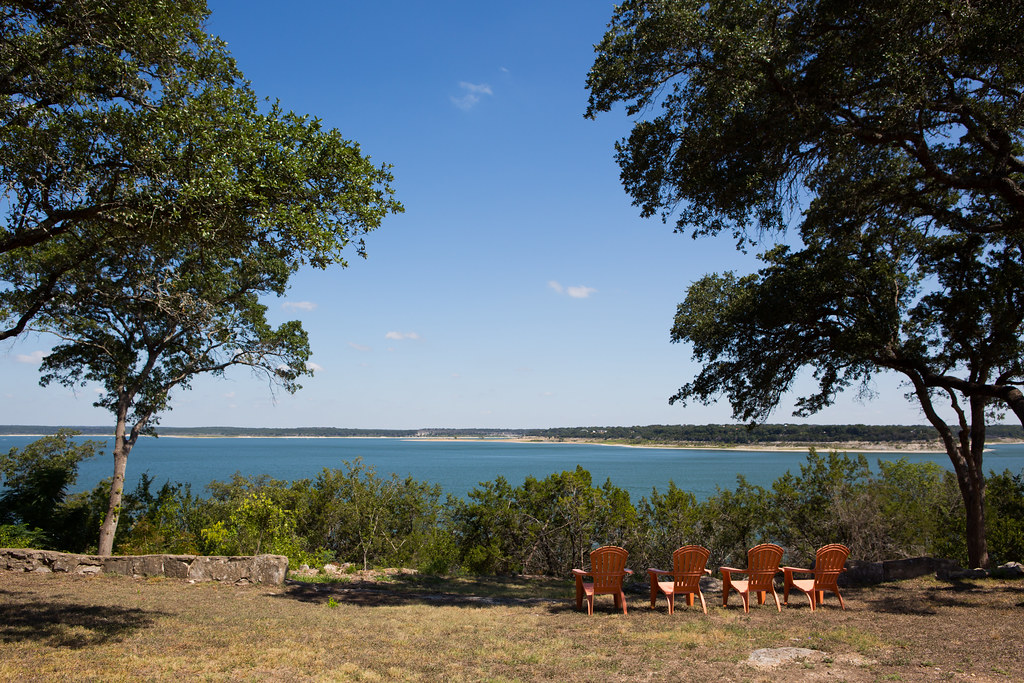
Belton Lake
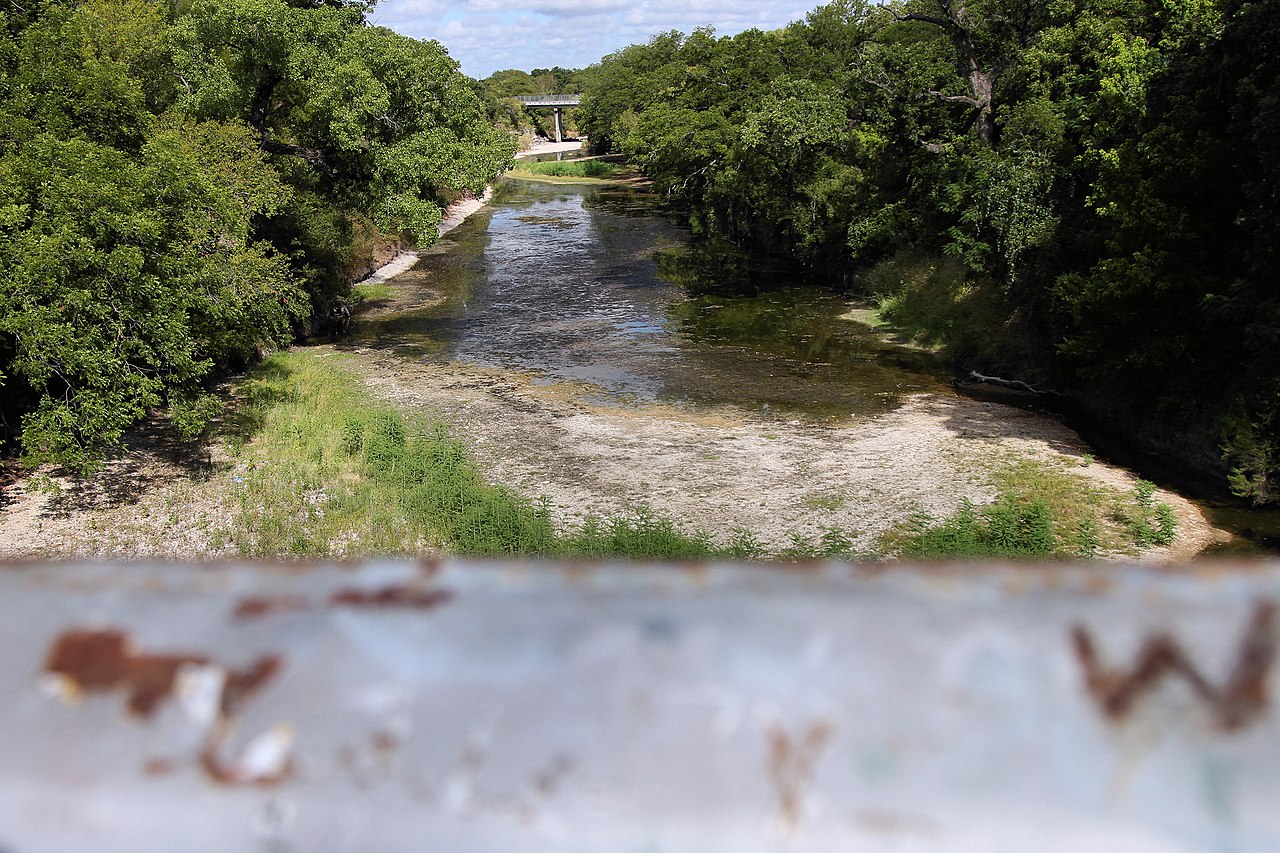
Lampasas River

Brazos River
Lake Lyndon B Johnson
Lake Austin
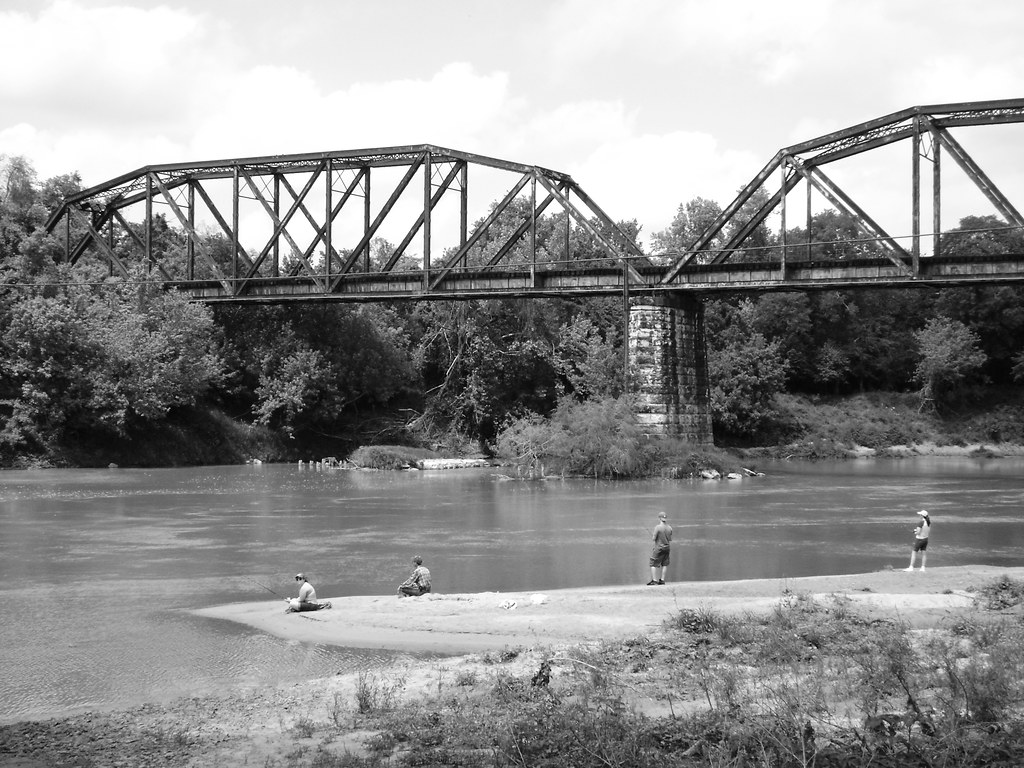
Colorado River
North Bosque River
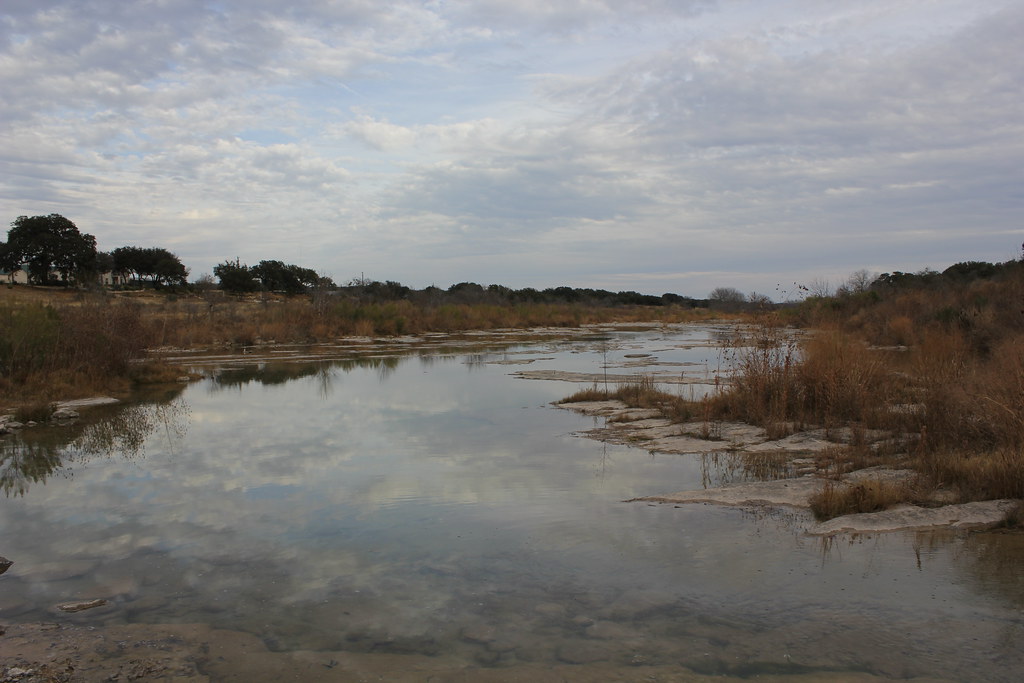
Pedernales River
Stillhouse Hollow Lake
Leon River
What to know
Habitat Distribution
- Found nearly everywhere in the state.
- They prefer clear, quiet waters with protective cover like logs, rock ledges, vegetation, and man-made structures.
Key Locations
- Lake Fork, Sam Rayburn Reservoir, Lake Texoma, Lake Amistad, Brazos River, Llano River, Colorado River, Neches River.
- Prime locations include Lake Fork near Dallas for lunker bass, Sam Rayburn Reservoir in East Texas, Lake Texoma for variety, Austin area waters for year-round fishing, and rivers like the Llano for sight fishing in clear water.
Specific Spots
- Target structure like fallen trees, docks, weed lines, and drop-offs.
- Bass hide among structure to ambush prey.
- Males build nests in 2-8 feet of water during spawning.
Largemouth Bass FAQ
Answers from onWater's species guide.
What are the best lures and bait for Largemouth Bass in Texas?
Texas-rigged soft plastics, spinnerbaits, hard-body lures, plastic worms, creature baits, and topwater baits during low-light conditions.
What flies work for Largemouth Bass in Texas?
Popping bugs in bumblebee, frog, and chartreuse patterns for surface action. Subsurface flies include Clouser Minnows in chartreuse/white or pink/white, crawfish patterns like Cohen's Jiggy Craw, large dark leeches, shad patterns, and diving bugs.
When is the best time to fish for Largemouth Bass in Texas?
March is the premier time for trophy-sized bass. Early spring and late fall provide excellent fishing when bass move to shallow water. Summer requires targeting deeper water or fishing during low-light conditions. Spawning occurs February-May when water temperatures reach about 60°F.
How do you catch Largemouth Bass in Texas?
Texas-rigged soft plastics, target structure like fallen trees, docks, weed lines, and drop-offs.
What do Largemouth Bass eat?
Adults are top predators, feeding almost exclusively on other fish and large invertebrates like crayfish, while fry consume zooplankton and insect larvae.
Fish smarter with real-time insights
Whether you're en route and conditions shift or you're looking for the best spot based on current flows, we enable you to make informed decisions on the fly.




See it in the app
Most maps show you water.
onWater shows you Largemouth Bass.



- 01 · Species map filter
Map every Largemouth Bass water
Pick Largemouth Bass and the map zeroes in on the waters they call home. No more guessing which lake holds them.
- 02 · Waterbody species
Tap any water. See what lives there.
Species, behavior and seasonal patterns for every lake, river and pond, before you leave the driveway.
- 03 · Angler Intelligence
Ask how to catch Largemouth Bass
Tactics, gear and timing from onWater's AI fishing guide, tuned to the species and the water you're on.
Stop guessing where Largemouth Bass are.
Open the map, filter by Largemouth Bass, and head to water that holds them. Download onWater and plan your next trip in minutes.
- Species map filter
- Angler Intelligence
- Fishing journal
Explore other species
Trout, bass, salmon, panfish and everything in between. Each guide unpacks the behavior, seasons, and tactics that put fish in the net.
No species information available.
Texas licenses and regulations
Explore nearby waters
Explore Texas waters
Top fishing waters
Popular Cities
Loading popular cities...

Smarter Fishing Starts in the App.
onWater Fish gives you everything you need to plan smarter, fish better, and own every trip from first cast to last.