Blue Sucker

Blue Sucker is a state-listed threatened species in Texas and one of the most distinctive members of the sucker family. These large, long-lived fish are native to the Mississippi and Gulf Coast drainages.
Scientific Name: Cycleptus elongatus
Also known as Rio Grande Blue Sucker (separate undescribed species in Rio Grande)
- Striking steel-blue coloration with blue-black fins, backs, and sides during spawning season.
- Adult Blue Suckers in Texas typically grow 76-102 cm (30-40 inches) long and weigh 2-3 kilograms (4.4-6.6 pounds), with females averaging 7 cm larger than males.
- Characterized by their streamlined bodies, subterminal mouths with papillose lips, and distinctive sickle-shaped dorsal fin.
Fishing in Texas

Belton Lake
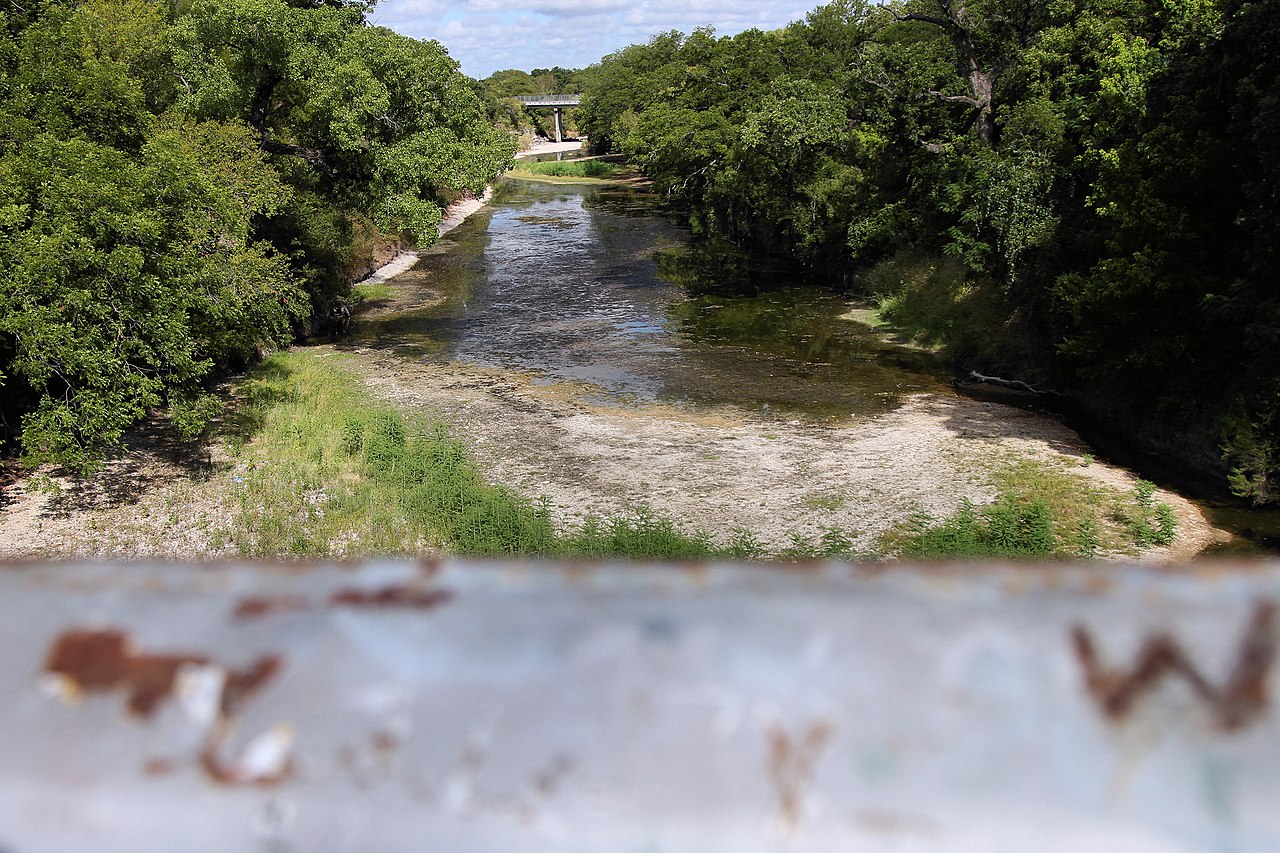
Lampasas River

Brazos River
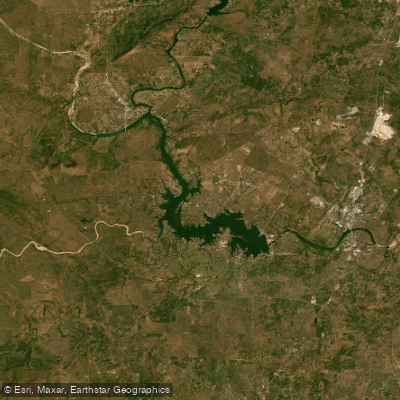
Lake Lyndon B Johnson
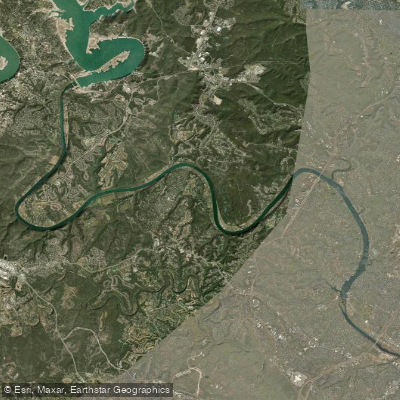
Lake Austin
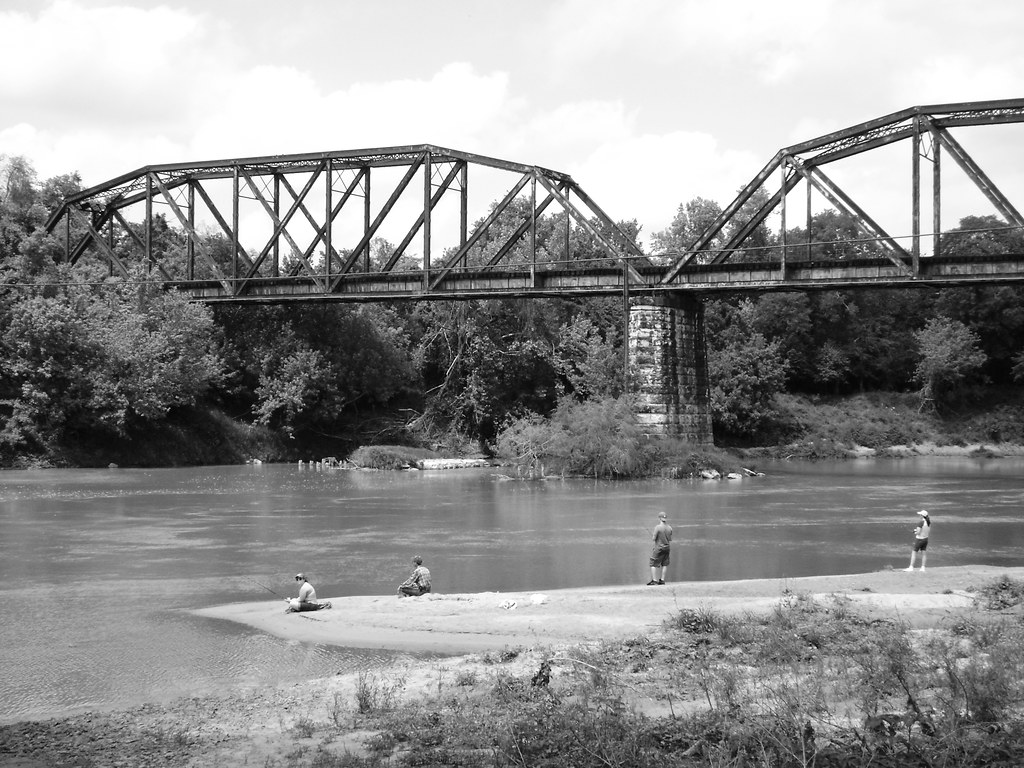
Colorado River
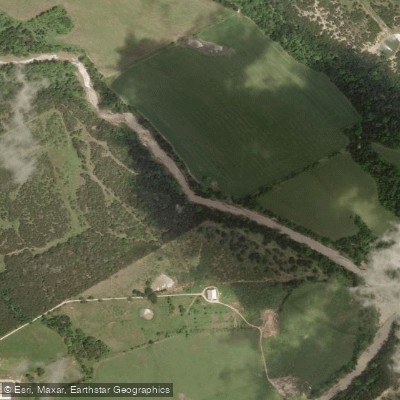
North Bosque River
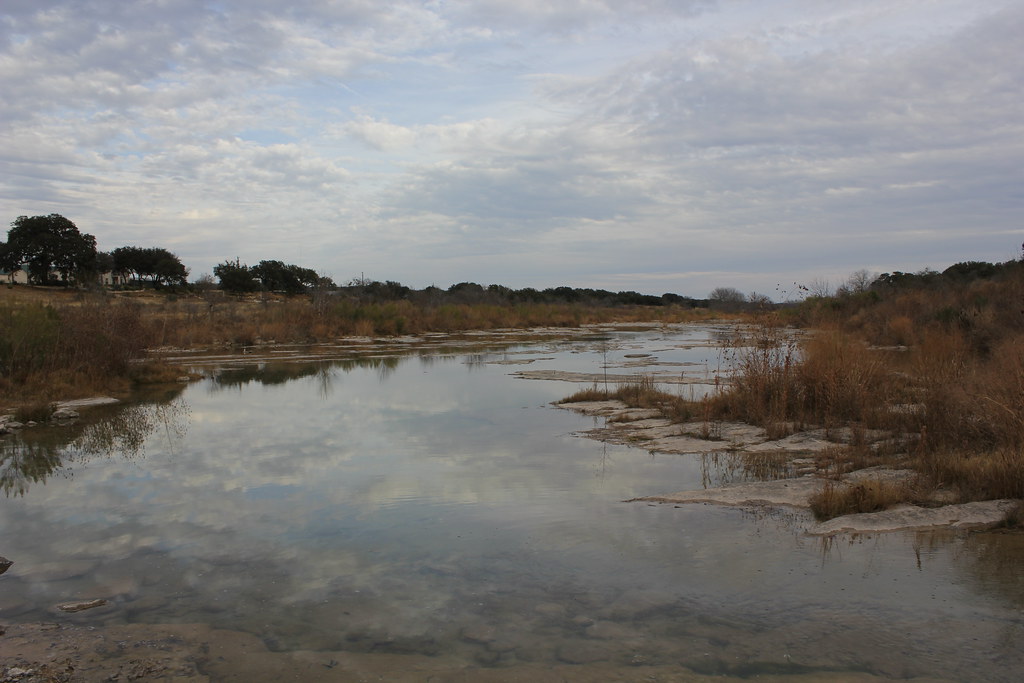
Pedernales River
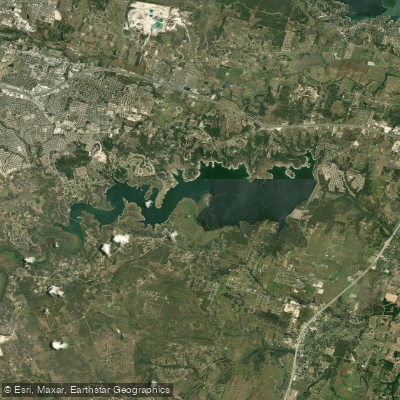
Stillhouse Hollow Lake
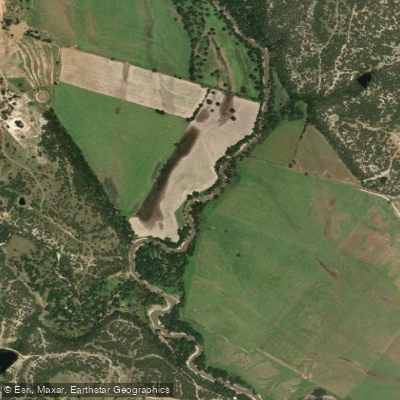
Leon River
What to know
Habitat Distribution
- Found in the Sabine, Neches, Red, and Colorado river basins in Texas.
- They inhabit large rivers, typically in deep (1-2 meter) fast riffles or rapids with cobble, boulder, and bedrock substrates.
Key Locations
- Colorado River (especially between Bastrop and Smithville on the Wilbarger Paddling Trail), lower Sabine River below Toledo Bend Reservoir, sections of the Red and Neches rivers.
- The Colorado River near Bastrop offers some of the best opportunities.
- Wilbarger Paddling Trail section of the Colorado River between Webberville and Smithville supports one of the most common Blue Sucker populations in Texas.
Specific Spots
- Deep, fast-flowing riffles and rapids.
- Areas with cobble, boulder, and bedrock substrates.
- Near large woody debris and current breaks.
- May utilize tributaries like Bayou Anacoco in the Sabine River system.
Blue Sucker FAQ
Answers from onWater's species guide.
When is the best time to fish for Blue Sucker in Texas?
Best fishing opportunities occur from late spring through early fall (May through September) when water temperatures are optimal and fish are most active. Avoid fishing during February through April spawning periods when fish aggregate in shallow areas and are protected.
How do you catch Blue Sucker in Texas?
Bottom-fishing with live bait near structure and current breaks. Fish near large woody debris. Use small jigs, particularly brown jig flies on fly tackle.
What do Blue Sucker eat?
Bottom feeders that consume benthic invertebrates, aquatic insects, insect larvae, crustaceans, plant material, and algae.
Where do Blue Sucker live in Texas?
Found in the Sabine, Neches, Red, and Colorado river basins in Texas. They inhabit large rivers, typically in deep (1-2 meter) fast riffles or rapids with cobble, boulder, and bedrock substrates.
Fish smarter with real-time insights
Whether you're en route and conditions shift or you're looking for the best spot based on current flows, we enable you to make informed decisions on the fly.




See it in the app
Most maps show you water.
onWater shows you Blue Sucker.



- 01 · Species map filter
Map every Blue Sucker water
Pick Blue Sucker and the map zeroes in on the waters they call home. No more guessing which lake holds them.
- 02 · Waterbody species
Tap any water. See what lives there.
Species, behavior and seasonal patterns for every lake, river and pond, before you leave the driveway.
- 03 · Angler Intelligence
Ask how to catch Blue Sucker
Tactics, gear and timing from onWater's AI fishing guide, tuned to the species and the water you're on.
Stop guessing where Blue Sucker are.
Open the map, filter by Blue Sucker, and head to water that holds them. Download onWater and plan your next trip in minutes.
- Species map filter
- Angler Intelligence
- Fishing journal
Explore other species
Trout, bass, salmon, panfish and everything in between. Each guide unpacks the behavior, seasons, and tactics that put fish in the net.
No species information available.
Texas licenses and regulations
Explore nearby waters
Explore Texas waters
Top fishing waters
Popular Cities
Loading popular cities...

Smarter Fishing Starts in the App.
onWater Fish gives you everything you need to plan smarter, fish better, and own every trip from first cast to last.