Flathead Catfish

Flathead Catfish are the second largest sport fish in Texas after blue catfish, with specimens regularly exceeding 50 pounds and record catches over 110 pounds.
Unlike other catfish which scavenge, flatheads are strict predators that feed exclusively on live fish.
Scientific Name: Pylodictis olivaris
Also known as Yellow Cat, Opelousa Cat, Mud Cat, Shovelhead Cat
- These fish are distinguished by their broadly flattened head, projecting lower jaw, and slightly notched tail fin.
- They typically display pale yellow to light brown coloration with black/brown mottling, though young fish may appear almost black.
Fishing in Texas
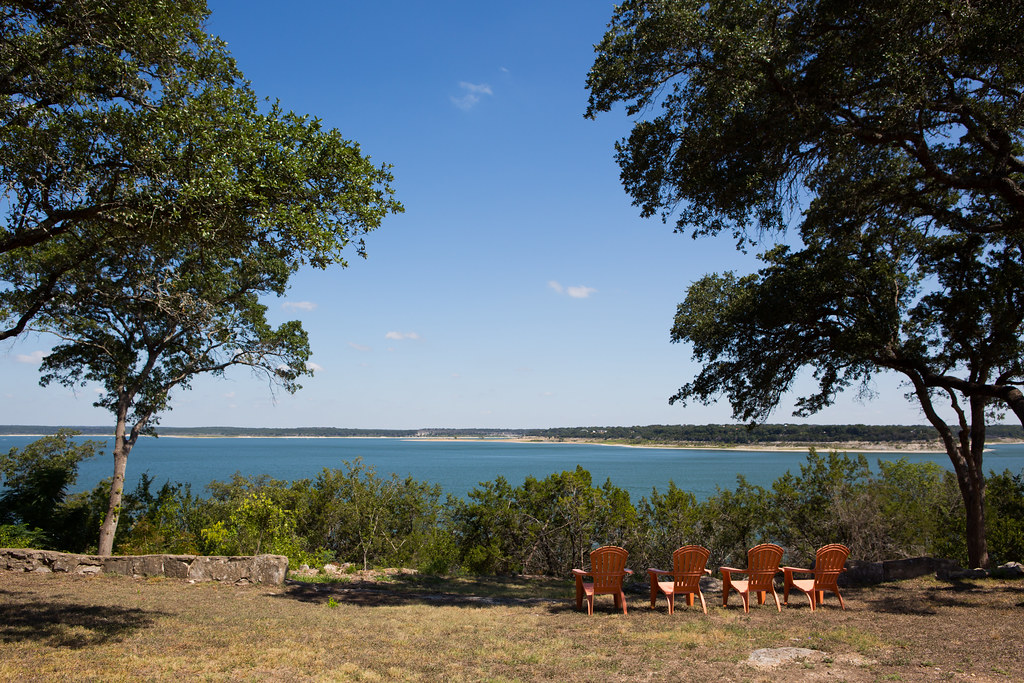
Belton Lake
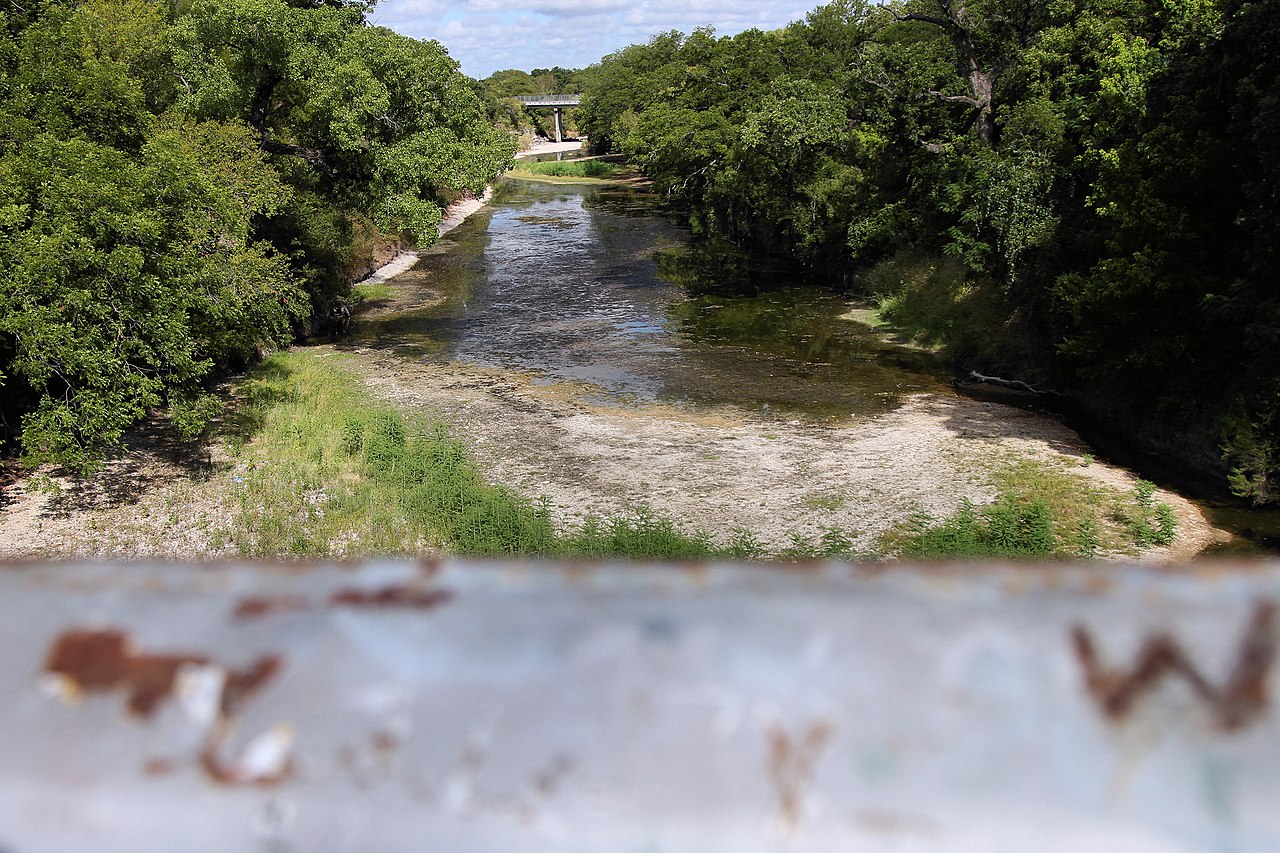
Lampasas River

Brazos River
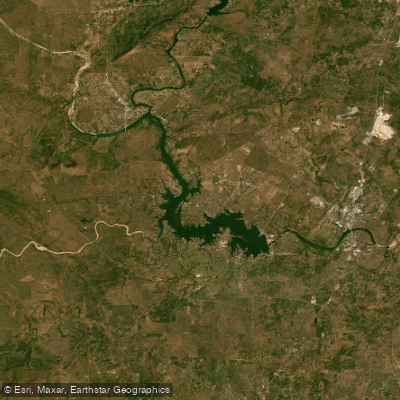
Lake Lyndon B Johnson
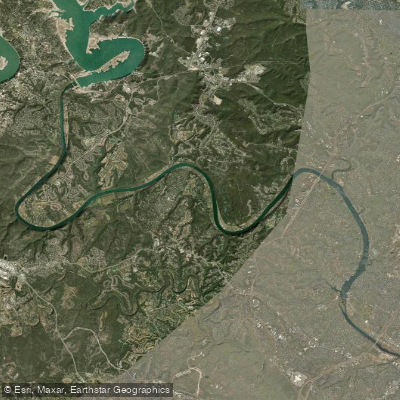
Lake Austin
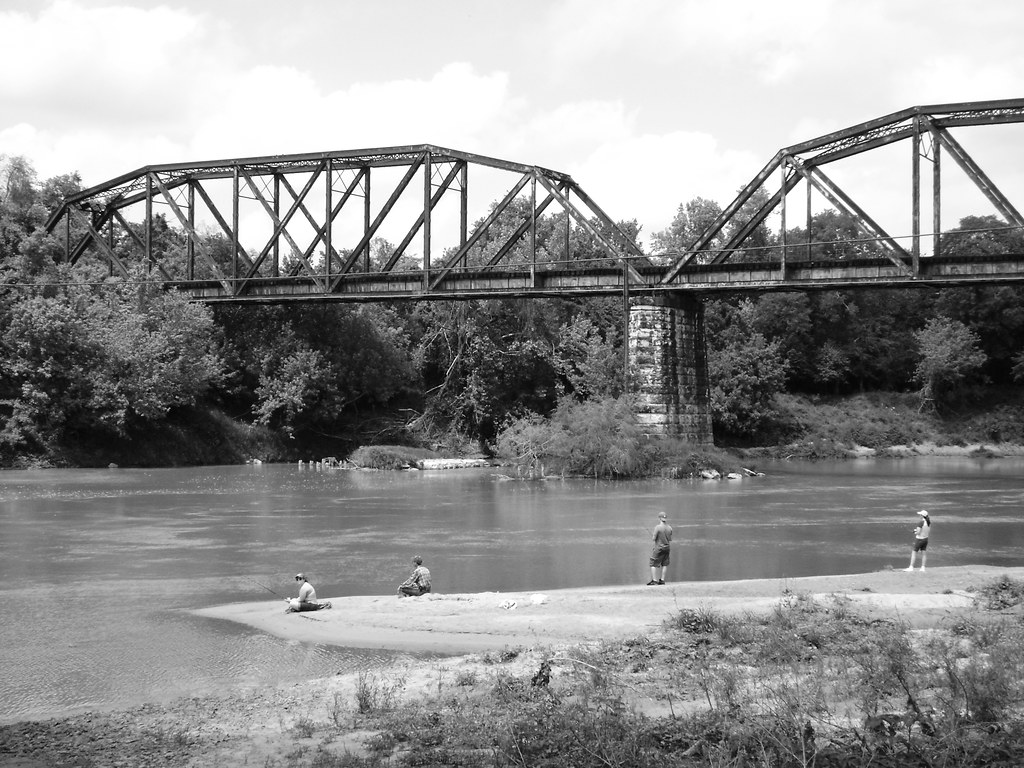
Colorado River
North Bosque River
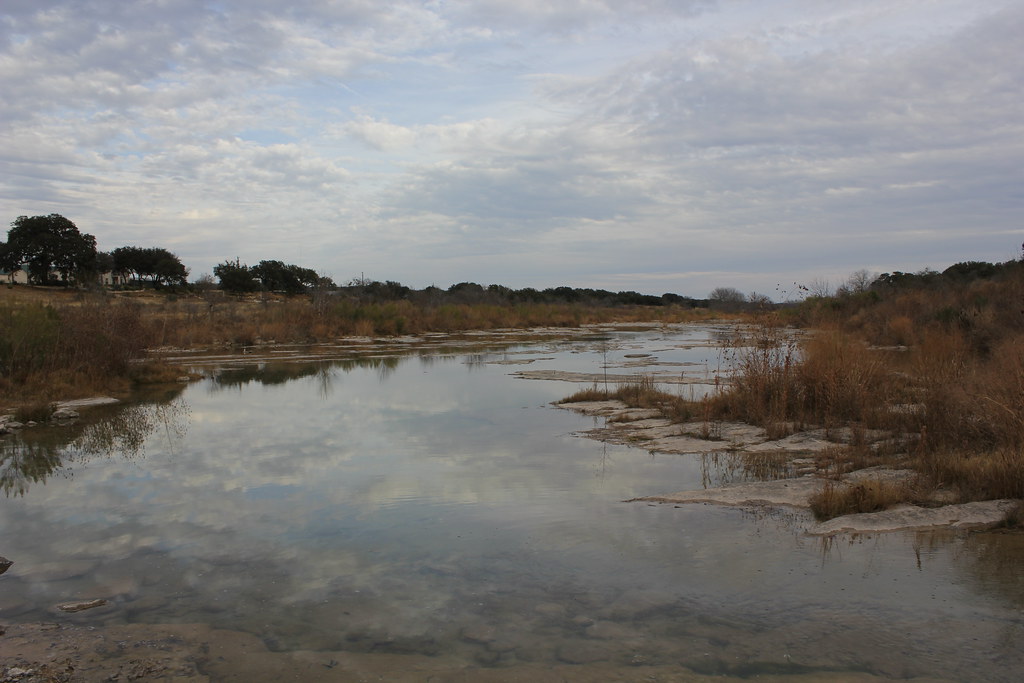
Pedernales River
Stillhouse Hollow Lake
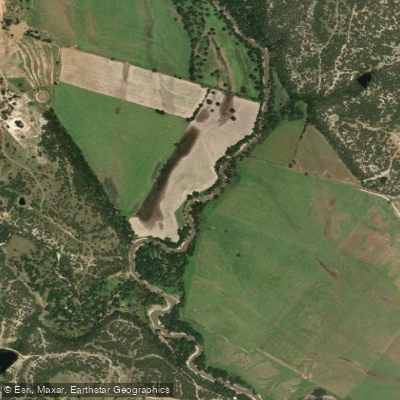
Leon River
What to know
Habitat Distribution
- They prefer deep pools of streams, rivers, canals, lakes and reservoirs with turbid water and slow currents, establishing territories around heavy cover like logs, rocks, and undercut banks.
Key Locations
- In Texas, flatheads are found throughout major river systems including the Trinity, Brazos, Sabine, and Colorado rivers, as well as reservoirs like Lake Lewisville, Eagle Mountain Lake, Lake Worth, and Lake Tawakoni.
- Target areas on lakes like Eagle Mountain Lake, Lake Worth, Lake Lewisville, and the Brazos River.
Specific Spots
- Target areas with heavy cover including submerged logs, rock piles, deep holes near structure, undercut banks, and tailrace areas below dams.
- Fish the edges of creek channels where they meet main lake basins, particularly around standing timber and woody debris at depths of 3+ meters.
Flathead Catfish FAQ
Answers from onWater's species guide.
What are the best lures and bait for Flathead Catfish in Texas?
Since flatheads feed exclusively on live prey, use live bait such as juvenile bluegill, shiners, small bullhead catfish, suckers, chubs, goldfish, carp, or sunfish sized 3-6 inches.
When is the best time to fish for Flathead Catfish in Texas?
Summer months, especially at night from May through mid-October, with September and October being peak feeding periods as fish prepare for winter. Pre-spawn periods in March through May also offer excellent opportunities. In spring and fall, late afternoon through dusk can be productive.
How do you catch Flathead Catfish in Texas?
Set up near cover but avoid fishing directly in snags - position baits just outside structure where flatheads ambush prey. Rod and reel fishing is most successful just below reservoir dams, though trotlines account for the largest specimens caught in Texas waters.
What do Flathead Catfish eat?
Unlike other catfish which scavenge, flatheads are strict predators that feed exclusively on live fish. Juveniles consume invertebrates like worms, insects, and crayfish, but fish 10 inches or larger eat entirely live fish including shad, carp, suckers, sunfish, largemouth bass, and other catfish.
Where do Flathead Catfish live in Texas?
They prefer deep pools of streams, rivers, canals, lakes and reservoirs with turbid water and slow currents, establishing territories around heavy cover like logs, rocks, and undercut banks.
Fish smarter with real-time insights
Whether you're en route and conditions shift or you're looking for the best spot based on current flows, we enable you to make informed decisions on the fly.




See it in the app
Most maps show you water.
onWater shows you Flathead Catfish.



- 01 · Species map filter
Map every Flathead Catfish water
Pick Flathead Catfish and the map zeroes in on the waters they call home. No more guessing which lake holds them.
- 02 · Waterbody species
Tap any water. See what lives there.
Species, behavior and seasonal patterns for every lake, river and pond, before you leave the driveway.
- 03 · Angler Intelligence
Ask how to catch Flathead Catfish
Tactics, gear and timing from onWater's AI fishing guide, tuned to the species and the water you're on.
Stop guessing where Flathead Catfish are.
Open the map, filter by Flathead Catfish, and head to water that holds them. Download onWater and plan your next trip in minutes.
- Species map filter
- Angler Intelligence
- Fishing journal
Explore other species
Trout, bass, salmon, panfish and everything in between. Each guide unpacks the behavior, seasons, and tactics that put fish in the net.
No species information available.
Texas licenses and regulations
Explore nearby waters
Explore Texas waters
Top fishing waters
Popular Cities
Loading popular cities...

Smarter Fishing Starts in the App.
onWater Fish gives you everything you need to plan smarter, fish better, and own every trip from first cast to last.