Blue Tilapia

Blue Tilapia are invasive cichlids originally from Africa and the Middle East that were first introduced to Texas power plant cooling reservoirs in the 1960s.
They have since spread throughout East, Central, and South Texas river systems, establishing populations in numerous reservoirs and rivers.
Scientific Name: Oreochromis aureus
- Adults typically measure 5-8 inches and weigh 2-5 pounds, though specimens up to 21 inches and 10+ pounds have been recorded.
- Males develop bright metallic blue heads with red/pink fin edges during breeding season, while females show pale orange coloration.
Fishing in Texas
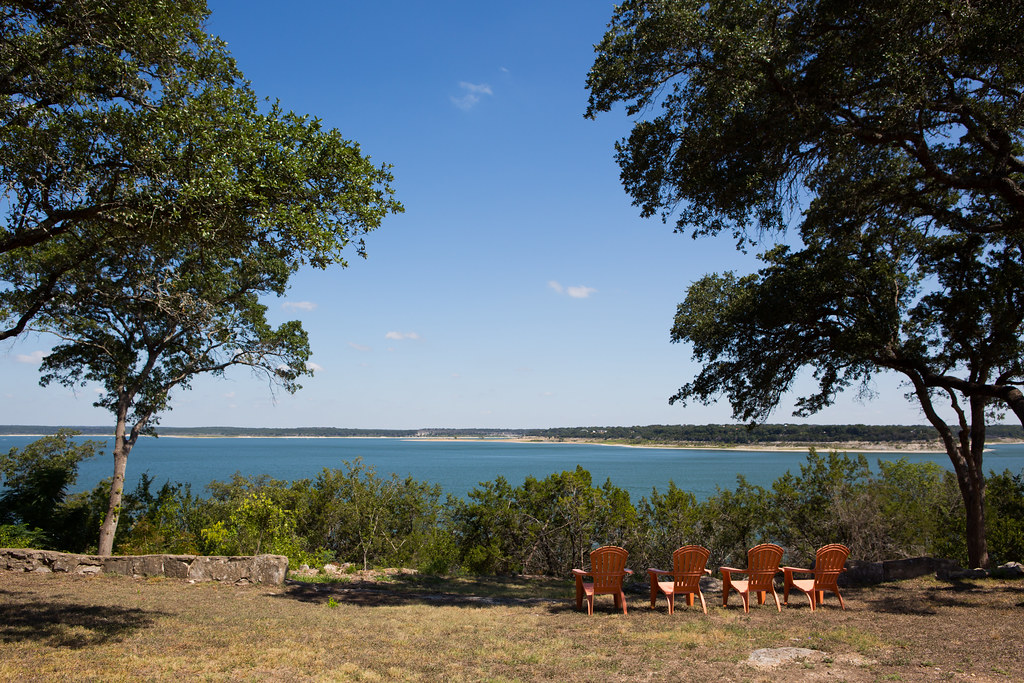
Belton Lake
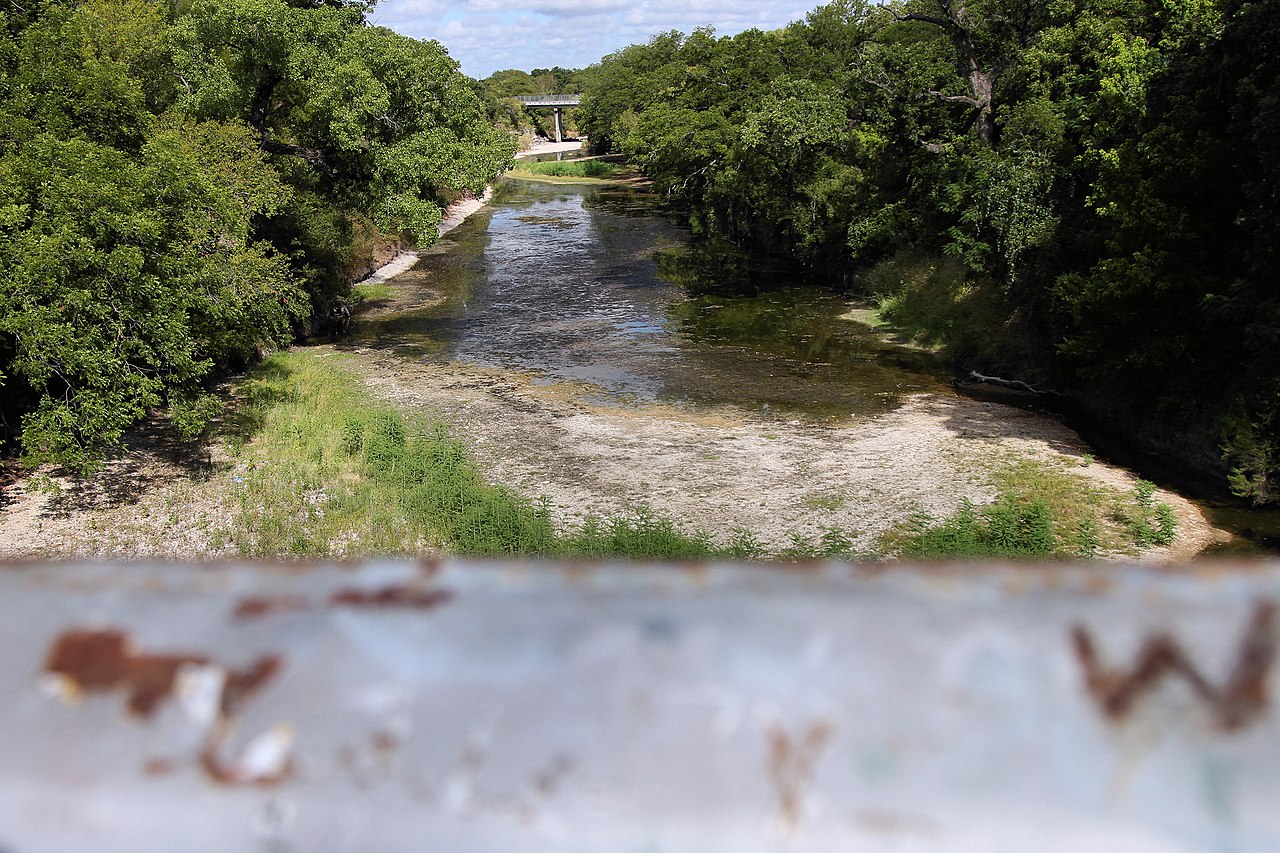
Lampasas River

Brazos River
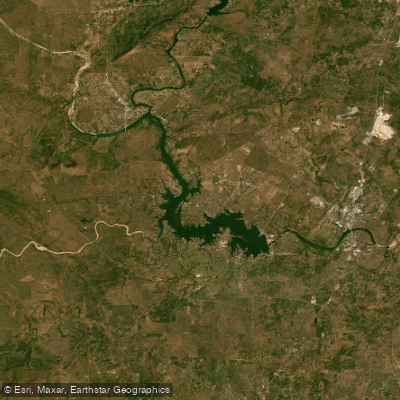
Lake Lyndon B Johnson
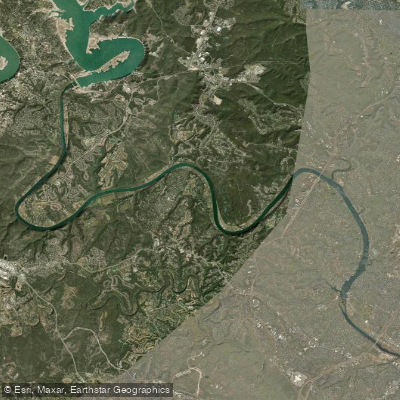
Lake Austin
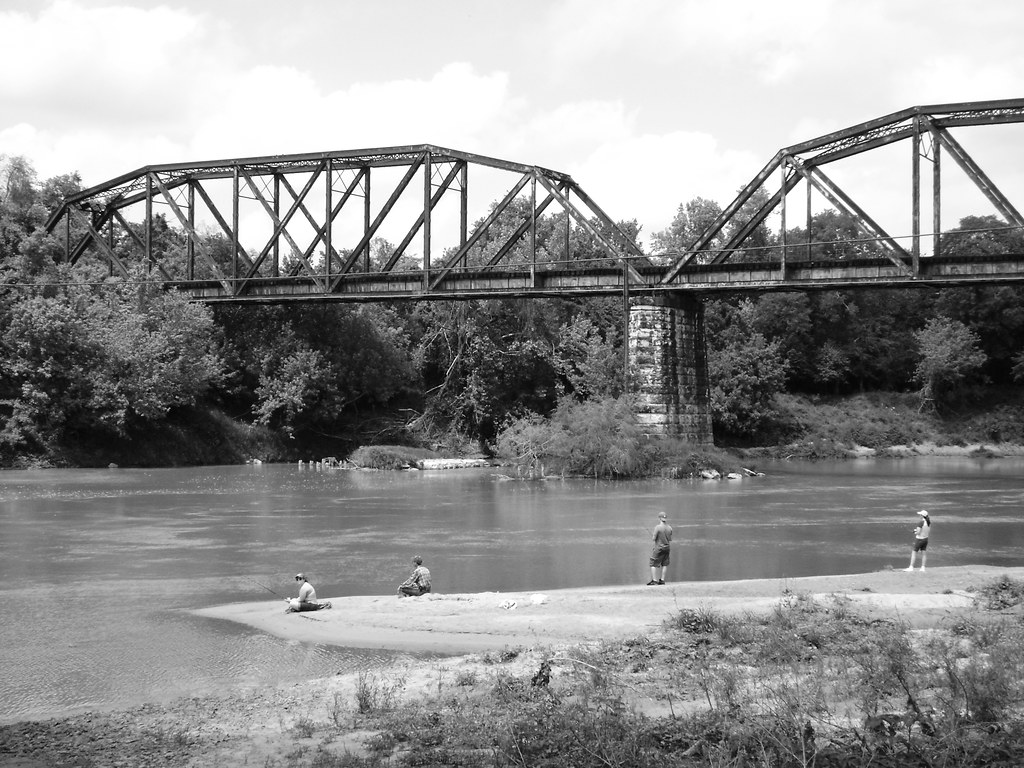
Colorado River
North Bosque River
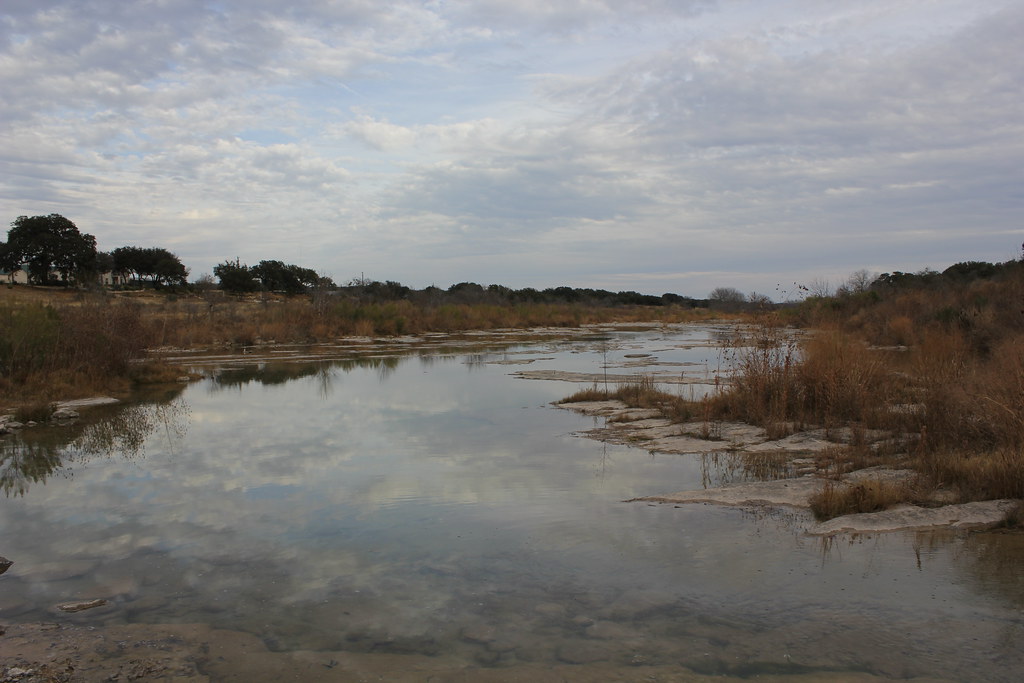
Pedernales River
Stillhouse Hollow Lake
Leon River
What to know
Habitat Distribution
- Most abundant in areas with warmer water temperatures, particularly in power plant reservoirs.
- They inhabit warm ponds, lakes, streams, and rivers, preferring areas with stones, vegetation, and open water.
- They seek thermal refuges like spring-fed rivers, wastewater outfalls, and power plant discharge areas during winter.
Key Locations
- Rio Grande, Trinity, San Antonio, Guadalupe, and Colorado drainages.
- Power plant reservoirs like Calaveras, Victor Braunig, Fairfield, Tradinghouse Creek, Canyon, Casa Blanca, Falcon, Walter E.
- Long, and Amistad.
- Spring-fed rivers like the San Marcos and Comal Rivers.
- Productive locations include Lake Travis, Lake Braunig, Calaveras Lake, and the San Antonio River system.
Specific Spots
- Shallow areas with vegetation where tilapia feed and hide.
- Areas around wastewater outfalls.
- Clear, shallow water where schools can be spotted.
Blue Tilapia FAQ
Answers from onWater's species guide.
What are the best lures and bait for Blue Tilapia in Texas?
Since tilapia are primarily herbivorous, effective baits include corn kernels, peas, bread balls, and small pieces of earthworm. Avoid expensive live baits like minnows. For artificial lures, choose small ultralight options that mimic algae or small invertebrates.
When is the best time to fish for Blue Tilapia in Texas?
Fall and spring when water temperatures are between 68-75°F, avoiding the January-May spawning season.
How do you catch Blue Tilapia in Texas?
Use simple bobber setups or split-shot rigs with small floats to suspend bait where desired. Target shallow areas with vegetation where tilapia feed and hide, but maintain distance as they spook easily - avoid casting shadows over fishing areas.
What do Blue Tilapia eat?
Blue Tilapia are omnivorous with broad diets, consuming detritus, algae, vegetation, invertebrates, larvae, and smaller fish - becoming more piscivorous as adults.
Where do Blue Tilapia live in Texas?
Most abundant in areas with warmer water temperatures, particularly in power plant reservoirs. They inhabit warm ponds, lakes, streams, and rivers, preferring areas with stones, vegetation, and open water.
Fish smarter with real-time insights
Whether you're en route and conditions shift or you're looking for the best spot based on current flows, we enable you to make informed decisions on the fly.




See it in the app
Most maps show you water.
onWater shows you Blue Tilapia.



- 01 · Species map filter
Map every Blue Tilapia water
Pick Blue Tilapia and the map zeroes in on the waters they call home. No more guessing which lake holds them.
- 02 · Waterbody species
Tap any water. See what lives there.
Species, behavior and seasonal patterns for every lake, river and pond, before you leave the driveway.
- 03 · Angler Intelligence
Ask how to catch Blue Tilapia
Tactics, gear and timing from onWater's AI fishing guide, tuned to the species and the water you're on.
Stop guessing where Blue Tilapia are.
Open the map, filter by Blue Tilapia, and head to water that holds them. Download onWater and plan your next trip in minutes.
- Species map filter
- Angler Intelligence
- Fishing journal
Explore other species
Trout, bass, salmon, panfish and everything in between. Each guide unpacks the behavior, seasons, and tactics that put fish in the net.
No species information available.
Texas licenses and regulations
Explore nearby waters
Explore Texas waters
Top fishing waters
Popular Cities
Loading popular cities...

Smarter Fishing Starts in the App.
onWater Fish gives you everything you need to plan smarter, fish better, and own every trip from first cast to last.