Bigmouth Buffalo
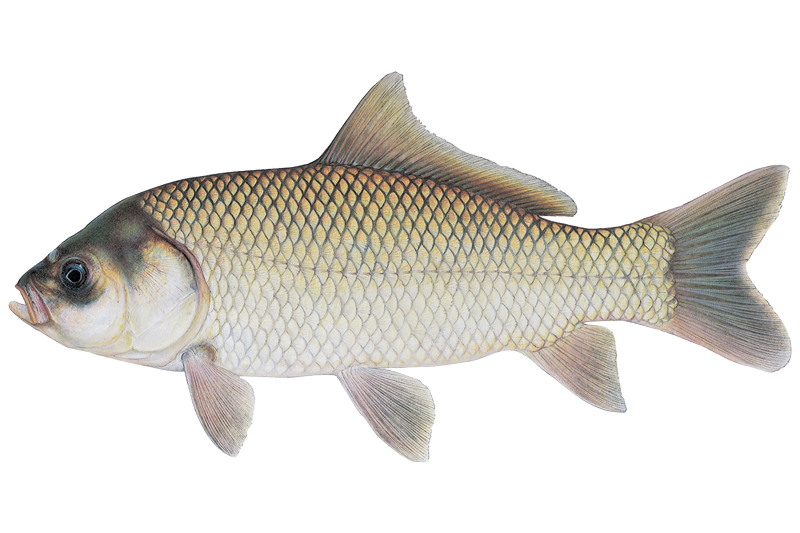
Bigmouth Buffalo are native to Texas as part of the Mississippi River drainage system, though they're considered rare in the state and primarily found in eastern Texas waters.
They're the largest member of the sucker family and extraordinary freshwater gamefish. These remarkable fish are among the longest-lived freshwater species in North America.
Scientific Name: Ictiobus cyprinellus
- Capable of reaching over 4 feet in length and 80 pounds.
- Unlike carp (which they're often confused with), they are distinguished by their terminal, forward-facing mouth and lack of barbels or fin spines.
- They have a deep, laterally compressed body with a long dorsal fin and coloration ranging from brownish olive to dark with a coppery sheen.
Fishing in Texas

Belton Lake
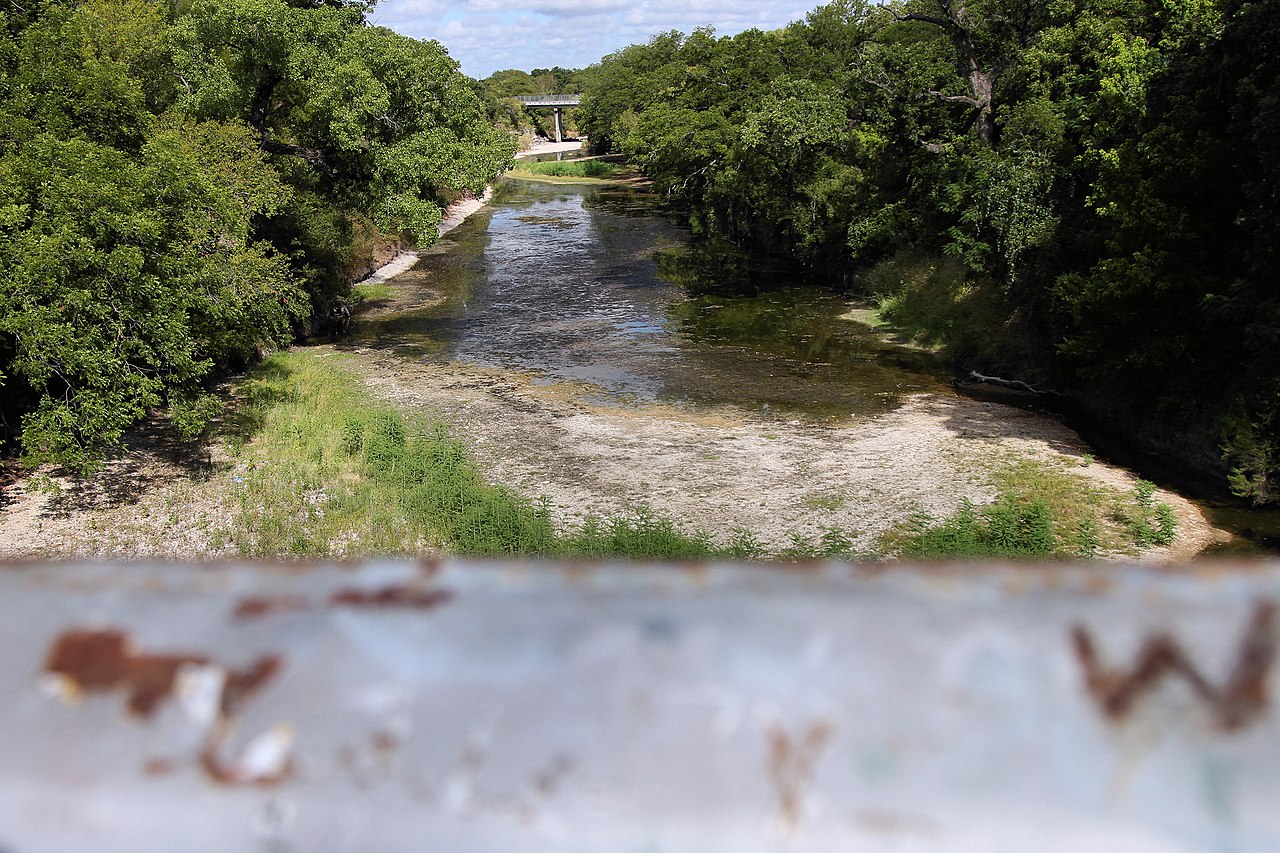
Lampasas River

Brazos River
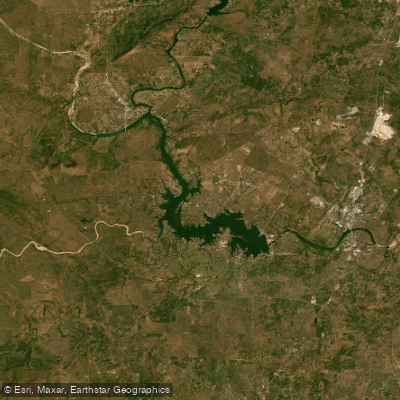
Lake Lyndon B Johnson
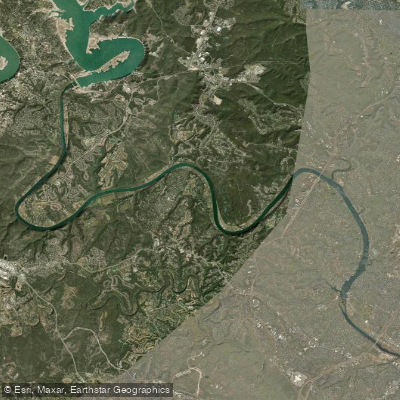
Lake Austin
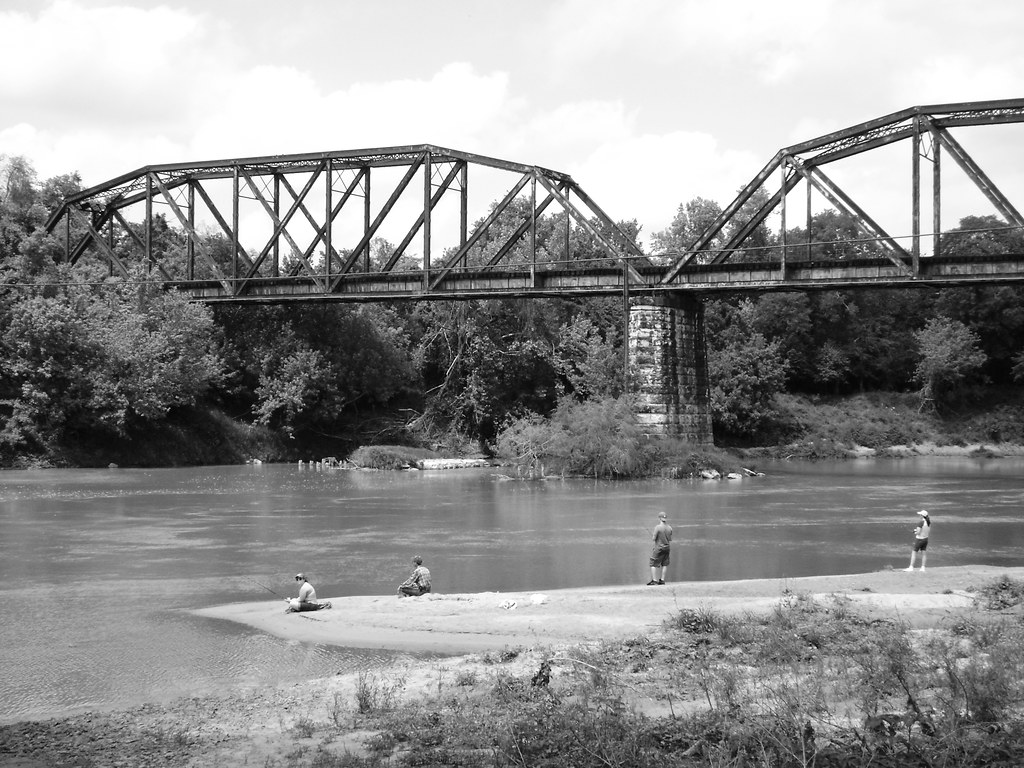
Colorado River
North Bosque River
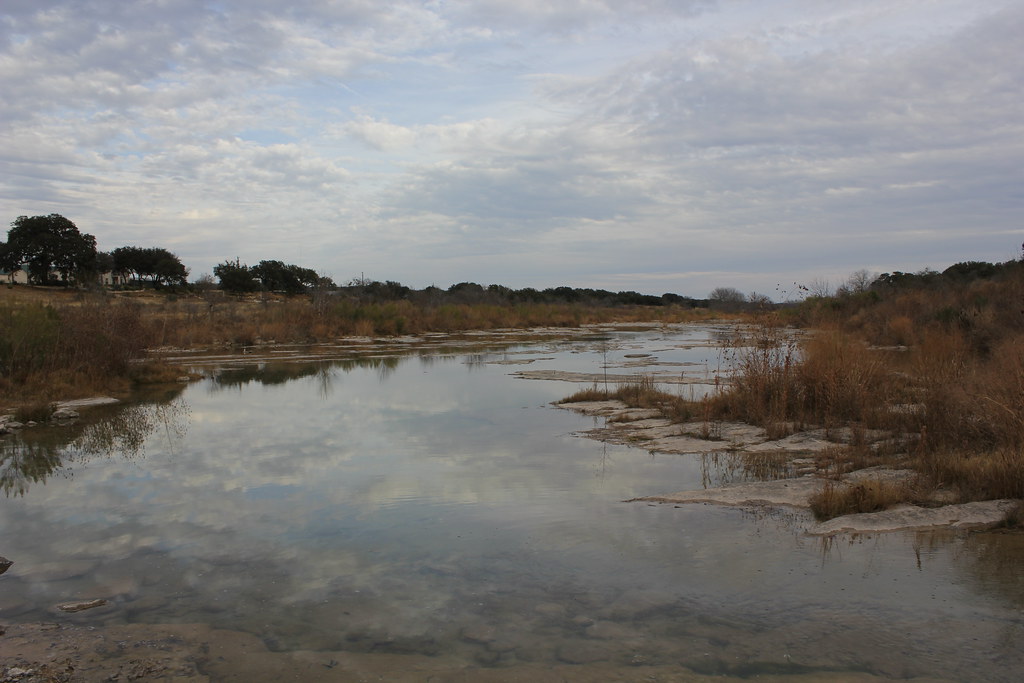
Pedernales River
Stillhouse Hollow Lake
Leon River
What to know
Habitat Distribution
- Slow-moving rivers, backwaters, oxbows, and large reservoirs, preferring shallow waters under 16 feet deep with muddy bottoms and high turbidity tolerance.
Key Locations
- Eastern Texas waters, eastern Texas rivers.
Specific Spots
- Target slow-moving sections, backwaters, oxbow lakes, and the deeper areas of reservoirs at depths of 10-20+ feet.
- Prime locations include areas with muddy bottoms, vegetation, and high turbidity levels.
- Focus on areas with submerged vegetation, current edges, drop-offs, and protected embayments.
Bigmouth Buffalo FAQ
Answers from onWater's species guide.
What are the best lures and bait for Bigmouth Buffalo in Texas?
Bread or dough balls, corn, marshmallows, semolina balls, bloodworms, wax worms, maggots, and night crawlers. Small scented baits work particularly well since they rarely take live bait.
What flies work for Bigmouth Buffalo in Texas?
Small nymphs and midge patterns in sizes 8-10, including Red Fox Squirrel Nymphs, Pat's Rubber Leg, Prince Nymphs, and Hares Ear patterns in brown and olive colors. Streamers in white with olive-bronze backs.
When is the best time to fish for Bigmouth Buffalo in Texas?
Best success during spring through fall when water temperatures are between 72-100°F. Spawning occurs from April to June when water temperatures reach 55-79°F - this period should be avoided for fishing to protect reproductive success.
How do you catch Bigmouth Buffalo in Texas?
For fly fishing, present flies with a dead drift technique similar to trout fishing, or use a high-stick approach with short casts. Streamers can be quartered upstream and allowed to drift downstream.
What do Bigmouth Buffalo eat?
They're filter feeders, primarily consuming zooplankton (cladocerans and copepods), along with benthic insect larvae, crustaceans, algae, chironomids, ostracods, and detritus.
Fish smarter with real-time insights
Whether you're en route and conditions shift or you're looking for the best spot based on current flows, we enable you to make informed decisions on the fly.




See it in the app
Most maps show you water.
onWater shows you Bigmouth Buffalo.



- 01 · Species map filter
Map every Bigmouth Buffalo water
Pick Bigmouth Buffalo and the map zeroes in on the waters they call home. No more guessing which lake holds them.
- 02 · Waterbody species
Tap any water. See what lives there.
Species, behavior and seasonal patterns for every lake, river and pond, before you leave the driveway.
- 03 · Angler Intelligence
Ask how to catch Bigmouth Buffalo
Tactics, gear and timing from onWater's AI fishing guide, tuned to the species and the water you're on.
Stop guessing where Bigmouth Buffalo are.
Open the map, filter by Bigmouth Buffalo, and head to water that holds them. Download onWater and plan your next trip in minutes.
- Species map filter
- Angler Intelligence
- Fishing journal
Explore other species
Trout, bass, salmon, panfish and everything in between. Each guide unpacks the behavior, seasons, and tactics that put fish in the net.
No species information available.
Texas licenses and regulations
Explore nearby waters
Explore Texas waters
Top fishing waters
Popular Cities
Loading popular cities...

Smarter Fishing Starts in the App.
onWater Fish gives you everything you need to plan smarter, fish better, and own every trip from first cast to last.